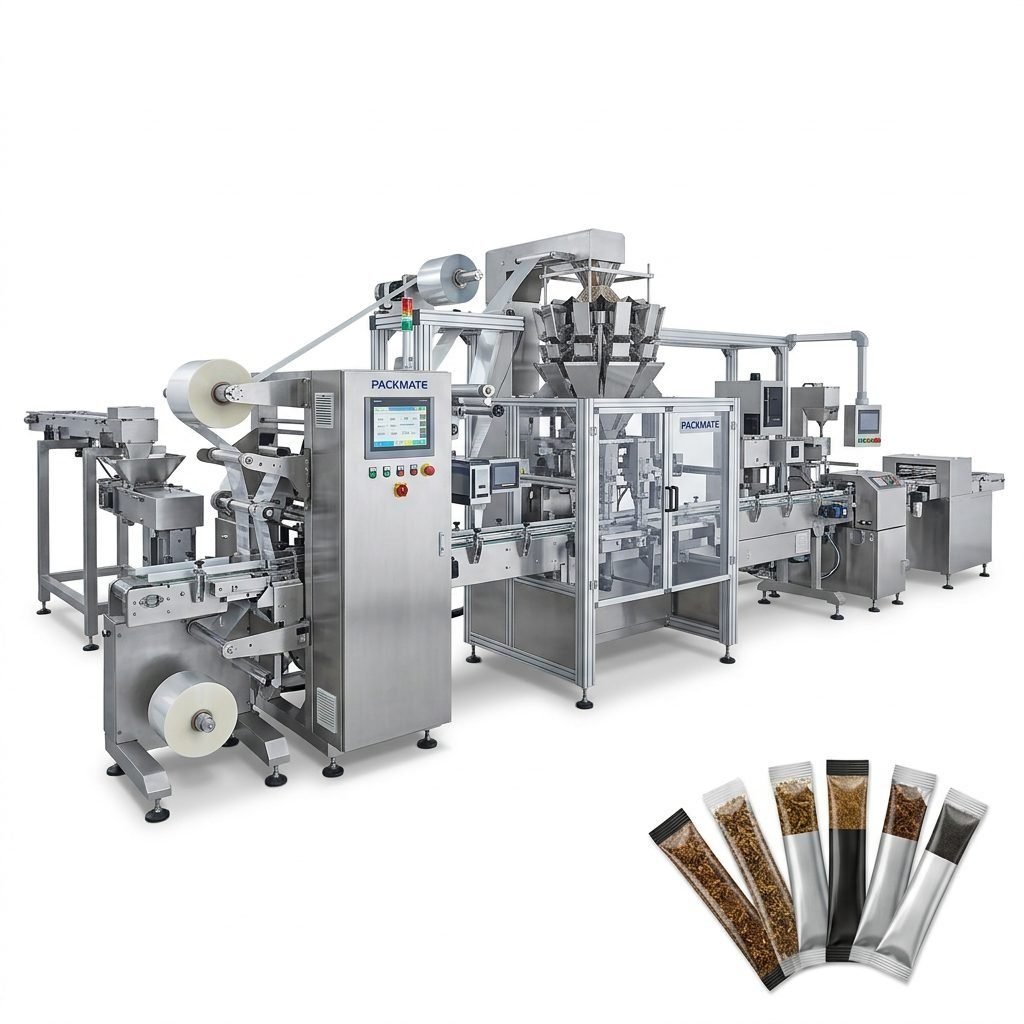
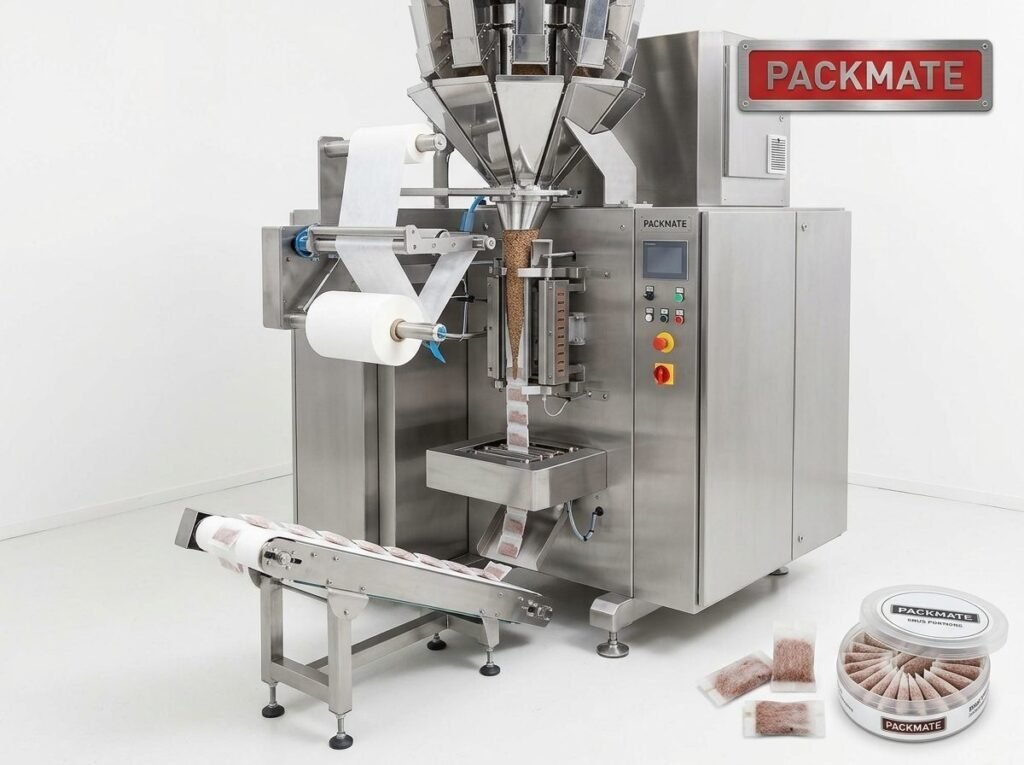
Establishing or upgrading a snus (nicotine pouch) production line in Iraq requires more than picking a machine off a catalog. You need a supplier who understands nicotine-product regulations, local business culture, climate challenges, after-sales service, and production scalability. This guide walks you through the steps to choose the best snus packaging machinery supplier for your factory in Iraq — from technical assessments to practical tips for working with international manufacturers.
Understand Your Market and Local Requirements
Before evaluating suppliers, clarify your product type (snus, nicotine pouches, flavored sachets), daily output targets, and target distribution channels in Iraq (retail, wholesale, export to neighboring markets). In Iraq, consider local preferences such as discreet packaging, Arabic labeling requirements, and seasonal demand patterns tied to national holidays. Regulatory checks are essential — contact local import/export authorities and public health regulators to confirm the necessary certifications and labeling standards.
Regulatory and cultural considerations
Iraq has a distinct regulatory environment and cultural context. You should verify import rules for nicotine products, excise taxes, and labeling language requirements. Respect local customs: packaging that is discreet and respectful of cultural sensitivities often performs better in Iraqi retail channels. Working with a supplier who has exported to Middle Eastern markets can shorten compliance learning curves.
Technical Criteria: What to Look for in the Machines
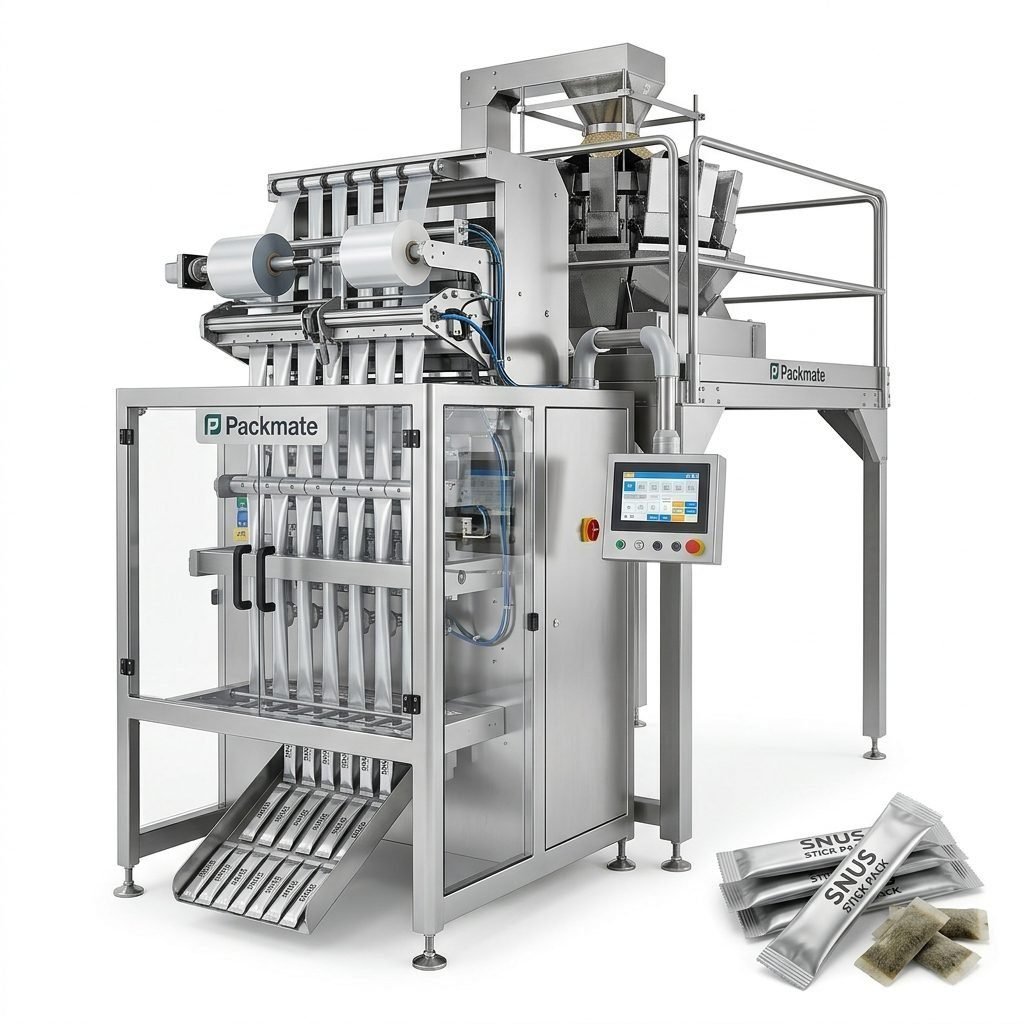
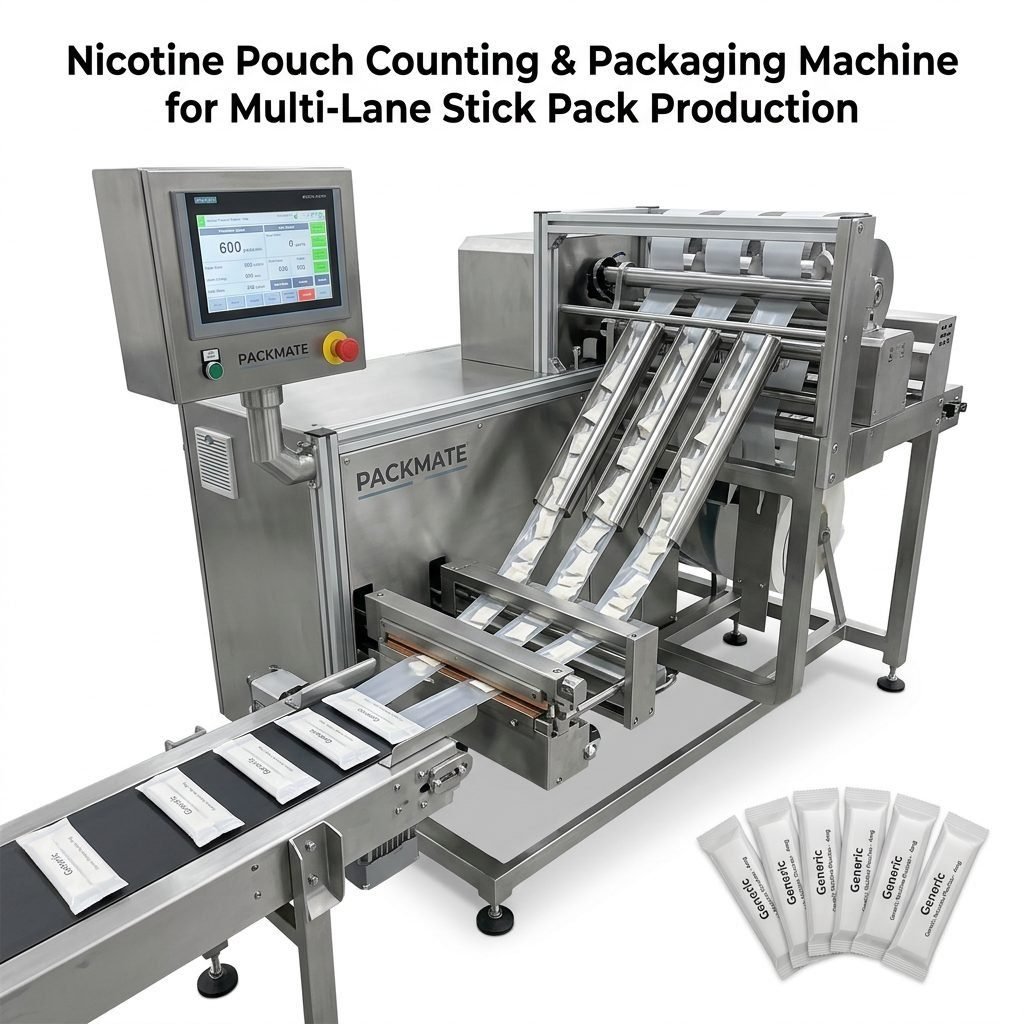
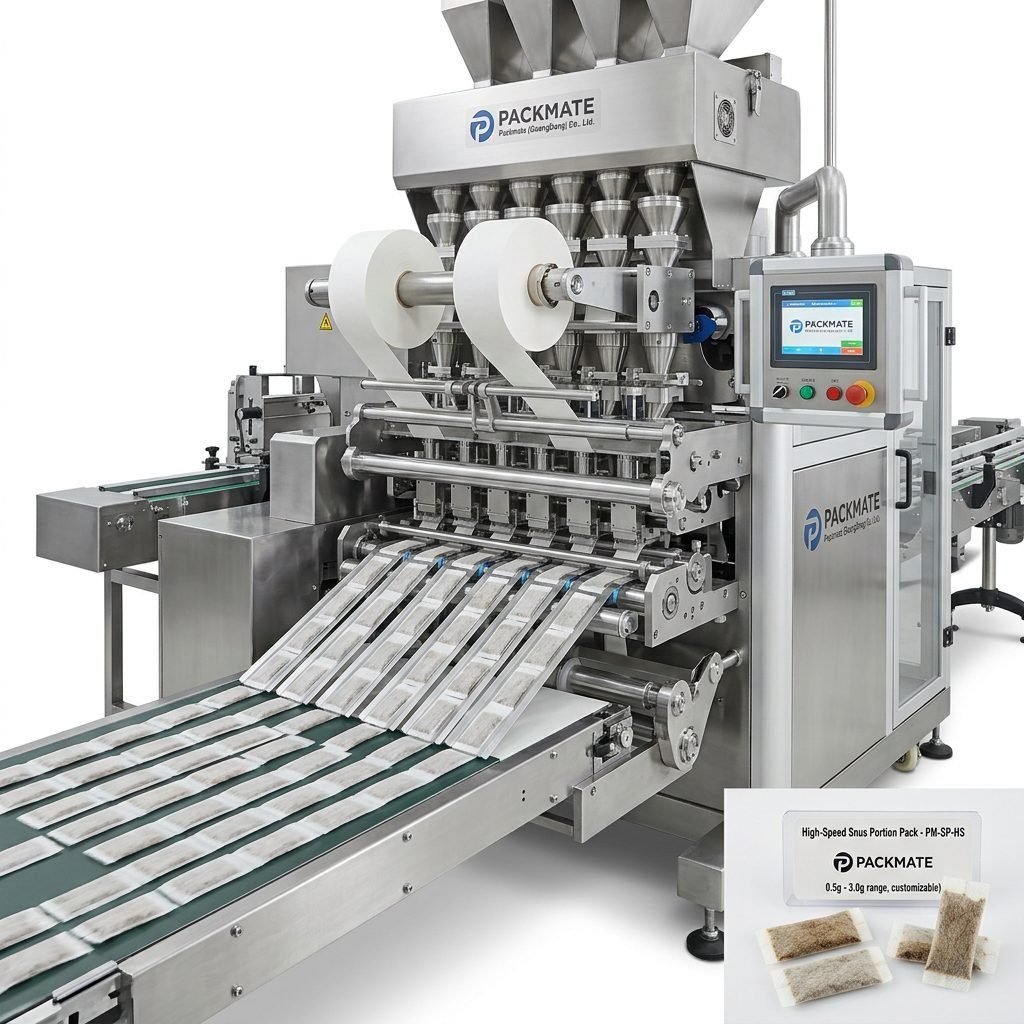
Focus on machines that match your product format and throughput. Key technical points include machine format compatibility (stick pack, sachet, multi-lane pouch), filling precision for small-dose nicotine pouches, material contact parts (food-grade stainless steel), and CIP/COP capabilities for sanitation. Performance stability and ease of changeover are essential for multi-SKU production.
✔ Key machine specs to prioritize:
• High-precision filling for small doses — ensures uniform nicotine content.
• Multi-lane options if you plan high-output or smaller pouch sizes.
• Robust PLC and HMI with user-friendly controls for local operators.
• Food-grade stainless steel (304/316) construction and IP-rated components for dusty/humid environments common in Iraq.
• Easy maintenance and accessible spare parts.
Evaluate Supplier Experience and Factory Strength
Prioritize suppliers with deep industry experience and proven records in snus or nicotine pouch equipment. A manufacturer with a 20,000㎡ facility, mature CNC machining centers, and extensive assembly lines offers production stability and faster lead times. Review case studies, certifications such as CE and ISO, and international exhibition participation to validate credibility.
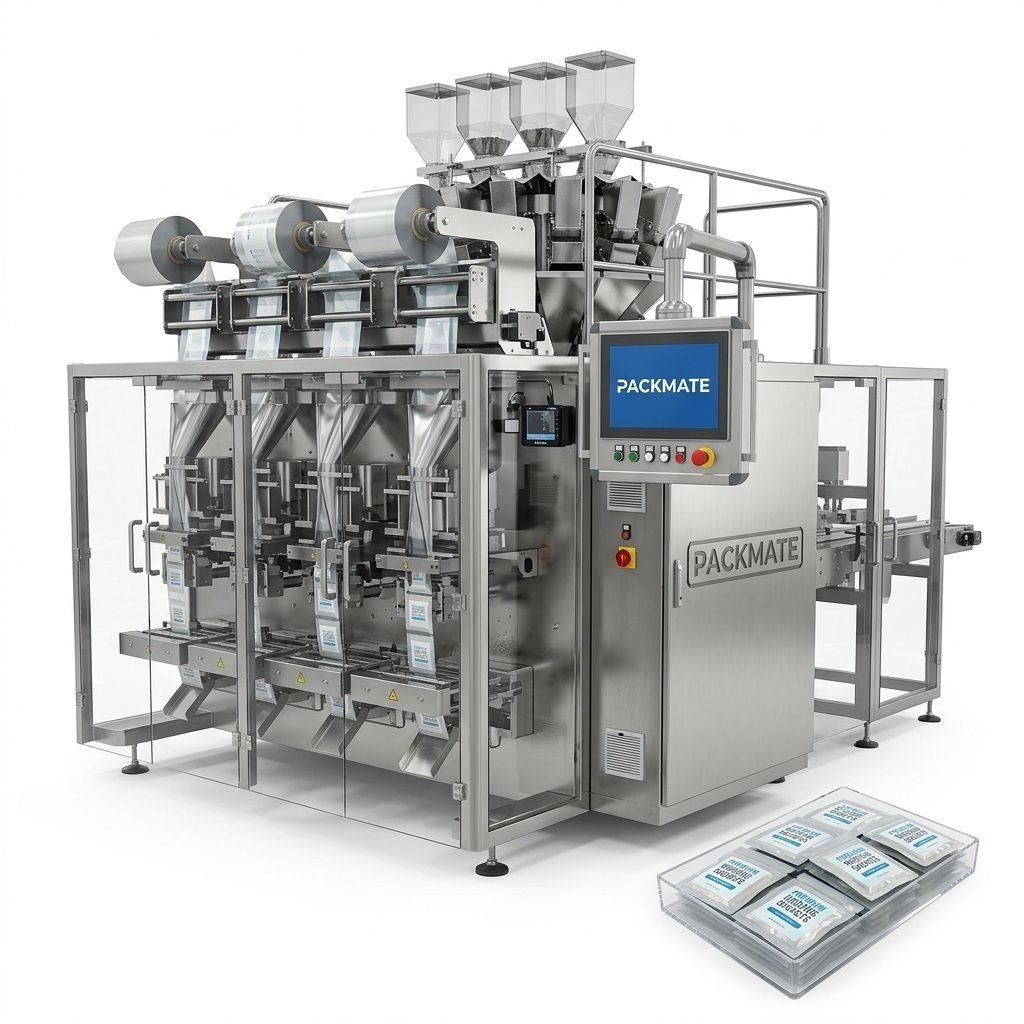
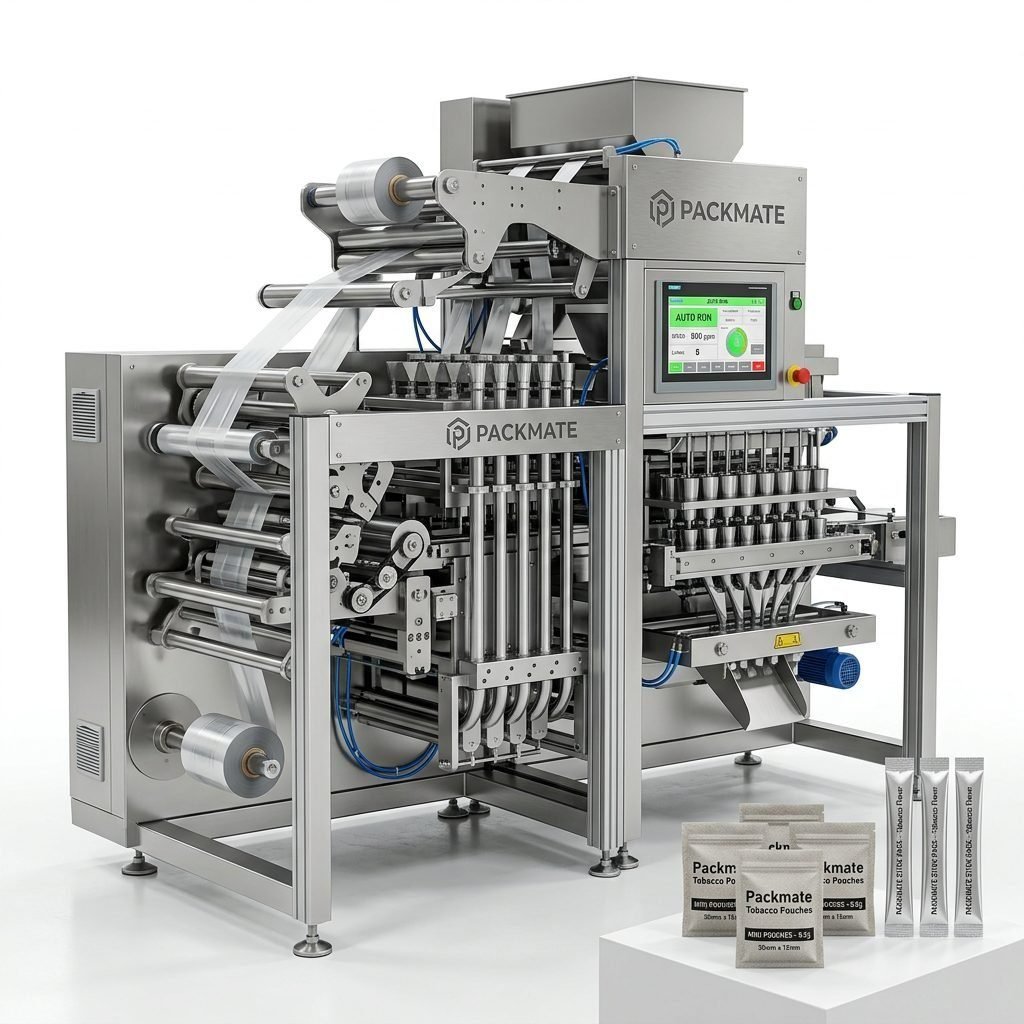
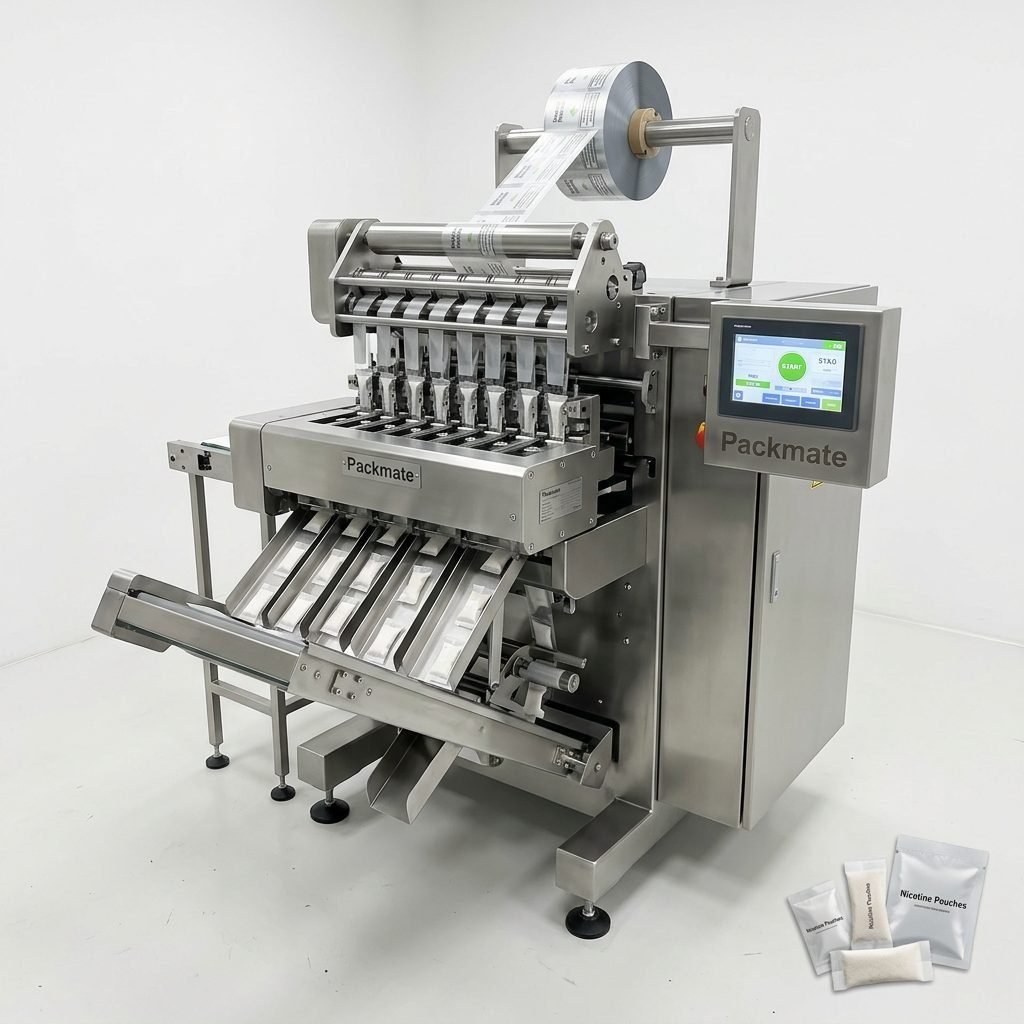
For example, companies like Packmate Snus Machine highlight decades of engineering experience and turnkey solutions across multiple product formats. Checking their product pages for relevant machines — such as Snus & Nicotine Packaging Machines — can reveal compatibility and past deployments: Snus & Nicotine Packaging Machines.
Factory capacity and customization ability
A supplier should offer both standard models and fully customized turnkey lines. Ask about:
• Prototype and customization timelines.
• Availability of spare parts and local stocking options.
• In-house testing and factory acceptance tests (FAT) before shipping.
• Experience with electrical standards and motor types compatible with your region.
After-Sales Service: The Most Critical Factor
After-sales service often determines the long-term success of your packaging line. Evaluate a supplier’s ability to provide remote support, spare parts supply, field engineers, training, and warranty terms. In Iraq, logistical delays and local repair constraints make fast support and clear spare parts availability essential.
⚠ Service checklist:
• Local or regional service partners for faster response.
• Training programs for your operators and maintenance staff.
• Clear spare parts list and recommended stock levels.
• Remote diagnostics capability (remote PLC/HMI access) to reduce downtime.
Quality, Testing, and Certifications
Verify the supplier’s quality management system. Certifications such as CE and ISO signal adherence to international manufacturing and safety standards. Request documentation for material traceability, FAT reports, and machine test videos. A reputable supplier will welcome factory visits or virtual FAT sessions.
If you want to review different machine categories and their specifications, explore product lines like Bag & Pouch Packaging Machines and Sachet & Stick Pack Machines.
Price vs. Total Cost of Ownership (TCO)
Don’t focus solely on upfront price. Calculate the TCO, including energy consumption, spare parts, consumables, expected throughput, labor needs, and projected downtime. A slightly higher initial investment in high-precision machines can lower waste and rework, improving margins for small-dose nicotine products.
Negotiating warranties and service contracts
Negotiate clear warranty coverage, response times, and defined SLAs for parts replacement. If possible, include training hours and first-line spare parts in the contract. Ask for optional service plans for preventive maintenance.
Logistics, Import, and Local Support in Iraq
Shipping heavy machinery to Iraq involves customs clearance, duties, and transport arrangements. Choose a supplier experienced with shipments to the Middle East and capable of handling documentation, customs support, and local delivery. A supplier with local agents or partners can expedite installation and training.
Consider climatic conditions: Iraq’s high temperatures and dusty environment mean you should ask about dust protection (IP-rated enclosures), cooling options for electronics, and corrosion-resistant materials. Packaging materials and film behavior can also change in hot, dry climates — confirm the recommended sealing and film types.
Factory Acceptance and Commissioning
Always require a FAT and clear commissioning plan. FAT demonstrates machine performance under simulated production conditions and minimizes surprises on-site. After shipment, plan on-site commissioning, operator training, and a ramp-up period. If the supplier publishes case studies or exhibition demos, request recorded demos or references you can contact.
Suppliers often publish case examples — review their project references and success stories such as those shown in their Case pages to see real-world deployments.
Local Partnerships and Cultural Fit
In Iraq, long-term relationships and trust are pivotal. Choose a supplier willing to build a partnership: inclusive communication, Arabic-capable documentation or local translators, and adaptability to local working hours and holiday schedules. Suppliers who attend regional trade shows and have local references tend to be more responsive to region-specific needs.
🔍 Quick checklist before signing:
• Confirm machine compatibility with your pouch sizes and nicotine fill tolerances.
• Check FAT reports and ask for video evidence of similar machines running.
• Request spare parts list and estimated annual consumables cost.
• Validate warranty, SLA, and local support arrangements.
• Ensure supplier can handle required documentation for Iraqi customs.
Why Choose a Supplier with Turnkey Experience
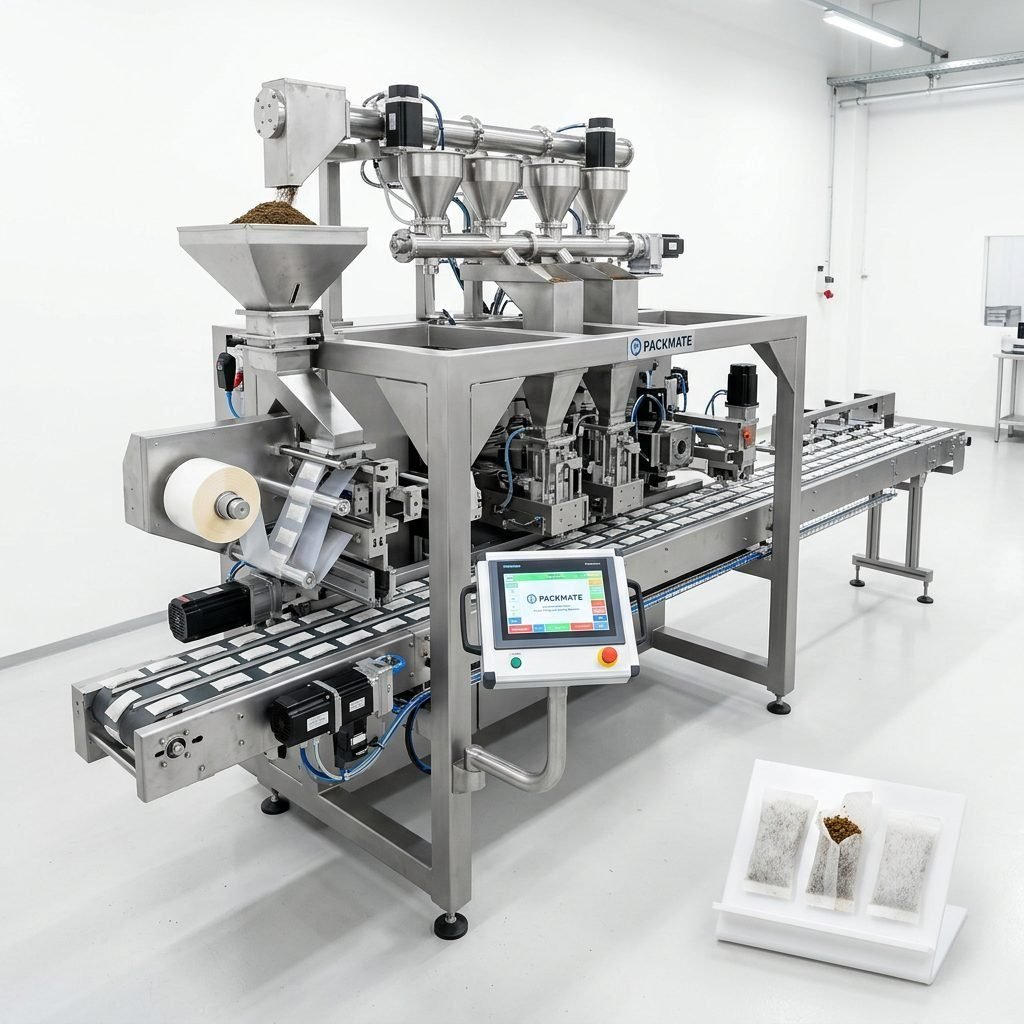
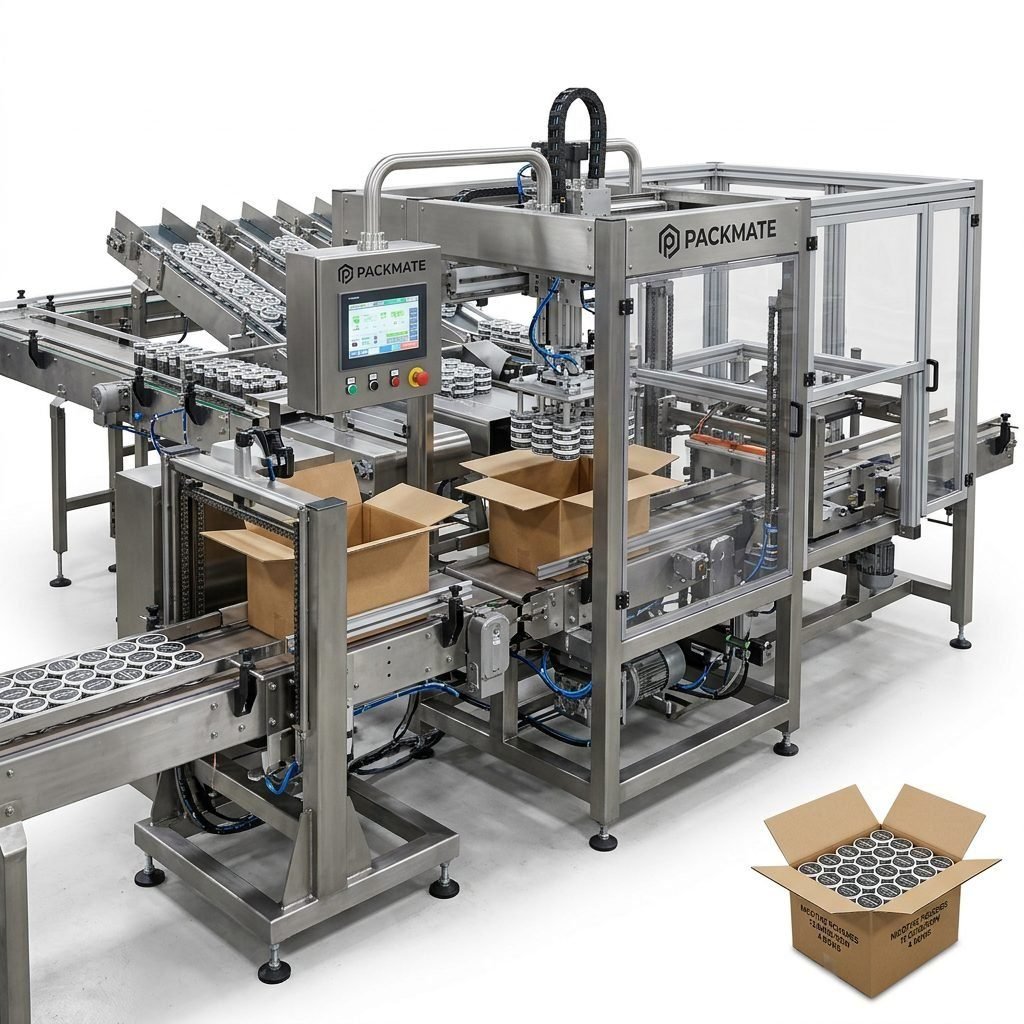
Turnkey suppliers not only deliver machines but also integrate weighing, feeding, labeling, and packaging conveyors into a coordinated line — reducing integration risks. If you plan to scale production or expand SKUs, turnkey systems and modular designs offer smoother upgrades. Learn about available auxiliary equipment and integrated weighing systems: Weighing & Packaging Systems and Auxiliary Packaging Equipment.
Sustainability and energy efficiency
Energy-efficient components and smart drives can reduce operational costs in energy-sensitive regions. Ask for energy consumption data and any energy-saving features the machines provide.
Practical Steps to Finalize Your Supplier
1) Shortlist 3–5 suppliers with relevant snus experience and request detailed proposals.
2) Compare TCO, support terms, and FAT results rather than lowest price.
3) Request references in the Middle East and examine service responsiveness.
4) Negotiate spare parts, training, lead times, and payment terms.
5) Sign an agreement that defines acceptance criteria, delivery milestones, and penalties for missed commitments.
If you need additional support, reach out to suppliers that provide clear post-sale service channels and a dedicated contact such as their Contact Us page or service pages like Service.
Local Adaptations and Seasonal Tips for Iraqi Factories
– Operate dust control systems and install additional air filtration to protect sensitive parts from fine desert dust.
– Plan production schedules around extreme heat; consider cooler night shifts or climate control in production areas.
– Ensure labelling supports Arabic translations and local regulatory details.
– Maintain buffer stock of critical consumables during political or logistical disruptions.
Final selection reminder
Your ideal supplier combines technical strength, proven snus equipment, strong after-sales service, and experience exporting to Middle Eastern markets. Prioritize measurable guarantees — FAT outcomes, spare-parts lead times, and training commitments — to reduce risk and accelerate commercial production.
Frequently Asked Questions
Q1: How do I verify a supplier’s claim about machine performance?
Request a Factory Acceptance Test (FAT) and sample production videos. Ask for performance data from existing customers and references in similar markets. If possible, witness a live demonstration at an exhibition or the supplier’s factory.
Q2: What spare parts should I stock locally for snus packaging lines?
Stock critical wear parts such as sealing jaws, cutting knives, belts, sensors, and PLC fuses. The supplier should provide a recommended list and estimated consumption rates based on your planned throughput.
Q3: Are there special film or sealing considerations for Iraq’s climate?
Yes. High temperatures and low humidity can affect film seal integrity and pouch stability. Work with film suppliers to select films with appropriate sealant layers and test seals under local temperature ranges before finalizing packaging materials.
Q4: How important is remote support for suppliers serving Iraq?
Extremely important. Remote diagnostics and fast support reduce downtime. Ensure the supplier offers remote PLC/HMI access and has a documented plan for urgent on-site assistance when needed.
Q5: Where can I learn more about full production lines and supplementary equipment?
Explore the supplier’s dedicated product pages for end-to-end solutions, including weighing, filling, and auxiliary equipment. For example, review comprehensive product lines such as Filling & Packaging Lines and consult their catalog or FAQ pages to prepare a detailed requirements list.