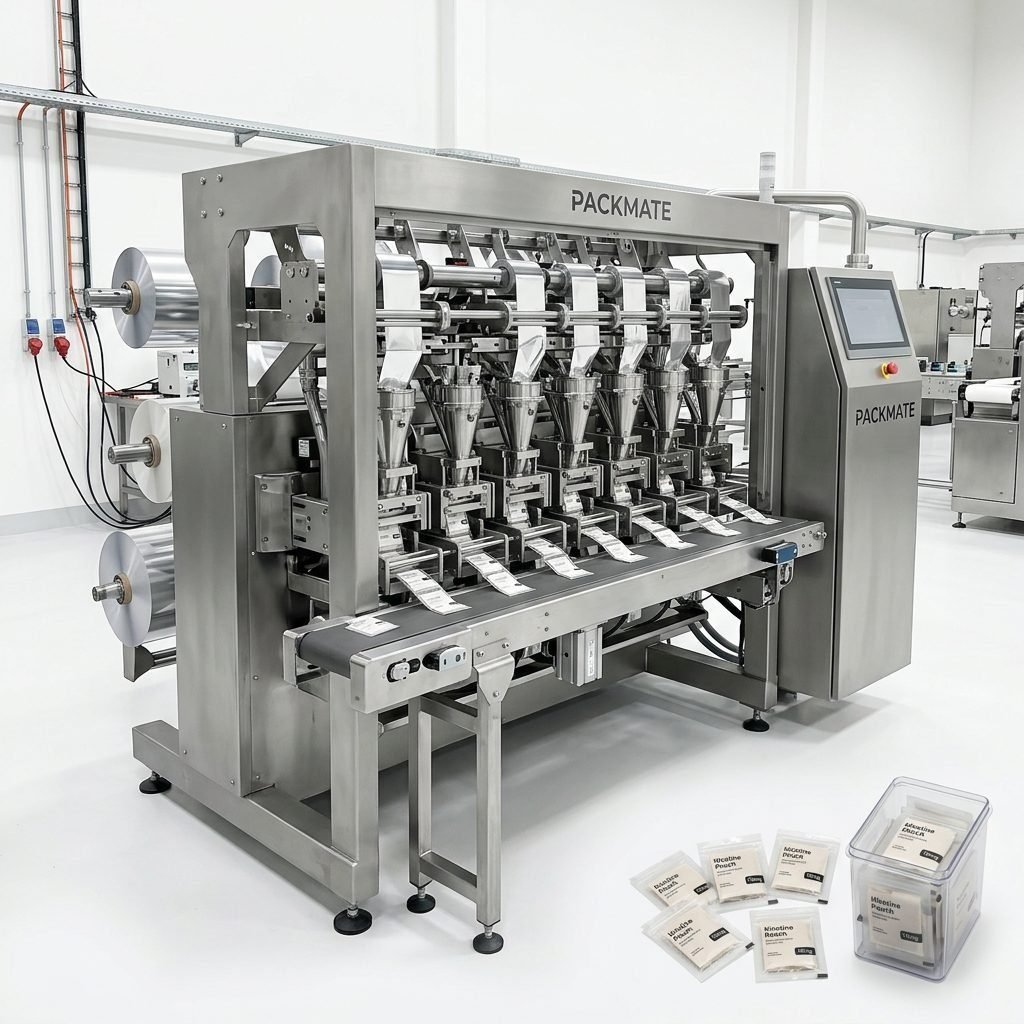
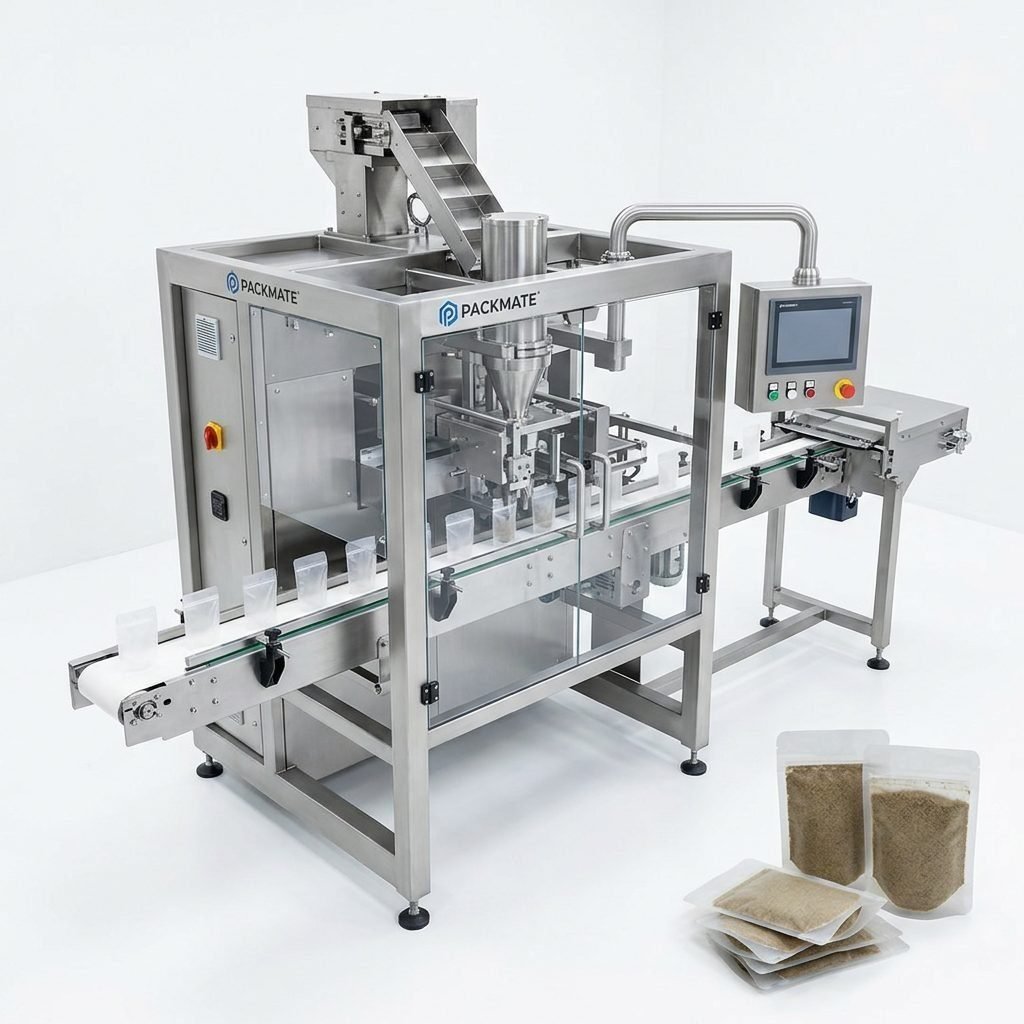
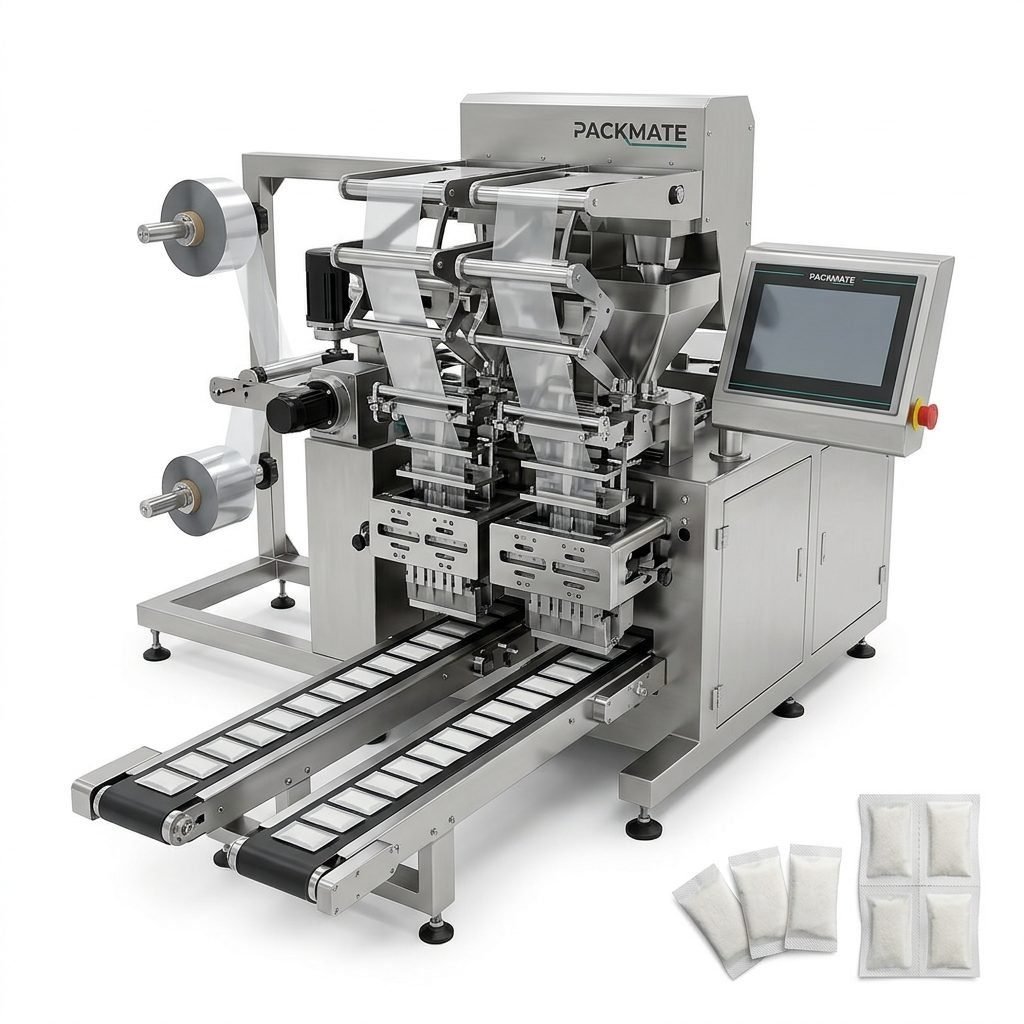
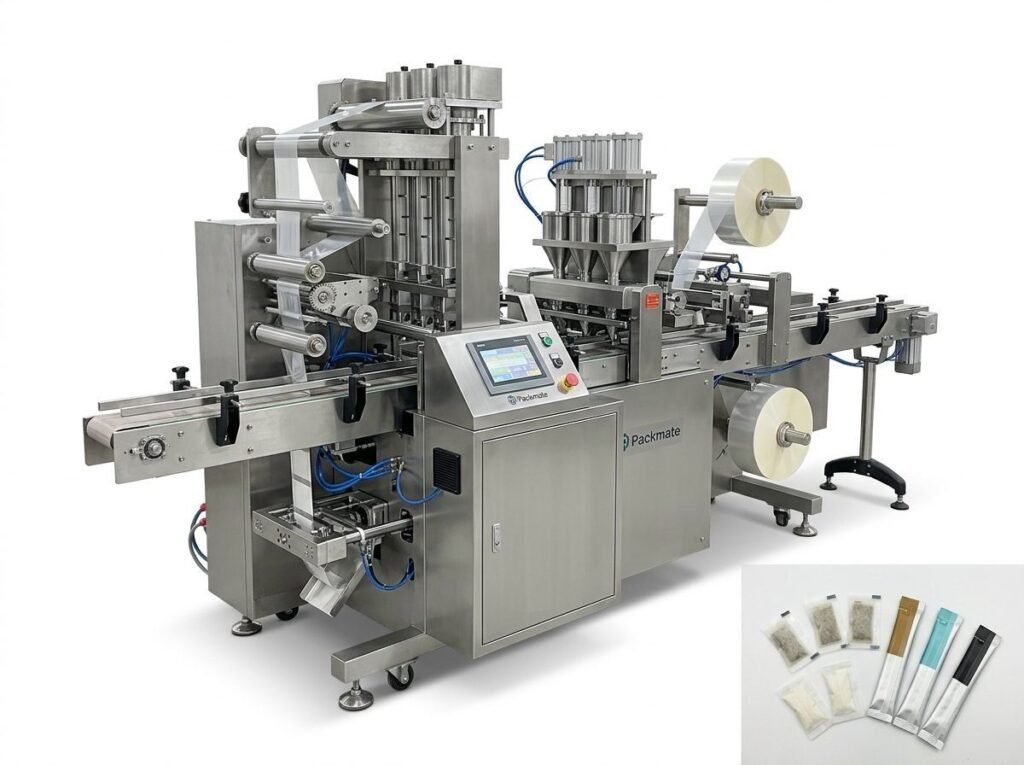
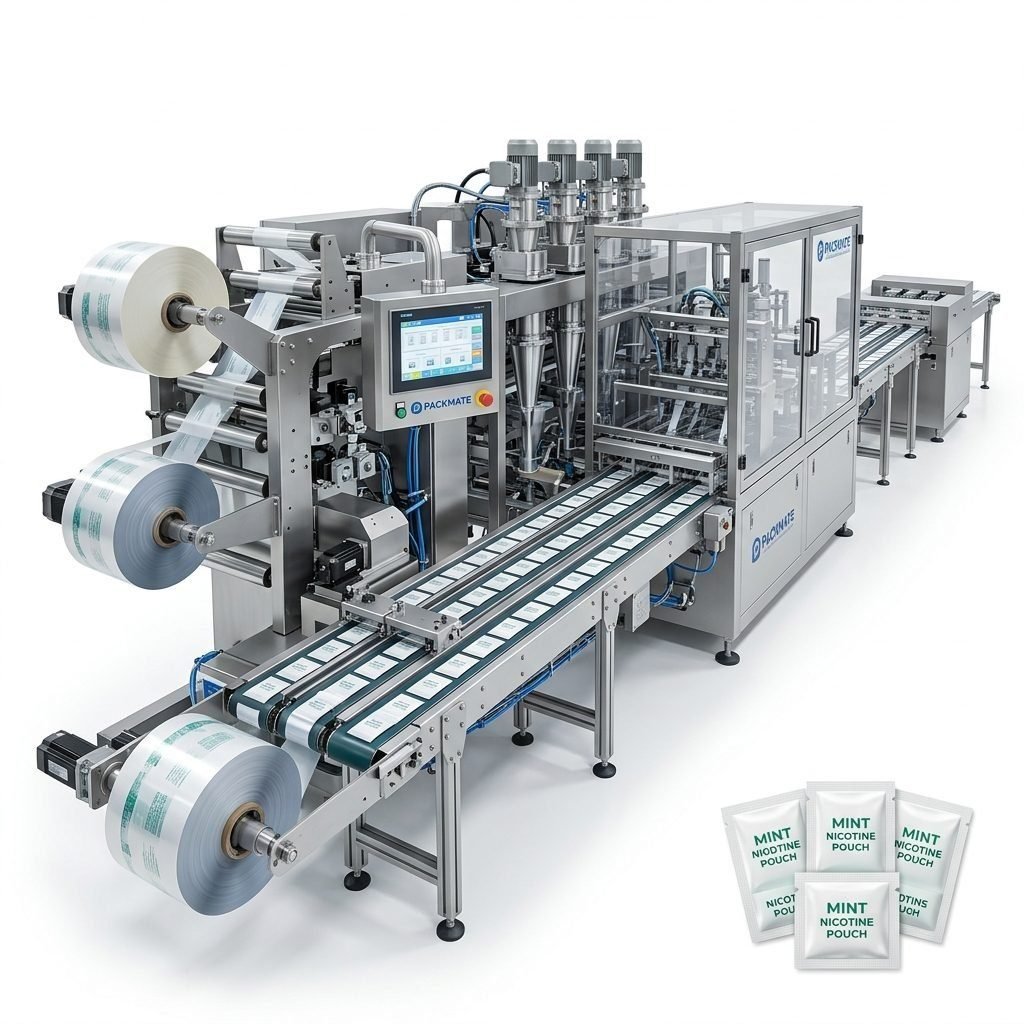
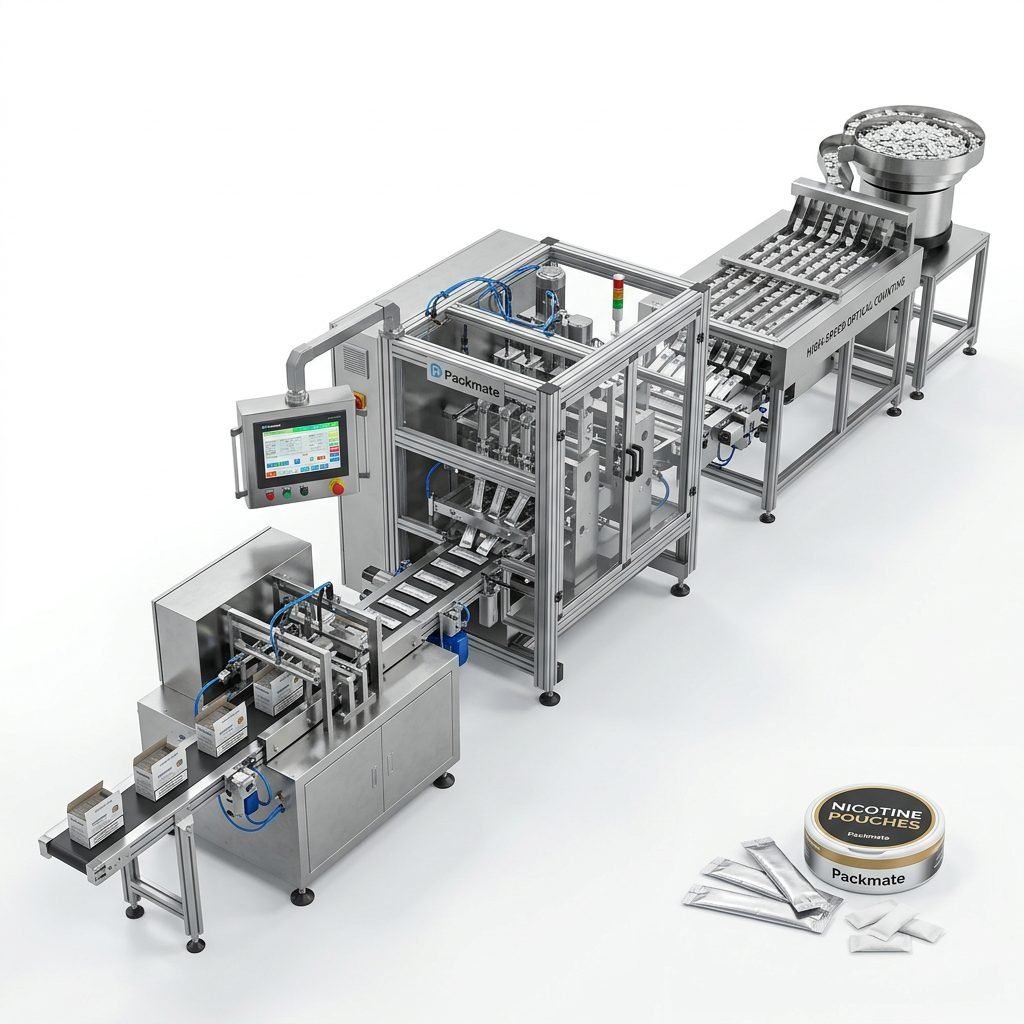
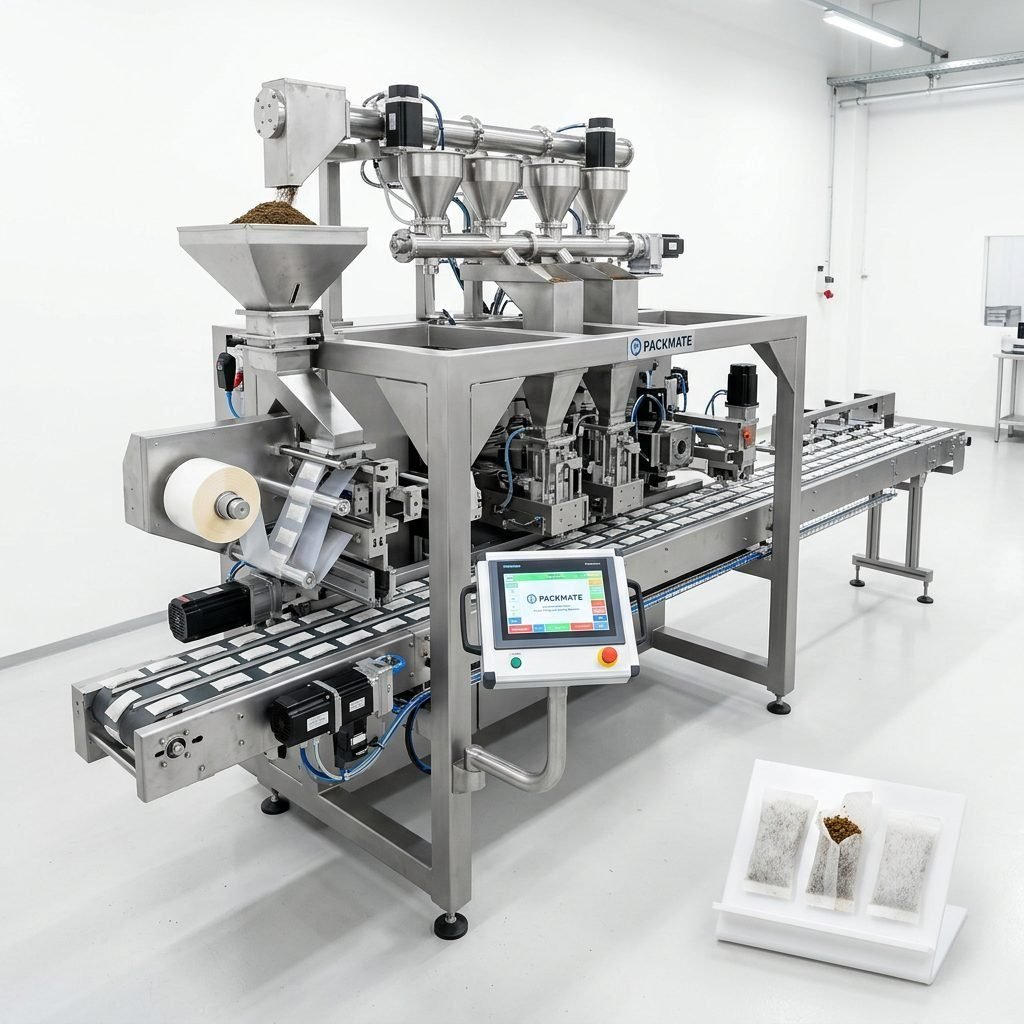
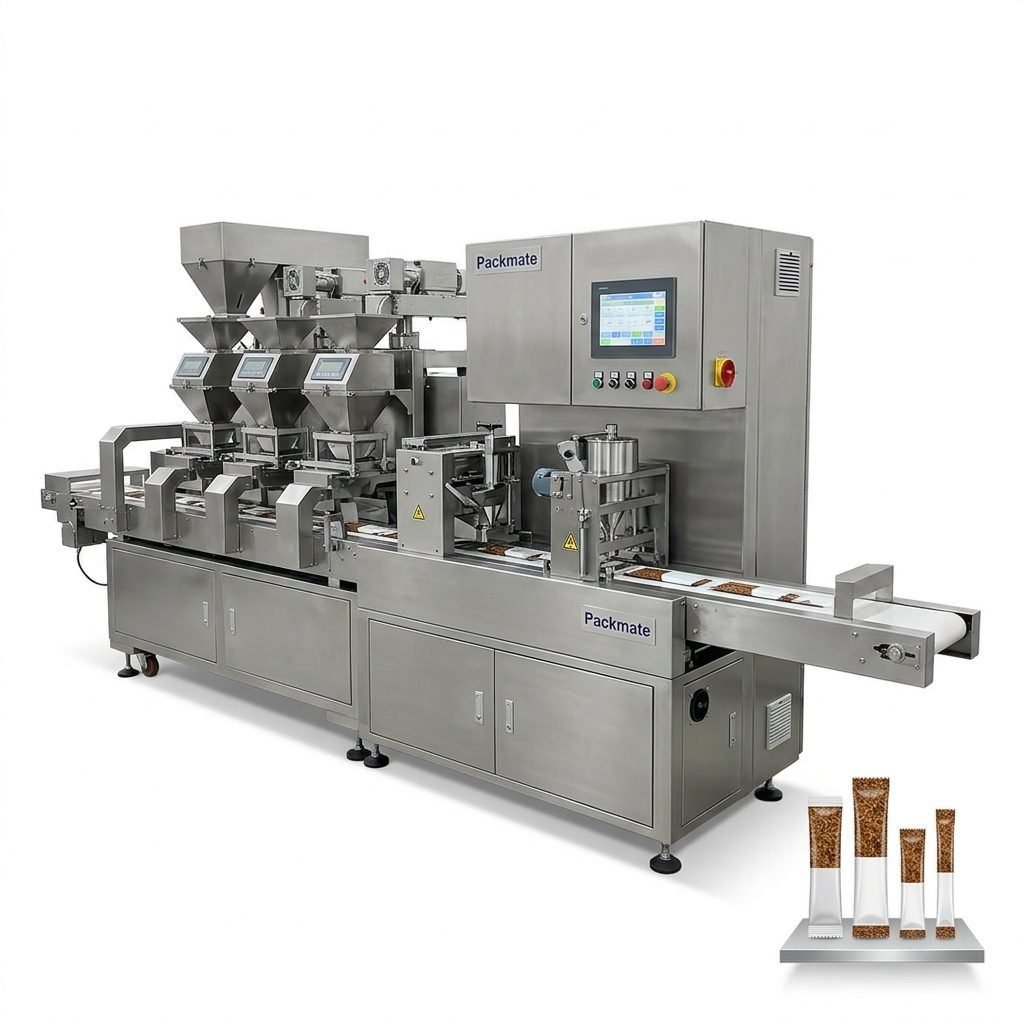
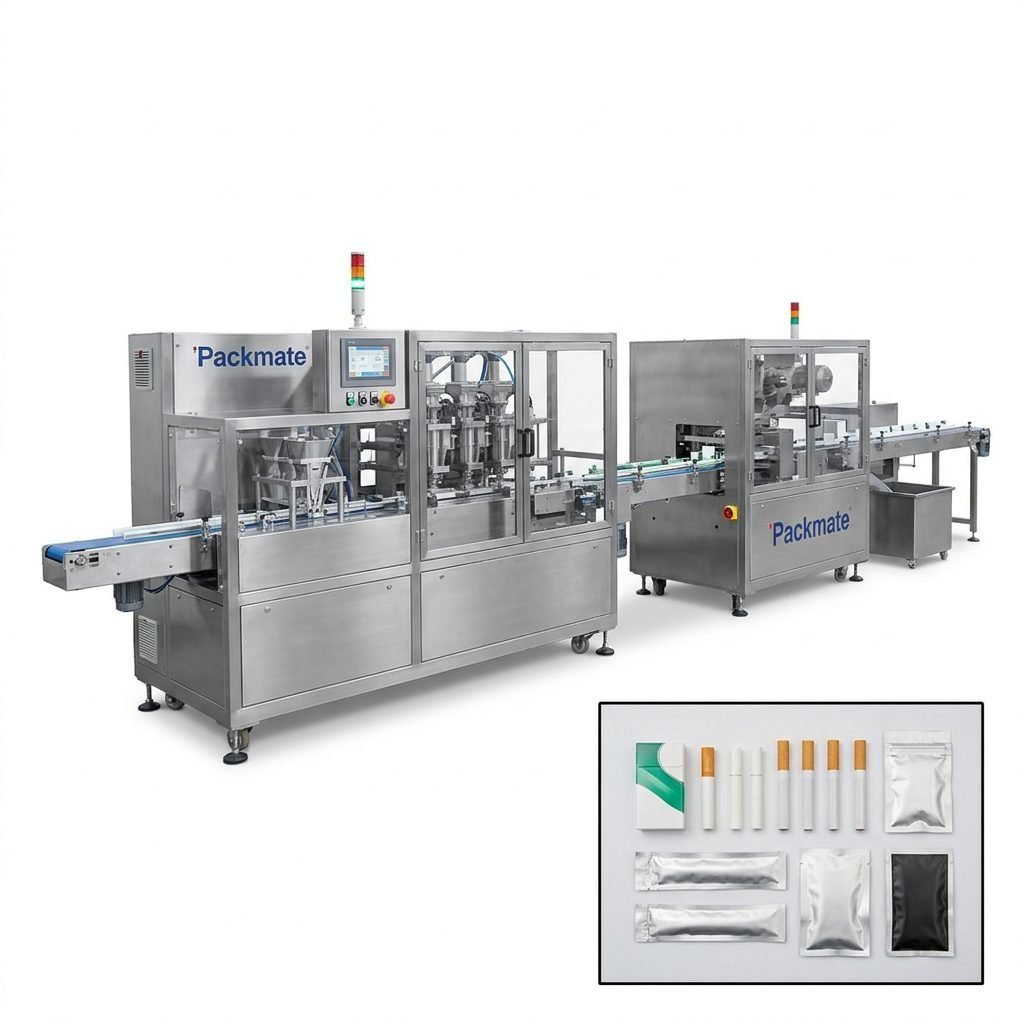
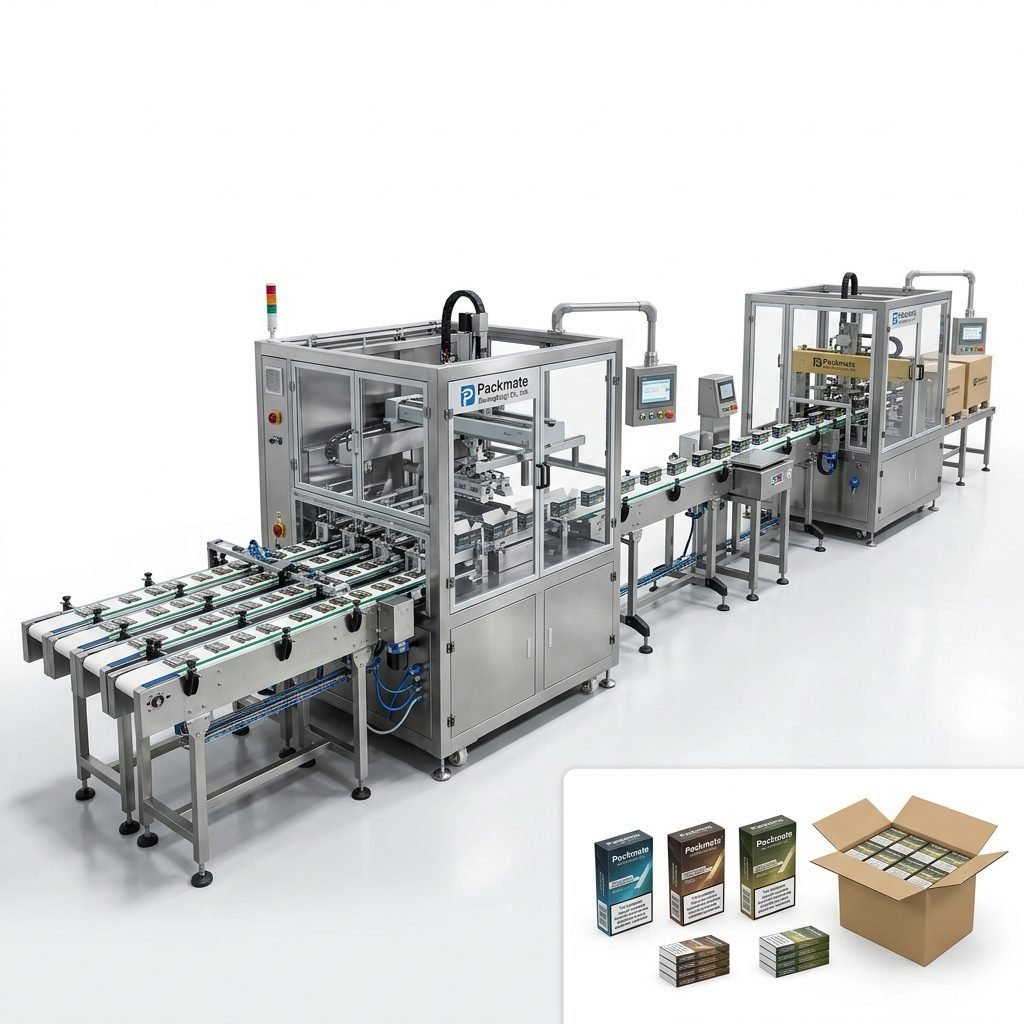
Choosing the right supplier for nicotine pouch and snus packaging equipment in Italy requires a balance of technical know-how, regulatory awareness, and cultural understanding. This guide walks you through practical steps to evaluate suppliers, compare machine options, and secure a reliable partner who can deliver efficient, compliant, and long-lasting packaging lines. Whether you are sourcing multi-lane snus machines or turnkey filling and packaging lines, these tips will help you make a confident decision in the Italian market.
Understand the Italian Market Context 🇮🇹
Italy’s tobacco and nicotine product landscape is shaped by strong regional distribution networks, strict EU regulatory requirements, and a highly design-conscious retail environment. Buyers in Italy often expect high-quality finishing, consistent output for retail packing aesthetics, and suppliers who understand European compliance like CE marking and ISO standards. When evaluating suppliers, look for familiarity with Italian import norms, VAT handling, and product labeling rules.
Why local customs matter
Personal relationships and clear communication are valued in Italian business culture. Expect to engage in multiple discussions, request demonstrations, and prefer suppliers who are willing to visit or host you for factory tours. Suppliers who provide transparent documentation and responsive local support tend to build stronger partnerships.
Key Technical Criteria for Nicotine Packaging Machines
Focus on specifications that directly affect production efficiency and product quality. The main technical aspects are machine speed, lane count, dosing accuracy, material compatibility, and changeover flexibility.
✔ Key specs to verify:
• Production capacity (pouches per minute and per lane)
• Multi-lane synchronization for small-dose snus pouches
• Filling systems compatibility with powders, granules, and liquid sachets
• Accurate dosing ± tolerance and in-line weighing options
• Material handling (film types, laminate, coated paper)
Automation and Integration
If you plan to scale, prioritize suppliers offering turnkey lines (filling, packaging, case packing, and palletizing). Check for modular designs that integrate with your existing weighing and conveying systems. Suppliers experienced with full lines can reduce commissioning time and troubleshooting during start-up.
Certifications, Compliance & Safety
European purchasers must ensure equipment complies with EU machinery directives and safety standards. Verify CE marking, ISO certification, and any industry-specific documentation that proves hygienic design for food-contact components in nicotine pouches.
⚠ Documentation checklist:
• CE Declaration of Conformity
• ISO certificate(s) for quality management
• Material traceability and hygienic contact certificates
• Electrical and safety schematics for customs and installers
Factory Capability & Manufacturing Strength
Evaluate the supplier’s manufacturing capacity and engineering depth. A robust factory with advanced CNC machining centers and precision assembly lines will deliver more consistent machine quality and quicker spare parts production.
For example, suppliers with a 20,000㎡ facility and 30+ years of engineering experience can offer diverse models and custom solutions. Strong after-sales service is often backed by a large manufacturing footprint that stocks critical components.
What to inspect during a site visit
• Production lines in operation, quality control procedures, and test runs.
• CNC and component machining capability to assess replacement part lead times.
• Assembly practices and final test protocols to ensure machines meet performance claims.
Service, Spare Parts & Training
After-sales service can make or break your production. Verify the supplier’s warranty terms, spare parts availability, and availability of on-site technical training. A supplier who offers remote diagnostics, local spare stock, and scheduled maintenance plans will reduce downtime.
🔧 Service priorities:
• Fast spare part shipment to Europe
• Remote support capability and software updates
• On-site commissioning and operator training packages
Customization & Flexibility
Italian brands often require unique pouch designs, premium finishes, or bespoke packaging materials. Choose a supplier willing to customize tooling, film feeding systems, and printing registration to match your brand identity and pack formats.
Common custom options
• Multi-lane configurations for compact small-dose pouches.
• Variable speed control for different product viscosities.
• In-line quality inspection (vision systems) for print and seal integrity.
Cost vs. Value – Evaluating Proposals
The cheapest quote is rarely the best long-term investment. Evaluate total cost of ownership: uptime, maintenance, spare parts, energy consumption, and expected lifespan. Machines built with precision engineering and backed by solid service typically offer better ROI in the Italian market.
Ask suppliers to provide a transparent breakdown: machine price, packaging tooling, installation, training, spare parts kit, warranty, and estimated lead time. Consider negotiating extended warranties or bundled maintenance when possible.
Logistics, Installation & Local Support
Shipping to Italy involves customs clearance, VAT handling, and transport logistics. Confirm whether the supplier offers DDP (Delivered Duty Paid) or assists with import documentation. Localized support and fast-response engineers in Europe are a major advantage.
Installation checklist
• Site pre-checks for power, compressed air, and floor load capacity.
• Qualified technicians for installation and performance verification.
• Operator training and handover documentation in English or Italian.
Supplier Reputation & References
Request references and case studies from the supplier, especially projects in Europe or for similar products. Seeing a machine in operation and talking to existing customers provides real insight into reliability and long-term support.
Explore supplier portfolios and case histories to verify claims. For example, suppliers who provide documented turnkey solutions and participate in international exhibitions typically have broader technical resources and global service networks.
Negotiation Tips for Italian Buyers
Build rapport, visit the supplier when possible, and request live demonstrations. Italians appreciate partners who demonstrate long-term commitment; emphasize warranties, spare parts supply, and local training to secure more favorable terms.
Commercial terms to clarify
• Payment milestones tied to factory acceptance tests.
• Clear delivery lead times and penalties for delays.
• After-sales SLA for response times and spare parts dispatch.
📌 Quick supplier evaluation checklist:
• Proven experience with snus & nicotine packaging machines
• CE/ISO and hygienic design documentation
• Demonstrable after-sales support and spare part availability
• Factory capability, CNC machining, and test-run evidence
• References and European installation cases
Practical Steps to Finalize Your Purchase
1) Shortlist suppliers based on technical fit and references.
2) Request detailed proposals with performance guarantees.
3) Arrange factory acceptance tests (FAT) or video demonstrations.
4) Sign clear contracts covering installation, training, and warranty.
5) Plan logistics, customs, and local commissioning well in advance.
Useful Resources & Supplier Links
For more information on machine types and full line options, review product pages and supplier documentation. Helpful links include:
• Snus & Nicotine Packaging Machines
• About Packmate
• Case Studies
• Service & Support
• Contact the Manufacturer
Final Recommendations
Take a methodical approach: prioritize safety and compliance, assess factory capabilities, insist on FATs, and confirm spare parts logistics to Italy. Suppliers with decades of experience and a strong manufacturing base will likely offer better long-term value and reliability.
Final tip: Choose a supplier as a long-term partner—look beyond price to service, spare parts, and local support in Italy to ensure consistent production and regulatory compliance.
Frequently Asked Questions
1. What certifications should I insist on when buying nicotine packaging equipment?
Request CE declaration, ISO quality certification, and any material contact certificates relevant to your product. These documents help ensure compliance with EU regulations and simplify customs clearance for Italy.
2. How important is a factory acceptance test (FAT)?
FATs are critical. They validate machine performance under real conditions before shipment. For Italian buyers, a successful FAT reduces installation time and avoids costly modifications after delivery.
3. Can machines be customized for premium Italian packaging designs?
Yes. Reputable manufacturers offer customization of tooling, film handling, and print registration to meet premium finish requirements. Verify prior projects and request sample runs for similar designs.
4. What after-sales services should I expect?
Expect commissioning, operator training, spare parts kits, remote diagnostics, and defined response times for on-site service. Suppliers with European support partners will typically provide faster assistance.
5. How do I handle import and VAT for machines shipped to Italy?
Clarify delivery terms (e.g., DDP) with the supplier. If the supplier does not handle import, work with a freight forwarder familiar with Italian customs, and prepare CE/ISO documents to avoid delays and extra duties.