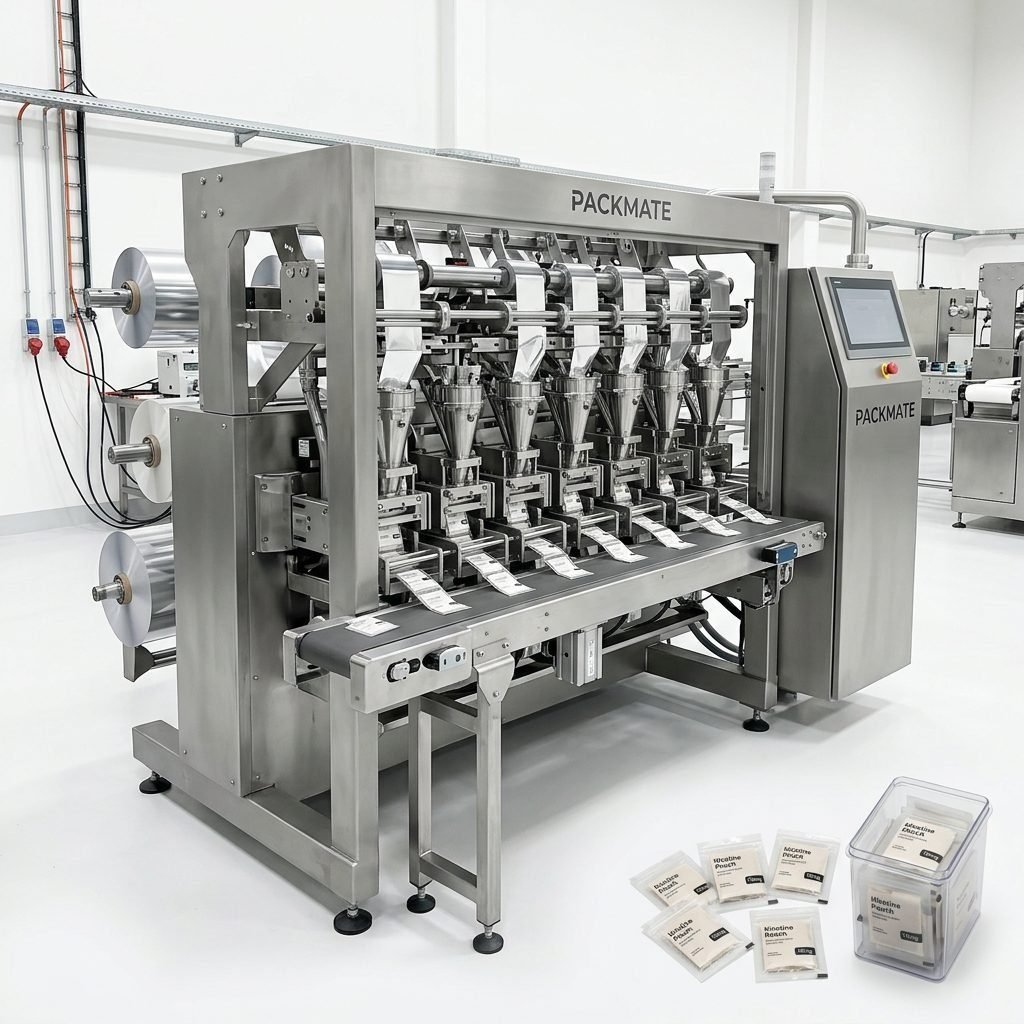
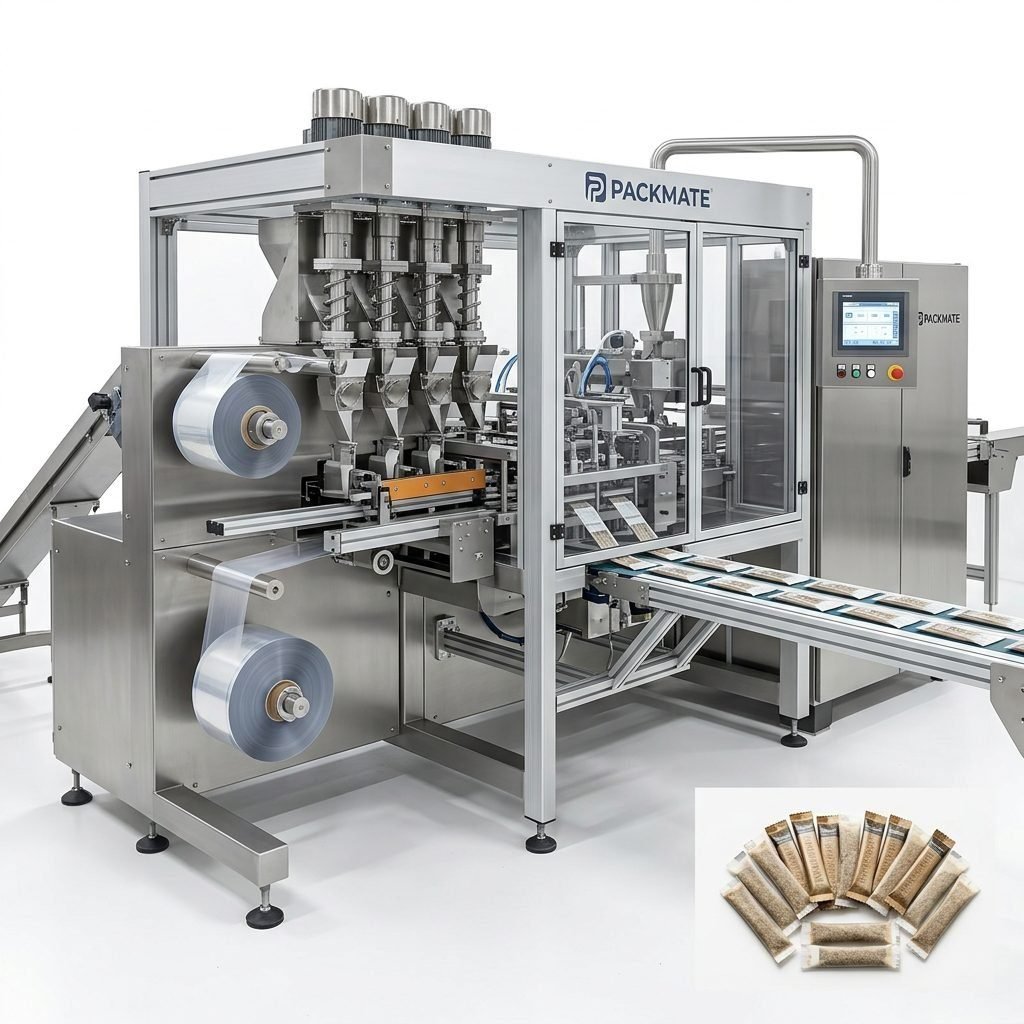
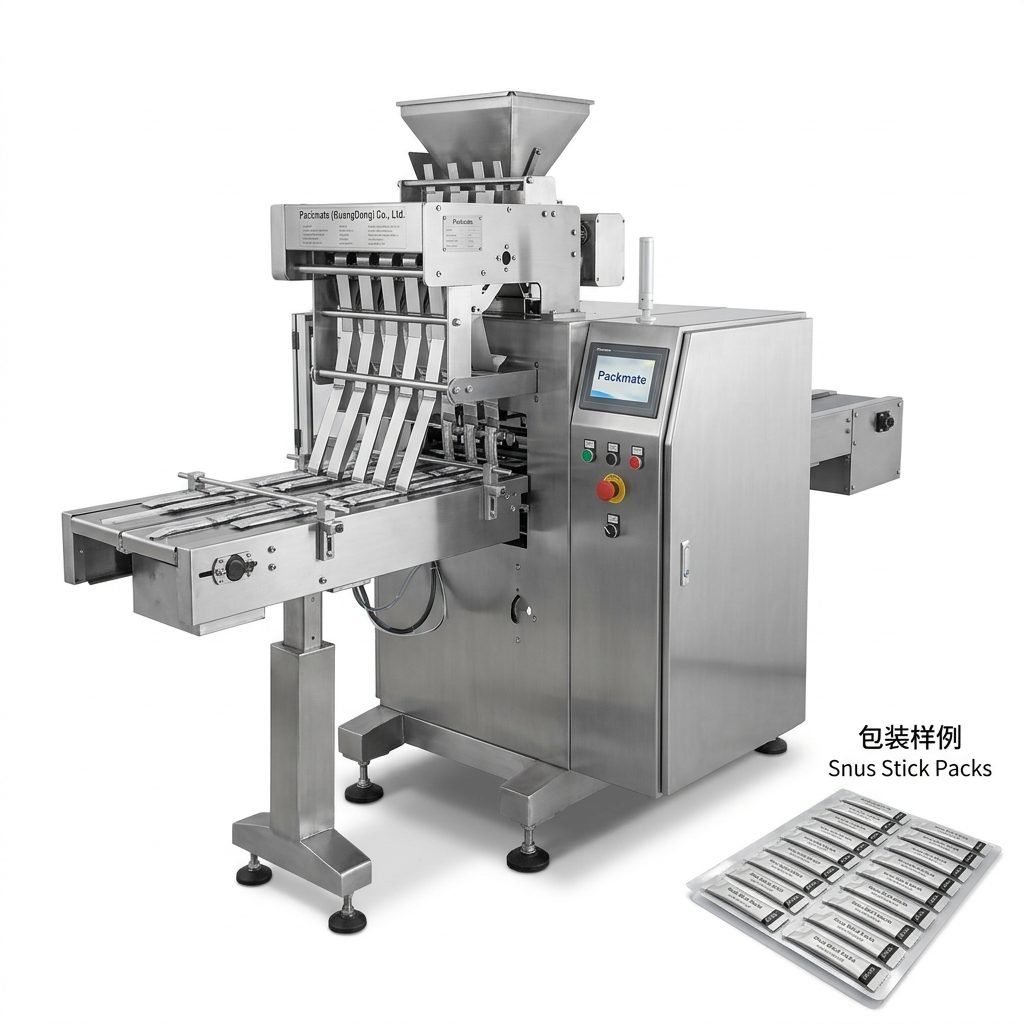
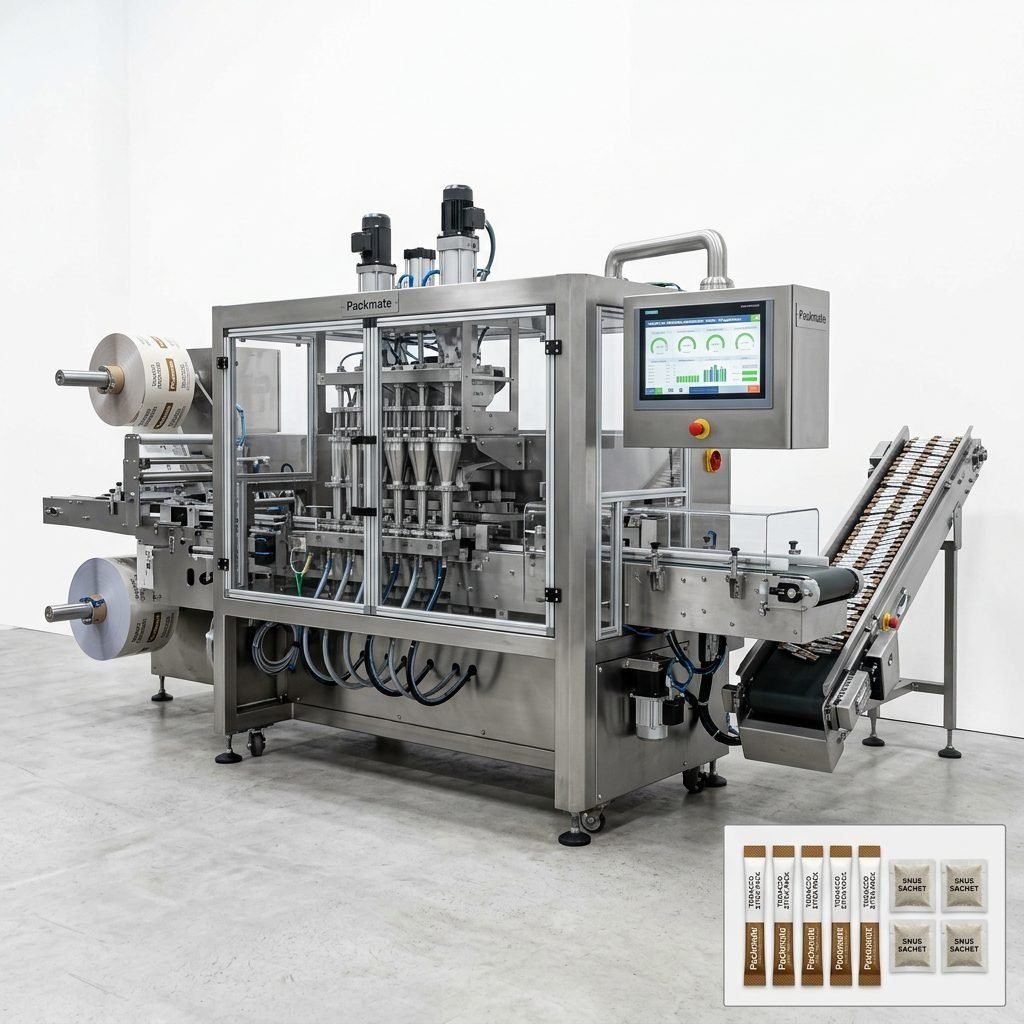
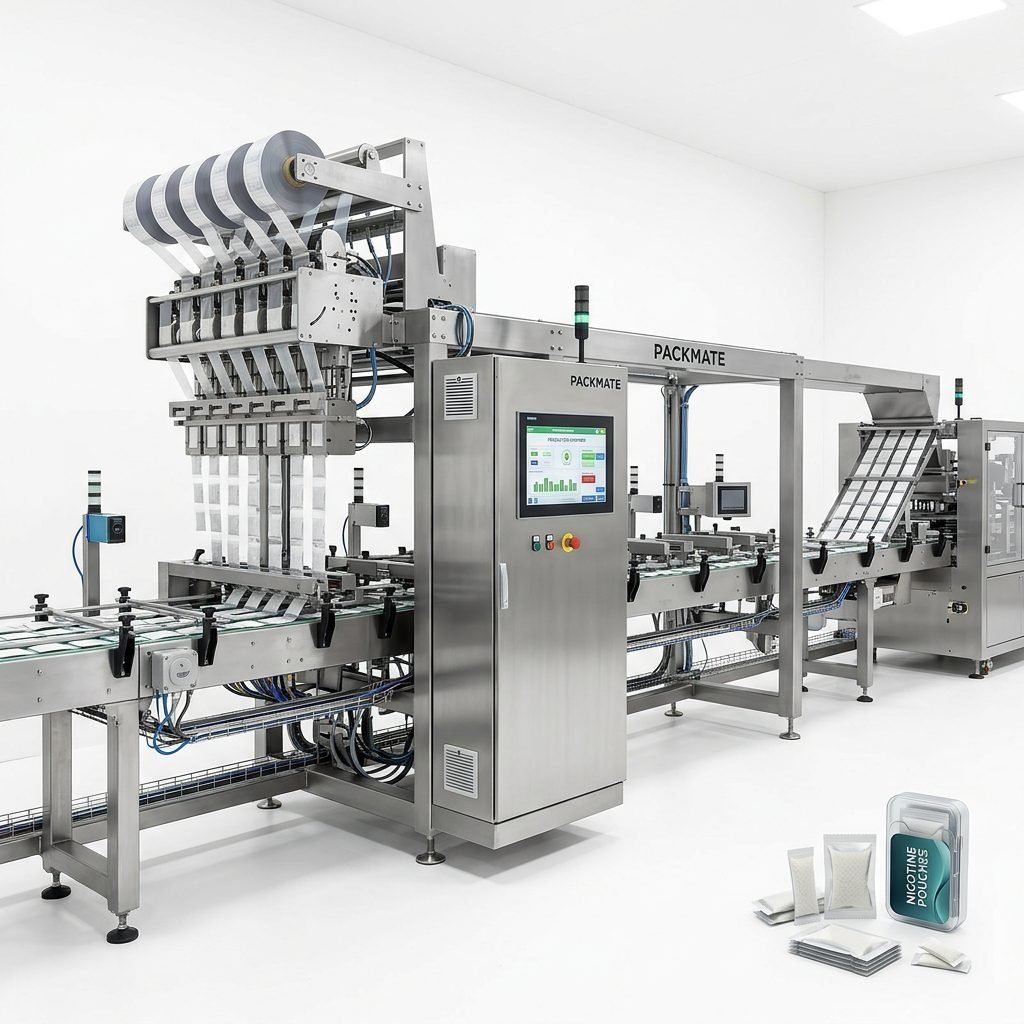
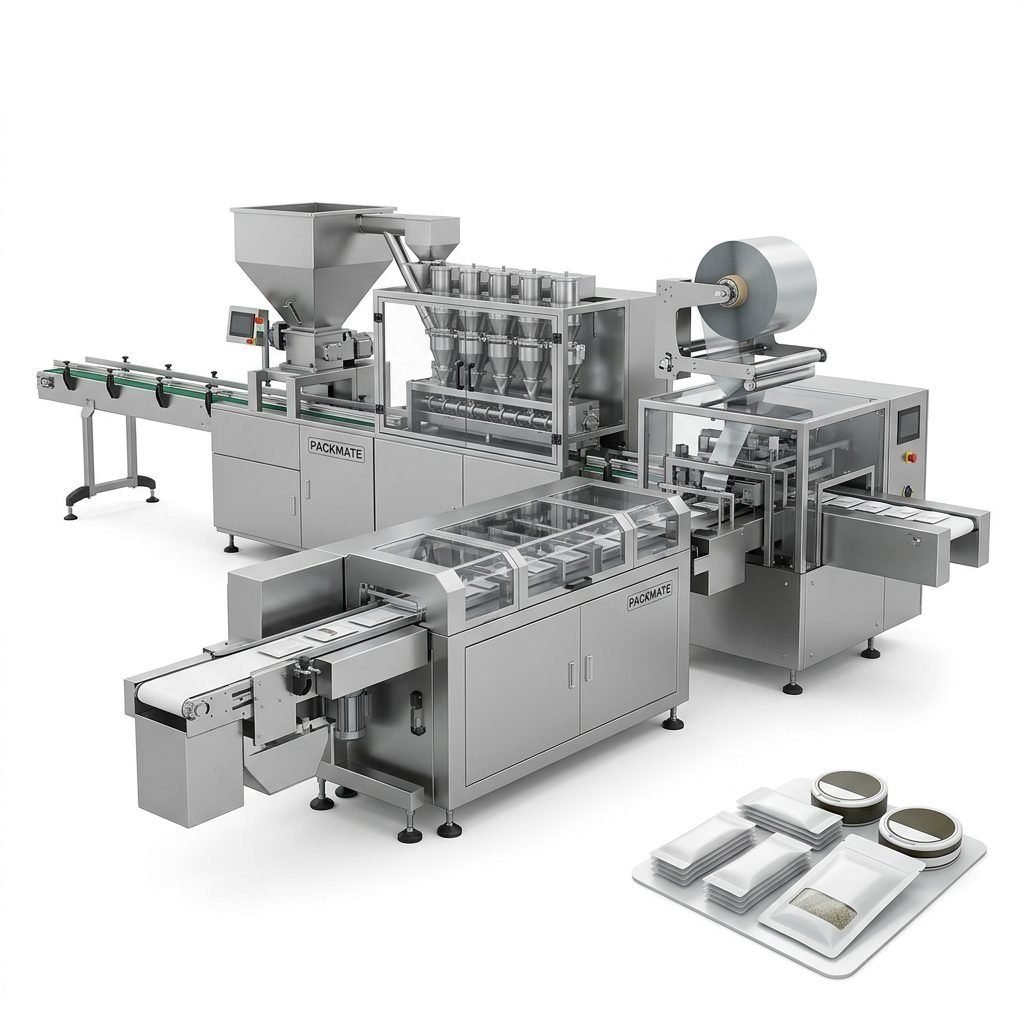
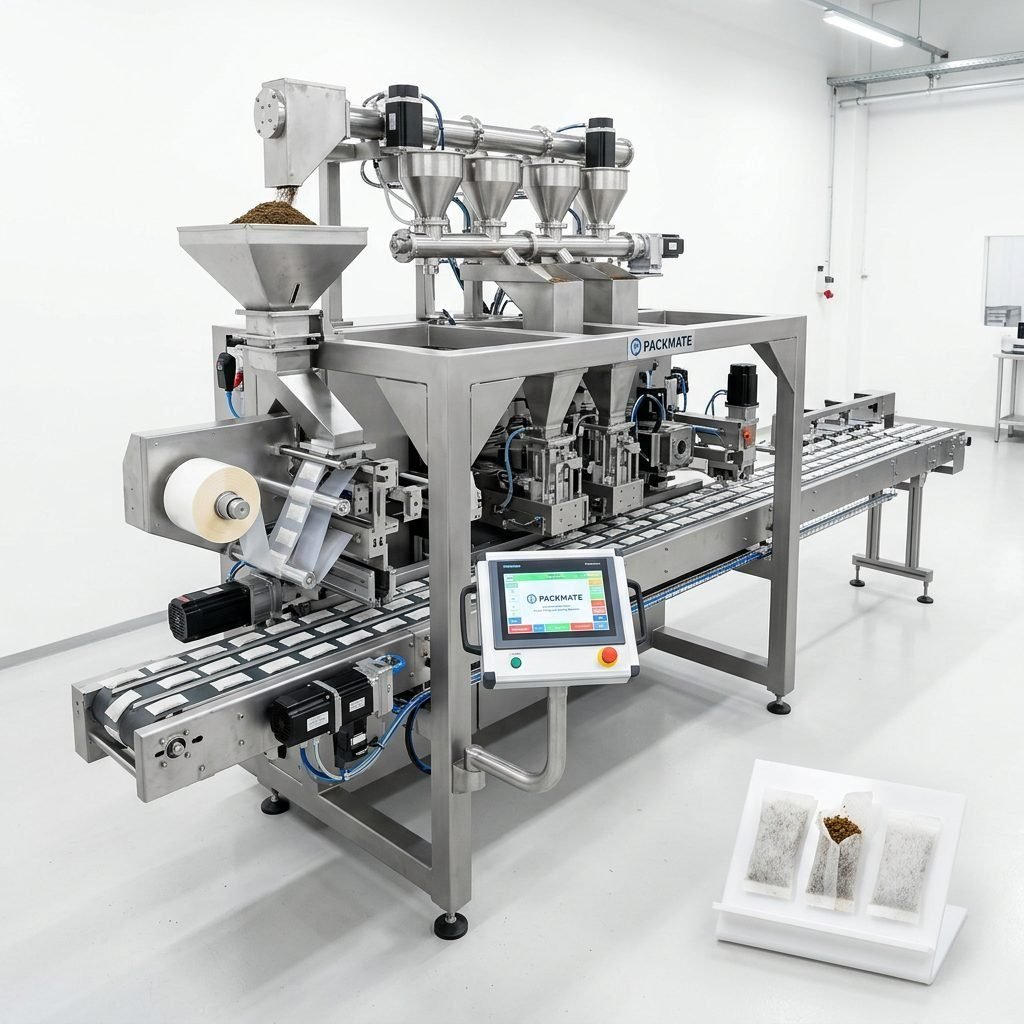
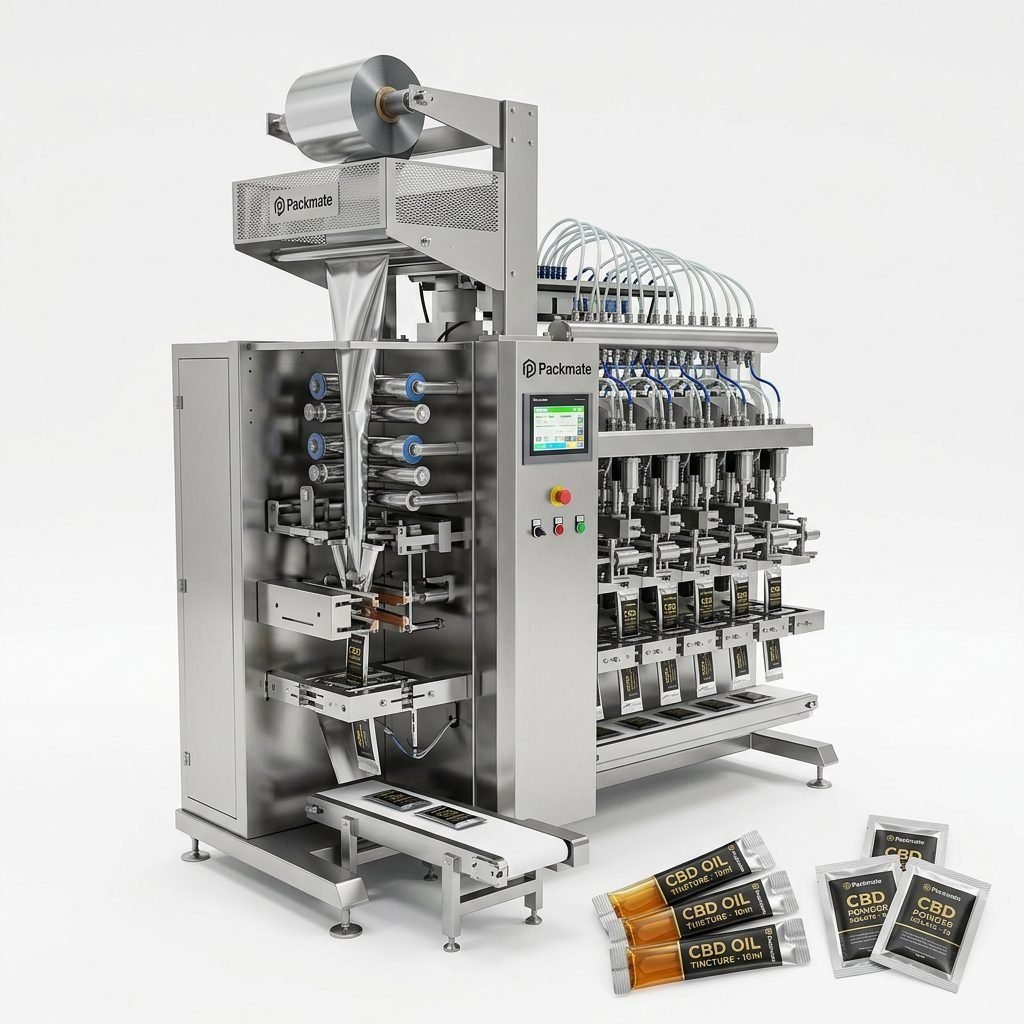
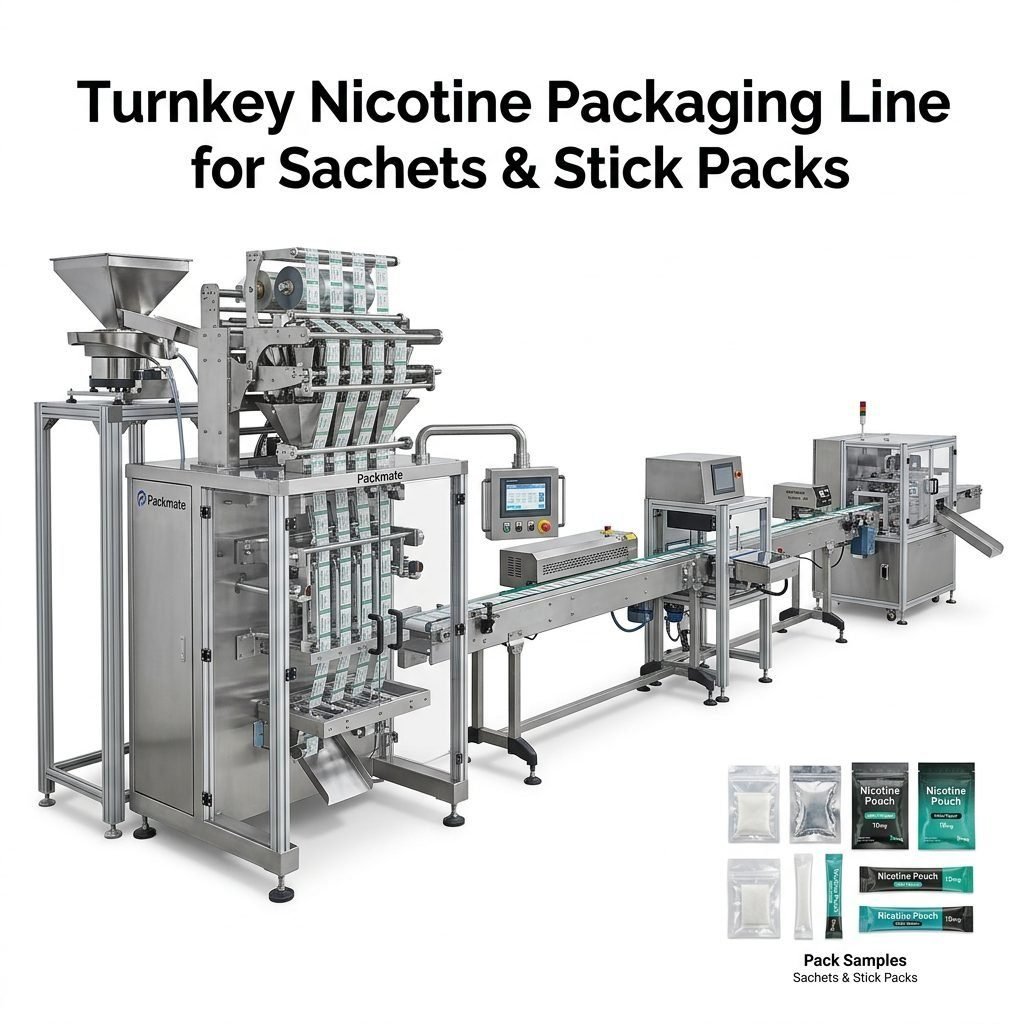
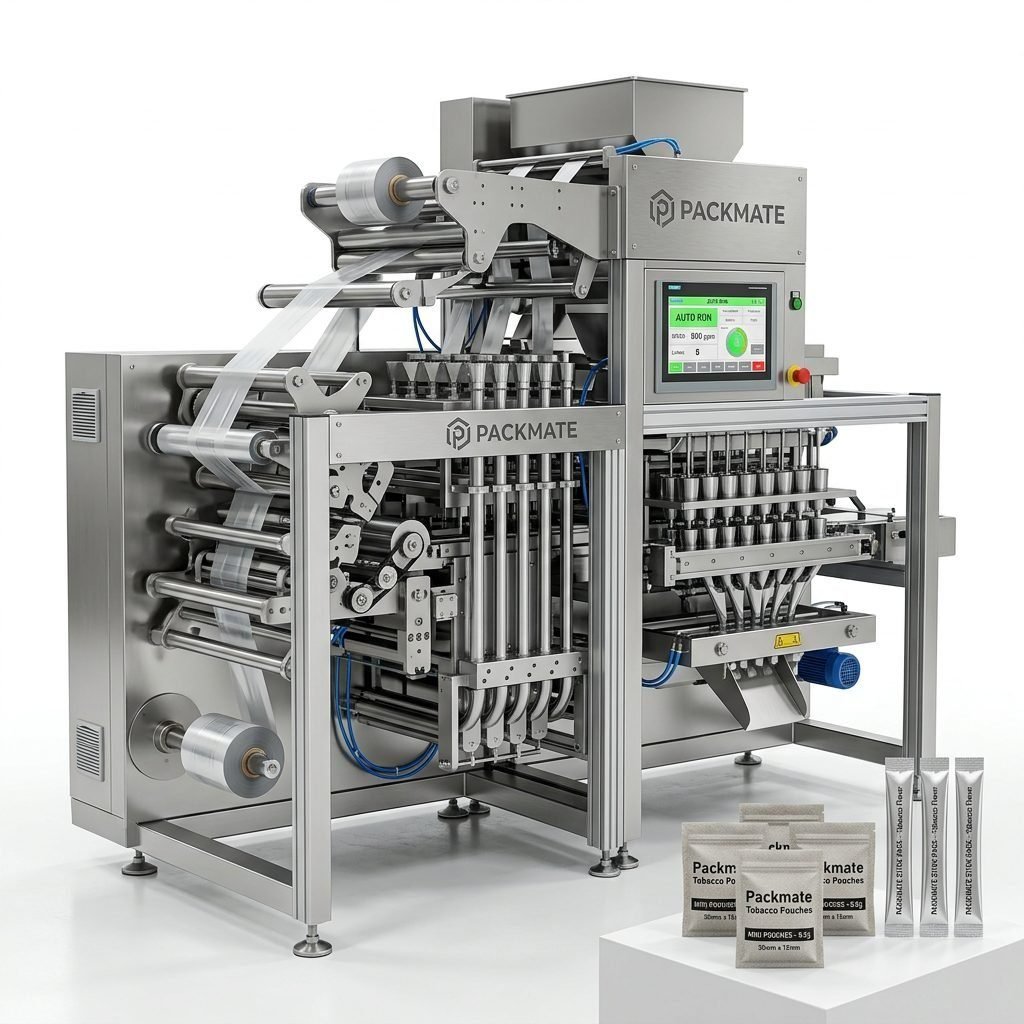
Choosing the right supplier for nicotine pouch and snus packaging machines is a strategic decision for any business entering or expanding in Uganda. A well-matched supplier delivers machines that meet local regulations, fit your production scale, and provide reliable after-sales support — all of which reduce downtime and improve return on investment. This guide walks you through practical, Uganda-focused considerations and a clear selection process so you can pick the best partner for your packaging line.
Understand Uganda’s market, regulations and local habits
Uganda’s market has unique features that affect packaging choices: English is broadly used in business, purchasing decisions are often relationship-driven, and logistics can vary greatly between Kampala and regional centers. Local consumer preferences often favor simple, clear packaging and value-oriented formats. When evaluating suppliers, prioritize equipment that supports flexible batch sizes and easy product changeovers to respond to Uganda’s fragmented retail channels.
Regulatory context is critical. While nicotine pouch regulation is evolving in many African countries, ensure your supplier can provide machines and documentation that meet international safety standards and can be adapted for local compliance. Pay attention to electrical specifications (Uganda typically uses 240V, 50Hz) and the availability of certified spare parts.
Business culture tip: Ugandan buyers value after-sales relationships and clear communication. Choose suppliers who offer responsive support, spare parts stocking, and remote troubleshooting — these capabilities are often as important as machine performance.
Key factors to evaluate in a nicotine packaging machine supplier
Experience & specialization
Look for suppliers with deep experience in snus and nicotine pouch packaging. Specialized manufacturers understand low-dose pouch handling, multi-lane high-speed systems, and hygienic filling requirements. A supplier with 10+ years in snus/nicotine equipment (or decades in related pouch packaging) will better anticipate common production challenges.
Machine range, customization and modularity
Choose a supplier that offers a broad portfolio: single-lane stick packs, sachet machines, multi-lane snus pouch lines and complete filling/packaging lines. Modular machines that allow easy upgrades and speed adjustments help you scale. When possible, request a supplier’s product catalog and case studies to understand available models and custom options.
Quality, standards and certifications
Verify CE, ISO and other relevant certifications. Certifications demonstrate compliance with international safety and quality norms and make customs clearance easier. Ask the supplier for test reports, material traceability, and evidence of quality systems.
🔍 Tip: Suppliers who publish factory capabilities — CNC machining centers, precision assembly lines and detailed factory floor photos — are often more transparent and reliable partners.
Factory & manufacturing strength
Evaluate the supplier’s production capacity and workshop equipment. A supplier with a large factory, advanced CNC machines, and a rigorous quality control process is more likely to deliver consistent machines with shorter lead times. Request a video or virtual tour if an on-site visit isn’t possible.
After-sales service, training and spare parts
After-sales capabilities are crucial for operations in Uganda. Confirm whether the supplier provides installation, operator training, online remote support, and spare parts kits. Ask about warranty terms and the average lead time for spare parts shipments to East Africa. Local or regional partners/distributors can drastically reduce downtime.
Total cost of ownership (TCO) and ROI
Look beyond purchase price: factor in energy consumption, maintenance intervals, spare parts pricing, and expected uptime. Machines designed for easy maintenance and with widely available components reduce long-term operational costs.
Integration capability and turnkey solutions
If you need a complete production line (weighing, filling, multi-lane packaging, secondary packaging), choose suppliers who deliver turnkey lines and can coordinate integration. An integrated supplier reduces management complexity and ensures system compatibility.
How to verify supplier credibility and references
Ask for real customer cases, machine performance data, and references in similar markets. Video demonstrations, FAT (Factory Acceptance Test) records and documented installation reports are strong proof points. Check for presence at international exhibitions and trade shows — a regular exhibitor often invests in R&D and public credibility.
Use available online resources to validate claims: visit the supplier’s product pages and case galleries. For example, review technical offerings such as Snus & Nicotine Packaging Machines and their Case studies to see real-world deployments.
Why Packmate Snus Machine is a recommended option
Packmate brings over 30 years of engineering experience, a 20,000㎡ facility and a broad product range tailored for snus and nicotine pouch production. They provide multi-lane high-speed systems, stick pack and sachet equipment, and complete filling-packaging solutions. When assessing Packmate, consider these strengths:
✅ Proven track record in snus and nicotine pouch equipment
✅ Advanced manufacturing with CNC centers and precision assembly
✅ Global turnkey solutions and export experience
Learn more about the company and its capabilities on the About Packmate page and browse complementary offerings like Bag & Pouch Packaging Machines.
Practical steps to evaluate supplier quotes and machine tests
1. Request detailed technical specifications and single-line drawings. Confirm electrical requirements and footprint to ensure compatibility with your Ugandan site.
2. Require a Factory Acceptance Test (FAT) with your product samples or equivalent samples. FAT demonstrates performance, yield, and final packaging quality.
3. Ask for a spare parts list and recommended stocking levels. Ensure consumables and wear parts are available for shipment to East Africa with predictable lead times.
4. Negotiate clear warranty terms, acceptance criteria, installation, and on-site training. Remote commissioning and training can be useful when travel is restricted.
📌 Quick checklist for FAT: production speed verification, packaging integrity test, metal-detection/pass verification, and operator training demonstration.
Logistics, import and local support considerations in Uganda
Importing machinery to Uganda requires careful planning: prepare customs documentation, confirm duty rates, and choose reliable freight forwarders. Suppliers experienced with African logistics can advise on shipping terms (FOB/CIF) and help with documentation to clear customs smoothly.
Local support options: identify whether the supplier has distributors or service partners in East Africa, or if they provide rapid remote support and training. A responsive technical team reduces production downtime and safeguards your investment.
Negotiation tips and contract terms
Negotiate clear milestones: drawing approvals, FAT date, delivery schedule, installation timeline, and payments tied to milestones. Include acceptance criteria, training hours, spare parts supply agreements, and penalty clauses for delayed delivery if necessary.
Get a written service-level agreement (SLA) for remote support response times and spare parts delivery lead times to Uganda. Consider extending warranty coverage or stocking critical spare parts locally.
Post-purchase: installation, training and continuous improvement
Ensure the supplier provides documented installation procedures, operator and maintenance training, and a first-year maintenance plan. Track machine metrics — uptime, reject rates, and throughput — and schedule follow-up reviews with the supplier to optimize performance.
Useful resources and next steps
Visit product pages and contact the supplier to request tailored quotations and technical datasheets. For turnkey line inquiries, explore their filling and automation solutions at Filling & Packaging Lines. When you need service or direct contact, use the supplier’s Contact Us page to arrange consultations and factory visits.
⚙️ Final reminder: prioritize long-term reliability, local serviceability and a supplier’s willingness to adapt machines for Uganda-specific needs over the lowest upfront price.
Frequently Asked Questions
Q1: How important are certifications like CE and ISO when choosing a supplier?
Certifications are very important. They indicate adherence to international quality and safety standards, simplify export documentation, and reduce compliance risk. For Uganda, CE and ISO certificates are a positive sign that the equipment meets recognized engineering standards.
Q2: What should I request in a Factory Acceptance Test (FAT)?
Request demonstration runs with real or equivalent product samples, speed verification, packaging seal integrity tests, and a full walkthrough of control software and maintenance points. Document the results and include them in the purchase contract.
Q3: How can I ensure timely spare part supply in Uganda?
Negotiate spare part agreements, ask for a recommended local stocking list, and confirm the supplier’s shipping lead times to East Africa. Consider stocking critical items locally and choosing machines that use standardized components for easier sourcing.
Q4: Is it better to buy a turnkey line or assemble machines from different suppliers?
Turnkey lines reduce integration risk and firm up delivery accountability. If you have in-house engineering capacity and local integration support, mixed suppliers can work but involve more coordination. For most Ugandan operations seeking reliability, a single supplier for the line is often preferable.
Q5: How do I start conversations with suppliers?
Begin by sharing product specifications, target production rates, packaging formats, electricity supply details, and your expected timeline. Request machine datasheets, references, and FAT arrangements. Use supplier contact pages and ask for virtual demonstrations if travel is limited.