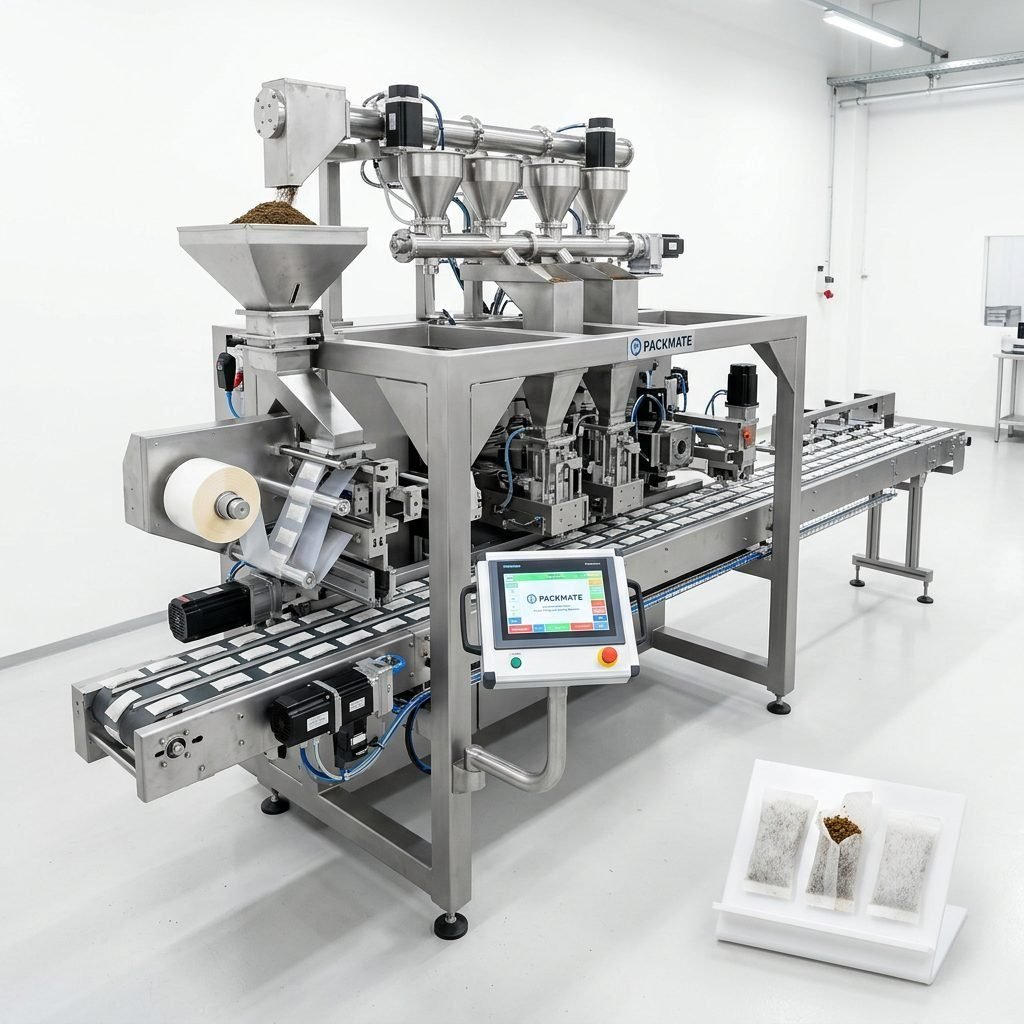
Entering the snus or nicotine pouch business in Nauru requires more than a good product idea — it requires choosing the right packaging machine supplier who understands small-island logistics, local consumer habits, and international compliance. This practical buyer’s guide walks you through each step of the sourcing process, what to watch for in a supplier, and how to ensure reliable delivery, training, and long-term support so your operation runs smoothly in a remote Pacific market.
Understand Nauru’s Market & Local Habits
Nauru is one of the world’s smallest nations by population and land area. Business there often depends on strong community ties and a practical approach to imports. As a buyer, remember:
✓ Local demand is limited but specific. Nicotine pouch adoption may grow slowly; packaging quantities and machine line speed should match realistic sales forecasts to avoid over-investment.
⚠️ Cultural sensitivity matters. In close-knit communities, clear product labeling and respectful marketing are crucial. Ensure packaging respects local norms and legal restrictions.
Why Supplier Suitability Matters for Nauru
Sourcing packaging equipment for Nauru is different from sourcing for large continental markets. Priorities include:
- Reliability over complexity — simpler, robust machines reduce downtime and spare-parts headaches.
- Spare parts availability — lead times to Nauru can be long, so suppliers with global spare parts distribution are preferred.
- Remote support capability — remote diagnostics, video support, and well-documented manuals are essential when on-site engineer visits are infrequent.
Key Questions to Ask Potential Suppliers
ℹ️ Production & Capacity: Can the supplier deliver machines sized to your production forecasts? Do they offer scalable multi-lane options for growth?
ℹ️ Certifications: Are the machines CE/ISO certified to meet international safety and quality standards?
ℹ️ After-Sales & Training: What warranty terms, remote training, and spare parts packages are available?
What Technical Features to Prioritize
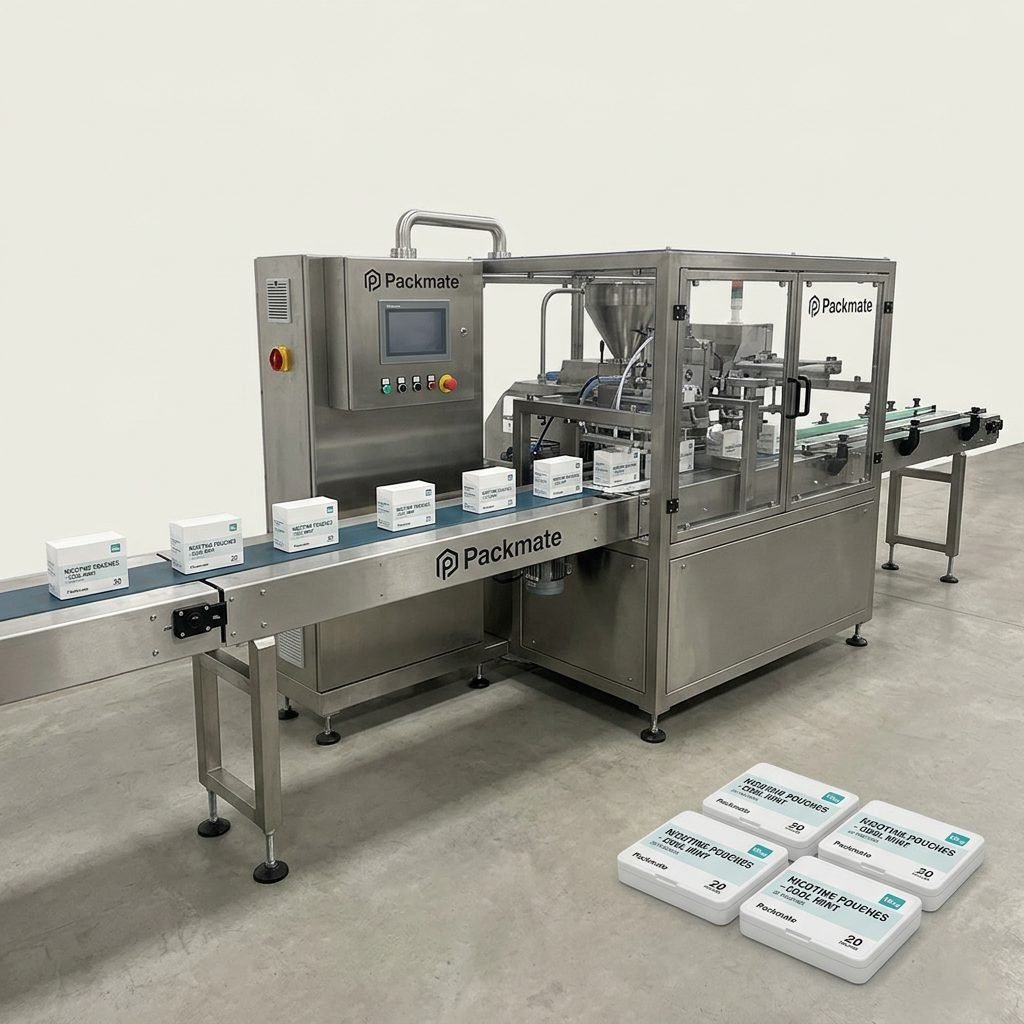
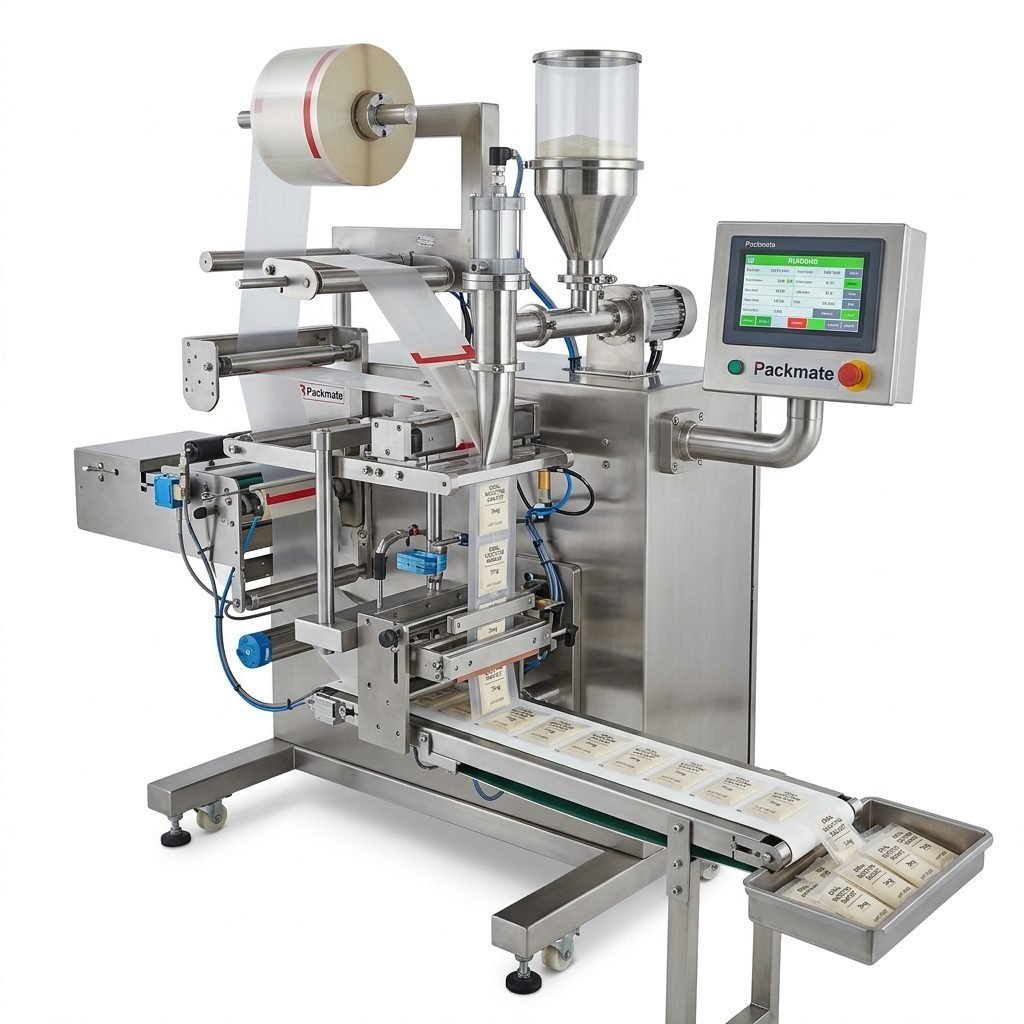
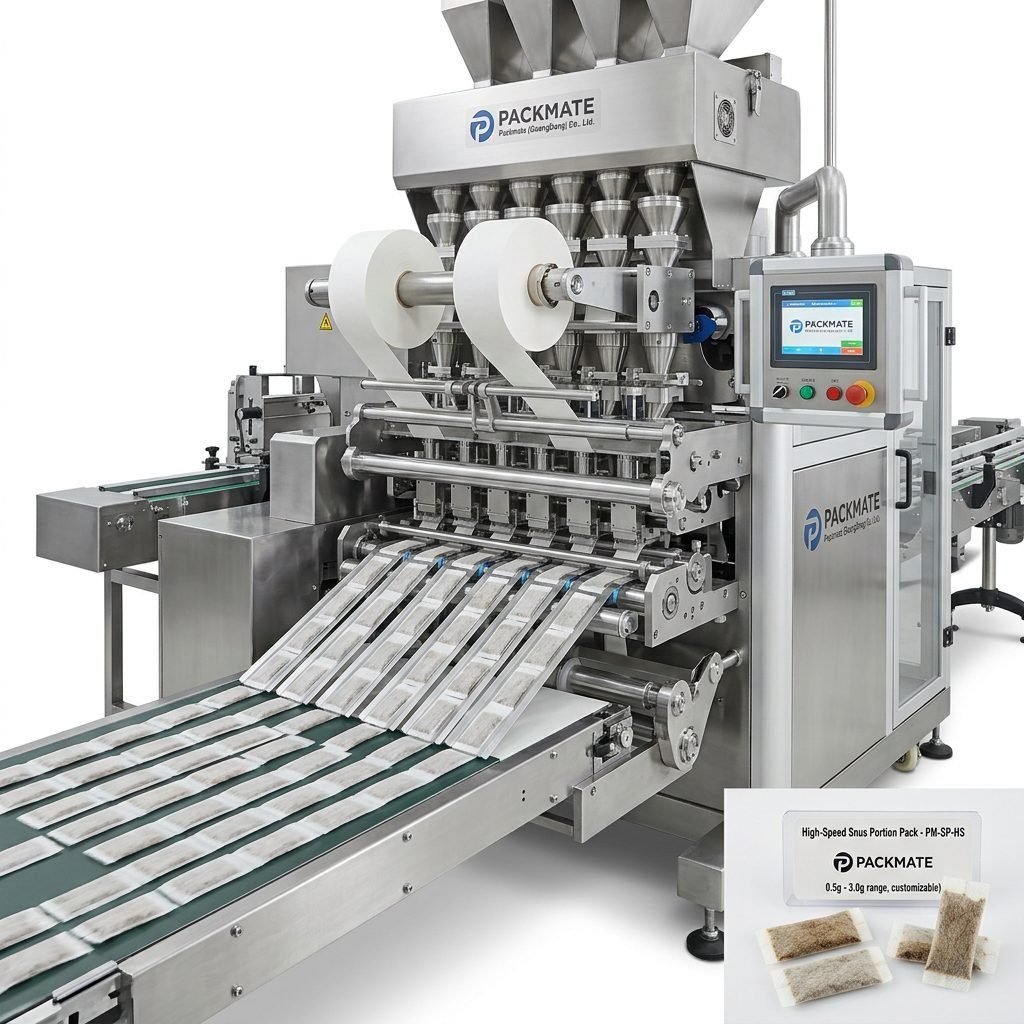
For snus and nicotine pouches, look for equipment designed specifically for low-dose, multi-lane production and gentle handling. Key technical features include:
- Consistent dosing systems — accurate weight control to ensure each pouch contains the correct amount of product.
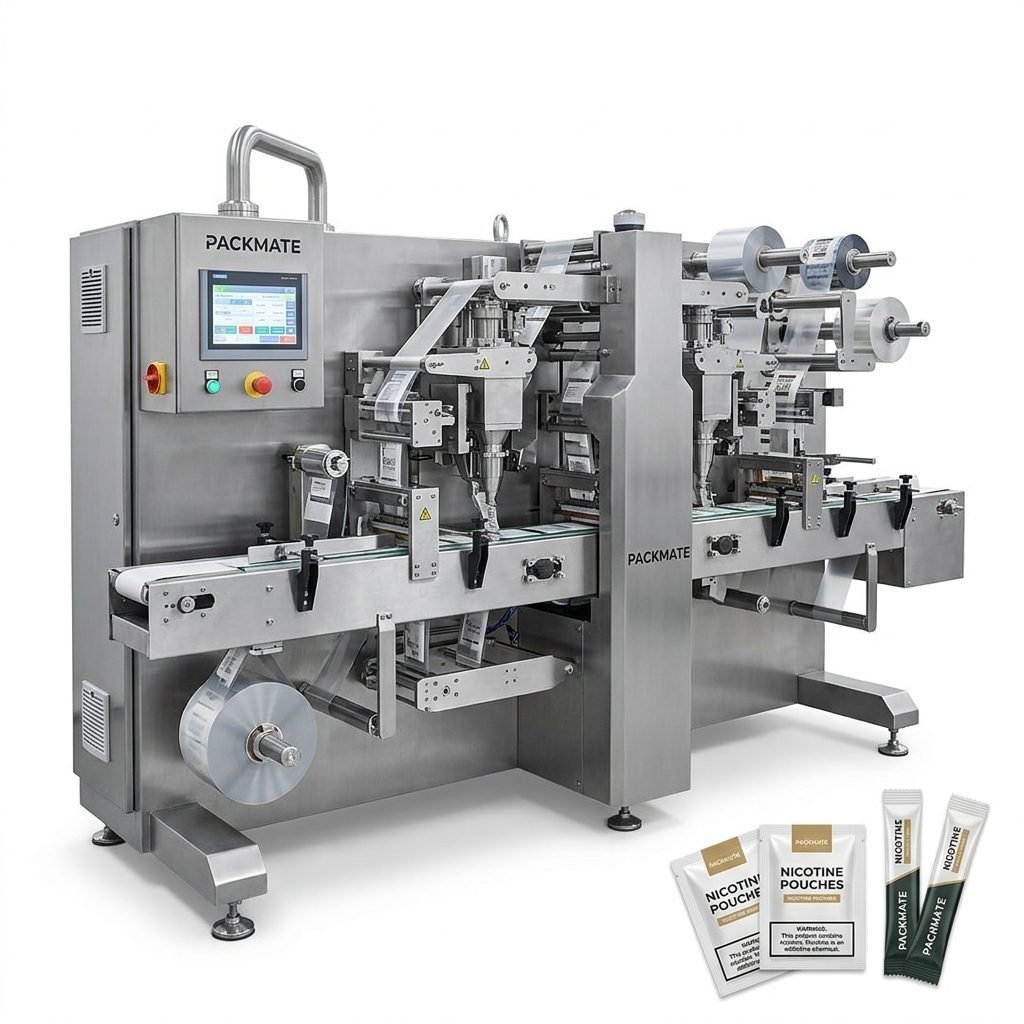
- Flexible pouch formats — ability to run sachets, stick packs, or flat pouches without major retrofits.
- Sanitary and easy-to-clean design — reduces contamination risk and speeds maintenance.
- Compact footprint — valuable for smaller facilities often found in island environments.
Recommended Machine Types
Depending on your product and volume needs, consider:
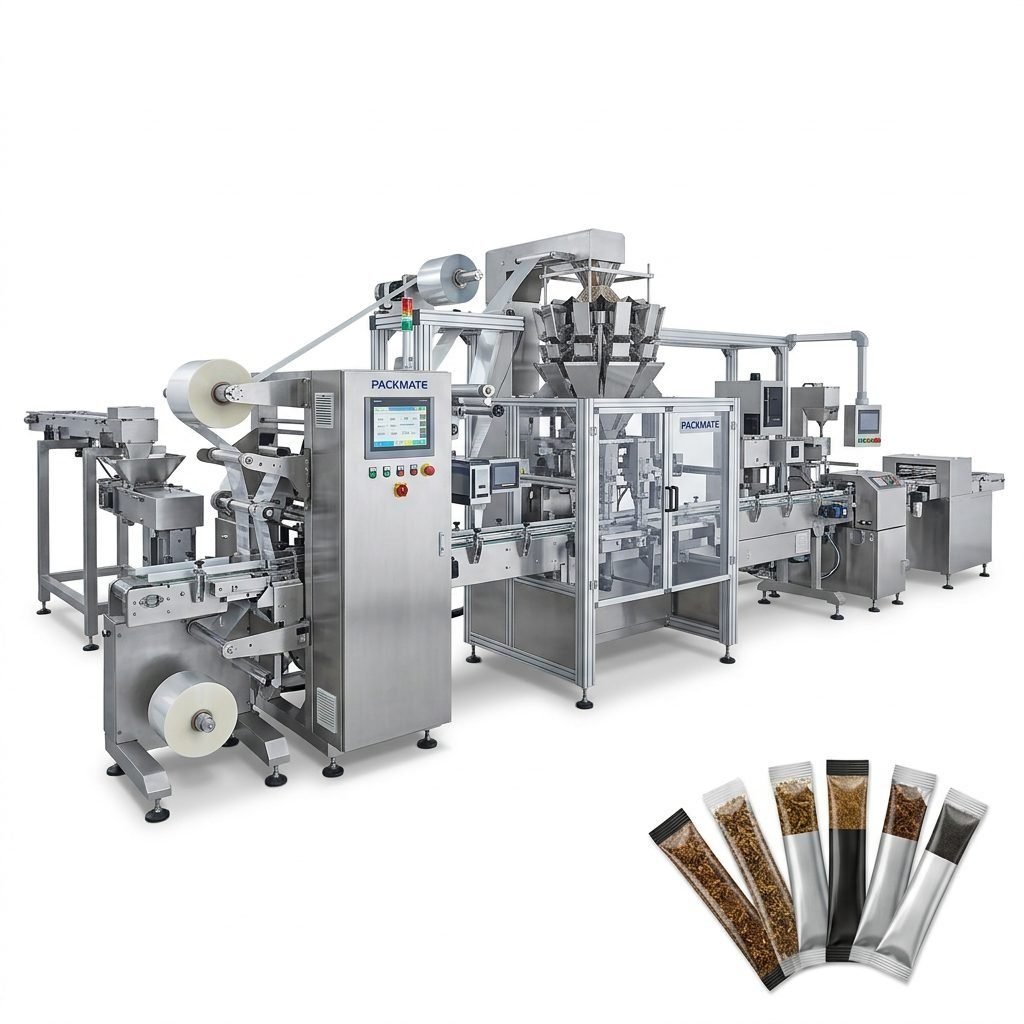
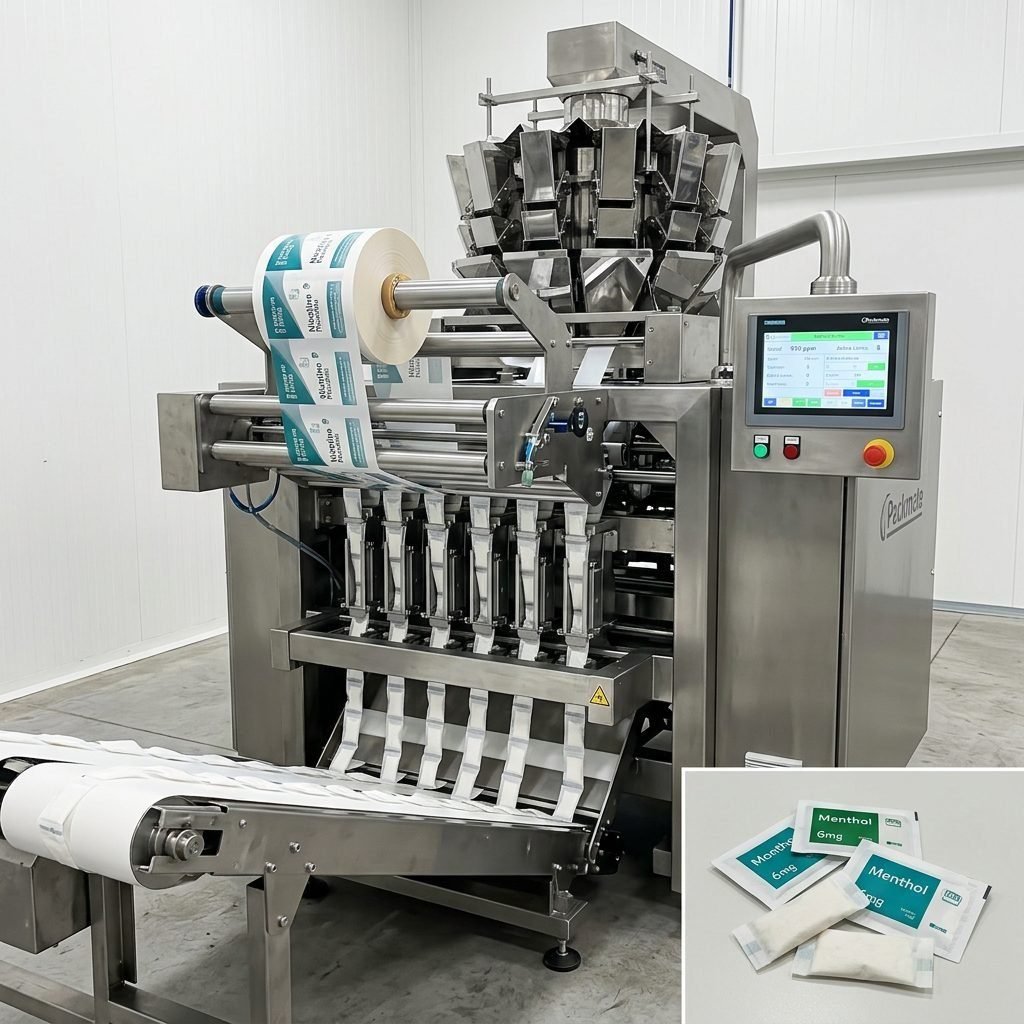
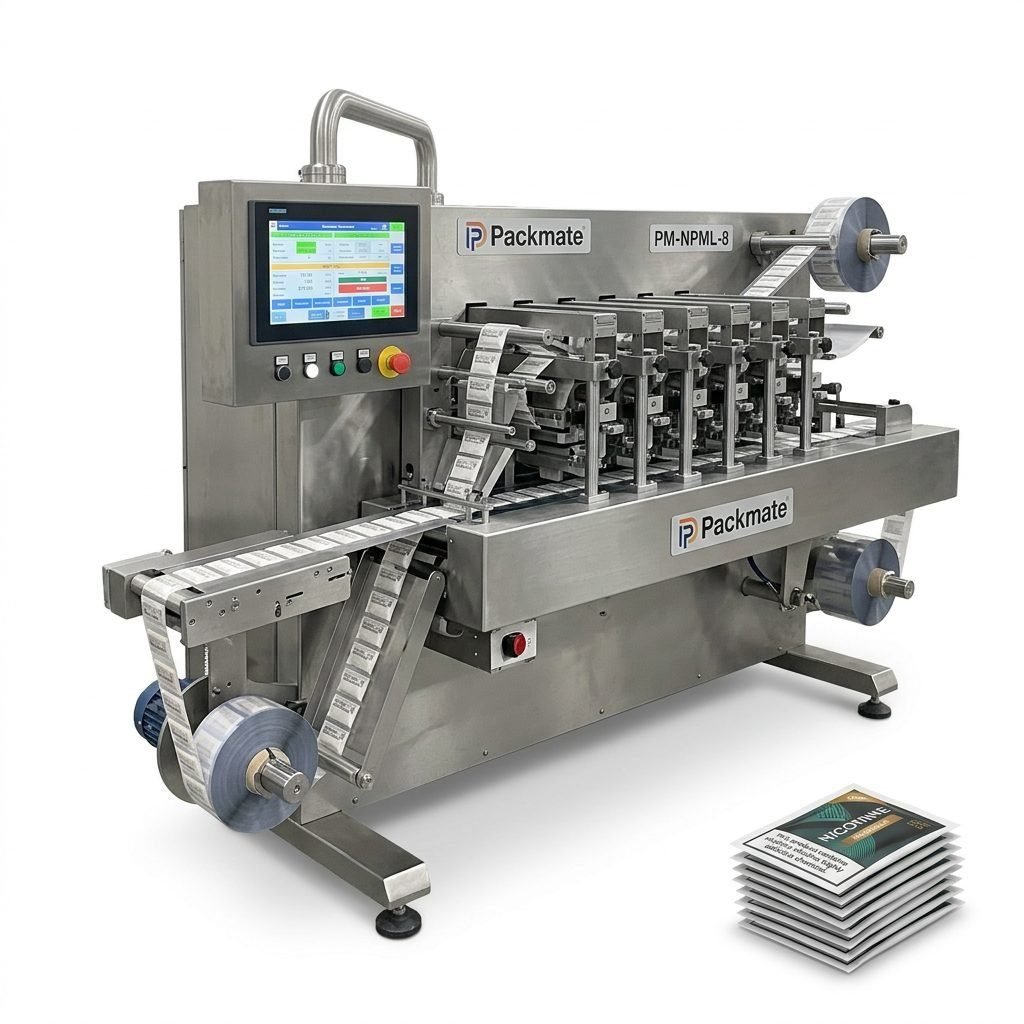
- High-precision snus/nicotine pouch machines for consistent portion control.
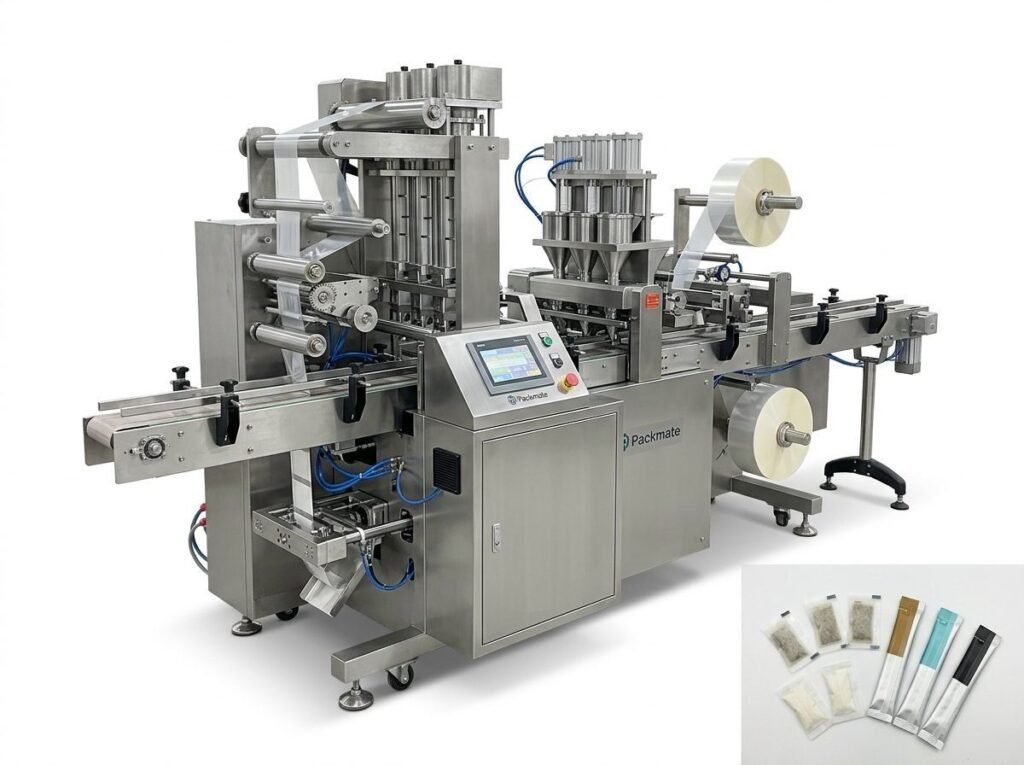
- Stick pack and sachet machines for single-serve formats popular in travel and convenience retail.
- Multi-lane systems if you plan to scale quickly while keeping per-unit costs competitive.
Evaluating Supplier Credibility
A supplier’s claims should be validated through multiple signals:
• Check factory scale and machining capabilities. A large, well-equipped factory often indicates consistency in build quality.
• Request customer references and case studies for similar island or remote-market projects.
• Verify certifications such as CE and ISO; ask for scanned certificates and traceable documentation.
Supplier Red Flags
Watch out for vague technical answers, no factory visit options, or suppliers unwilling to provide a clear spare-part and service plan. For Nauru, these are particularly problematic because distance magnifies any service shortfall.
Price vs. Total Cost of Ownership
The lowest purchase price rarely equals the lowest cost. For a remote market like Nauru, calculate:
- Initial machine price and shipping cost to Nauru’s port or nearest transshipment hub.
- Import duties, local taxes, and port handling fees.
- Estimated spare parts consumption and delivery lead times.
- Availability and cost of local technicians or the supplier’s travel costs for on-site service.
Negotiation Tips
Negotiate bundled packages: spare-parts kits, extended warranties, training, and documented remote-support SLAs. Consider phased payments tied to factory acceptance testing (FAT) and shipping milestones.
Factory Acceptance & Pre-Shipment Checks
A proper FAT helps reduce surprises. If you can’t attend in person, ask for a live video FAT, detailed run-off reports, and sample pouches produced during tests. Confirm machine packaging and crating standards for long sea voyages to Nauru.
Logistics & Shipping Considerations
Shipping to Nauru may involve transshipment and longer lead times. Work with suppliers who have experience exporting to Pacific islands or who partner with freight forwarders that offer consolidated services and customs clearance support.
Suggestion: include an initial spare-parts kit in the first shipment to cover wear parts for at least six months of operation. This small investment can prevent production stoppages while waiting for replacements.
After-Sales Support & Training
After-sales support is the backbone of long-term operation. For remote buyers:
- Comprehensive manuals and spare parts lists should be supplied in English and any other local language needed.
- Remote troubleshooting via video calls, annotated photos, and remote-control software where possible.
- Periodic preventive maintenance plans and optional technician visits scheduled in advance to reduce emergency travel costs.
Leveraging Manufacturer Strengths
Manufacturers with decades of experience and a large model range can offer tailored turnkey solutions, scalable multi-lane lines, and proven reliability. Review the manufacturer’s case studies and global footprint to ensure they have experience delivering to remote or regulated markets.
Useful Supplier Resources & References
When researching suppliers, consult product pages and the company’s service resources. For example, manufacturers often list their snus-focused solutions and support materials which can clarify fit-for-purpose options:
- Snus & Nicotine Packaging Machines
- Sachet & Stick Pack Machines
- Case studies showing real-world implementations and outcomes.
- About Packmate and their manufacturing capability and history.
Final Checklist Before You Buy
• Confirm machine compatibility with your product pouch format and dosing requirements.
• Verify factory testing evidence, FAT videos, and sample outputs.
• Secure a spare-parts package and clear warranty terms.
• Agree on clear remote-support SLAs and training schedules.
How to Start a Conversation with a Supplier
Begin by providing precise information: expected daily production, pouch formats, target weights, desired automation level, installation location specifics in Nauru (power supply, floor load, access constraints), and any regulatory labeling requirements. Ask for an itemized proposal that includes machine model, lead times, shipping terms, pre-shipment inspection, and a spare parts list.
Sample Email Template Points
• Introduce your company and market in Nauru. • Provide product specs (pouch size, target filling weight, desired daily throughput). • Request machine model recommendations and detailed quotations including FOB/CIF terms to the nearest port. • Ask about warranty, spare parts kits, FAT arrangements, and remote training.
Useful Links for Further Research
Check manufacturer product catalogs and technical resources to compare models and components:
- Snus & Nicotine Packaging Machines
- Bag & Pouch Packaging Machines
- Weighing & Packaging Systems
- Service and after-sales support offerings.
- Contact Us for direct manufacturer inquiries.
Concluding Advice
In Nauru’s unique market environment, prioritize suppliers who demonstrate a clear understanding of remote logistics, supply chain realities, and after-sales support. A reliable manufacturer with extensive experience in snus and nicotine pouch equipment — paired with a solid spare-part strategy and remote support — will reduce operational risk and help your brand gain traction responsibly in the local community.
FAQs
Q1: How long does shipping a packaging machine to Nauru usually take?
A1: Transit times vary depending on origin and consolidation points; allow for extended lead times due to transshipment — typically several weeks to months. Build in extra time for customs clearance and inland transport.
Q2: Should I buy the cheapest machine or the most advanced model?
A2: Balance initial cost with reliability, spare-part availability, and serviceability. For remote markets, robust and simple designs with good supplier support often deliver the best total cost of ownership.
Q3: What certifications are most important for snus packaging machines?
A3: CE and ISO certifications are standard indicators of compliance with international safety and quality norms. Request copies of relevant certificates and traceability documents.
Q4: Can suppliers provide remote setup support for first-time operators?
A4: Many modern suppliers offer remote training, video-guided setup, and extended documentation. Confirm the level of remote support and language availability before purchase.
Q5: How do I verify a supplier’s claims about machine performance?
A5: Request FAT videos, sample pouch outputs, and references from customers with similar projects. When possible, visit the factory or hire an independent inspector for pre-shipment verification.