Choosing a reliable nicotine packaging machine supplier in Germany requires more than price comparison — it demands understanding machine performance, regulatory compliance, after-sales service, and local market expectations. This guide walks you step-by-step through how to evaluate suppliers, what to inspect onsite or remotely, and how to negotiate terms to ensure long-term production stability for nicotine pouches, snus and related products.
Why Germany needs a special approach
Germany is one of Europe’s most demanding industrial marketplaces: buyers expect punctual delivery, robust documentation, and strict adherence to safety and environmental rules. When sourcing snus or nicotine pouch packing machinery for Germany, give special attention to:
- Regulatory compliance (CE marking, applicable EU directives, local health & packaging rules).
- Clear technical documentation in English and, when possible, German.
- Reliable spare-part supply and fast service to avoid costly downtime in high-labor-cost markets.
Start with supplier credibility
Look for suppliers with proven experience in nicotine pouch or snus packaging. Key indicators include production history, factory size, and a stable product portfolio. For example, companies with 20,000㎡ factories, advanced CNC centers, and 30+ years of engineering background demonstrate manufacturing depth and design maturity.
Key credibility checklist:
✔️ factory area > 5,000㎡ • ✔️ clear company timeline • ✔️ regular international exhibition participation
Verify certifications & standards
Certification is non-negotiable. Ask for CE and ISO certificates, and ensure the supplier understands EU machine directives, EMC and safety standards. German customers usually expect TÜV-level attention to detail even if the machinery itself is covered by CE. Viewing the supplier’s certificate page and test reports is a good starting point.
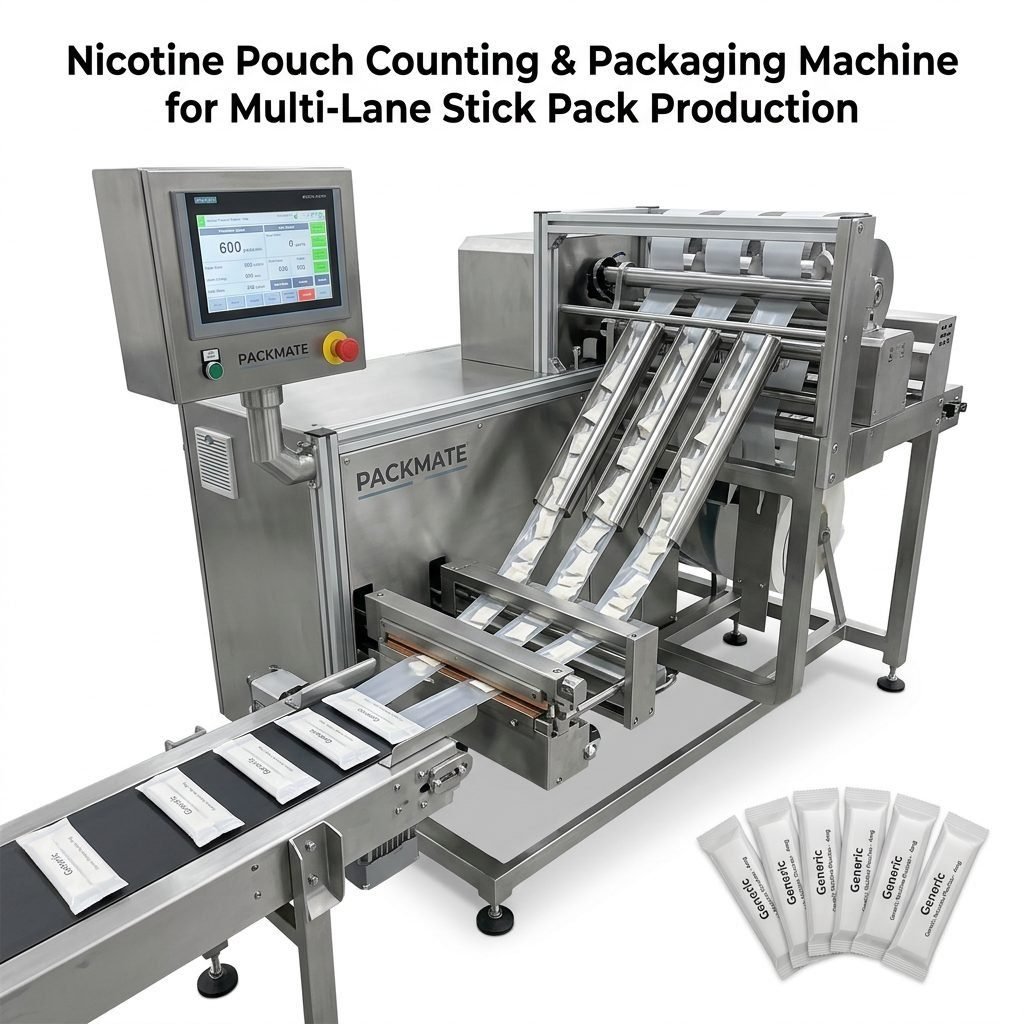
Learn more about advanced snus and nicotine pouch machinery offered by experienced manufacturers: Snus & Nicotine Packaging Machines.
Technical performance: what to inspect
Technical performance is the heart of your purchasing decision. Focus on throughput, accuracy, lane configuration, downtime metrics, and hygienic design. For nicotine pouches, small-dose consistency and gentle handling are critical to maintain product integrity.
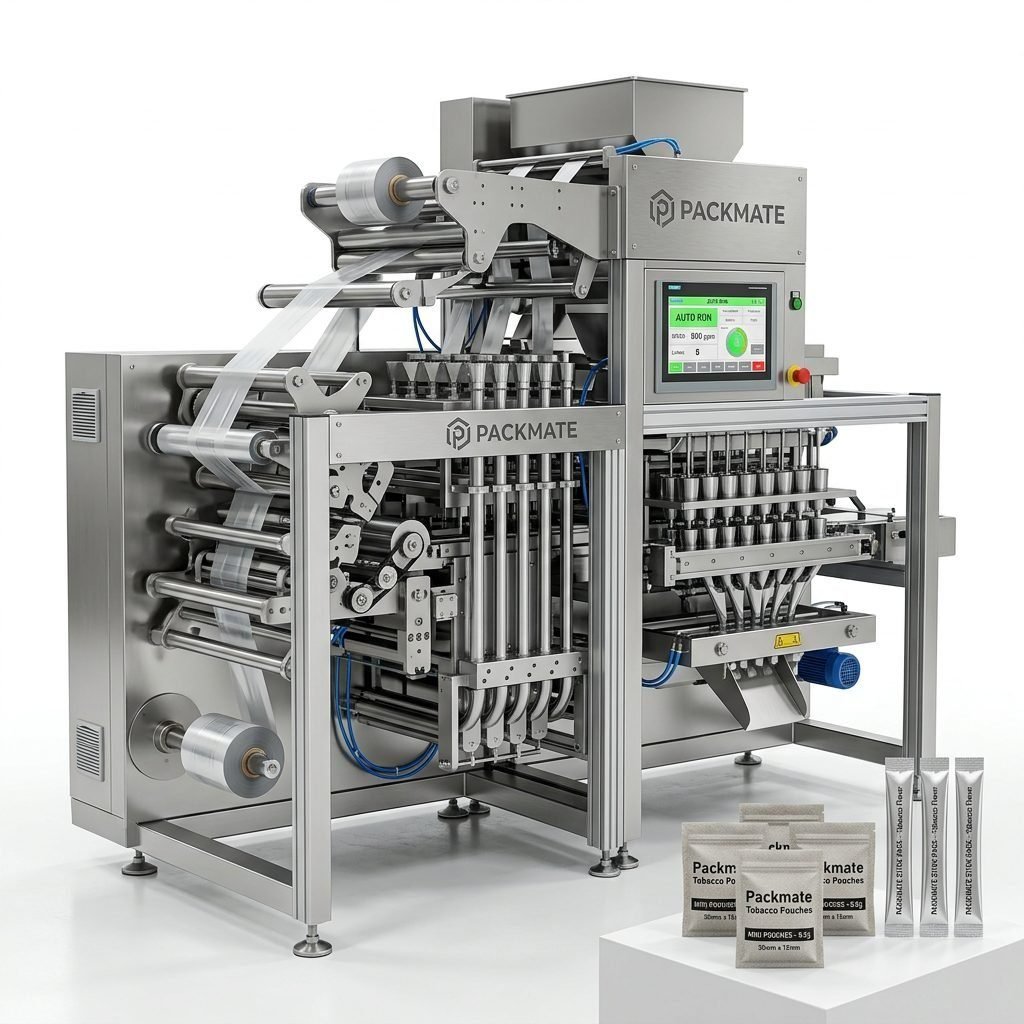
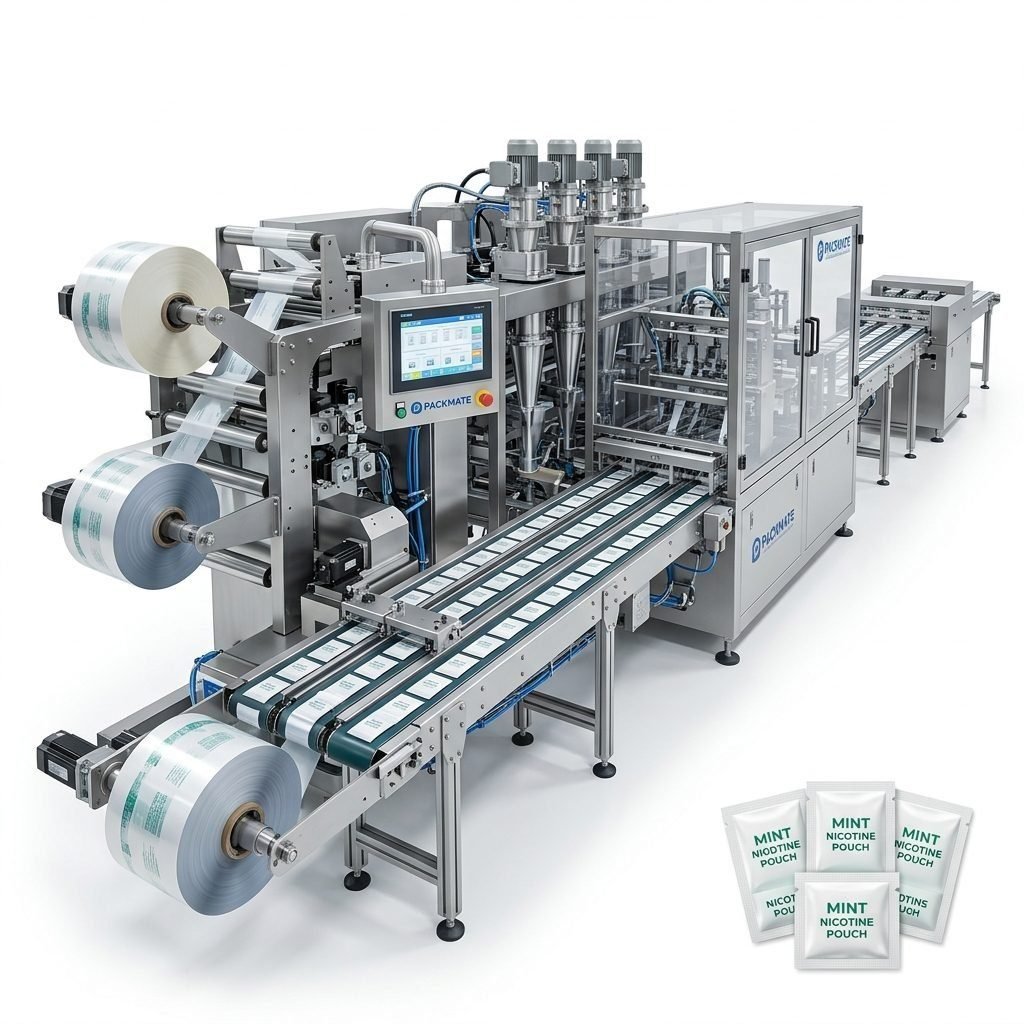
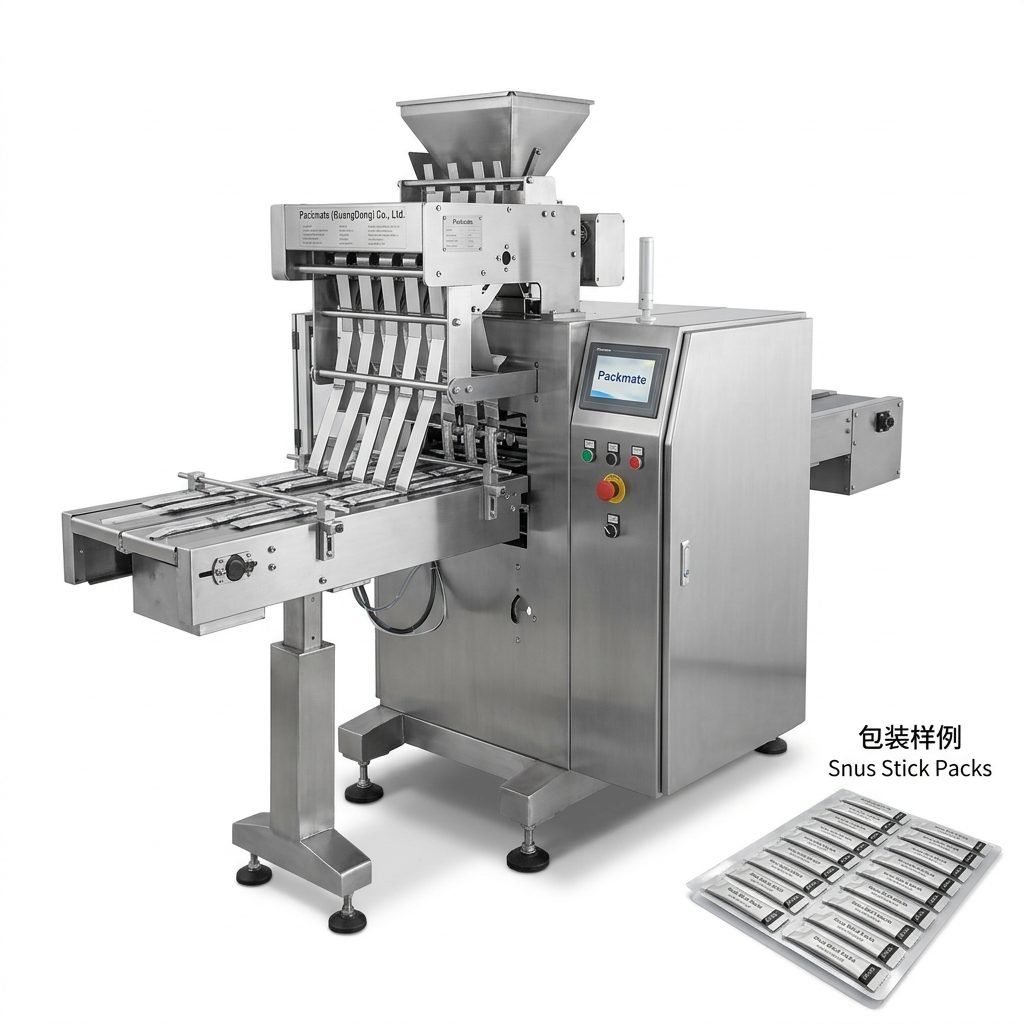
- Throughput & multi-lane capability: Evaluate multi-lane systems if scale-up flexibility is needed.
- Filling accuracy & weight control: Check integrated weighing options or compatible Weighing & Packaging Systems.
- Changeover time: Fast format change reduces production costs for multiple SKUs.
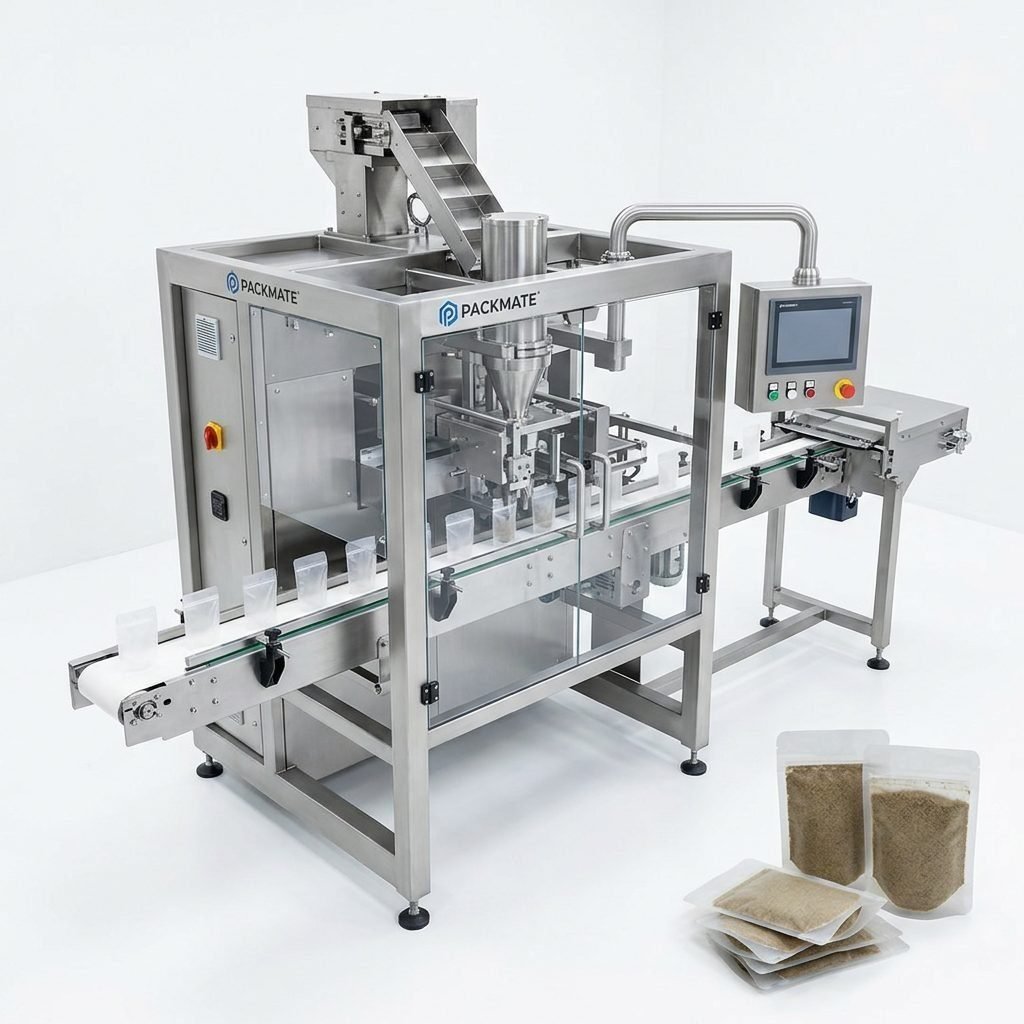
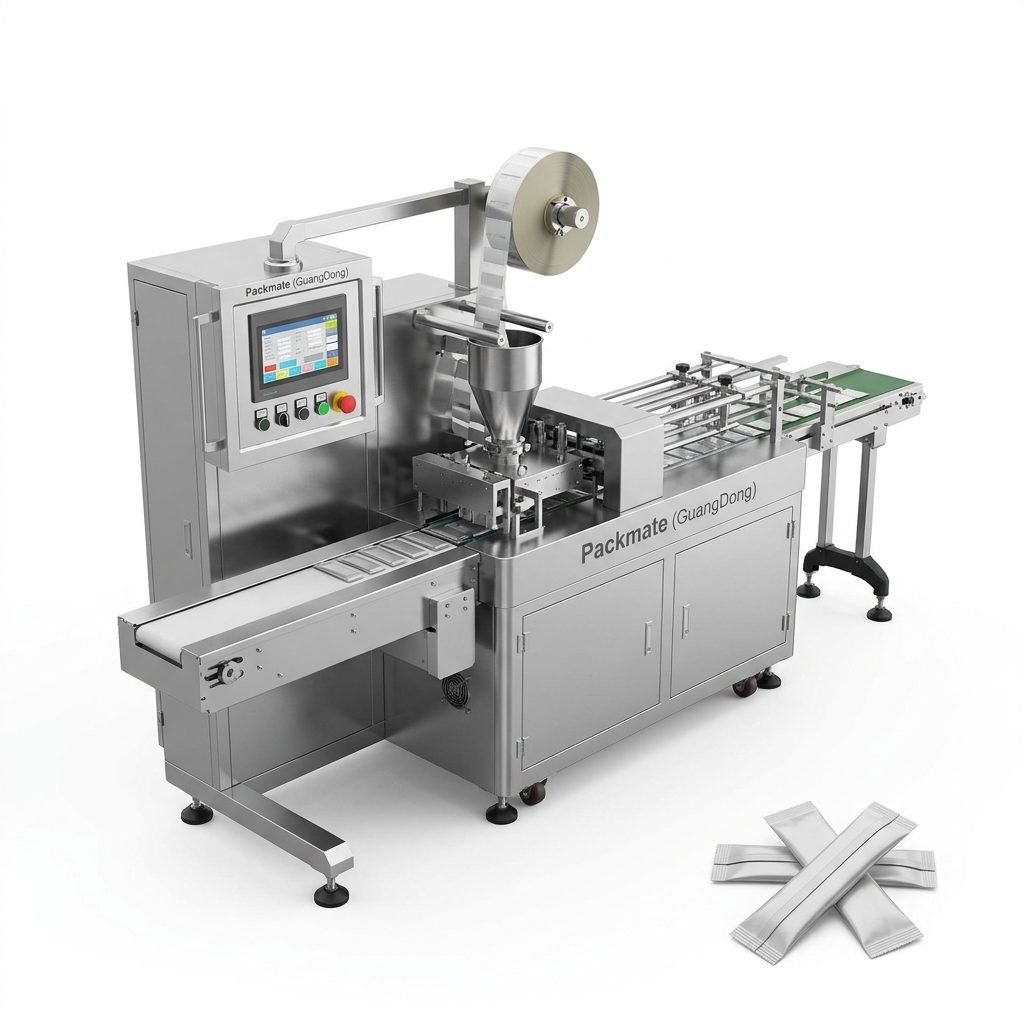
- Material compatibility: Confirm compatibility with pouches, stick packs, sachets, and different pouch materials.
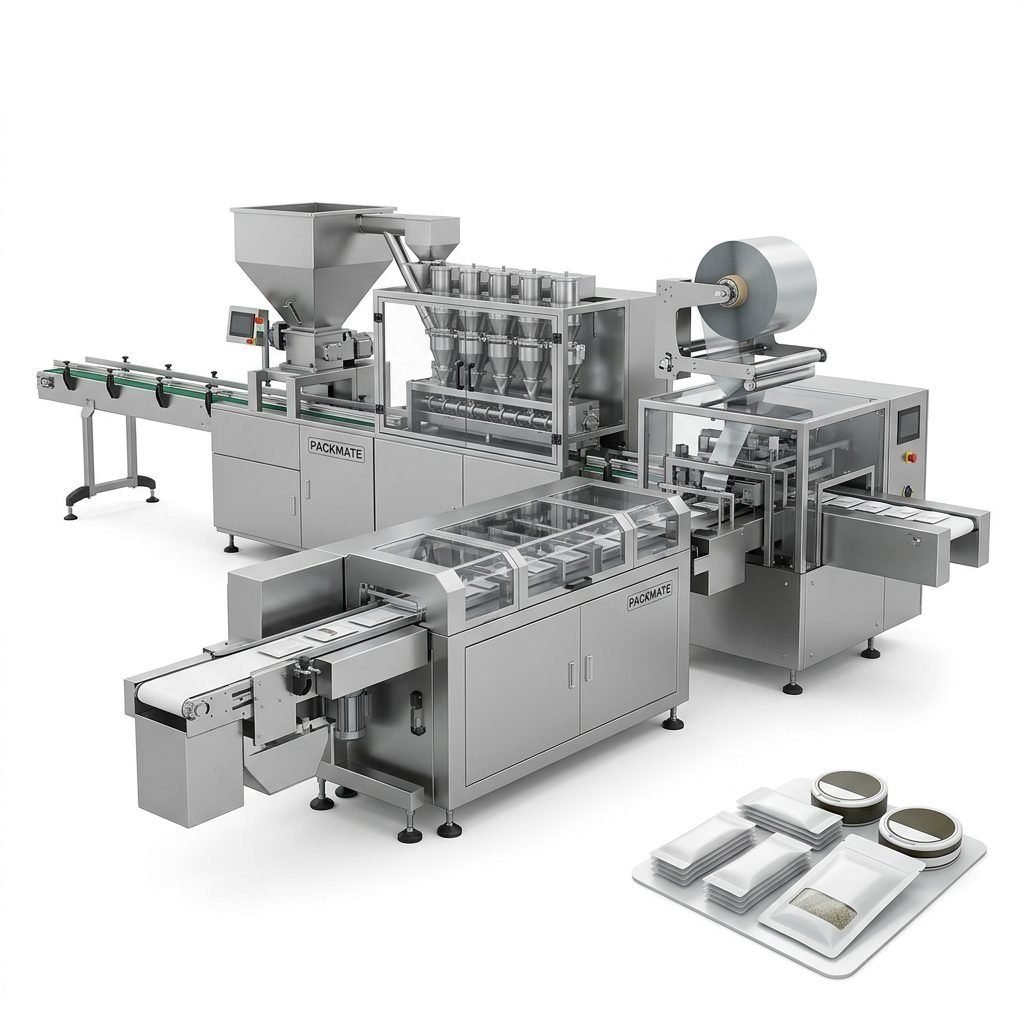
If you need complete lines beyond single machines, explore Filling & Packaging Lines and Auxiliary systems: Filling & Packaging Lines • Auxiliary Packaging Equipment.
Factory audit & inspection checklist
Whether you visit in person or request virtual verification, inspect these areas thoroughly:
- Assembly lines and CNC centers — evidence of precision machining.
- Stock of critical spare parts and standard components.
- Quality control processes — test benches, run-in procedures and sample logs.
- After-sales & service department — technical team experience, training offerings, remote support capability.
Onsite tip:
Request demonstration runs for your target format and samples with measured results — pass/fail data increases confidence.
Ask for references and cases
A supplier who works globally will share customer cases and references. Review production case studies to confirm long-term machine reliability. For direct examples and real installations, view supplier cases and factory stories to understand delivery performance.
See practical examples and customer cases: Case.
After-sales & spare parts: the real differentiator
In Germany, where downtime costs are high, after-sales response speed is a major purchase decision factor. Confirm:
- Spare parts supply chain and lead times.
- Availability of local technicians, or fast remote diagnostics and video support.
- Training programs for operators and maintenance staff.
- Warranty conditions, optional extended service contracts, and preventive maintenance plans.
Service agreements & SLAs
Negotiate Service Level Agreements that define response times, guaranteed uptime, and penalties for missed SLAs. German companies often expect detailed SLAs — include them in the purchase contract to avoid ambiguities.
Packaging material & format considerations
Different nicotine pouches and snus products require different sealing techniques, pouch materials and oxygen barriers. Ask the supplier for sample trials with your actual packaging materials. Multi-lane machines should allow independent lane control and easy lane deadening for partial runs.
Sustainability & material choices
German buyers increasingly value recyclable or mono-material packaging. Discuss material stacks, sealing temperatures, and the supplier’s capability to adapt sealing jaws, heat profiles and film handling to new eco-friendly materials.
Important:
Confirm machine adaptability to future packaging changes — modular designs reduce total cost of ownership.
Logistics, customs and local support in Germany
Plan logistics carefully: transport insurance, customs documentation, EORI and VAT considerations. Ask suppliers about experience exporting to Germany and whether they provide DDP (Delivered Duty Paid) options or coordinate with local freight forwarders. Local language documentation and manuals in German are a plus for maintenance teams.
Local culture & negotiation style
German business culture values punctuality, clear contracts and technical detail. Be prepared with a technical checklist and expect exact delivery dates and test acceptance criteria to be part of the agreement.
Commercial terms & pricing strategy
Price is one factor; total cost of ownership (TCO) includes spare parts, downtime, energy consumption and changeover time. Seek transparent quotes that separate machine price, tooling, training, installation and spare parts kits. Consider leasing or financing options if available.
Payment & contract safeguards
Use staged payments tied to milestones: design approval, FAT (Factory Acceptance Test), shipment and SAT (Site Acceptance Test). Include acceptance test criteria and procedures in the contract to protect both parties.
Learn more about the supplier’s company background and manufacturing strength: About Packmate • view certificates at Certificate.
Factory Acceptance Test (FAT) & Site Acceptance Test (SAT)
FAT and SAT are crucial. FAT verifies machine performance at the supplier’s facility using agreed product samples. SAT confirms performance after installation. Define acceptance criteria — packaging speed, weight accuracy, seal integrity, and rejection rates — before starting FAT.
FAT checklist:
sample validation • runtime stability • noise & vibration checks • operator training demo
How Packmate-style suppliers stand out
Experienced snus machine makers bring integrated solutions: decades of R&D, a broad product range (stick pack, sachet, multi-lane systems), precision CNC production and global turnkey delivery experience. Suppliers with exhibition presence and global case studies are often more reliable partners for a German operation.
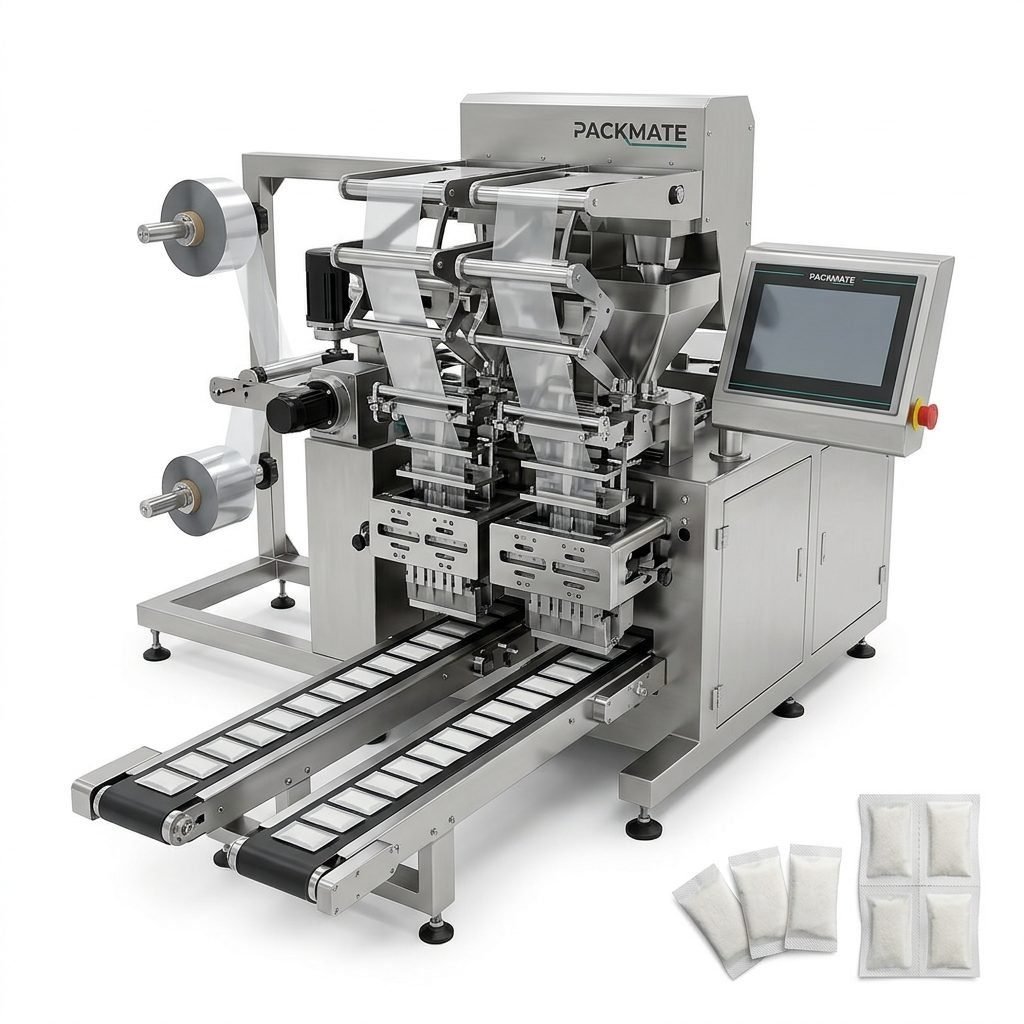
Explore product lines and complementary systems to match capacity needs: Sachet & Stick Pack Machines • Weighing & Packaging Systems.
Final selection & negotiation
After verifying technical, commercial and legal aspects, shortlist 2–3 suppliers and compare apples-to-apples. Negotiate delivery dates, spare parts kits, training, warranty and penalties for missed deadlines. A clear contract reflecting all technical and service commitments reduces downstream risk.
Quick negotiation checklist:
delivery schedule • FAT/SAT criteria • spare parts delivery lead time • service SLAs • training scope
Next steps after selection
Plan installation with clear timelines, designate on-site personnel for training, and set up spare-parts stocking strategy. Ensure PLC, HMI and software manuals are archived in both English and German to speed up local troubleshooting.
Contact & demonstration
When you’re ready to request quotes or schedule FAT, contact the supplier through an official channel to ensure traceability and professional handling. For direct supplier connection and more product information, visit the supplier contact page: Contact Us.
Final reminder:
A well-documented purchase with clear FAT/SAT acceptance criteria and robust after-sales support is more valuable than the lowest initial price.
FAQs — Common buyer questions
Q1: How do I ensure a machine complies with EU/German regulations?
A1: Require CE documentation, ask for ISO certificates, inspect safety guards, emergency stops and electrical compliance. Confirm the supplier can provide documentation for customs and local authorities.
Q2: What minimum data should be part of a FAT?
A2: Define acceptance speeds, weight accuracy, seal integrity tests, rejection rates and at least a one-hour continuous run under load with your materials to validate stability.
Q3: How quickly can spare parts be delivered to Germany?
A3: Lead times vary. Reliable suppliers keep critical spares in regional warehouses or offer express shipping. Verify typical lead times in the contract and consider stocking a spare-parts kit onsite for high-wear items.
Q4: Should I visit the factory or rely on virtual inspections?
A4: A factory visit is ideal but if not feasible, request a live virtual tour, recorded demonstration, serial number verification and references. Ensure all tests are recorded and agreed acceptance criteria are met.
Q5: Where can I see more machine types and line solutions?
A5: Review the full product range and line solutions on product pages such as Bag & Pouch Packaging Machines and auxiliary systems to match your process needs: Bag & Pouch Packaging Machines.