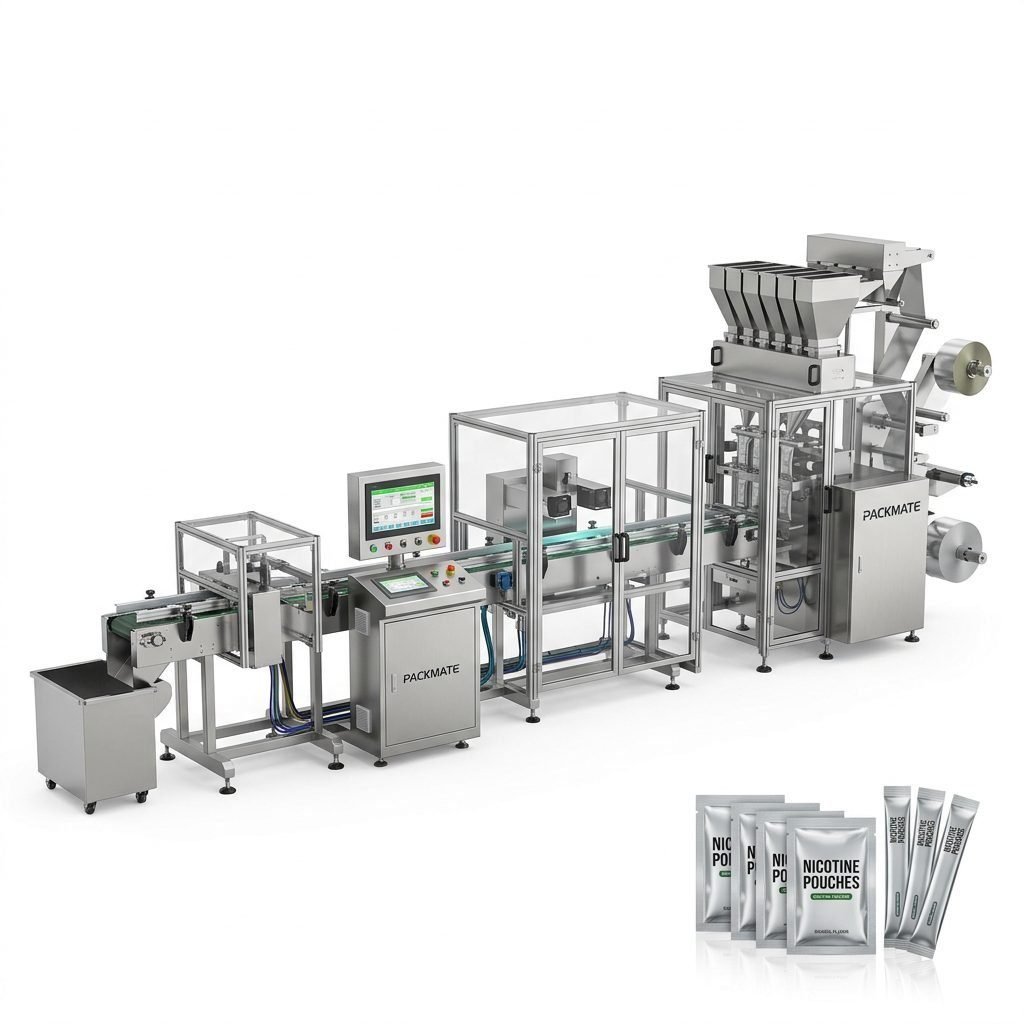
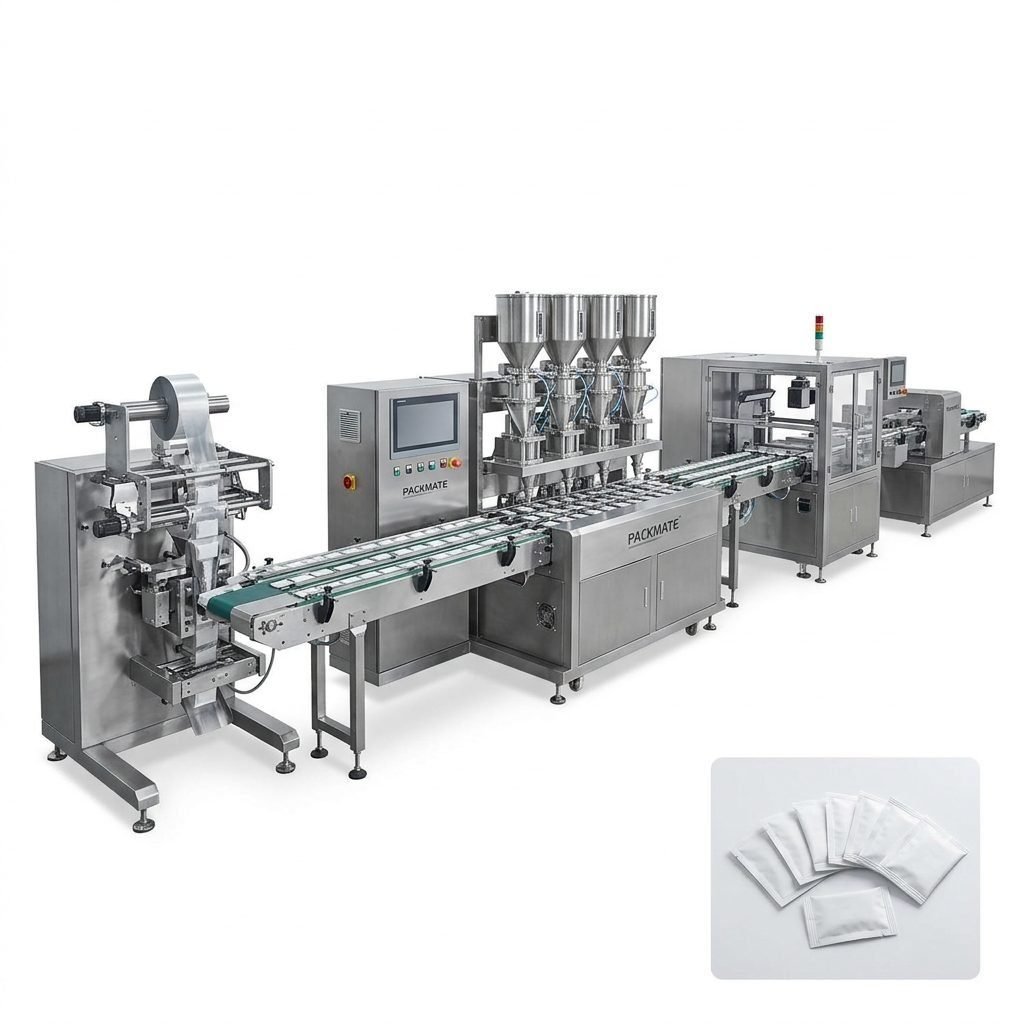
Choosing the right nicotine packaging machine supplier in Afghanistan is more than a transactional decision — it is a strategic partnership that affects product quality, compliance, production uptime, and long-term growth. This guide covers practical buying tips, technical checks, cultural and regulatory considerations specific to Afghanistan, and steps to evaluate suppliers so you can confidently select equipment that matches your production goals and local market realities.
Why the supplier choice matters for nicotine pouch production in Afghanistan
Reliable packaging machinery determines final pack appearance, shelf life, and regulatory traceability. In a market such as Afghanistan where distribution channels can be fragmented and import logistics complex, a well-chosen supplier reduces downtime, simplifies customs clearance, and provides the technical support needed for stable operations. Suppliers with proven international credentials and turnkey experience can help you avoid hidden costs and production bottlenecks.
Key local considerations: culture, regulations, and logistics
Afghanistan’s cultural context and regulatory environment influence both product presentation and supply chain planning. Nicotine products may face heightened scrutiny in predominantly Muslim communities, and import documentation, labeling language, and distribution practices must respect local norms. It is crucial to verify whether nicotine pouch products are permitted where you plan to distribute them and to prepare compliant labeling in local languages where applicable.
Tip: Check customs rules and import permits before finalizing a purchase. Suppliers who assist with export documentation and offer experience shipping to Central and South Asia can save you significant time and cost.
Technical capabilities to demand from a nicotine packaging machine supplier
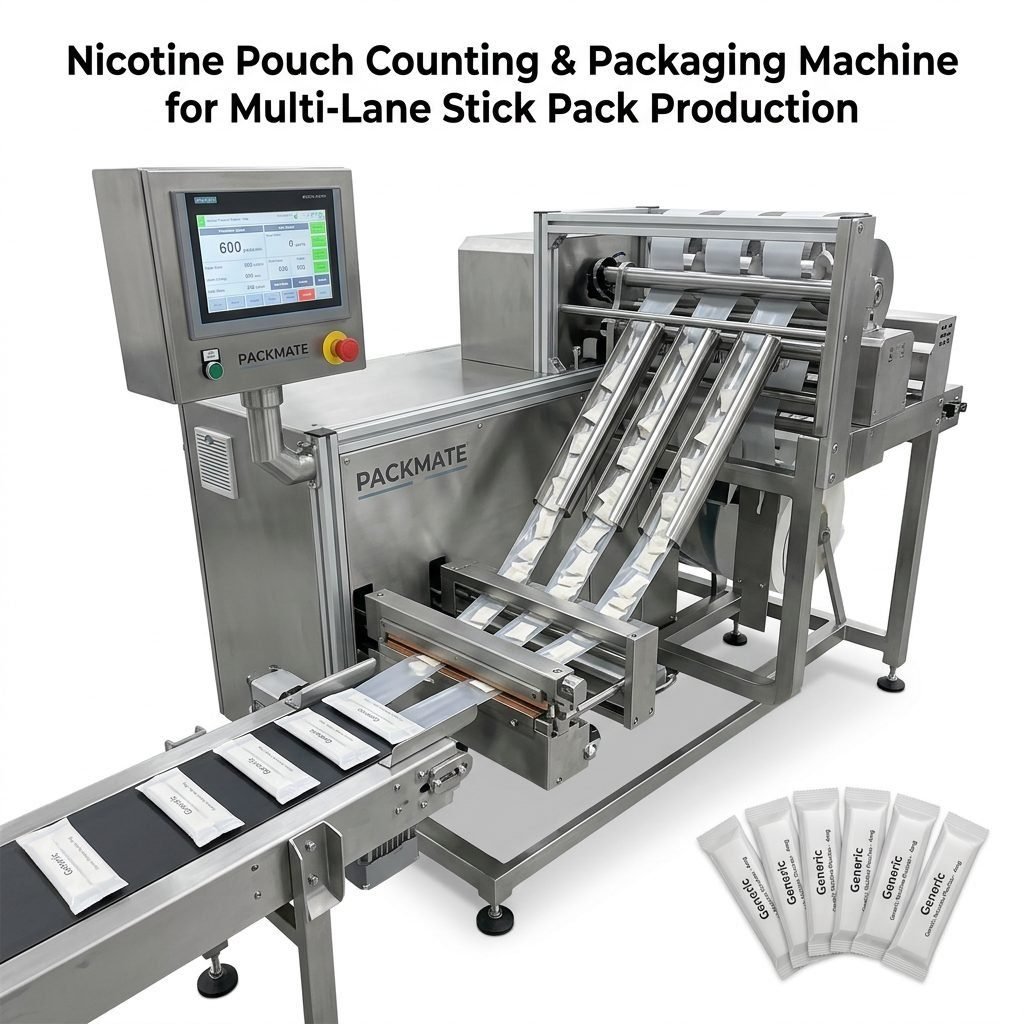
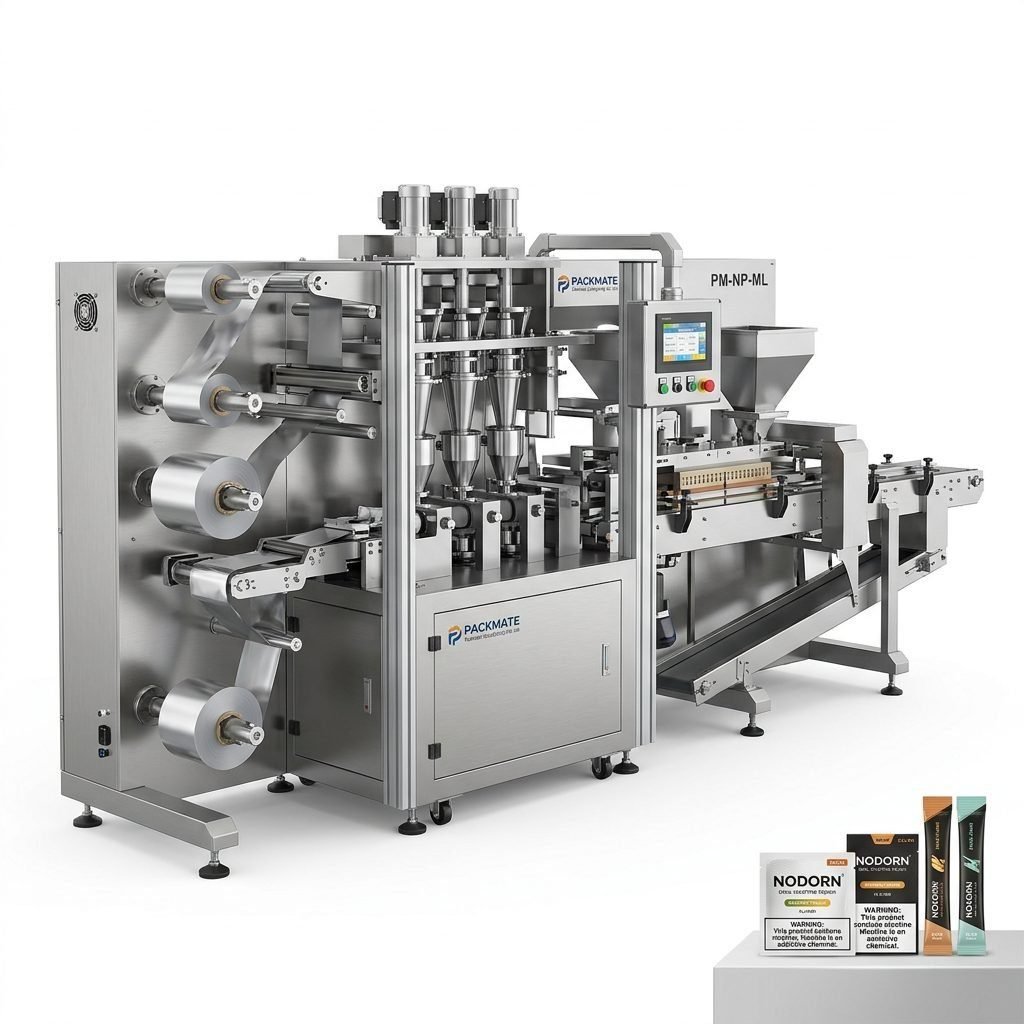
When assessing potential suppliers, focus on the machine’s performance metrics and the supplier’s engineering capacity. Essential technical attributes include consistent fill accuracy, multi-lane options for higher throughput, precise pouch forming for small-dose products, and modular designs for future upgrades.
Production performance and flexibility
Look for machines that provide:
-
High throughput with stable speeds across long runs (important for seasonal demand spikes).
-
Multi-lane capability if you plan to scale or produce multiple SKUs on one line.
-
Accurate dosing systems suitable for low-dose nicotine pouches and small filling tolerances.
Quality, standards, and safety
Ensure the supplier adheres to international certifications and quality systems. Request verification of CE and ISO compliance and ask for factory inspection reports. Machines that meet these standards are more likely to pass regulatory inspections and perform reliably under continuous production.
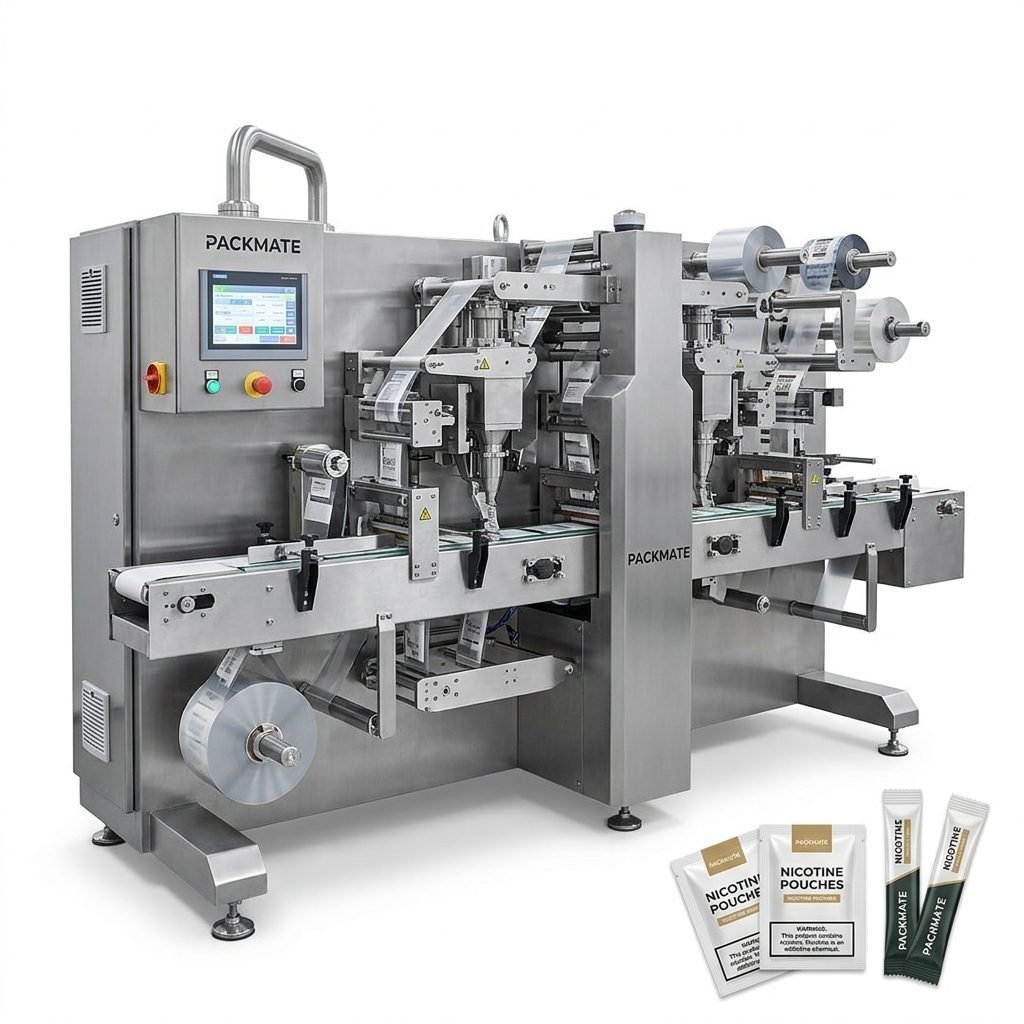
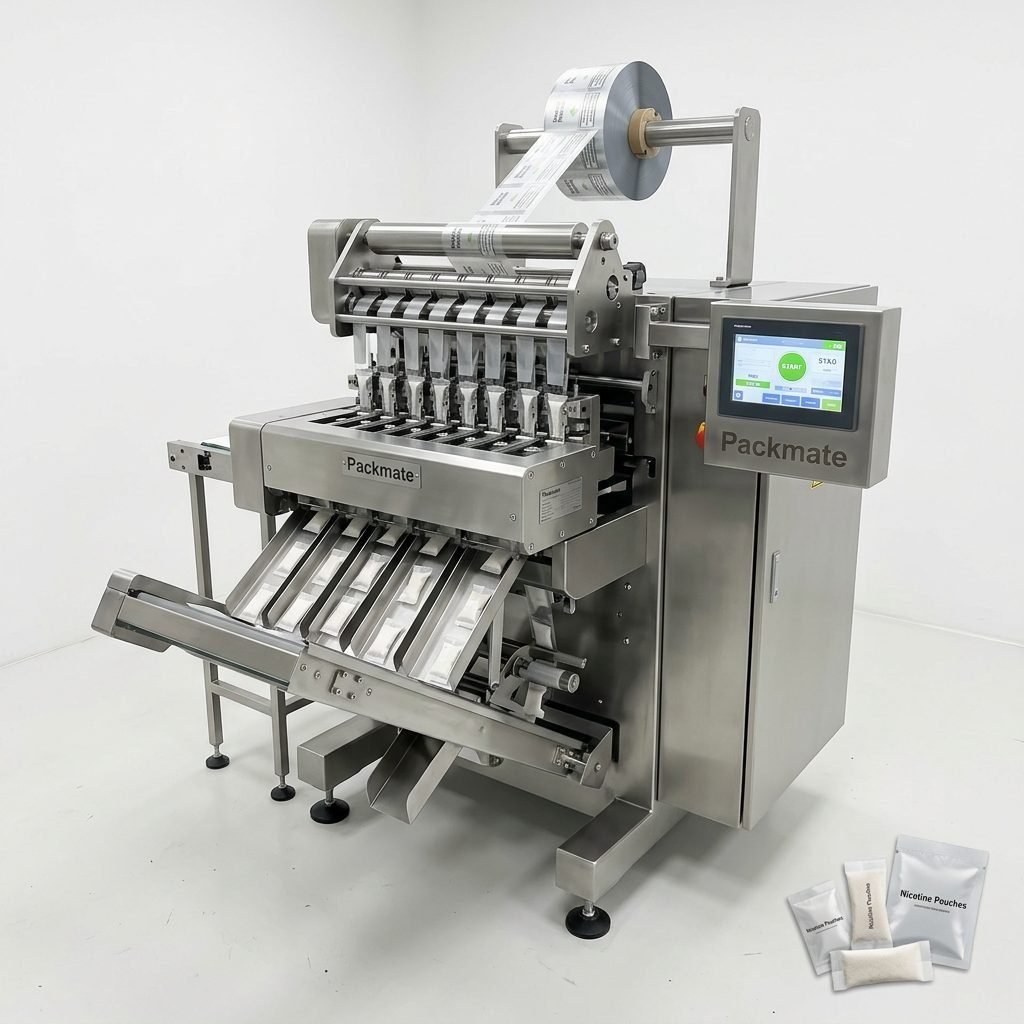
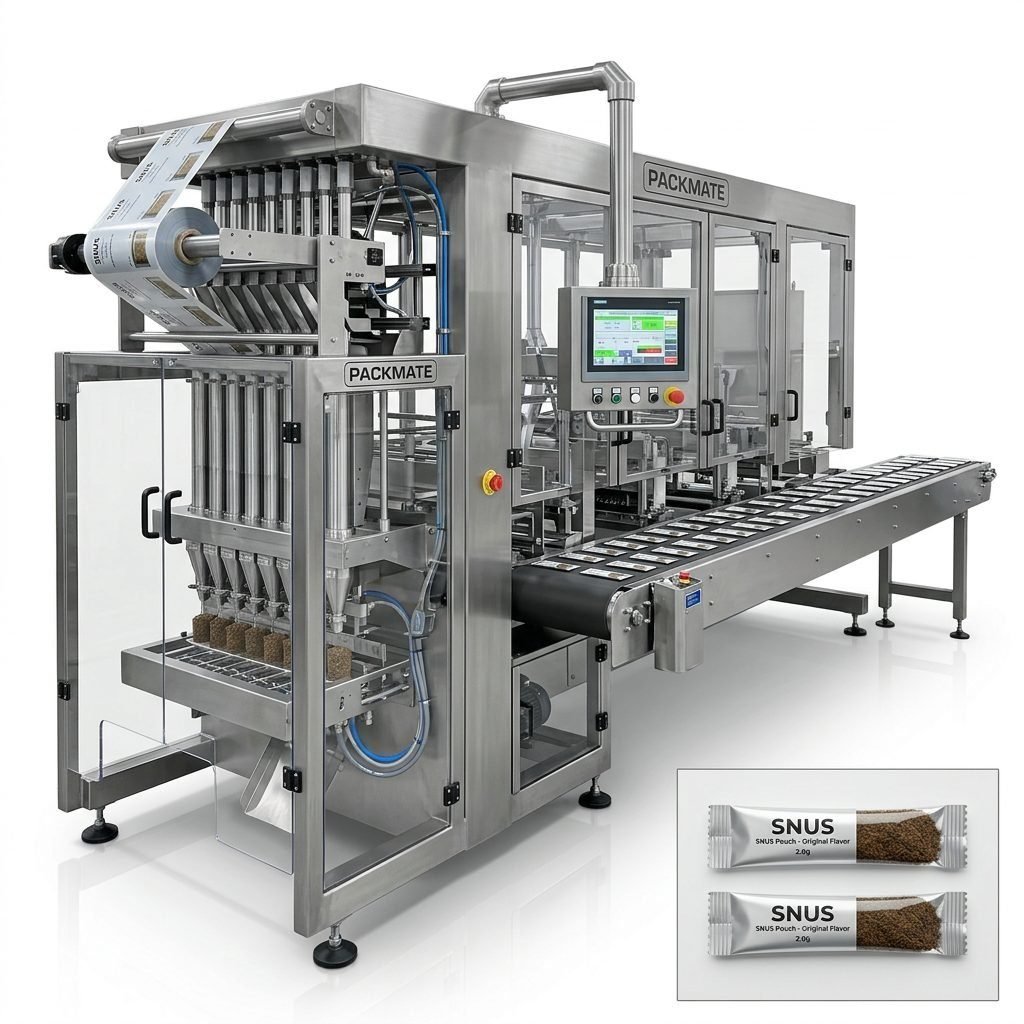
A recommended resource to compare product lines and machine families is the supplier’s product pages — for example, explore specialized options for snus and nicotine packaging machines like those used in compact pouch lines and multi-lane systems:
Snus & Nicotine Packaging Machines.
Factory strength and after-sales support — why they matter
A supplier’s manufacturing capability and after-sales network are critical for long-term uptime. Suppliers with advanced CNC machining, precision assembly lines, and a large model range are better equipped to supply spare parts quickly and customize solutions for unique requirements.
Highlight: Choose suppliers who provide clear spare parts lists, global shipping experience, and remote technical support for fast troubleshooting in Afghanistan’s dispersed markets.
If you want to review the supplier’s manufacturing capacity and certifications, their company information and certificates offer transparent details:
About Packmate and
Certificate.
Practical checklist for supplier evaluation
Use this checklist during supplier meetings, factory visits, or remote evaluations. Each item helps quantify risk and align expectations.
Manufacturing & quality checks
Verify these items:
-
Factory photos or remote video walkthroughs of CNC centers and assembly lines.
-
Quality control protocols, tolerance reports, and sample machine test runs.
-
References or case studies in similar product categories — ask for examples of snus or nicotine pouch lines delivered to comparable markets.
Service, training, and spare parts
Key service commitments to secure:
-
On-site installation or remote supervision for commissioning.
-
Operator and maintenance training for your team in local languages where possible.
-
Clear spare parts lead times and a recommended spare parts list for consumables.
Financial and contractual safeguards
Contracts should protect you from delivery delays and performance shortfalls. Important clauses include warranty periods, acceptance testing criteria, penalty terms for missed milestones, and clear payment milestones tied to factory acceptance tests (FAT) and site acceptance tests (SAT).
Contract Checklist: delivery schedule, FAT procedure, warranty scope, spare parts pricing, and technical support response times.
Choosing the right machine type for Afghanistan’s market
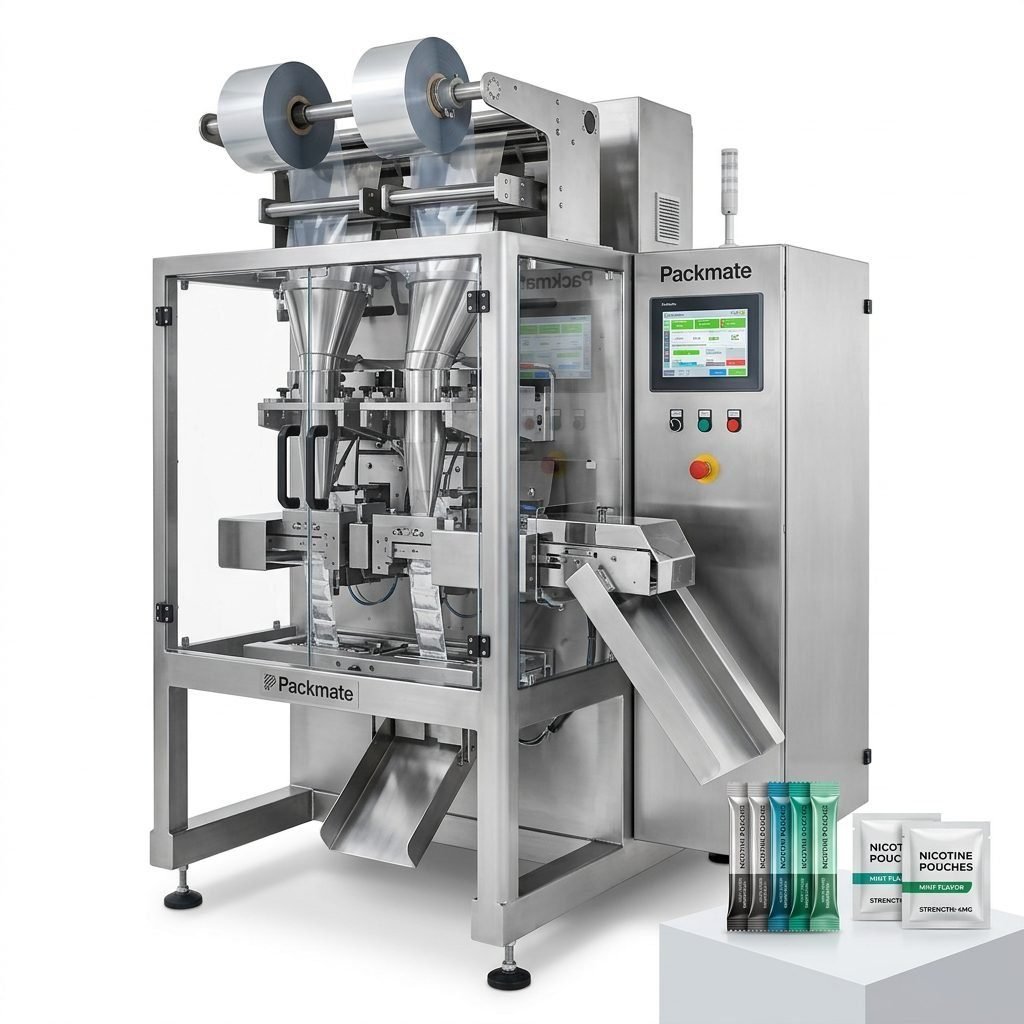
Your SKU assortment, target volumes, and packaging formats determine the machine family you need. For small-dose nicotine pouches and snus, select machines designed for precise small-fill sachets or multi-lane pouch formats to maximize throughput while maintaining accuracy.
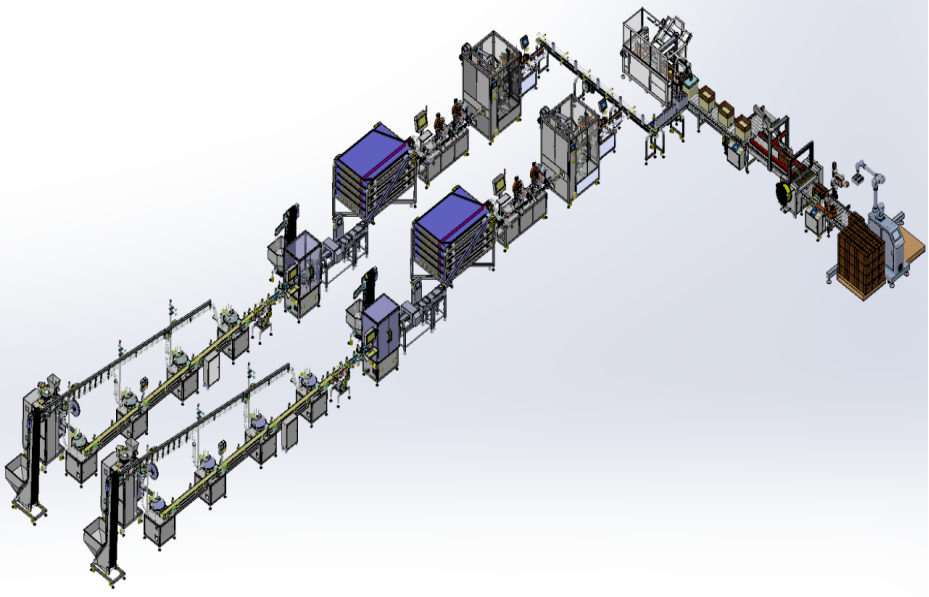
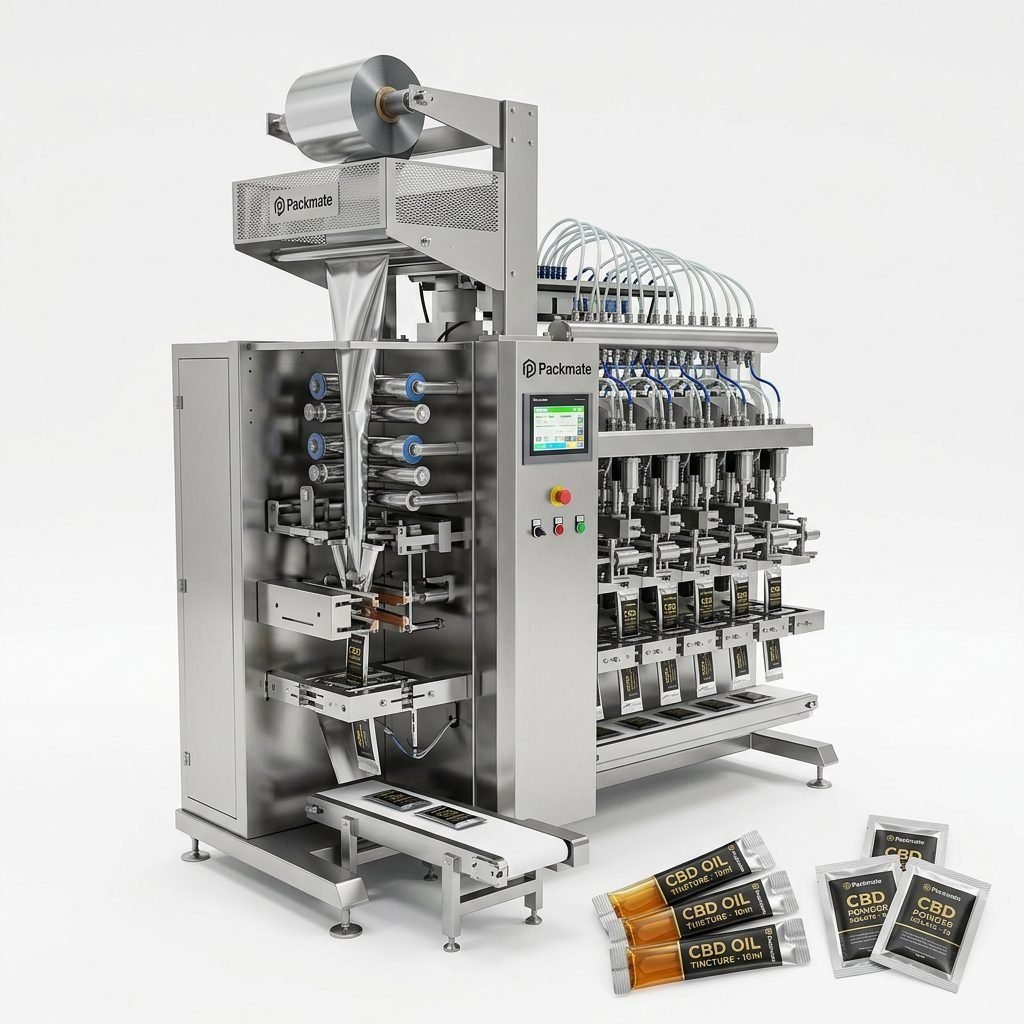
For a survey of common machine types and modular lines that combine dosing, sealing, and secondary packaging, refer to supplier product families such as:
Sachet & Stick Pack Machines and
Filling & Packaging Lines.
Starter lines vs. turnkey production lines
If you are launching a new brand in Afghanistan, a compact single-lane or twin-lane machine may be sufficient initially. If you plan broad distribution and multiple SKUs, a turnkey multi-lane line with integrated weighing and secondary packaging delivers better economies of scale. Suppliers that offer modular upgrades allow you to expand capacity with minimal downtime.
Logistics, installation and local power considerations
Planning logistics early reduces unexpected costs. Afghanistan’s transportation infrastructure and border procedures can affect lead times. Ask suppliers about their experience delivering to Central Asia and whether they provide palletized shipments, export crating, and customs documentation to local standards.
Confirm electrical specifications, voltage compatibility, and whether the machine requires stabilizers or climate-controlled environments. Dust and temperature extremes in some regions may require additional protective enclosures or air filtration for sensitive electronics.
Assess supplier reputation with real-world evidence
Request case studies, factory acceptance videos, and client references that demonstrate long-term machine performance. Suppliers with a global footprint and trade show presence indicate maturity and proven delivery capability. You can explore examples of delivered projects and exhibitions to verify claims:
Case and
Our Exhibition.
Red flags to watch for
Be cautious if a supplier:
-
Cannot provide verifiable references or recent machine acceptance tests.
-
Lacks clear spare parts lists or refuses to commit to lead times for consumables.
-
Offers vague warranty terms or avoids factory visits and machine demonstrations.
Practical steps to finalize your purchase
Follow a staged procurement process to reduce risk:
-
Define product spec and production targets — include SKU dimensions, pouch materials, target speeds, and expected uptime.
-
Shortlist suppliers that meet technical and compliance requirements; ask for FAT videos and spare parts quotations.
-
Negotiate contract terms with detailed acceptance criteria and warranty conditions.
-
Plan installation, operator training, and spare parts inventory before shipment.
🔶 Pro tip: Schedule a FAT with your team and an independent inspector where possible — it is the clearest way to ensure the machine meets promised performance before shipping.
Why experienced suppliers like Packmate are often a safer choice
Suppliers with decades of R&D and a broad machine portfolio have advantages: proven designs for small-dose pouch lines, global turnkey experience, and robust manufacturing ecosystems. A manufacturer offering specialized snus and nicotine packaging solutions, multiple machine models, and documented factory capabilities reduces the risk of surprises during commissioning. Learn more about full-line solutions and service offerings to ensure alignment with your production roadmap:
Weighing & Packaging Systems and
Contact Us for direct inquiries.
Local partnership and training
Prioritize suppliers who offer operator training and documentation that can be translated or adapted for local technicians. The more hands-on training provided during installation, the faster your team will achieve consistent production and maintenance routines.
Final decision framework — a concise scoring model
To make an objective choice, score each supplier on the following criteria (sample weighting):
-
Technical fit and performance guarantees — 30%
-
After-sales support and spare parts availability — 25%
-
Factory capability and certifications — 20%
-
Commercial terms and delivery schedule — 15%
-
Local market suitability and cultural compliance — 10%
A supplier scoring well across these areas will likely be a strong long-term partner for nicotine pouch production in Afghanistan.
Closing recommendations
Invest time in verification: ask for FAT videos, client references, and clear warranty commitments. Balance cost with total cost of ownership, which includes spare parts, training, and potential downtime. Suppliers that provide comprehensive turnkey solutions and transparent documentation typically deliver the best outcomes for emerging markets.
Frequently Asked Questions
Q1: How do I verify a supplier’s machine performance before purchase?
A1: Request a Factory Acceptance Test (FAT) video or a live demonstration, ask for performance data under production conditions, and contact references who received similar machines.
Q2: What are typical warranty and spare parts expectations?
A2: Expect a minimum warranty period for mechanical and electrical components, a clear spare parts list with lead times, and options for stocking consumables locally to reduce downtime.
Q3: How should I handle customs and logistics for importing packaging lines into Afghanistan?
A3: Work with suppliers experienced in exports to Central Asia, ensure all export documentation is complete, and coordinate with a local customs broker to pre-clear shipments and avoid delays.
Q4: Are supplier factory tours necessary?
A4: Factory tours are highly recommended when feasible. If travel is difficult, request virtual tours, comprehensive factory photos, and independent inspection reports.
Q5: What cultural considerations should I account for in Afghanistan?
A5: Respect local norms in packaging design and distribution, ensure labeling complies with language and health regulations, and be cautious with marketing; consult local advisors to ensure products and presentation align with community sensitivities.