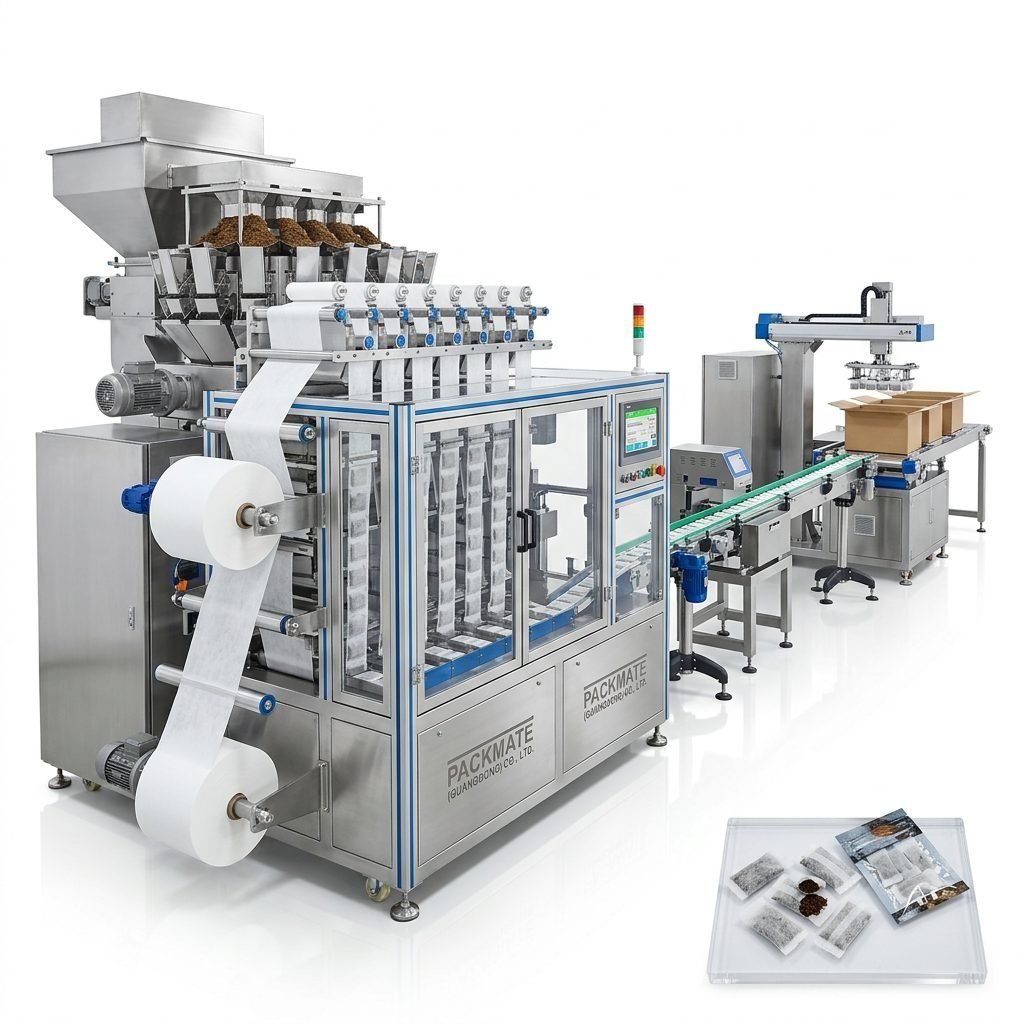
Choosing the right nicotine packaging machine supplier in Mozambique can determine the success of your production, compliance, and long-term costs. Mozambique’s market has its own import rules, Portuguese-speaking business culture, and growing demand for modern packaging solutions in tobacco alternatives and consumer products. This guide walks buyers through practical, locally relevant steps — from technical specifications to supplier vetting, logistics and after-sales services — so you can select a supplier who delivers reliable machines, timely support, and measurable return on investment.
Why the Supplier Choice Matters in Mozambique 📌
A supplier is more than a vendor of equipment: they are a partner for installation, compliance documentation, spare parts, and training. In Mozambique, where shipping routes, customs clearance times, and on-the-ground partner relationships can affect uptime, selecting a supplier with proven export experience and local sensitivity is essential. Suppliers who understand African logistics and Portuguese communication will cut lead times and reduce misunderstandings.
Local considerations to keep front of mind
• Language & Negotiation: Portuguese is widely used in formal negotiations — suppliers who provide Portuguese documentation and local-language support will be easier to work with.
• Relationships & Trust: Personal trust and timely communication matter. Expect longer lead times for paperwork; build rapport and clarify milestones in writing.
• Customs & Import: Mozambique has specific customs processes; select suppliers experienced with African exports and capable of supplying complete export documentation.
Understand the Technical Options: Machines & Lines
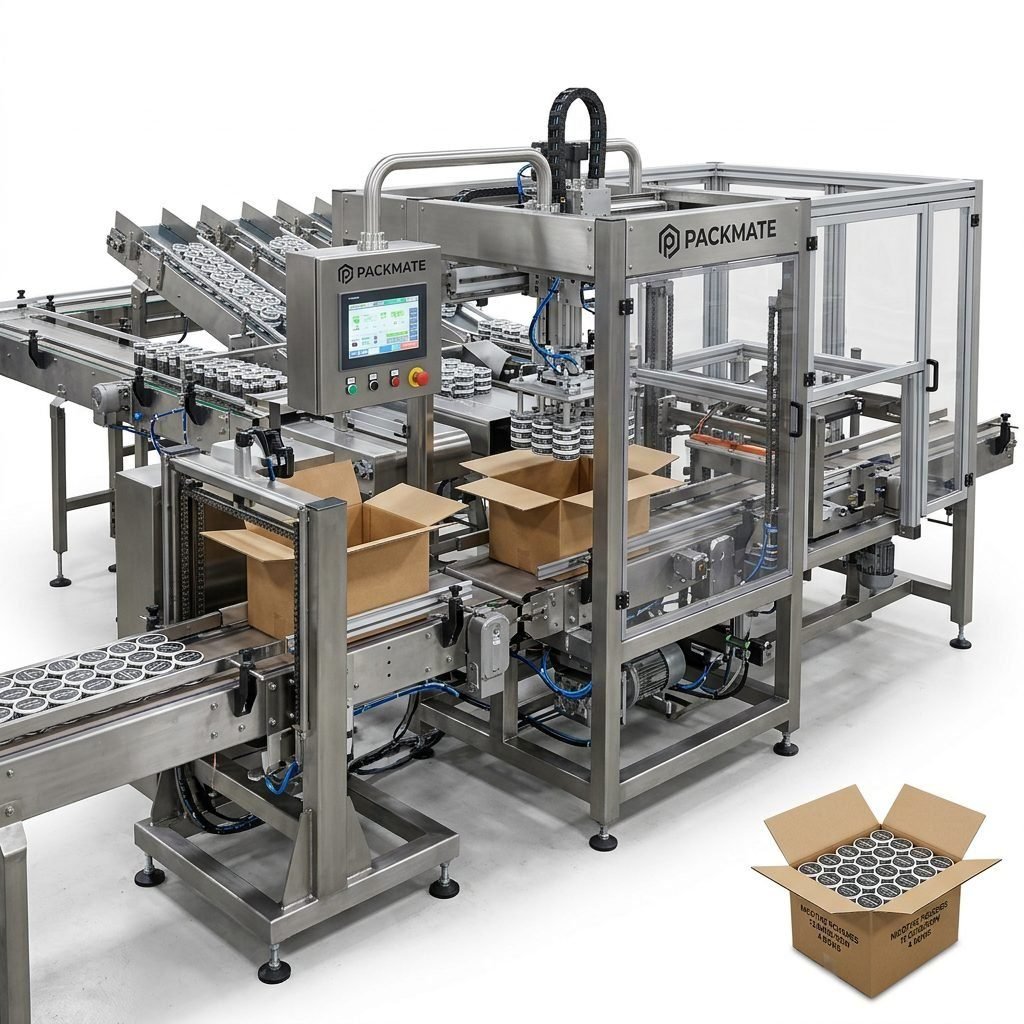
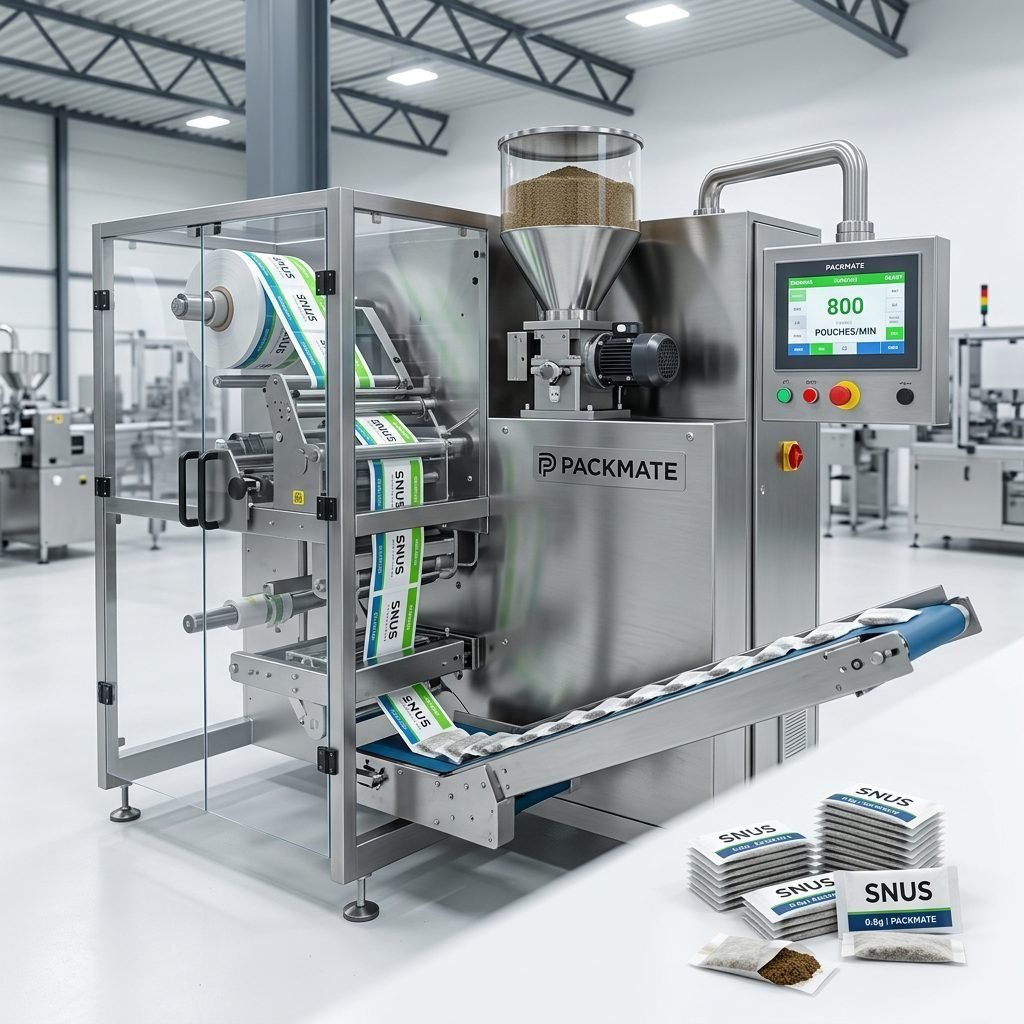
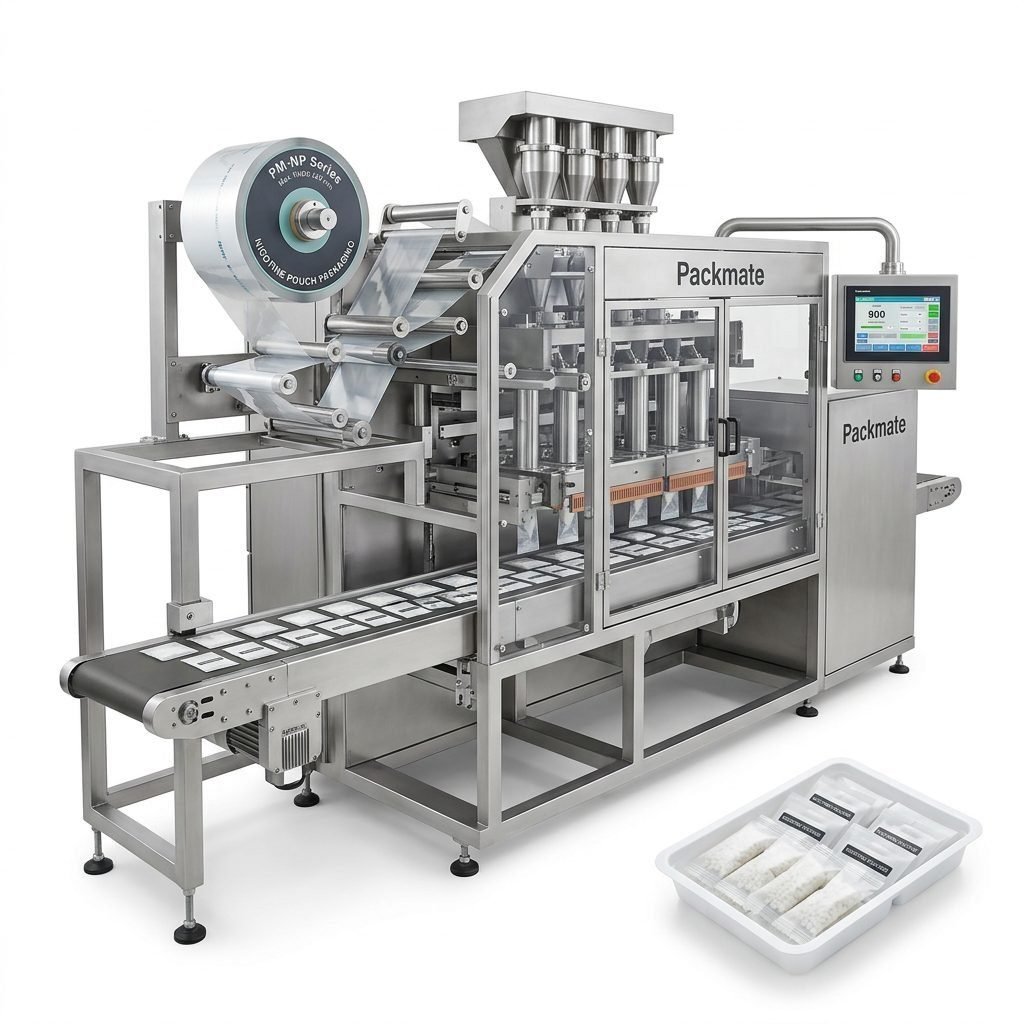
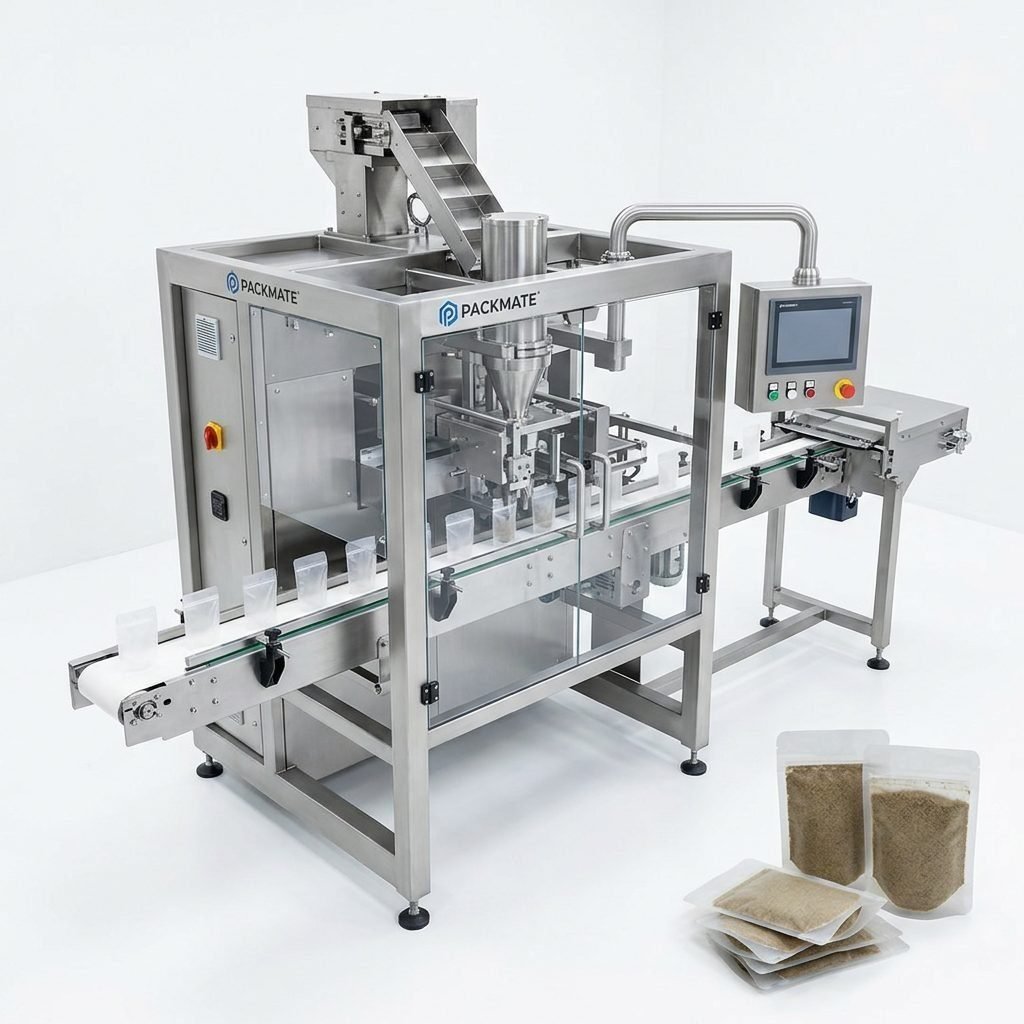
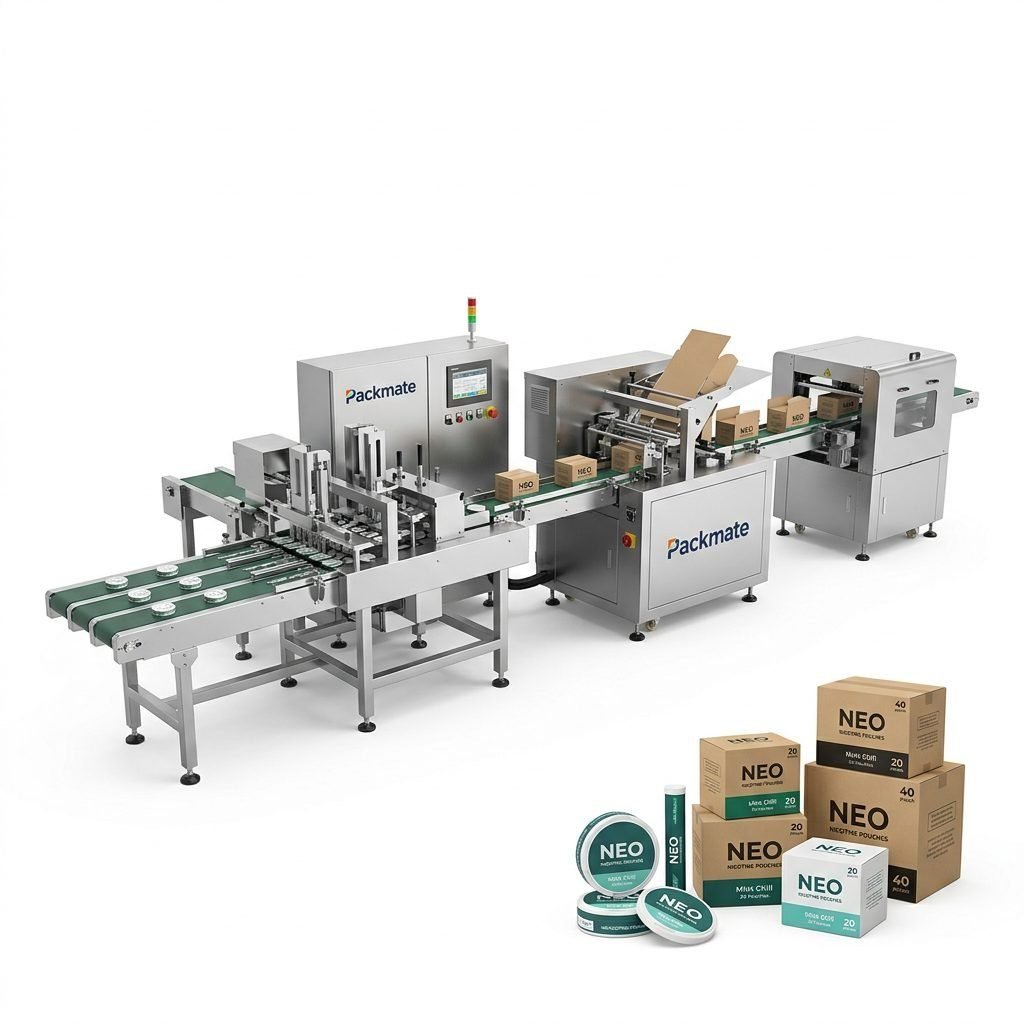
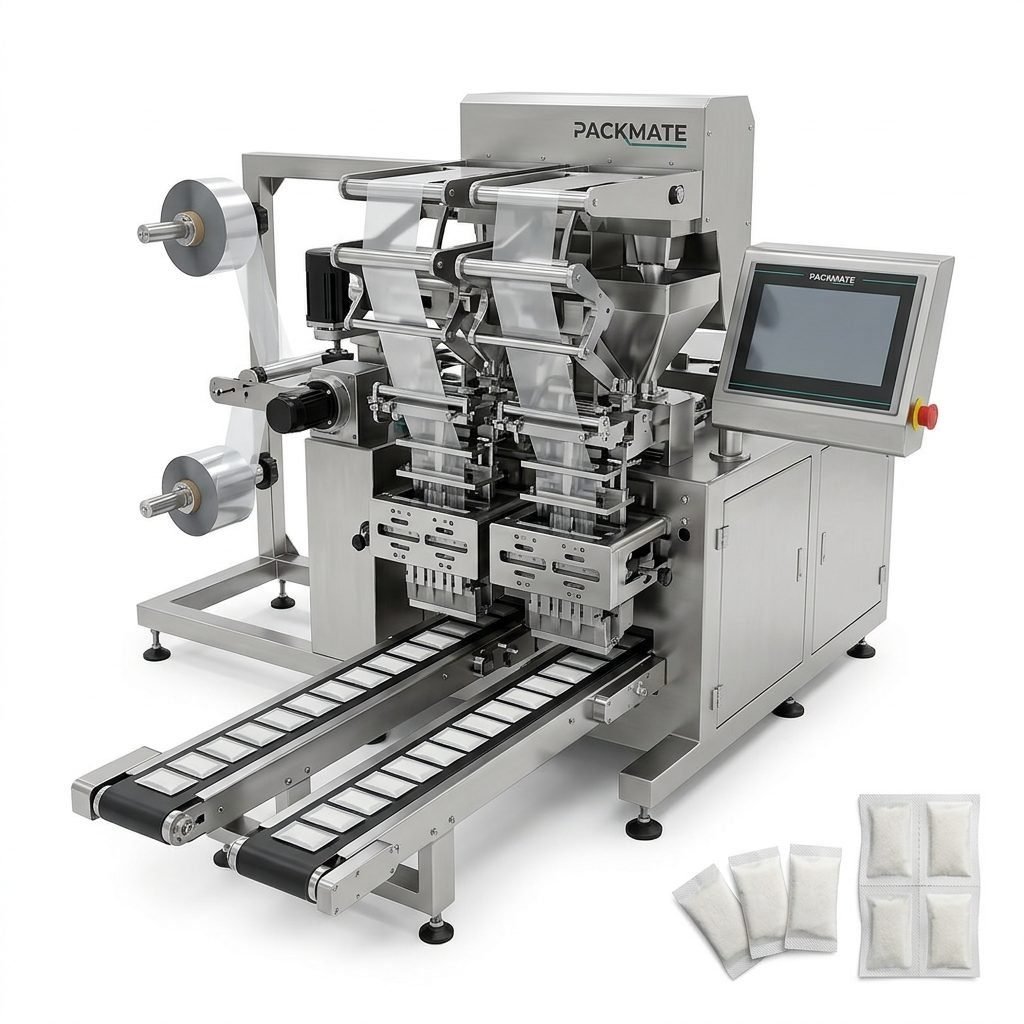
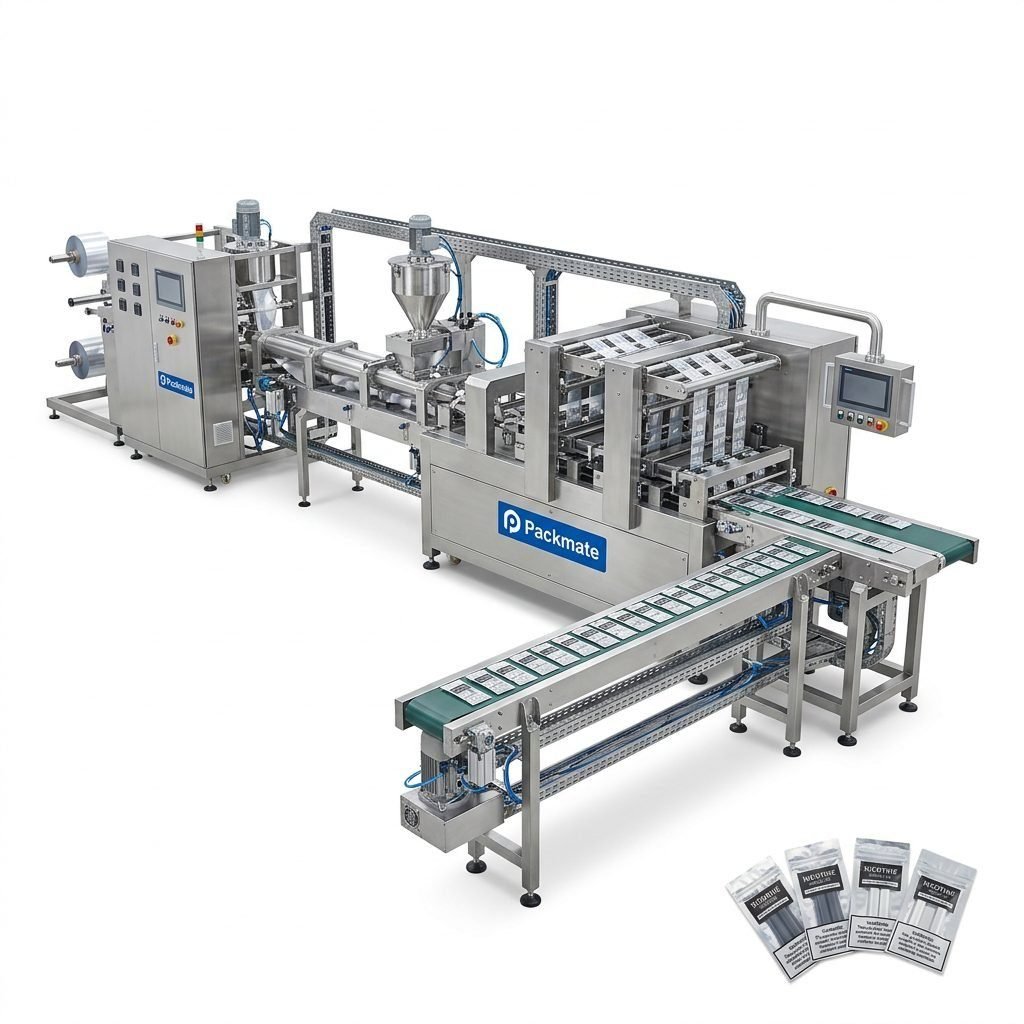
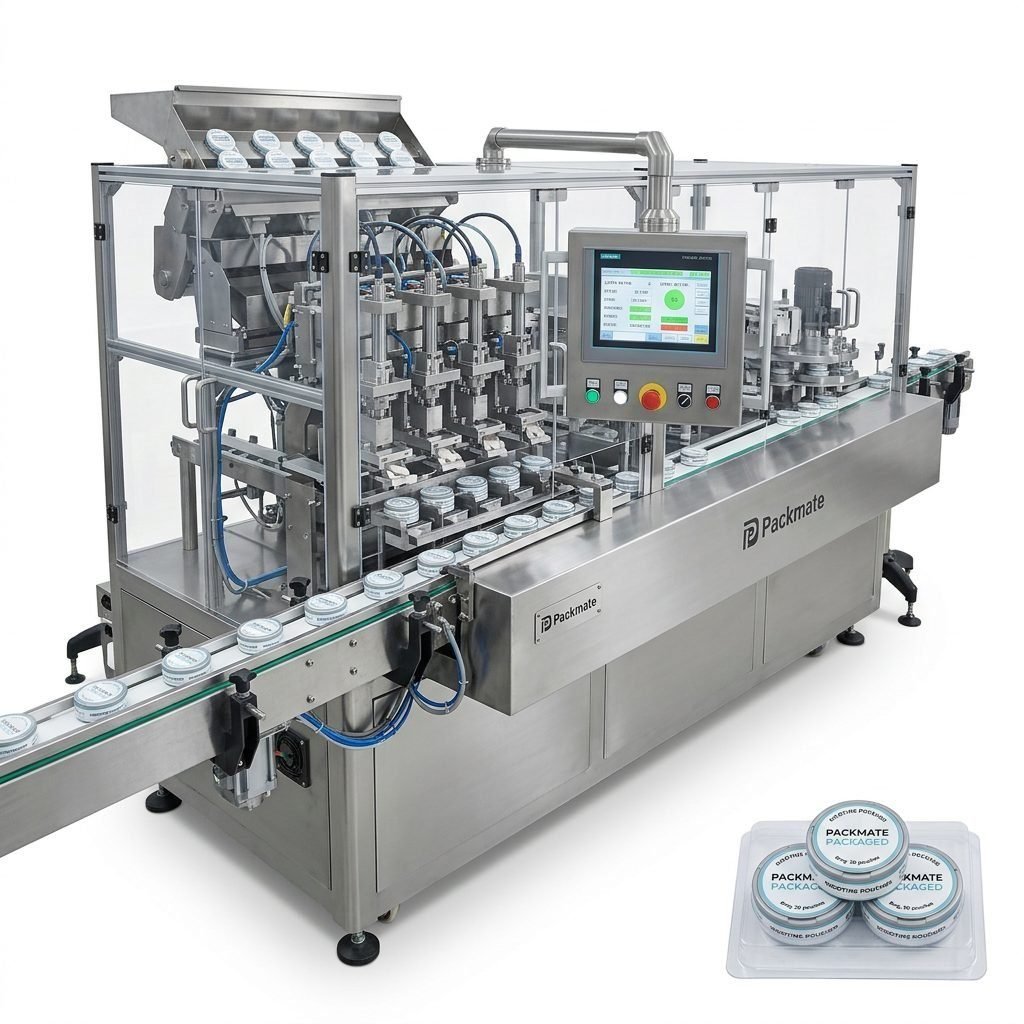
Nicotine pouch and snus packaging equipment comes in many forms. Choosing the correct machine family depends on dose, pouch format, speed and integration needs. Common configurations include single-lane and multi-lane pouch machines, stick pack & sachet equipment, and integrated weighing/packaging lines.
Key machine categories to evaluate
📦 Snus & Nicotine Packaging Machines: Purpose-built for small-dose pouches with precise filling and sealing control — ideal for nicotine pouches. See examples: Snus & Nicotine Packaging Machines
🧾 Sachet & Stick Pack Machines: Flexible for stick-style or sachet formats when single-serve presentation is required. More info: Sachet & Stick Pack Machines
🔧 Filling & Auxiliary Systems: Weighing systems, feeders and secondary wrapping are essential for high yield and minimal waste. Check integrated offerings: Weighing & Packaging Systems
A Practical Supplier Evaluation Checklist
Use this checklist when screening suppliers. Score each item to compare offers objectively.
Core credentials
• Company age & track record (decades in engineering is a positive signal). Packmate’s background shows long-term engineering evolution, which matters for reliability.
• Factory scale & quality control: a large, well-equipped factory reduces customization delays and improves spare parts availability. (Example: 20,000㎡ facilities and advanced CNC centers.)
• Certifications — CE, ISO and other international standards indicate compliance and export readiness.
Performance & flexibility
• Available machine models and customizability (50+ models show breadth).
• Throughput, accuracy, product changeover time, and material compatibility — request measured KPIs and sample run videos for comparable products.
After-sales & logistics
• Spare parts availability & lead times — ask for a spare parts catalog and pricing.
• On-site installation, training and remote support; request examples of past Mozambique or Africa installations if possible.
• Warranty terms, acceptance test procedures and service-level agreements (SLA).
⚠️ Red flags to watch for: vague performance numbers, no on-site references, lack of certification, unwillingness to provide spare parts list, or evasive shipping/customs arrangements.
How to Verify a Supplier: Step-by-Step
A structured verification reduces risk. Follow these practical steps:
Step 1 — Request detailed documentation
Ask for datasheets, CE/ISO certificates, production photos, sample product videos, full machine layouts and a list of 3 customer references (ideally in Africa or with similar logistics). A thorough supplier will readily provide this.
Step 2 — Video demos and trial runs
Live video demos and recorded production runs are invaluable. Request to see machines running the same packaging format and product viscosity you plan to use. Recordings should show speed consistency, sealing quality and changeover steps.
Step 3 — Factory inspection or third-party audit
If possible, conduct a factory visit or hire a third-party inspector to verify production systems, spare part stocks and assembly quality. Confirm machining centers, assembly lines, and testing rigs are present.
Step 4 — Review contracts and logistics
Negotiate precise acceptance criteria, delivery milestones, payment schedule, and Incoterms. Clarify who handles customs clearance, duties and local delivery — this is crucial for Mozambique where port handling can add delays.
Cost vs. Total Value: Making the Financial Case
The lowest bid is rarely the best long-term choice. Evaluate total cost of ownership (TCO): capital cost, installation, training, expected uptime, spare parts cost, energy consumption, and productivity gains. Predict payback time using conservative throughput and waste assumptions.
💡 Tip: Request a simple ROI worksheet from the supplier comparing machine output, material cost, staffing and downtime assumptions — quality suppliers help you model returns.
Practical Logistics & Compliance in Mozambique
Importing industrial machines into Mozambique requires attention to customs paperwork, duties, and port handling (Maputo or Beira). Choose suppliers experienced with African exports and able to provide complete packing lists, certificates of origin, and customs codes (HS codes).
Local regulations & product compliance
Nicotine products face evolving regulations. Ensure your packaging line can support required labeling, batch codes, and traceability. Work with legal counsel in Mozambique to confirm packaging and advertising compliance before production ramp-up.
After-Sales Service: What to Expect and Demand
After-sales support determines uptime. Demand clearly stated service windows, remote diagnostics capability, spare parts lead times, and training packages. Suppliers with global exhibition presence and case studies often back their equipment with stronger service networks.
Find supplier case studies and evidence of global installations here: Case and learn about the company background at About Packmate.
Service contract essentials
• Response time commitments and pricing for emergency visits.
• Spare parts kits included with delivery (seals, belts, sensors).
• Remote training sessions and operator manuals in Portuguese.
Negotiation & Contract Tips
Protect your purchase with precise contract language: acceptance tests, liquidated damages for late delivery, warranty coverage start date, and spares pricing guarantees. Use staged payments tied to milestones (e.g., deposit, pre-shipment inspection, on-site acceptance).
Payment & financing
Mozambique buyers often use bank transfers or documentary credits (L/C). Clarify currency risk and whether the supplier accepts partial payment in local currency via an agent. Ask about leasing or financing partners if capital is constrained.
Deployment: From Delivery to First Production
Plan utilities, floor layout and staff training before machines arrive. Confirm electric supply, compressed air, floor loading limits and raw material handling. Schedule training for operators and maintenance teams during installation to ensure quick ramp-up.
Operator safety & quality control
Require safety guards, emergency stops and documented SOPs. Establish in-line quality checks to detect sealing issues, weight variance or contamination immediately.
Choosing Packmate & Where They Fit In
A supplier like Packmate (Packmate Snus Machine) brings decades of experience, a wide range of machine models, factory scale and international certifications. They specialize in snus and nicotine pouch solutions, multi-lane lines, and turnkey systems — which is attractive to buyers in Mozambique aiming to set up modern, compliant production lines.
Explore product lines and equipment categories such as Bag & Pouch Packaging Machines and full Filling & Packaging Lines for integrated solutions.
Quick Buyer Checklist (Mozambique-focused)
✔ Confirm Portuguese-language manuals and training availability.
✔ Verify supplier export experience to Africa and ask for references.
✔ Check CE/ISO and request technical drawings for customs clearance.
✔ Negotiate clear acceptance tests and spare parts supply timelines.
✔ Plan for customs clearance in Maputo/Beira and local transport to your site.
Next Steps: Engage, Test, Decide
Start by requesting formal quotes and datasheets, schedule video demonstrations, and ask for customer references in similar markets. If Packmate matches your needs, request a tailored quotation and a factory acceptance plan. For direct contact and after-sales support, use the supplier contact page: Contact Us. To learn about exhibitions and see machines live, check Our Exhibition.
Frequently Asked Questions
Q1: How long does it take to deliver and commission a nicotine pouch production line to Mozambique?
A1: Typical delivery ranges from 12 to 26 weeks depending on customization, spare parts kits, and shipping schedules. Add customs clearance time, which varies by port and season.
Q2: What documentation should I request from the supplier for Mozambican customs?
A2: Request commercial invoice, packing list, bill of lading, certificate of origin, CE/ISO certificates, technical datasheets, and HS codes for each machine component.
Q3: How important is local-language training and manuals?
A3: Very important — Portuguese-language manuals and operator training reduce errors, speed up onboarding and lower the risk of downtime.
Q4: What after-sales support should be in the contract?
A4: Include warranty terms, guaranteed response times, spare part lead times, training sessions, and remote diagnostic support. Also clarify who pays for return shipping for defective parts.
Q5: Where can I see real-world cases and references?
A5: Ask the supplier for relevant case studies and contact details; you can also review published case examples online: Case.