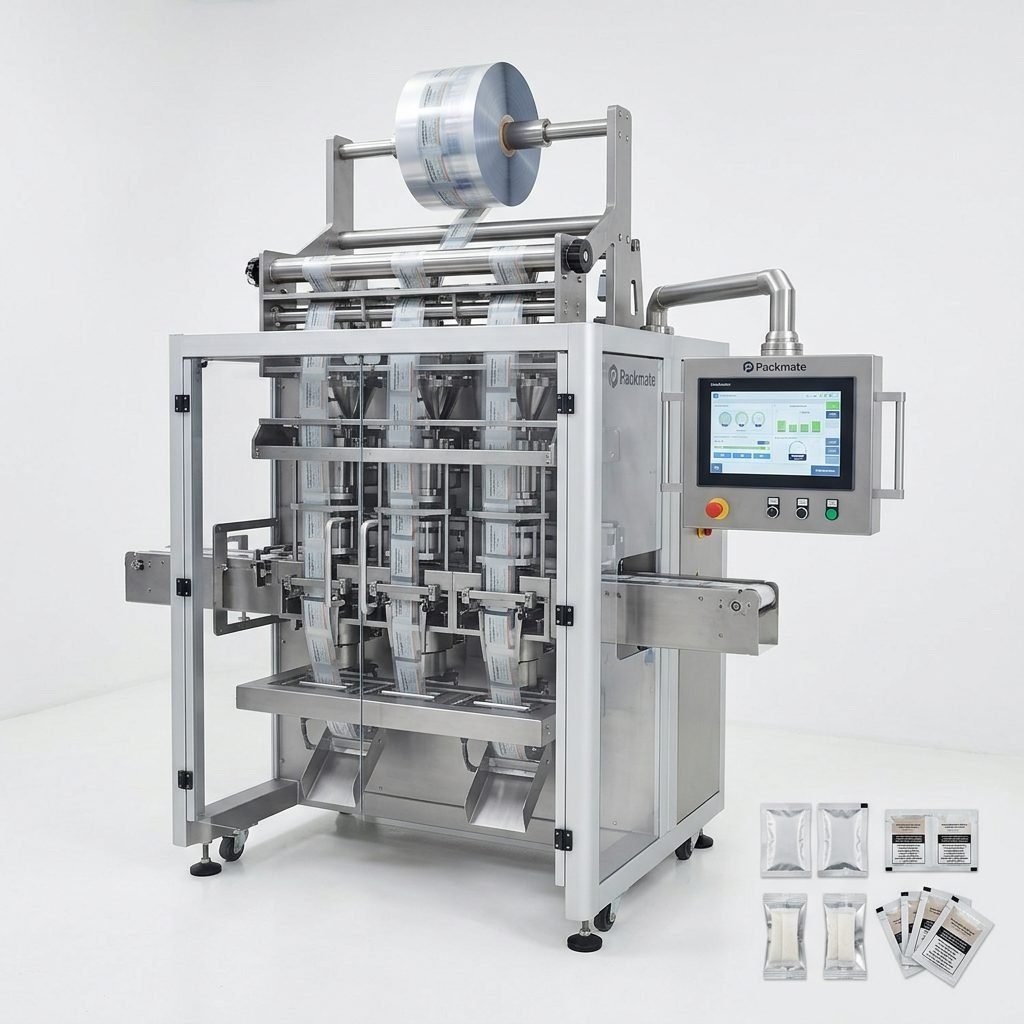
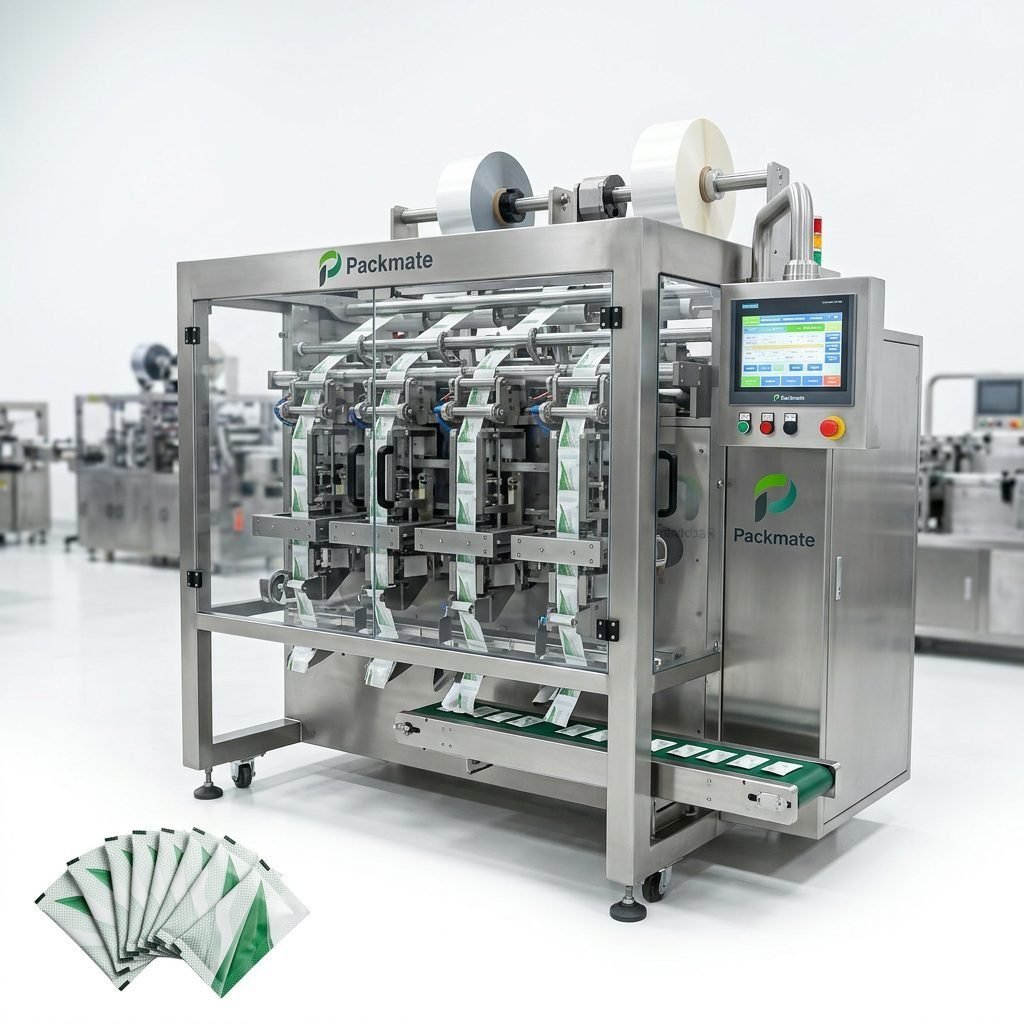
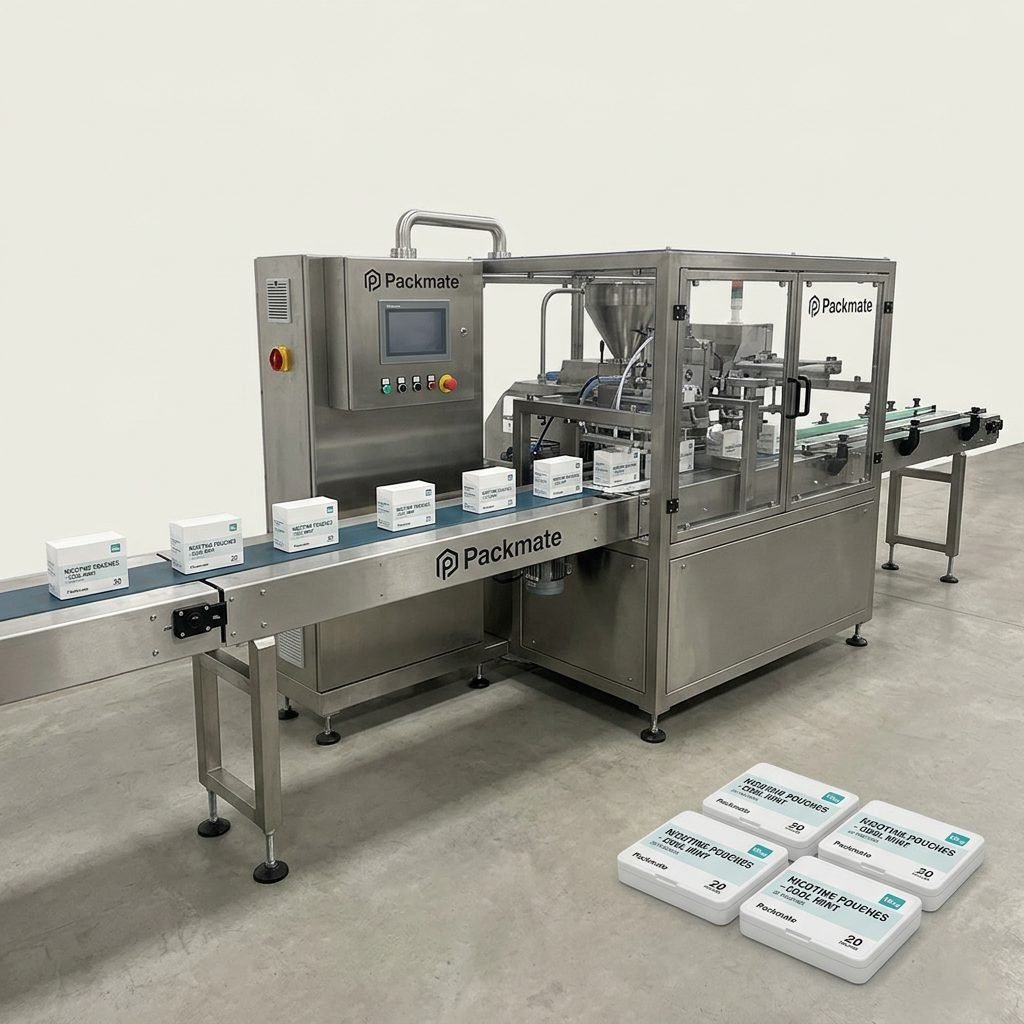
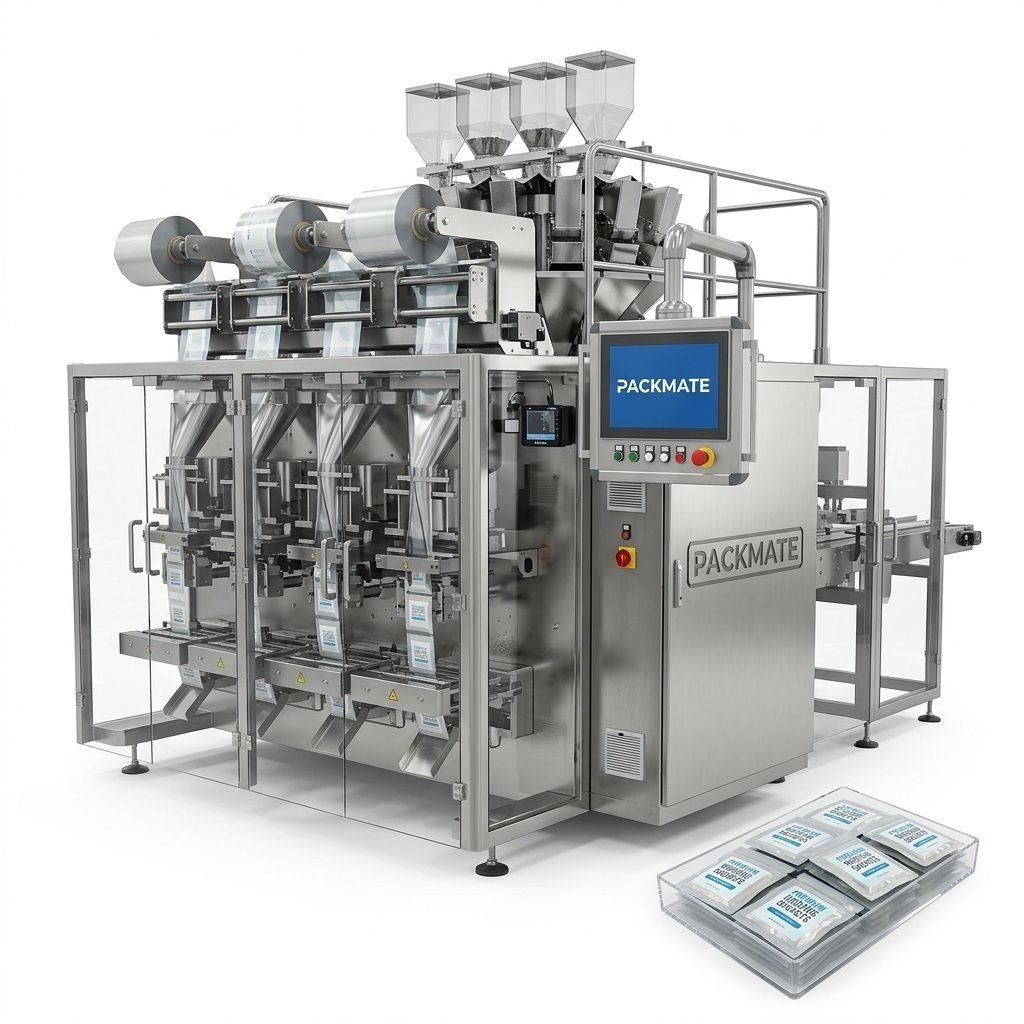
Choosing the right snus packaging machinery manufacturer for your business in Honduras is a strategic decision that affects product quality, regulatory compliance, production cost, and long-term growth. Whether you are launching a small-scale nicotine pouch brand or scaling a multi-lane snus production line, the manufacturer you pick will determine how quickly and reliably your operation reaches full capacity. This guide walks you through practical, Honduras-specific considerations and an actionable checklist to help you select the best partner.
Understand the Honduran Market and Local Habits
In Honduras, consumer preferences, distribution channels, and regulatory context differ from European or North American markets. Although traditional tobacco use is still prevalent, nicotine pouch and modern snus demand is growing among urban, younger adults who value discreet, smoke-free alternatives. Importers and distributors tend to prioritize consistency, small-dose multi-lane outputs, and cost-effective logistics from major ports like Puerto Cortés and the Port of La Ceiba.
Business culture in Honduras often values close supplier relationships and after-sales trust. Expect Honduran companies to prefer suppliers who offer on-site training, reliable spare parts delivery, and multilingual documentation (Spanish is essential).
Key Manufacturer Criteria: What to Evaluate
1. Proven Industry Experience and Specialization
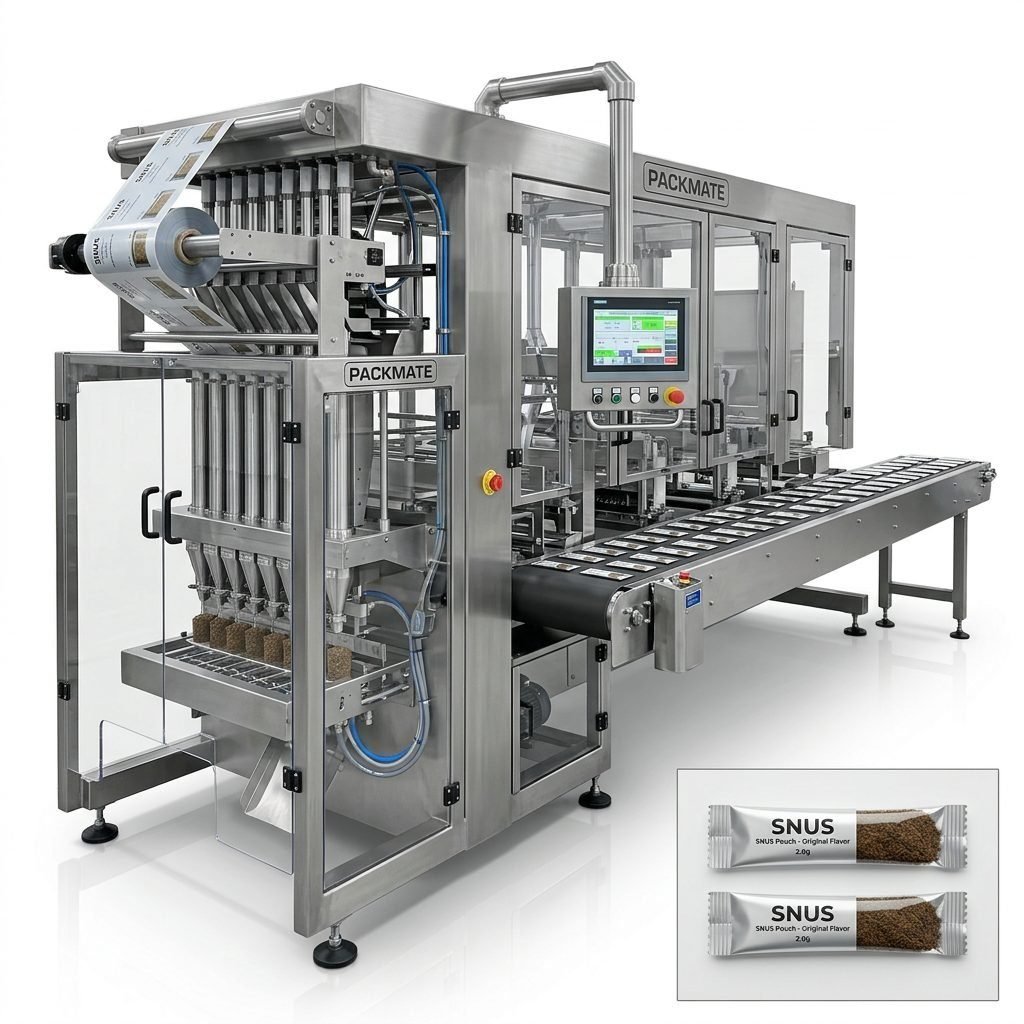
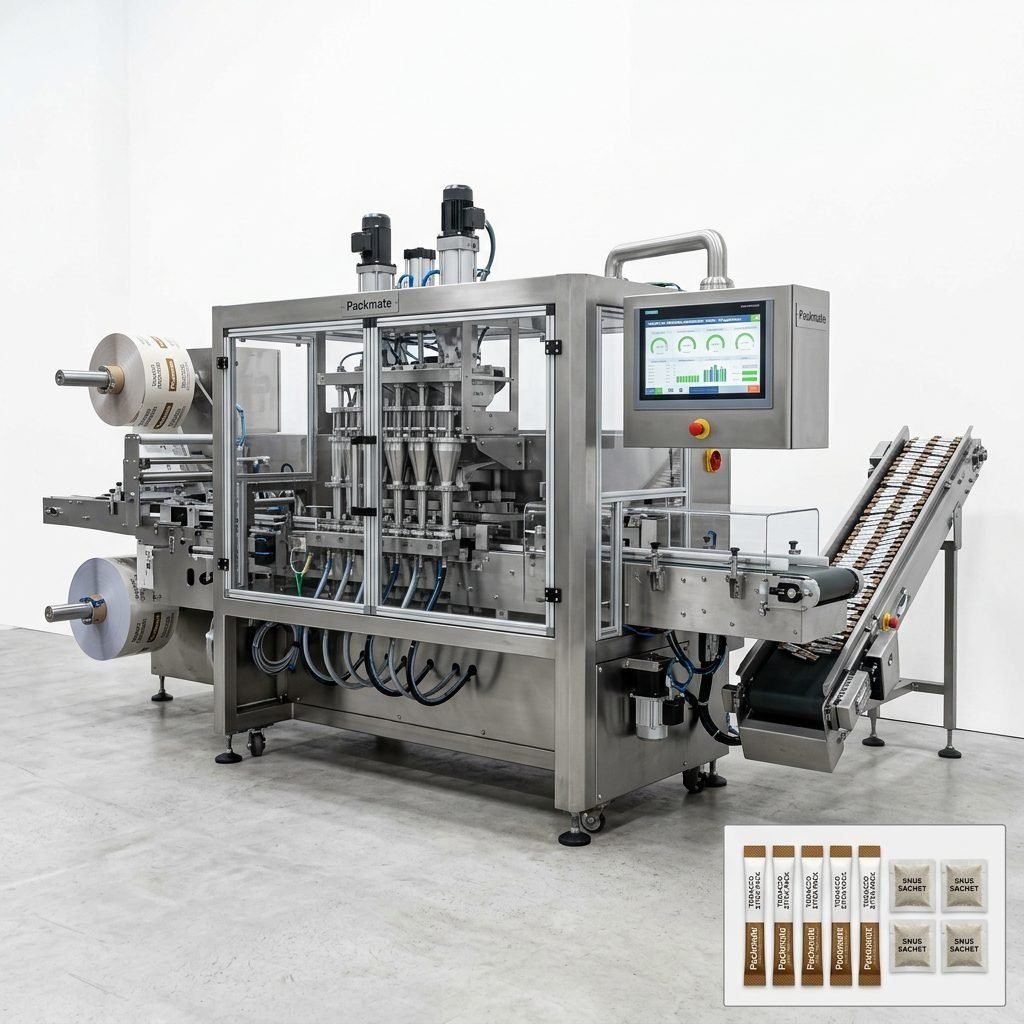
Look for manufacturers with long-term specialization in snus and nicotine pouch machinery. A partner with decades of experience is more likely to have solved common production issues, optimized multi-lane configurations, and designed machines for small-dose accuracy. For example, suppliers that offer dedicated snus lines, stick pack and sachet systems, and multi-lane pouch solutions will match diverse Honduran product formats.
2. Compliance, Certifications and Global Standards
Regulatory compliance matters for imports and for selling in regulated retail environments. Prioritize manufacturers with CE, ISO, and other recognized certifications that ensure machine safety, quality control, and traceability. Machines built to international standards reduce integration issues with conveyor systems, weighing units, and labeling equipment.
3. Range of Machine Models and Customization Options
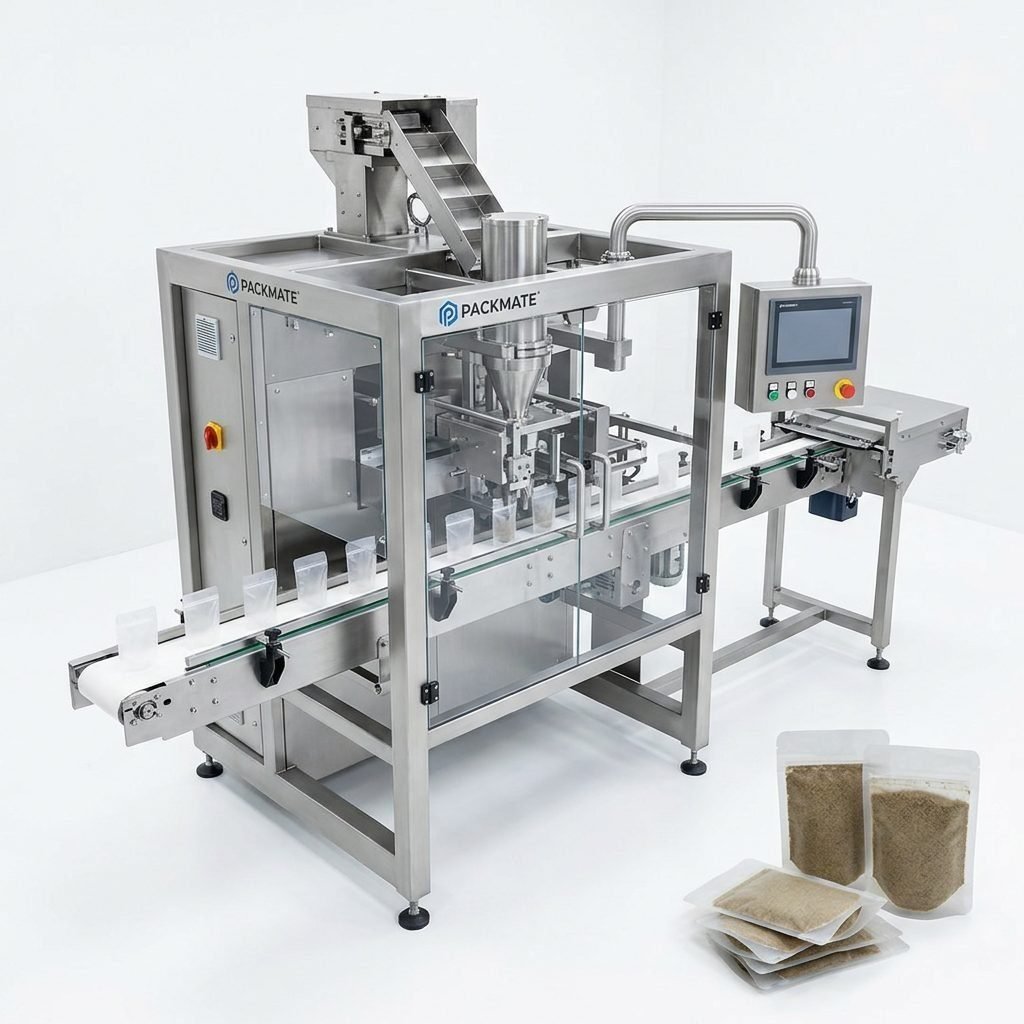
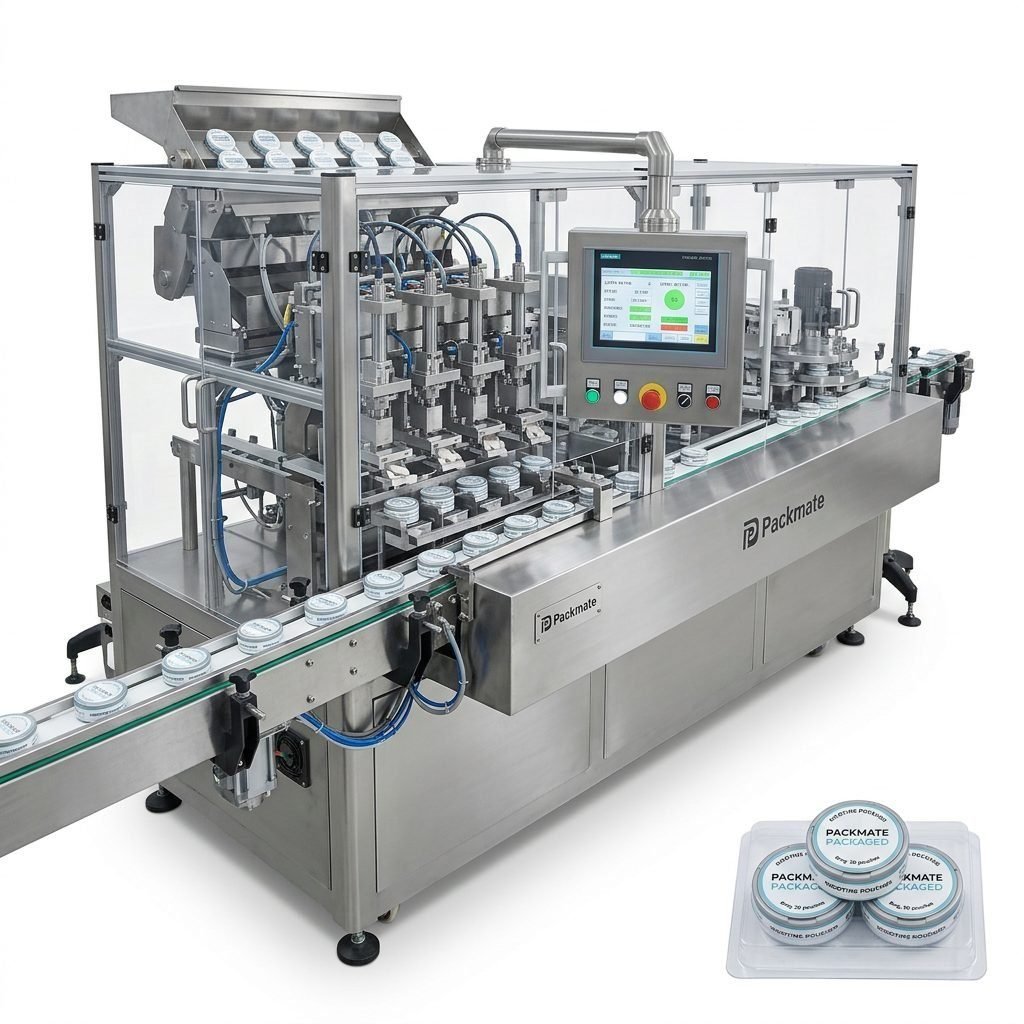
A broad product range means you can scale without changing suppliers. Seek manufacturers that provide multiple models: single-lane to high-speed multi-lane snus systems, sachet and stick pack machines, weighing and filling lines, and auxiliary equipment. Customizable solutions for pouch size, dose accuracy, and packaging material compatibility are essential to adapt to Honduran market preferences.
4. Manufacturing Capacity and Lead Time
Consider factory size, CNC capabilities, and available assembly lines. A larger facility with precision CNC centers can deliver more durable, high-precision components — important for snus pouch forming and sealing. Ask about typical lead times, production schedules, and any backlog that could delay delivery to Honduras.
5. After-Sales Service, Local Support & Spare Parts
After-sales service is often the deciding factor. Verify the manufacturer’s spare parts policy, response times, and availability of field technicians. For Honduran customers, request Spanish-language manuals and remote training support. Manufacturers that attend international exhibitions and have global cooperation cases often provide better long-term service networks.
Logistics, Installation & Training: Honduras-Specific Considerations
Shipping large packaging machines to Honduras requires careful planning. Choose suppliers experienced with export packing, customs documentation, and shipping to Central American ports. Confirm they provide detailed installation guides and can support local engineers through remote commissioning or onsite visits.
Because face-to-face training is valued in Honduras, prioritize manufacturers that allocate technicians for initial commissioning and offer follow-up training sessions. Ensure spare parts kits are included with the machine shipment to avoid unnecessary downtime.
Cost vs. Value: Evaluating Total Cost of Ownership
The lowest purchase price rarely delivers the best outcome. Consider total cost of ownership: energy consumption, spare part costs, maintenance frequency, downtime risks, and scalability. High-precision machines that reduce product waste and rework often pay back quickly in the snus industry.
Technical Features to Request in Proposals
When comparing manufacturers, request technical specifications and demonstrations for:
- Multi-lane configuration options and lane balancing accuracy
- Dose accuracy and filling system details (weighing modules, vibratory feeders)
- Sealing technology compatible with your pouch materials
- Changeover time between sizes and formats
- PLC control systems, touchscreen HMI and language support (Spanish)
Vendor Reputation: Proof Over Promises
Ask for references and case studies from similar markets. A manufacturer that can provide machine performance data, photos of installed lines, and contactable clients in Latin America demonstrates stronger credibility. Live demonstrations at exhibitions or video walk-throughs of installed lines are valuable.
✅ CE/ISO certificates provided
✅ Client references in similar regions
✅ Spanish documentation and operator training offered
Negotiation Tips and Contract Essentials
Negotiate terms that protect your operation: clear delivery dates, penalty clauses for late delivery, clear acceptance testing procedures, warranty duration and coverage, spare parts lists, and training commitments. Include an agreed commissioning checklist that both parties sign after successful start-up.
Red Flags to Watch For
Be cautious if a manufacturer:
- Cannot provide verifiable references or machine photos
- Has unclear warranty or spare parts policies
- Refuses a factory acceptance test (FAT) or live demo
- Offers extremely vague technical specifications or avoids detailed lead times
Why Packmate-Style Manufacturers Are a Strong Option
Manufacturers with decades of R&D, large factory footprints, and multiple machine models provide a safer path for Honduran companies. Look for suppliers that:
- Offer snus and nicotine packaging machines specifically designed for small-dose pouches
- Support turnkey solutions that include weighing, filling, and pouch packaging
- Have global exhibition presence and documented case studies
For further reading on product lines and solutions that fit these criteria, review product categories such as Snus & Nicotine Packaging Machines, Sachet & Stick Pack Machines, and Weighing & Packaging Systems.
Decision-Making Checklist Before You Sign
- Factory visit or virtual tour completed
- FAT agreed and documented
- Spare parts and consumables list provided
- Spanish manuals and training confirmed
- Shipping, installation, and commissioning terms included
Local Partnerships and Distribution Strategy in Honduras
Consider partnering with local distributors who understand Honduran retail networks and regulatory requirements. Local partners can help with fast customs clearance, local marketing, and field service. Combine a reliable machinery supplier with a trusted local distributor to accelerate your market entry.
Final Recommendations
To summarize: prioritize manufacturers with proven snus/nicotine pouch expertise, strong factory capabilities, clear compliance certificates, and robust after-sales commitments. Make sure documentation and training are available in Spanish and that the supplier understands Honduran logistics and market nuances. If possible, choose a supplier that offers turnkey solutions so you can focus on product development and distribution rather than machine integration.
Explore detailed equipment categories and company background for potential suppliers at their product and company pages: Bag & Pouch Packaging Machines, About Packmate, and check real customer cases in the Case section to validate performance.
Frequently Asked Questions
Q1: How long does it take to receive and commission a snus packaging line in Honduras?
A1: Typical lead time varies by machine complexity and factory backlog, ranging from 8 to 20 weeks plus shipping. Add 1–3 weeks for customs clearance and onsite commissioning. Always confirm with the supplier and include FAT clauses.
Q2: What certifications should I insist on for export and local sales?
A2: CE and ISO are baseline certifications for safety and quality. Also request detailed machine documentation, material certificates for contact parts, and any export compliance paperwork required by Honduran customs.
Q3: Can manufacturers provide training in Spanish and remote support?
A3: Reputable manufacturers offer Spanish-language manuals and remote or onsite Spanish training. Confirm language support in the contract to avoid misunderstandings during startup.
Q4: What spare parts should be stocked locally in Honduras?
A4: Stock seals, belts, sensors, nozzles, and common electrical components. Request a spare parts list from the manufacturer tailored to expected production volumes.
Q5: How can I verify a manufacturer’s claims before purchase?
A5: Request factory photos, machine videos, client references (preferably in Latin America), and attend a FAT or live demo. Use these verifications to compare multiple vendors objectively.