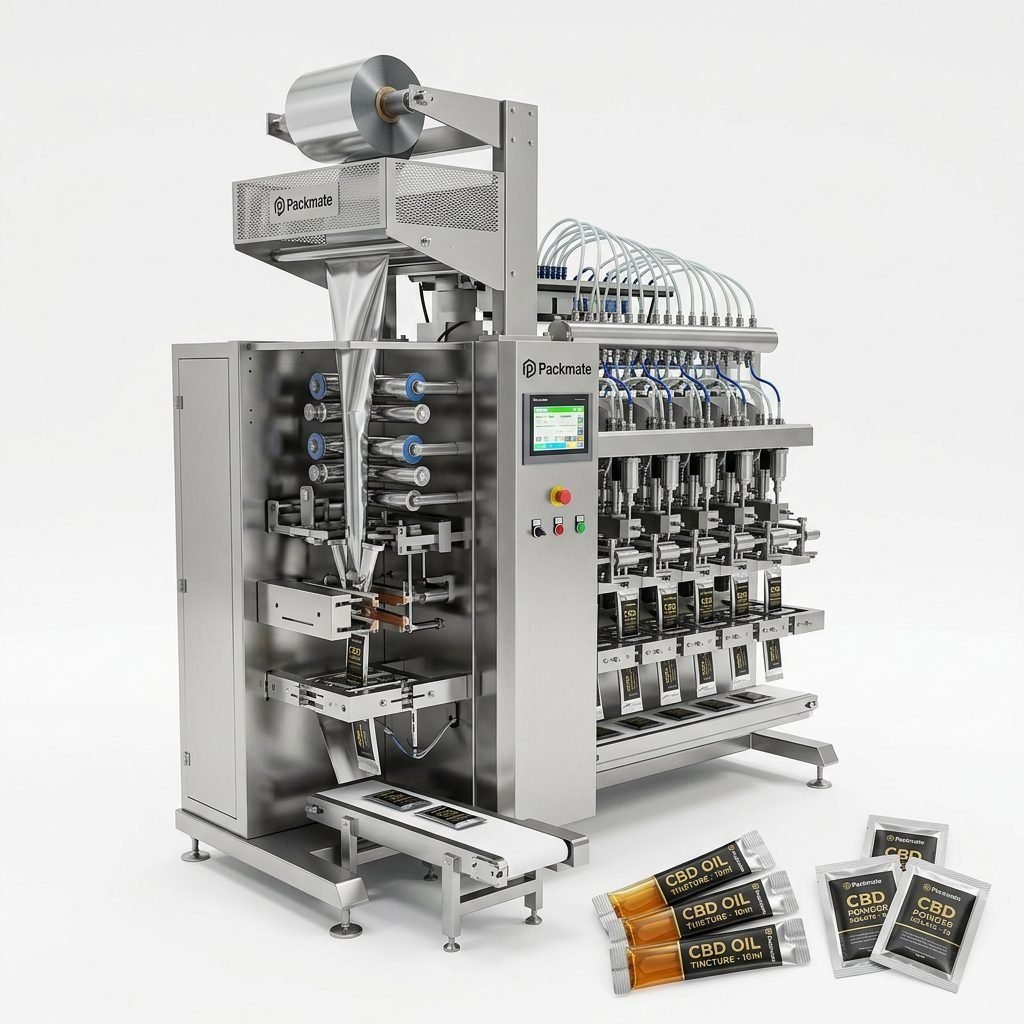
Choosing a reliable nicotine packaging machine supplier in Niger requires more than comparing prices. You must match technical performance to local conditions, ensure regulatory compliance, and secure dependable after-sales support. This guide walks purchasing managers, entrepreneurs, and plant engineers through a practical, step-by-step approach to selecting the right partner for nicotine pouch and snus packaging projects in Niger — from machine features and factory checks to shipping, customs, installation, and long-term service.
Understand Niger’s Market, Regulations & Local Practices
Before evaluating suppliers, understand the local context. Niger’s official language is French and business communication often mixes French with regional languages. Import procedures, customs duties, and product regulations may be different from neighboring countries. Additionally, local cultural considerations — including conservative social norms and community attitudes toward nicotine products — can influence packaging choices, labeling language, and distribution strategies.
Practical points to check early:
🔎 Regulatory status: Confirm whether imported nicotine pouches require specific permits, labeling in French, or health warnings in Niger.
⚡ Power & environment: Niger frequently experiences grid instability — verify machine voltage compatibility and consider stabilizers or UPS options.
📦 Logistics & customs: Evaluate CIF vs. FOB vs. DDP shipping and plan for customs clearance, duties, and inland transportation to Niamey or regional warehouses.
Key Machine Features to Prioritize
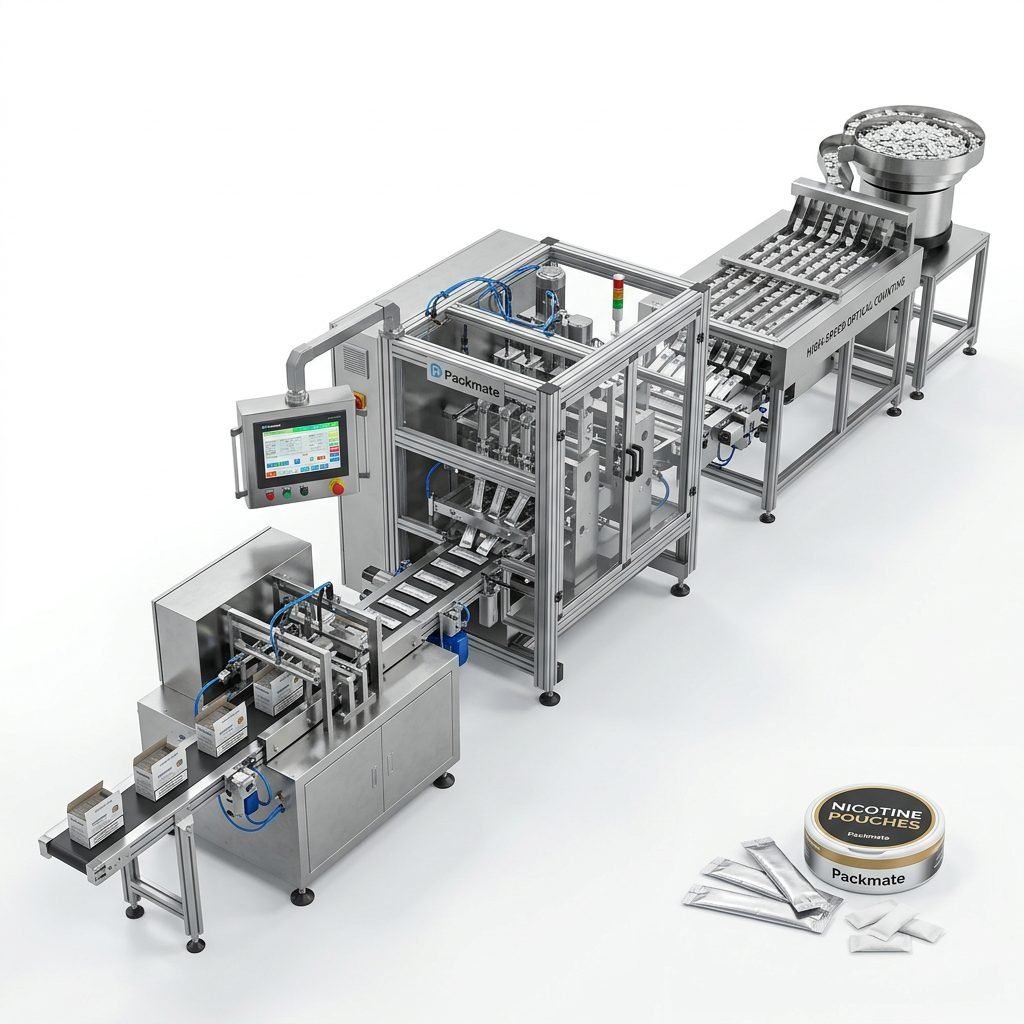
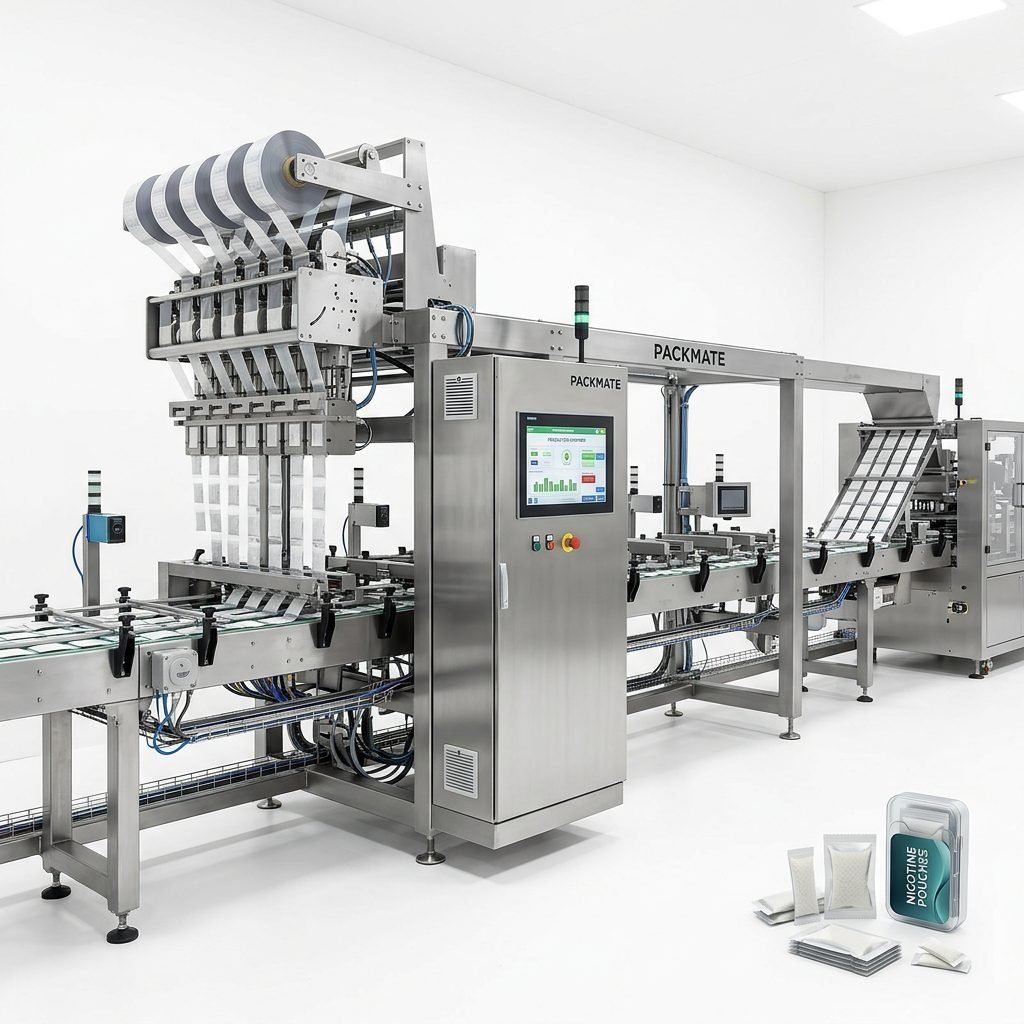
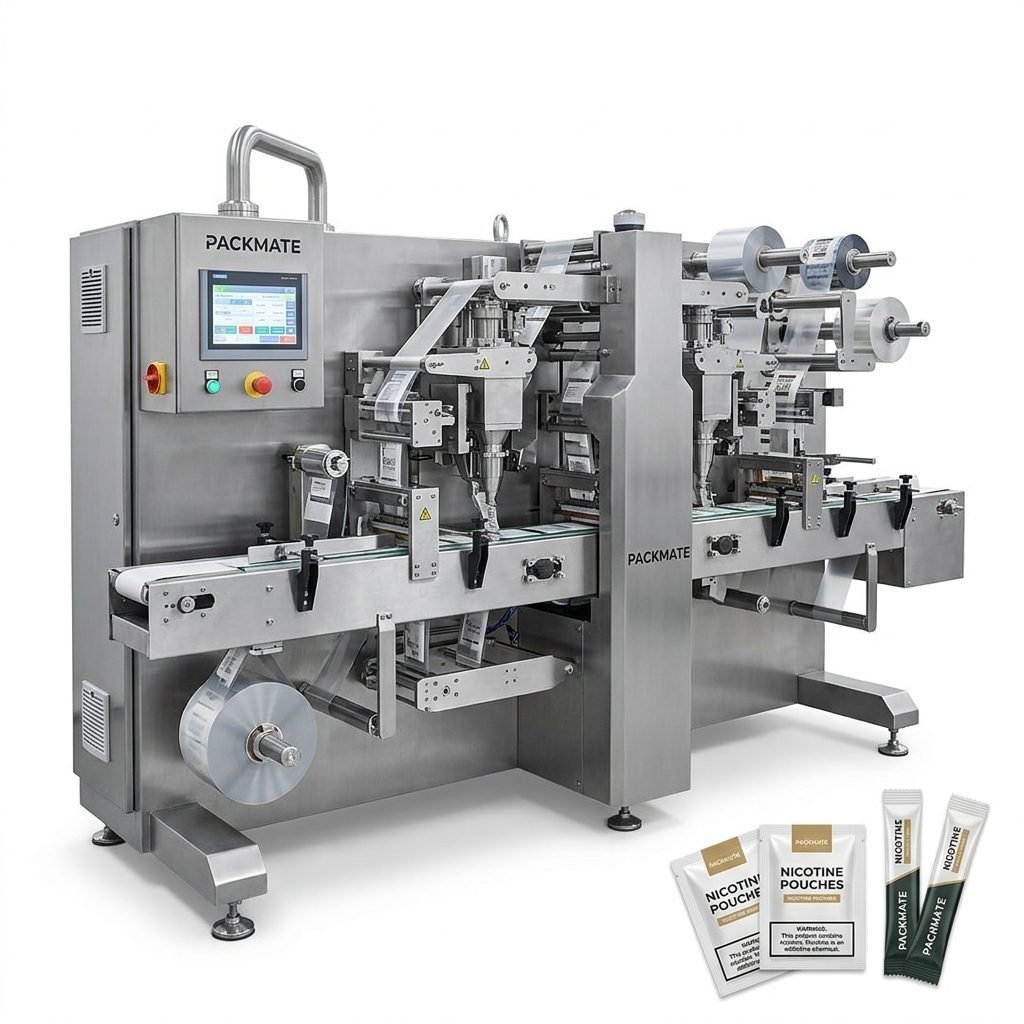
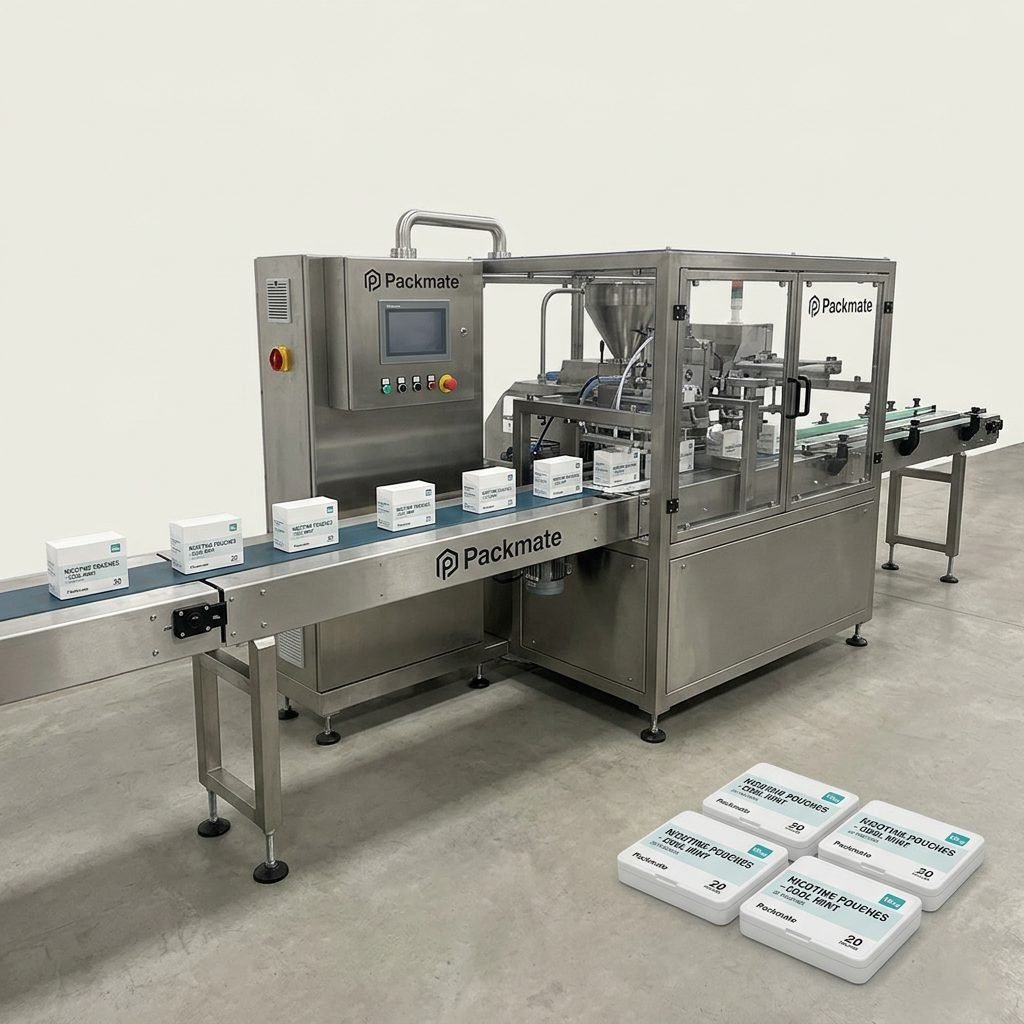
A nicotine/snuss pouch packaging line must balance speed, accuracy, and gentle handling for small-dose products. When you visit suppliers or review proposals, pay attention to these core features:
✅ Filling accuracy: Look for multi-head weighing or precision dosing systems to ensure consistent pouch weights and reduce material waste.
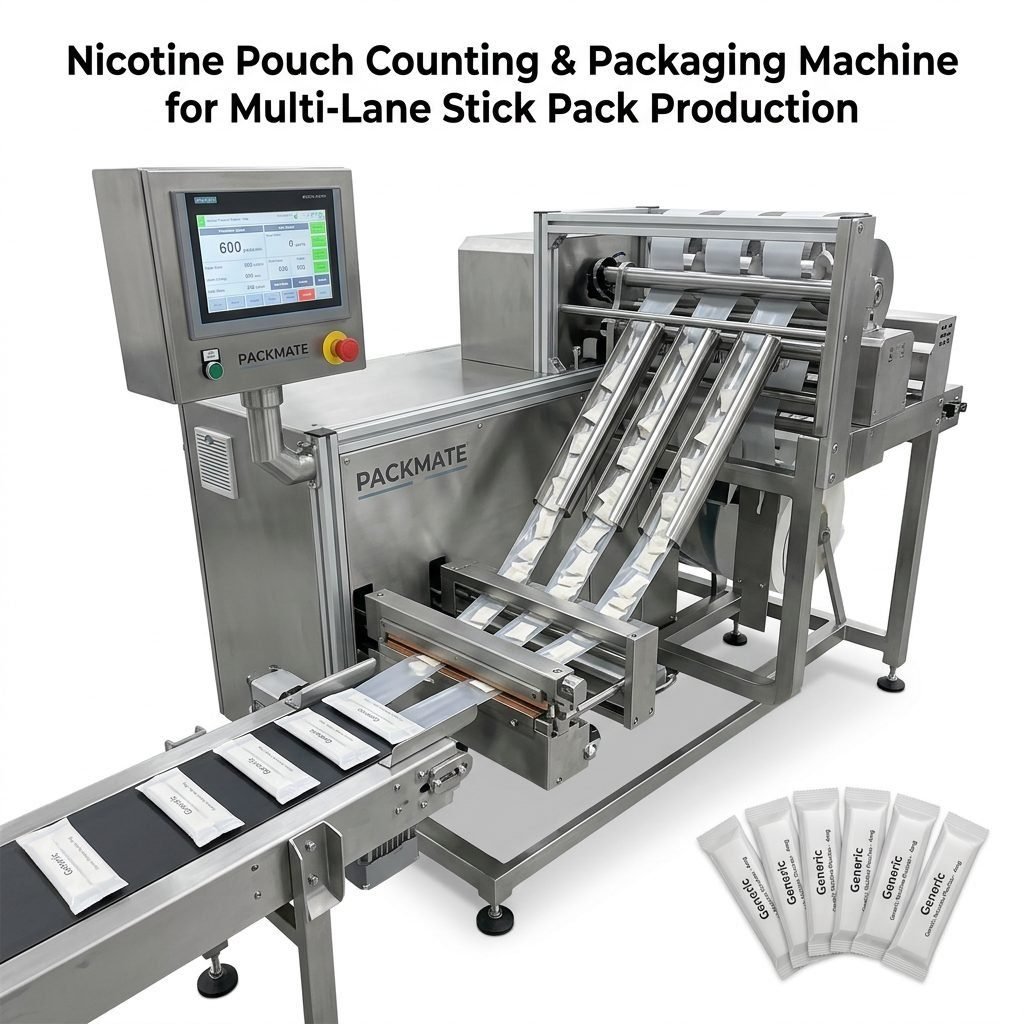
✅ Multi-lane capability: Multi-lane machines increase throughput while keeping a compact footprint — ideal when production scales up.
✅ Hygiene & materials: Stainless steel 304/316 construction, easy-to-clean designs, and FDA/CE-compliant components are essential for product safety.
✅ Control & interfaces: Intuitive HMI, recipe memory, and PLC controls reduce operator error and speed changeovers.
✅ Spare parts & consumables: Check availability of replacement parts and local stocking options to minimize downtime.
Performance Metrics to Compare
Compare rated speeds (pouches/min), accuracy (± tolerance), rejection rates, and overall equipment effectiveness (OEE). Ask suppliers for performance data based on your product samples, not just factory claims.
How to Vet Suppliers: A Practical Checklist
Use an evidence-based approach when evaluating suppliers. The following checklist helps you move from a shortlist to a confident decision:
📋 Factory audit: Request a factory visit or a virtual tour to verify manufacturing capability and quality control systems.
📄 Certifications: Ask for CE, ISO, and product-specific test reports. Confirm documentation will satisfy Niger customs and any import regulators.
🔧 Service footprint: How many service engineers are available, what is response time, and are remote diagnostics offered?
🧾 References & case studies: Request references in similar climates or industries; review case studies of snus and nicotine packaging lines.
Red Flags to Watch For
Beware of vague answers on spare parts, no factory access, missing safety documentation, or excessively long lead times without clear reasons. A credible supplier will provide clear timelines and an installation & training plan.
Questions You Must Ask Every Potential Supplier
Prepare a standardized questionnaire for all suppliers. This ensures apples-to-apples comparisons and highlights hidden costs.
1. What is your machine’s warranty period and what does it cover?
2. Can you provide performance data using my product sample?
3. What spare parts should be held on-site, and what are typical lead times?
4. Do you offer installation, commissioning, operator training, and SOP documentation in French?
5. How do you handle local compliance and export documentation for Niger?
Why Packmate (Packmate Snus Machine) Can Be a Strong Candidate
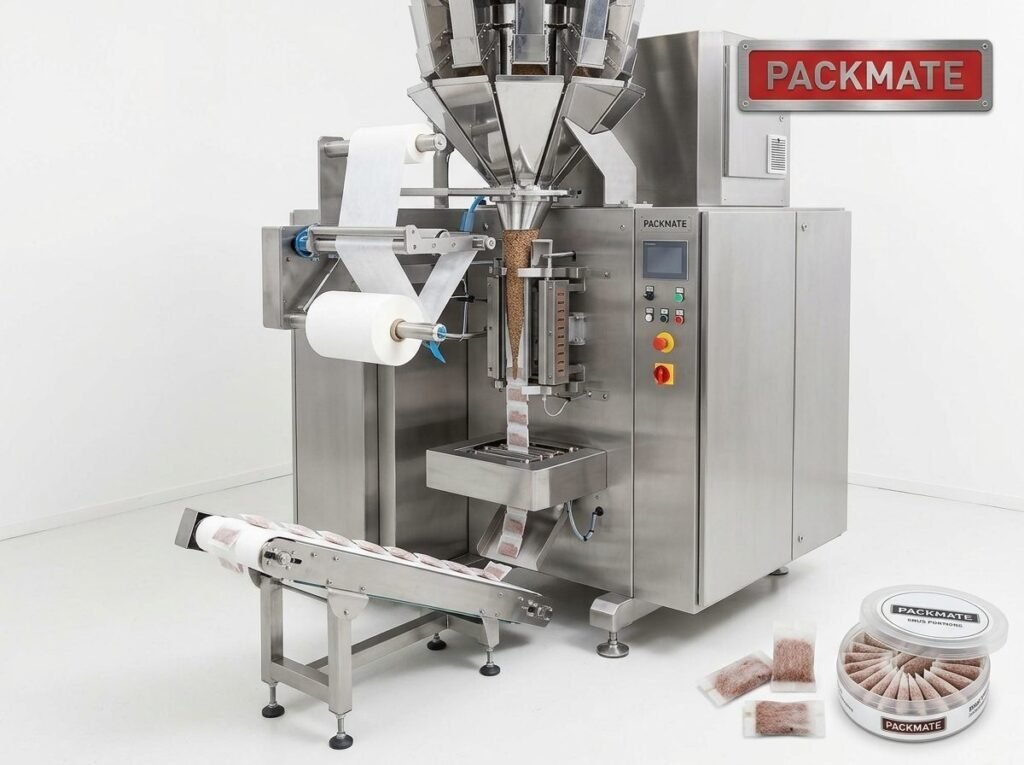
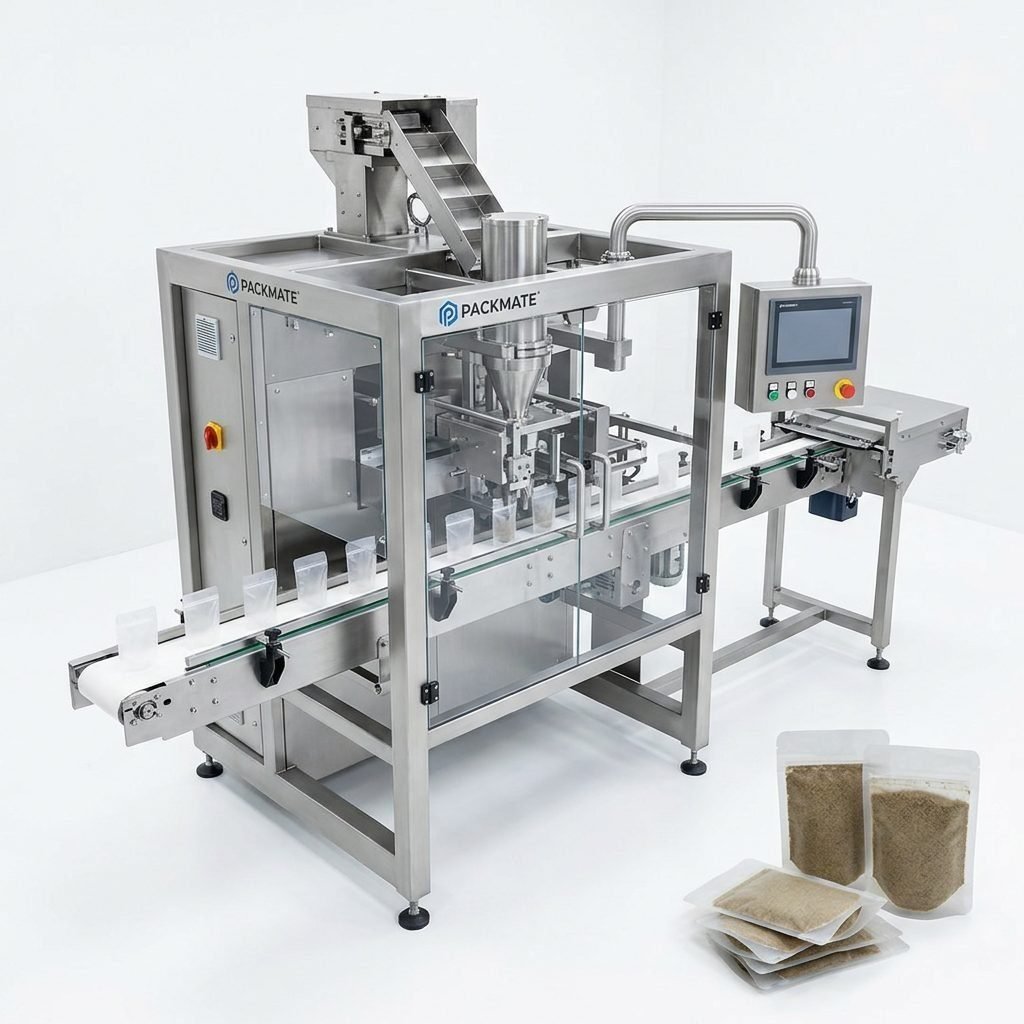
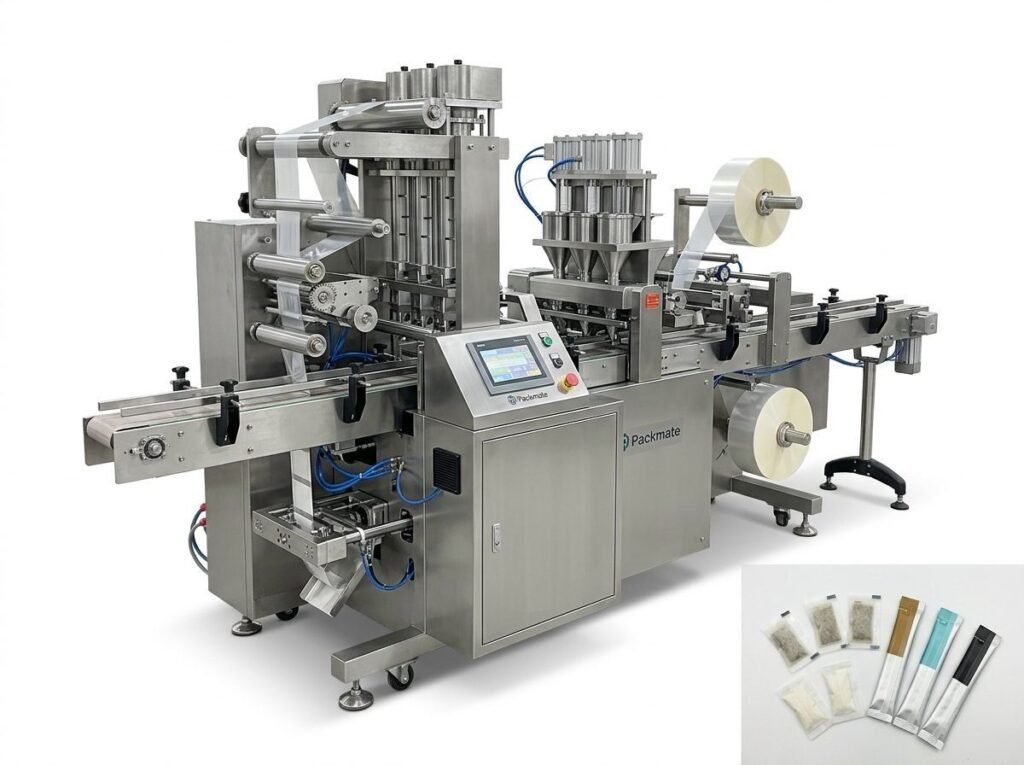
With 30+ years of experience and a dedicated focus on snus and nicotine packaging, Packmate has a strong track record in multi-lane, high-precision systems. Their manufacturing facility, advanced CNC centers, and broad model range enable tailored solutions for small-dose pouch production.
Explore Packmate’s machine categories and company profile:
– Snus & Nicotine Packaging Machines
– Sachet & Stick Pack Machines
– About Packmate
Company Strengths That Matter for Niger Projects
Packmate offers global turnkey solutions, CE and ISO certifications, and a comprehensive product line including weighing systems and auxiliary equipment — helpful when integrating a full production line and ensuring compatibility with local logistics.
Procurement & Deployment Roadmap for Niger
Follow a phased plan to reduce risk and prevent unexpected delays.
1. Technical RFP & sample testing: Send product samples and detailed requirements; ask suppliers to run trials and provide video demonstrations.
2. Factory acceptance test (FAT): Schedule a FAT or virtual FAT to validate machine performance before shipment.
3. Shipping & customs: Decide on shipping terms and prepare HS codes, certificates, and import permits — consider DDP to simplify clearance.
4. Installation & commissioning: Plan a site visit window for engineers, verify site power, compressed air, and floor loading capacity.
5. Training & documentation: Request French-language manuals and on-site operator training for local teams.
Budgeting, Total Cost of Ownership & Financing
Evaluate not only purchase price but also installation costs, spare parts inventory, consumables, training, taxes, and expected energy costs. In regions with unstable electricity like parts of Niger, include UPS and voltage stabilizer costs. If needed, ask suppliers about financing options or phased payments.
After-Sales Service: What Good Support Looks Like
Robust after-sales support reduces downtime and protects your investment. Good service includes:
⏱️ Rapid response times and remote diagnostics to speed troubleshooting.
📦 Local or regional spare parts hubs to minimize replacement lead times.
👥 Comprehensive training packages in French and on-site SOPs for operators and maintenance staff.
🔁 Preventive maintenance plans and recommended spare parts lists tailored to Niger conditions.
Sample Contract Clauses to Include
When negotiating contracts, ensure clear clauses for delivery timelines, acceptance criteria (FAT & SAT), warranty coverage, spare parts availability, training, penalties for missed dates, and after-sales support details.
Practical Checklist Before Signing
☑️ Factory audits completed or virtual tour done
☑️ FAT performance reports with your product sample
☑️ Confirmed spare parts list and lead times
☑️ Installation plan, French manuals, and training schedule included
Useful Links & Resources
For detailed product categories and company information, review Packmate’s pages:
– Filling & Packaging Lines
– Weighing & Packaging Systems
– Contact Packmate
Final Recommendations
Select a supplier that demonstrates technical competence, transparent documentation, and reliable after-sales service. Prioritize suppliers who run real product tests, provide FAT reports, and can support installation and training in French. For operators in Niger, planning for electrical protection and a spare parts buffer will prevent avoidable downtime.
Frequently Asked Questions
Q1: How important is a factory visit before purchasing?
A: A factory visit or virtual tour is highly valuable. It verifies production capabilities, quality control, and allows you to see similar machines in operation. If travel is difficult, request detailed FAT videos and livestream demonstrations.
Q2: What documentation is needed for importing packaging machines into Niger?
A: Standard documents include commercial invoice, packing list, bill of lading/air waybill, certificate of origin, CE/ISO certificates, and any product-specific permits required by local health or customs authorities. Work with your freight forwarder and supplier to confirm specifics.
Q3: How can I ensure spare parts availability?
A: Ask the supplier for a recommended spare parts list and typical lead times. Consider stocking critical wear parts locally and negotiate commitments for parts supply and shipping priorities in the contract.
Q4: Do suppliers provide training in French?
A: Many global suppliers, including Packmate, can provide manuals and training in French upon request. Confirm language needs early and include them in the contract to ensure effective operator training.
Q5: What are common additions for operation in Niger?
A: Consider including voltage stabilizers, UPS for sensitive control systems, additional dust protection for dusty environments, and extended on-site commissioning support to compensate for limited local technical resources.