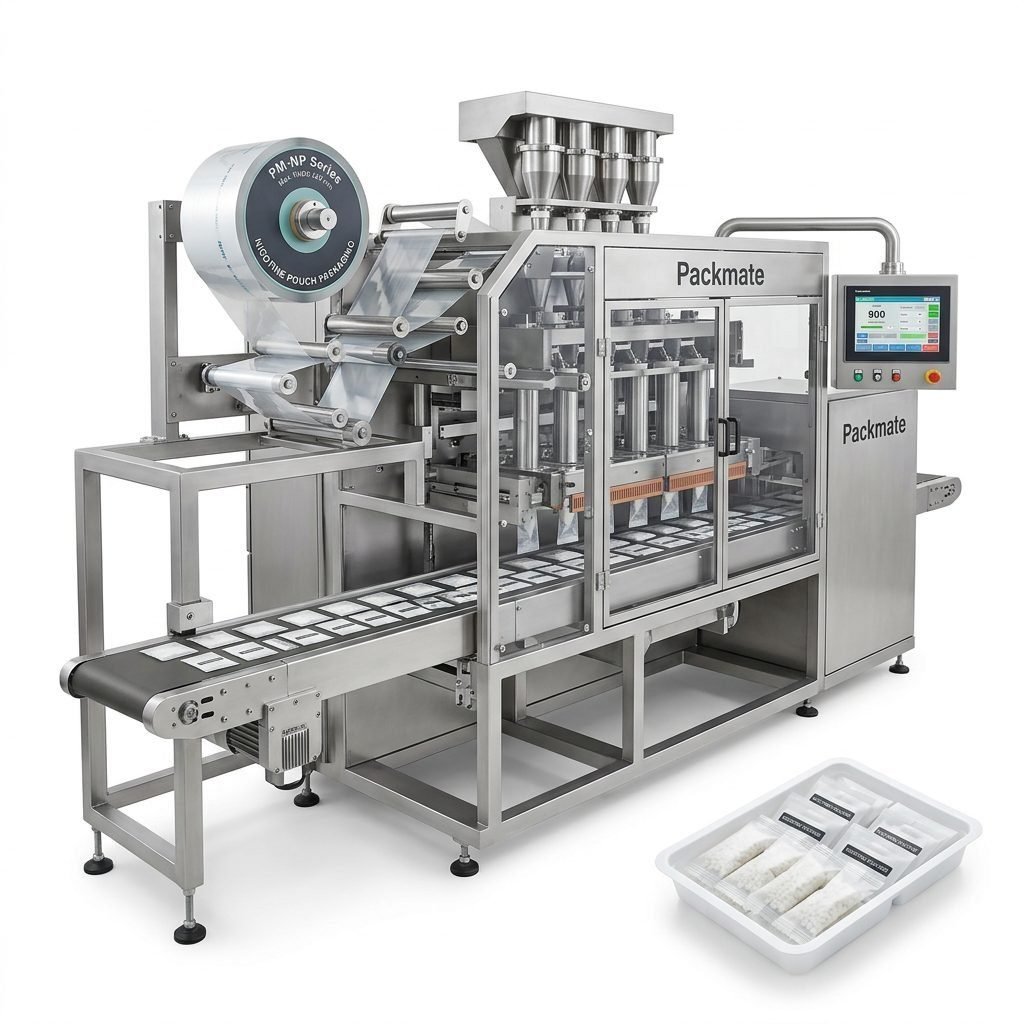
Choosing the right nicotine packaging machine supplier in Chile requires more than a quick price check. From local consumer preferences to regulatory compliance and long-term production goals, identifying a partner who understands snus and nicotine pouch production nuances is essential. This guide outlines practical, actionable factors Chilean manufacturers and distributors should consider when selecting a supplier for high-performance snus and nicotine pouch packaging equipment.
Understand the Chilean Market & Local Customs
Chilean consumers and retailers often value clean, compact packaging and clear Spanish labeling. When evaluating suppliers, consider how well their machines can support:
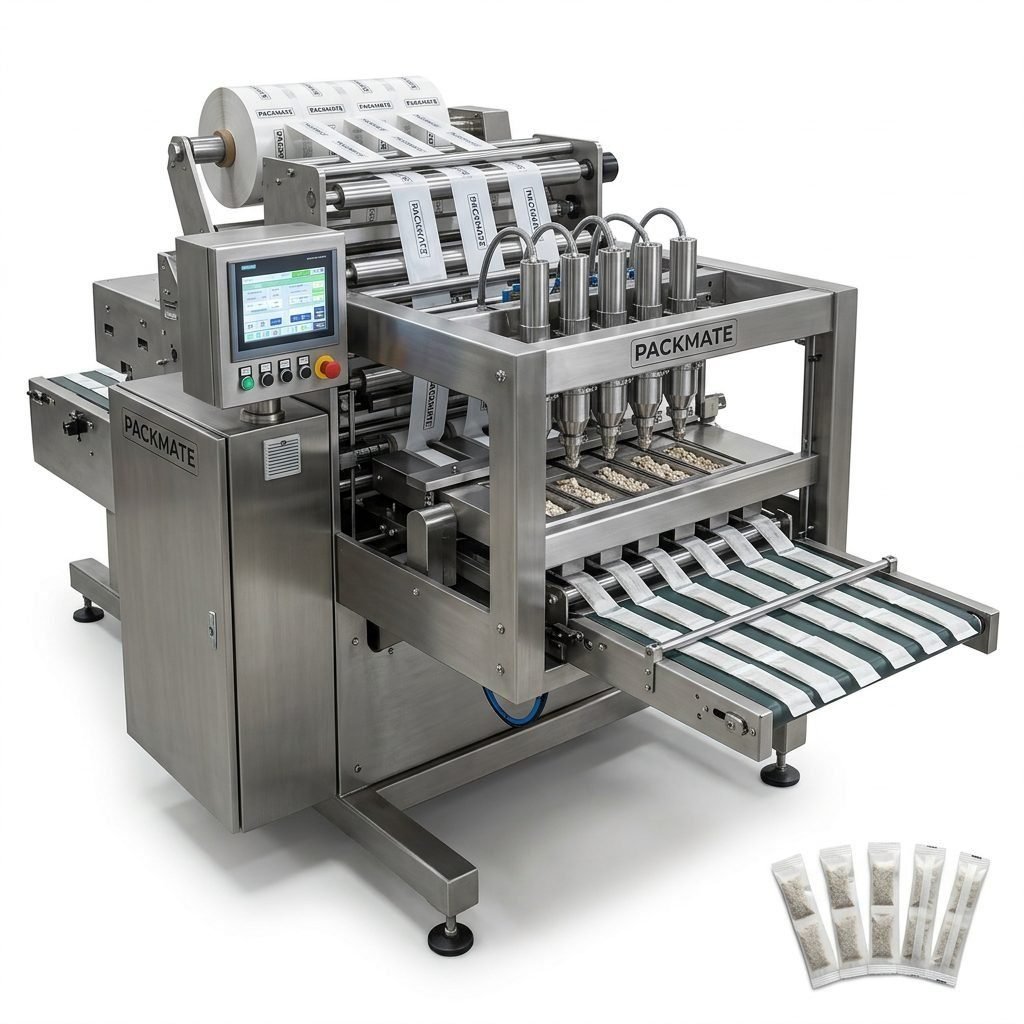
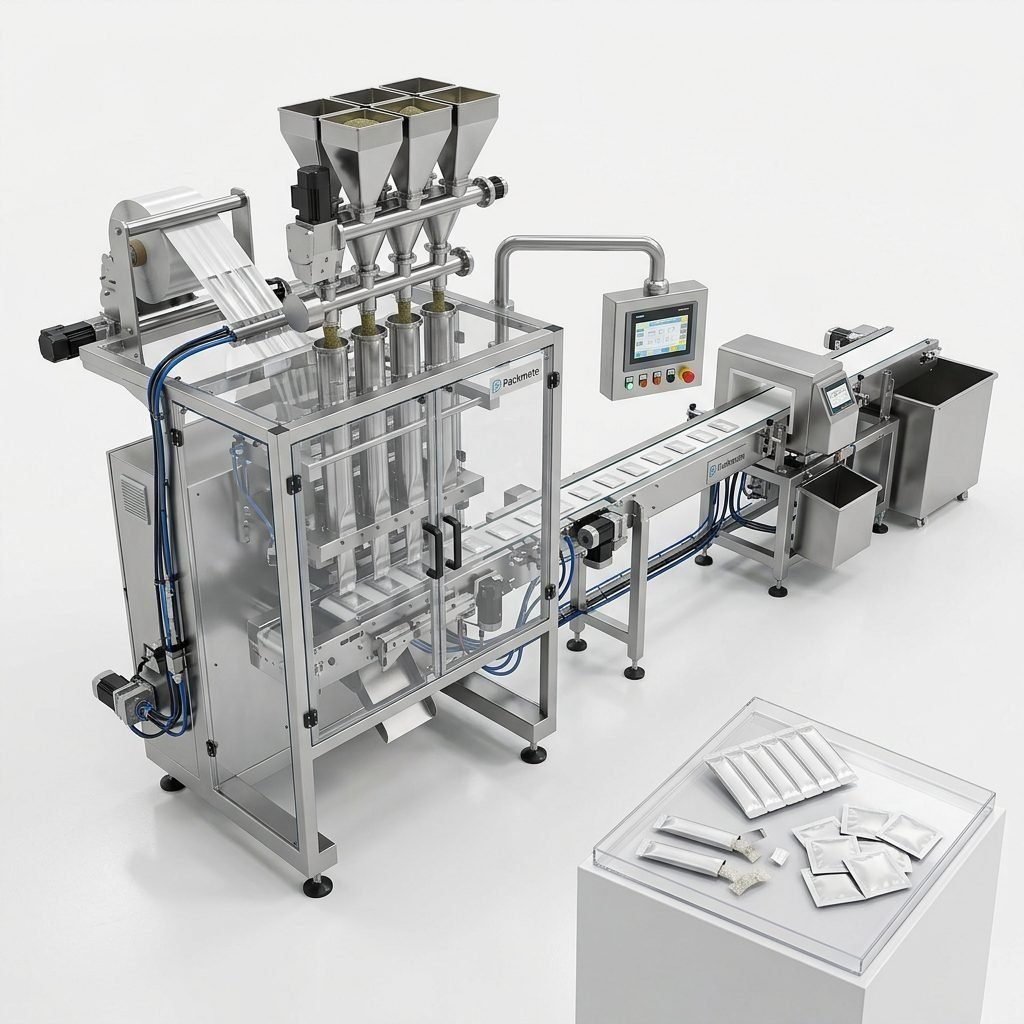
🔶 Portion formats: Stick packs, sachets and multi-lane pouches are popular — ensure capacity for small-dose, high-count production runs.
🔶 Labeling and language options: Machines should accommodate variable data printing for Spanish-language labels, batch codes and regulatory statements required by Chilean authorities.
Regulatory awareness
While nicotine product regulations evolve, a reliable supplier will proactively address compliance: allergen declaration, child-resistant features, tamper-evident seals and compatibility with traceability systems. Ask vendors about prior experience supplying markets with strict labeling and safety rules.
Key Technical Specifications to Prioritize
Quick checklist — the machine should deliver stability, flexibility and minimal product loss:
- High-precision multi-lane capabilities for small-dose pouches
- Servo-driven motion control for repeatable pouch sealing and accurate weight
- Hygienic design with easy tool-free cleaning
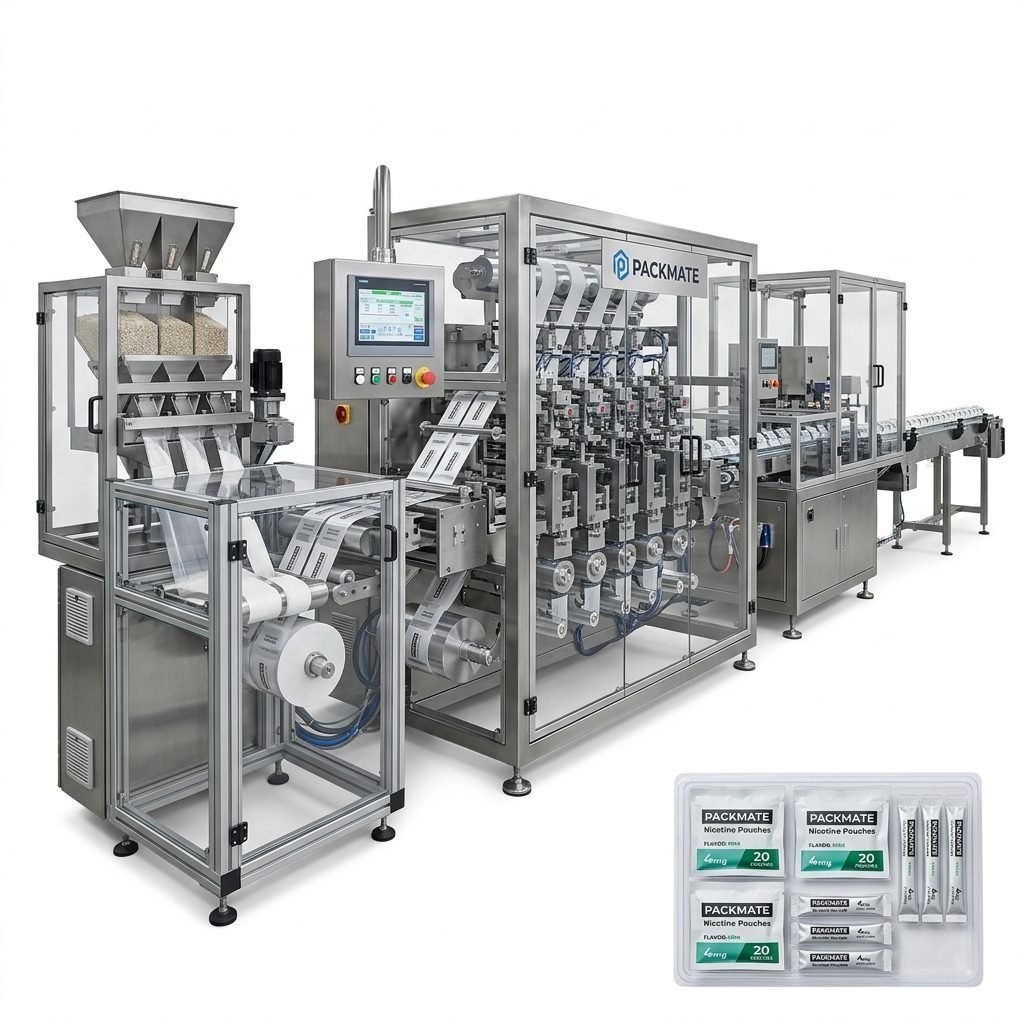
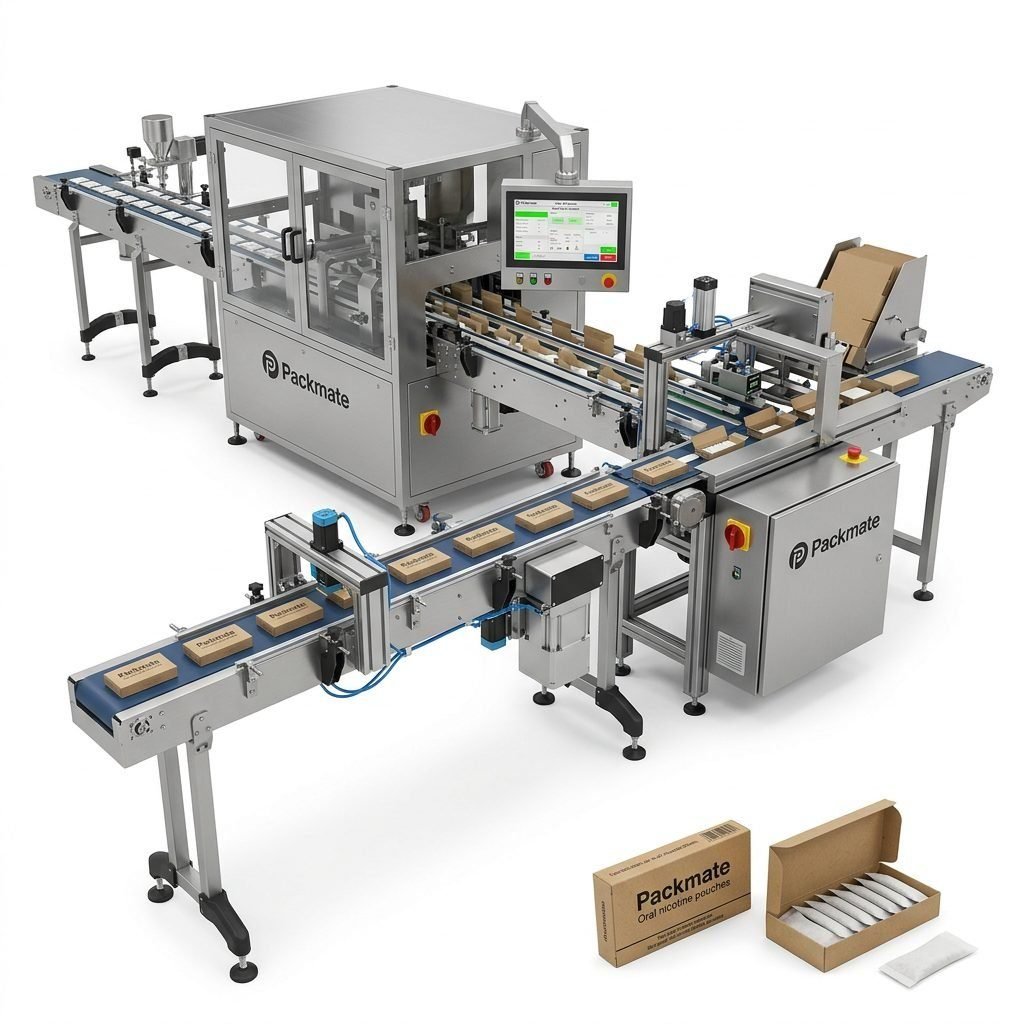
- Compatibility with automated feeding, weighing and secondary packaging
- Modular layout for future upgrades and capacity scaling
Performance metrics to request
Manufacturers should provide OEE (Overall Equipment Effectiveness), expected uptime, average changeover time and the type of maintenance program included. These numbers help project real production throughput in a Chilean factory setting where shift patterns and labor availability may vary.
Supplier Capabilities & Factory Strength
A supplier’s production footprint and engineering depth are critical. Look for:
✅ Manufacturing capacity — a larger factory with advanced CNC centers and precision assembly lines is more likely to deliver consistent machine quality and spare parts availability.
✅ Model range & customization — suppliers that offer 50+ machine models and turnkey solutions can tailor equipment to local pouch sizes, materials and production goals.
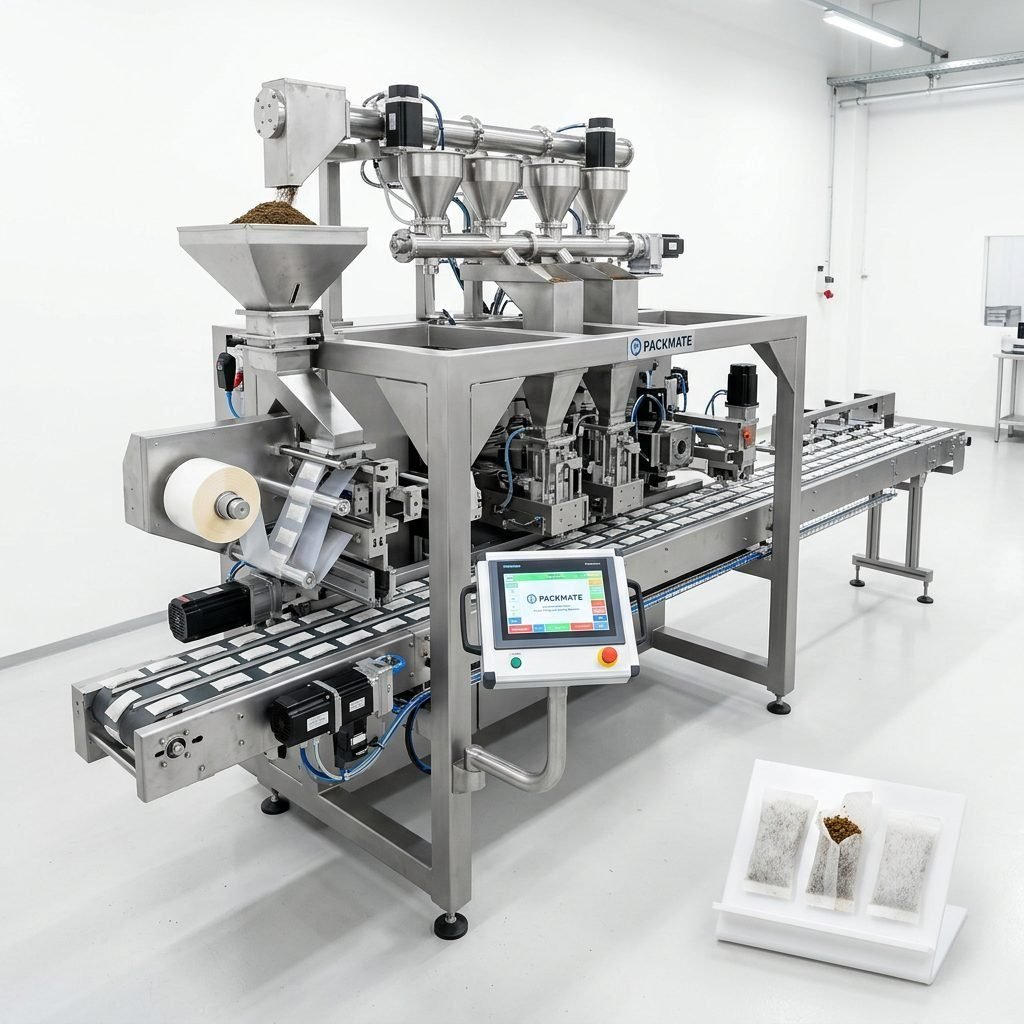
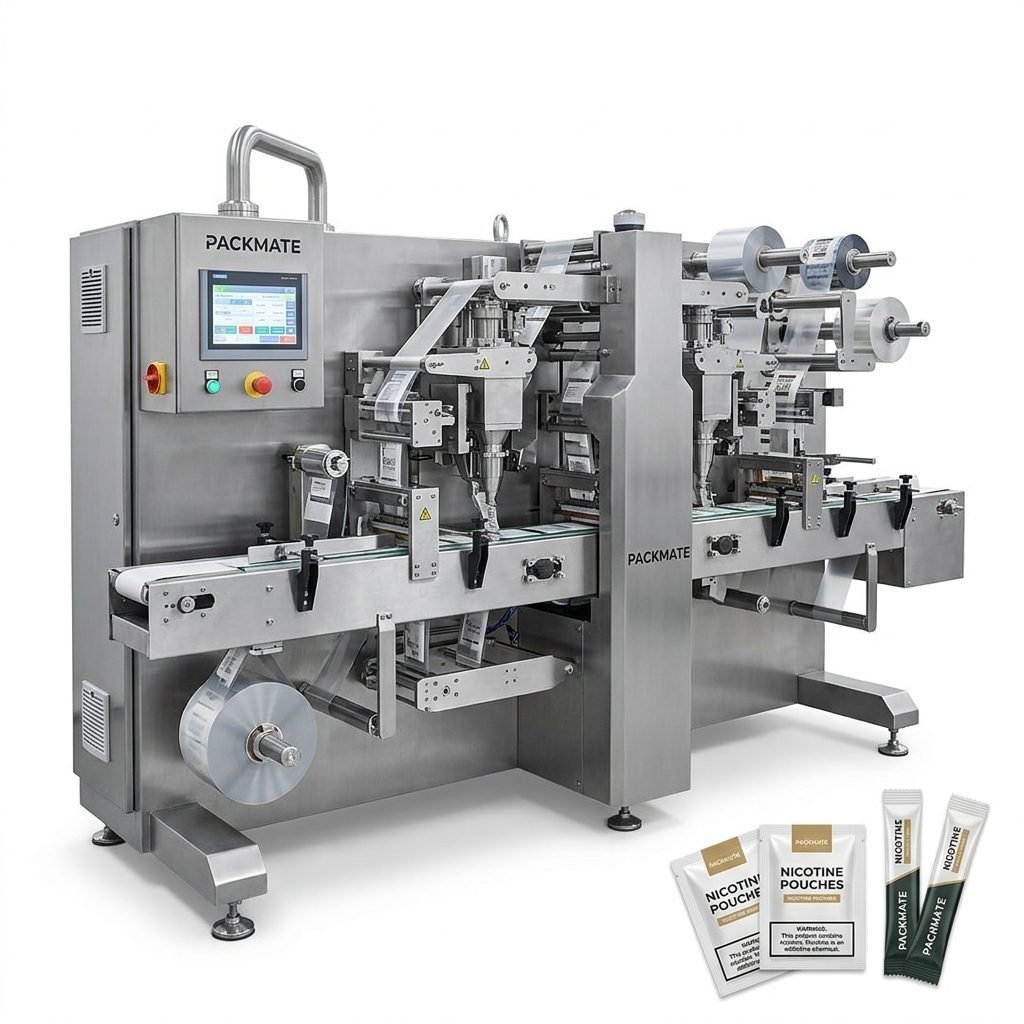
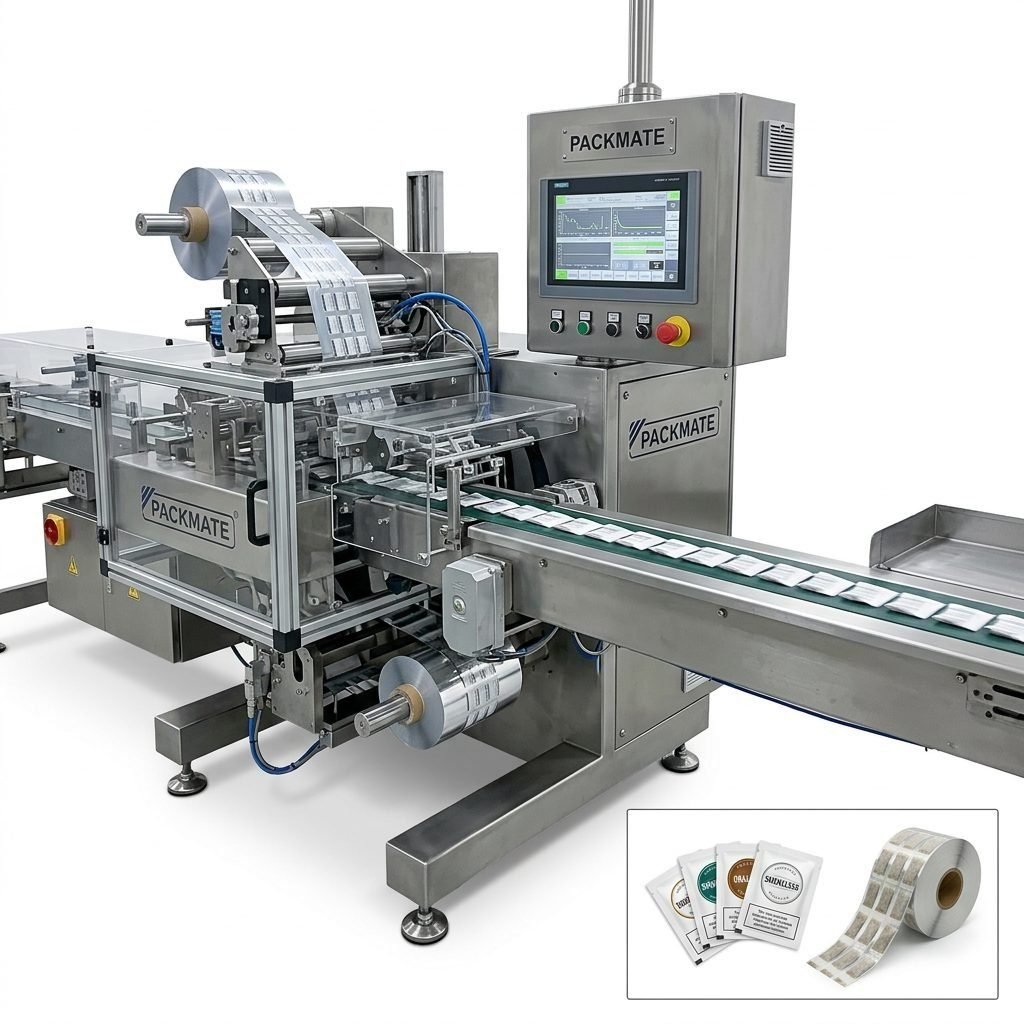
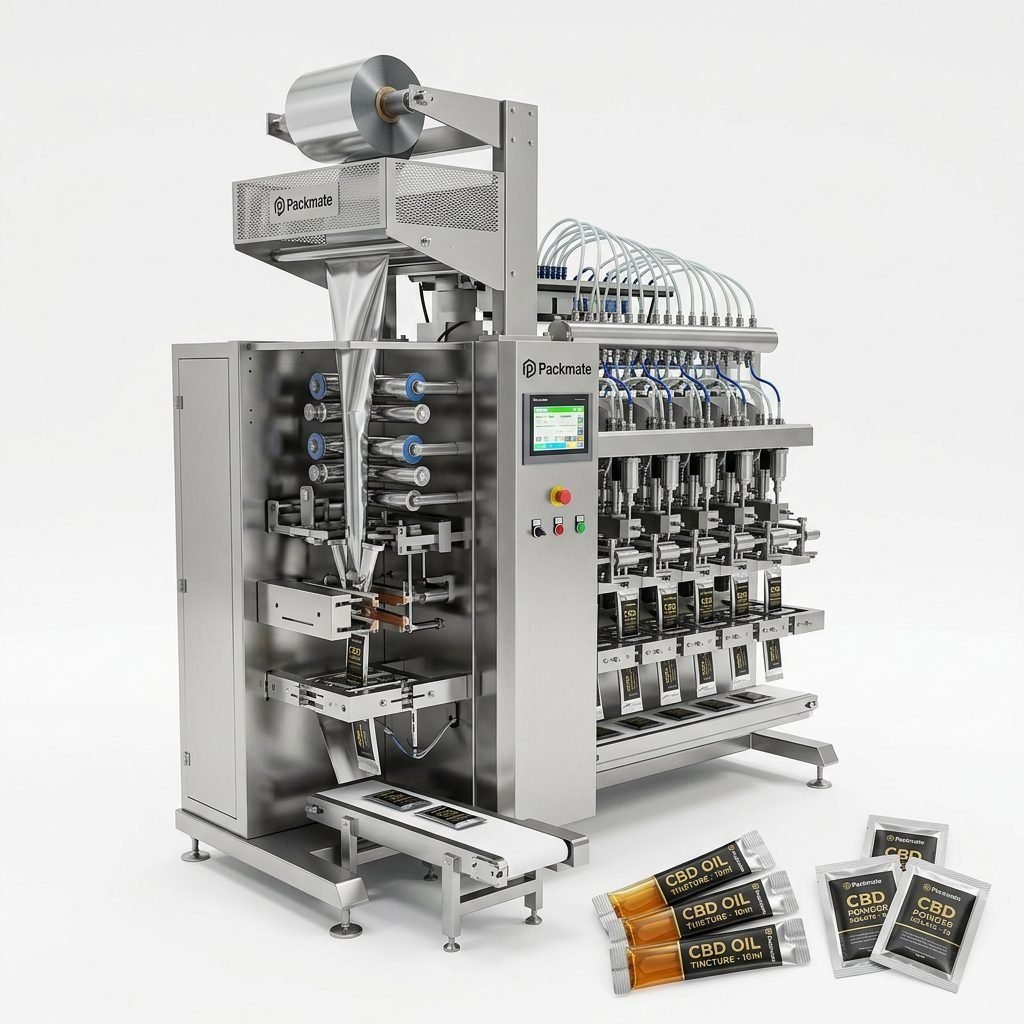
Example: Packmate Snus Machine provides a broad portfolio including snus / nicotine pouch packing machines, stick packs and multi-lane sachet systems — useful when Chilean brands test multiple formats before scaling.
Factory tour and verification
Whenever possible, inspect the supplier’s production facility or request virtual factory tours. Look for consistent assembly practices, clean test areas and evidence of final acceptance testing for snus lines. If you cannot visit, ask for a detailed video of an acceptance test running your exact product format.
Quality, Certifications & Compliance
International certifications like CE and ISO signal a level of process maturity. But also verify:
- Material traceability and quality inspection records
- Electromechanical safety features and emergency stops
- Documentation for calibration, maintenance and spare parts lists
If a supplier has demonstrated global deliveries and participated in exhibitions, this shows exposure to varied compliance requirements — check their exhibition record and case studies for evidence.
Customization & After-sales Support
Chilean operations benefit from rapid service, spare parts availability and remote diagnostic support. Confirm:
📌 Local language support — technical manuals and remote engineers who can troubleshoot in Spanish reduce downtime.
📌 Training and start-up — ensure supplier includes on-site commissioning or comprehensive virtual training sessions for operators and maintenance teams.
Spare parts & warranty
Check standard warranty terms and the typical lead time for critical spare parts. Suppliers with a stocked international warehouse or regional distributor provide faster support for Chilean customers.
Price, Delivery & Total Cost of Ownership
Price per machine is only part of the story. When comparing quotes, analyze:
- Installation and commissioning costs
- Training, spare parts kits and recommended yearly maintenance
- Energy consumption, consumables and expected service intervals
- Upgrade paths and trade-in or buy-back options
A transparent supplier will provide a TCO (Total Cost of Ownership) estimate over 3-5 years, including expected downtime and parts replacement. This is invaluable for Chilean buyers planning multi-shift operations.
How to Evaluate Suppliers Remotely and On-site
Use a structured approach when you cannot visit in person:
✅ Request live demos running your specific pouch material or a close analogue.
✅ Ask for references in similar markets — a supplier who has shipped nicotine pouch lines to Europe or Latin America is more likely to understand Chilean supply-chain and compliance issues. (See supplier case studies for examples.)
✅ Verify documentation: electrical schematics, spare parts lists, acceptance test protocols and bilingual manuals where possible.
Checklist & Decision Matrix
Use the following scoring to compare suppliers objectively:
- Technical fit (0–10): multi-lane capability, speed, accuracy
- Quality & certification (0–10): CE, ISO and test records
- After-sales support (0–10): warranty, parts lead time, training
- Price & TCO (0–10): installation, energy, spare parts
- Local fit (0–10): language, shipping, cultural awareness
Real-world Case & Supplier References
Reviewing case studies helps verify supplier claims. Look for documented projects where the supplier delivered multi-lane snus or nicotine pouch lines and supported start-up. You can review examples and client stories from supplier case pages to gauge reliability and long-term partnerships.
Useful supplier resources
For further research, review product portfolios and company background. Recommended links:
• Snus & Nicotine Packaging Machines
• About Packmate — company history and manufacturing strengths
• Case studies — previous turnkey projects and global cooperation examples
Negotiation Tips for Chile Purchasers
When negotiating with overseas suppliers, consider:
- Payment terms that protect both parties (staged payments tied to milestones)
- Clear acceptance tests that include running your product and measuring yield
- Logistics: CIF/FOB terms, import duties, and local installation responsibilities
- Spare parts kits shipped with the machine to minimize initial downtime
Final Decision: Practical Steps
1. Shortlist 3 suppliers and request formal quotations including acceptance test criteria.
2. Validate references and inspect either the machine in operation or a recorded acceptance test specific to your product.
3. Agree on commissioning timelines, operator training, and a spare parts package to be delivered with the equipment.
If you want to contact a supplier with proven expertise in snus packing machines and turnkey packaging solutions, view their contact information and service offerings here: Contact Us.
Why a long-term partnership matters
Nicotine pouch production often evolves rapidly as brands test new flavors, sizes and materials. Choosing a supplier that provides modular machines, responsive support and a documented upgrade path reduces risk and supports faster product innovation in the Chilean market.
Frequently Asked Questions
Q1: What certification should I insist on?
A: Ask for CE and ISO documentation as a baseline, and request copies of factory acceptance tests. If your products must meet additional local or international standards, ensure the supplier can provide compliance statements or conduct third-party validation.
Q2: How much customization is possible for new pouch formats?
A: Many modern snus packaging suppliers offer modular designs and tooling options for a wide range of pouch sizes. Request examples where similar customizations were implemented and check how quickly tooling changes can be done on-site.
Q3: Can I get Spanish-language manuals and support?
A: Reputable suppliers provide bilingual documentation and remote support. Confirm language options during contract negotiations and include training sessions for your Chilean operation.
Q4: Where can I see real examples of nicotine pouch lines in operation?
A: Ask suppliers for case studies or recorded runs. Many companies publish project examples and exhibition demonstrations — exploring these resources can help validate performance claims. See product lines and case pages for examples.
Q5: Which product pages should I review first?
A: Start with the snus & nicotine packaging machines and related auxiliary systems to understand full-line capabilities: Snus & Nicotine Packaging Machines, plus supporting modules on weighing and filling if you plan a turnkey line.