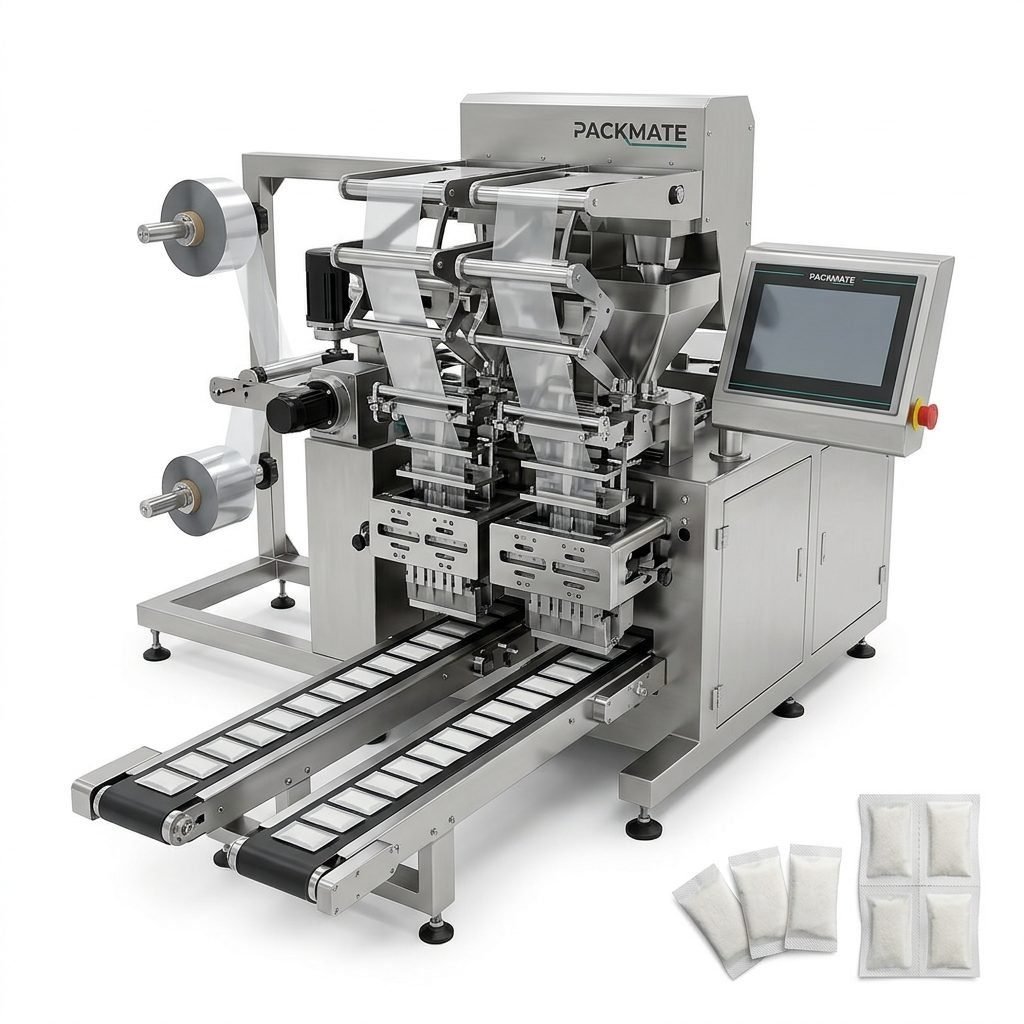
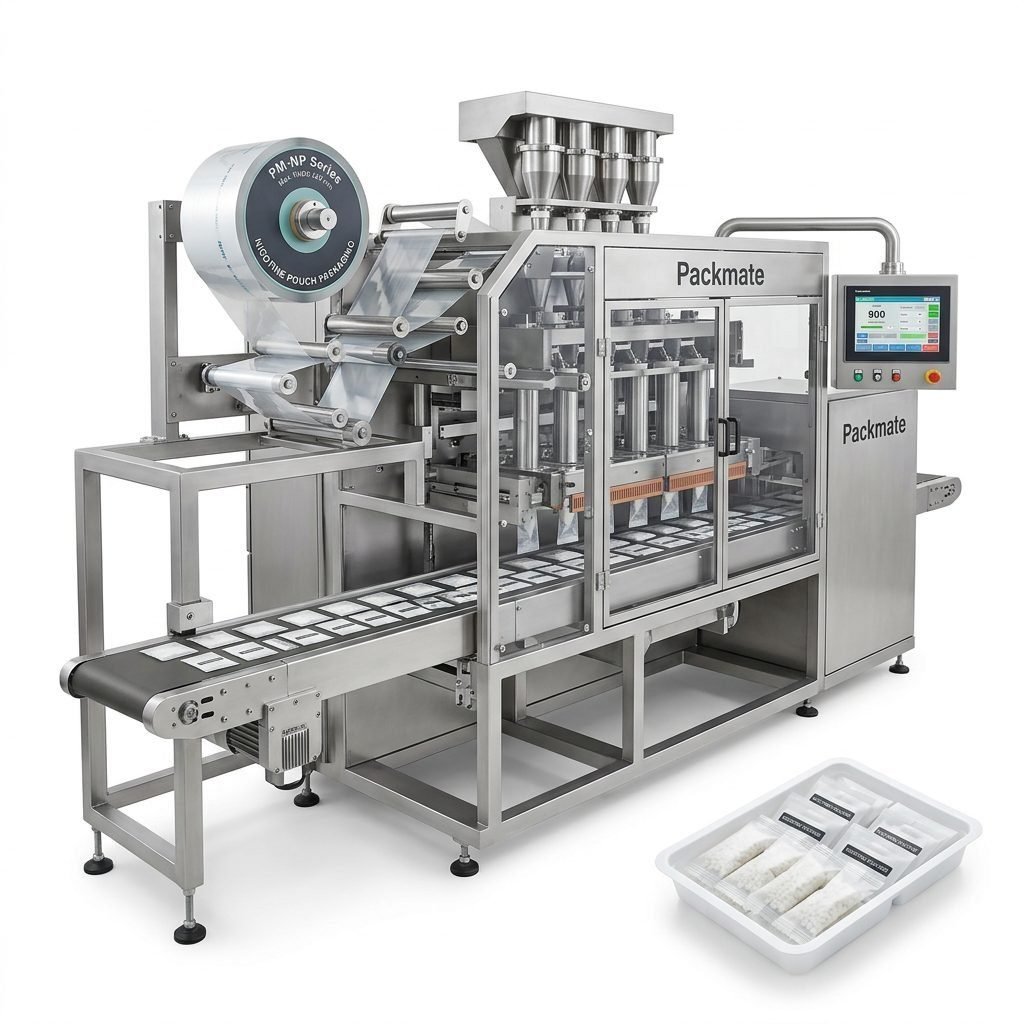
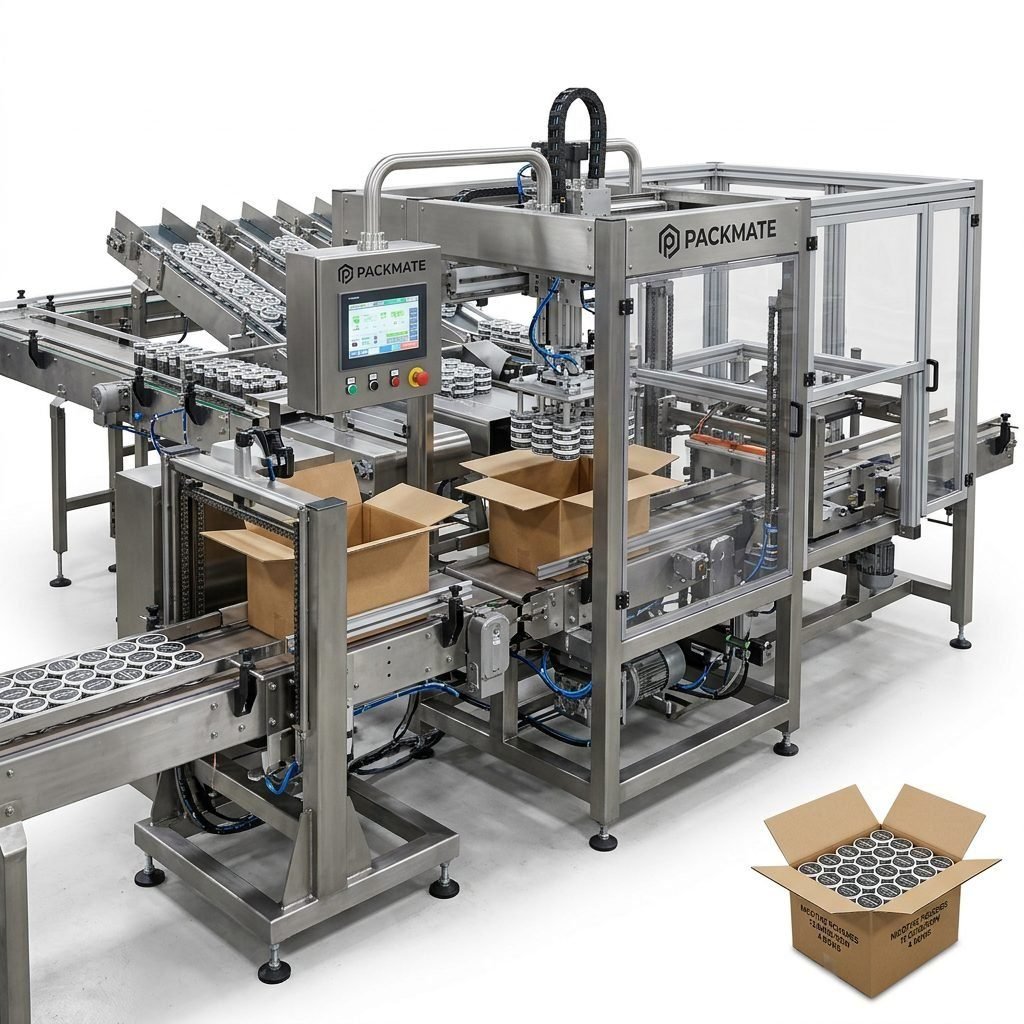
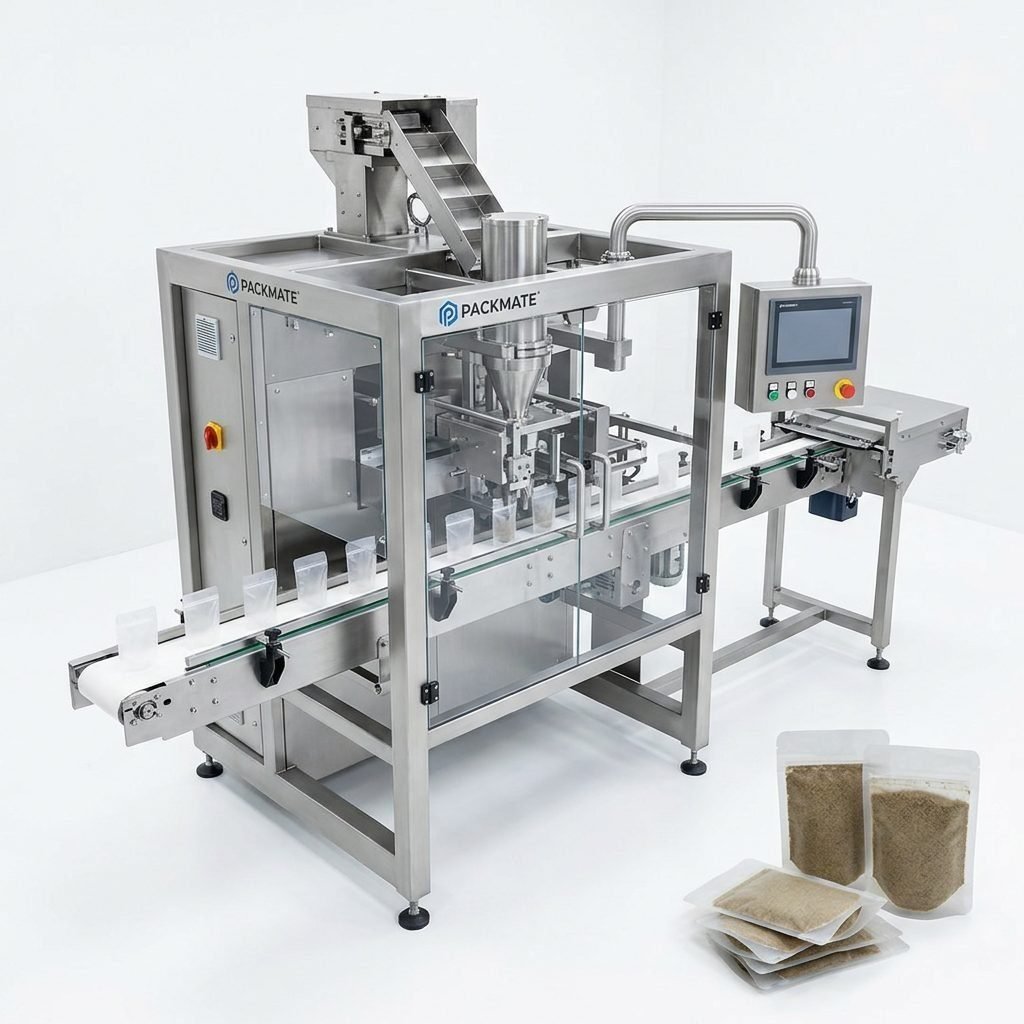
Choosing the right nicotine packaging machine supplier in Turkmenistan requires a mix of technical knowledge, cultural awareness, and careful supplier evaluation. This guide walks packaging managers, factory owners, and procurement teams through practical steps to identify a partner who can deliver reliable snus and nicotine pouch packaging systems, strong after-sales support, and compliance with local regulations and customs. Wherever possible, we point to trusted resources and real-world considerations specific to Turkmenistan’s market and business culture.
Understand the Local Market and Customs in Turkmenistan
Turkmenistan is a country where business relationships are built on trust, long-term commitment, and face-to-face interaction. When evaluating international suppliers, local buyers often prefer companies that demonstrate patience, respect for formal protocols, and readiness for in-person demonstrations or detailed remote presentations. Be mindful that:
⚖️ Regulatory sensitivity: Tobacco and nicotine product rules vary. Confirm legal frameworks for snus and nicotine pouches before investing in packaging lines.
🤝 Business etiquette: Expect formal communication, use of titles, and the value of establishing a trustworthy relationship over time.
🌡️ Climate & logistics: Turkmenistan’s hot, arid climate and long inland supply chains mean packing equipment must tolerate dust and variable power conditions. Ask suppliers about protective measures for electronics and mechanical parts.
Key Supplier Credentials to Verify
Seek suppliers who demonstrate technical competence, manufacturing capacity, and global experience. Important credentials include:
✔ Industry experience: Prefer companies with decades of packaging R&D and production history. A supplier with over 20–30 years in machinery engineering indicates stability and iterative improvement.
✔ Factory footprint & capabilities: Large facilities with CNC machining centers, precision assembly lines, and dedicated testing areas signal consistent build quality.
✔ Certifications: CE, ISO, and other international certificates help ensure safety, quality, and regulatory alignment for exported equipment.
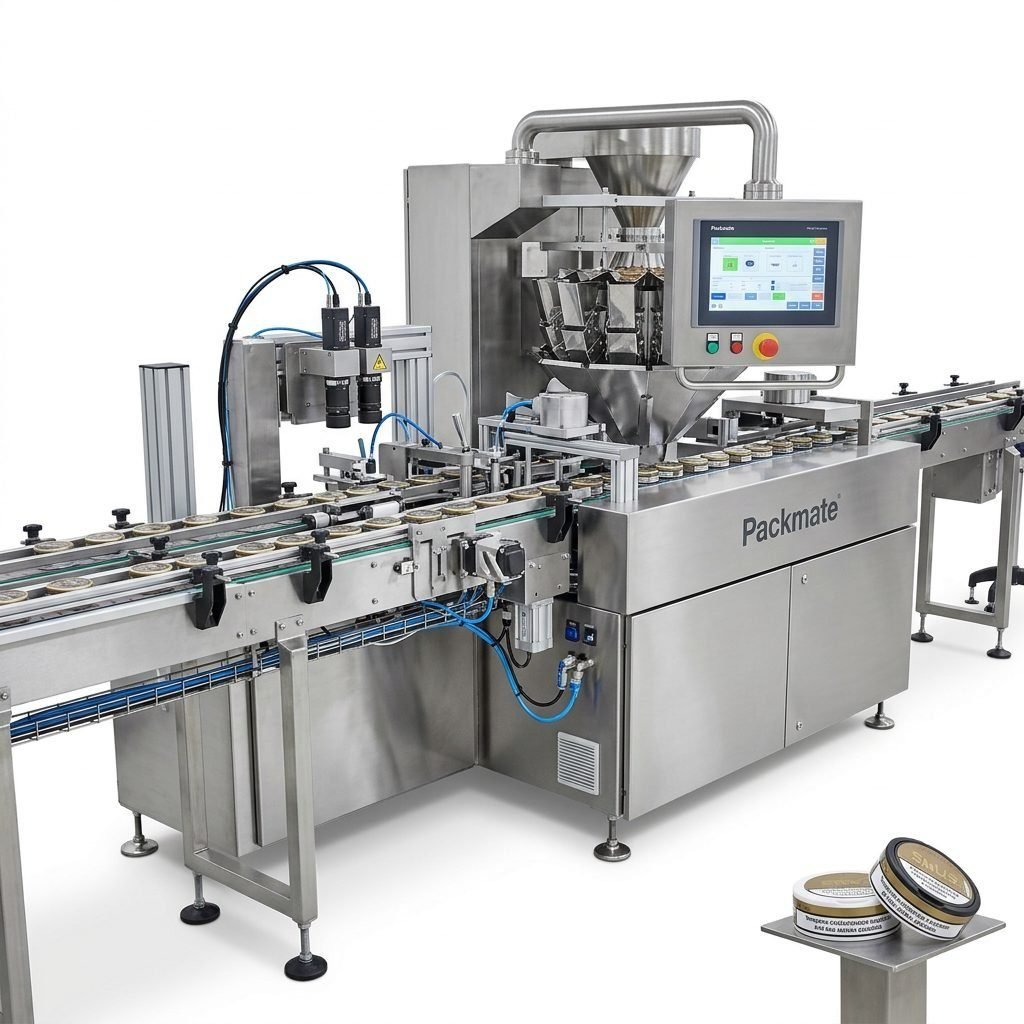
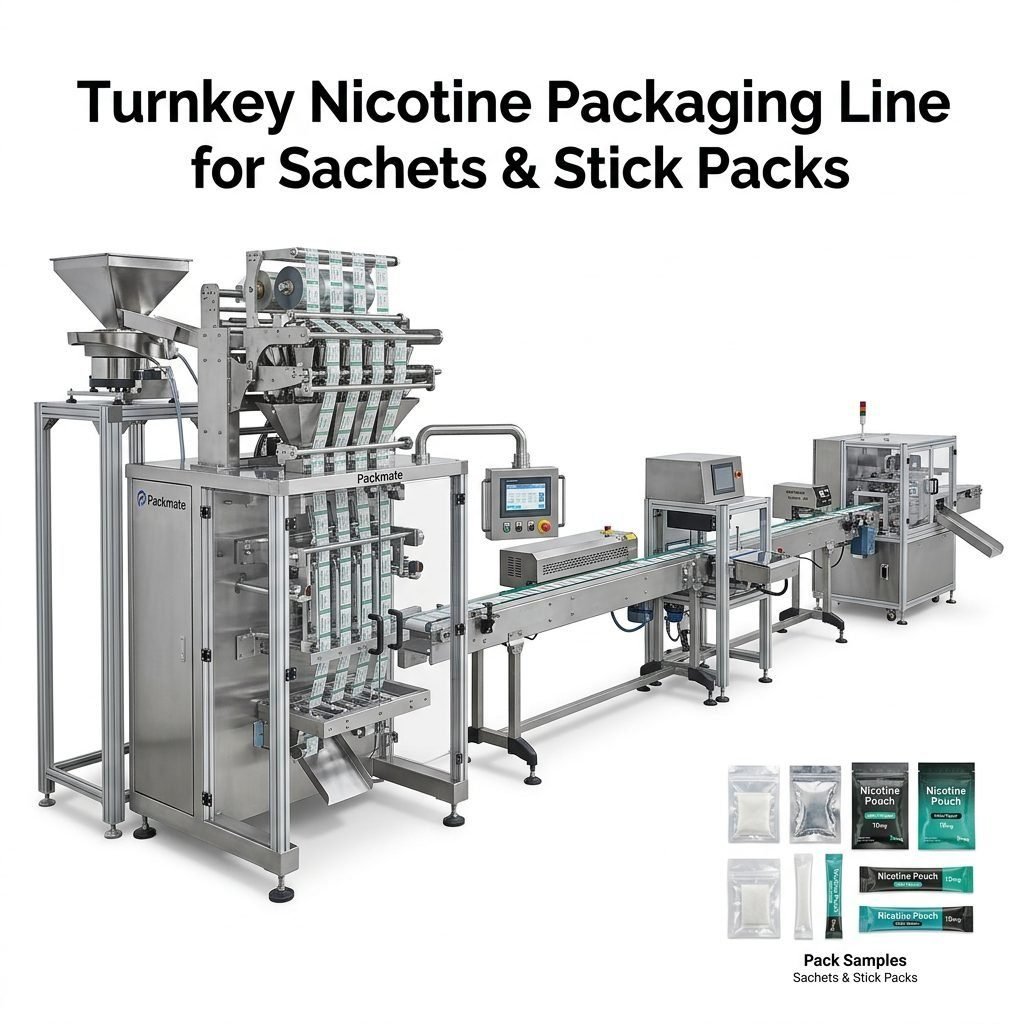
✔ Turnkey solutions & customization: Vendors that supply integrated systems (weighing, filling, sealing, multi-lane pouch systems) reduce integration risk and shorten commissioning time.
Tip: Review the supplier’s project portfolio and request case studies for installations in regions with similar logistics or climates. This helps validate whether machines withstand local environmental challenges.
Why Packmate-style Manufacturers Matter
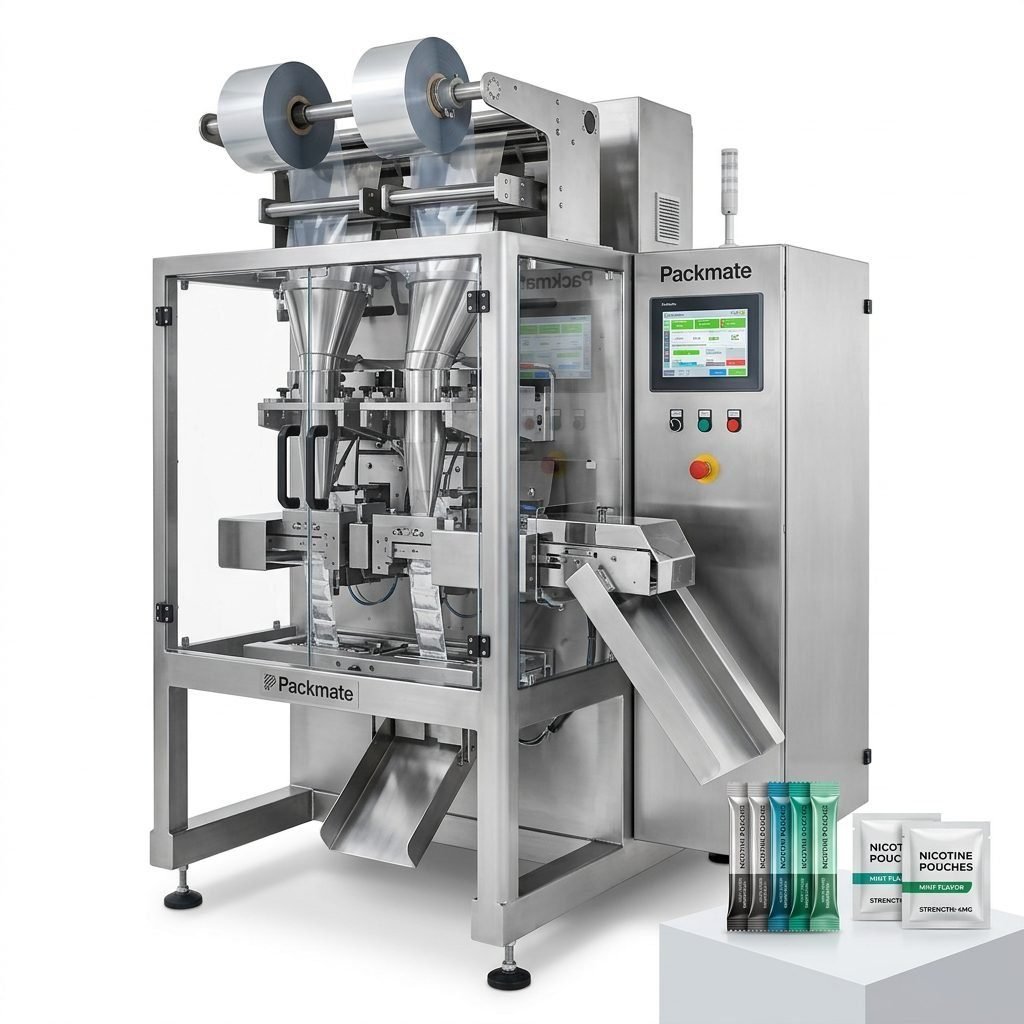
A manufacturer that focuses specifically on snus and nicotine pouch machines brings domain expertise to machine design, speed optimization, and contamination control. Companies that provide:
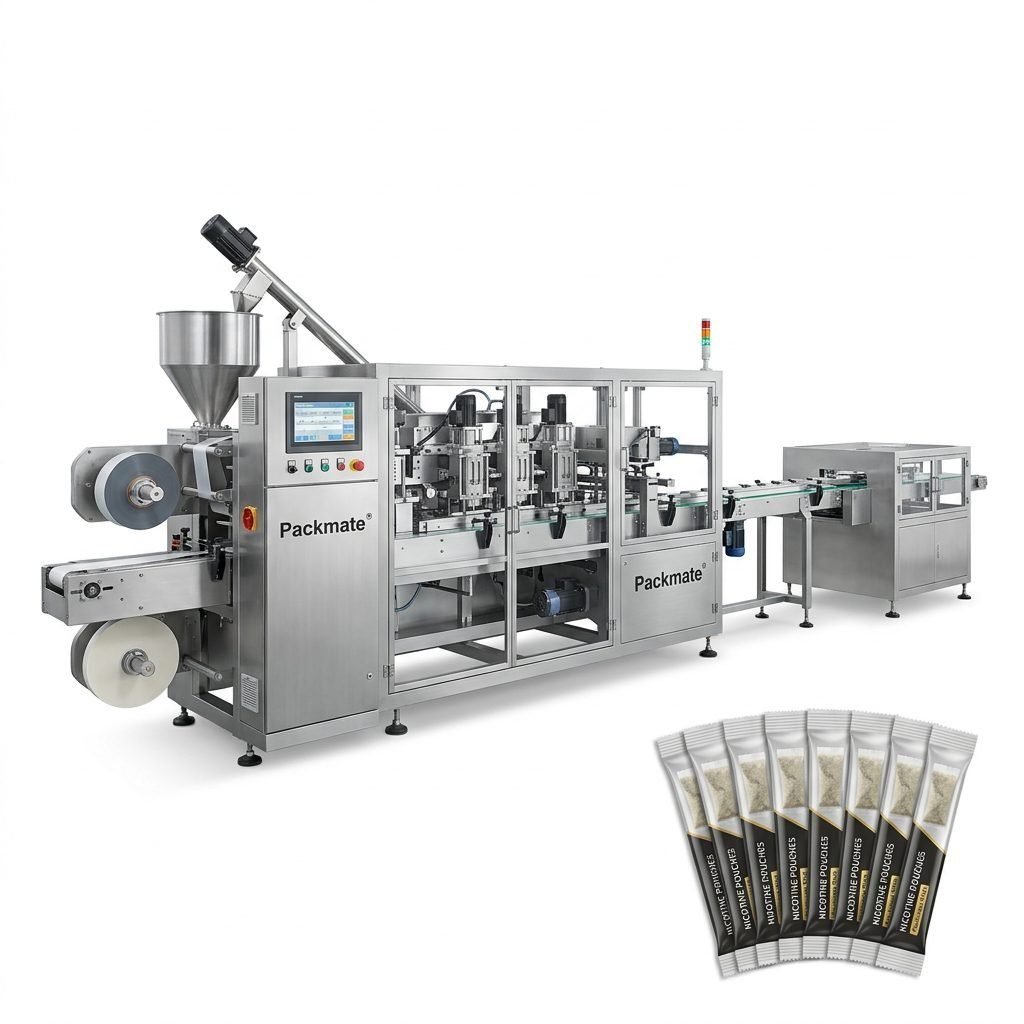
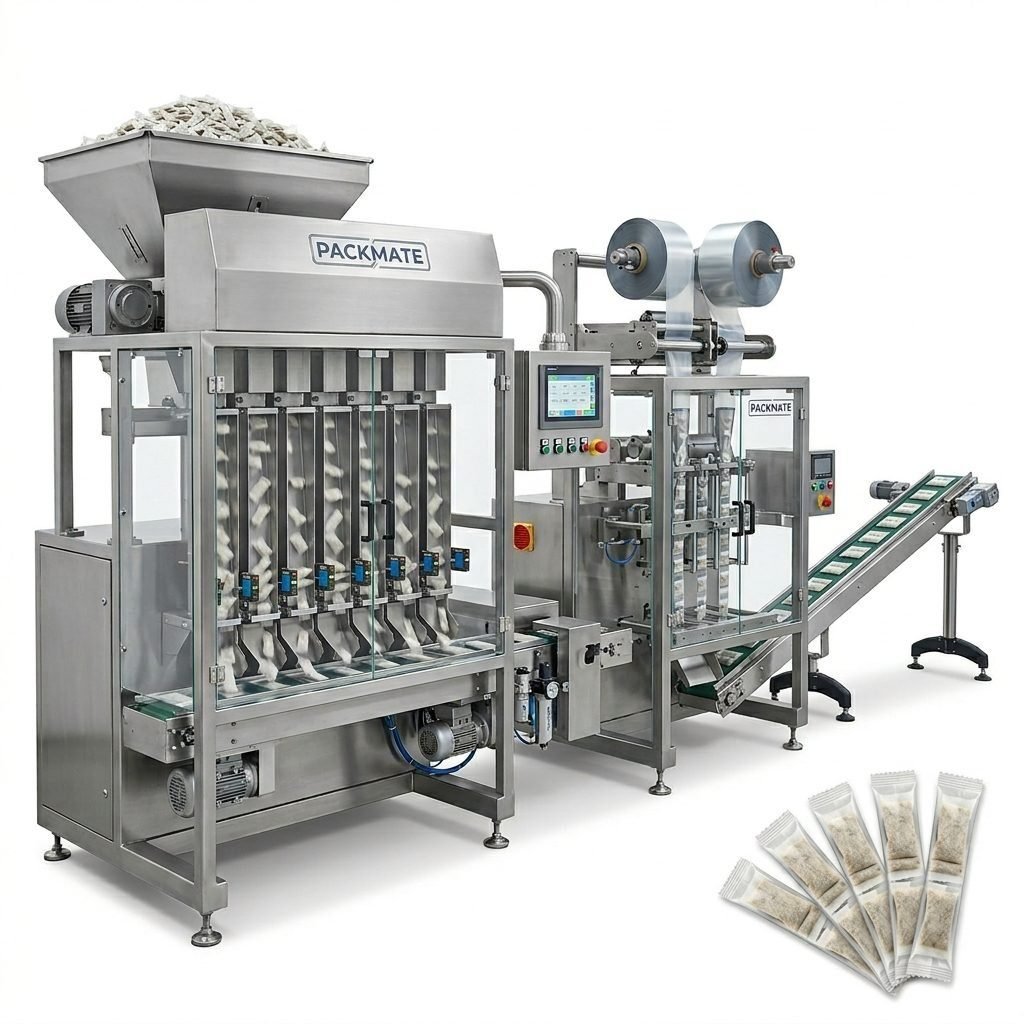
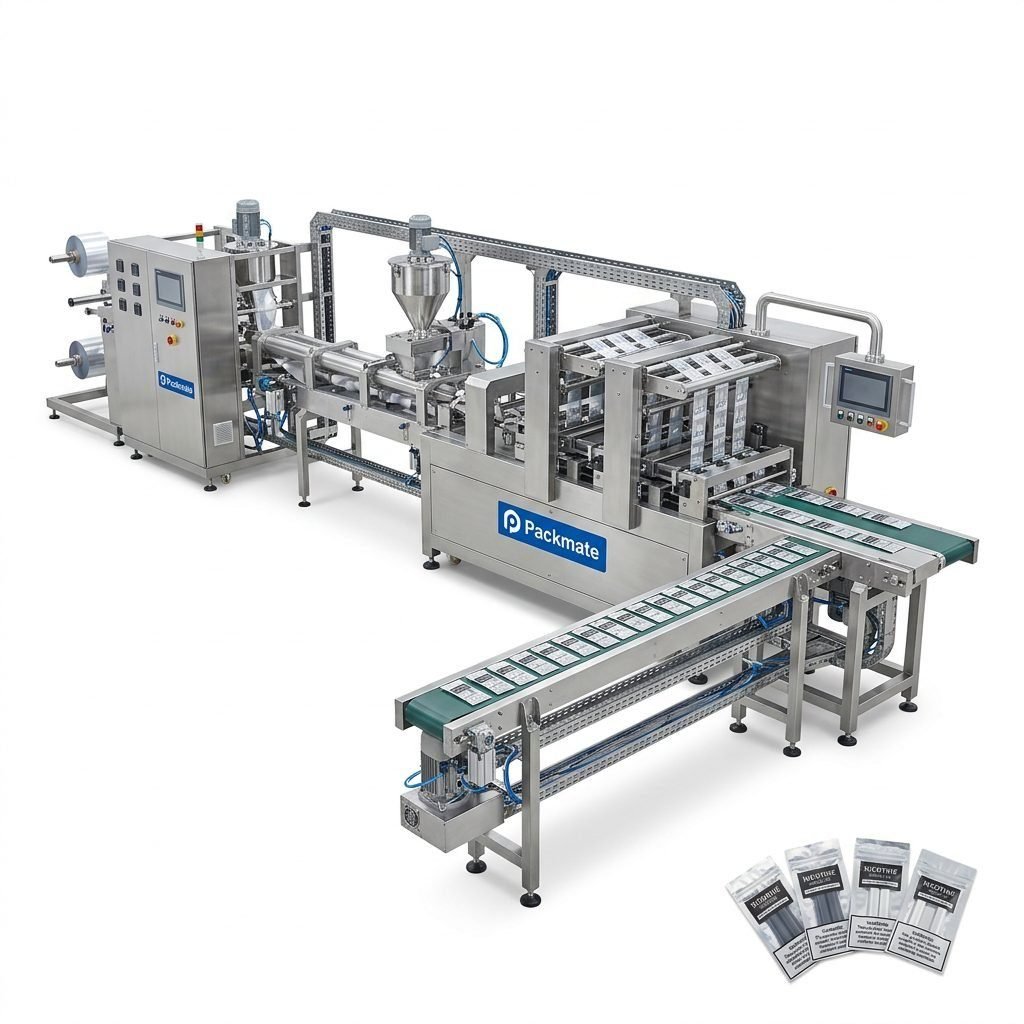
🔧 Multi-lane pouch systems for high throughput,
🔧 Complete packaging lines including weighing, filling and sealing,
tend to reduce integration headaches and provide reliable performance. Explore suppliers like Packmate who document their capabilities and machine families—see their Snus & Nicotine Packaging Machines for examples: Snus & Nicotine Packaging Machines.
Technical Checklist: What Your Machine Must Deliver
Before signing an order, ensure the machine specifications match your production needs. Key technical factors include:
• Throughput & lane count: Match machine speed and number of lanes to target daily output. Multi-lane machines reduce footprint while increasing output.
• Material compatibility: Ensure the equipment handles your pouch materials, powders, blends, and moisture-sensitive formulations.
• Precision dosing & weighing accuracy: Nicotine pouches require tight dosing tolerances. Check the supplier’s weighing & dosing systems and available tolerances.
• Hygienic design & ease of cleaning: Removable parts, smooth surfaces, and sealed bearings are essential in dusty or humidity-variable environments.
• Control systems & interfaces: PLCs with multilingual HMI options (including Russian or English) help local operators manage production effectively.
Power, Parts, and Environmental Concerns
In Turkmenistan, verify the machine’s power specifications, voltage tolerance, and availability of spare parts. Confirm:
⚡ Voltage adaptability and whether voltage converters or UPS systems are needed.
🛠️ Availability of key spare parts shipped internationally, lead times, and local inventory options.
🌬️ Dust protection (IP ratings, filtered enclosures) and cooling needs for motors and control cabinets.
Important: Ask suppliers for a list of consumables and recommended maintenance intervals. A reliable preventive maintenance plan will extend machine life and reduce downtime in remote locations.
After-Sales Service, Training, and Local Support
After-sales support is often the deciding factor in long-term success. Evaluate:
✔ Installation & commissioning: Does the supplier include on-site setup? For Turkmenistan, confirm whether the supplier will send engineers or empower local partners.
✔ Operator & maintenance training: Training in Russian or Turkmen boosts operator confidence and reduces errors.
✔ Remote diagnostics: Remote support, spare parts express services, and video troubleshooting reduce the need for frequent overseas service trips.
Service Agreements & Warranty
Negotiate a clear warranty and service contract that outlines response times, spare part pricing, and labor coverage. Consider multi-year service plans if local technical skills are limited.
Commercial Considerations: Pricing, Lead Times, and Import Procedures
Cost is important, but the lowest bid often carries hidden risks. Evaluate total cost of ownership (TCO):
• Upfront equipment cost plus shipping, insurance, import duties, and installation.
• Lead times for machine delivery, spare parts, and tooling—longer lead times increase business risk.
• Payment terms—balance deposits, letters of credit, and staged payments tied to milestones are common.
When importing into Turkmenistan, involve a customs broker familiar with local classification rules for machinery and spare parts to avoid delays and unexpected fees.
How to Evaluate Supplier Reputation and Performance
Verifying reputation reduces risk. Practical steps include:
🔎 Request references and follow up with existing customers—ask about uptime, service speed, and spare parts availability.
📄 Review case studies and factory tours—suppliers that publish detailed case studies and open their factory for visits show transparency. For examples of proven installations and case portfolios, see Case.
🧾 Ask for performance test reports, FAT documentation, and CE/ISO certificates to validate claims.
Sample Supplier Questions to Ask
• What is the expected uptime and recommended preventive maintenance schedule?
• Do you supply spare parts kits and how quickly can they be shipped to Ashgabat or regional warehouses?
• Can you provide local or regional service partners for faster response times?
Real-World Example: Choosing a Turnkey Partner
A typical turnkey project includes machine supply, weighing and filling systems, conveyors, and packaging machines optimized for nicotine pouches. Suppliers that offer integrated systems reduce commissioning time and integration risks. For a deep dive into complete packaging lines and auxiliary equipment, explore suppliers who list complete solutions: Filling & Packaging Lines and Auxiliary Packaging Equipment.
Example: A buyer in Central Asia selected a multi-lane snus pouch system after validating FAT reports, visiting the supplier’s factory, and confirming that the supplier could provide Russian-language training and regional spare parts inventory. The result: smoother commissioning and higher first-year uptime.
Selecting the Right Supplier: Step-by-Step
Follow a structured approach when finalizing a supplier:
1. Shortlist suppliers with domain expertise and positive references.
2. Request detailed proposals that include technical specs, lead times, and TCO.
3. Perform factory acceptance tests (FAT) or request video-based FAT if travel is restricted.
4. Negotiate warranty and spare parts agreements and confirm training schedules.
5. Plan logistics and customs with an experienced broker to avoid surprises at the border.
Why Local Relationships and Clear Communication Matter
Building enduring relationships with your supplier pays dividends in remote markets. Look for suppliers who make an effort to provide local-language documentation, offer training in Russian or Turkmen, and demonstrate cultural respect. If you want to know more about a supplier’s background, their company story and manufacturing strength are key reference points—learn about Packmate’s history and capabilities: About Packmate.
Practical Procurement Checklist
📝 Signed specifications & acceptance criteria
📝 FAT reports and acceptance sign-off
📝 Detailed service and spare parts plan
📝 Customs documentation and logistics timeline
Next Steps: Contacting Suppliers and Making a Decision
Prepare a Request for Quotation (RFQ) that includes your product specs, desired production rates, packaging materials, and any environmental constraints. When you are ready to engage, a reputable supplier will offer detailed quotes, FAT schedules, and references. To initiate contact or request more details from a well-documented snus packaging machine manufacturer, use their contact portal: Contact Us.
Closing Thought
Selecting the best nicotine packaging machine supplier in Turkmenistan is a strategic decision that balances technical fit, regulatory compliance, cultural alignment, and reliable after-sales support. By following this guide, prioritizing transparent communication, and validating supplier claims through FATs and references, you can secure a partner who supports your production goals and reduces long-term operational risk.
Frequently Asked Questions (FAQs)
Q1: What certifications should I insist on when importing packaging machines into Turkmenistan?
A1: Insist on CE and ISO certificates as a baseline. Also request test reports, FAT documentation, and any country-specific compliance documents related to nicotine product handling.
Q2: How important is on-site commissioning and training for Turkmen operators?
A2: Very important. Local-language training (Russian or Turkmen), clear maintenance manuals, and initial on-site commissioning reduce startup issues and help build trust between supplier and buyer.
Q3: What spare parts should I stock locally to minimize downtime?
A3: Stock critical wear items—seals, belts, sensors, spare PLC modules, motor brushes (if applicable), and any proprietary tooling. Agree with your supplier on recommended spare kits.
Q4: Are multi-lane machines a good fit for small Turkmen processors?
A4: Multi-lane systems offer higher throughput per footprint but require higher initial investment and more advanced maintenance. For growing producers with clear demand projections, they are often cost-effective.
Q5: How can I verify a supplier’s claims without traveling for a factory visit?
A5: Request live video FAT sessions, detailed machine demos, references with contactable customers, and complete FAT documentation including production speed tests and tolerance reports.