Choosing the right snus packaging machinery for operations in Fiji involves more than picking the fastest or cheapest machine. Climate, regulatory requirements, supply-chain realities, and the type of product you produce (nicotine pouches, snus sachets, powders, or liquids) all play a critical role. This guide walks you through the practical considerations, machine types, technical specifications, and supplier evaluation tips to ensure efficient and reliable production in the Fijian market.
Understand the Fijian Market and Production Context
Fiji’s tropical climate and island logistics demand machines that are robust, easy to maintain, and adaptable to humid conditions. Local production runs often vary from small-batch artisan lines to mid-scale commercial runs for regional export. Before selecting equipment, answer these core questions:
• What is your expected daily or monthly output? Capacity planning affects whether you need single-lane high-speed machines or multi-lane systems for volume efficiency.
• Which product format will dominate? Stick packs, sachets, and nicotine pouches each require different filling and forming systems.
Local Considerations: Power, Maintenance, and Parts
In Fiji, consider generator compatibility if power stability is a concern and verify local technicians can perform routine maintenance. Machines with modular designs and widely available spare parts reduce downtime. Look for suppliers offering comprehensive training and remote support options.
Snapshot: For small to medium producers in Fiji, a compact multi-lane pouch machine or a flexible stick-pack line often provides the best balance between efficiency and investment.
Key Machine Types and Their Best Uses
Understanding the primary machine categories helps you match equipment to product and volume requirements:
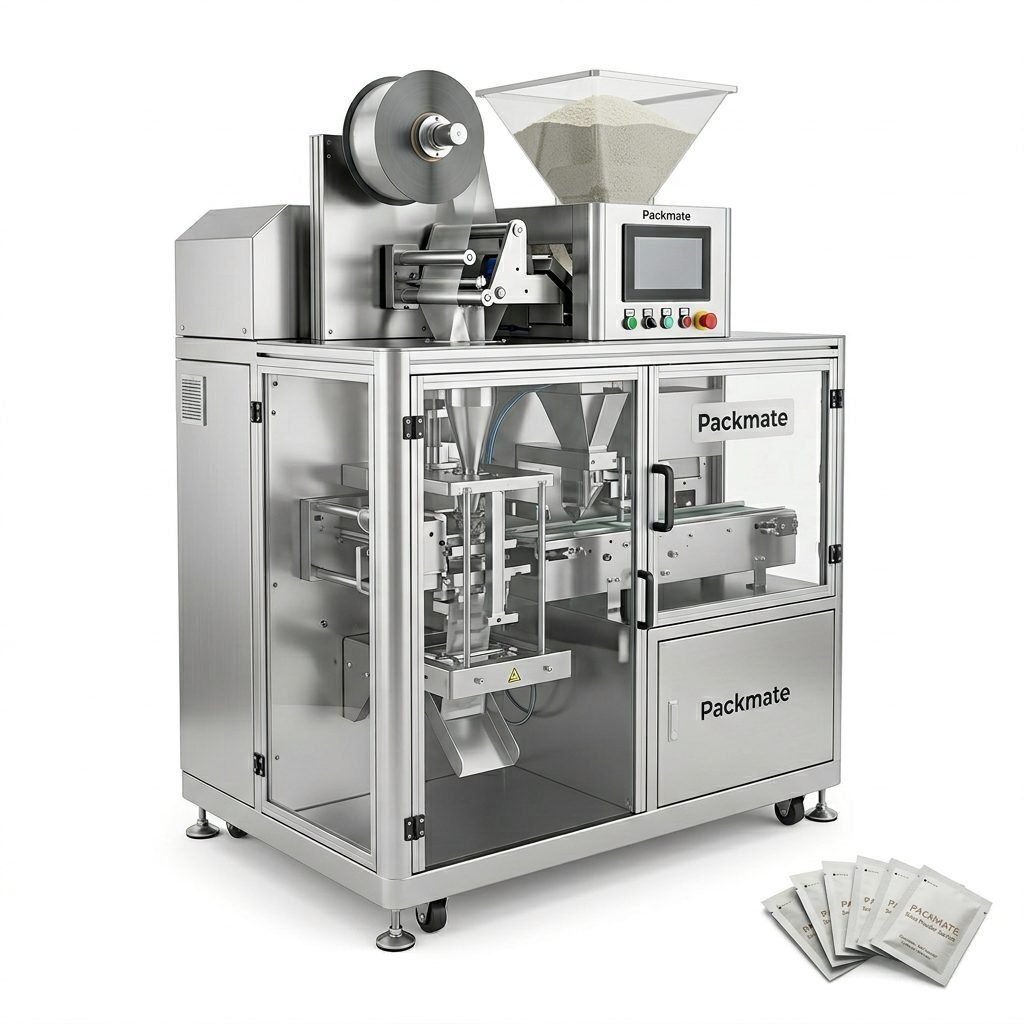
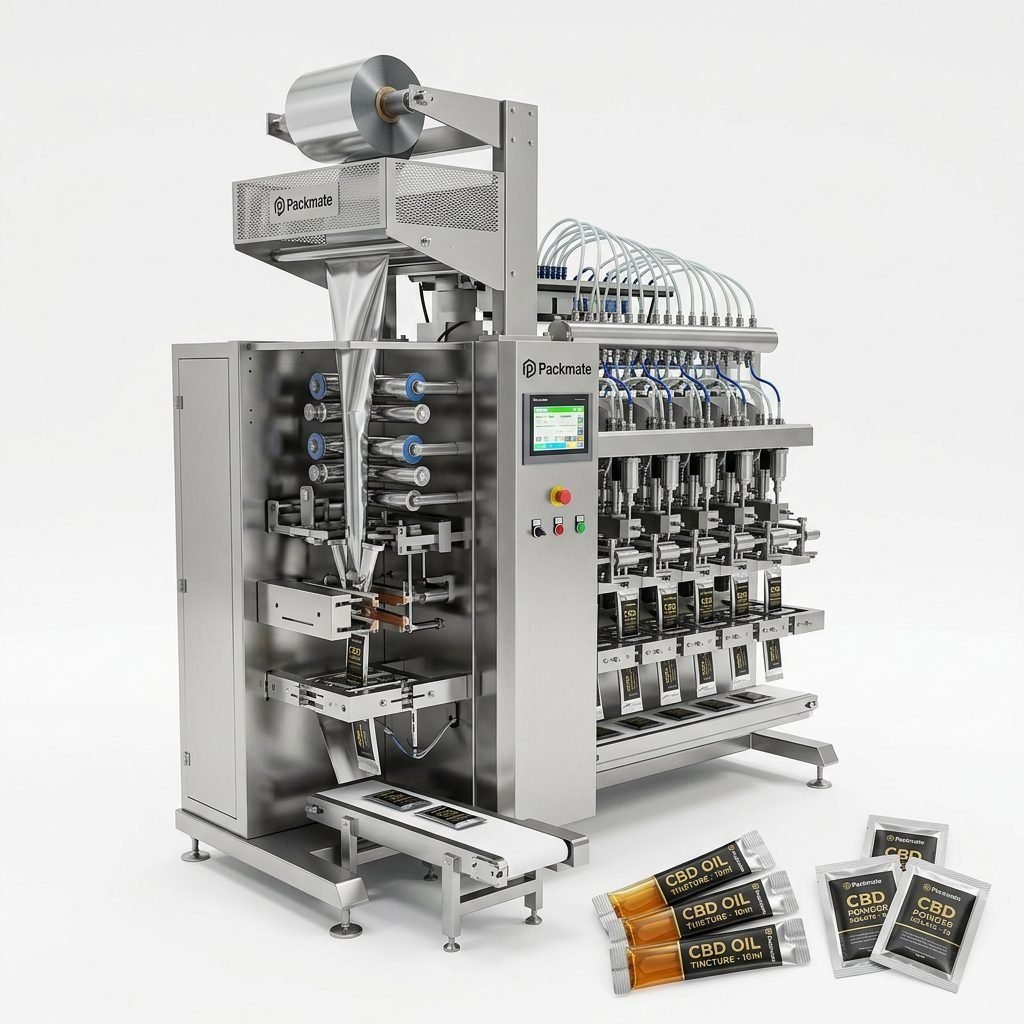
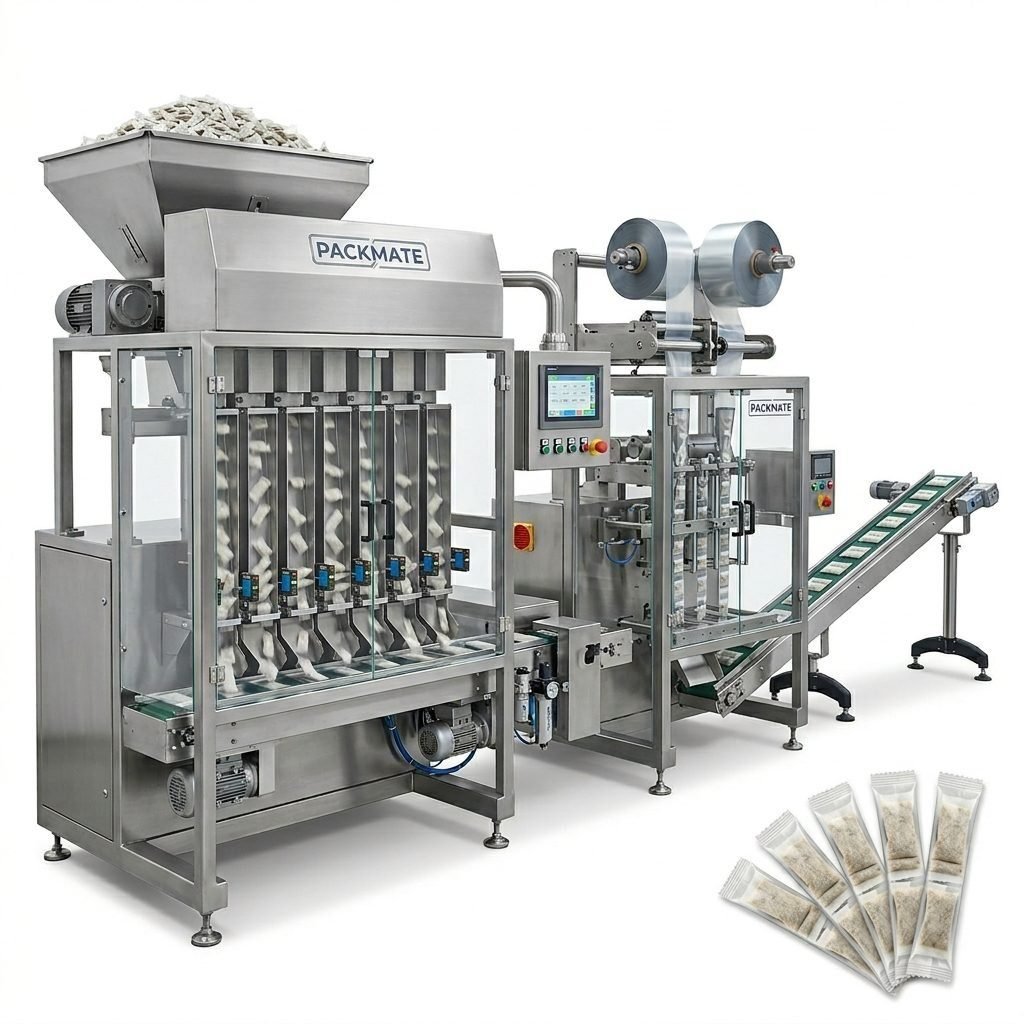
Sachet & Stick Pack Machines
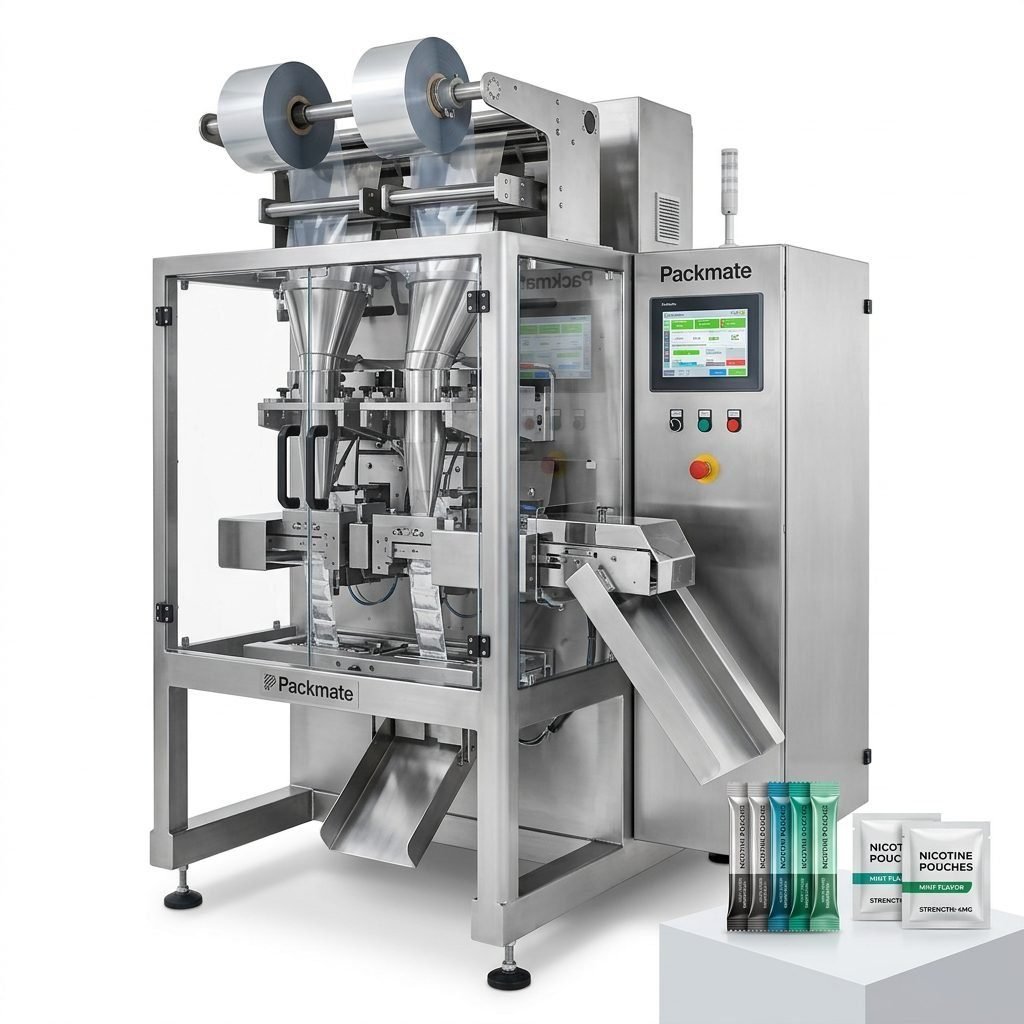
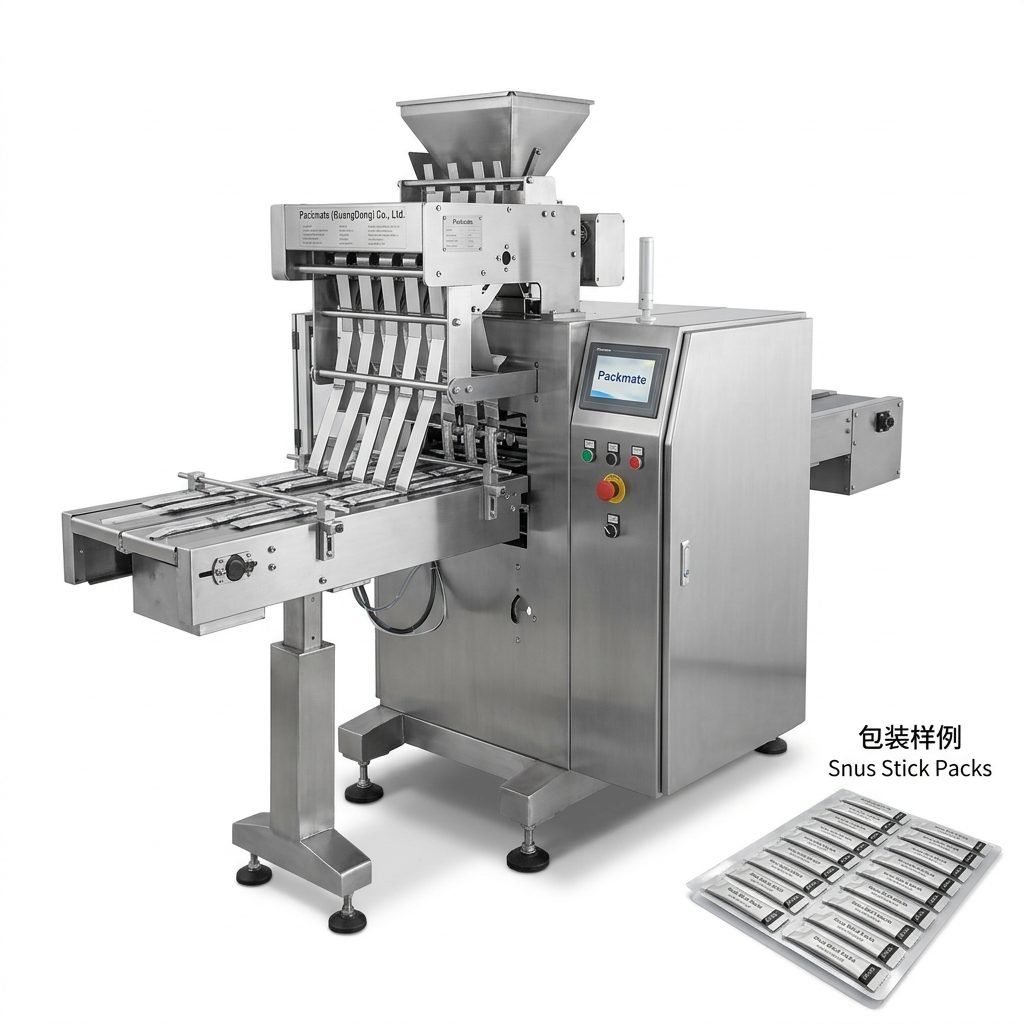
These machines excel for single-dose portions and are ideal for nicotine sachets and related products. Benefits include high-speed operation, precise dosing, and compact footprints suitable for limited factory space. If you plan to diversify flavors and portion sizes frequently, seek systems with quick changeover capabilities.
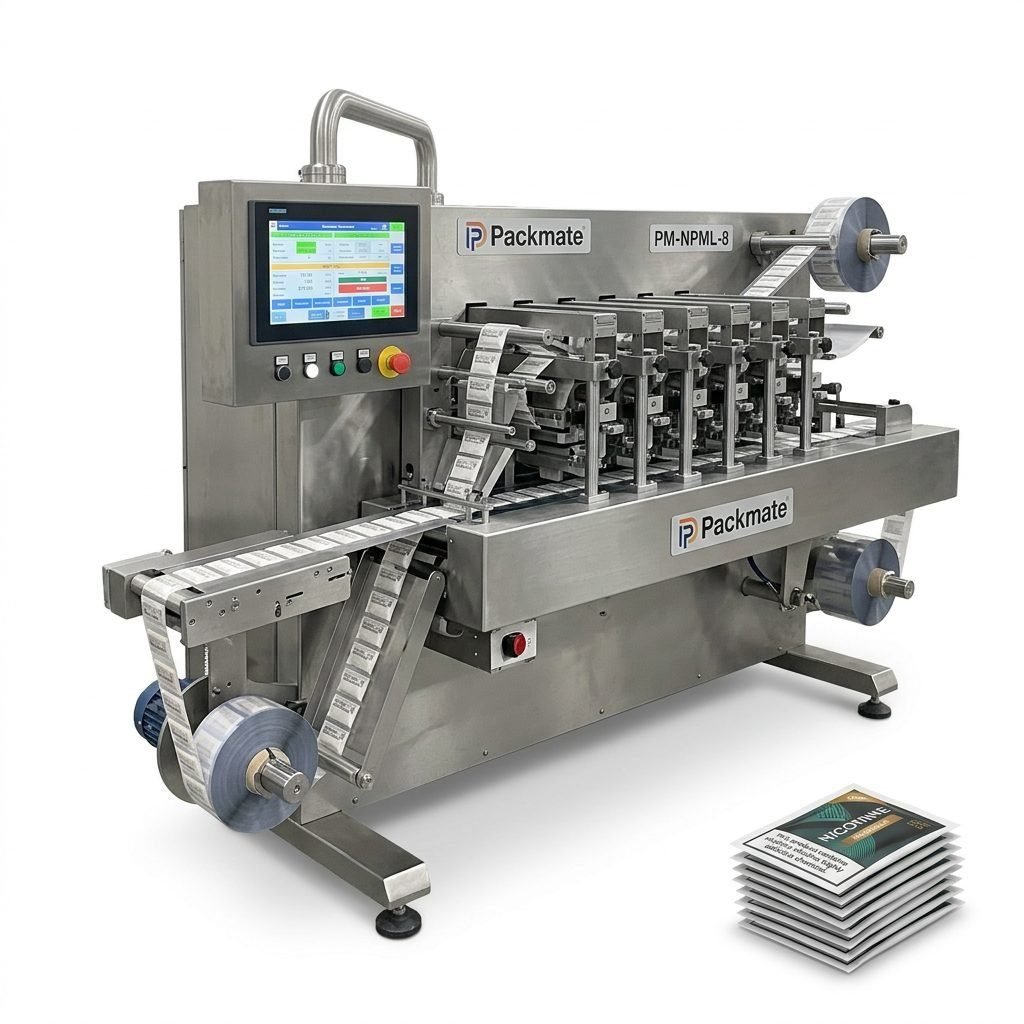
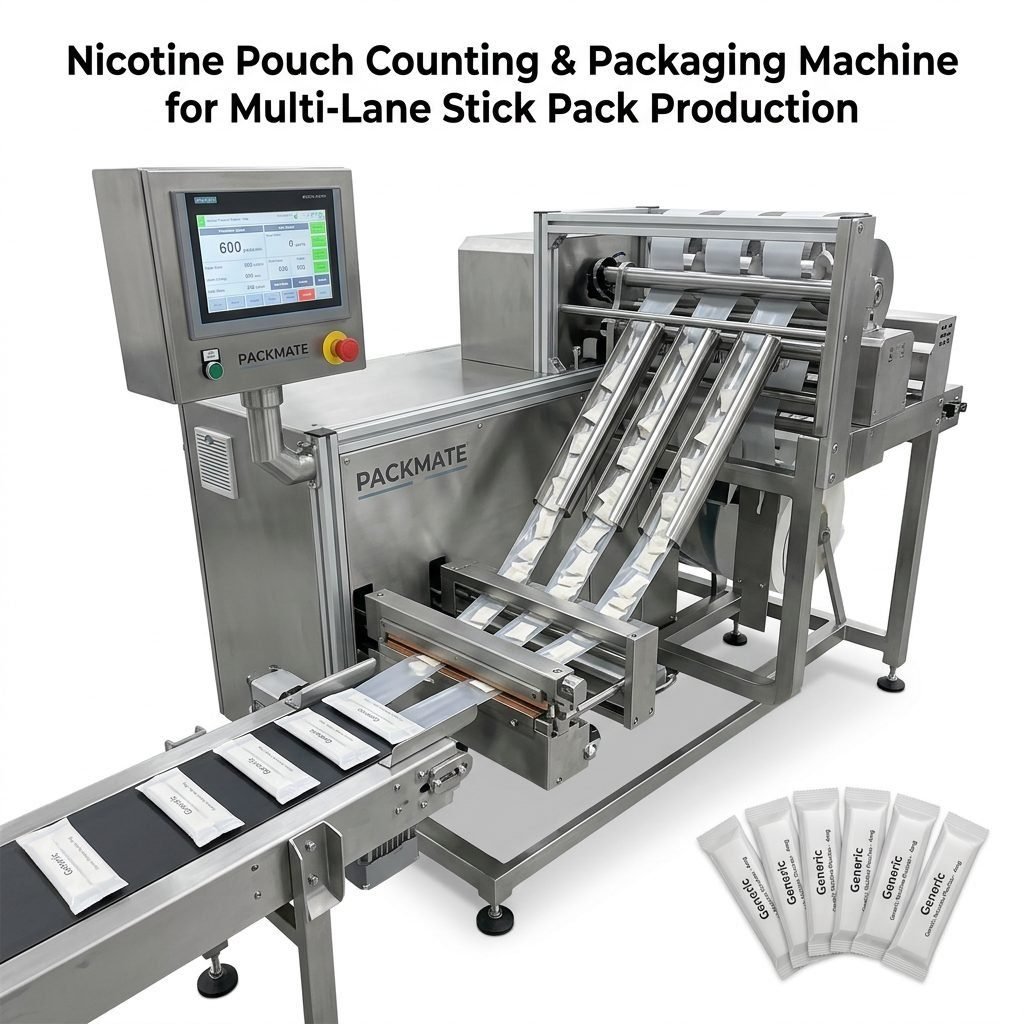
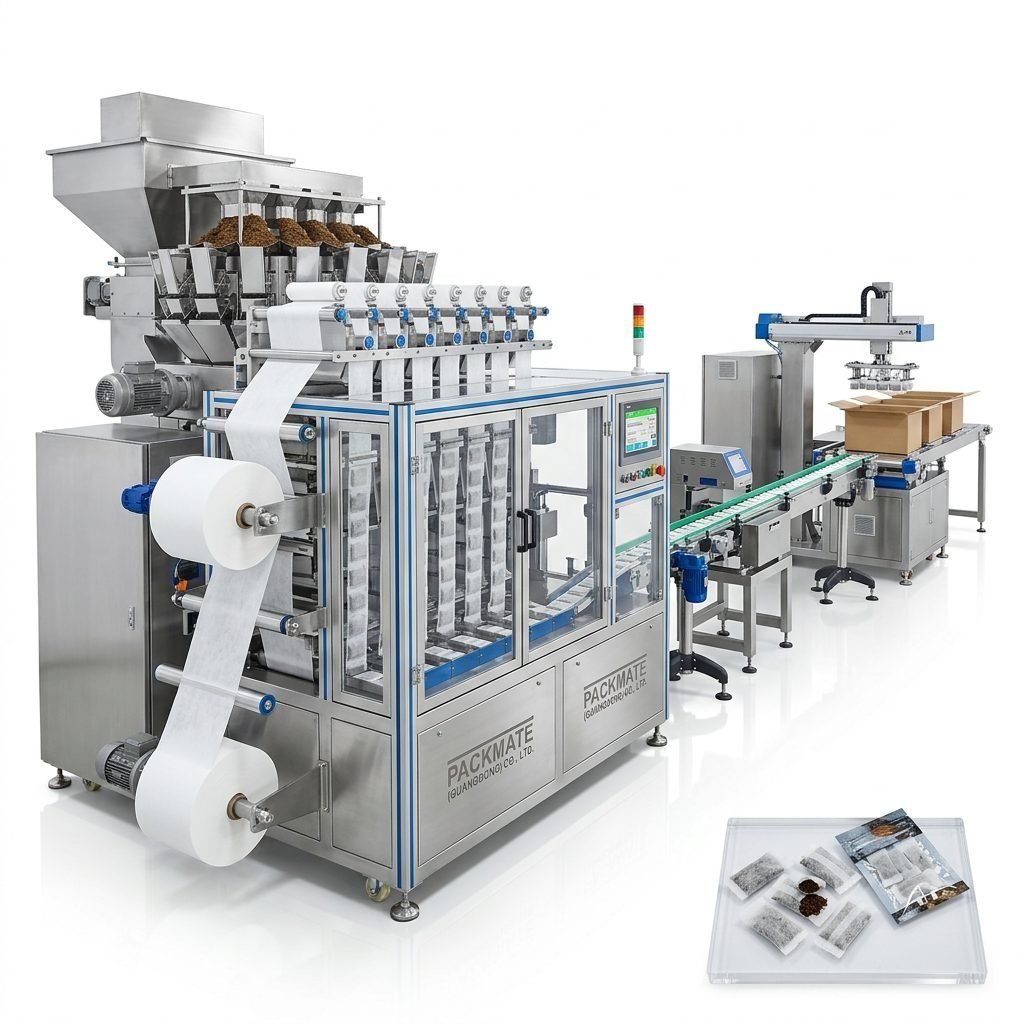
Multi-Lane Snus & Nicotine Pouch Machines
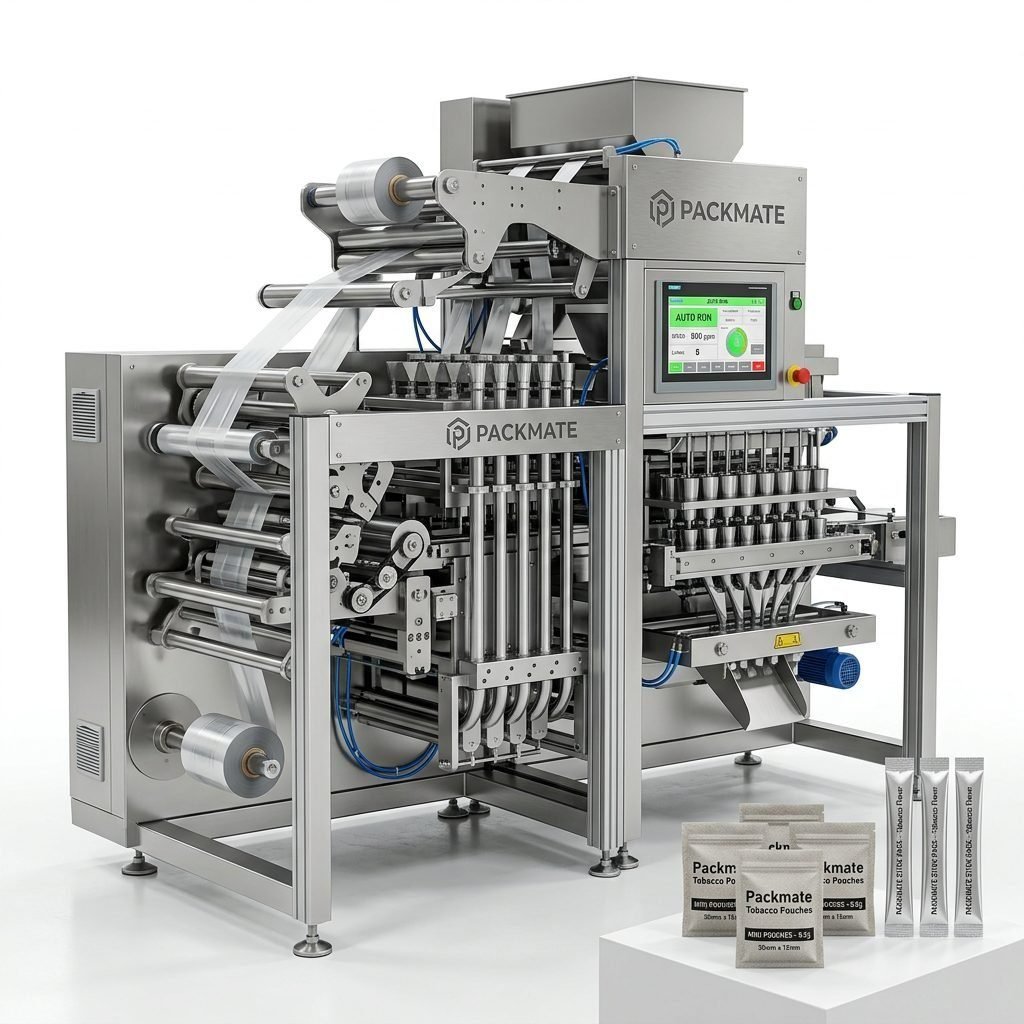
Multi-lane machines deliver volume through parallel lanes and are suited for producers targeting regional distribution. They can dramatically increase throughput without an equivalent increase in footprint. Ensure the machine’s lane count aligns with your production forecasts to avoid underutilization.
Auxiliary Equipment and Complete Lines
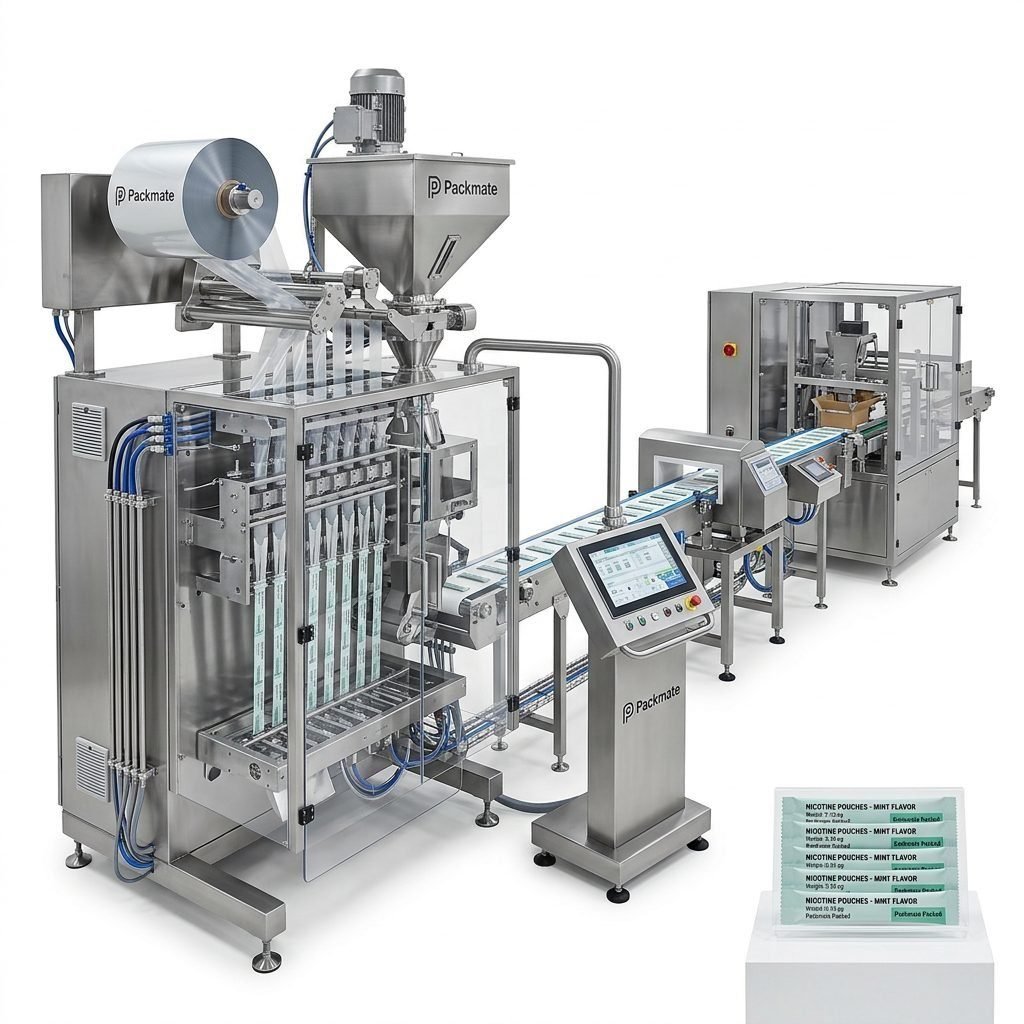
For turn-key operations, integrate weighing systems, conveyors, packaging feeders, and end-of-line case packers. A cohesive line reduces manual handling, improves product consistency, and eases quality control. Explore integrated lines like filling & packaging lines and weighing & packaging systems to streamline operations.
Technical Specifications to Prioritize
When comparing models, focus on engineering features that translate to uptime and consistent product quality:
- Servo-driven controls for precise speed and synchronization.
- Easy-access CIP-compatible components for hygienic cleaning where applicable.
- PLC and HMI systems with local language support and remote diagnostics.
- Modularity for future expansion (lane additions, extra fillers).
Important: Machines with international certifications like CE or ISO typically assure better safety and compatibility with export regulations.
Performance Metrics: Speed, Accuracy, and Yield
Evaluate machines by real-world metrics:
• Speed vs. product sensitivity: High speed is valuable, but nicotine pouch seals and particulate handling require gentle, precise dosing to avoid product loss.
• Fill accuracy: Reduces waste and ensures regulatory compliance for nicotine content per pouch.
Supplier Selection: More Than Just Price
Selecting the right original equipment manufacturer (OEM) is as important as the machine model. Look for suppliers with proven experience in snus packaging and a global service footprint. For example, Packmate Snus Machine has over 30 years of engineering experience and offers specialized snus and nicotine packaging machines designed for multi-lane and small-dose pouch production. Explore their product lines and certifications to confirm they fit your operational needs.
Consider these supplier criteria:
- After-sales support: On-site commissioning, training, and spare parts availability are essential for island operations.
- Factory capability: A sizeable manufacturing facility and CNC-equipped plant indicate robust production and parts quality.
- References and case studies: Ask for customer references and showrooms or exhibition demos where possible.
Logistics, Installation and Commissioning in Fiji
Shipping to Fiji can add time and cost. Confirm the supplier’s experience in packing machinery export and whether they can handle customs clearance, documentation, and inland transport. A supplier who offers installation and commissioning services on-site will shorten startup time and reduce teething problems.
Training & Documentation
Comprehensive operator and maintenance training is critical. Demand machine manuals, electrical diagrams, and recommended spare parts lists. Remote support through PLC/HMI access or video guidance can be invaluable for fast troubleshooting in remote locations.
Cost Considerations and Return on Investment
Total cost of ownership (TCO) includes purchase price, shipping, installation, spare parts, energy consumption, and downtime risk. Prioritize long-term reliability over initial low cost — a slightly higher upfront investment in a durable machine often yields better ROI through reduced maintenance and higher uptime.
Tip: Calculate payback period by estimating increased throughput and reduced labor costs after automating manual packaging steps.
Quality, Safety and Regulatory Compliance
Food and pharmaceutical-grade production demands compliance with relevant standards. Ensure machines have sanitary design options, easy-to-clean surfaces, and meet international certifications where applicable.
Suppliers with CE and ISO certificates demonstrate adherence to international safety and quality management systems — an advantage when exporting to other markets.
Real-World Procurement Checklist
Use this checklist to weigh your options:
- Define product types, formats, and daily throughput goals.
- Confirm ambient conditions and power availability on-site.
- Request machine references, factory photos, and testing videos.
- Verify availability of spare parts and average lead times.
- Ensure supplier offers training, commissioning, and after-sales support.
- Compare warranties, service contracts, and optional support plans.
Where to Explore Proven Solutions
For product lines and machine specifications, check categories like Snus & Nicotine Packaging Machines, Sachet & Stick Pack Machines, and Filling & Packaging Lines. Visit the manufacturer’s About page for company credentials and exhibition appearances to assess their global reputation.
If you want proof of performance, review real customer installations in the Case section and consider contacting the supplier directly through their Contact Us page for tailored quotations.
Final Steps Before Purchase
Run acceptance tests and require a FAT (Factory Acceptance Test) or SAT (Site Acceptance Test) clause in the contract. Confirm spare parts kits, recommended maintenance intervals, and any local representation or partners who can provide rapid support in Fiji.
Bottom line: Prioritize machine reliability, modularity, and supplier support to ensure consistent production and minimize downtime in Fiji’s unique operating environment.
Common Procurement Pitfalls to Avoid
Avoid purchasing purely on price, neglecting local service options, or skipping commissioning and operator training. Machines without spare parts availability or remote diagnostics can lead to prolonged downtime and hidden long-term costs.
Quick Decision Roadmap
1) Define product and annual volume. 2) Shortlist machines by format and lane count. 3) Request demos, FAT videos, and references. 4) Confirm logistics, installation, and spare parts. 5) Negotiate training and warranty terms.
Useful Links
Explore full equipment ranges and services: Bag & Pouch Packaging Machines, Auxiliary Packaging Equipment, and the company About Packmate page for credentials and factory capabilities.
FAQs: Common Questions When Buying Snus Packaging Machinery in Fiji
Q1: What machine type best suits small-batch nicotine pouch production in Fiji?
A1: A compact multi-lane snus or sachet machine with flexible dosing and easy changeovers is typically ideal for small-batch production and flavor variety.
Q2: How important are international certifications for snus packaging equipment?
A2: Certifications like CE and ISO indicate compliance with safety and quality standards and are valuable when exporting or meeting regulatory audits.
Q3: What guarantees should a supplier provide for shipments to Fiji?
A3: Insist on clear delivery schedules, packing standards for sea freight, a warranty that covers key components, and documented spare parts lead times.
Q4: Is remote support useful for operations in Fiji?
A4: Yes. Remote PLC/HMI access, video troubleshooting, and fast spare-parts shipping arrangements substantially reduce downtime risks in island locations.
Q5: How can I validate a supplier’s claims before purchase?
A5: Request FAT videos, customer references in similar climates or markets, factory photos, and concrete uptime statistics. Visiting exhibitions or supplier trade shows is also highly recommended.