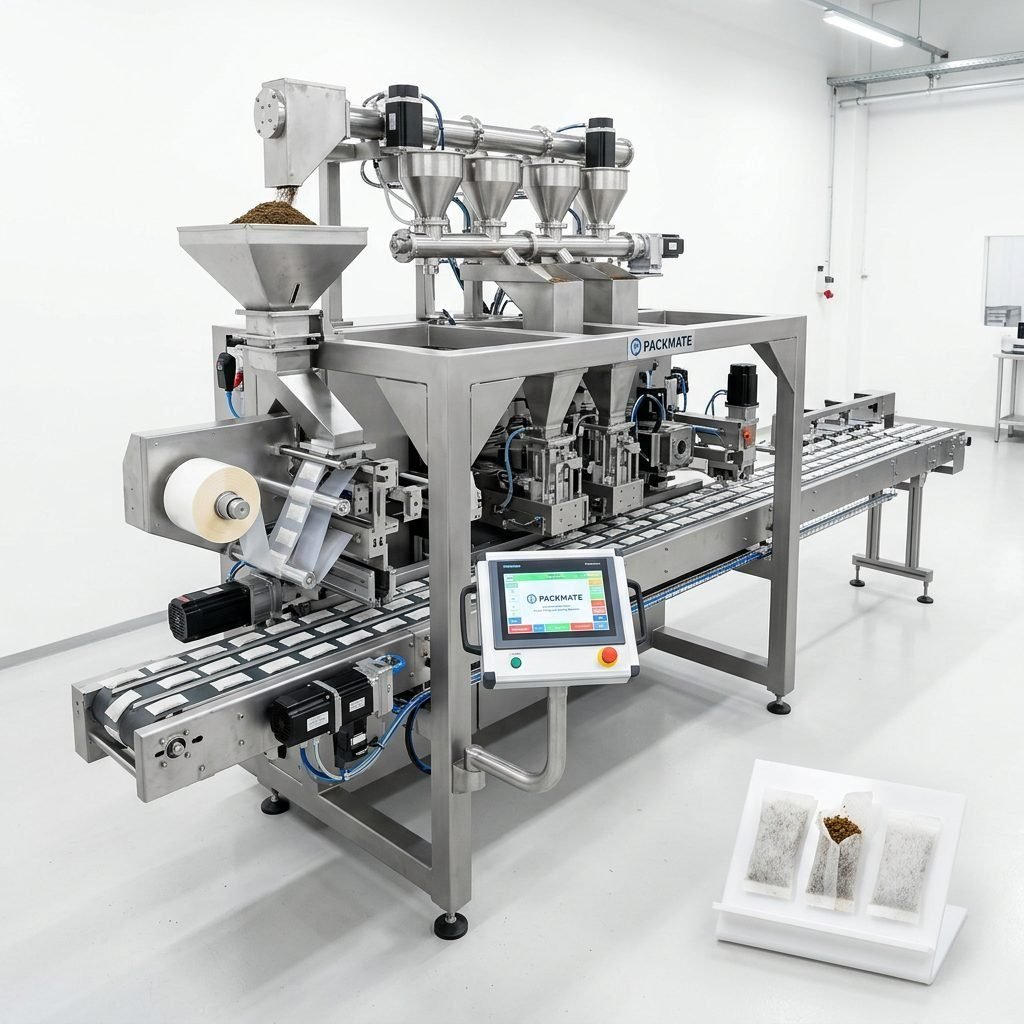
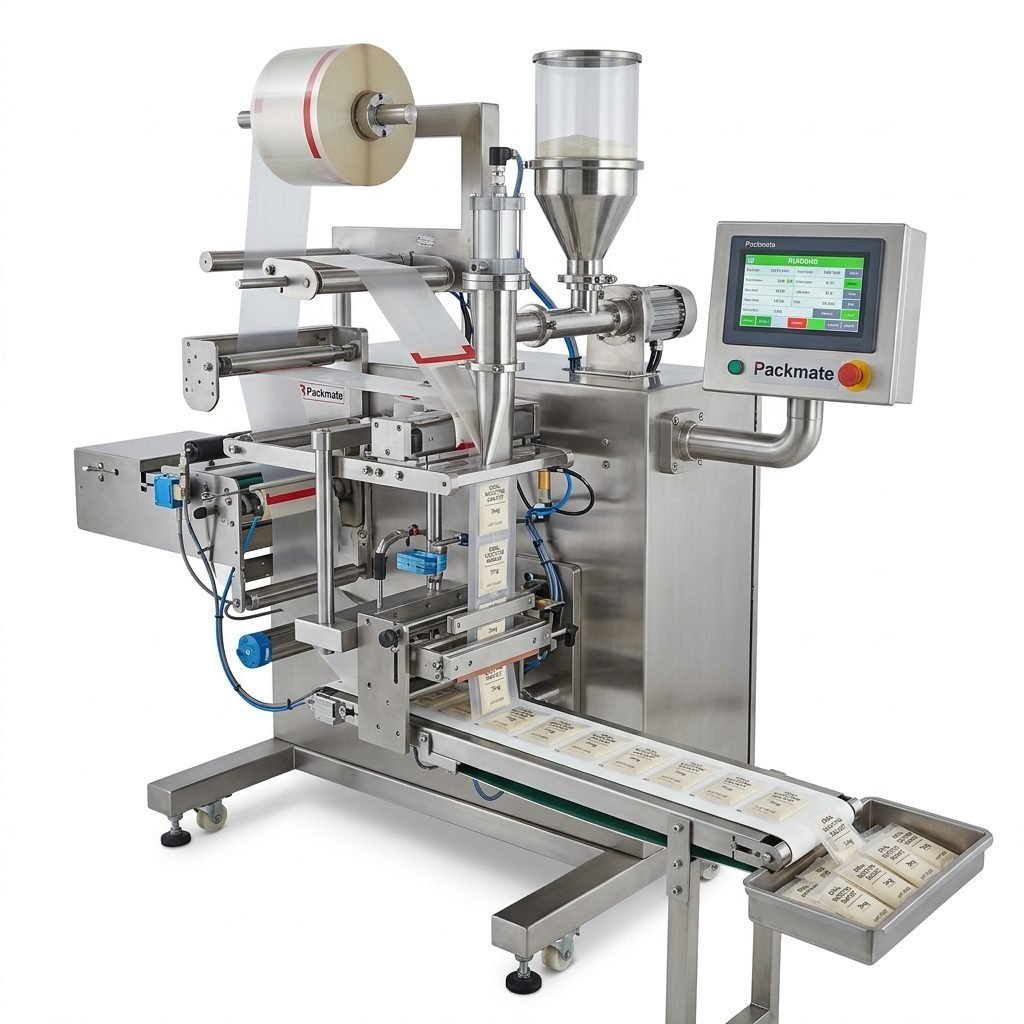
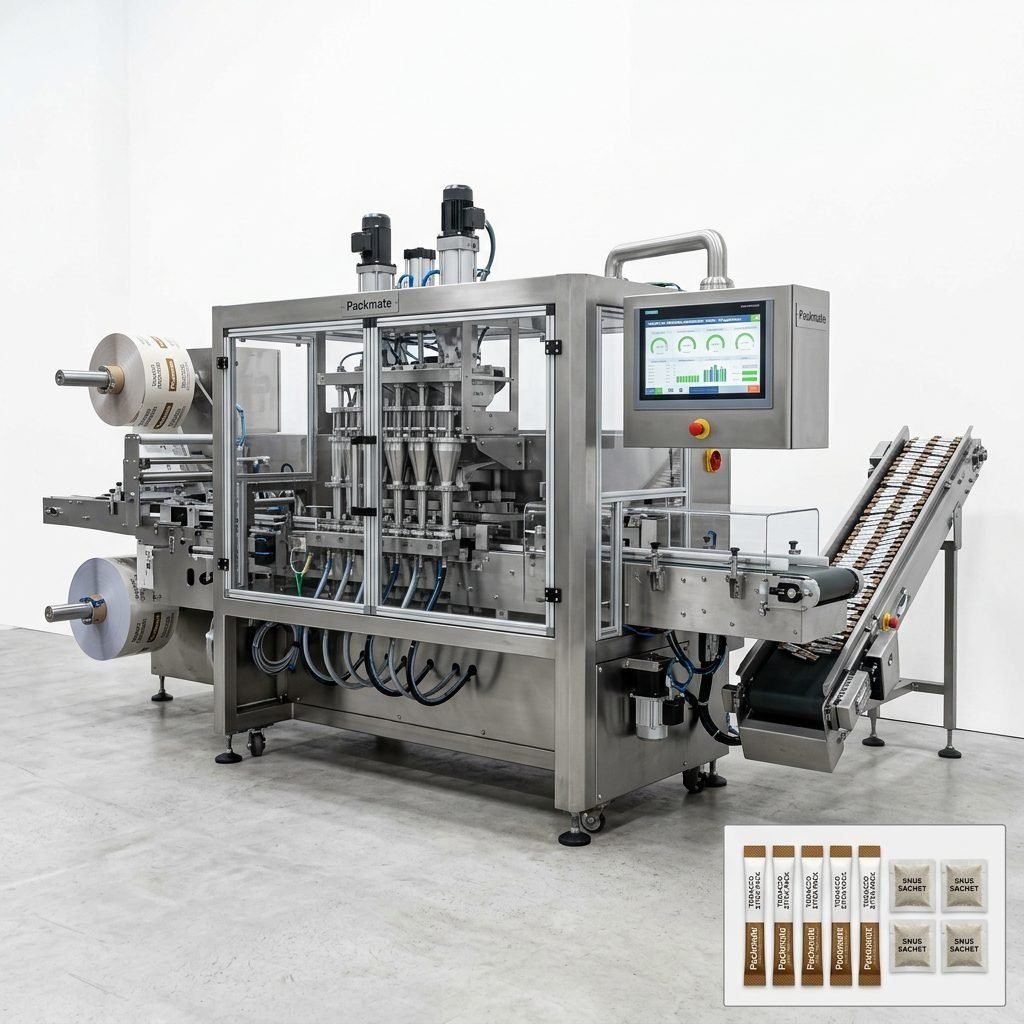
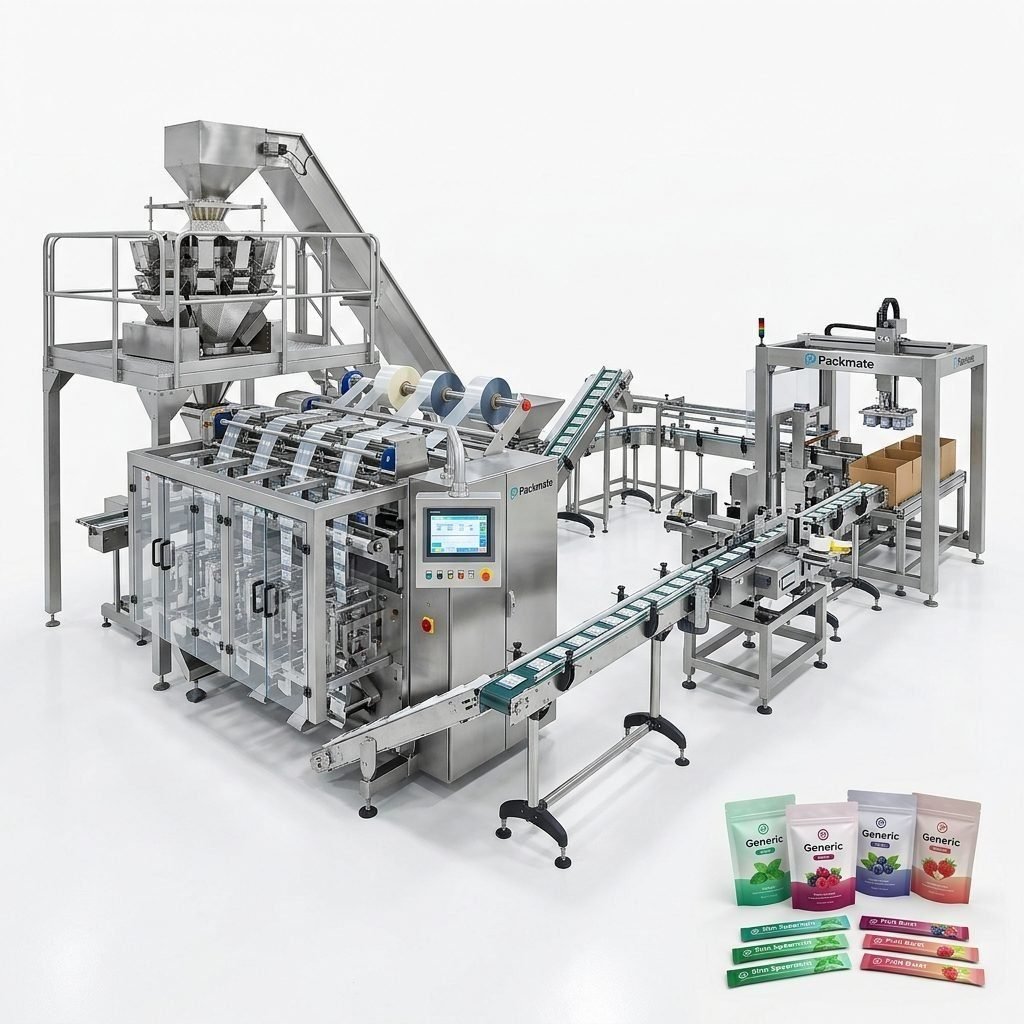
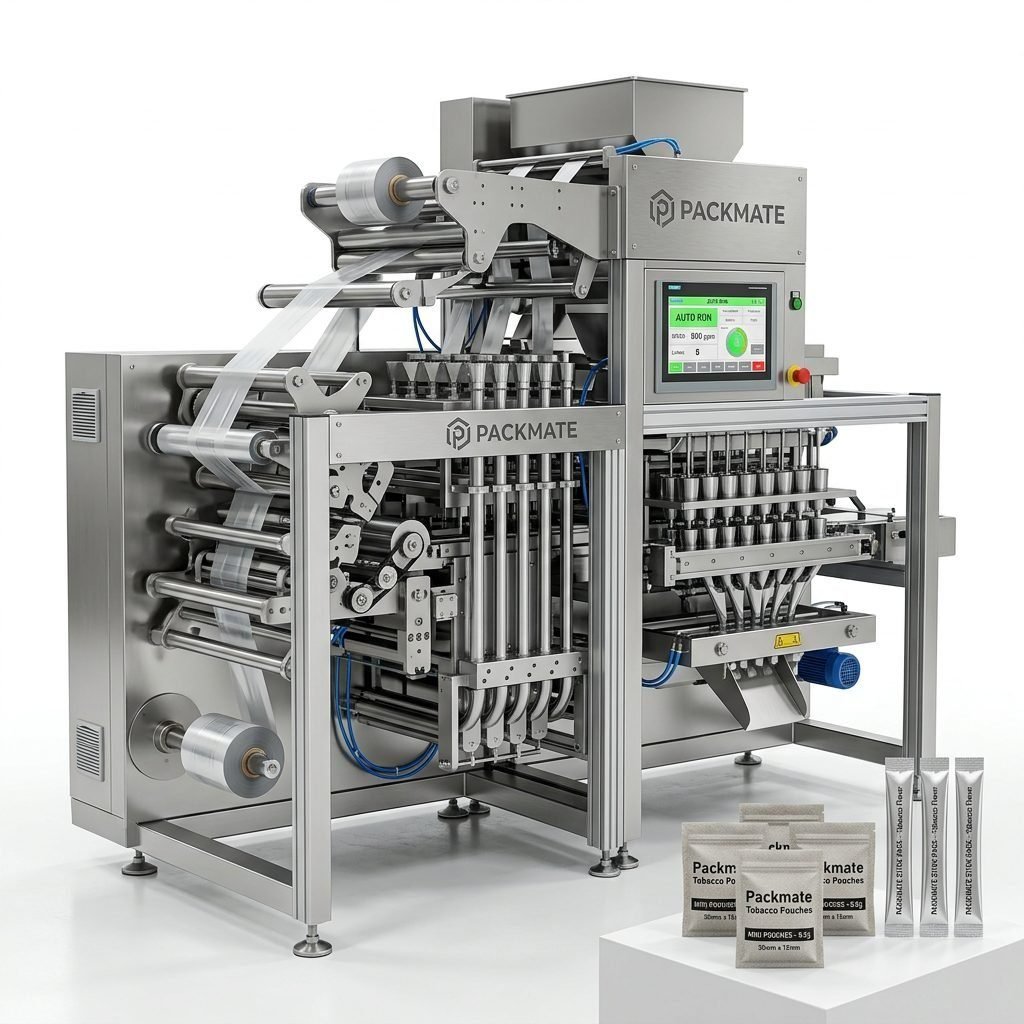
Choosing the right supplier for nicotine packaging machines in Croatia is a business-critical decision that affects product quality, regulatory compliance, production efficiency, and long-term cost. Whether you are a startup exploring nicotine pouches or an established manufacturer expanding capacity, understanding how to evaluate suppliers will help you minimize risk and maximize ROI. This guide walks you through the practical steps, local considerations for the Croatian market, and technical checkpoints to make a confident selection.
Why the Supplier Choice Matters
A packaging machine supplier is more than a vendor: they become your partner in production. Machines for snus and nicotine pouches require precision, stable dosing, and gentle handling to preserve product integrity. Choosing an experienced manufacturer ensures you get reliable equipment, effective after-sales care, and access to upgrades that keep your line competitive.
📌 Tip: Look for suppliers with documented experience in snus and nicotine pouch packaging — they will better understand dosing, pouch sealing, and multi-lane production needs.
Key Criteria to Evaluate Nicotine Packaging Machine Suppliers
1. Proven Industry Experience and Product Range
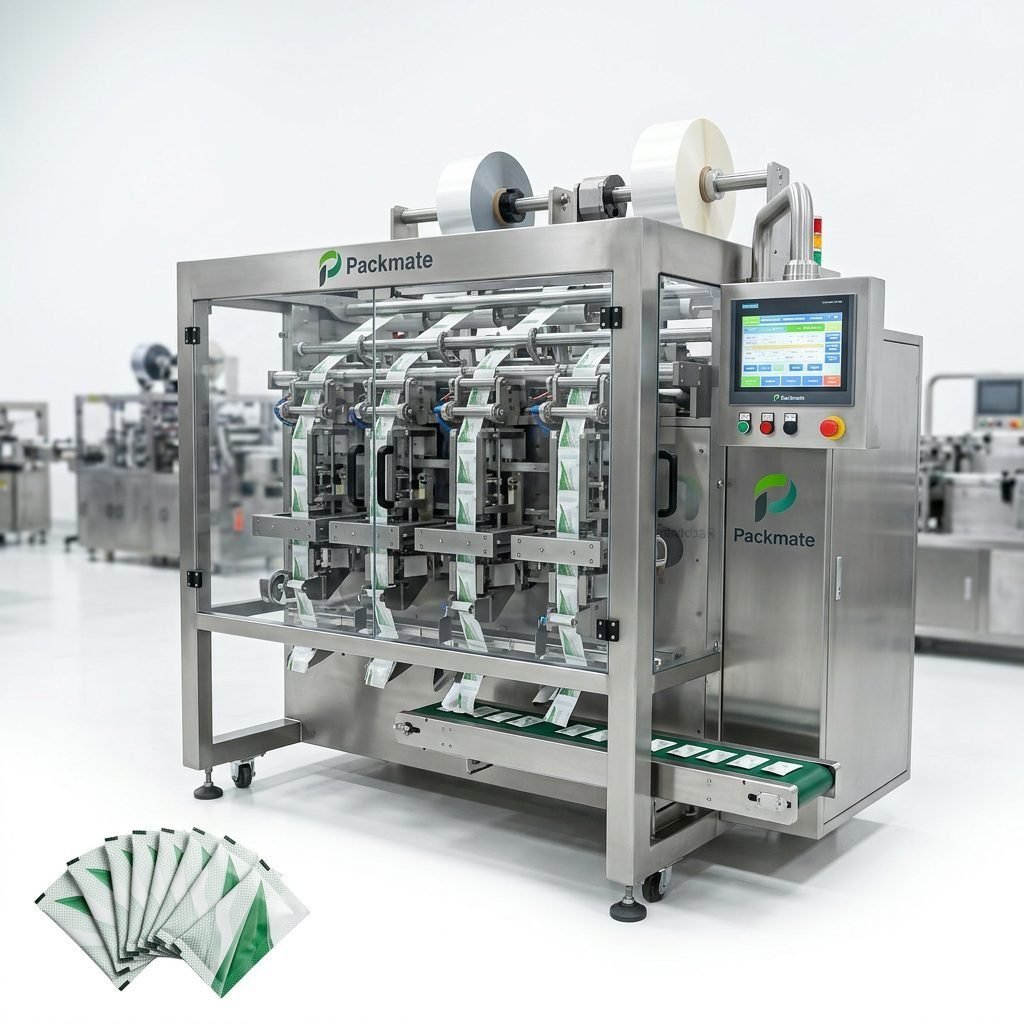
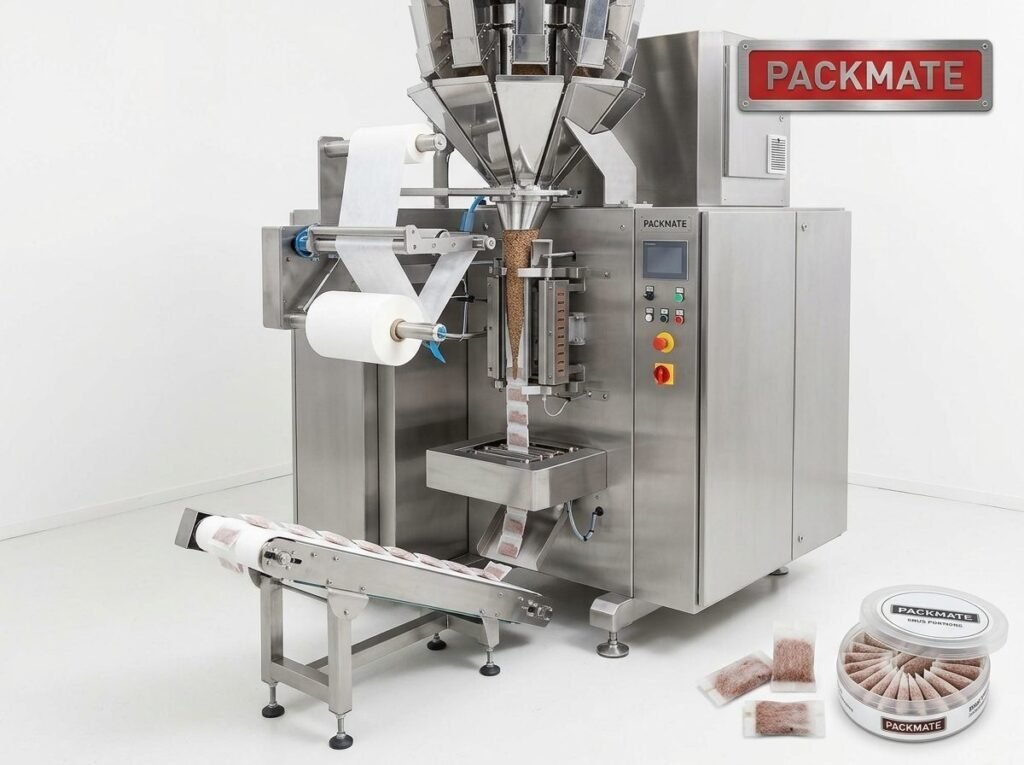
Long-standing engineering experience matters. Suppliers with decades in packaging engineering typically offer finely tuned machines. Check whether the supplier provides a range of machines — from stick pack and sachet machines to multi-lane snus systems — so you can scale or diversify without swapping vendors. For example, established manufacturers often list product lines such as Snus & Nicotine Packaging Machines and Sachet & Stick Pack Machines that demonstrate technical breadth.
2. Manufacturing Capacity and Quality Control
A modern factory with CNC machining centers, precision assembly lines, and systematic testing is a strong indicator of consistent product quality. Ask about factory area, production throughput, and quality assurance processes. Suppliers with on-site testing allow you to witness full-line trials and verify performance before shipment.
🔧 Factory Strength: A 20,000㎡ production facility with advanced CNC equipment typically supports rapid customization and reliable lead times.
3. Certifications and Compliance
Machines intended for the European market should comply with international safety and quality standards (CE, ISO). Confirm the supplier’s certificates and request copies. Compliance is essential when importing to Croatia and for meeting local health and safety regulations in production facilities.
4. Technical Performance: Speed, Accuracy, and Flexibility
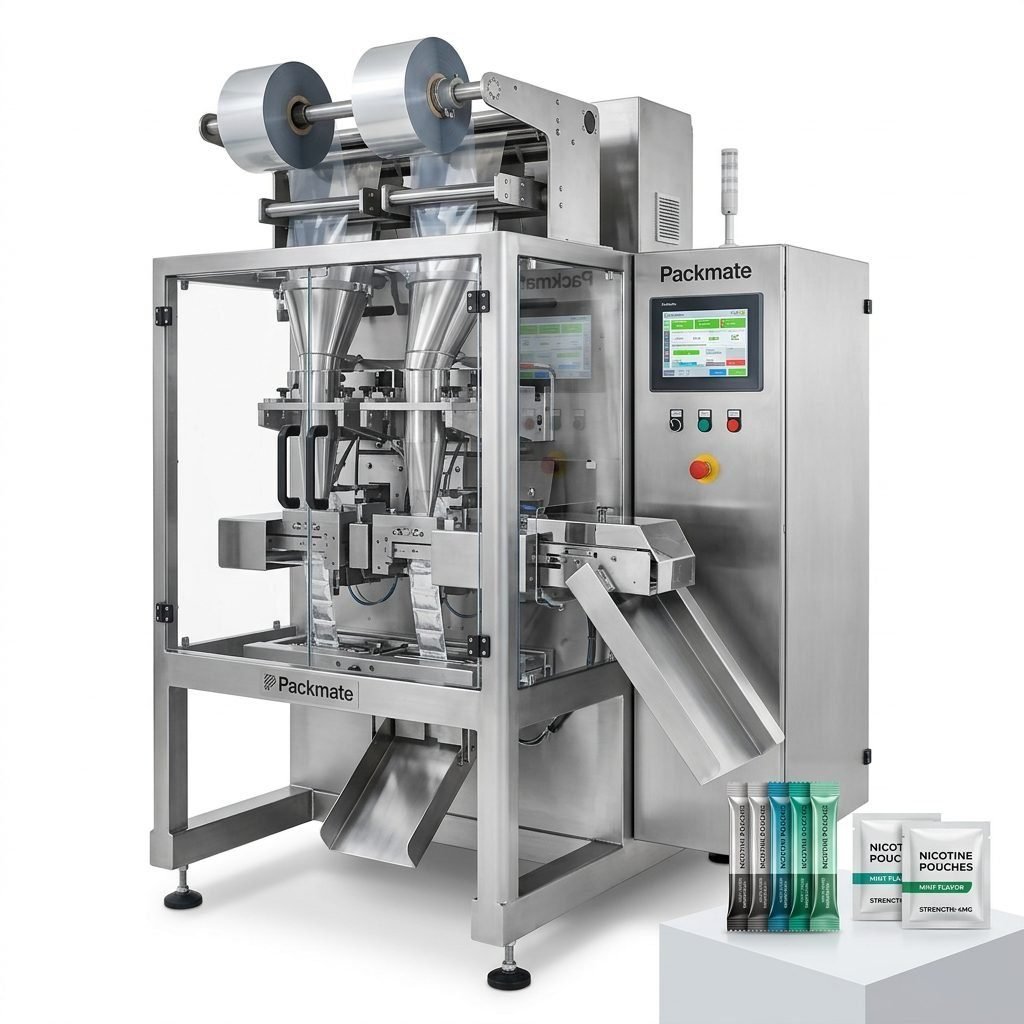
Evaluate machines on throughput (packs per minute), dosing accuracy (critical for nicotine pouches), and format flexibility. Multi-lane configurations are often used in Europe to achieve high output without compromising small-dose pouch consistency. Ask for technical datasheets and real-world performance metrics.
5. Customization and Turnkey Solutions
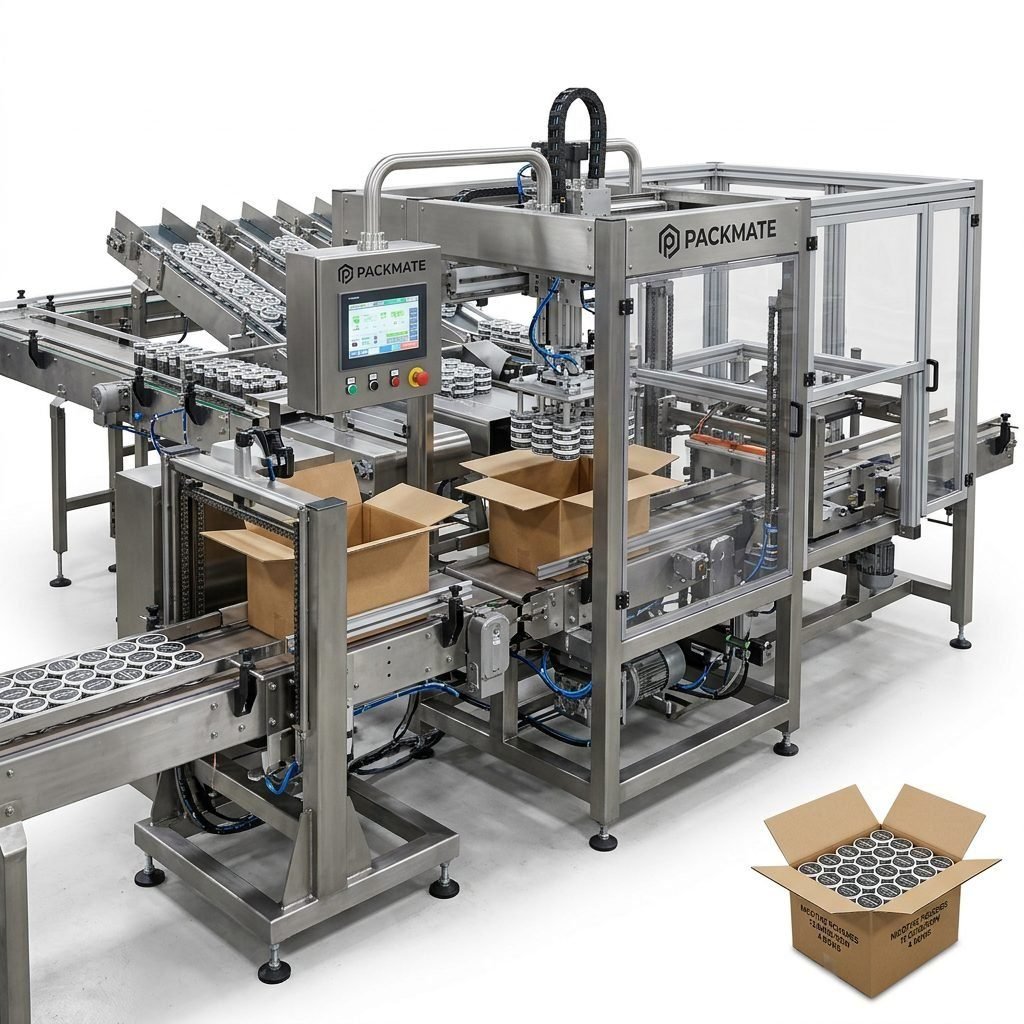
Your product size, pouch materials, printing, and secondary packaging needs will determine whether a standard machine fits or a customized line is required. Suppliers that offer full turnkey solutions — integrating filling, weighing, pouch forming, and case packing — reduce integration risk and save time. View supplier case studies to see examples of complete lines in operation, such as those shown in their Case portfolio.
After-Sales Support, Parts, and Local Service
After-sales service is where many operators succeed or struggle. For continuous nicotine pouch production, downtime is costly. Determine the supplier’s spare parts availability, service response times, and whether they offer remote diagnostics, field engineers, or local partners in Europe. Verify warranty terms and the availability of consumables and wear parts.
⚠️ Do not overlook: the expected lead time for replacement parts and whether the supplier holds critical spare components in regional warehouses.
Price vs Total Cost of Ownership (TCO)
The cheapest upfront price may lead to higher long-term costs. Consider energy consumption, uptime, maintenance ease, spare-part pricing, and upgrade paths. A slightly higher-cost machine with better durability and lower energy use will often deliver a better TCO for Croatian production facilities where labor and energy costs matter.
Local Considerations for Croatia
Croatia is a member of the European Union, which influences regulatory and commercial expectations. Keep these local points in mind:
- Regulatory environment: Traditional snus sales are restricted across much of the EU, so verify whether your product (nicotine pouches vs. snus) is permitted for sale in Croatia and what labeling and tax rules apply.
- Language & packaging: Croatian consumers and local authorities expect labeling in Croatian. Ensure your supplier can accommodate printing and labeling systems that support localized artwork and multi-language requirements.
- Market patterns: Croatia’s strong tourism and café culture may increase demand for travel-friendly pouch formats and high-quality finished packaging aesthetics.
- Logistics: Ports like Rijeka and road links to EU markets make machine import and finished-product export manageable — but coordinate with suppliers experienced in European shipping and customs.
Factory Visit and Factory Acceptance Test (FAT)
Whenever possible, schedule a factory visit or request a Factory Acceptance Test. A FAT demonstrates machine capability under real production conditions and allows you to confirm packaging speed, pouch integrity, dosing accuracy, and integration with upstream/downstream equipment. If travel is difficult, request a live video demo and a sample production run shipped for inspection.
Technical Questions to Ask Potential Suppliers
Prepare a focused list of questions before contacting suppliers. Key questions include:
📌 Sample checklist: What is the machine’s maximum speed per lane? What dosing accuracy can you guarantee? Do you offer CE/ISO certificates? Are spare parts stocked in Europe? Can you provide references for nicotine pouch lines?
References, Case Studies and Third-Party Feedback
Ask for case studies demonstrating real-world lines producing nicotine pouches or snus. References from European customers are valuable because they reflect logistics, local compliance, and after-sales service. Check online reviews and request contact details for existing clients if possible. The supplier’s published case examples are often accessible in their portfolio — explore their Case section to see real installations.
Contract Terms, Warranties and Training
Carefully review the purchase contract. Warranties should be clearly defined, and training packages for operators and maintenance staff should be included or available. Insist on detailed documentation (electrical drawings, spare-parts lists, maintenance schedules) and on-site or remote training sessions to ensure your team can run the line smoothly.
Logistics: Shipping, Installation and Commissioning in Croatia
Discuss shipping terms (EXW, FOB, CIF), customs clearance support, and installation timelines. Reliable suppliers provide installation, commissioning, and performance validation on-site. Have your facility ready with proper power supply, compressed air, and floor load specifications to avoid delays.
How to Compare Final Proposals
When proposals arrive, compare them on consistent parameters: machine model and specifications, warranty, training, spare parts package, delivery and commissioning schedule, and long-term service options. Normalize prices by including expected energy consumption, spare parts cost, and estimated uptime to determine the real value.
Working with Packmate and Where to Learn More
Experienced suppliers like Packmate (GuangDong) emphasize snus and nicotine pouch expertise, factory capabilities, and turnkey production lines. For more information about product offerings and factory capabilities, review their pages on About Packmate, explore detailed product lines like Snus & Nicotine Packaging Machines, or contact the team directly through their Contact Us page for tailored proposals.
✅ Remember: A strong partnership with your supplier reduces production risk, speeds time-to-market, and helps maintain consistent product quality — essential in the sensitive nicotine pouch space.
Conclusion: Make a Confident, Informed Choice
Selecting the best nicotine packaging machine supplier in Croatia means balancing technical capability, compliance with EU and local requirements, after-sales support, and total cost of ownership. Prioritize suppliers with proven snus/nicotine experience, transparent documentation, factory testing options, and strong references in European markets. By following the checklist and local considerations above, you can minimize surprises and set up a reliable production line that meets both regulatory and consumer expectations.
Frequently Asked Questions
Q1: Are nicotine pouches legal in Croatia?
A1: Rules differ between types of products and are influenced by EU legislation. Traditional snus is restricted in most EU countries, though nicotine pouches occupy a more complex regulatory space. Always consult local authorities or legal counsel to confirm current Croatian regulations before production or sale.
Q2: What certifications should I require from a machine supplier?
A2: For European operations, ask for CE and ISO certifications as a baseline. Also verify machine-specific safety documentation, electrical compliance, and any quality control test reports related to filling accuracy and sealing integrity.
Q3: How important is spare parts availability in Europe?
A3: Very important. Local or regional spare-part stock reduces downtime. Confirm which critical components are kept in regional warehouses or can be expedited quickly from the factory.
Q4: Should I visit the supplier’s factory?
A4: Yes — a factory visit and a Factory Acceptance Test (FAT) give you direct insight into machine performance and build quality. If visiting is not feasible, request a live demo and sample production run documentation.
Q5: How do I ensure packaging is compliant with Croatian labeling requirements?
A5: Work with your supplier and local regulatory advisors to implement labeling systems that support Croatian language and required health or safety statements. Ensure label printing and application modules are compatible with your art files and regulatory text.