Entering the Mongolian market with nicotine pouches or snus requires not only a high-quality production line but also a trusted supplier who understands local business habits, import procedures, and the consumer landscape. This guide helps manufacturing managers, entrepreneurs, and procurement teams evaluate and select the best nicotine packaging machine supplier for your Mongolia-based business.
Understand the Mongolia Context
Mongolia’s market is unique: Ulaanbaatar concentrates the bulk of demand and distribution channels, while the countryside maintains traditional consumption patterns. Urban consumers are increasingly open to alternative nicotine products, and local retailers often favor reliable supply chains and prompt after-sales support. When choosing a supplier, consider not only machine performance but also how quickly parts and service can reach Mongolian customers across sometimes challenging logistics routes.
Cultural & Practical Notes for Doing Business in Mongolia
Business relationships in Mongolia often rely on trust and long-term partnerships. Face-to-face meetings, product demonstrations at trade shows, and clear documentation (in English or Russian/Mongolian translations if possible) boost confidence. Also account for cold winters and dust conditions when specifying machine enclosures, heating, or humidity control for sensitive components.
Key Selection Criteria for a Nicotine Packaging Machine Supplier
Use the following criteria as a checklist when evaluating potential suppliers. Each point affects uptime, product quality, and your ability to scale sales across Mongolia.
🔶 Experience & Product Fit
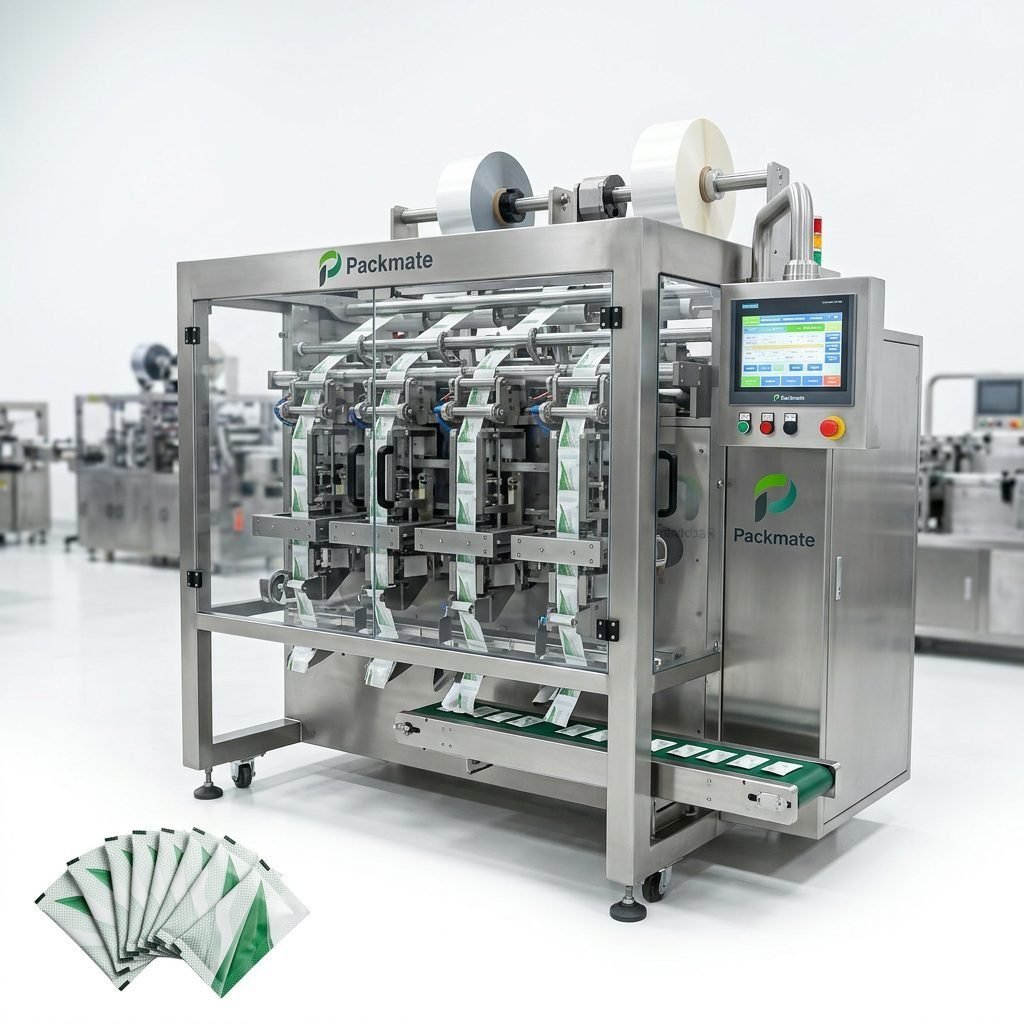
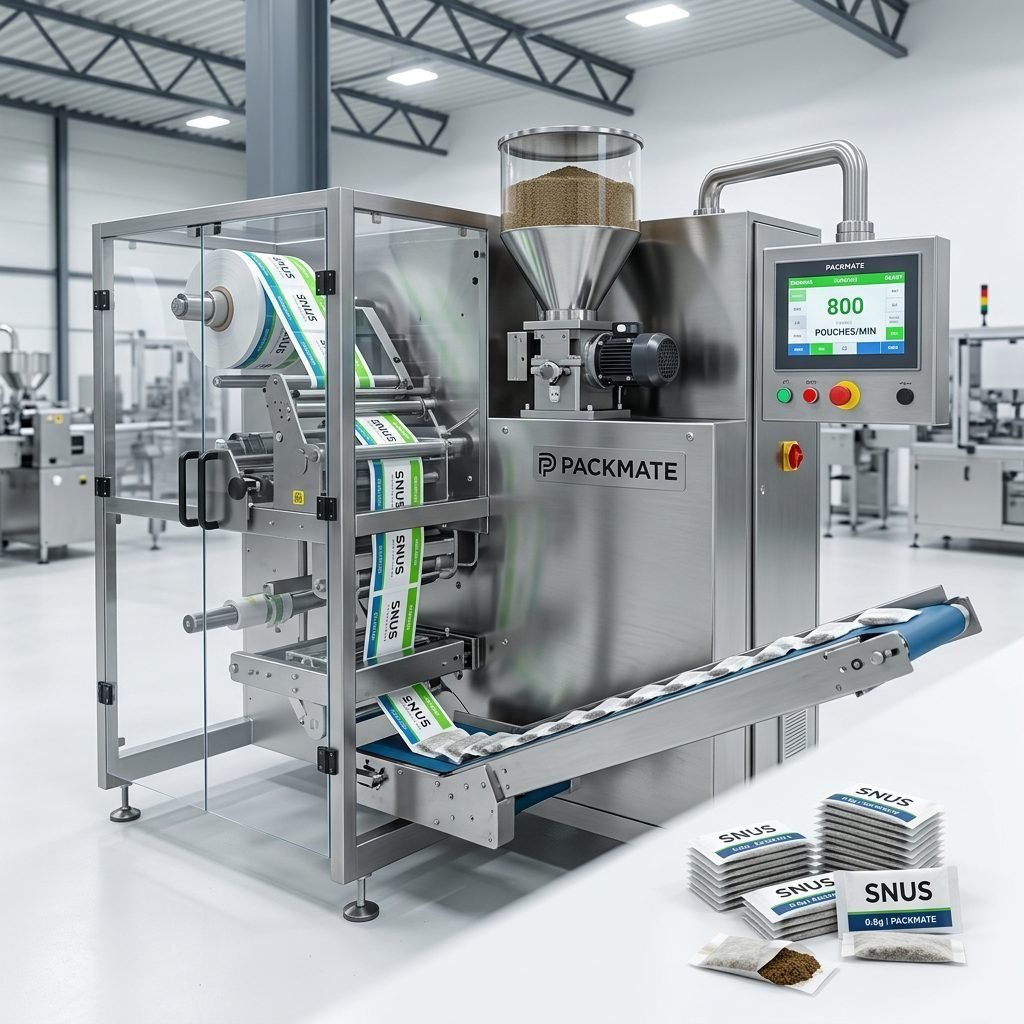
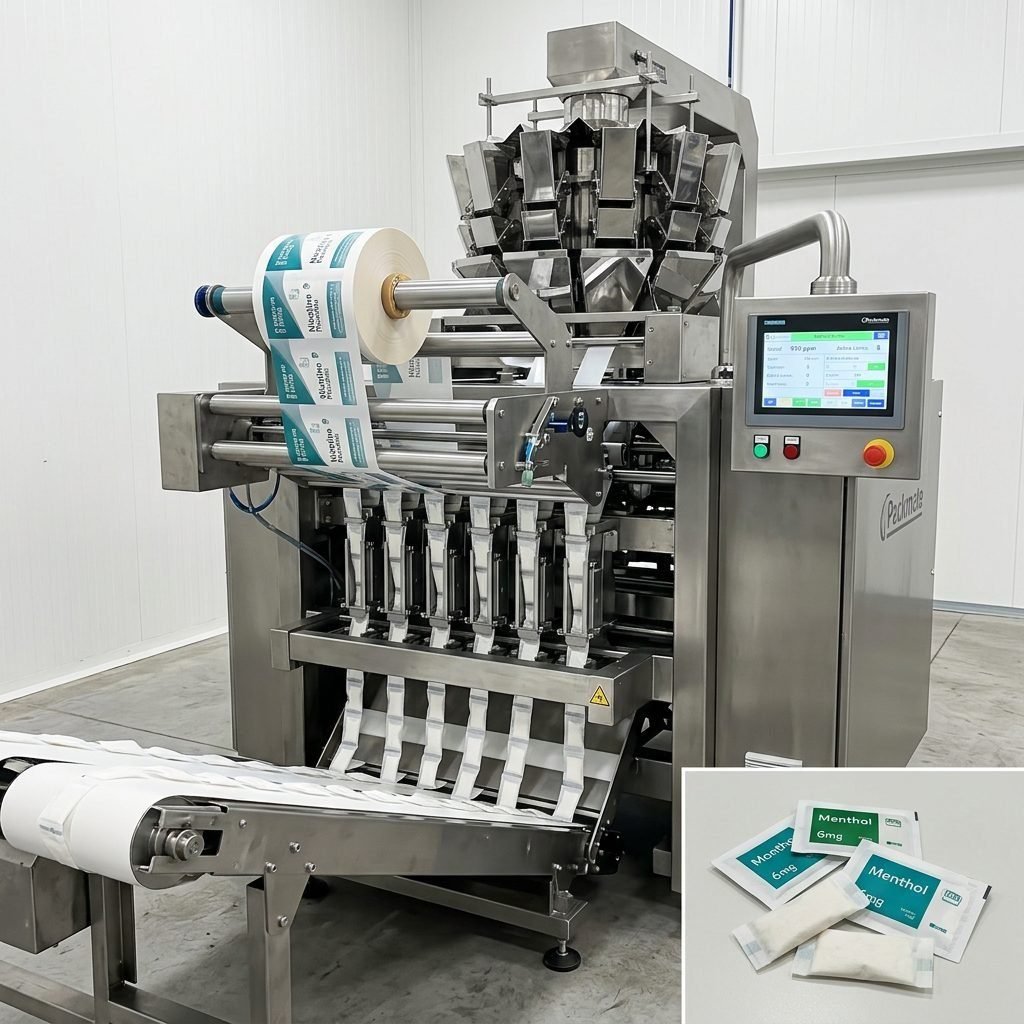
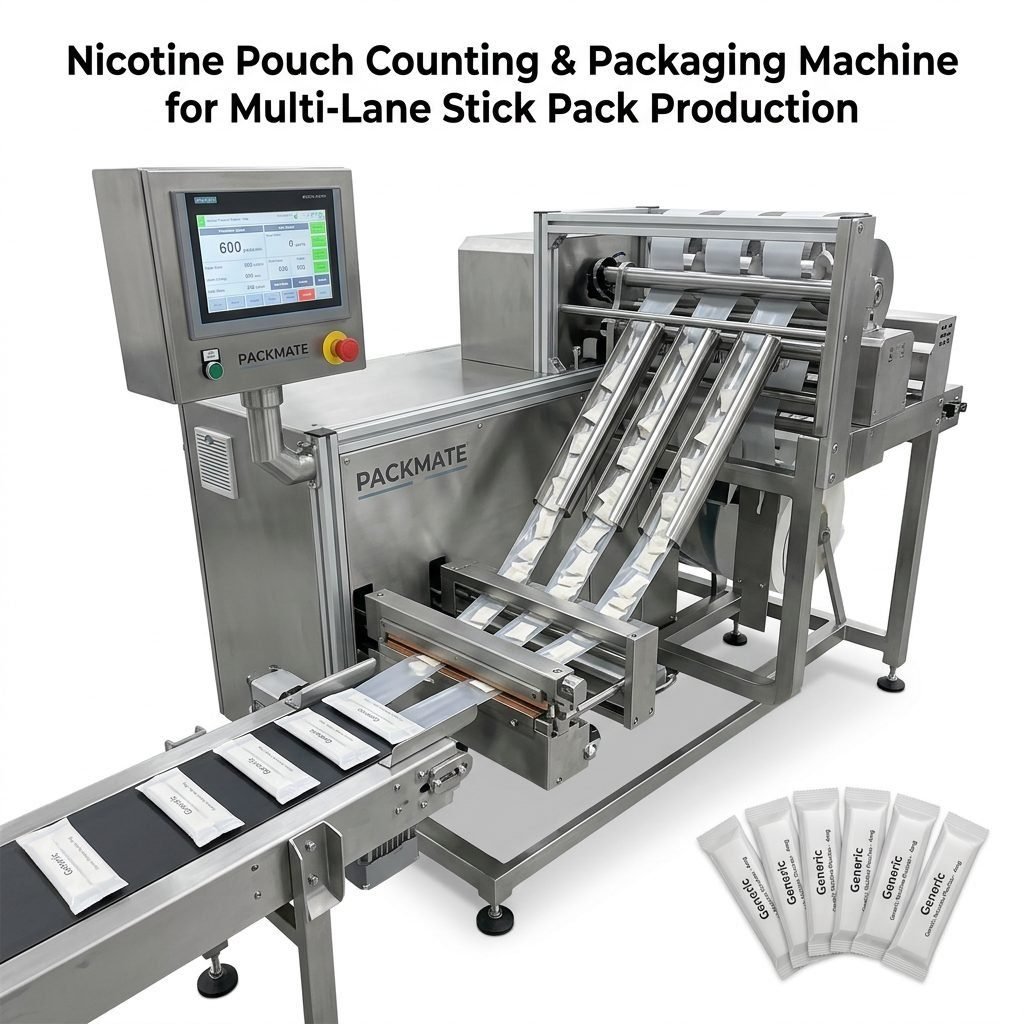
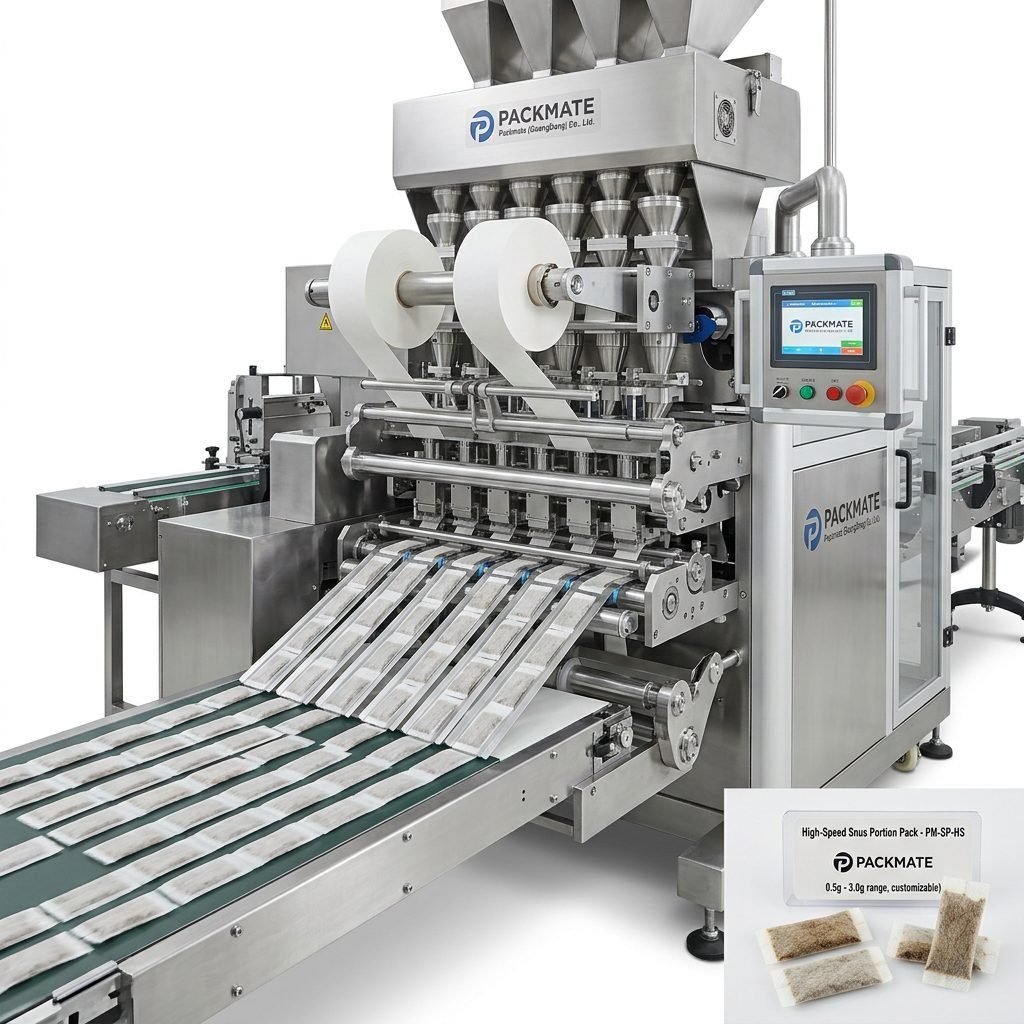
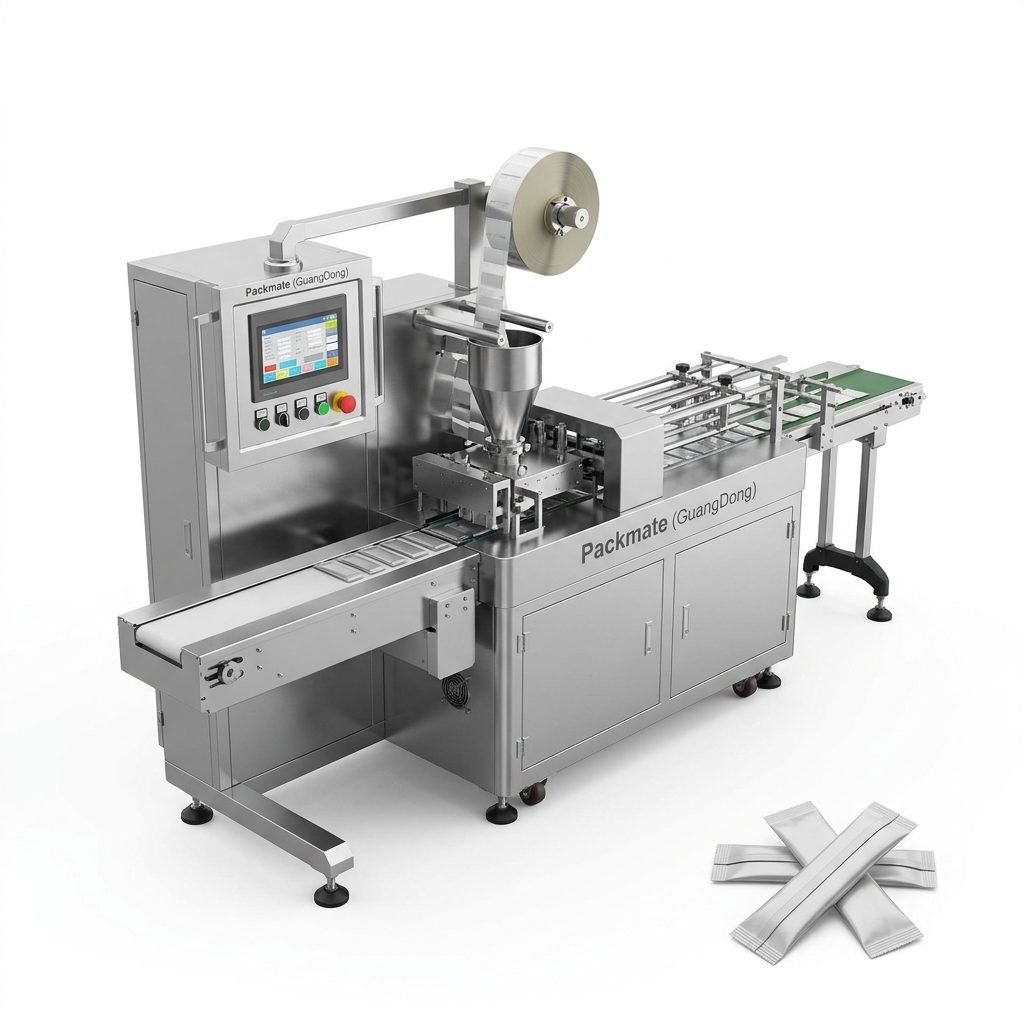
Choose suppliers with proven experience in snus and nicotine pouch lines. Look for multi-lane systems, stick pack and sachet options, and adaptability for small-dose pouches. For example, an established manufacturer with 30+ years of engineering experience and a broad model range can reduce your risk when scaling production.
Machine Performance & Model Variety
Your supplier should offer a portfolio that includes high-speed multi-lane pouch machines as well as single-lane lines for R&D or limited-series production. Verify output rates, sealing consistency, and format-change time. If you plan multiple SKUs, prioritize modular systems that allow quick changeovers without expensive retrofits.
Quality, Certifications & Compliance
Demand international certifications (CE, ISO) and factory test records. Quality certifications indicate consistent manufacturing standards and easier acceptance by Mongolian regulators or private quality auditors. Machines used for consumable nicotine products must meet hygiene and electrical safety norms.
🔶 After-sales Service & Spare Parts Supply
Fast, reliable service matters more than the initial purchase price. Confirm spare parts availability, remote-support capabilities (video troubleshooting, PLC access), and estimated lead times for on-site maintenance. Suppliers with global service networks or clear spare-parts catalogs reduce downtime for Mongolian operations.
Factory Strength & Customization Capability
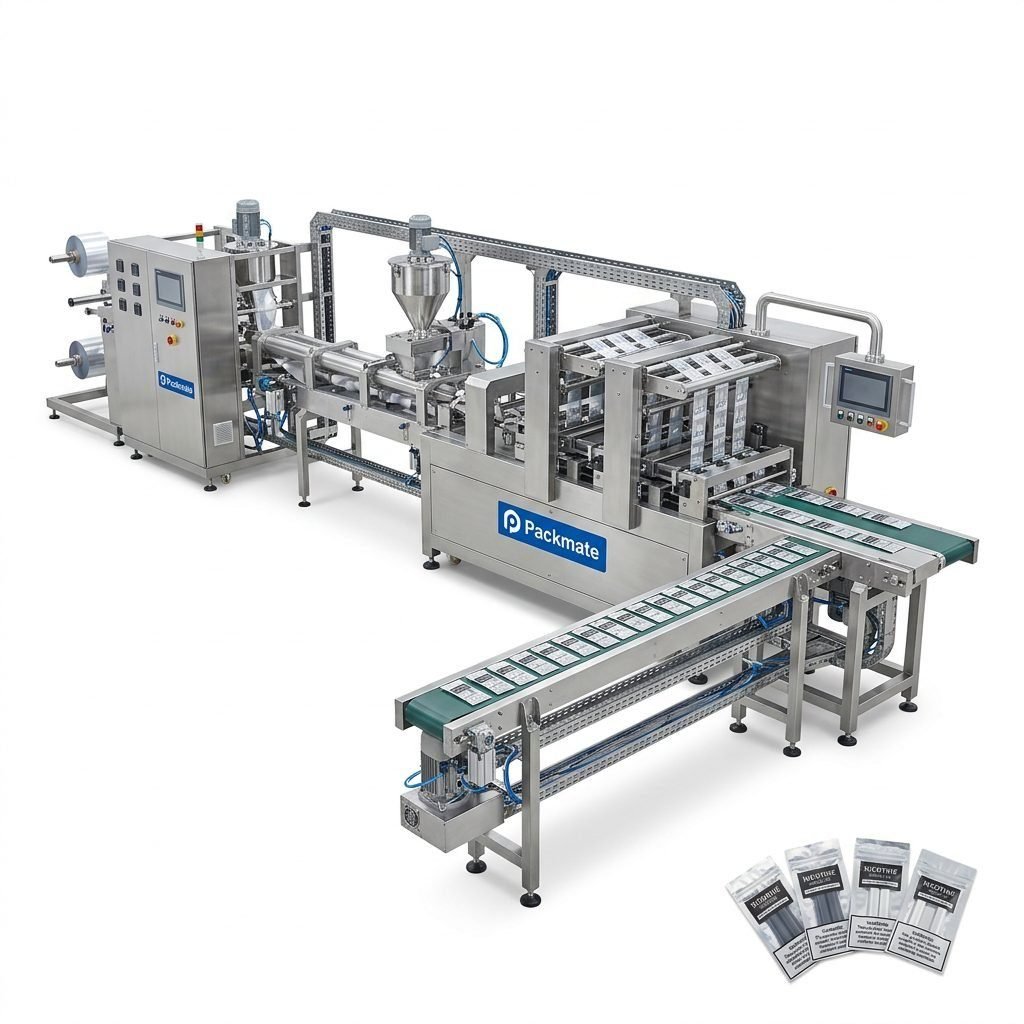
Inspect factory capabilities: CNC centers, precision assembly lines, and clean assembly areas matter for long-term reliability. A supplier offering customized turnkey packaging solutions can adapt modules to local packaging materials or labeling languages common in Mongolia.
Practical Evaluation Steps Before Signing
Don’t base decisions only on brochures or price quotes. Follow an evaluation process that minimizes surprises after installation.
1. Request a Factory Tour or Virtual Demo
Visiting the manufacturer (or arranging a live virtual demonstration) helps verify build quality and allows you to see machines running with product analogues. Ask to view test reports and video of similar nicotine pouch runs.
2. Ask for References & Case Studies
Request customer references in similar climates or logistics environments. Review case studies showing long-term performance, frequent SKU changes, or export to regions with strict compliance. You can explore practical examples and technical specs through manufacturer portfolios and case pages.
Relevant links that help validate supplier credentials: Snus & Nicotine Packaging Machines, Case, and About Packmate.
3. Inspect Electrical, Control & Software Integration
Modern lines use PLCs, HMI touchscreens, and servo-controls. Ensure the supplier provides accessible software, language options, and backup copies of control programs. For Mongolian staff, consider whether the HMI supports English or a familiar language to reduce operator training time.
🔶 Logistics, Customs & Installation in Mongolia
Confirm the supplier’s export experience to Central Asia. Ask for CIF or DDP quotations and support documents for Mongolian customs. Some suppliers assist with local installation partners, reducing coordination time. Clarify if on-site training is included and how many days of support are provided.
Pricing Model & Total Cost of Ownership (TCO)
Look beyond the machine price. Include commissioning, spare parts kits, training, warranty terms, and expected maintenance intervals in your TCO calculations. A slightly higher initial investment can deliver lower downtime and better yields over time.
Financing, Payment Terms & Local Currency Considerations
Negotiate payment schedules that align with production milestones. If paying in foreign currency, assess FX risk against the Mongolian Tugrik (MNT). Suppliers that offer staged payments and documented deliverables reduce financial exposure.
After Sales, Spare Parts & Remote Support
Confirm spare parts lists and average lead times for critical components. Ideally the supplier will ship spare kits with the initial order. Remote monitoring and diagnostic services (video calls, PLC access) shorten troubleshooting time. Check if the supplier offers annual maintenance contracts tailored to Mongolian usage patterns.
Local Partners & Training
Suppliers that provide multilingual technical manuals, training sessions, and certified local technicians can be advantageous. Ask about training handbooks, spare parts catalogs, and follow-up training schedules for new operators.
🔶 Why a Proven Manufacturer Matters — Example
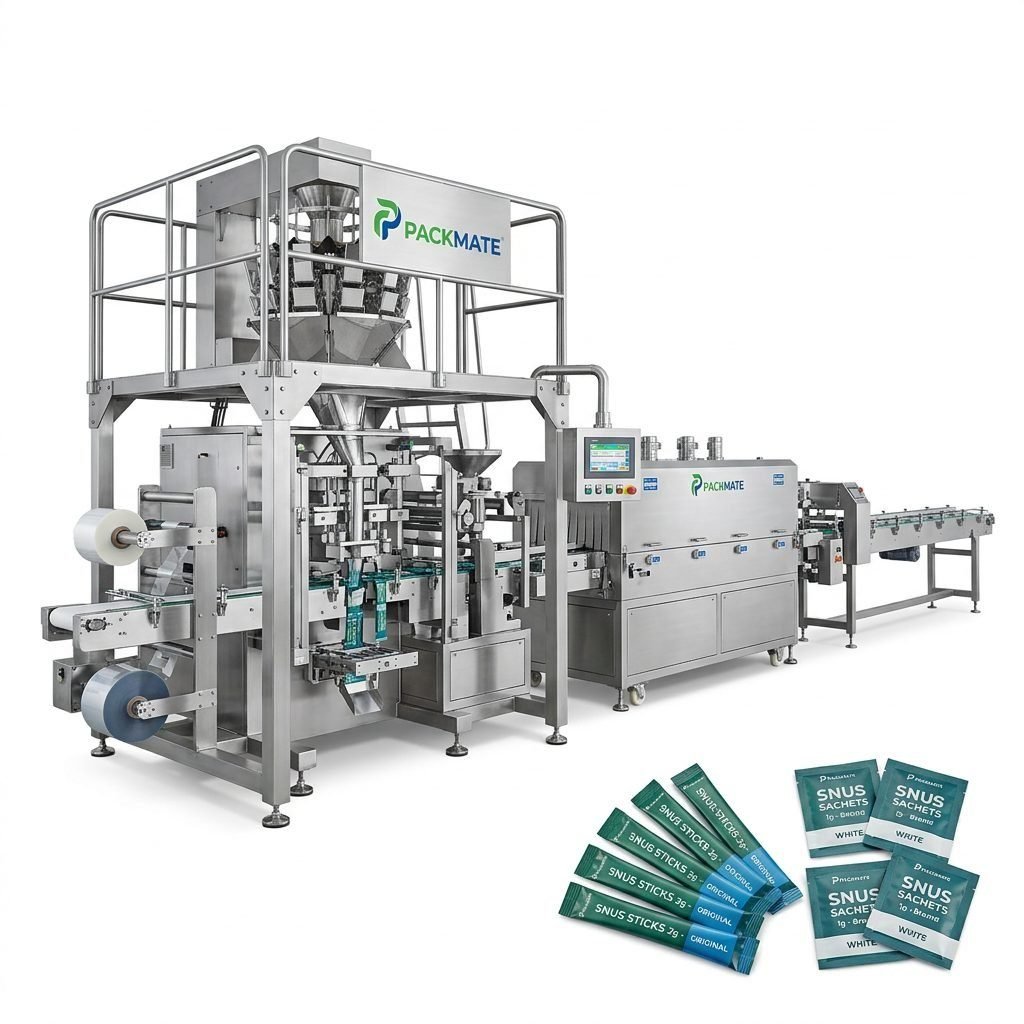
A manufacturer with decades of machine development, extensive CNC and assembly facilities, and a diverse machine catalog can supply stable, tested lines. Consider exploring established suppliers’ product pages such as Bag & Pouch Packaging Machines and Sachet & Stick Pack Machines for compatible systems and technical specs.
Negotiation Tips Tailored to Mongolian Buyers
Mongolian buyers often value measurable commitments: factory acceptance tests, lead time guarantees, and clear warranty terms. Ask for an acceptance protocol that requires performance verification before final payment. Insist on spare parts bundles and training days as part of the contract.
Green Flags & Red Flags
Green flags: documented case studies, transparent spare parts pricing, accessible technical teams, and third-party certifications. Red flags: vague warranty clauses, lack of factory tours or demos, and slow communication during pre-sales.
✅ Quick Checklist Before You Sign
• Factory acceptance test (FAT) scheduled and agreed.
• Spare parts kit included and documented.
• On-site commissioning days and training defined.
• Warranty scope, service response times, and spare-part lead times agreed.
• Export paperwork and customs assistance clarified.
Local Regulations & Responsible Marketing
Regulations for nicotine products vary. Before launch, consult local authorities and legal counsel to ensure product labeling, nicotine content disclosure, and advertising comply with Mongolian law. Responsible production and transparent supplier documentation help protect your business reputation and avoid regulatory setbacks.
Final Recommendations
Prioritize suppliers that combine technical expertise, proven manufacturing strength, full documentation, and strong after-sales support. Use the evaluation steps and checklist above to compare offers objectively, and schedule a FAT to verify the machine meets your production requirements before shipment.
Learn more about supplier capabilities and service options from manufacturer service pages and product catalogs: Weighing & Packaging Systems, Service, and reach out through a direct channel like Contact Us for personalized proposals.
Common Questions (FAQs)
Q1: How long does it take to get a production line shipped and installed in Mongolia?
A1: Typical lead times vary by machine complexity, but expect factory build + FAT + shipping + customs to take several months. Discuss expedited options and local installation support to shorten the timeline.
Q2: What warranty and spare parts support should we require?
A2: Require a clear warranty period with defined coverage for mechanical and electrical components, plus a spare parts kit and documented lead times for replacements. Consider an annual maintenance contract.
Q3: Can suppliers adapt machines for Mongolian packaging materials and climate?
A3: Yes, good suppliers customize sealing temperatures, material feeds, and enclosures for local humidity, dust, and temperature ranges. Verify customization capability in the contract.
Q4: How do we verify supplier credibility before purchase?
A4: Request factory tours or virtual demos, customer references, case studies, certifications, and FAT videos. Cross-check past export records to regions with similar logistics to Mongolia.
Q5: What are the best practices for onboarding operators in Mongolia?
A5: Arrange on-site training with multilingual manuals, hands-on operation sessions, and a follow-up checklist for routine maintenance. Keep a local spare-parts inventory for critical components.