Choosing the right nicotine packaging machine manufacturer in Comoros requires more than comparing prices and delivery times. You must evaluate technical capability, local regulations, cultural preferences, and after-sales support that works across island logistics. This guide walks you through practical, actionable steps to select the best partner for nicotine pouch and snus packaging needs in Comoros, with clear checkpoints you can use during supplier selection and contract negotiation.
Understand Local Market & Cultural Context
Comoros is an island nation with a predominantly Muslim population and a blend of African, Arabic, and French cultural influences. When introducing nicotine packaging lines, consider local sensitivities: discreet packaging, clear labeling in French and Arabic, and respect for community norms. Importers often face higher scrutiny for tobacco-related products, so machines that enable precise labeling, tamper-evident seals, and child-resistant features are highly valued.
Key local considerations
– Packaging labels should support French and Arabic text.
– Discreet retail presentation can improve market acceptance.
– Reliable spare parts availability is crucial due to island logistics and longer lead times.
– Suppliers who understand halal-conscious environments and can advise on compliant packaging options offer added value.
Technical Criteria: What Your Machine Must Deliver
When assessing manufacturers, focus on performance metrics that match your product and volume targets. Prioritize machines that provide stable output, easy changeover, and minimal downtime.
Essential specifications to verify
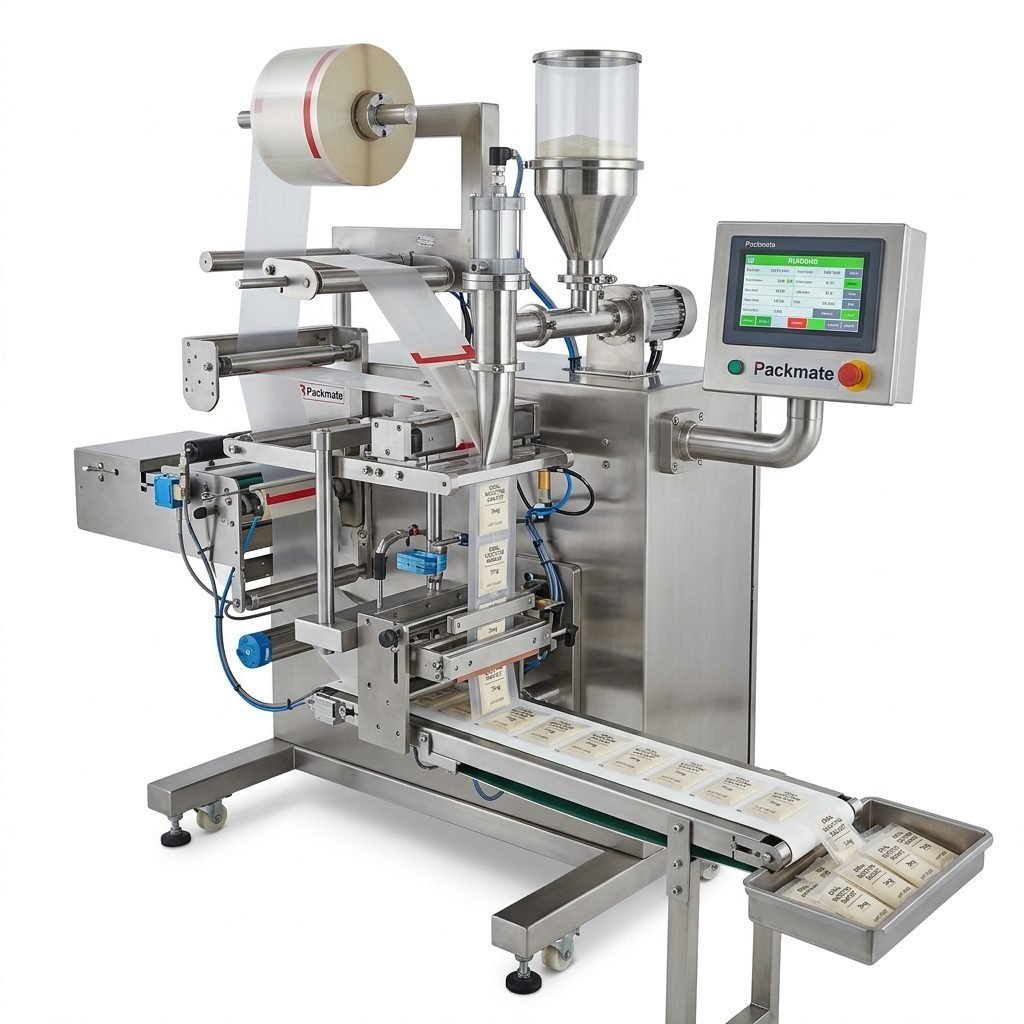
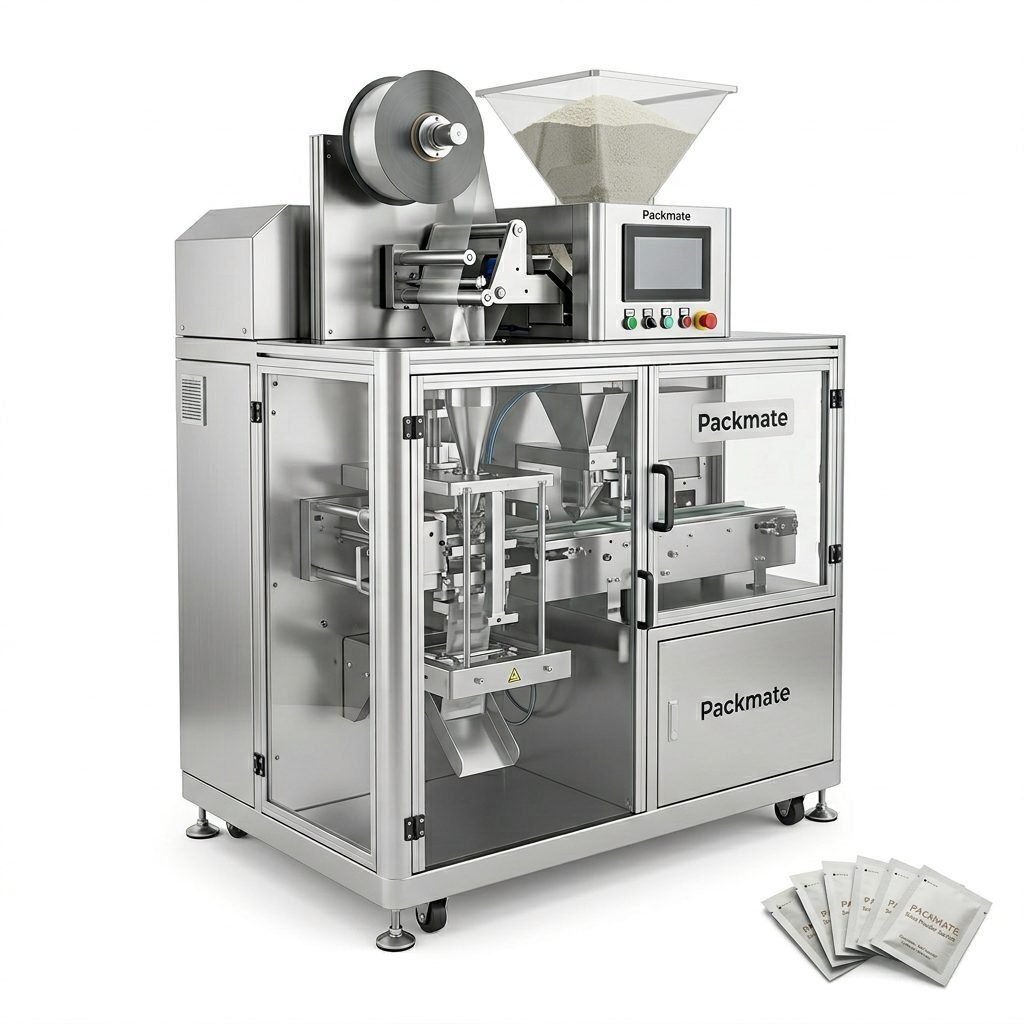
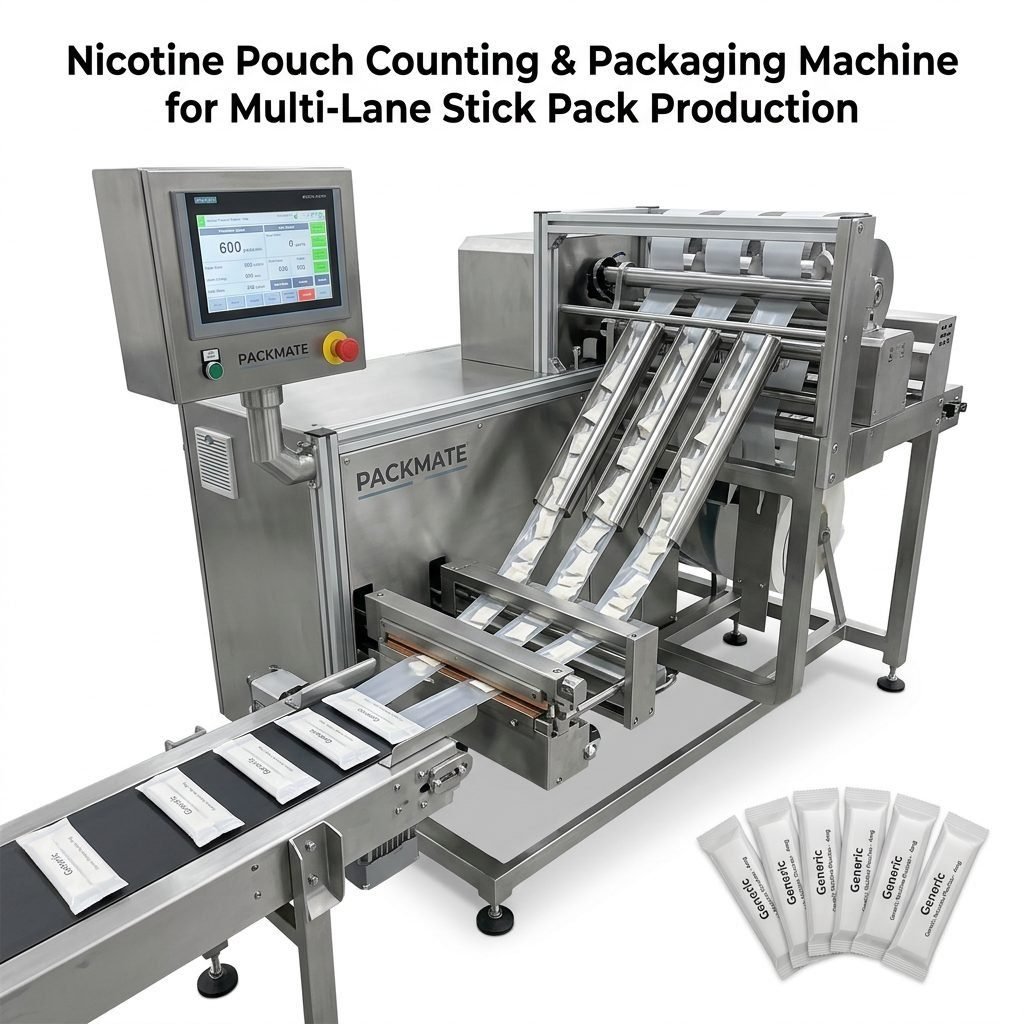
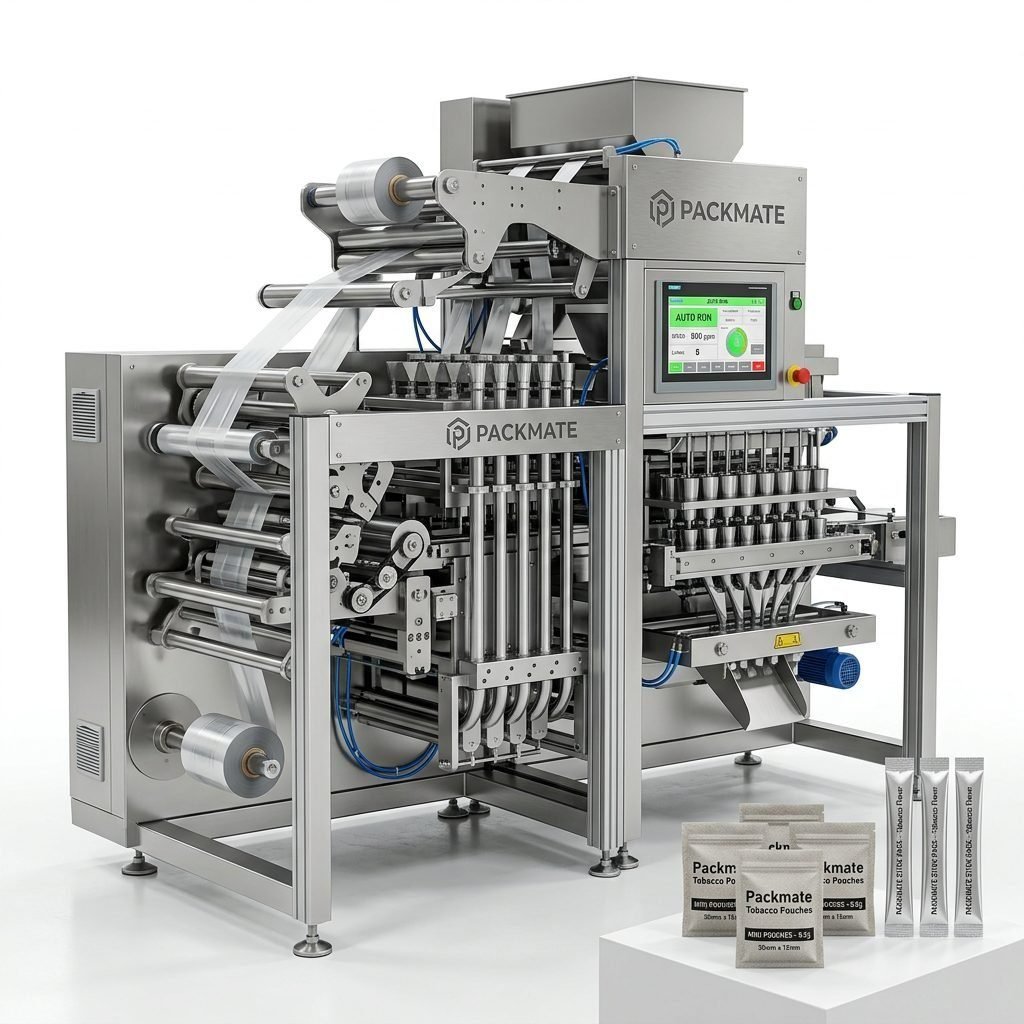
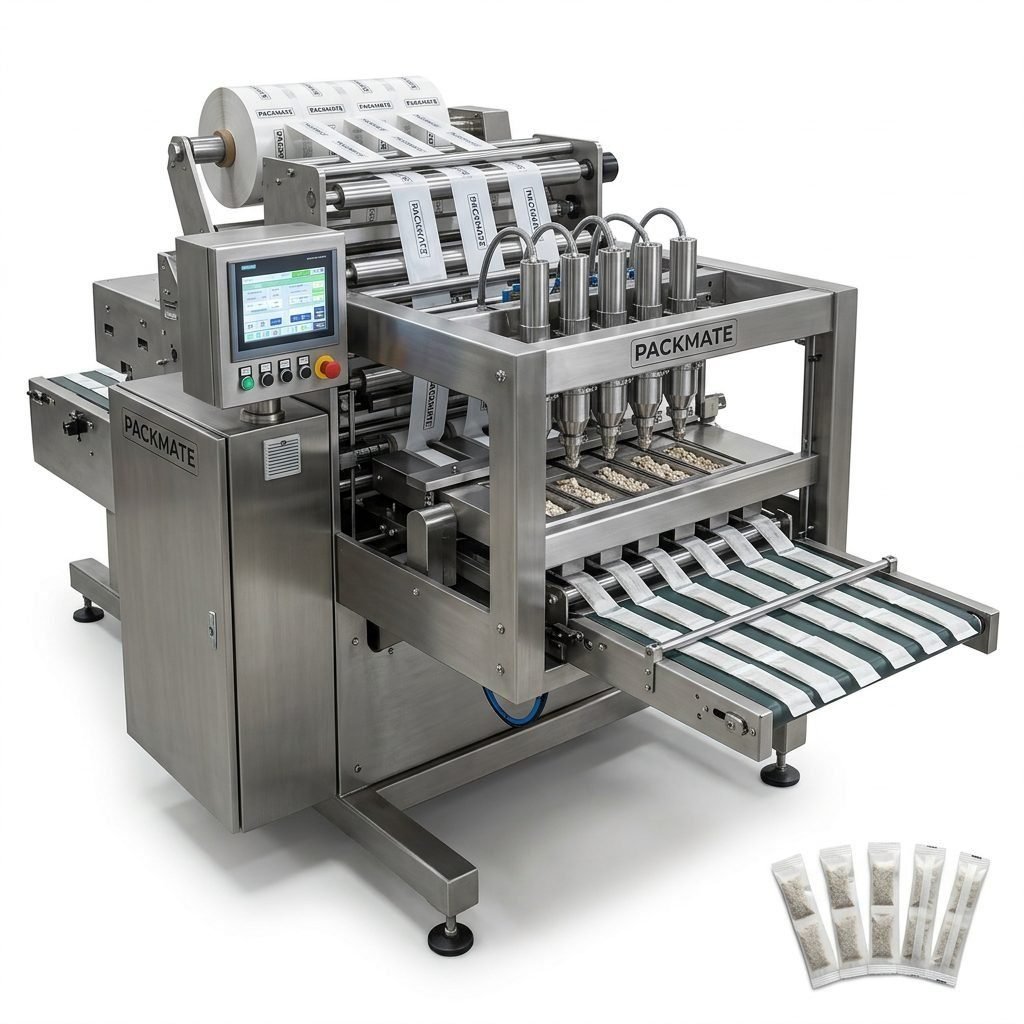
Throughput and lane configurations: For nicotine pouches, multi-lane systems can dramatically increase output per footprint. Choose a manufacturer with flexible lane options that can scale from pilot batches to full production.
Filling accuracy: Small-dose pouches require high-precision weighing and dosing systems to ensure compliance and cost control.
Material compatibility: Ensure the machine handles the films and laminates you plan to use (PE, PET, foil laminates, heat-seal webs).
Hygiene and cleaning: If you plan to package consumable nicotine pouches, easy-to-clean design and food-grade contact parts are essential.
Supplier Capabilities: Factory & Engineering Strength
Evaluate the manufacturer’s production capability, quality control, and R&D resources. A strong factory with CNC machining centers and precision assembly lines indicates the ability to produce durable equipment and spare parts.
Important factory signals:
- Presence of advanced CNC and precision assembly indicates higher quality manufacturing.
- 20,000㎡ or larger facilities often support faster custom development and spare parts stock.
- ISO/CE certifications demonstrate compliance with international safety and QA standards.
Product Range & Customization Options
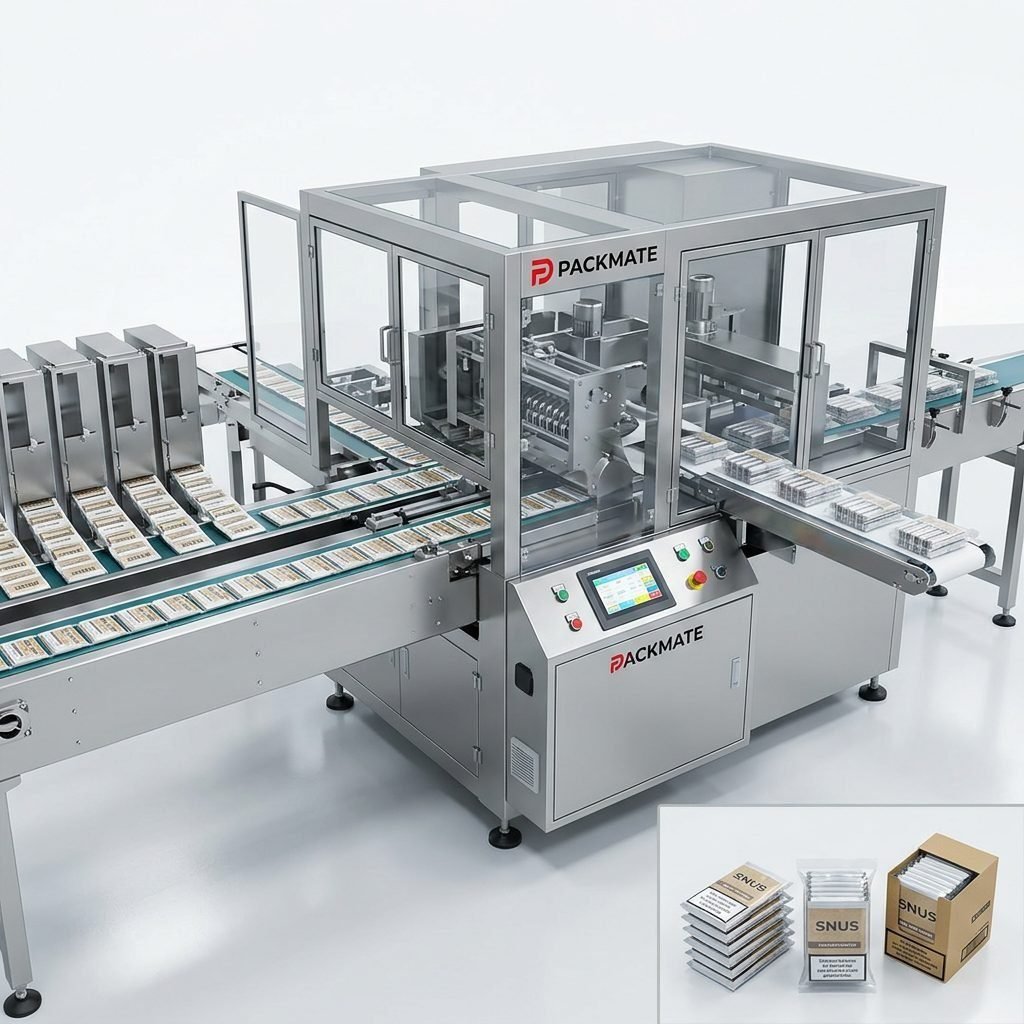
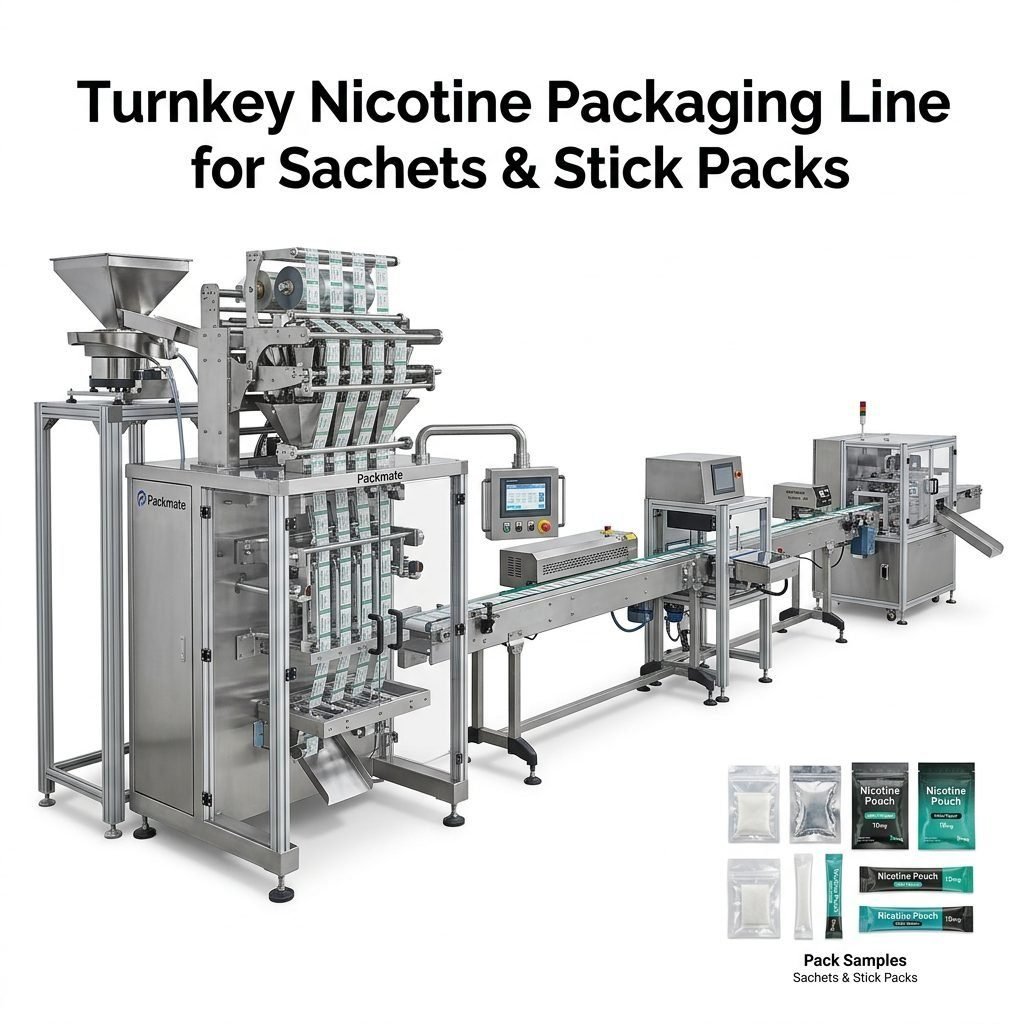
A manufacturer offering a broad portfolio (stick pack, sachet, multi-lane snus machines, weighing systems) can better tailor a turnkey line for Comoros importers and local manufacturers. Check whether the vendor provides integration with weighing & packaging systems, filling lines, and auxiliary equipment.
Useful resources and product pages for deeper technical evaluation include
Snus & Nicotine Packaging Machines,
Weighing & Packaging Systems,
and
Filling & Packaging Lines.
Customization examples
– Custom lane counts to match hourly targets.
– Specialized sealing heads for child-resistant or tamper-evident packaging.
– Integrated checkweighers and metal detectors for quality assurance.
– Language packs for HMI screens and printheads supporting French and Arabic.
After-Sales Support & Spare Parts
In Comoros, island logistics and longer shipping times make responsive after-sales support indispensable. Confirm spare parts availability, lead times, and options for remote troubleshooting.
Ask your supplier:
- Do they maintain a spare parts inventory or offer express shipping to island nations?
- Is remote commissioning and operator training available via video call?
- What is the average response time for technical support and on-site service?
Regulatory & Compliance Review
Nicotine products face regulatory scrutiny worldwide. Verify that the packaging machine supports compliant labeling, traceability (batch codes, lot numbers, production dates), and safe handling for controlled substances. For international suppliers, seek CE and ISO certifications and confirm the ability to adapt machines to Comoros’ import documentation and standards.
Labeling and traceability features to require
– Integrated printers for variable data printing in multiple languages.
– Capability to print QR codes and batch information for traceability.
– Tamper-evident or child-resistant features if required by local law.
– Compatibility with compliance testing tools and sensors.
Inspecting Manufacturer Reputation & Case Studies
Verify the vendor’s track record through case studies, exhibitions, and partner references. Manufacturers that exhibit at global trade shows and publish customer cases demonstrate transparency and market acceptance.
Explore real-world examples and references on the supplier’s case page:
Case,
and learn more about their company credentials at
About Packmate.
Commercial Terms & Logistics for Comoros
Negotiate commercial terms that reflect island realities: longer sea freight times, customs clearance complexity, and potential need for local installation assistance. Consider total cost of ownership (TCO) rather than purchase price alone—factor in spare parts, training, and downtime costs.
Recommended clauses in the contract
– Clear spare parts lead-time commitments and optional stock holdings.
– Defined remote support SLAs (service-level agreements) and emergency on-site response windows.
– Warranty coverage terms and exclusions.
– Acceptance tests and performance guarantees prior to final payment.
Factory Acceptance Tests (FAT) & Site Acceptance Tests (SAT)
Insist on FAT before shipment and SAT after installation. FAT validates machine performance under simulated production conditions; SAT confirms operation on-site with your materials. For remote island installations, high-quality FAT minimizes surprises.
FAT checklist items:
- Expected throughput at the nominated lane configuration.
- Filling accuracy, sealing quality, and print legibility.
- Changeover time demonstration and operator training sample.
- Electrical and pneumatic interface documentation for local installation.
Training & Documentation
Comprehensive training for operators and maintenance staff is critical. Request multilingual manuals and HMI language options, particularly French and Arabic, and ensure training covers routine maintenance and troubleshooting.
Documentation deliverables to request
– Operation and maintenance manuals in French/Arabic.
– Spare parts lists with part numbers and recommended stock levels.
– Electrical schematics and pneumatic diagrams.
– Video tutorials for common maintenance tasks.
Price vs Value: Making the Right Investment Decision
The cheapest machine often costs more over time due to frequent breakdowns, poor support, or unavailability of parts. Focus on total lifecycle cost, reputational reliability, and the vendor’s willingness to provide turnkey solutions and local adaptation.
Consider suppliers with proven global deliveries and turnkey packages that include auxiliary equipment—these options reduce integration risk and accelerate ramp-up.
How Packmate (Example Supplier) Matches Comoros Needs
A manufacturer with over 30 years of experience, advanced CNC capabilities, and 50+ machine models can supply the flexibility island customers need. When assessing options, look for suppliers who publicly document certifications, exhibition presence, and real cases—evidence of global trust and mature processes.
Learn more about supplier credentials and exhibitions:
Our Exhibition,
Certificate.
Practical Next Steps for Buyers in Comoros
1. Define production targets and required packaging formats (pouch size, material).
2. Shortlist 3–5 manufacturers with relevant snus/nicotine experience.
3. Request FAT videos, references, and spare parts policies.
4. Negotiate TCO, lead times, and training packages.
5. Plan for customs, local certification, and translation of packaging content.
Tip:
Contact suppliers with a clear checklist and ask for references from markets with island logistics or strict labeling requirements—this helps assess their adaptability to Comoros conditions.
Negotiation & Closing: Practical Contract Tips
Ensure the contract includes itemized deliverables, FAT acceptance criteria, clear warranty coverage, spare parts lead times, remote training sessions, and a schedule for key milestones. For Comoros, include customs support documentation and FCA/FOB terms that reflect port handling realities.
Essential contract elements
– Delivery Incoterms and estimated shipping windows.
– Commissioning and acceptance protocol and dates.
– Payment milestones linked to FAT/SAT results.
– Spare parts kit shipped with the machine for initial ramp-up.
Where to Get More Information and Support
For detailed product information, parts lists, and service channels, visit supplier product pages and contact their service team directly. Reliable vendors provide catalogs, FAQ pages, and contact windows for global customers.
Useful links:
Catalog,
FAQs,
Contact Us.
Final considerations
The right nicotine packaging machine partner for Comoros balances technical strength, cultural sensitivity, and practical logistics support. Prioritize suppliers who can demonstrate certified manufacturing, spare part readiness, multilingual documentation, and a record of global turnkey solutions to ensure your line starts reliably and stays productive.
Frequently Asked Questions
Q1: How important is FAT for machines shipped to Comoros?
A1: FAT is critical—because on-site fixes are costly and delayed by island shipping, a thorough FAT with video evidence reduces installation risk and ensures the machine meets promised performance before shipment.
Q2: What labeling languages should I require for Comoros market packaging?
A2: Require support for both French and Arabic on printheads and HMI; they are widely used in Comoros and help with regulatory clarity and consumer acceptance.
Q3: How can I ensure spare parts availability for island shipments?
A3: Negotiate a spare parts kit shipped with the machine, confirm a parts stock policy, and arrange an agreement for express shipping or local stocking through a regional partner.
Q4: Are multi-lane machines suitable for small Comoros operations?
A4: Multi-lane machines are beneficial if you expect growth and want higher throughput per square meter. For pilot projects, choose flexible machines that can operate with fewer lanes and be upgraded later.
Q5: How can I verify supplier reliability?
A5: Ask for client references, FAT videos, certifications (CE/ISO), and exhibit appearances. Real case studies and exhibition participation indicate a mature supplier with global experience.