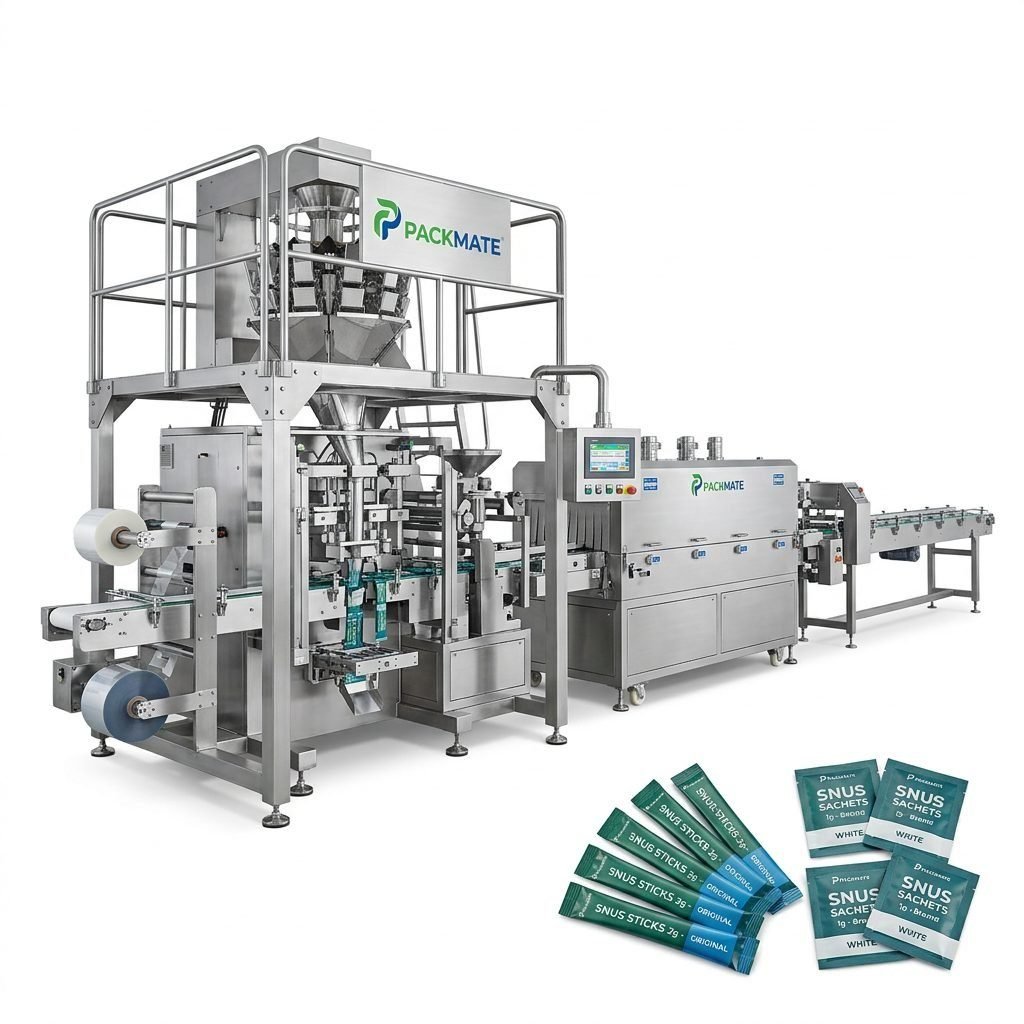
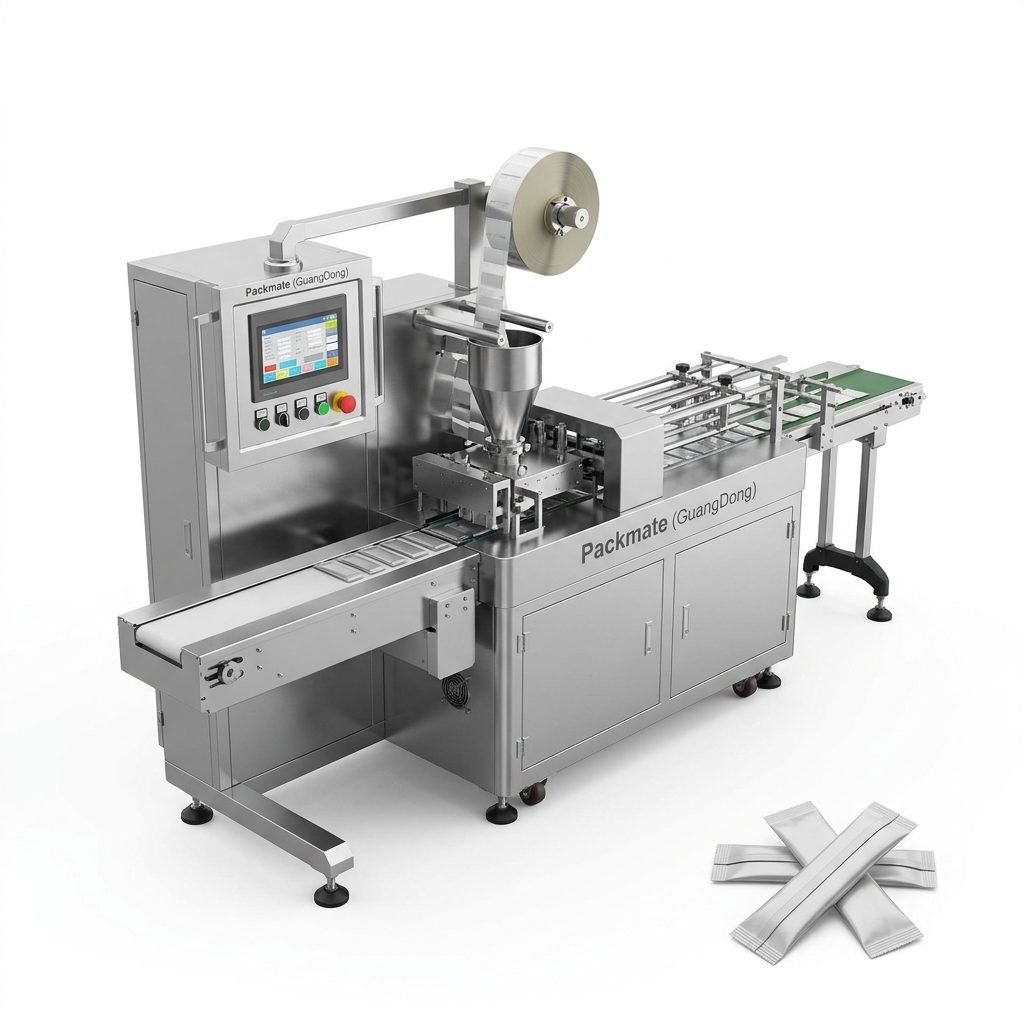
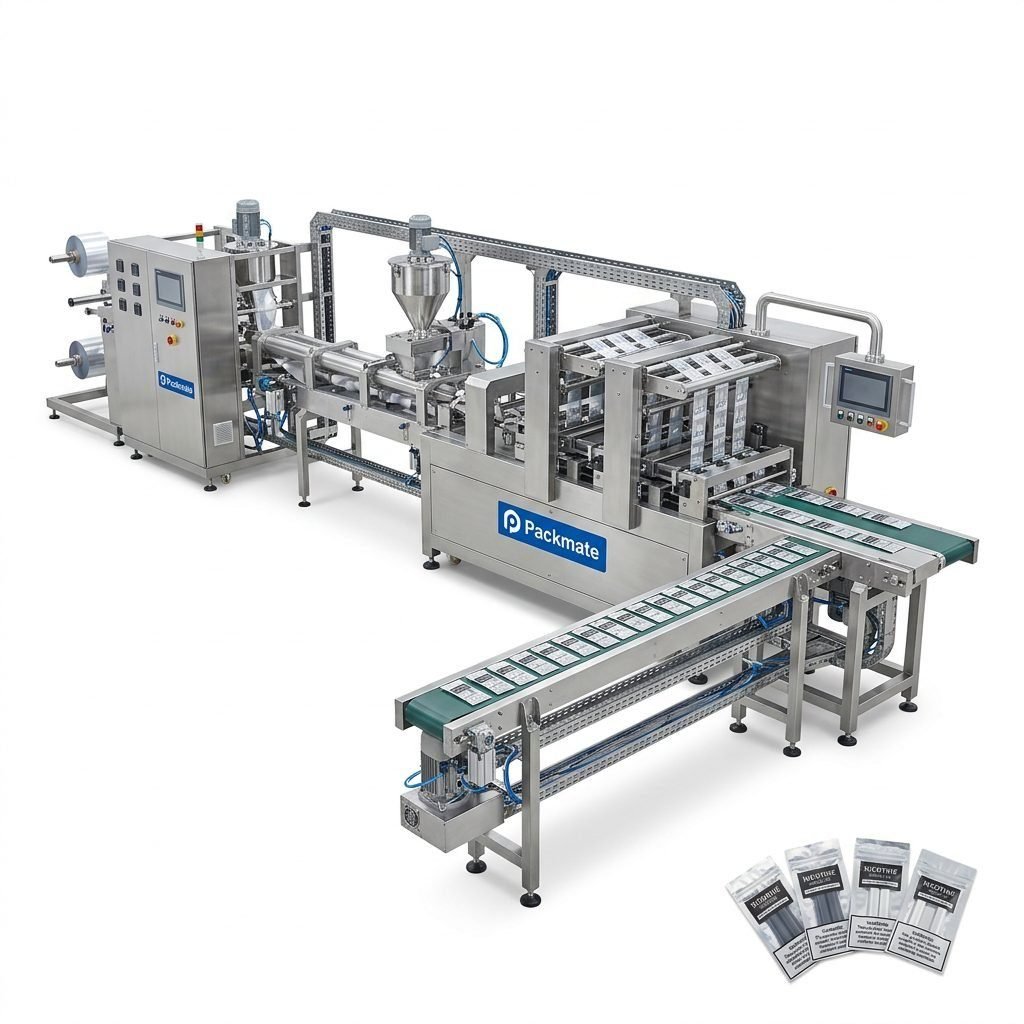
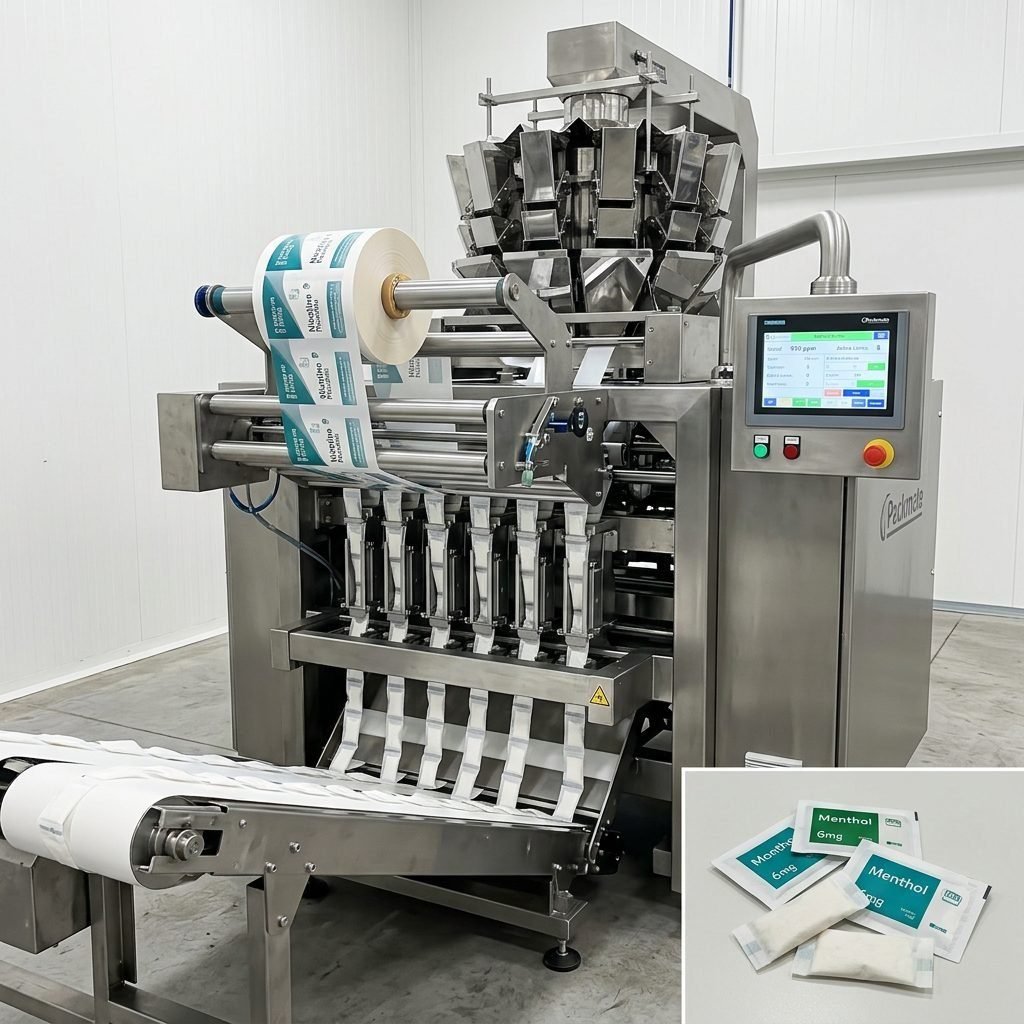
In Asia, choosing the right nicotine packaging machinery supplier is a strategic decision that affects product quality, regulatory compliance, and your time-to-market. Whether you produce nicotine pouches, snus, or related oral nicotine products, aligning with a supplier who understands regional customs, local regulation variances, and manufacturing realities will make the difference between a smooth product launch and costly delays. This guide walks you through practical steps to evaluate suppliers, technical and cultural considerations across Asian markets, and the key questions to ask during factory visits and contract negotiations.
Understanding the Asian Market Context
Asia is not a single market—it’s a collection of diverse regulatory environments, manufacturing traditions, and customer expectations. Countries like China, Japan, South Korea, and Southeast Asian nations each have different requirements for nicotine products, and often different approaches to machinery sourcing. In many parts of Asia, buyers value long-term supplier relationships, on-site service, and the ability to customize equipment to fit local production preferences. Consider the local customs when planning visits: punctuality, clear documentation in local or English language, and readiness for practical demonstrations are often expected.
Why local knowledge matters
Suppliers with strong local experience can help you navigate import rules, certification needs, and operational norms. For example, a supplier based in China like Packmate Snus Machine benefits from proximity to large component ecosystems, fast machining cycles, and frequent trade exhibitions—helpful for buyers needing quick iterations and demonstrations. If you’re operating in Nordic countries with high regulatory expectations for nicotine devices, a supplier experienced in exporting to those regions will already understand CE and ISO conformity practices.
📌 Key regional advantages to consider:
✓ Supply Chain Proximity — Many Asian suppliers are close to components and sub-assembly vendors, shortening lead times.
✓ Cost Flexibility — Competitive pricing structures often allow higher-spec machines at lower comparative costs.
✓ Exhibition Access — Regular presence at regional trade shows makes it easier to witness live demos and compare technologies.
Technical Criteria: What to Evaluate
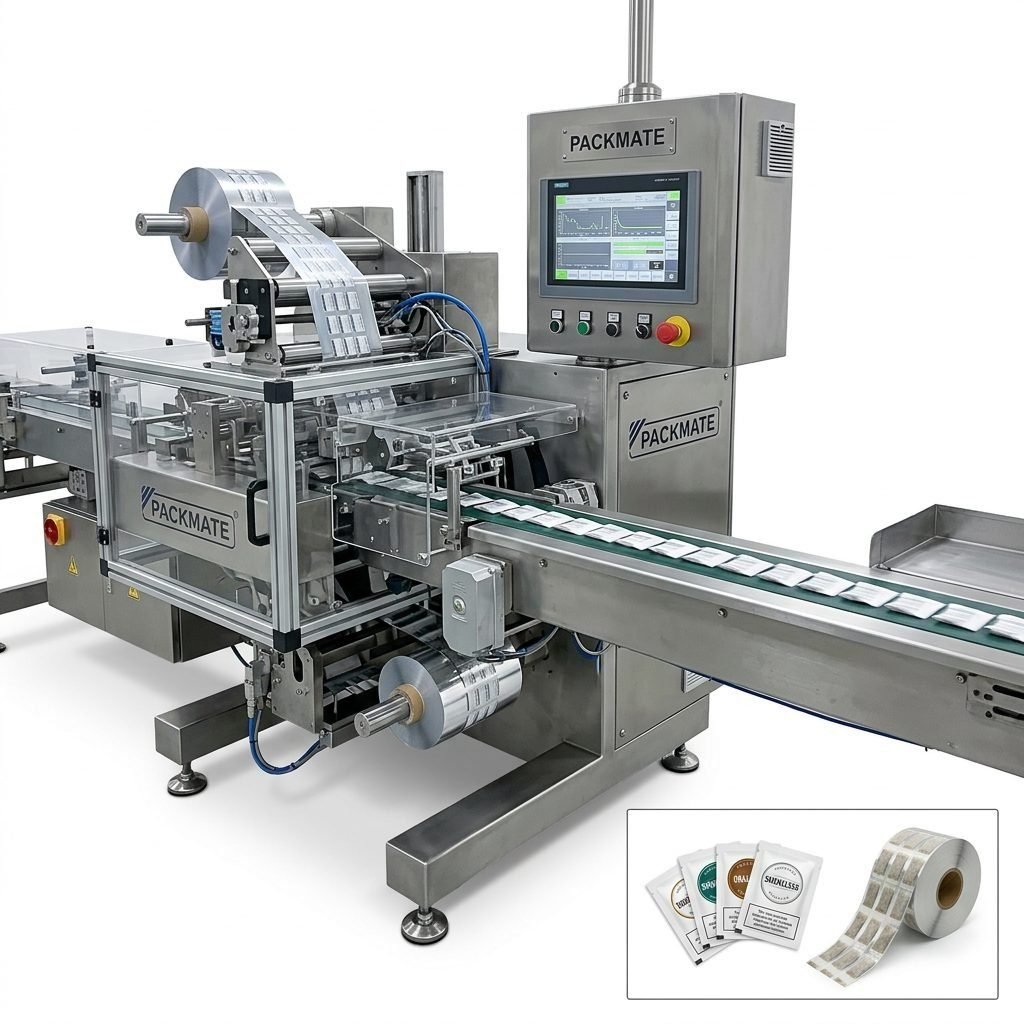
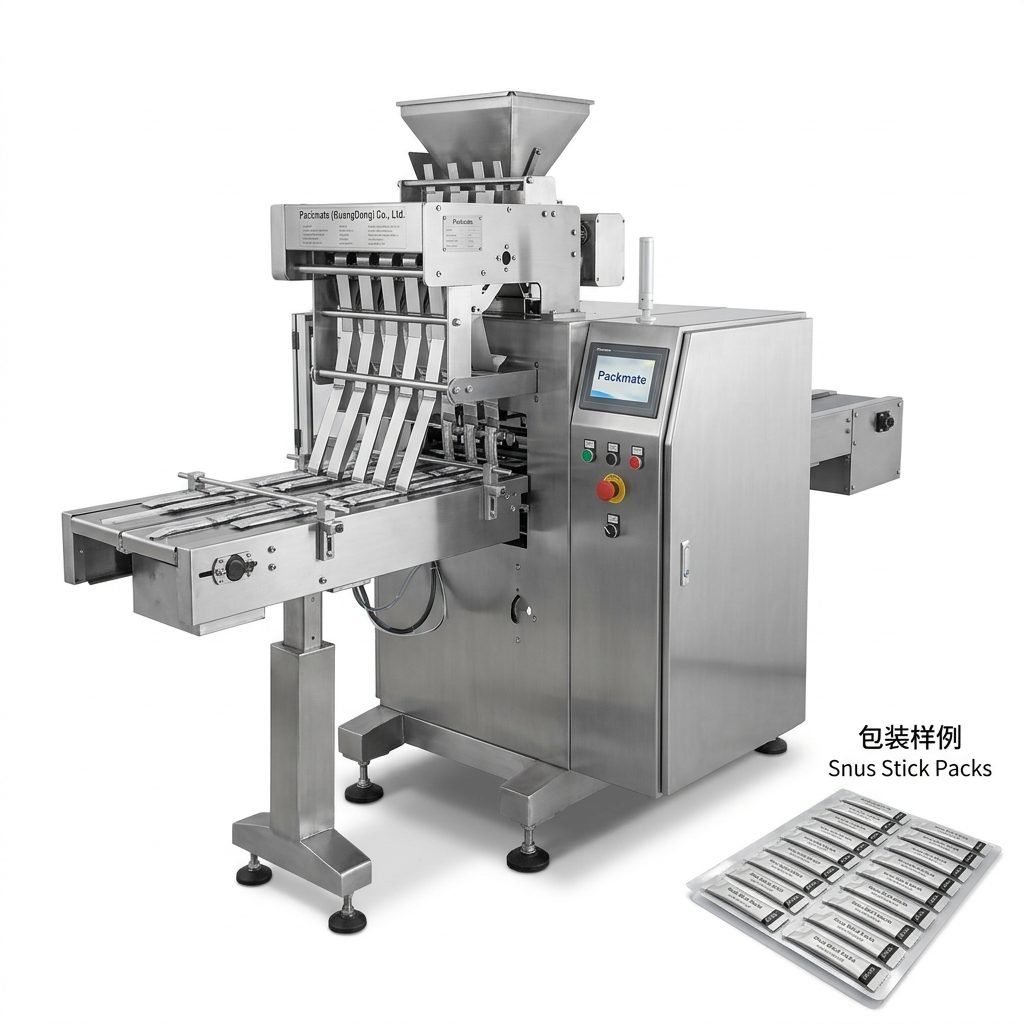
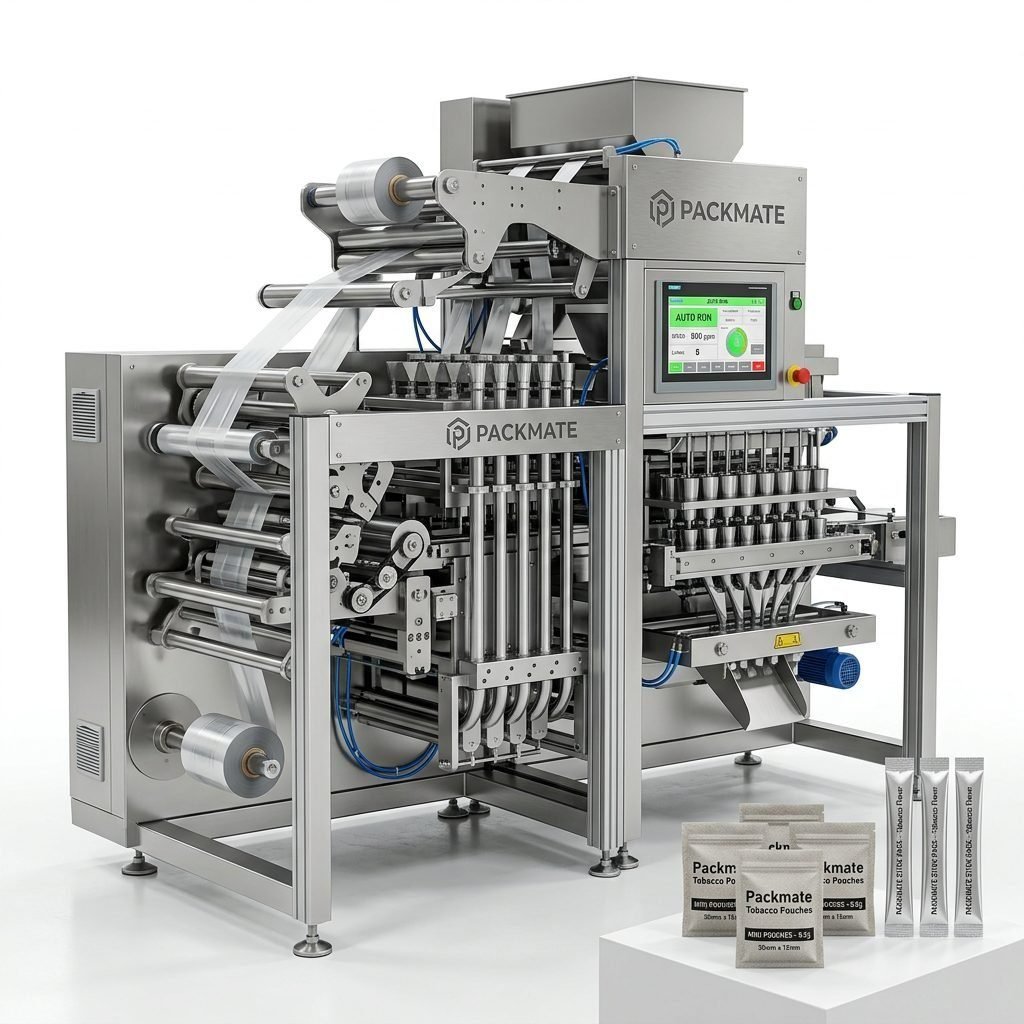
When assessing a nicotine packaging machinery supplier, break down your evaluation into performance, adaptability, and serviceability. Performance includes throughput (pouches per minute), accuracy for small-dose fills, and consistency across multi-lane systems. Adaptability covers whether the machine can handle different pouch formats such as stick packs, sachets, or multi-lane snus pouches. Serviceability addresses how easily the machine can be maintained, how quickly spare parts can be delivered, and the availability of remote or on-site technical support.
Essential specifications checklist
🔧 Throughput & Accuracy — Confirm max speed and dosing tolerance, especially critical for micro-dose nicotine pouches.
⚙️ Format Flexibility — Ability to switch between pouch types (snus/nicotine pouch/stick pack) with minimal tooling change.
🛠️ Ease of Maintenance — Quick-change parts, diagnostic interfaces, and availability of spare parts in your region.
📊 Quality Control Integration — Compatibility with checkweighers, vision inspection, and packaging printers.
Operational Factors: Fit for Your Production Needs
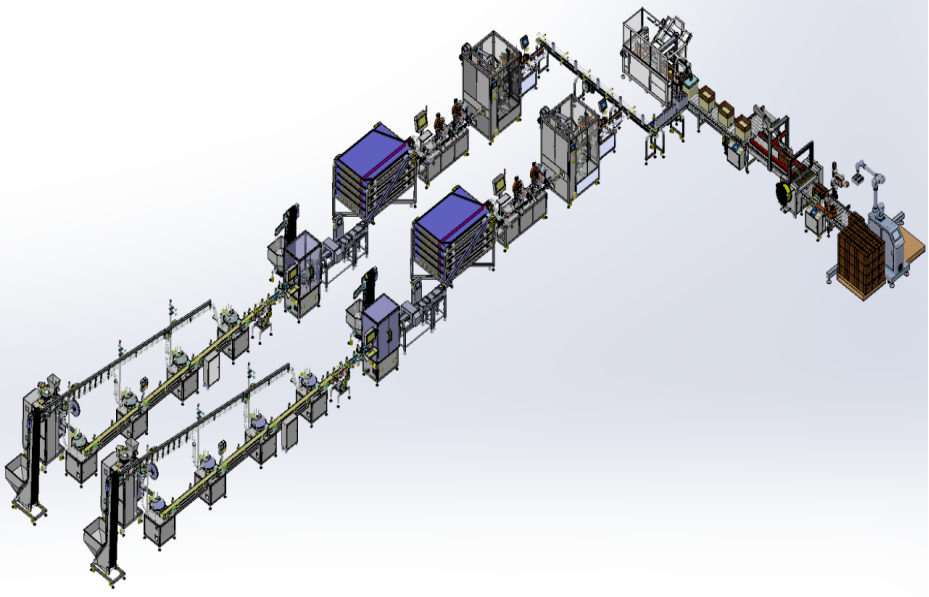
Consider how a machine will integrate within your existing line and workflow. Floor space, utility requirements (electrical, compressed air), and ease of operator training are practical but critical factors. For many Asian manufacturers, compact multi-lane systems are popular because they deliver high throughput without excessive footprint. Also consider the vendor’s track record for turnkey solutions — a supplier able to offer weighing, filling, and pouch forming in one integrated line reduces integration risk and helps with supplier accountability.
If you want to review product options, see specialist categories such as Snus & Nicotine Packaging Machines and Bag & Pouch Packaging Machines for models that support small-dose pouch manufacturing.
Service & After-sales: The long-term view
Reliable after-sales is where many buying decisions succeed or fail. Ensure the supplier provides clear warranty terms, spare part lead times, and remote troubleshooting capabilities. For Asian suppliers, inquire about regional service partners or local warehouses for critical spare parts. Companies with international exhibition presence and documented case studies often have better global support infrastructure — see examples and case references to validate claims.
You can learn more about supplier credentials and real-world case studies at the manufacturer’s pages such as Case and their company overview About Packmate.
Compliance, Certification & Documentation
Regulatory compliance is non-negotiable. Confirm the supplier’s equipment meets international standards such as CE and ISO, and that documentation for installation, operation, and maintenance is supplied in a language your team understands. In many Asian sourcing scenarios, suppliers will handle conformity testing or provide supporting certificates that speed up customs clearance. If you plan to sell into regulated markets (EU, UK, or specific Asian countries), verify support for labeling, traceability systems, and any required material compatibility documentation.
⚠️ Compliance quick-check
• Confirm CE and ISO certificates are current and not just claims.
• Ask for test reports or references from customers in similar markets.
• Verify the supplier’s process for updating machines if standards change.
Factory Visit & Acceptance Testing
Whenever possible, perform a factory visit or request live video demonstrations. A visit allows you to witness production quality, machinery assembly practices, and quality control procedures. During acceptance testing, insist on a FAT (Factory Acceptance Test) that replicates your real materials and packaging specifications. Verify the machine runs continuously at the claimed speed, and request recorded performance data. If you cannot visit, ask for comprehensive live-streamed FAT sessions and detailed video documentation.
What to inspect during a visit
Inspect machining quality, cable routing, safety guards, and cleanliness standards. Check the supplier’s CNC and assembly capabilities—advanced machining centers and well-organized assembly lines (as seen in a modern 20,000㎡ facility) reflect the ability to deliver consistent quality. Evaluate the responsiveness of technical staff and whether training materials and operator manuals are ready in your preferred language.
If you need a full production line, consider suppliers offering integrated solutions including weighing, filling, and auxiliary equipment. Explore categories like Weighing & Packaging Systems and Filling & Packaging Lines.
Negotiation & Contract Essentials
When negotiating, include clear acceptance criteria, warranty periods, payment milestones tied to FAT and shipment, and spare parts lists. Ensure responsibilities for installation, commissioning, operator training, and post-installation support are documented. For Asian suppliers, consider Chinese New Year and other local holiday lead-time impacts in delivery schedules. Consider including a clause about updates and retrofits to protect your investment as production volumes grow or regulations change.
🔍 Contract checklist
• FAT acceptance criteria and performance guarantees.
• Defined lead times that account for local holidays.
• Clear terms for spare parts, software updates, and on-site support.
Making the Final Decision
Balance cost with long-term reliability and service. A slightly higher initial investment often pays off through higher uptime, lower scrap rates, and faster changeovers. Look for suppliers with transparent manufacturing capacity, strong references, and a clear roadmap for continuous improvements. If you plan to scale production, prioritize modular, multi-lane machines designed for rapid expansion.
For additional support and direct contact information, consult the supplier’s service and contact pages such as Service and Contact Us.
Final quick tips
– Focus on suppliers with documented experience in nicotine pouch packaging lines and proven multi-lane solutions.
– Require FAT with your materials and formats to avoid surprises at installation.
– Confirm spare part availability and diagnostic tools for remote troubleshooting.
– Factor in local cultural practices and holiday calendars when planning timelines.
Common Questions (FAQ)
Q: How long does it typically take from order to shipment for a nicotine pouch line?
A: Lead times depend on customization and capacity, but many Asian suppliers offer standard models with lead times of a few months; highly customized turnkey lines may take longer—confirm during quotation.
Q: What certifications should a reliable supplier provide?
A: At minimum, request CE and ISO certifications for the equipment, along with documented FAT reports and references from customers in similar markets.
Q: Can suppliers integrate auxiliary equipment like checkweighers and case packers?
A: Yes—many experienced suppliers provide integrated solutions including weighing systems and auxiliary equipment to deliver turnkey lines.
Q: What level of after-sales support should I require?
A: Require defined warranty coverage, spare parts lead times, remote troubleshooting capabilities, and options for on-site service if needed.
Q: How do cultural differences in Asia affect the buying process?
A: Respect for long-term relationships, clear documentation, and scheduling around local holidays (e.g., Lunar New Year) are important. Expect that suppliers may prioritize customers who demonstrate commitment to partnership.