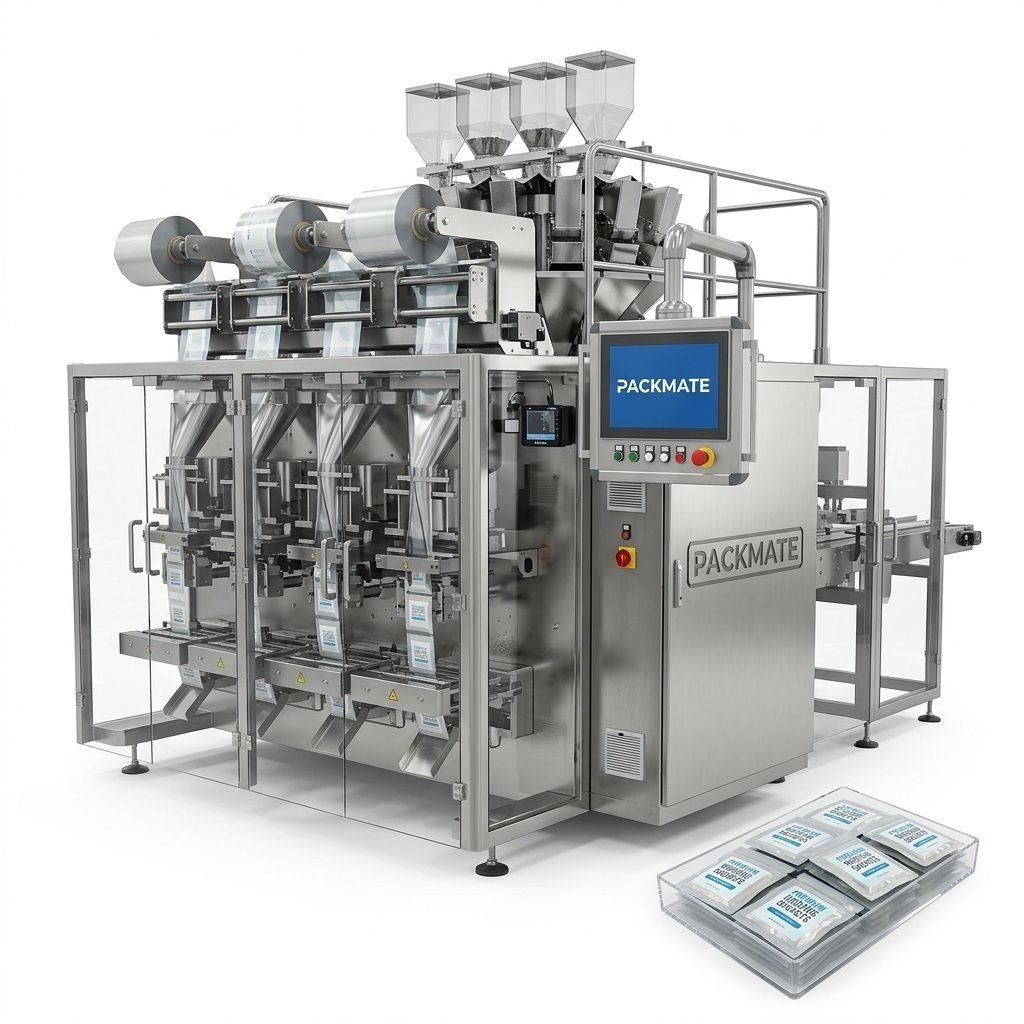
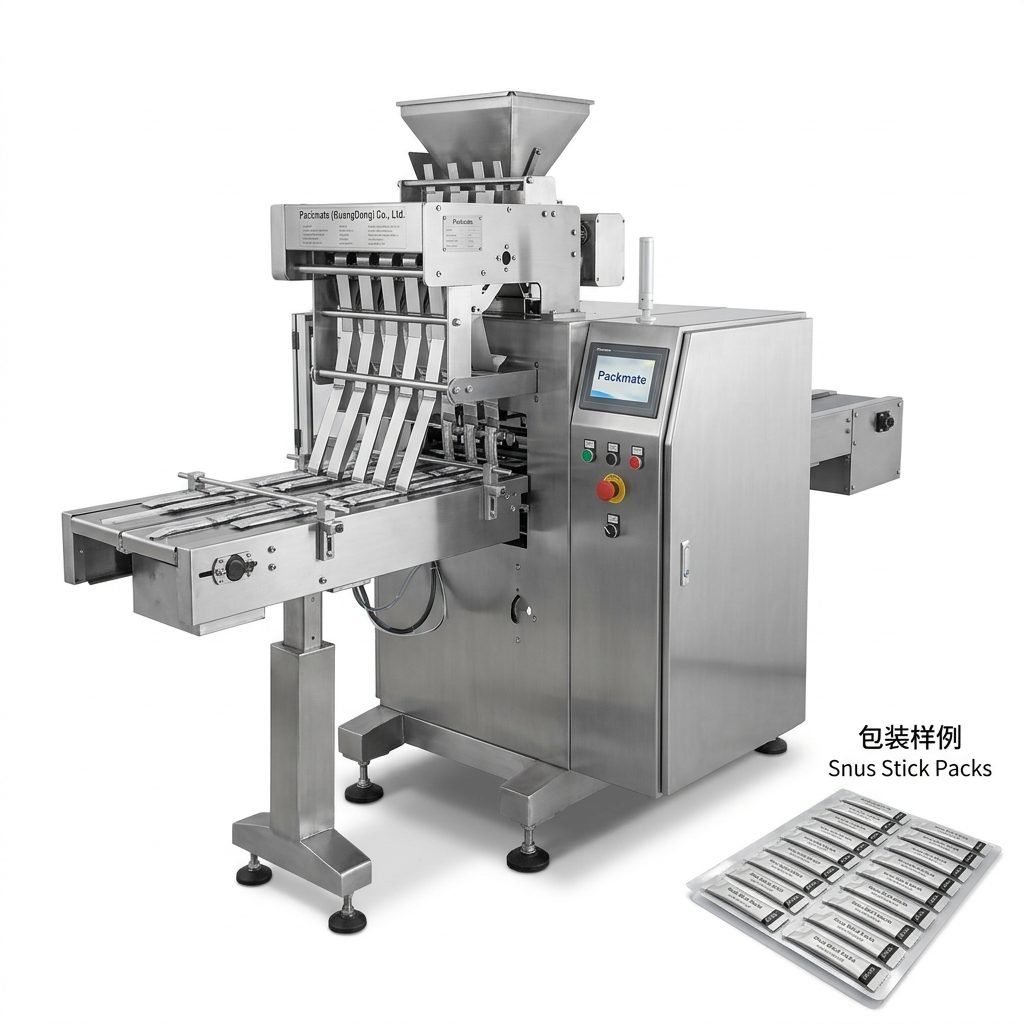
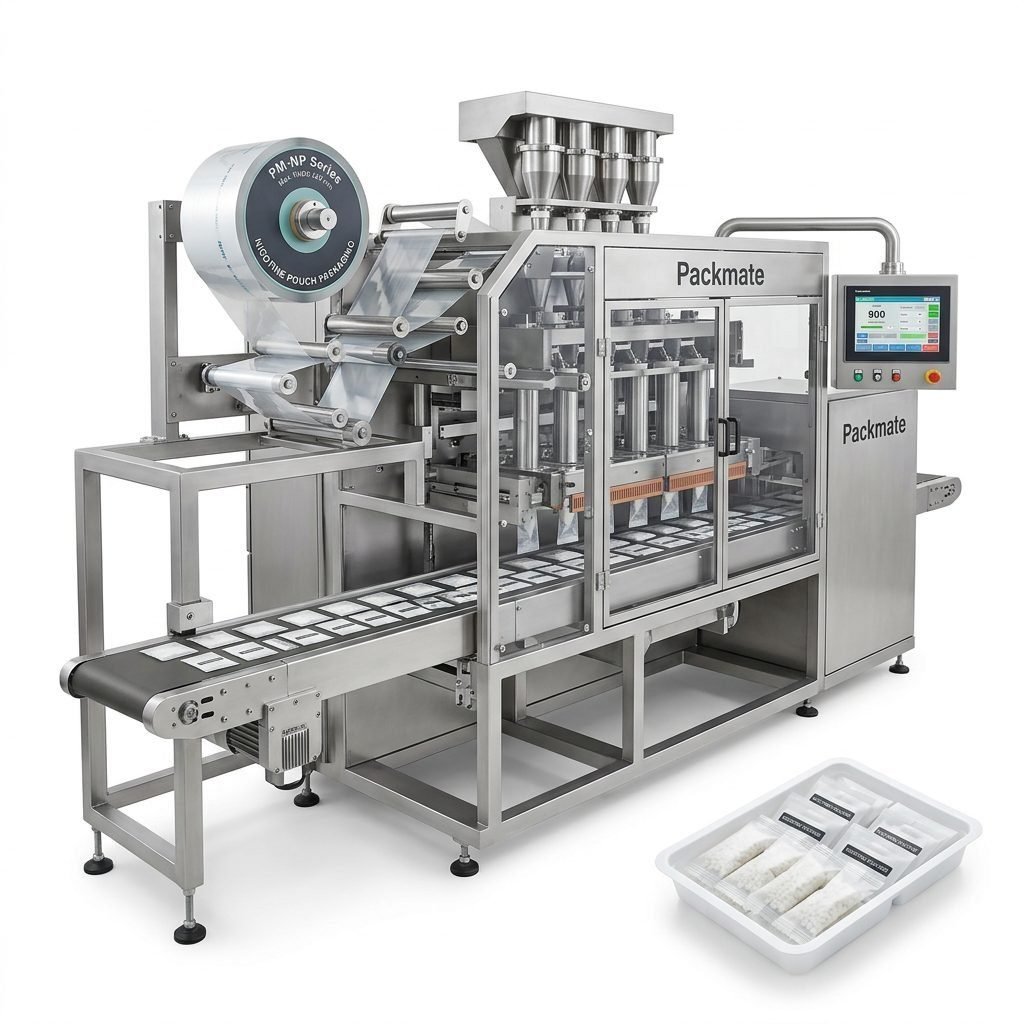
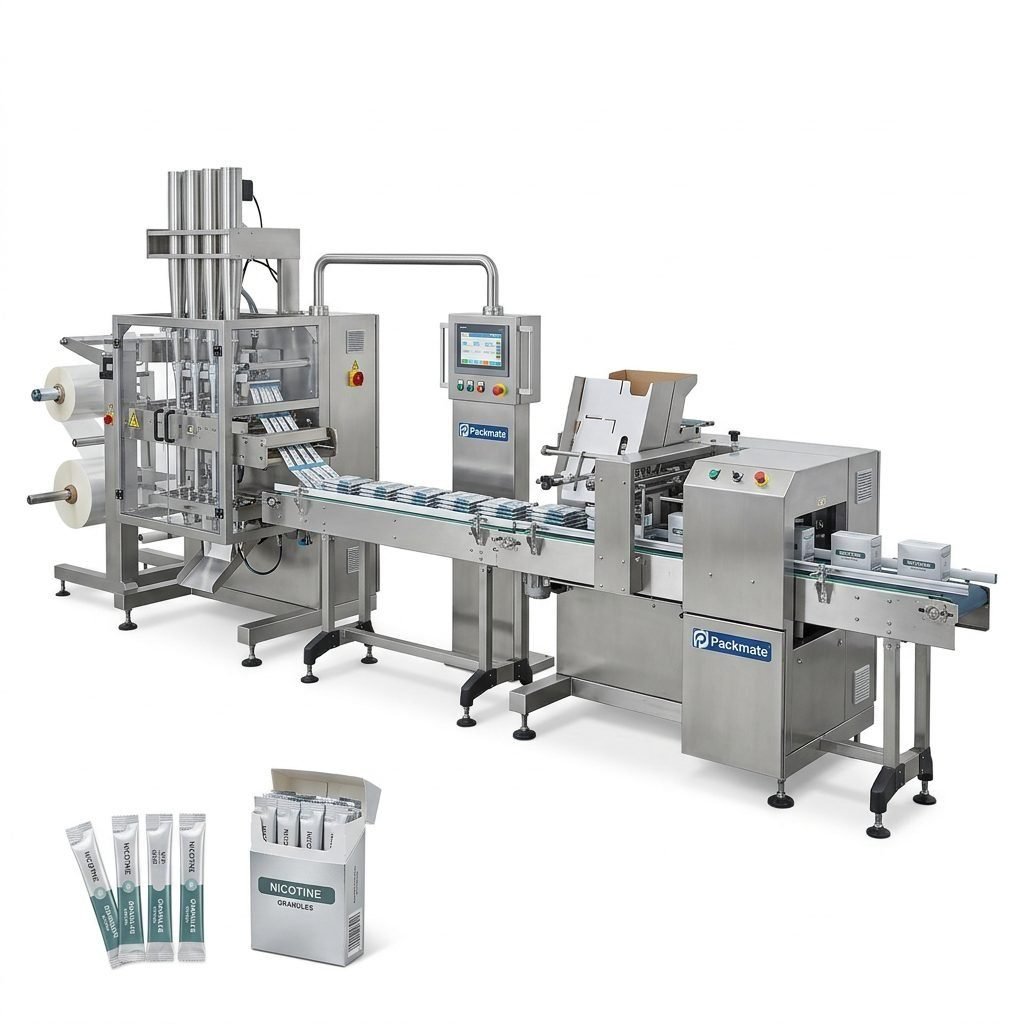
Choosing the right nicotine packaging machinery supplier in India can transform your production efficiency, product quality, and regulatory compliance. Whether you are launching nicotine pouches, snus, sachets, stick packs, or multi-lane small-dose formats, selecting a supplier with technical depth, proven reliability, and local market understanding is essential. This guide helps business owners, production managers, and procurement teams in India evaluate suppliers and make a confident purchase decision.
Understand Indian Market Realities
India has a unique set of commercial, regulatory, and cultural factors that influence packaging requirements. Consider these local dynamics early:
GST & Import Duties: All imported equipment is subject to Goods and Services Tax and customs duties. Work with suppliers who provide clear CIF/FOB quotes and help estimate landed costs.
Regulatory Environment: Nicotine and tobacco-adjacent products face shifting regulations. Confirm that machines are adaptable for compliant labeling, batch coding, and tamper-evident seals.
Local Preferences & Packaging Formats: Indian consumers and B2B buyers often prioritize convenience, affordability, and compact formats. Suppliers experienced with sachet, stick pack, and multi-lane pouch lines are a plus.
Key Technical Capabilities to Verify
When vetting suppliers, assess their engineering and manufacturing strengths rather than just the price tag. The following technical factors strongly affect long-term value:
- Production speed and stability under continuous operation
- Accuracy and consistency for small-dose and multi-lane formats
- Modularity and ease of format changeovers
- Automation level and compatibility with upstream/downstream systems
- Availability of spare parts and local service teams (or fast international support)
Why manufacturing footprint matters
Choose suppliers with established manufacturing facilities and CNC capability. A manufacturer with a large workshop, precision assembly lines, and quality control systems is more likely to deliver machines that meet tolerance and reliability expectations. For example, a supplier operating a 20,000㎡ facility with advanced machining centers demonstrates the infrastructure needed for consistent delivery and customization.
Certifications, Compliance & Quality Assurance
Certifications are not just marketing—they indicate the supplier’s commitment to standard processes and safety. Look for:
CE / ISO Certificates: Ensure the supplier provides up-to-date certificates and can explain which standards apply to the equipment. Confirm the authenticity and ask for copies.
Factory Testing & FAT: A reliable supplier performs Factory Acceptance Tests (FAT) and documents performance metrics like pouch weight variance, cycle time, and reject rates.
Evaluate After-Sales Service and Spare Parts Support
Downtime costs can dwarf initial savings. Prioritize suppliers with:
- Local service partners or rapid remote support
- Maintenance training and clear documentation in English
- Spare parts availability and guaranteed lead times
- Longer warranty options and service contracts
Practical checklist for service readiness
Ask the supplier to provide a spare parts list, recommended inventory levels, and response time commitments. For Indian operations with tight schedules, a supplier that supports express shipping for parts or coordinates local stocking saves weeks of downtime.
Customization, Flexibility & Turnkey Solutions
Your product roadmap may evolve—choose a partner that can adapt machines to new SKUs and higher capacities. Important capabilities include:
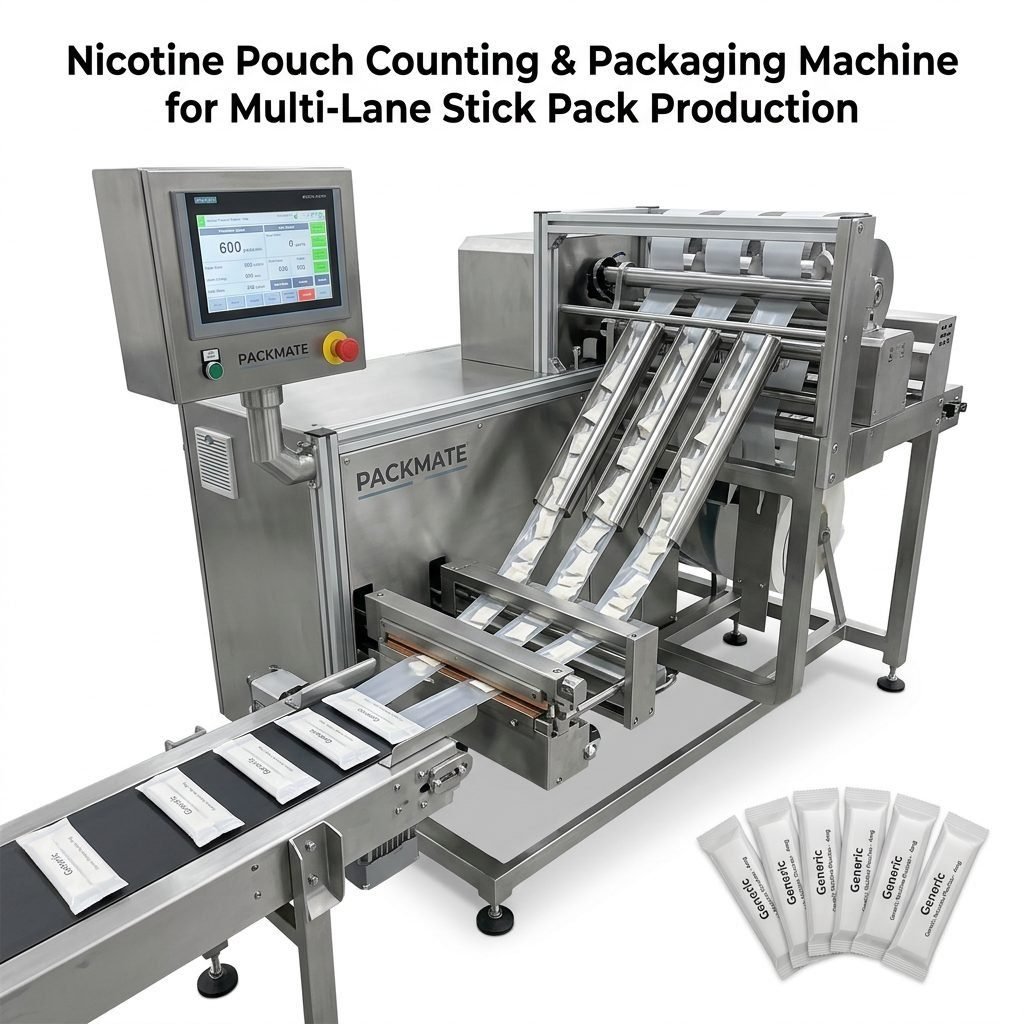
Multi-lane options: Suppliers experienced in multi-lane small-dose pouch production can help scale output without a linear increase in footprint.
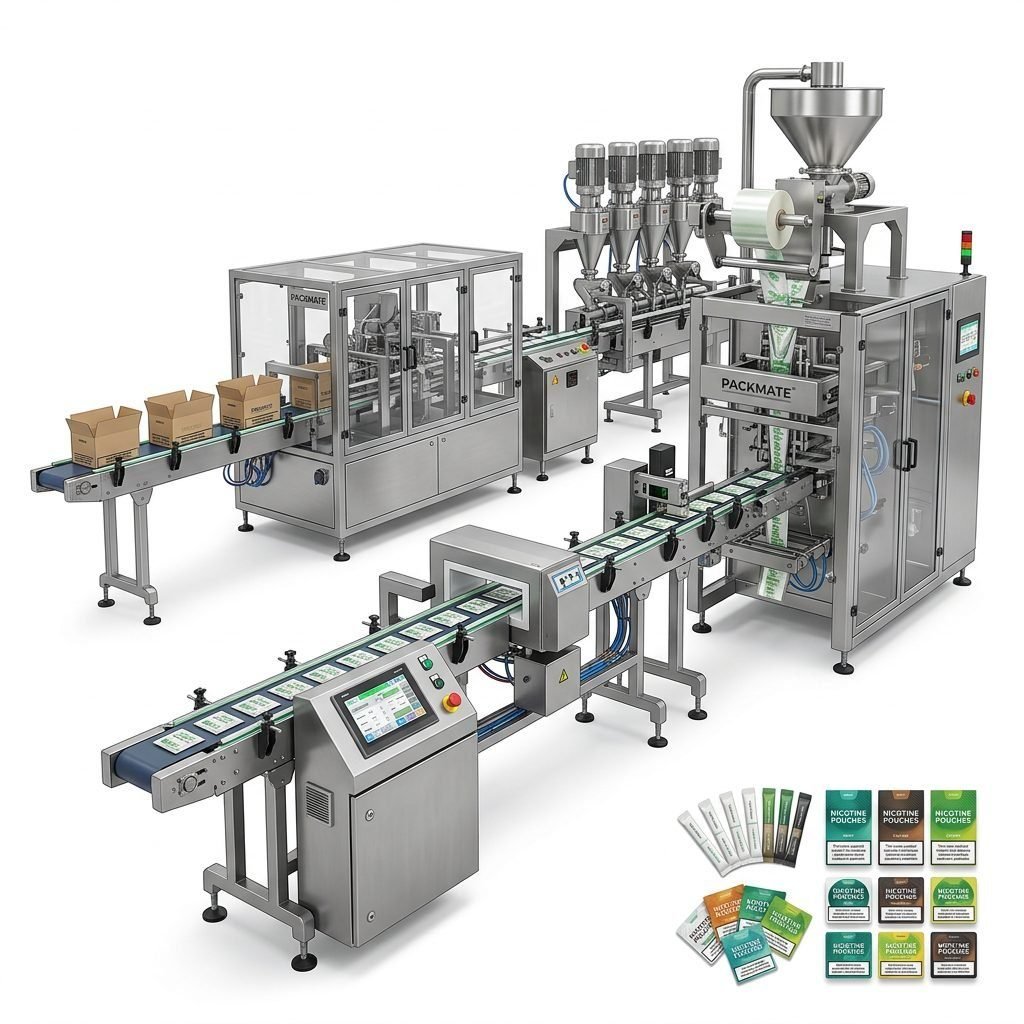
Turnkey capability: Integration of feeding, dosing, sealing, secondary packaging, and coding reduces vendor management complexity and accelerates commissioning.
Custom tooling & recipe memory: Check for quick change parts and PLC recipes to store product parameters for fast changeovers between SKUs.
Financial Terms, Pricing & Total Cost of Ownership
Evaluate more than the FOB price—calculate Total Cost of Ownership (TCO). Consider:
- Installation and commissioning fees
- Training costs for operators and maintenance staff
- Spare parts kit and expected wear part replacement rates
- Energy consumption and utility requirements
Negotiation tips
Seek clear payment milestones: deposit, pre-shipment, and after FAT. Ask for performance guarantees and acceptance criteria that are measurable and included in the contract.
Factory Visits, References & Case Studies
A supplier’s track record reveals a lot. Request:
- Customer references in similar industries or with similar product formats
- Video tours or virtual walkthroughs of the manufacturing facility
- Case studies demonstrating problem-solving and ROI
If possible, visit the factory or a live installation to observe machine operation and quality processes in action.
Local Partnerships & Logistics in India
Successfully commissioning equipment in India depends on effective logistics and local partnerships. Confirm:
Import Documentation Support: Suppliers who assist with packing lists, bill of lading, and customs documents help avoid delays and unexpected costs.
Local agents or distributors: Consider suppliers with established Indian agents for faster coordination, spare part stocking, and service.
Testing, Pilot Runs & Ramp-Up
A staged approach reduces risk. Work with a supplier to arrange:
- Pilot run or demonstration runs with your actual materials
- Sampling and test reports for packaging integrity and fill accuracy
- Operator training and documented SOPs for production and maintenance
Red Flags to Watch For
Be cautious if you encounter:
- A supplier that avoids sharing FAT data or references
- Unclear warranty terms or missing spare parts lists
- Excessively low price without credible explanation
- Ambiguous lead times or shifting delivery commitments
Why Choose an Experienced Snus / Nicotine Specialist?
Nicotine pouch production has tight tolerances, specific sealing requirements, and hygiene expectations. Suppliers who specialize in snus and nicotine packaging understand these nuances. They bring domain expertise in dosing accuracy, moisture control, and packaging integrity—critical for product safety and shelf life.
Example supplier strengths to prioritize
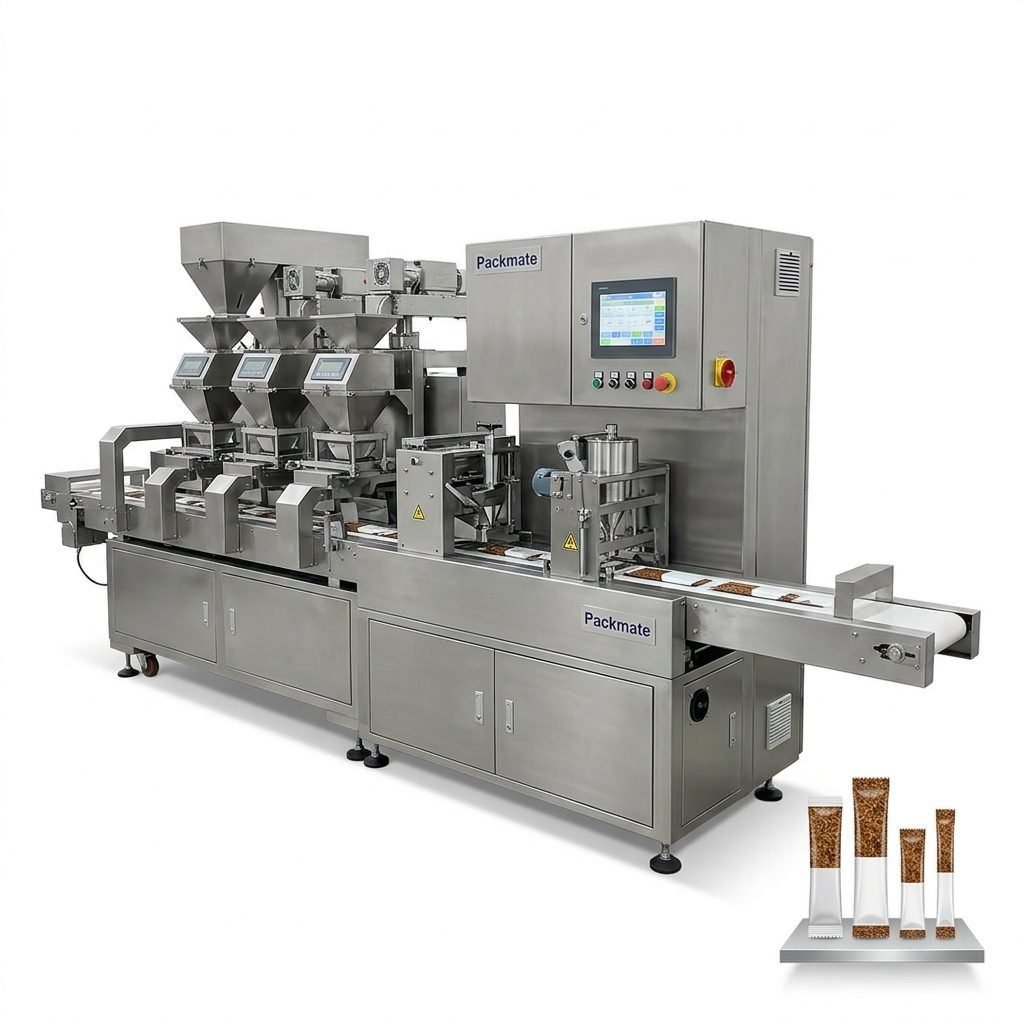
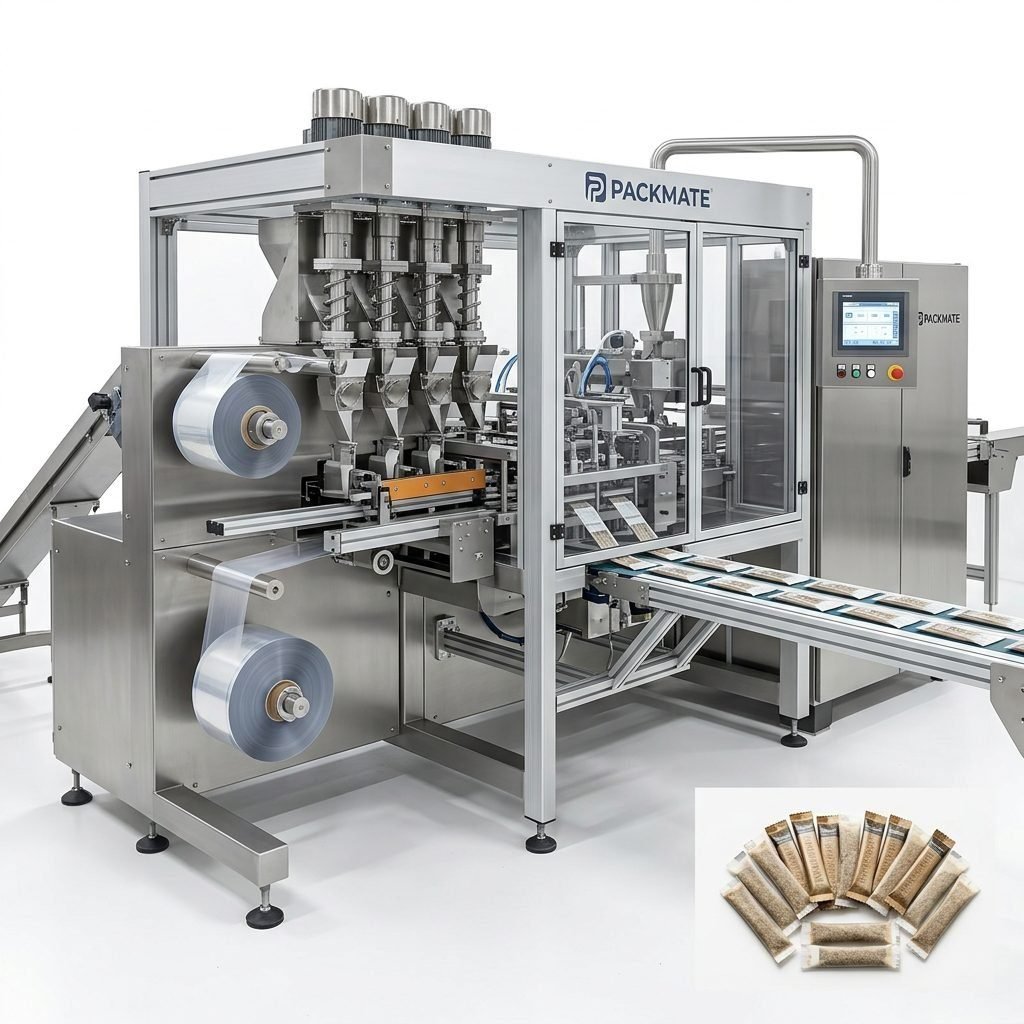
Look for companies that list a portfolio including stick pack, sachet, multi-lane systems, and full filling & packaging lines. Suppliers with global turnkey capabilities and exhibition presence provide added assurance of scale and visibility.
How Packmate-like Capabilities Help Your Indian Business
Suppliers with a heritage of continuous R&D, a broad model range, and robust manufacturing infrastructure reduce implementation risk. For example, companies that:
- Offer 50+ machine models and full turnkey lines
- Operate large factories with CNC machining and test labs
- Provide global case studies and exhibition demonstrations
These suppliers can deliver tailored solutions faster and support rapid scale-up as your Indian market share grows.
Practical Steps to Finalize Your Supplier
Follow a structured procurement process:
- Define technical specifications and production targets
- Request detailed proposals with FAT criteria, spare parts lists, and lead times
- Check references, certificates, and factory capability
- Negotiate clear payment terms tied to milestones
- Plan for installation, validation, and operator training
Useful Resources & Next Steps
To compare suppliers and explore equipment options, review supplier product pages and documentation. Here are helpful links to learn more about specialized equipment and company credentials:
• Snus & Nicotine Packaging Machines
• About Packmate
• Certificate
• Case Studies
• Contact Us
Local Considerations for Indian Operations
Keep these India-specific factors in your procurement plan:
Festivals & Supply Planning: India has seasonal demand spikes around festivals like Diwali and regional celebrations. Plan spare part inventories and maintenance schedules to avoid downtime during peak seasons.
Language & Training: Ensure training materials and safety documentation are available in English and, if needed, local languages for plant staff.
Workforce Skills: Partner with suppliers who provide hands-on commissioning support and operator training to accelerate productivity in Indian plants.
Final Checklist Before Sign-Off
Before you sign a contract, confirm these items are documented and agreed:
- Detailed technical specification and acceptance criteria
- Warranties, service level commitments, and spare part lead times
- Training scope, installation plan, and FAT acceptance procedure
- Clear commercial terms including delivery, taxes, and payment milestones
- Contingency plans for delays or quality deviations
Conclusion
Choosing the best nicotine packaging machinery supplier in India requires a balanced evaluation of technical capability, regulatory awareness, after-sales support, and local logistics competence. Prioritize suppliers who demonstrate industry specialization, a strong manufacturing footprint, and transparent service commitments. With the right partner, you will minimize risk, reduce downtime, and accelerate your product rollout in the Indian market.
Frequently Asked Questions
Q1: How do I verify a supplier’s machine performance before purchase?
A1: Request Factory Acceptance Test (FAT) results, video of machines running with similar materials, customer references, and, if possible, a live demonstration or pilot run.
Q2: What certifications should I insist on for nicotine packaging equipment?
A2: Look for CE and ISO certifications and detailed documentation showing compliance with electrical safety, machine safety, and quality management standards.
Q3: How important is local service presence in India?
A3: Very important. Local agents or distributors reduce response time for parts and service. If not available, ensure the supplier commits to rapid remote support and express spare parts shipping.
Q4: Can machines be customized for multi-lane nicotine pouch production?
A4: Yes. Many specialized suppliers offer multi-lane configurations and modular designs to scale output without proportionally increasing footprint. Confirm changeover times and format tooling availability.
Q5: What should I budget for after initial machine purchase?
A5: Budget for spare parts, periodic maintenance, energy costs, operator training, and an initial spare parts kit. Also include potential customs and GST expenses if importing equipment.