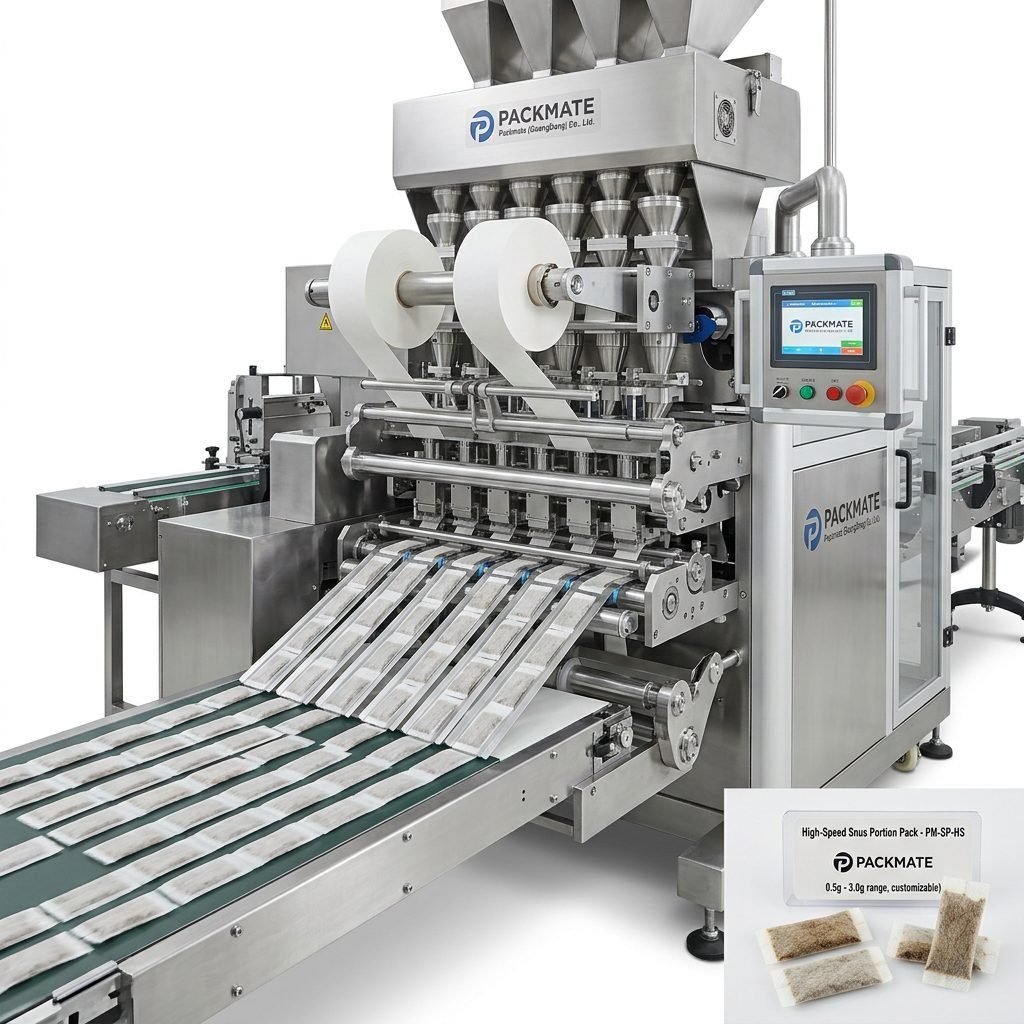
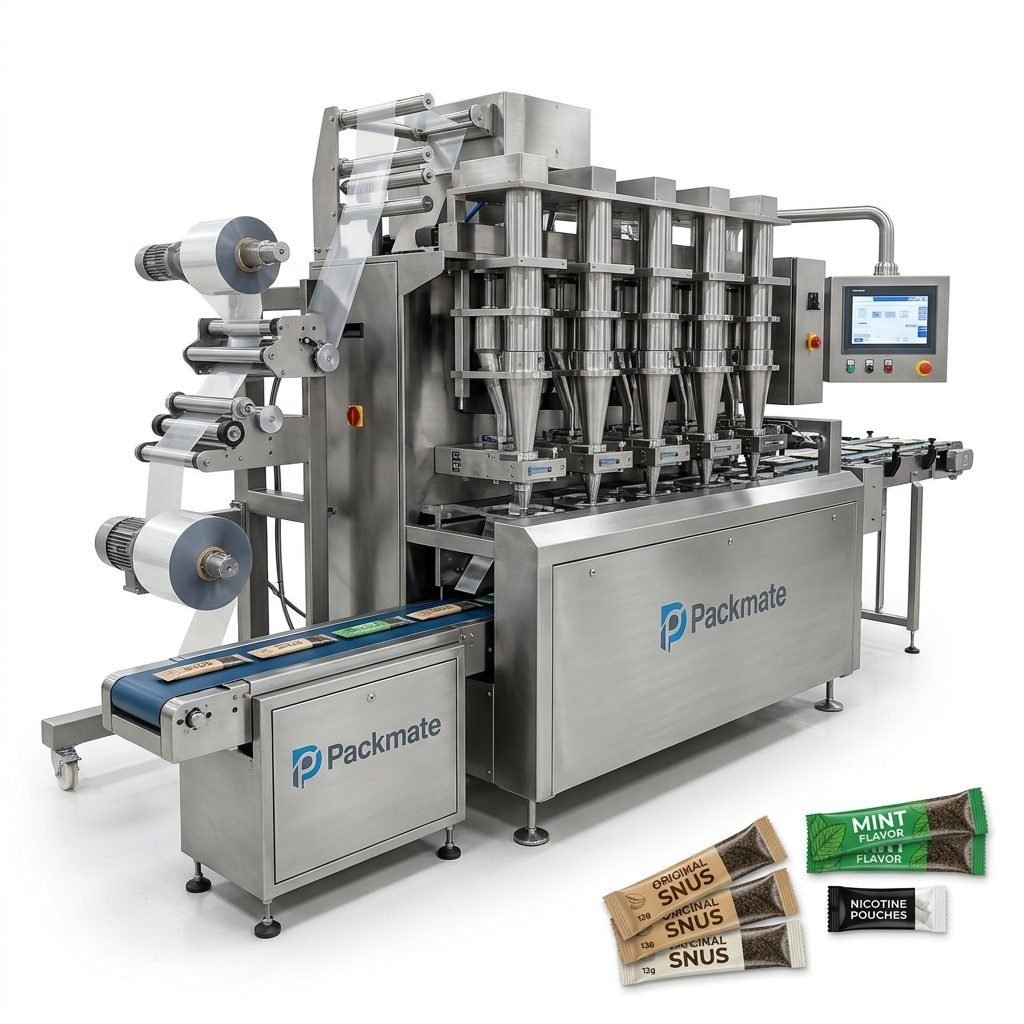
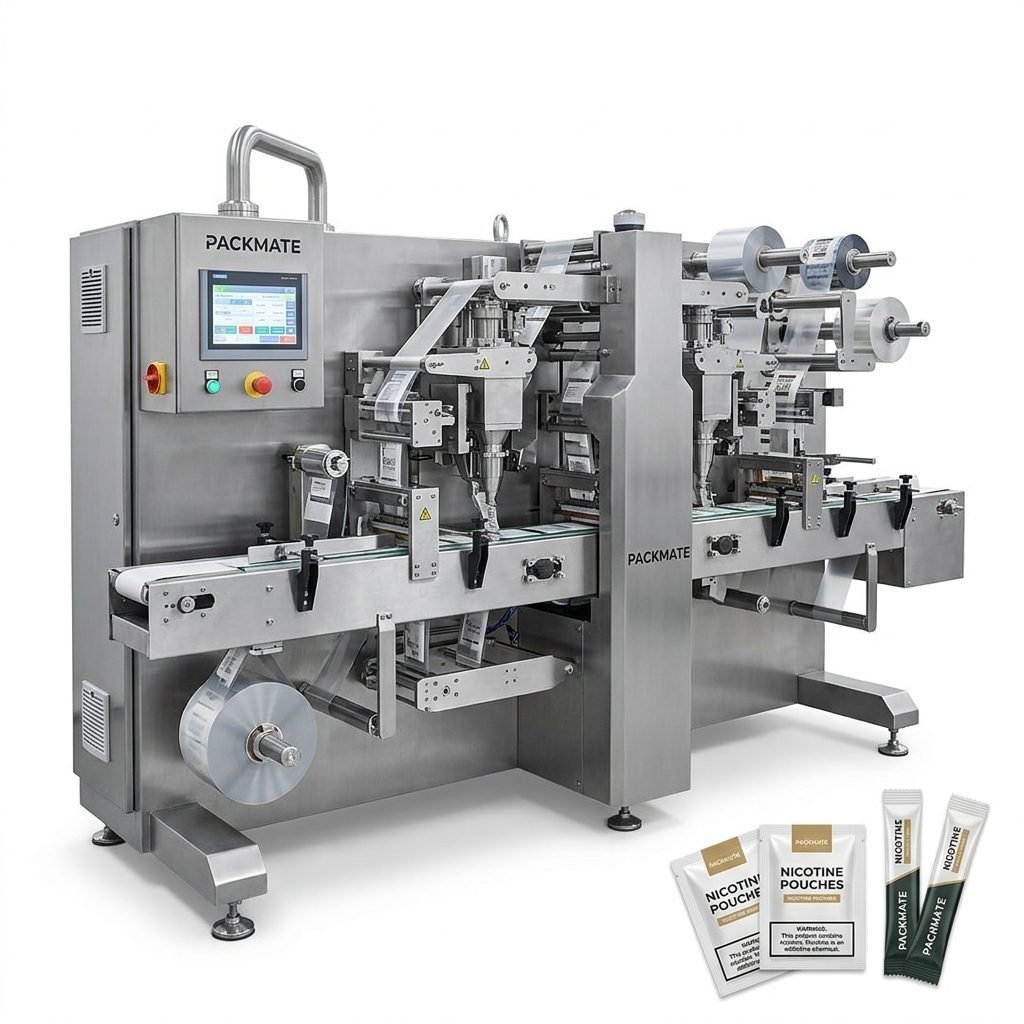
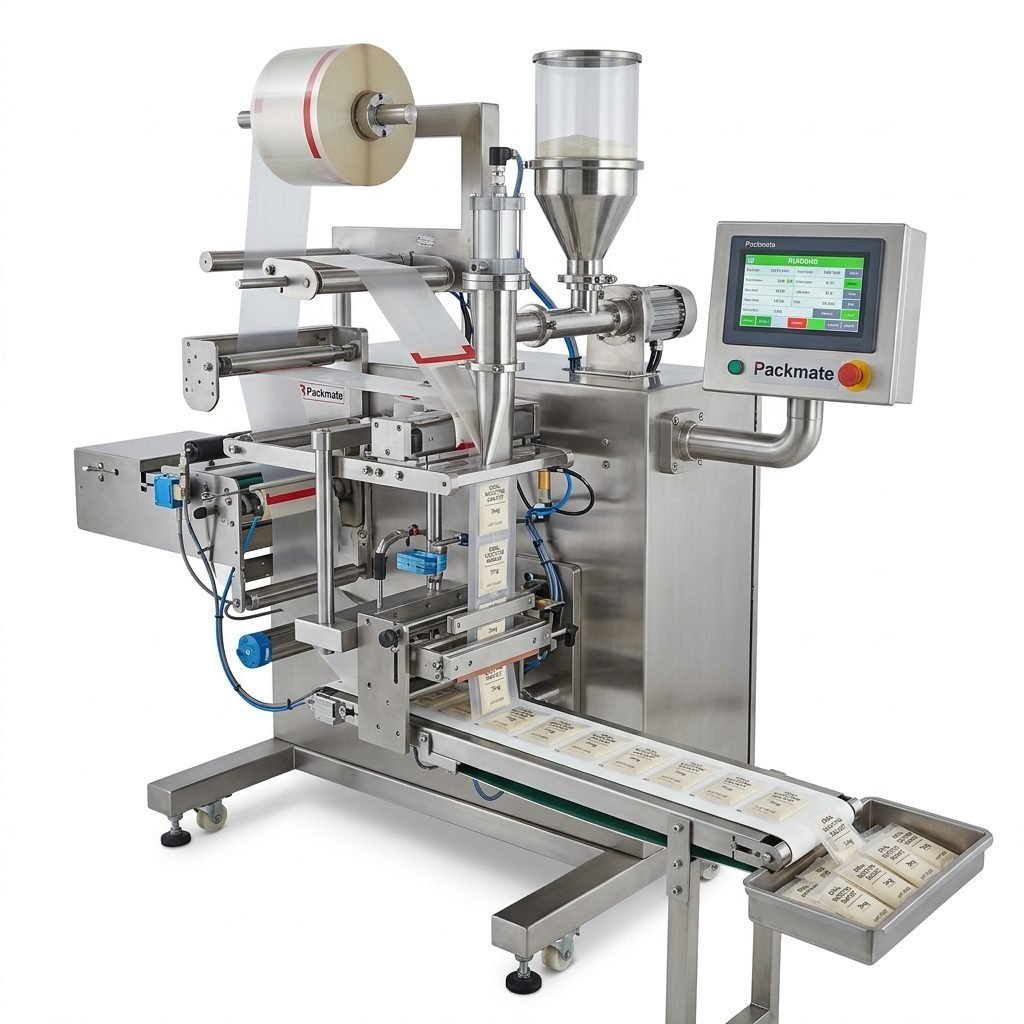
Choosing the right nicotine packaging machine supplier for your business in Cyprus can make the difference between a smooth, compliant production ramp-up and costly delays. Whether you plan to produce nicotine pouches, snus, or related formats, this guide walks you through practical selection criteria, local considerations for Cyprus, and how to evaluate suppliers so you get machines that meet performance, regulatory, and after-sales expectations.
Understand Your Product and Production Targets
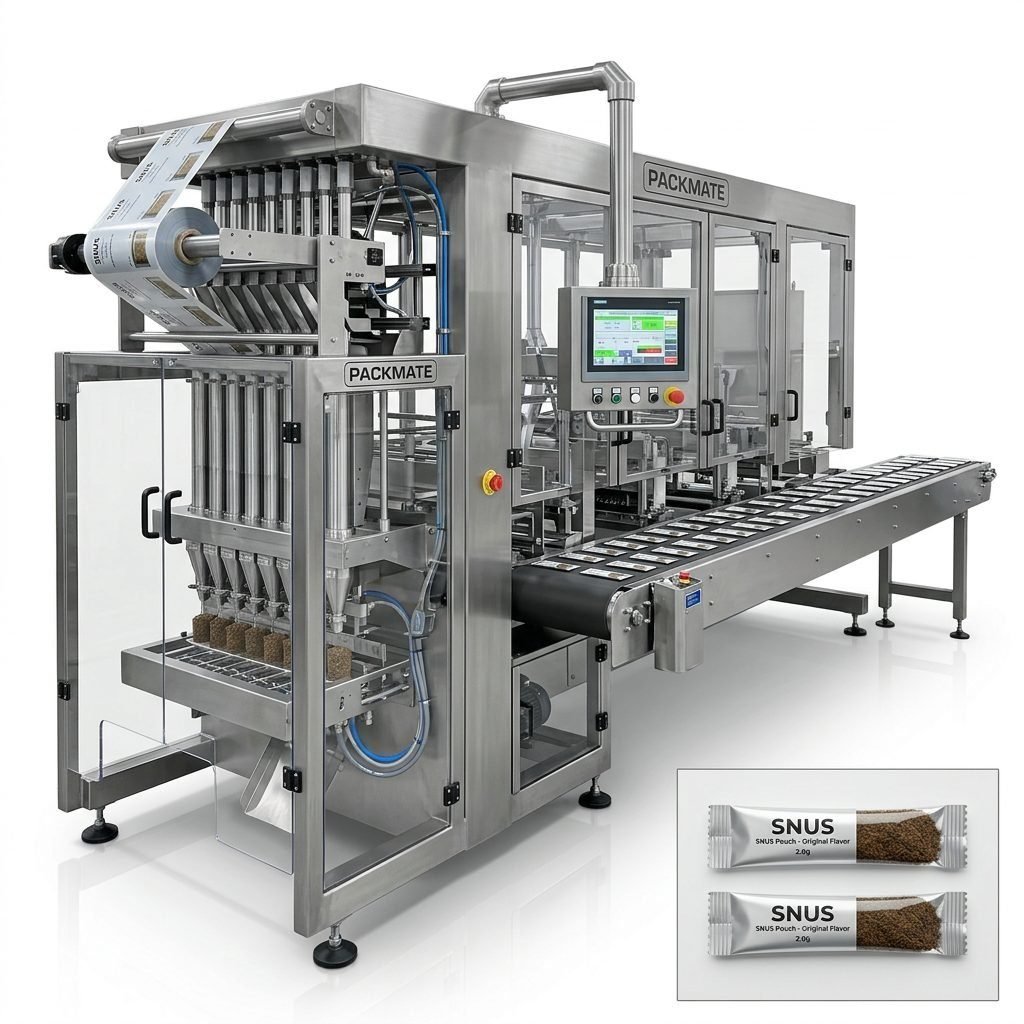
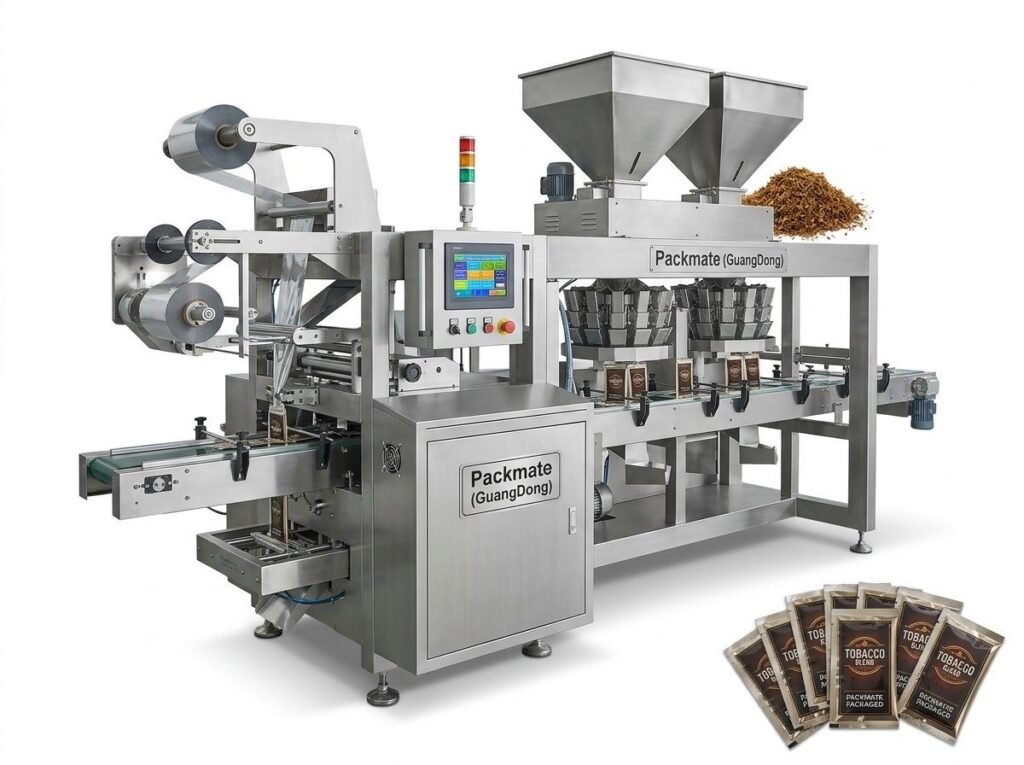
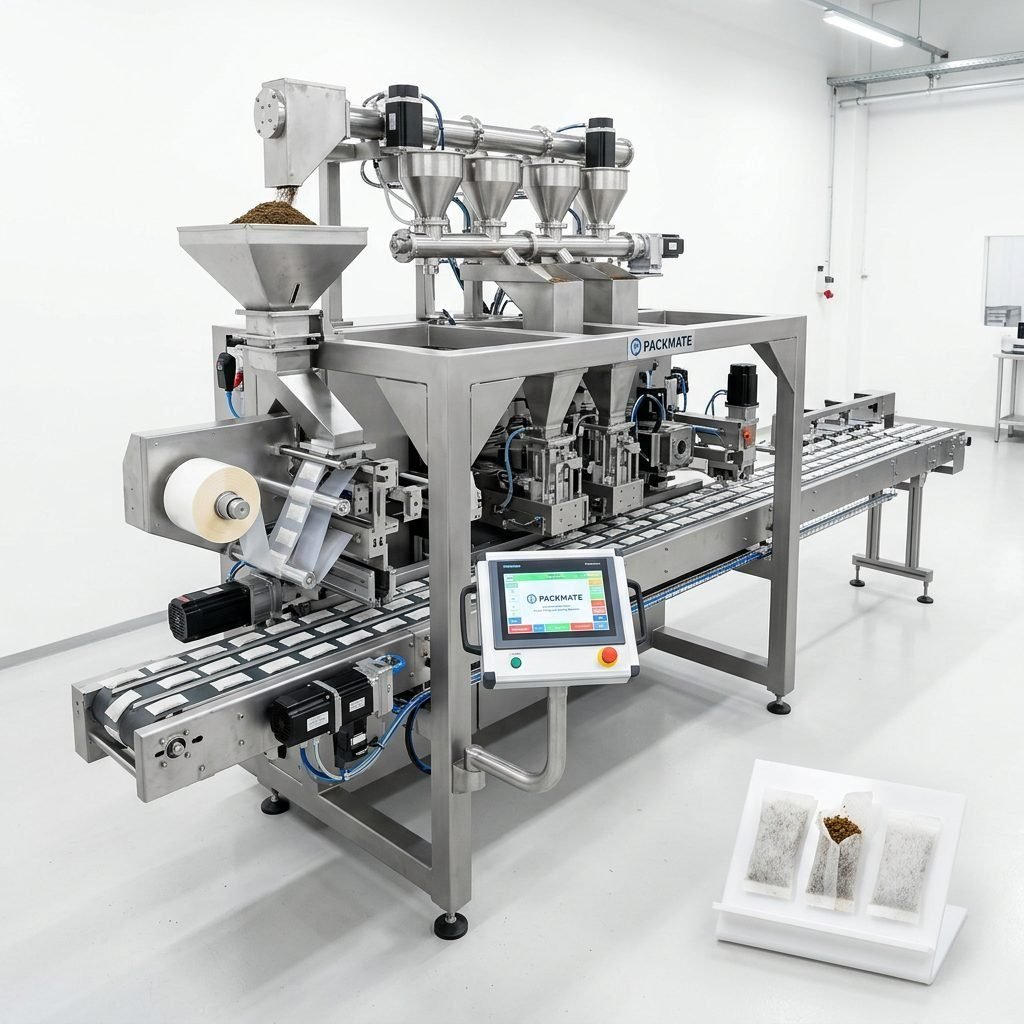
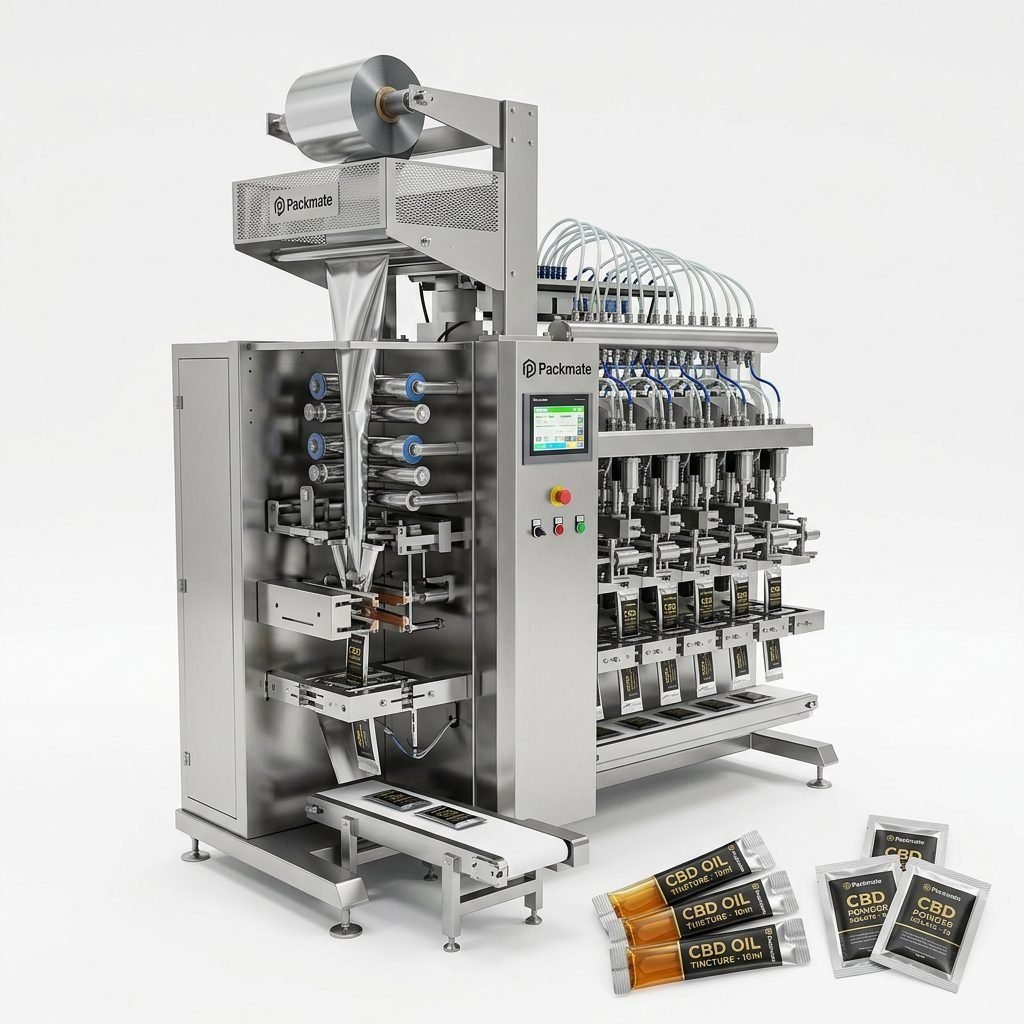
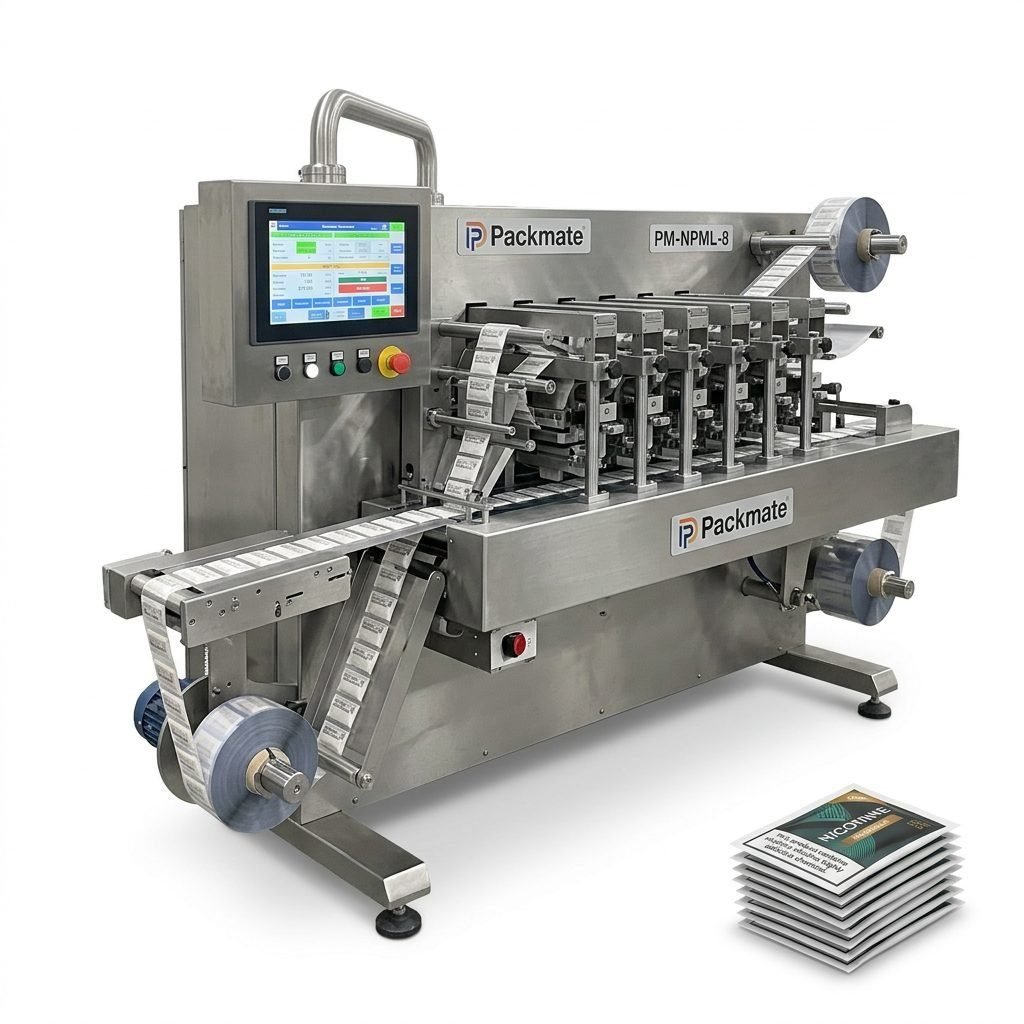
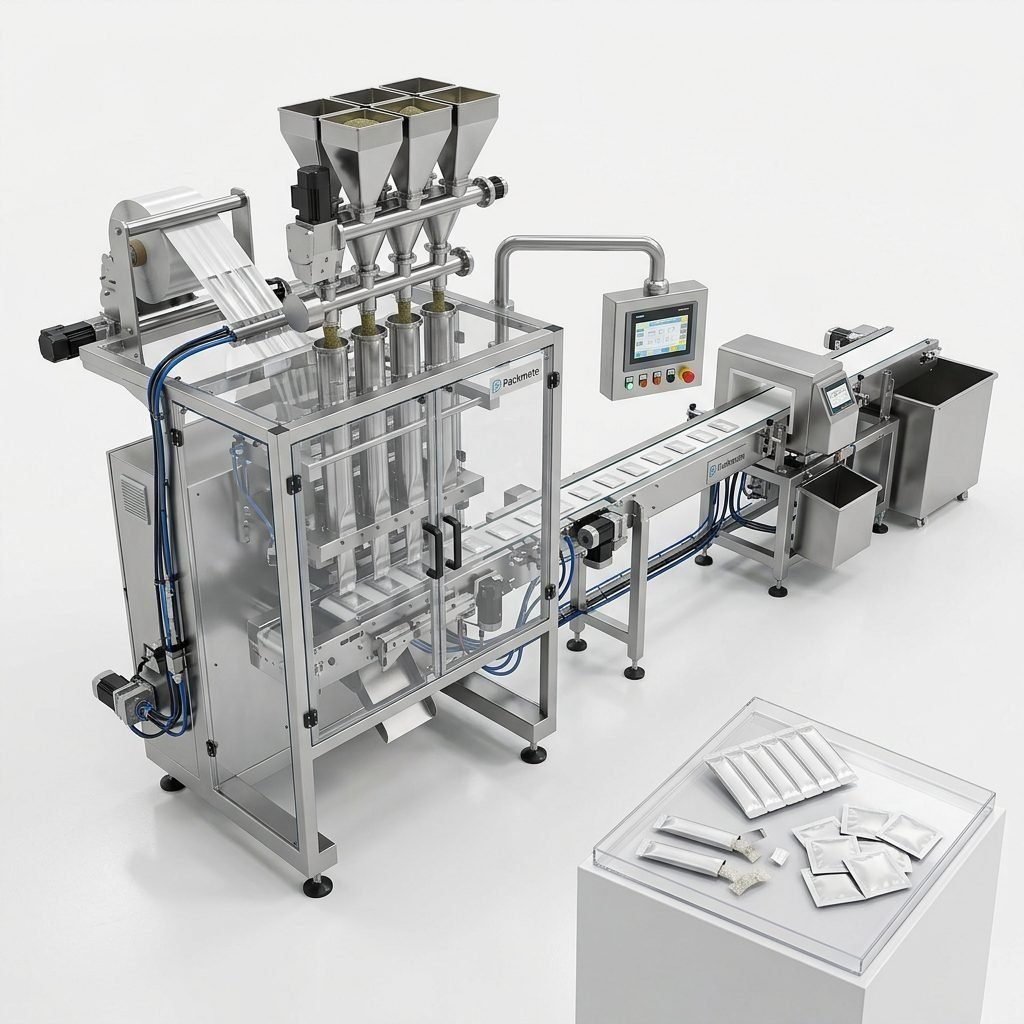
Start by defining what you actually need: pouch size, fill type (powder, granule, liquid), target throughput (pouches/minute), and acceptable downtime. Different machine families — multi-lane snus modules, stick pack systems, and sachet machines — suit different products and volumes. If flexibility is key, prioritize machines that support rapid format changes and modular add-ons.
Typical machine types to consider
🔶 Multi-lane snus & nicotine pouch machines: for high-speed, small-dose output.
🔶 Stick pack & sachet machines: for single-serve formats and promotional SKUs.
🔶 Filling & packaging lines: for fully integrated solutions including dosing, sealing, and secondary packaging.
Quick supplier pointer: Inspect suppliers who produce specialized snus and nicotine pouch machines and offer turnkey lines rather than generic packers. For example, review specialized offerings like
Snus & Nicotine Packaging Machines
and
Sachet & Stick Pack Machines.
Suppliers with a clear focus reduce integration risk and provide proven recipes for nicotine pouch production.
Evaluate Technical Performance and Reliability
Performance specs can be presented in many ways; ask for measurable KPIs. Key metrics include uptime percentage under continuous operation, average throughput at your target format, sealing integrity (especially for moisture-sensitive products), and format changeover time. Reliability metrics and real-world test data are more valuable than glossy brochures.
Request real-world proof
🔶 Factory acceptance test (FAT) videos and reports.
🔶 Customer references in similar markets or product categories.
🔶 Performance certificates and long-term stability data for continuous runs.
Quality, Safety and Compliance
In Cyprus — as an EU member state — compliance with European standards is essential. Ensure machines come with CE marking and quality systems aligned to ISO standards. Suppliers should also demonstrate traceability of electrical and mechanical components and provide documentation for safe operation and maintenance.
Must-have certifications: CE, ISO manufacturing controls, and, if applicable, export compliance documentation. Ask for certificates and expiration dates.
A reputable manufacturer will publish certifications and allow you to verify them.
After-Sales Service, Spare Parts and Local Support
After-sales support is a major differentiator. Prioritize suppliers that offer training, warranty policies, remote diagnostics, and spare parts availability. For Cyprus, where local technical networks are smaller than in continental hubs, fast spare part delivery becomes critical during peak tourist seasons when production demands can spike.
🔶 Ask how long common spare parts take to ship to Limassol or Larnaca ports.
🔶 Request a clear spare-parts price list and recommended stock levels.
🔶 Check whether the supplier provides remote commissioning and 24/7 technical hotline options.
Factory Visit and Manufacturer Credibility
Visit the supplier’s factory if possible. Inspect machining quality, assembly lines, test stations, and quality control processes. If a visit is not feasible, request virtual factory tours, machine demos, and detailed case studies. Packmate, for example, discloses factory size, CNC capabilities, and decades of experience — all good signs of manufacturing depth.
Red flags to watch for
🔶 Vague performance claims without FAT evidence.
🔶 No references or unwillingness to connect you with existing customers.
🔶 Poor documentation or missing certification details.
Customization, Scalability and Turnkey Solutions
Your supplier should offer customization for formats, dosing systems, and secondary packaging to match your brand and regulatory needs. Ask how easily a line can be scaled — both up (higher throughput) and out (additional SKUs). Full turnkey providers typically integrate weighing, filling, packaging, and end-of-line equipment for simplified project management.
Explore related product lines like
Filling & Packaging Lines
and
Weighing & Packaging Systems
to understand full-line capabilities.
Commercial Terms: Price, Lead Time and Payment
Evaluate total cost of ownership rather than unit price alone. Consider spare part costs, expected energy consumption, maintenance intervals, and typical mean time between failures (MTBF). Clarify lead times for production and shipping — global supply chains can add weeks or months. Discuss payment terms, deposits, escrow options, and instruments like LC (letter of credit) if appropriate.
Logistics & installation in Cyprus
Cyprus has reliable port facilities in Limassol and Larnaca. Coordinate shipments with local customs agents and be aware of VAT/import duties for machinery. Factor in local installation permits or electrical requirements and confirm whether the supplier handles on-site commissioning and operator training.
References, Case Studies and Demonstrations
Ask the supplier for case studies relevant to nicotine pouch production and evidence of global deployments. Many manufacturers provide demonstration videos, FAT records, and customer testimonials. For broader context, check the supplier’s exhibition presence and published cases to measure industry acceptance.
You can find examples and cases via the supplier’s public pages such as their
Case
section and exhibition history on
Our Exhibition.
Practical tip: For first-time line purchases, consider a supplier that offers a pilot-scale machine or a test run using your product. This minimizes surprises during full-scale commissioning.
Local Market & Cultural Considerations in Cyprus
Cyprus blends Mediterranean business culture with strong ties to EU regulation. English is widely used in commerce, so supplier communication typically proceeds smoothly. Business meetings are generally formal and punctual; however relationships and trust-building remain important. Seasonal tourist demand can influence production planning, especially if you target duty-free or tourist retail channels.
Legal and regulatory attention: nicotine pouches may fall under tobacco or nicotine product regulations. Ensure your supplier supports hygienic designs and documentation that help you meet product safety and labeling requirements under EU rules enforced locally in Cyprus.
Project Management: From Quotation to Operation
A clear project plan reduces risk. Confirm milestones such as design sign-off, FAT, packing, shipping, installation, commissioning, and acceptance tests. Also define training schedules, spare parts shipment, and warranty terms in writing.
Consider asking for a simple Gantt timeline in the proposal and a named project manager on both sides to keep progress transparent.
Why Choose an Experienced Snus & Nicotine Specialist?
Specialization matters when handling small-dose nicotine pouches. Manufacturers with three decades of engineering heritage and a focus on snus production bring process know-how that generic packaging vendors may lack. They tend to provide better sealing technology, dosing precision, and multi-lane synchronization — crucial for product quality and cost efficiency.
If you want to review a specialized manufacturer’s profile and product lines, see their
About Packmate
page and product categories like
Bag & Pouch Packaging Machines.
Checklist before you sign
🔶 FAT and SAT commitments in the contract.
🔶 Clear warranty period and scope.
🔶 Spare parts lead times and local stocking suggestions.
🔶 Training and documentation language (English/Greek).
🔶 Terms for upgrades, retrofits and performance guarantees.
Next Steps: Shortlisting & Final Decision
Narrow down suppliers to those who can demonstrate relevant experience, provide verifiable references, and offer transparent commercial terms. Run a matrix scoring system to compare technical capability, compliance, after-sales strength, and cost of ownership. Finally, request a proposal that includes a detailed timeline, payment milestones, and a FAT plan.
Useful links for vendor research:
• Auxiliary Packaging Equipment
• Service
• Contact Us
Summary
Choosing the best nicotine packaging machine supplier in Cyprus requires a balanced assessment of technical performance, certifications, after-sales capability, and local logistics. Prioritize specialists with proven snus/nicotine experience, request FAT evidence, confirm spare-part logistics to Cyprus ports, and secure contractual clarity on commissioning and warranty. With these steps you can select a supplier who delivers reliable machines and supports your business growth.
Common Questions
Q1: What certifications should I insist on? A: At minimum, CE marking and ISO-aligned manufacturing processes. Request copies of certificates and confirm expiration and scope for electrical and mechanical components.
Q2: How long does shipping and installation to Cyprus usually take? A: Lead times vary by order size and factory backlog; shipping to Limassol or Larnaca typically adds several weeks. Include shipping and customs handling in your project timeline and plan for on-site commissioning time.
Q3: Should I buy a turnkey line or individual machines? A: If you want simplified integration and single-vendor responsibility, a turnkey line is preferable. If you require flexibility or phased investment, individual machines may work but require stronger integration planning.
Q4: How important is spare parts stocking? A: Very important. For niche machines, some parts may take weeks to arrive. Ask suppliers for recommended spare lists and consider local stocking for critical wear items.
Q5: Where can I see machine demos and customer cases? A: Request FAT videos and case studies directly from suppliers, and check their public case pages and exhibition records to validate claims.