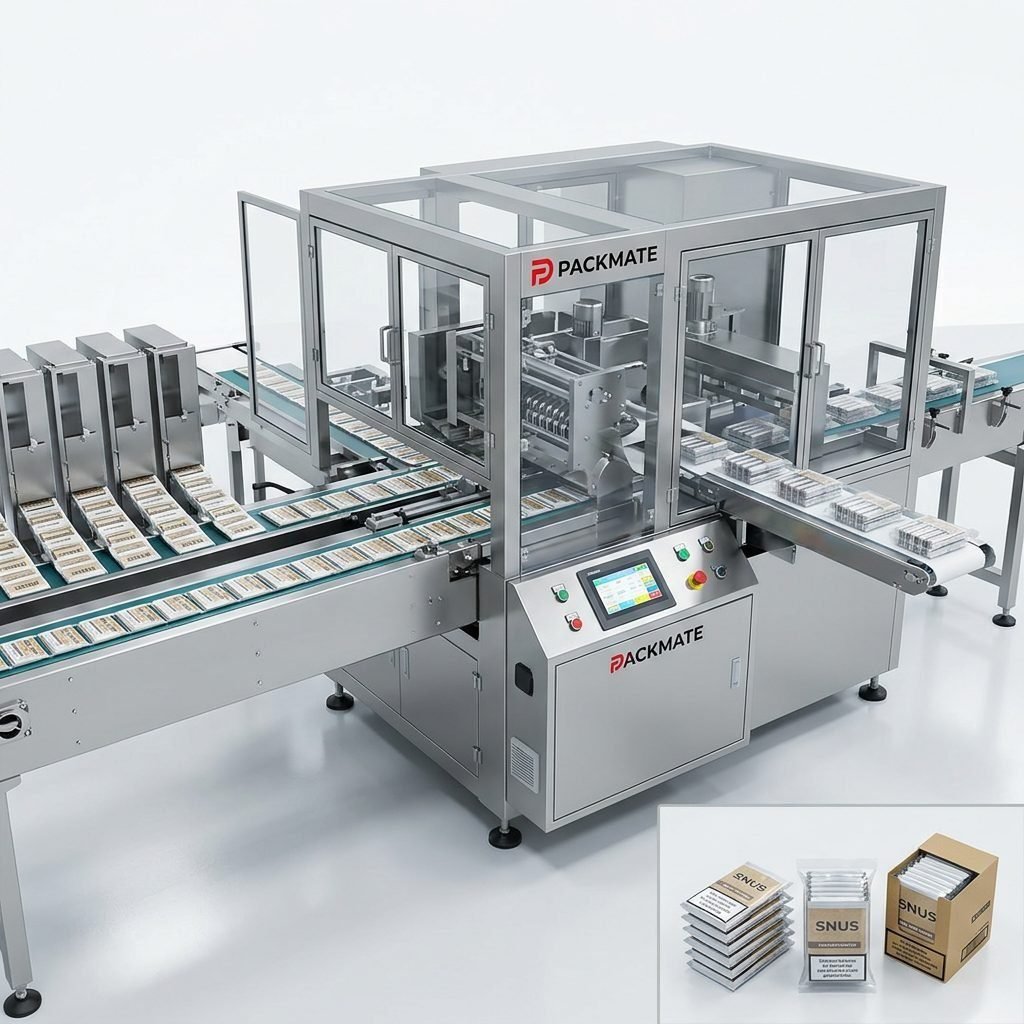
Choosing the right nicotine packaging machinery supplier in Colombia can make the difference between a costly start-up and a smooth, scalable production line. Whether you’re launching nicotine pouches, snus products, or expanding an existing tobacco-alternative portfolio, this guide walks you through practical, market-specific steps and selection criteria so your investment delivers consistent output, compliance, and long-term value.
Understand the Colombian Market & Regulatory Landscape
Colombia is a market with evolving regulatory scrutiny for nicotine products. Local authorities such as INVIMA oversee certain approvals for products and packaging when they fall under food or pharmaceutical controls. Importers and manufacturers must anticipate documentation checks and labeling rules, and many buyers in Colombia also expect Spanish-language support and labeling guidance.
📌 Local tips:
Consider logistics via Cartagena or Buenaventura ports, plan for customs documentation, and offer Spanish-language manuals and training for Colombian operators. Retail presentation in Bogotá and Medellín often favors discreet, stylish pouch formats.
Why Certifications Matter
A reputable supplier should provide machines with international certifications (e.g., CE, ISO) and clear technical documentation. Certifications demonstrate compliance, but local acceptance (INVIMA or import clearances) often depends on product classification—work with your supplier to produce documentation that satisfies Colombian import officials.
Match Machine Types to Your Product and Volume
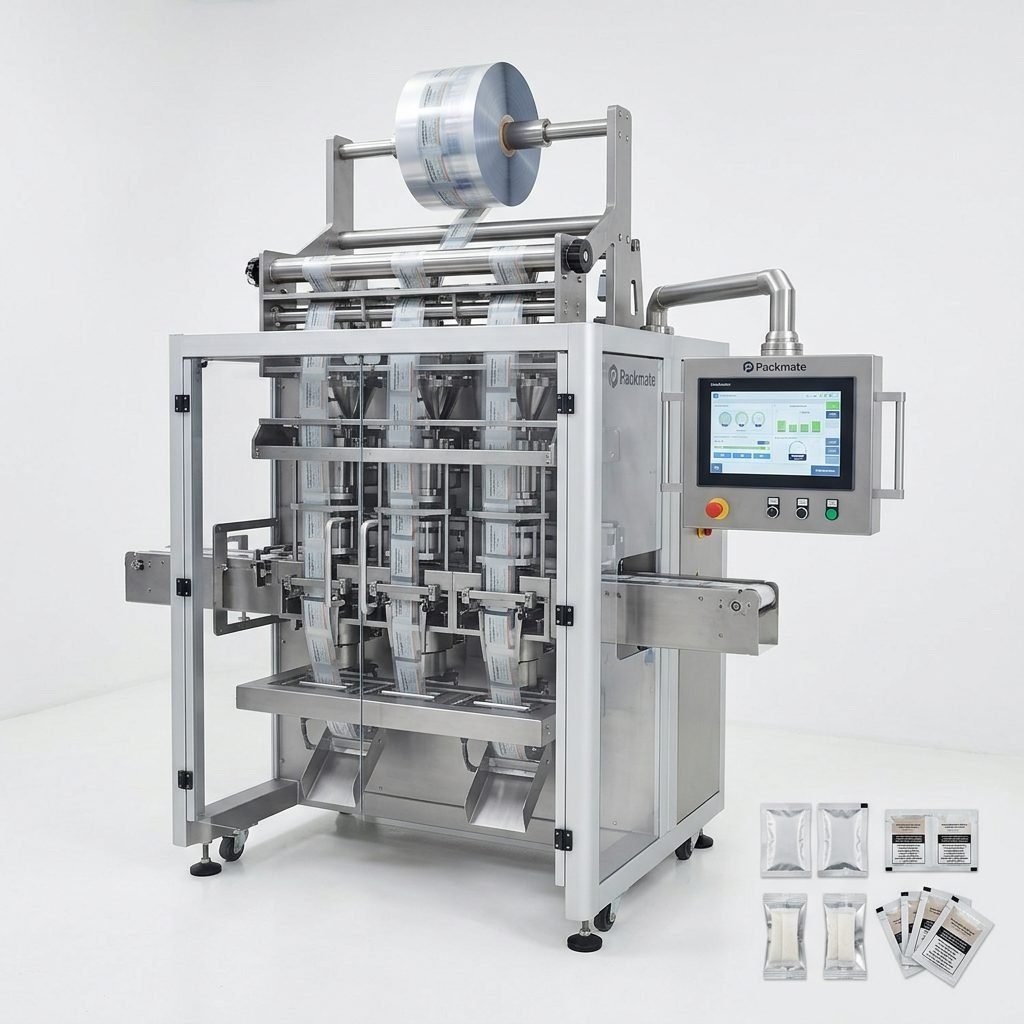
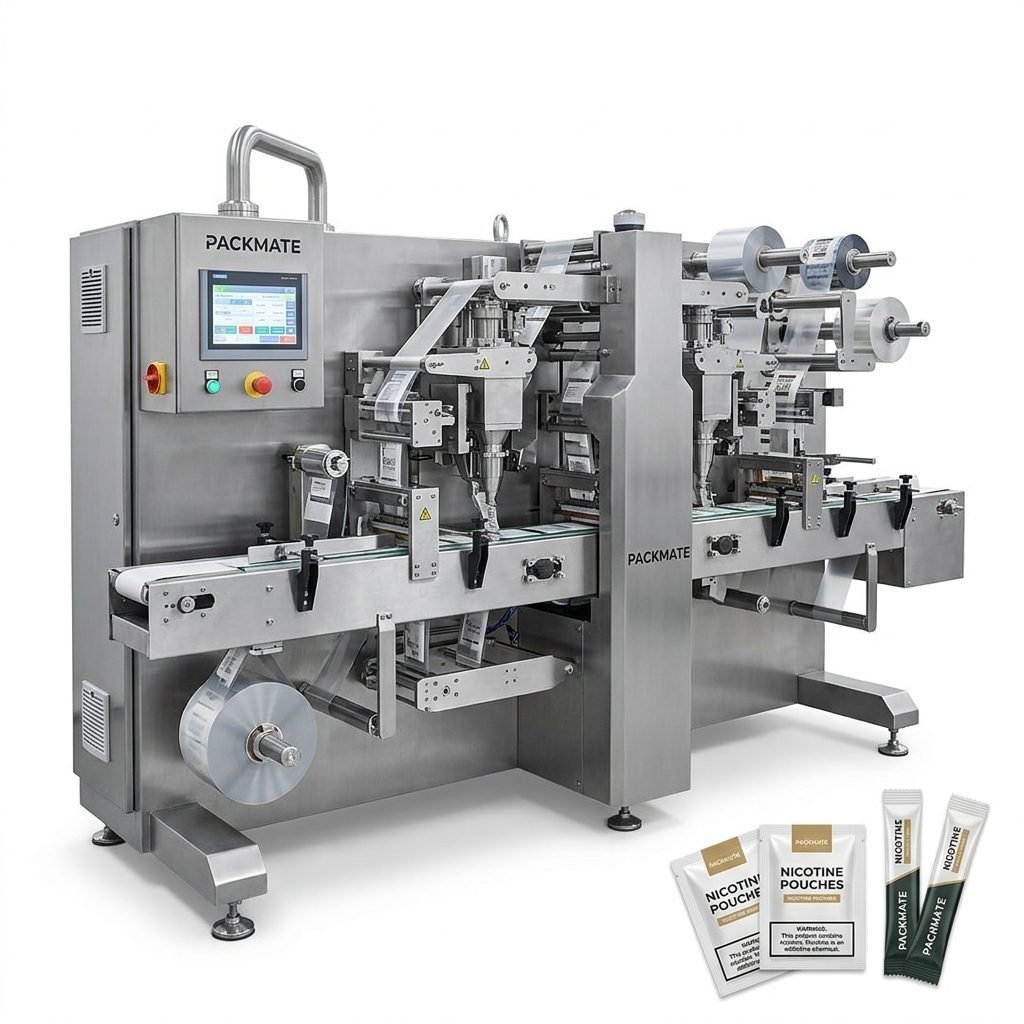
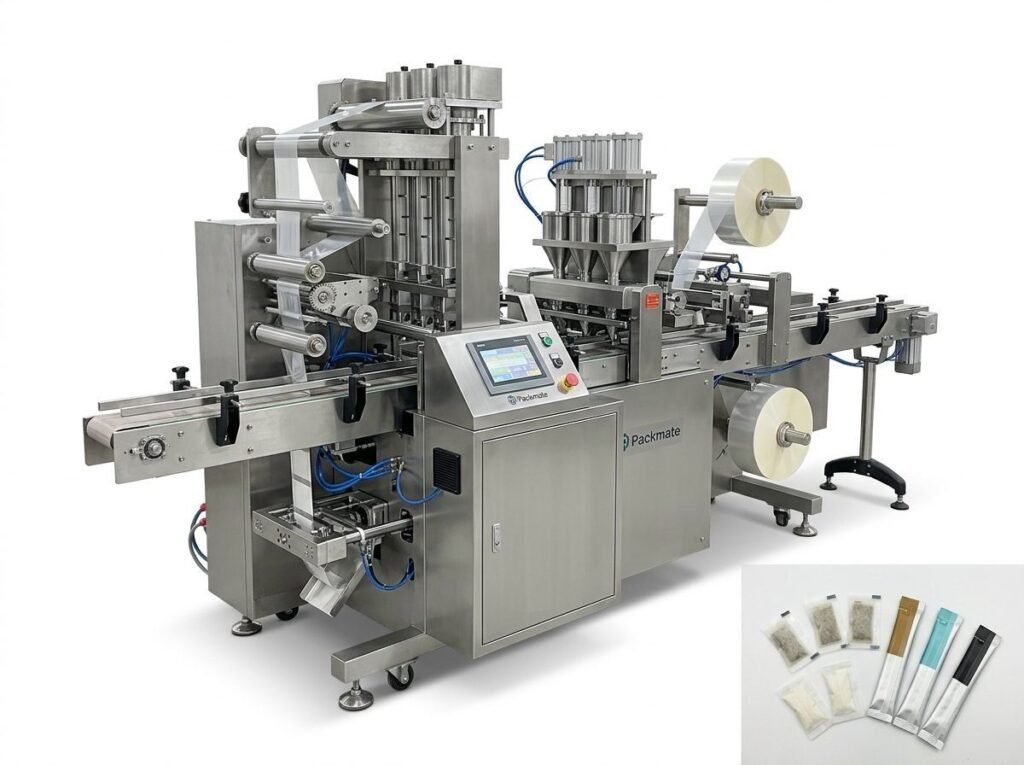
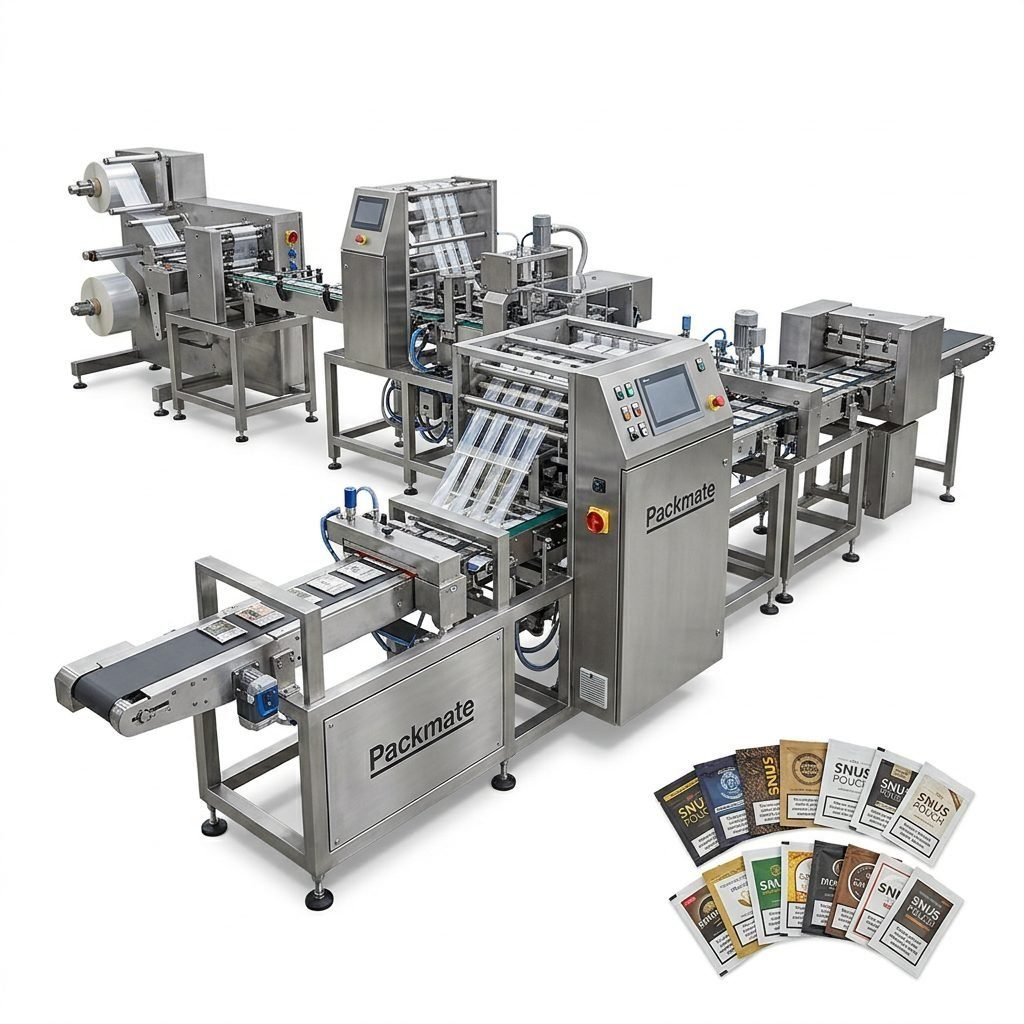
Different nicotine formats require different packaging lines. Key machine types include:
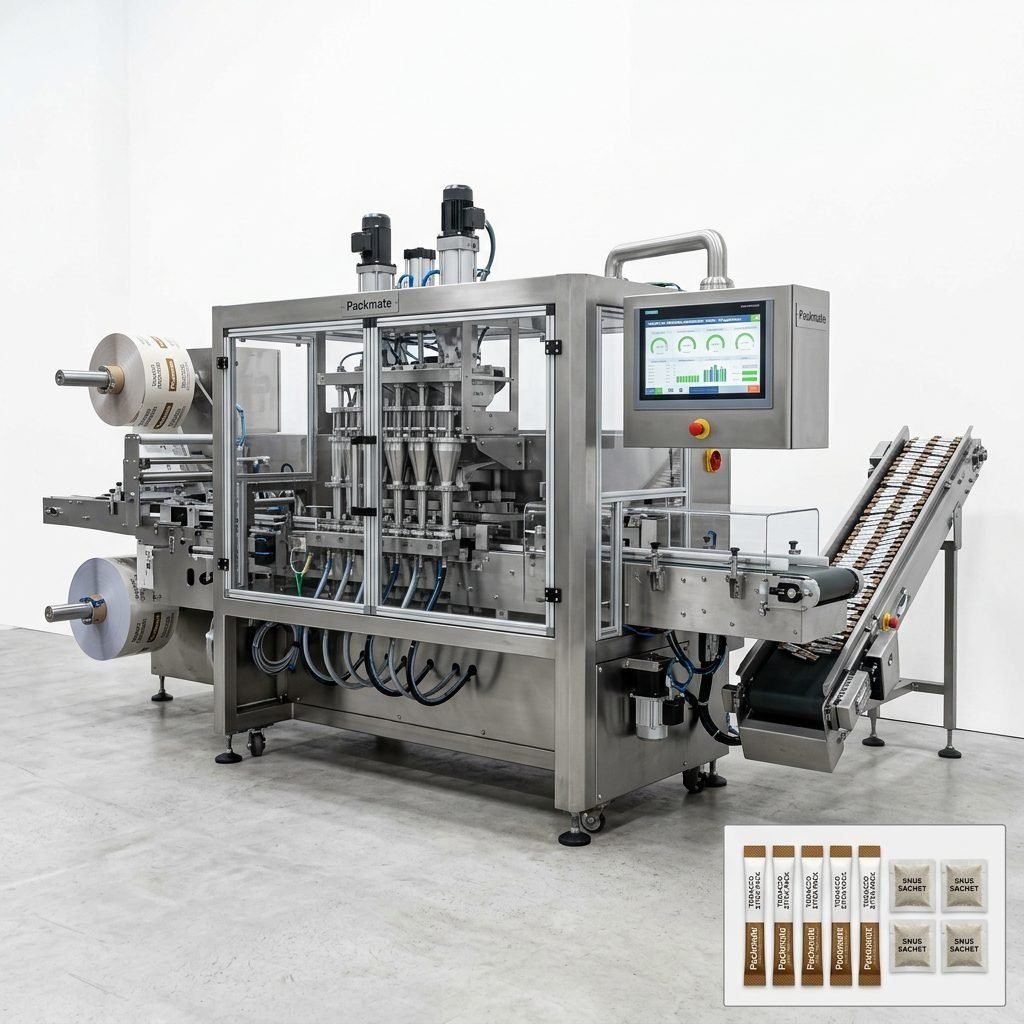
- Stick pack systems for single-dose stick formats.
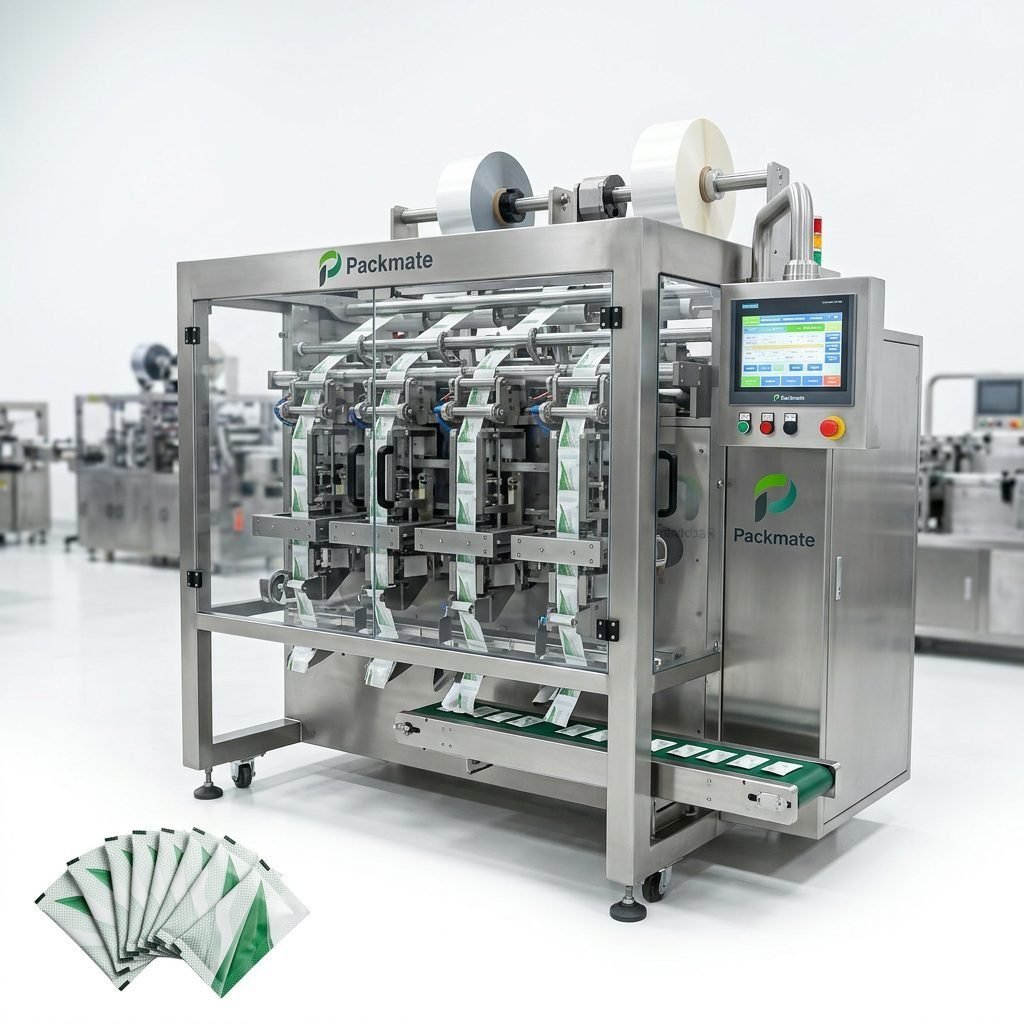
- Multi-lane snus/nicotine pouch machines for small-dose pouches with high throughput.
- Sachet and sachet-to-carton integrations for single-serving deliveries.
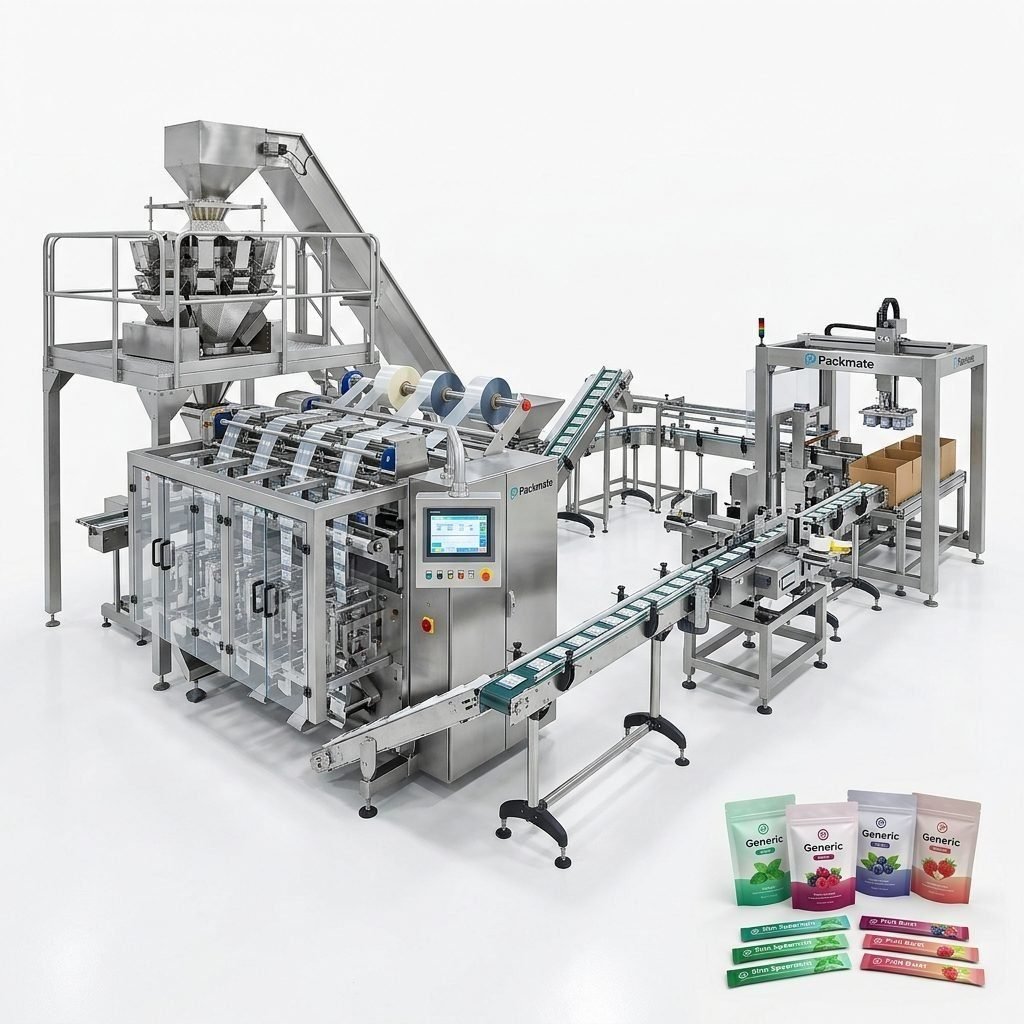
- Filling lines and weighing systems for powder, granule, or loose nicotine blends.
If you need to explore options, the manufacturer’s product pages can be a helpful start:
Snus & Nicotine Packaging Machines and
Sachet & Stick Pack Machines.
Capacity & Customization: What to Confirm
For Colombian customers, the right balance between capacity and flexibility is critical. Confirm:
- Throughput (pouches per minute and lanes): match expected monthly volumes.
- Changeover time: quick format changes reduce downtime for multiple flavors or sizes.
- Custom printing & labeling options for Spanish language content and brand localization.
✓ Key selection rule:
Choose machines that scale from pilot runs to full production with modular add-ons, minimizing future capital expenditure.
Assess Manufacturer Strength and Trustworthiness
When evaluating a supplier, especially for regulated products in Colombia, prioritize firms with clear engineering history, production capacity, and export experience. For example, a manufacturer with 30+ years of engineering experience and a 20,000㎡ factory demonstrates the stability and capability to deliver turnkey lines and spare parts.
Look for tangible proofs:
- Factory tour videos or virtual audits.
- Case studies and global installation references — a supplier that serves customers across Europe, Asia, and the Americas can better handle Colombian import logistics.
- Clear after-sales policy, local technicians or remote support, and accessible spare parts.
Packmate’s public materials and case references can illustrate such strengths: About Packmate, Case.
Quality Assurance and Testing Protocols
Request the supplier’s quality control procedures: incoming material checks, in-line sensors for fill accuracy, integrity tests for sealed pouches, and sample acceptance criteria. Machines used for nicotine pouches should maintain tight dosage tolerances and seal integrity to ensure product safety and reduce waste.
⚠️ Important:
Ask for documented test runs and performance charts showing uptime, OEE, and typical yield for nicotine pouch products.
Service, Installation & Local Training
Colombian operators value hands-on training and rapid local support. Confirm that the supplier offers:
- On-site installation and commissioning (or supervised remote commissioning).
- Operator and maintenance training in Spanish.
- Fast spare parts shipping options and a clear list of recommended spares.
For broader production lines, explore the supplier’s auxiliary equipment and integration capabilities with weighing and filling systems: Weighing & Packaging Systems and Filling & Packaging Lines.
Spare Parts & Long-Term Maintenance
The supplier should provide a clear spare parts catalog with typical lead times. For Colombian projects, prioritize suppliers that hold common parts in nearby regions or offer express shipping. Ask for recommended spare components based on your expected throughput and environment.
Logistics, Payment Terms & Local Considerations
Importing heavy machinery into Colombia involves freight, customs, taxes, and sometimes local VAT treatments. Discuss:
- EXW vs. FOB vs. CIF quotes — CIF to a Colombian port simplifies local customs handling.
- Estimated duties and customs documents (commercial invoice, packing list, certificate of origin).
- Payment terms: deposits, LC options, and staged payments tied to milestones like FAT (Factory Acceptance Test) or shipment.
Factory Acceptance Test (FAT) and Commissioning
A proper FAT demonstrates that the machine meets agreed specifications before shipment. FAT reports, video evidence, and sample packs are essential. Consider sending a local engineer to the supplier for FAT or request detailed remote FAT sessions.
📌 FAT checklist:
Throughput verification, seal integrity tests, weight accuracy, packaging aesthetics check, and electrical/safety compliance.
Vendor Selection Checklist — Quick Reference
Use this checklist when comparing suppliers:
- Track record: Years of experience, production capacity, and global installations.
- Certifications: CE/ISO and helpful documentation for INVIMA/imports.
- Customization: Ability to handle Spanish labeling, flavor-specific dosing, and multi-lane formats.
- Support: Spanish training, spare parts, and remote/local service plans.
- FAT and warranties: Clear acceptance tests and warranty terms.
Leverage Demonstrations & Exhibitions
Meeting suppliers at exhibitions or requesting live demos helps visualize workflow and finished packaging quality. If you want to see machines in person or meet technical teams, check upcoming events and exhibition records: Our Exhibition.
Case Example: End-to-End Turnkey Approach
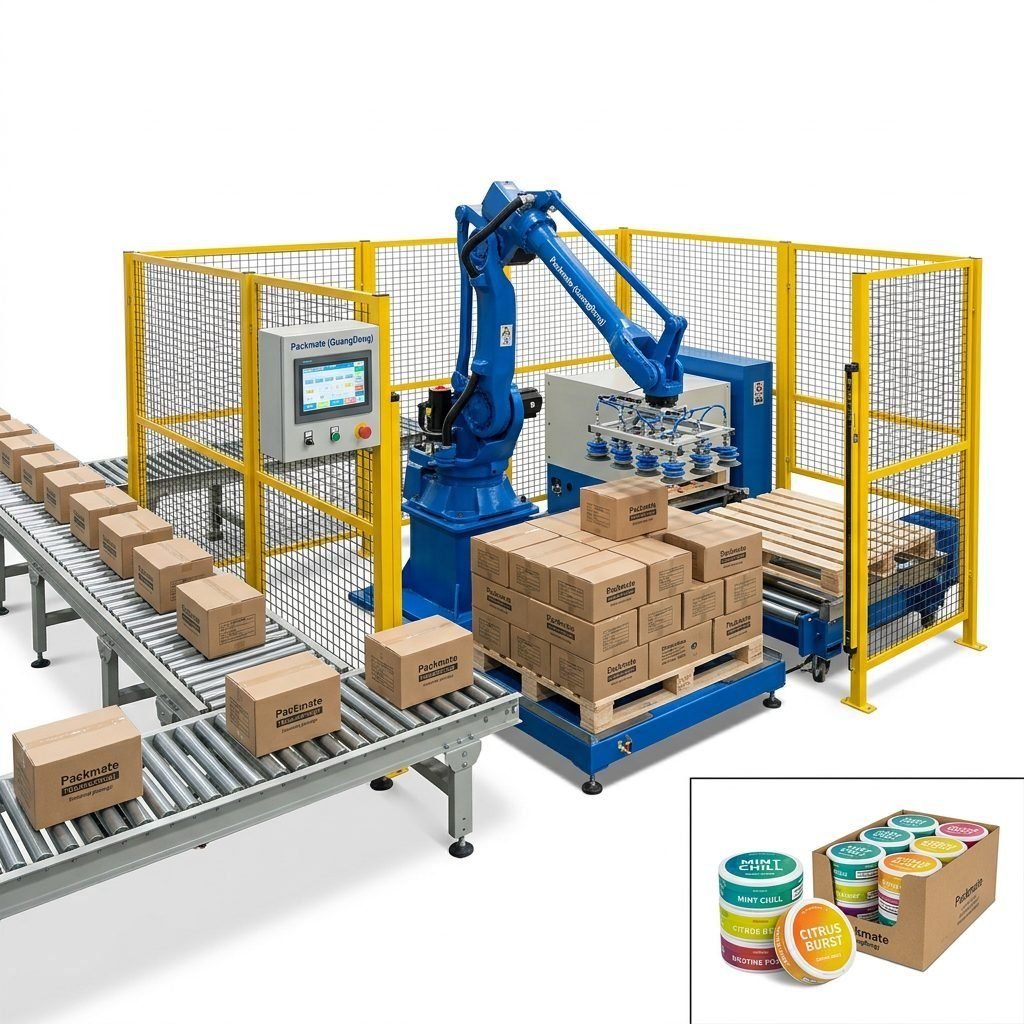
A Colombian start-up targeting urban retail channels chose a supplier that provided a complete solution: multi-lane snus pouch machines, automated weighing systems, and a sealing and cartoning line. The supplier handled FAT, bilingual commissioning, and provided a recommended spare parts list. This reduced the client’s time-to-market and minimized cross-border paperwork by consolidating documentation for customs.
Suppliers with full-range offerings including auxiliary equipment can simplify procurement: Auxiliary Packaging Equipment.
Negotiating for Value, Not Just Price
While price matters, prioritize total cost of ownership: energy consumption, spare part availability, expected uptime, and service response times are often more impactful than a lower initial purchase price. Ask suppliers for ROI scenarios based on your specific production targets.
Next Steps for Colombian Buyers
1) Define your product specs, monthly volume, and packaging format.
2) Shortlist suppliers who can provide FAT and bilingual commissioning.
3) Request detailed quotes (including CIF to preferred Colombian port), spare part lists, and lead times.
4) Schedule FAT and review test runs before approving shipment.
📞 Pro tip:
Contact the supplier’s service or contact page early to discuss Spanish-language training and local support plans: Contact Us.
Conclusion
Selecting the best nicotine packaging machinery supplier in Colombia requires a balance of regulatory insight, technical capability, after-sales support, and logistics planning. Prioritize proven manufacturers with turnkey capabilities, clear FAT procedures, bilingual support, and spare parts availability to ensure a successful long-term operation.
Frequently Asked Questions (常见问题)
Q1: What certifications do I need for nicotine pouch equipment in Colombia?
A1: Machines should carry CE and ISO certifications as standard. For local acceptance, coordinate documentation for INVIMA or customs with your supplier; classification depends on product formulation and local interpretation.
Q2: Should I buy multi-lane machines or start with single-lane systems?
A2: If you expect rapid scale-up and multiple SKUs, multi-lane systems offer better throughput and lower per-unit cost. For limited runs or R&D, single-lane systems can reduce initial investment.
Q3: How important is a FAT before shipment?
A3: FAT is essential. It verifies performance, reduces installation surprises, and provides documented acceptance criteria that protect both buyer and seller.
Q4: What after-sales support should I expect in Colombia?
A4: Expect Spanish-language training, remote troubleshooting, and a clear spare parts strategy. Ideally, choose suppliers who can provide fast spare shipping and online technical support.
Q5: Where can I find more product information and real-world cases?
A5: Review product pages and case studies for line examples and references: Snus & Nicotine Packaging Machines, Case, and the supplier’s service pages.