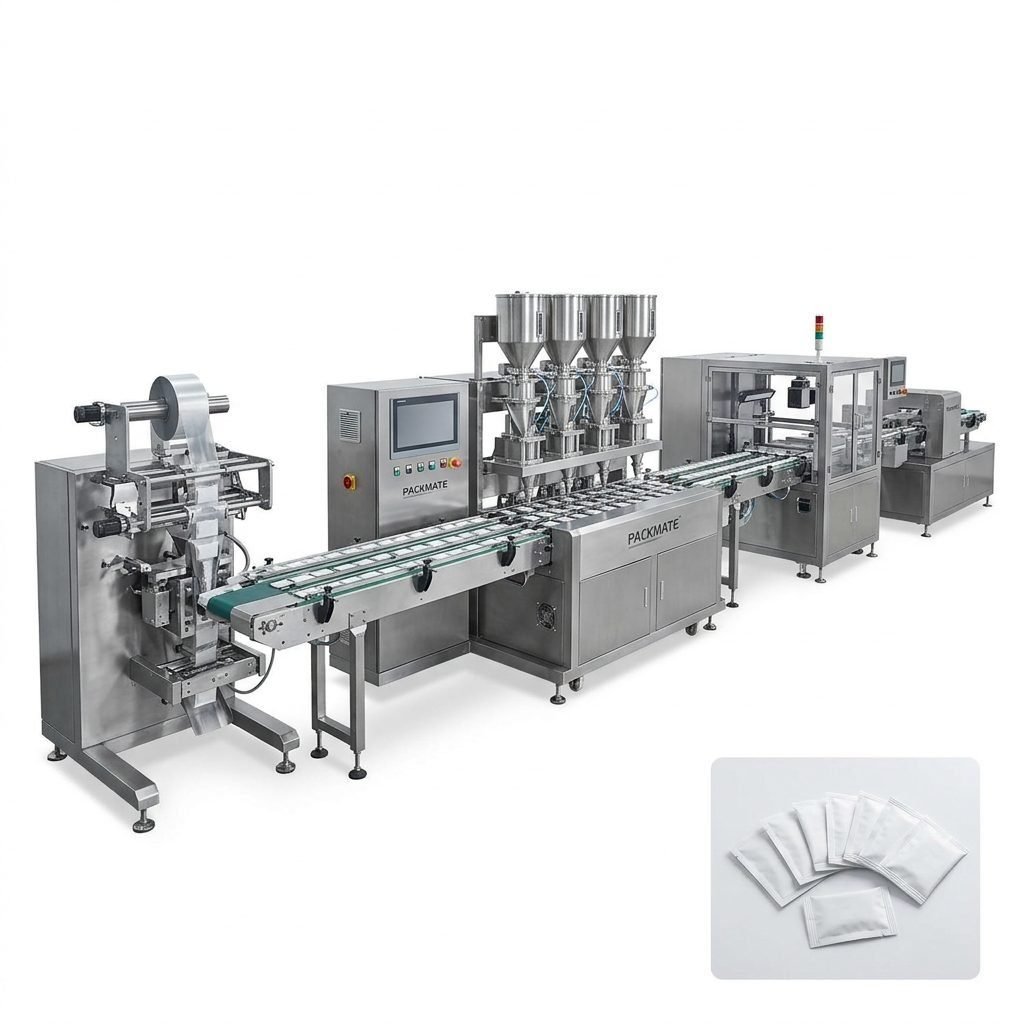
Choosing the right nicotine packaging machinery supplier for your factory in Somalia requires more than price comparison — it demands careful evaluation of local market customs, logistics realities, equipment reliability under regional climate conditions, after-sales support, and regulatory compliance. This guide walks factory owners and procurement managers through practical steps to select a supplier who can deliver robust, compliant, and maintainable snus and nicotine pouch packaging solutions tailored to Somalia’s operating environment.
Why Somalia needs a tailored approach
Somalia’s predominantly Muslim population and unique trade routes (ports like Mogadishu and Berbera) influence how nicotine products are marketed, labeled, and distributed. Beyond cultural sensitivities, local infrastructure issues — irregular power supply in some regions, sandy coastal air, and high temperatures — create specific needs for packaging machinery: machines must be durable, easy to maintain, and tolerant of dust and humidity. A supplier who understands these realities will help you avoid costly downtime and compliance problems.
Key local considerations at a glance
⚠️ Consider local labeling languages (Somali, Arabic, English), port customs clearance timelines, preferred packaging formats for local distribution, and the need for compact, energy-efficient layouts that fit smaller factory footprints.
Must-have supplier credentials and certifications
When you evaluate potential suppliers, prioritize those with international certifications and verifiable production capabilities. Look for:
• CE and ISO compliance — ensures machines meet international safety and quality benchmarks.
• Clear factory footprint and capabilities — a supplier with a sizeable manufacturing facility, advanced CNC machining centers, and precision assembly lines demonstrates production reliability.
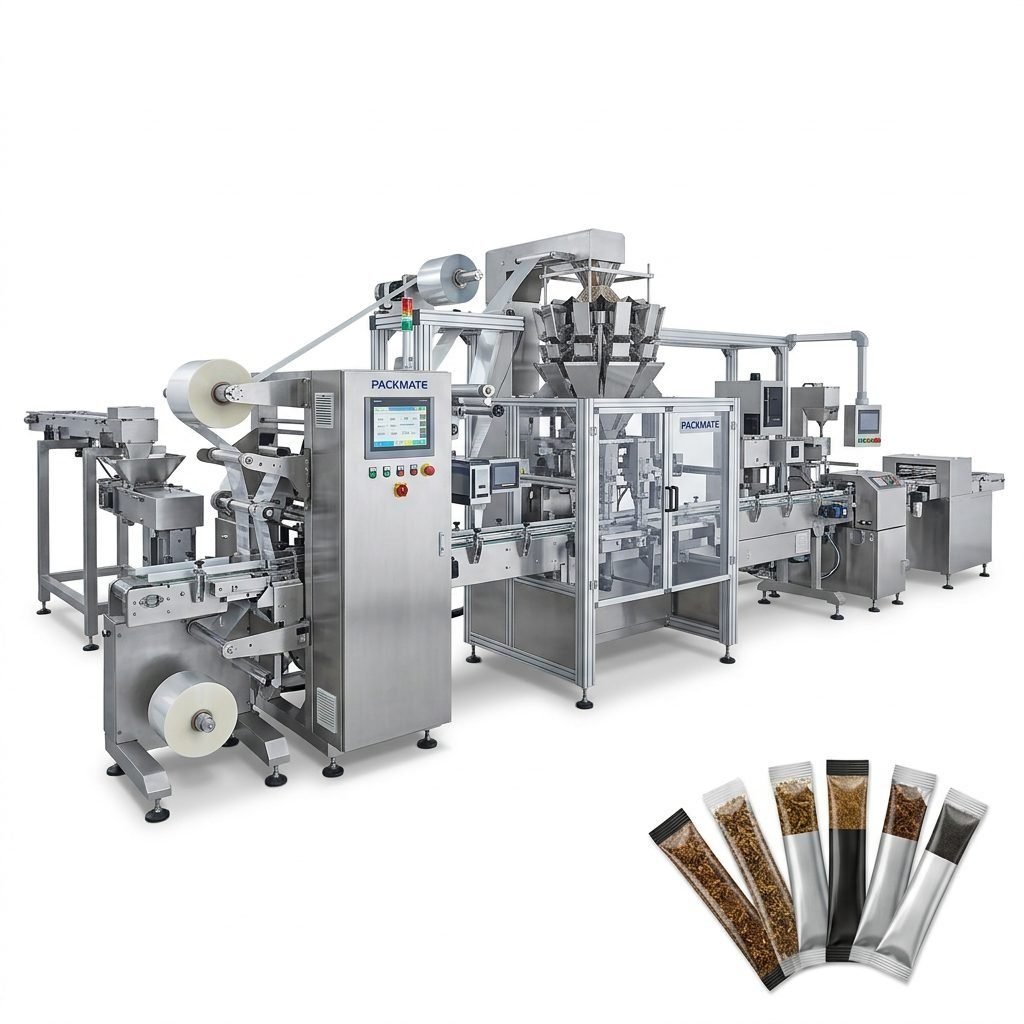
• Turnkey solution experience — ability to deliver full packaging lines including filling, weighing, pouch forming, and auxiliary equipment.
✔️ Supplier fact-check: Confirm years of industry experience, number of machine models offered, and presence at international exhibitions or case studies — these indicate maturity and global service capacity.
Technical features to prioritize for Somali factories
Not all packaging machines are created equal. For snus and nicotine pouch production in Somalia, focus on:
1) Climate-resilient engineering
Machines should have sealed electrical cabinets, corrosion-resistant components, and filters to reduce dust ingress. Simple, rugged designs are preferable if local maintenance resources are limited.
2) Low energy & backup options
Look for equipment with efficient drives and options for integrating UPS or generator support. Energy-efficient machines reduce operating costs and mitigate the impact of power instability.
3) Modular & scalable lines
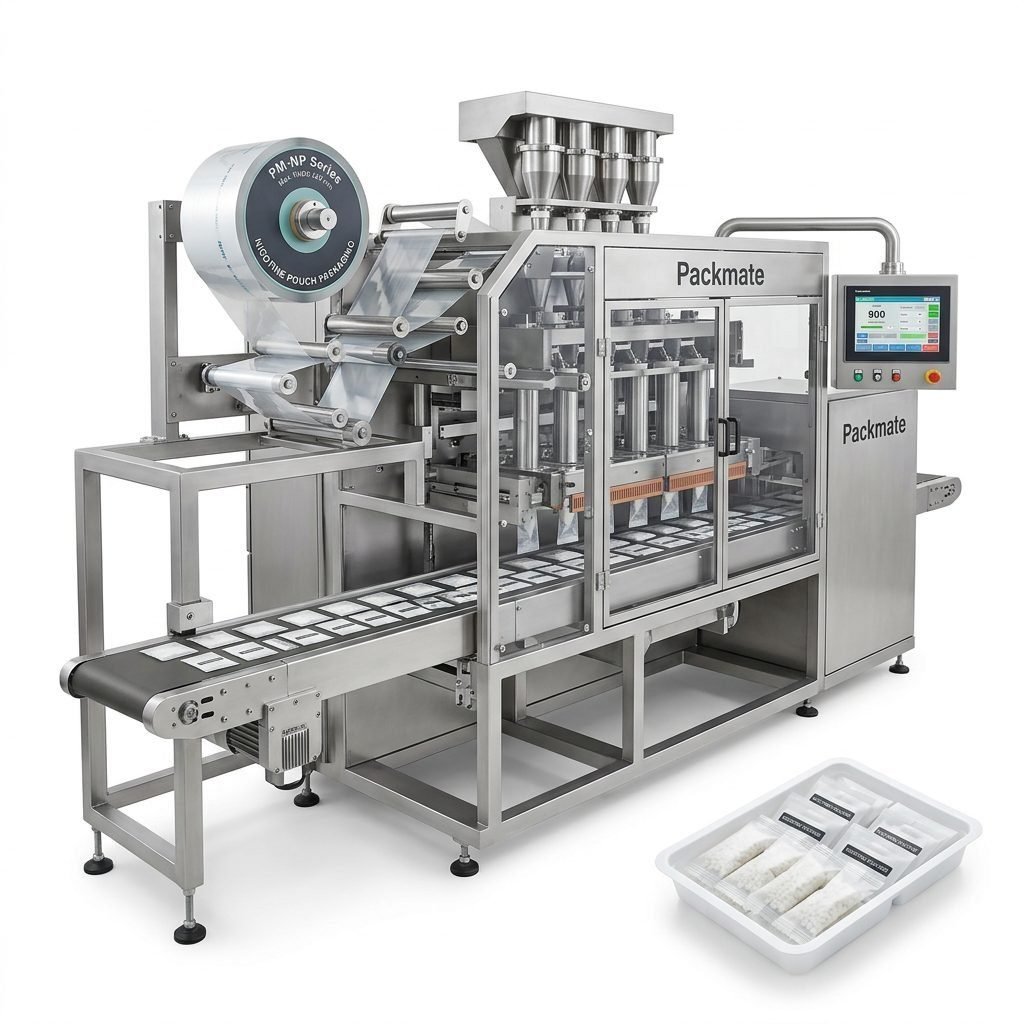
Start with a compact multi-lane or single-lane configuration that can scale to higher output as demand grows. Modular systems are easier to ship, install, and expand.
📦 Practical tip: If you plan to serve both domestic and regional markets, choose machines that can handle multiple pouch sizes and materials to adapt quickly to customer preferences.
Evaluating after-sales support and spare parts
After-sales service is critical, especially when your factory is far from major spare-parts hubs. Confirm the following before signing:
• Spare parts availability and lead times — ask for a spare-parts kit for the first year.
• Remote technical support options and language availability (English and Arabic are valuable).
• On-site commissioning, operator training, and maintenance training packages.
Red flags in supplier promises
• Vague warranty terms or unwillingness to provide references.
• No factory visit or refusal to share production details.
• Long spare-part lead times without alternatives.
Logistics, customs, and installation in Somalia
The best machine is only as good as its delivery and installation. Plan around:
• Port selection — Berbera and Mogadishu are common entry points; discuss incoterms (FOB, CIF) to clarify responsibilities.
• Import documentation — ensure supplier provides complete packing lists, machine certificates, and compliance documents to speed customs clearance.
• Local handling — consider hiring experienced freight forwarders familiar with Somali customs to avoid bottlenecks.
Commercial and contractual terms to negotiate
A clear contract reduces future disputes. Key clauses to include:
• Warranty duration and scope (mechanical, electrical, consumables).
• Acceptance testing criteria and factory acceptance test (FAT) procedures.
• Payment milestones tied to delivery, installation, and performance.
• Spare parts pricing and lead-time guarantees.
🔧 Pro tip: Request video FAT if travel is difficult. A reputable supplier will accommodate remote inspections and provide detailed test reports.
Why a manufacturer like Packmate might fit Somali needs
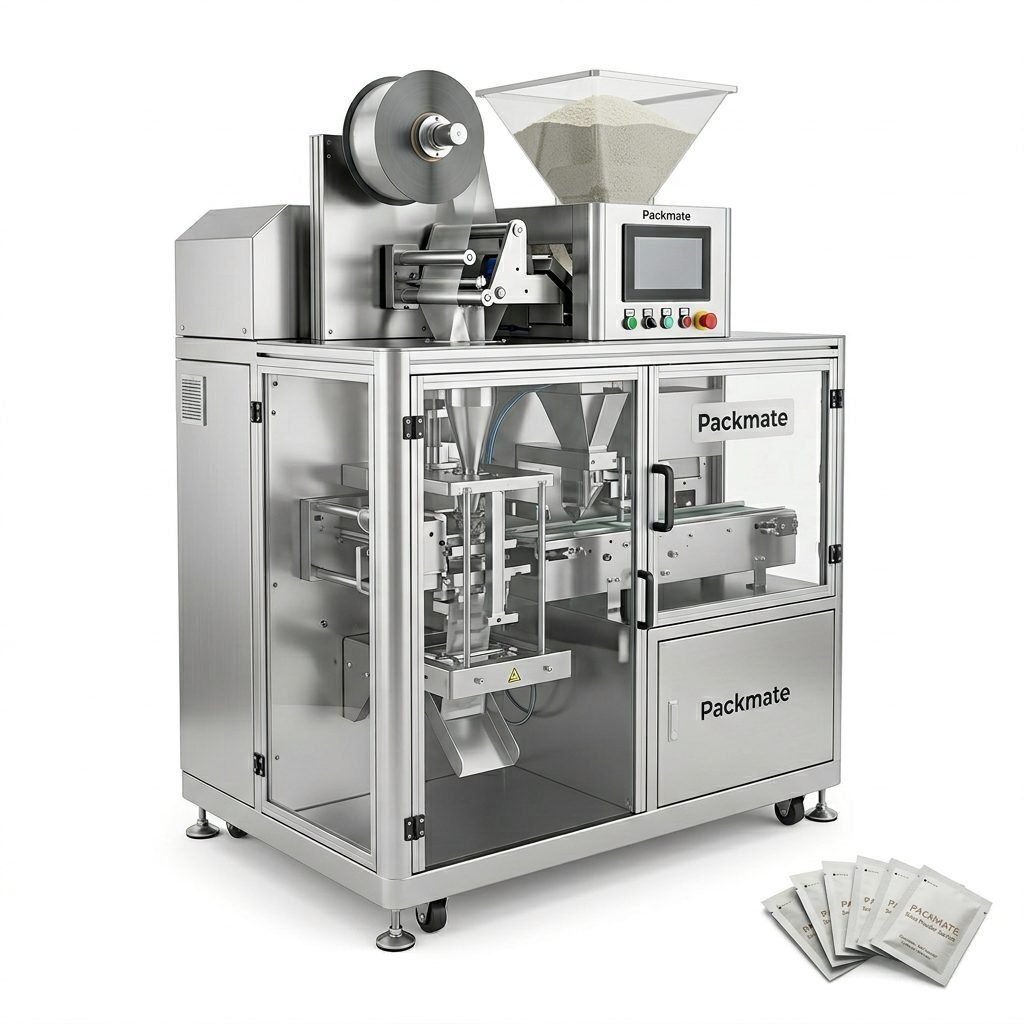
Suppliers with decades of experience and dedicated manufacturing facilities are better positioned to meet the technical and logistic demands of Somali factories. Packmate Snus Machine (Packmate) provides several advantages:
• 30+ years of engineering heritage and a 20,000㎡ factory with advanced CNC and assembly systems.
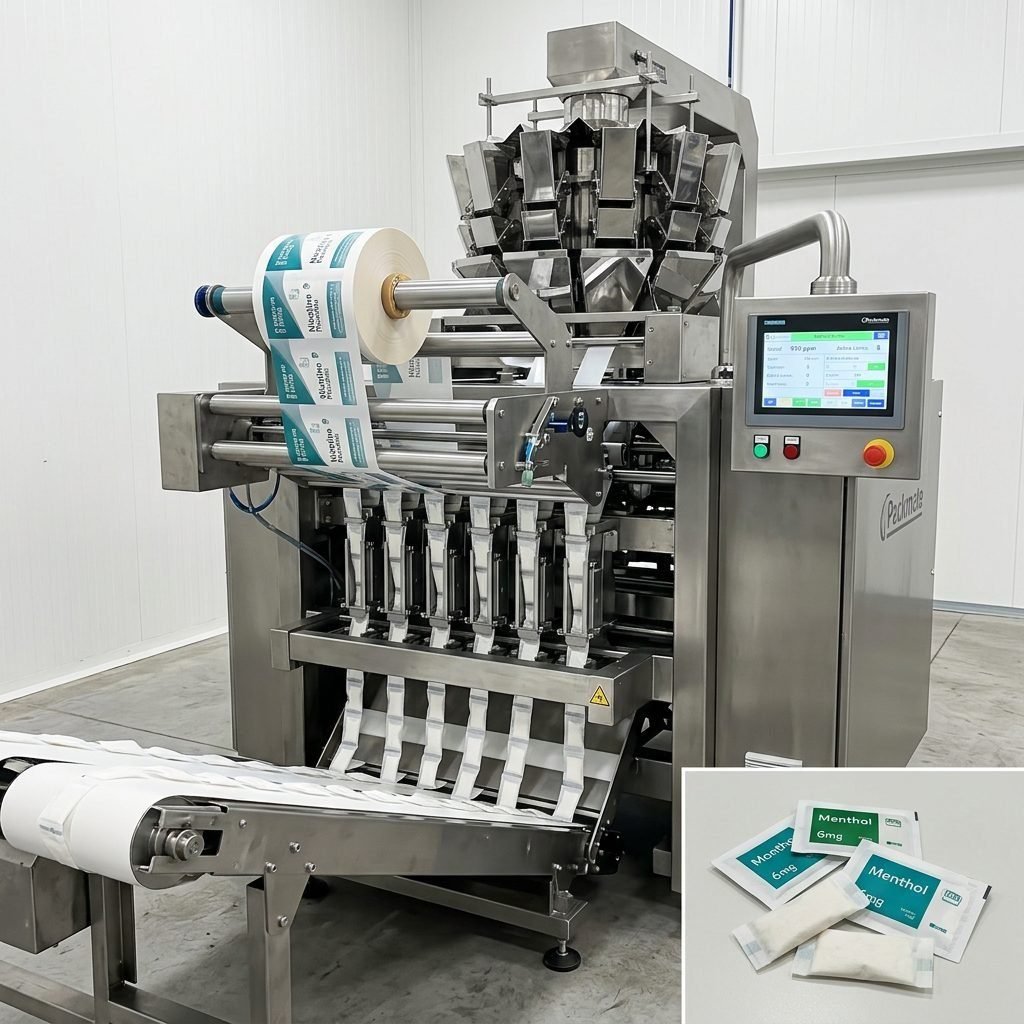
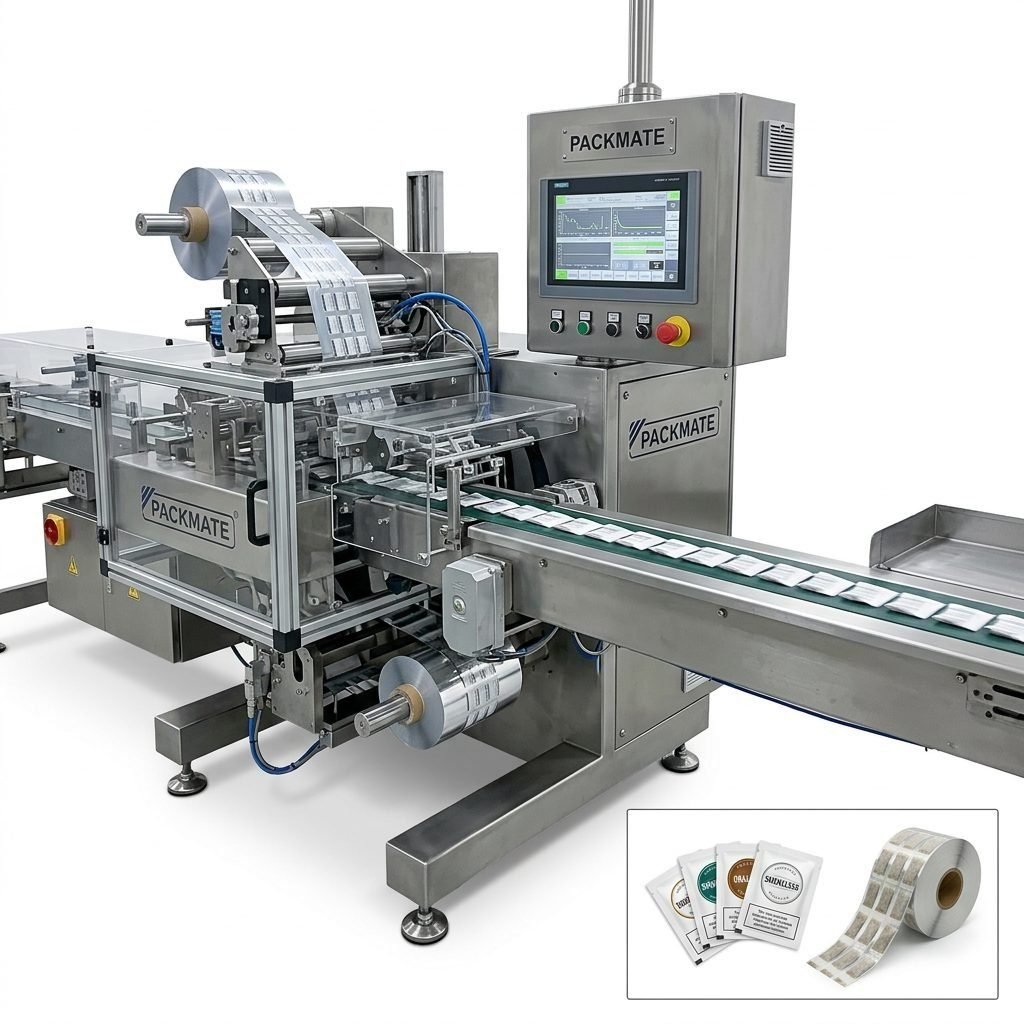
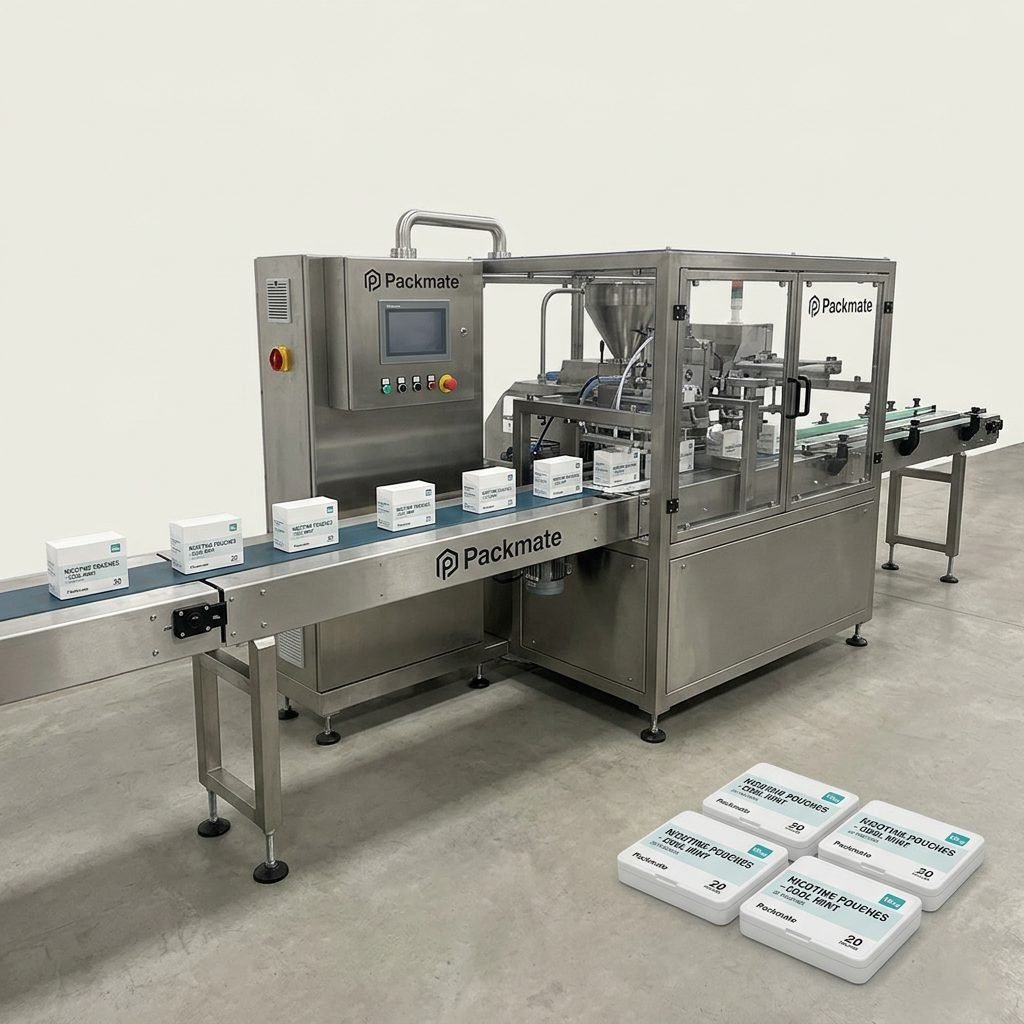
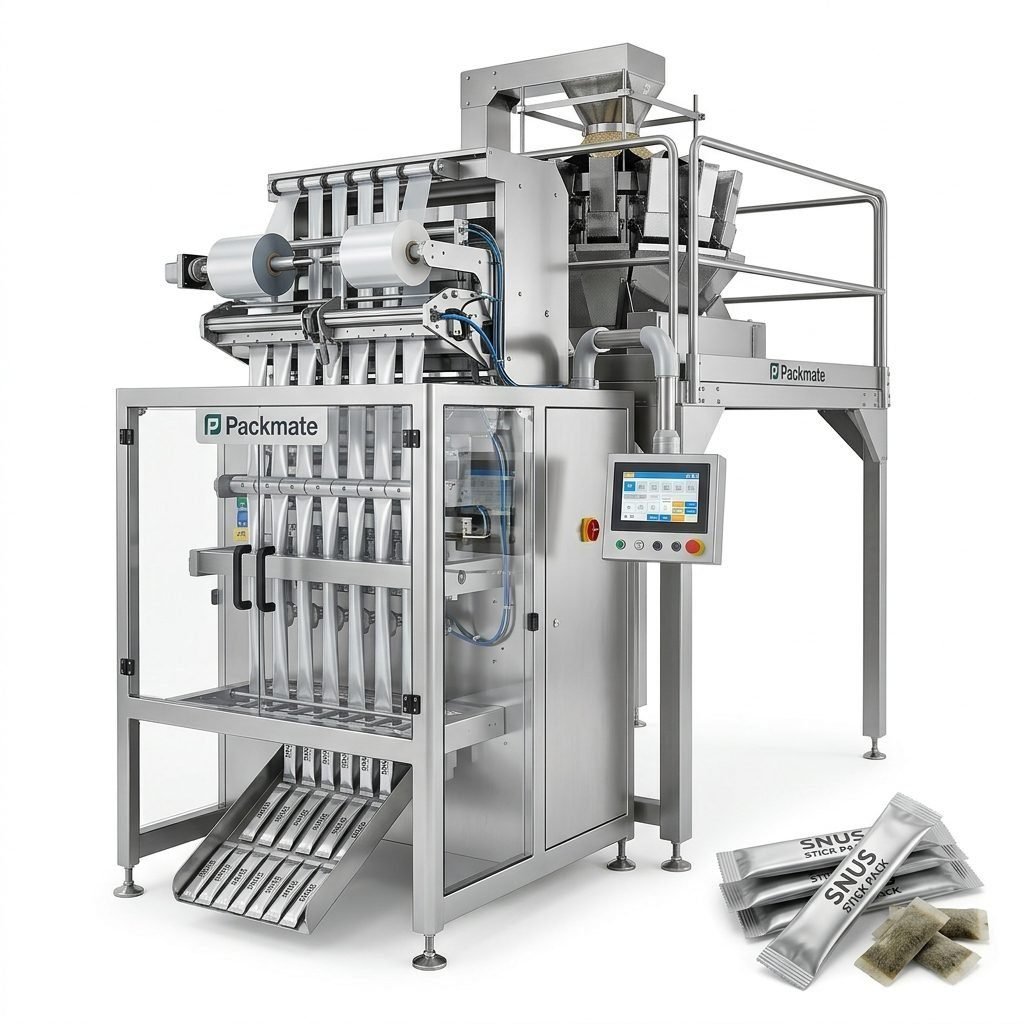
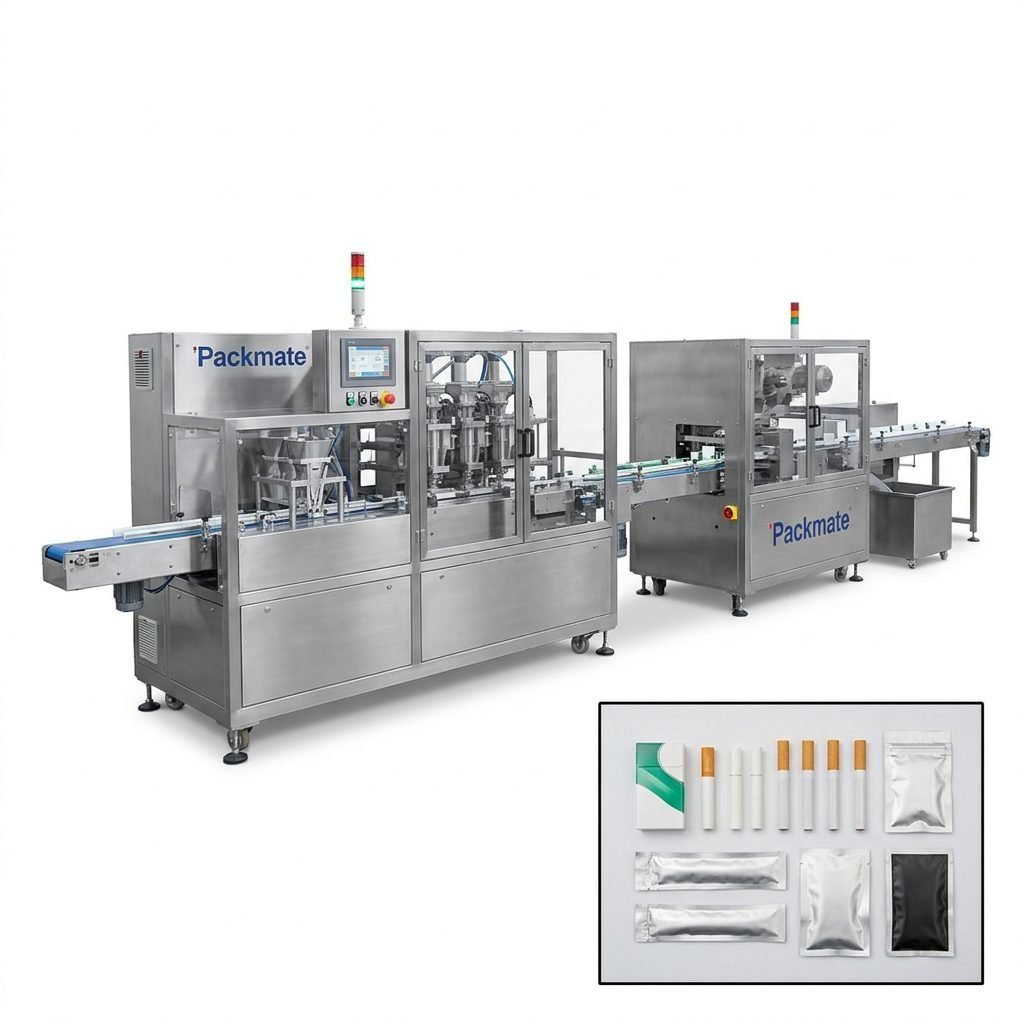
• Over 50 machine models and turnkey production line experience for nicotine pouches, stick packs, sachets, powders, and liquids.
• International certifications (CE, ISO) and global exhibition presence that demonstrate reliability and regulatory awareness.
Explore relevant product categories to determine which line fits your output and product format:
• Snus & Nicotine Packaging Machines: https://www.snusmachinery.com/products/snus-nicotine-packaging-machines/
• Filling & Packaging Lines: https://www.snusmachinery.com/products/filling-packaging-lines/
• About the manufacturer: https://www.snusmachinery.com/about-us/
Cost vs. value — balancing initial investment and lifetime cost
The lowest purchase price rarely equals the lowest total cost of ownership. Evaluate:
• Energy consumption and expected maintenance intervals.
• MTBF (mean time between failures) and availability of consumables.
• Training, remote support, and warranty coverage that reduce downtime costs.
Sample ROI checklist
• Production target: Units per hour and required uptime.
• Operating cost: Energy, labor, consumables.
• Support cost: Expected spare parts and service visits per year.
Working with the supplier on customization
Somali market preferences — such as preferred pouch sizes, labeling language, and retail formats — should be discussed early. A flexible supplier can:
• Customize pouch formats and tooling.
• Adjust filling systems for small-dose, multi-lane production.
• Provide labeling and coding solutions for multilingual compliance.
Installation, training, and ramp-up
Plan for an installation period that includes on-site commissioning and operator training. For locations where travel is restricted, confirm the supplier offers:
• Remote commissioning support and step-by-step setup guides.
• Training materials in accessible formats and languages.
• Long-term technical support contracts that include periodic check-ins.
Customer validation
Request references or case studies from the supplier’s past projects in similar climates or markets. Request videos of machines in operation and completed client contact info for direct feedback. Packmate’s case library and exhibition history can be useful starting points: https://www.snusmachinery.com/case/
Final selection checklist before signing
Checklist:
✓ Factory visit or virtual factory tour confirmed.
✓ CE/ISO certificates and FAT reports provided.
✓ Spare parts kit and lead-times agreed.
✓ Installation, commissioning, and training scope in contract.
✓ Local logistics plan and incoterms clarified.
Next steps — practical procurement workflow
1) Shortlist suppliers based on credentials and references.
2) Request detailed technical proposals and FAT videos.
3) Evaluate total cost of ownership and service offer.
4) Negotiate contract with clear acceptance criteria.
5) Plan delivery, customs, and on-site commissioning.
Useful resources and contacts
For more product details and to contact manufacturers that specialize in snus and nicotine packaging equipment, see:
• Snus & Nicotine Packaging Machines: https://www.snusmachinery.com/products/snus-nicotine-packaging-machines/
• Filling & Packaging Lines overview: https://www.snusmachinery.com/products/filling-packaging-lines/
• Contact Packmate for tailored solutions: https://www.snusmachinery.com/contact-us/
Conclusion
Selecting the best nicotine packaging machinery supplier for Somalia combines technical evaluation with practical planning around logistics, climate resilience, cultural labeling requirements, and reliable after-sales service. Prioritize suppliers with proven manufacturing capacity, international certifications, transparent spare-part policies, and flexible training/support arrangements to ensure smooth ramp-up and long-term production stability.
Common Questions
Q: How important are international certifications when importing machines into Somalia?
A: Very important — CE and ISO certificates streamline customs clearance and indicate adherence to safety and quality standards that protect your investment.
Q: What should I expect in terms of spare-part lead times?
A: Good suppliers provide a one-year spare parts kit and commit to defined lead times for replacements; ensure these are written into your contract.
Q: Can suppliers support remote commissioning if travel to Somalia is difficult?
A: Many experienced manufacturers offer video FAT, remote commissioning, and step-by-step installation support — confirm language options and escalation paths in advance.
Q: Are modular, multi-lane machines suitable for small Somali factories?
A: Yes — modular multi-lane systems allow a smaller initial footprint with future scalability as demand grows, and are often more cost-effective long-term.
Q: How should packaging be adapted for Somali consumers?
A: Use clear labeling in Somali and Arabic in addition to English, consider pack sizes preferred by local retailers, and ensure compliant health warnings per local regulations.