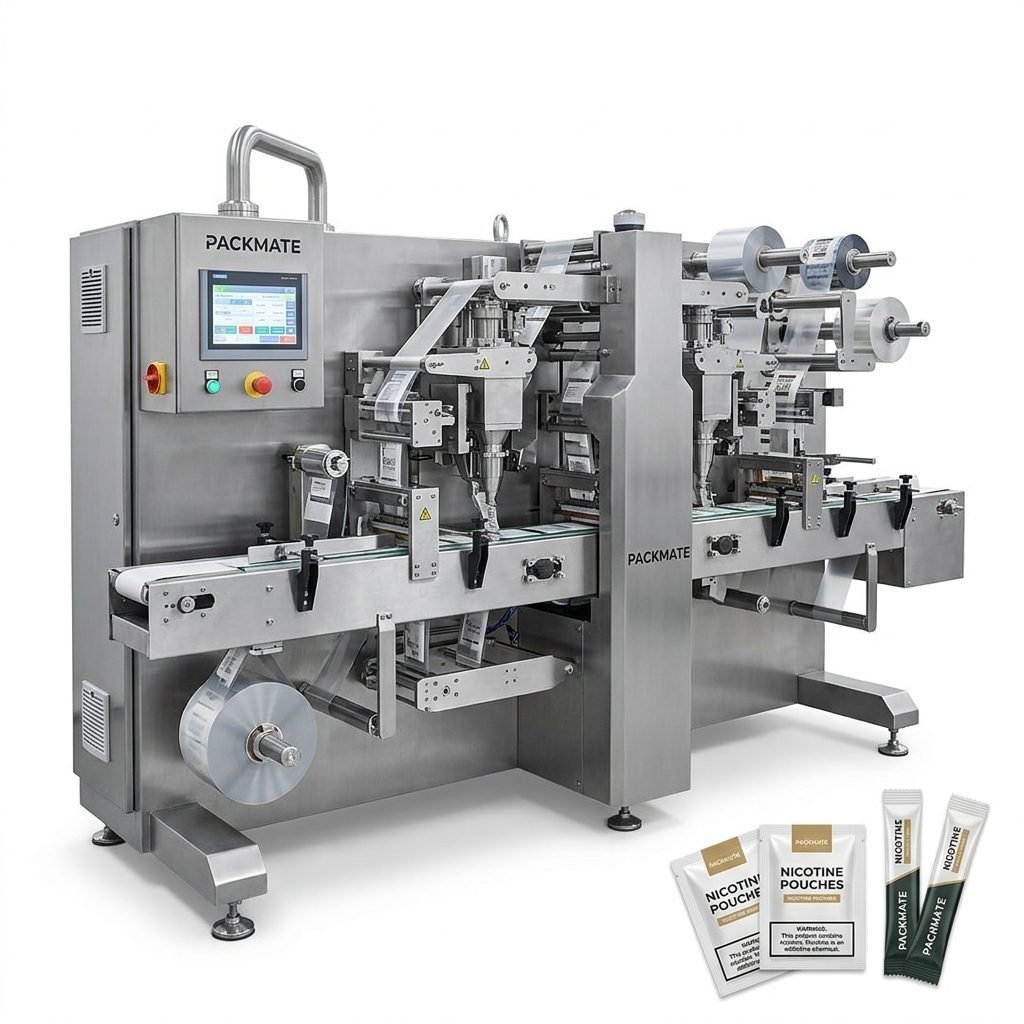
Choosing the right nicotine packaging machinery supplier in Tunisia can determine the speed of your market entry, product consistency, and long-term production costs. This guide walks you through practical steps to evaluate suppliers, with specific advice tailored to Tunisia’s business customs, regulatory environment, and distribution realities. Use these actionable checkpoints to select a partner that delivers reliable machines, local-aware service, and value for money.
Understand the Tunisian Market Context
Tunisia has a distinctive blend of North African and Mediterranean business practices. Decision-making often values long-term relationships and trust — suppliers who invest time in personal communication and after-sales support gain faster acceptance. Additionally, official language preferences can include French and Arabic in documentation and communications, so clarity in contracts and manuals is essential.
Regulatory compliance matters: for nicotine-containing products and their packaging, Tunisian import rules, labeling laws, and customs procedures require documentation and certificates. Choosing a supplier versed in international certification (for example, CE and ISO) simplifies customs clearance and demonstrates commitment to quality.
Local Habits & Business Etiquette
In Tunisia, scheduling on-site visits and confirming meetings ahead of time is appreciated. Building rapport through clear, respectful communication — often in French — helps accelerate negotiations and technical discussions. If you plan factory acceptance tests (FAT) or commissioning, coordinate translators and logistics early.
Key Machine Types to Consider
Nicotine and snus packaging needs vary by product format and production scale. Ensure your supplier offers machines tuned to your product:
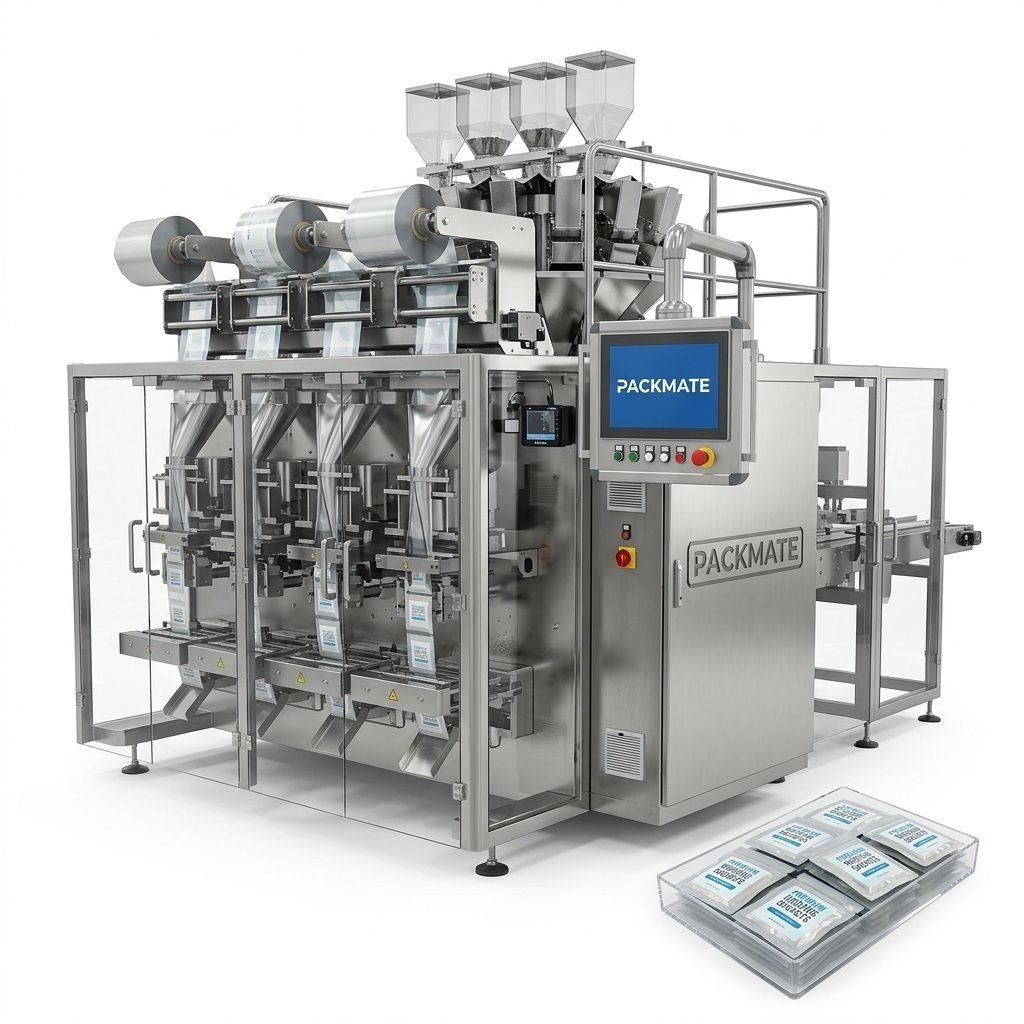
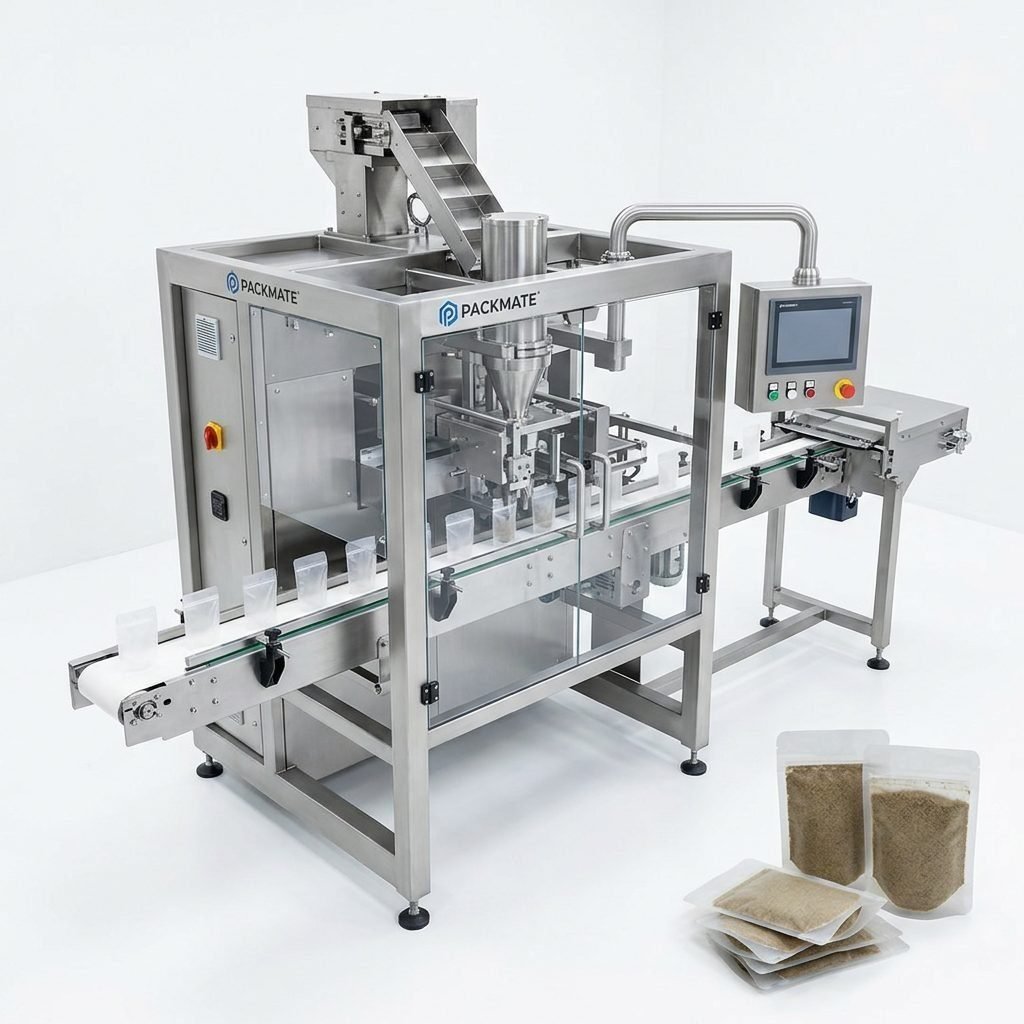
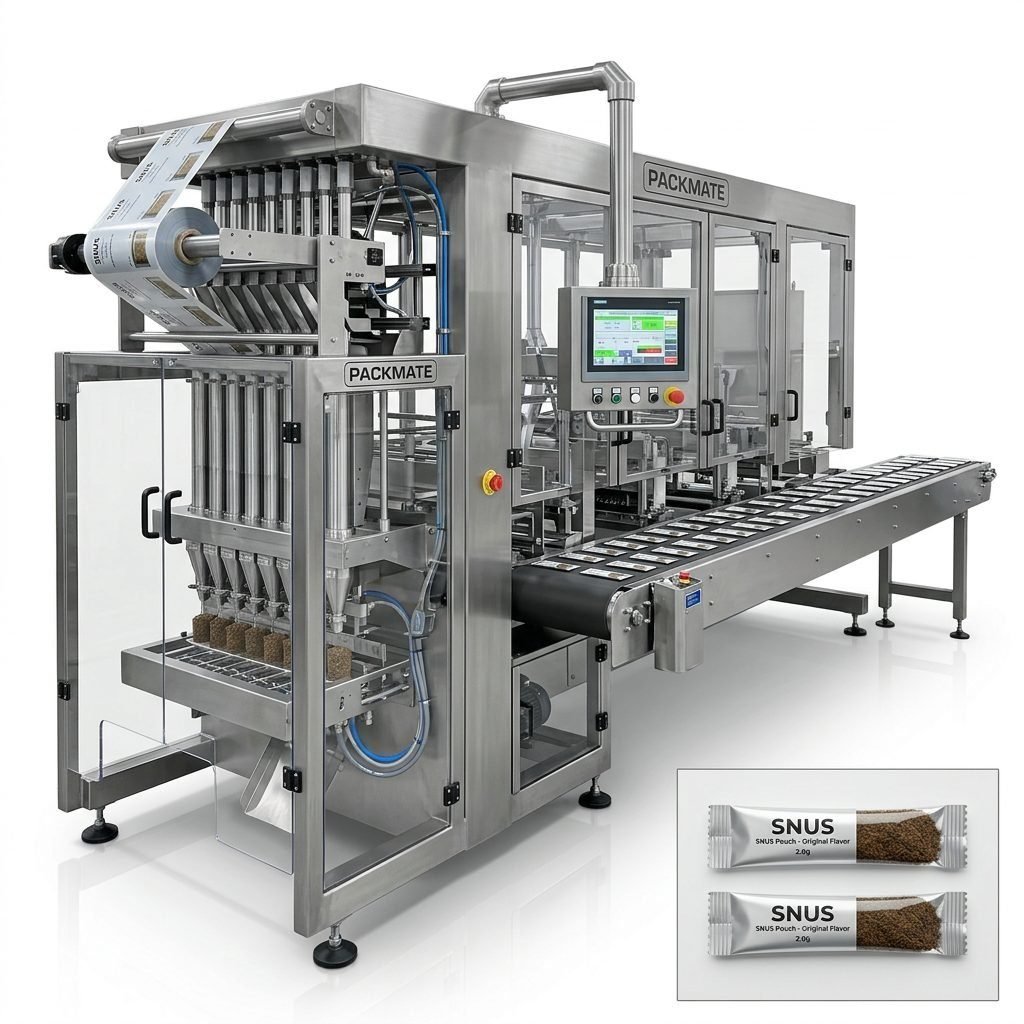
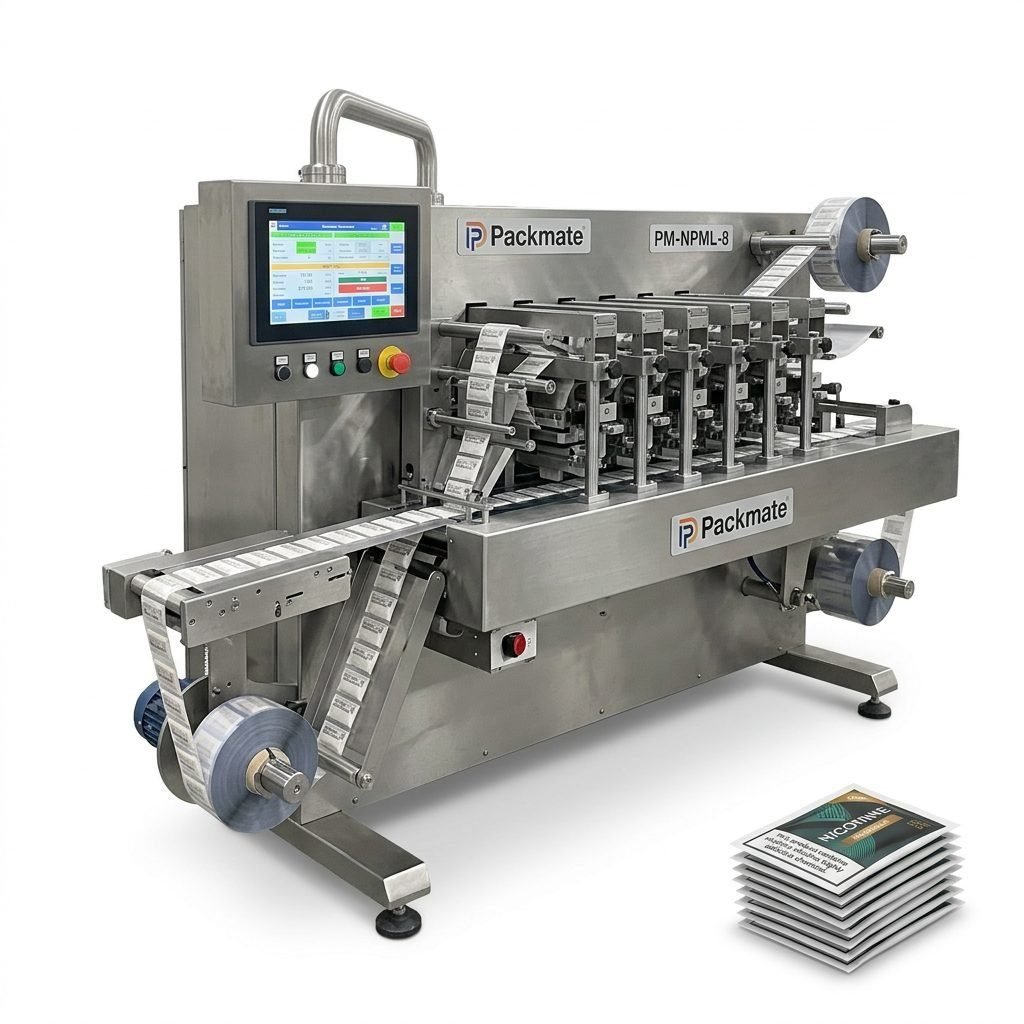
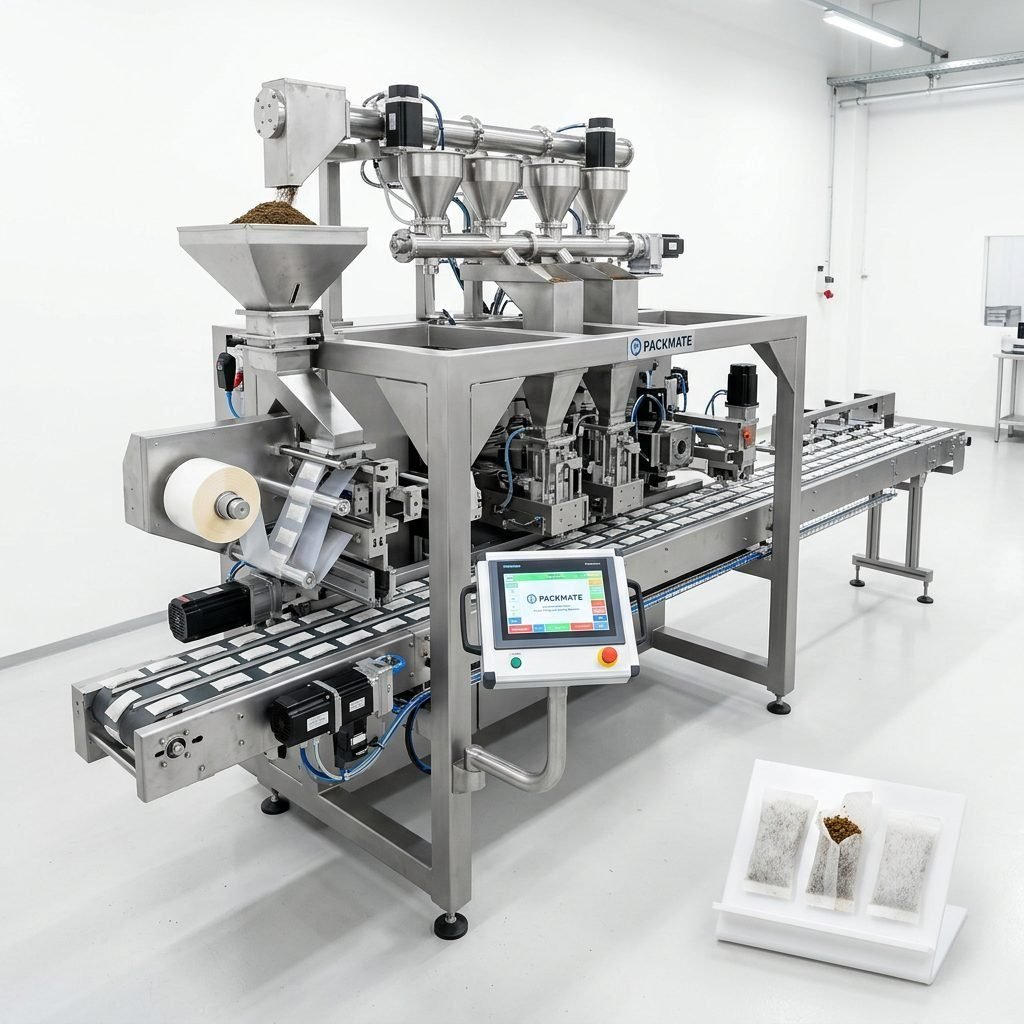
🔹 Snus & Nicotine Pouch Packing Machines — specifically designed for small-dose pouches and multi-lane high-speed output. (See options: Snus & Nicotine Packaging Machines)
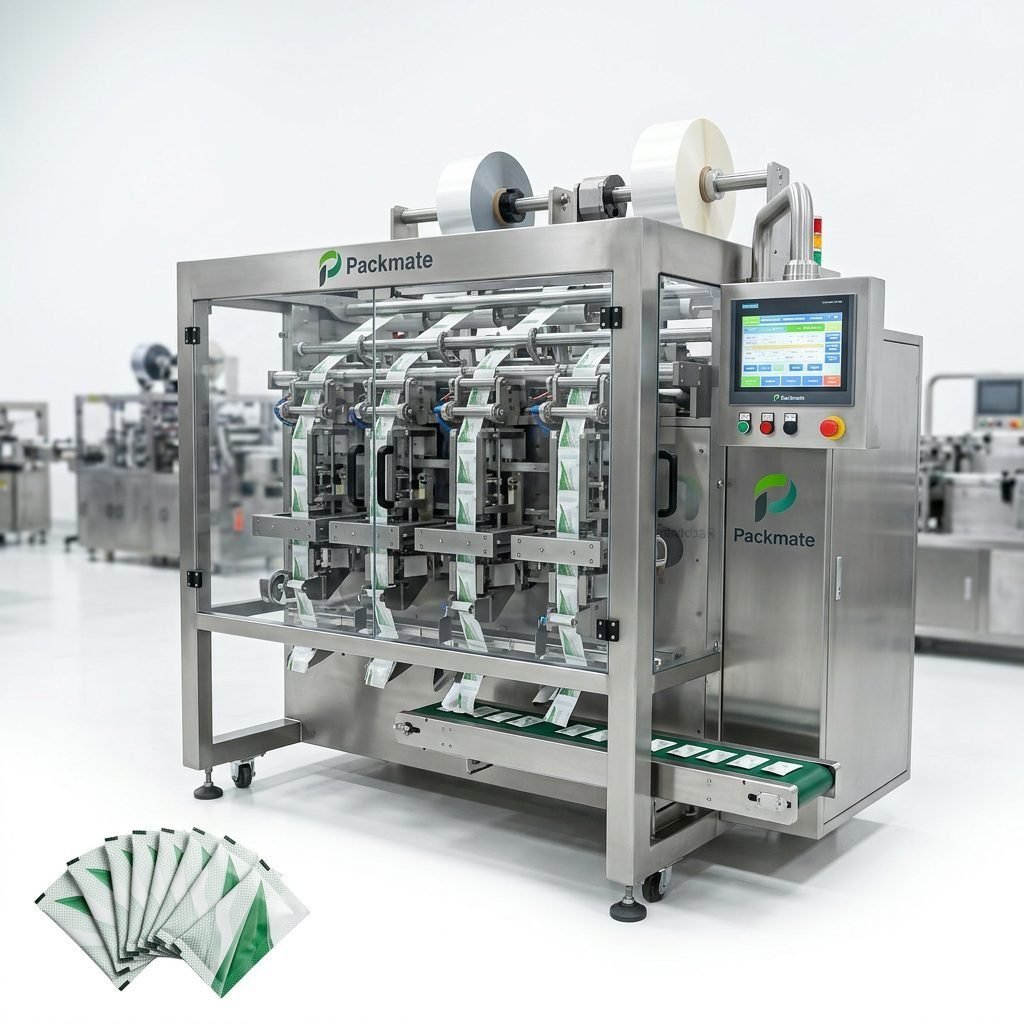
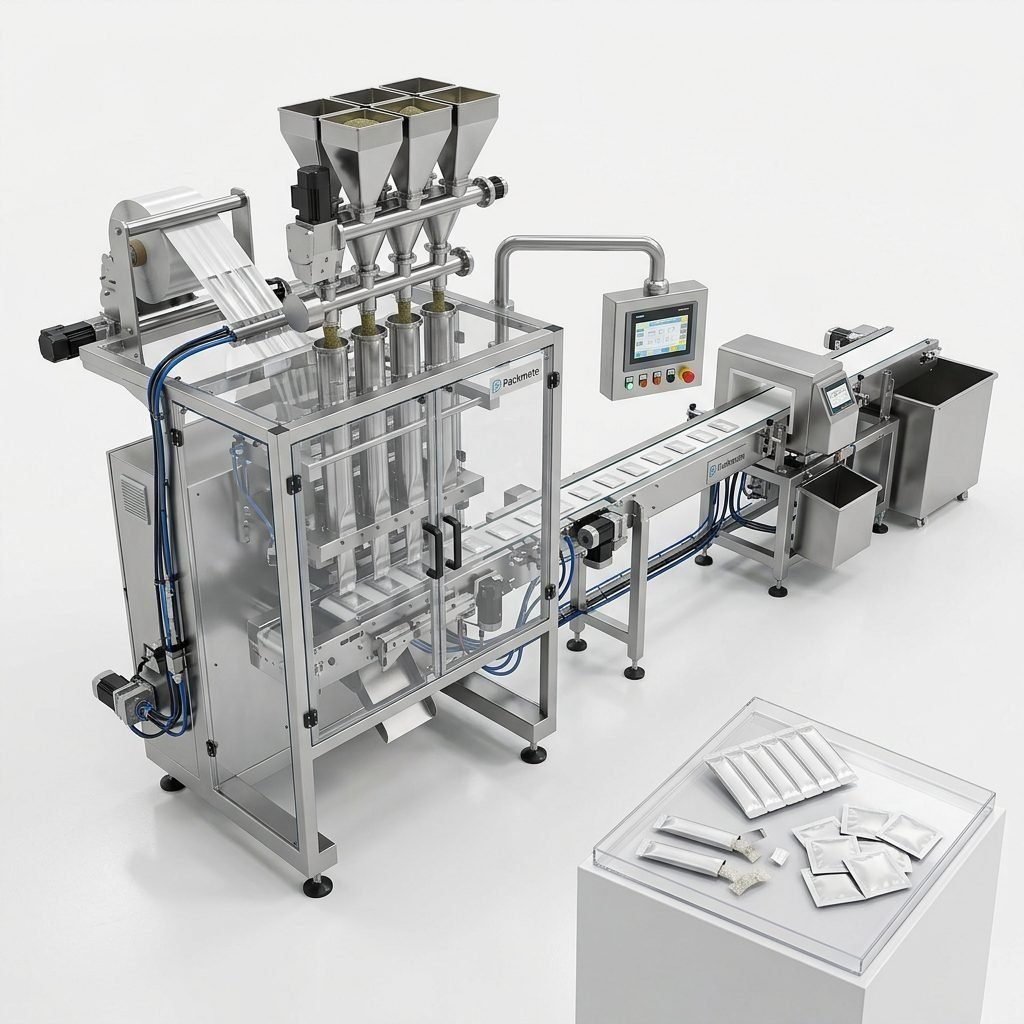
🔹 Stick pack, Sachet & Multi-lane Systems — suitable if you need flexible pack formats and compact footprint. (Compare: Sachet & Stick Pack Machines)
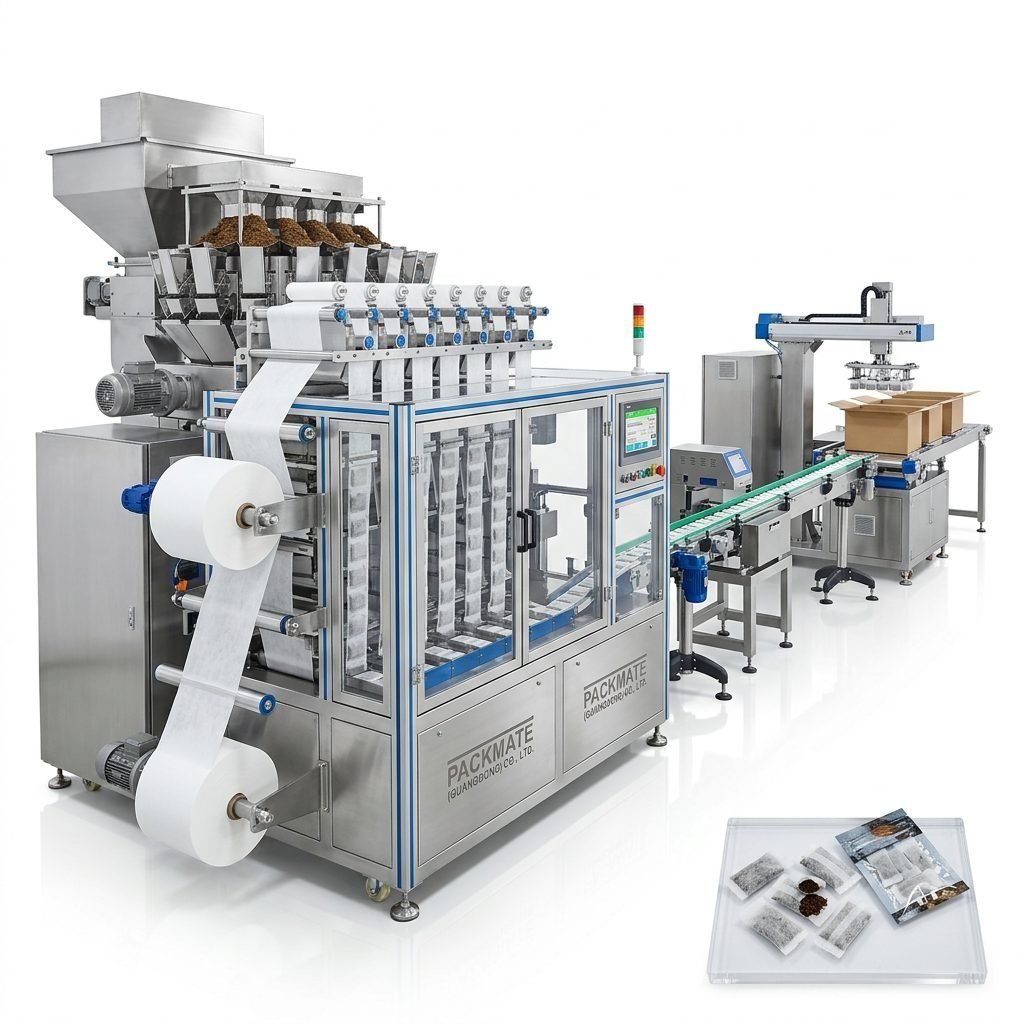
🔹 Weighing, Filling & Auxiliary Equipment — consistent dosing and upstream automation reduce waste and improve line uptime. (Explore: Weighing & Packaging Systems)
Evaluate Technical Capabilities & Manufacturer Strength
When vetting suppliers, prioritize engineering depth and factory capacity. A manufacturer with decades of experience and a sizable facility is better positioned to handle customization and reliable delivery.
✅ What to verify: number of years in R&D, factory size (sqm), number of machine models, CNC and precision assembly capability, and a history of turnkey lines.
Suppliers like Packmate Snus Machine note strengths such as 30+ years of engineering experience, a 20,000㎡ manufacturing facility, and a diverse product range — indicators of manufacturing maturity and customization capacity. (More: About Packmate)
Customization & Turnkey Solutions
If you require a full line — from dosing to packing and boxing — confirm whether the supplier provides turnkey engineering, electrical integration, software, and layout design. Local adaptation for Tunisia (power standards, labeling language, and footprint) should be part of the proposal.
Quality Assurance & Certifications
Machine reliability reduces downtime and maintenance costs. Look for:
- International certifications such as CE and ISO that facilitate import and demonstrate safety standards.
- In-house testing areas and final product trials (FAT) before shipment.
- Clear QC documentation and traceability for critical components.
Factory Visits, FAT & Acceptance Testing
Whenever possible, arrange a factory acceptance test. A robust FAT demonstrates real performance with your product materials and allows you to validate speed, weight accuracy, film sealing quality, and multi-lane synchronization.
🔶 FAT checklist: sample run with your nicotine pouch blend, sealing and leak tests, speed validation, HMI language options (French/English/Arabic), and spares list confirmation.
After-Sales Service, Training & Spare Parts
Reliable after-sales service is critical, especially when your operation is in a region where technical staff and parts may take time to arrive. Ensure the supplier provides:
- Comprehensive training for operators and maintenance technicians.
- Clear spare parts lists with expected lead times and availability.
- Remote support options (video troubleshooting, spare parts identification) and a documented service-level agreement.
Strong global suppliers often maintain case histories across continents; review customer references or case studies to gauge responsiveness and reliability. (See examples: Case)
Price vs. Total Cost of Ownership (TCO)
Low upfront cost can mask high operating costs. Evaluate TCO by considering:
- Energy consumption and typical spare parts wear.
- Average uptime expectations and MTTR (mean time to repair).
- Warranty coverage, training costs, and availability of consumables.
Logistics, Customs & Import Considerations for Tunisia
Importing large packaging machines requires careful planning: select incoterms that align with your risk tolerance, confirm required certificates (CE, test reports, packing list, bill of materials), and prepare for customs inspection timelines. Tunisian ports and customs can be efficient if documentation is complete. Local logistics partners familiar with machinery clearance will save time and cost.
⚠️ Tip: clarify spare parts shipment method — air vs sea — and ask about on-shore stocking options or local reseller networks.
Shortlisting Suppliers: Practical Steps
Follow a structured approach:
- Request detailed technical proposals and compare key specs (speed, lanes, accuracy, footprint).
- Verify factory capacity: ask for photos, videos, and staff qualifications.
- Check certification documents (CE, ISO), FAT reports, and client references.
- Evaluate after-sales network, spare parts delivery times, and warranty terms.
- Request a total cost analysis including installation and commissioning.
Negotiation & Contract Tips
Protect your investment with clear contract terms:
- Define acceptance criteria and include a documented FAT plan.
- Specify warranty coverage, spare parts list, and lead times.
- Agree on training scope, language, and documentation delivery (manuals in French/English/Arabic if needed).
- Set payment milestones tied to deliverables (e.g., deposit, pre-shipment FAT, installation completion).
Why Choose an Experienced Global Supplier
Experienced manufacturers bring design maturity, established supply chains, and proven multi-market support. A supplier that exhibits strong engineering history, factory automation (advanced CNC), and a wide model range can adapt machines for Tunisia’s market requirements and scale as your demand grows.
For example, a provider that highlights 30+ years in packaging machinery development, 50+ machine models, and a global turnkey approach can help you transition from prototype runs to consistent commercial production with minimized risk.
How to Validate Claims Quickly
Ask for video demonstrations with your product specification, references in similar markets, and live remote demo sessions. Review certificates and request recent FAT video recordings. Cross-check client names and contact details for verification.
Useful Resources & Next Steps
Explore supplier catalogs and machine categories to match your needs:
• Bag & Pouch Packaging Machines
• Filling & Packaging Lines
• Auxiliary Packaging Equipment
When you are ready, request a tailored proposal that covers equipment specs, installation, FAT plan, training, warranty, and spare parts agreements. Consider visiting an exhibition or arranging a remote machine demo. (Supplier events: Our Exhibition)
Final Checklist Before You Sign
🔑 Essential items:
- Detailed technical specification and guaranteed performance metrics
- FAT plan with product samples
- Clear warranty and parts delivery promises
- Training schedule and documentation in preferred languages
- Import documentation checklist and delivery timeline
How Packmate-Like Suppliers Help Your Business in Tunisia
Manufacturers with a global footprint and specialized snus/nicotine solutions can offer end-to-end support: from machine selection and turnkey line design to commissioning and international shipping. They often provide product-specific engineering for small-dose pouches, multi-lane synchronization, and compact factory footprints — all especially useful for businesses entering the Tunisian market.
If you want to learn more about service offerings and technical documentation, check the supplier’s service pages or contact them directly for detailed proposals. (Contact example: Contact Us)
Summary: Priorities for Tunisian Buyers
Prioritize suppliers that combine proven machinery, clear certifications, reliable after-sales support, and experience exporting to diverse markets. Ensure that communication and documentation meet local language and regulatory needs, and confirm that logistics and spare parts plans are realistic for your Tunisian operations.
Next Action Plan
1) Compile product specs and expected output.
2) Request detailed proposals from 2–3 vetted suppliers.
3) Schedule FAT and remote demos with your product.
4) Finalize contract with performance-linked payment milestones.
Frequently Asked Questions
Q1: What certifications should I request for importing packaging machines into Tunisia?
A1: Ask for CE and ISO certificates, machine technical documentation, electrical certifications conforming to international standards, and FAT reports — these streamline customs clearance and demonstrate safety compliance.
Q2: How long does it take to install and commission a nicotine pouch packaging line?
A2: Typical lead times vary: production of the machine (depending on customization) can take weeks to months; on-site installation and commissioning usually range from a few days to a few weeks depending on line complexity and required integration.
Q3: Can supplier manuals be provided in French or Arabic for Tunisian operators?
A3: Yes — many experienced suppliers provide manuals and basic HMI localization in multiple languages; confirm language options during negotiations and include this in the contract.
Q4: How do I ensure spare parts are available quickly in Tunisia?
A4: Request a spare parts list with lead times, negotiate onshore stocking for critical parts, and consider ordering a starter spare kit with the machine shipment.
Q5: Where can I find more machine options and technical catalogs?
A5: Review product categories and catalogs on supplier websites for machine models and specifications. (For example: Catalog and Snus & Nicotine Packaging Machines)