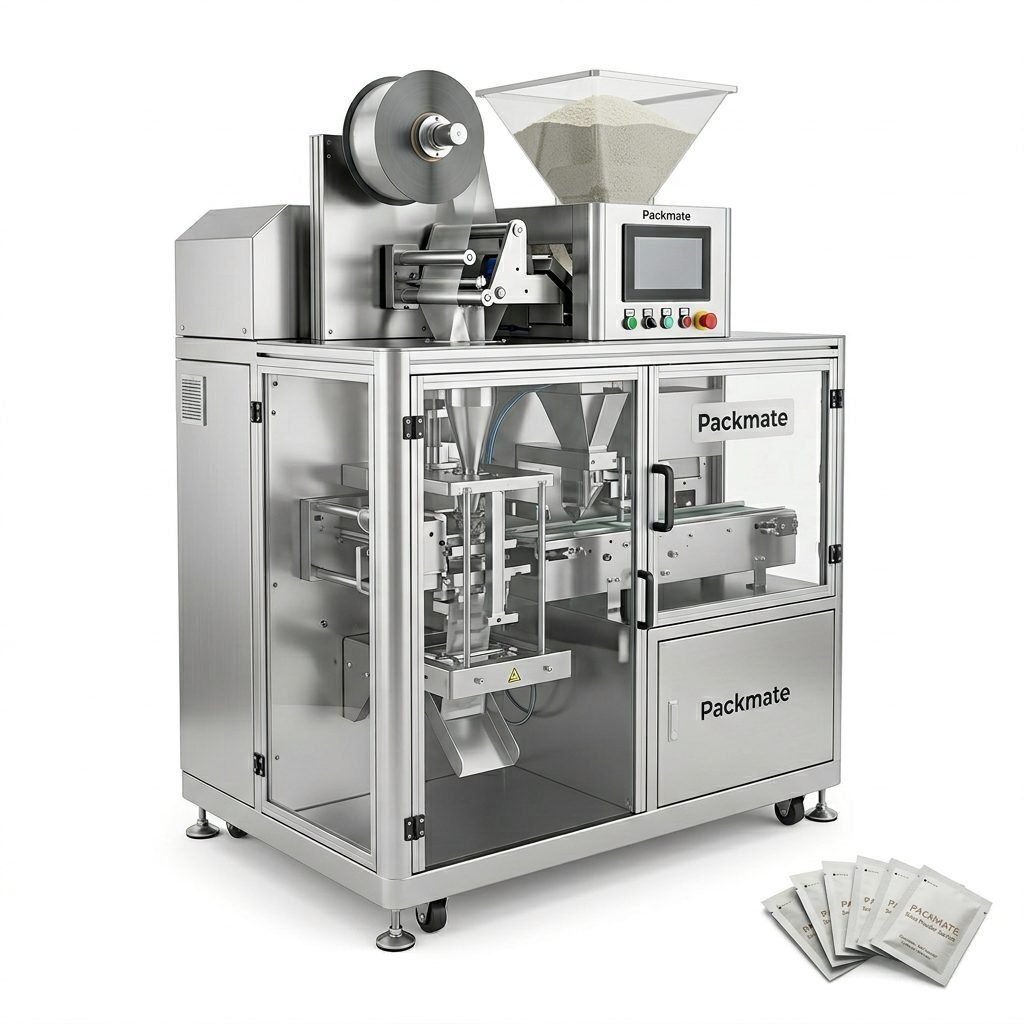
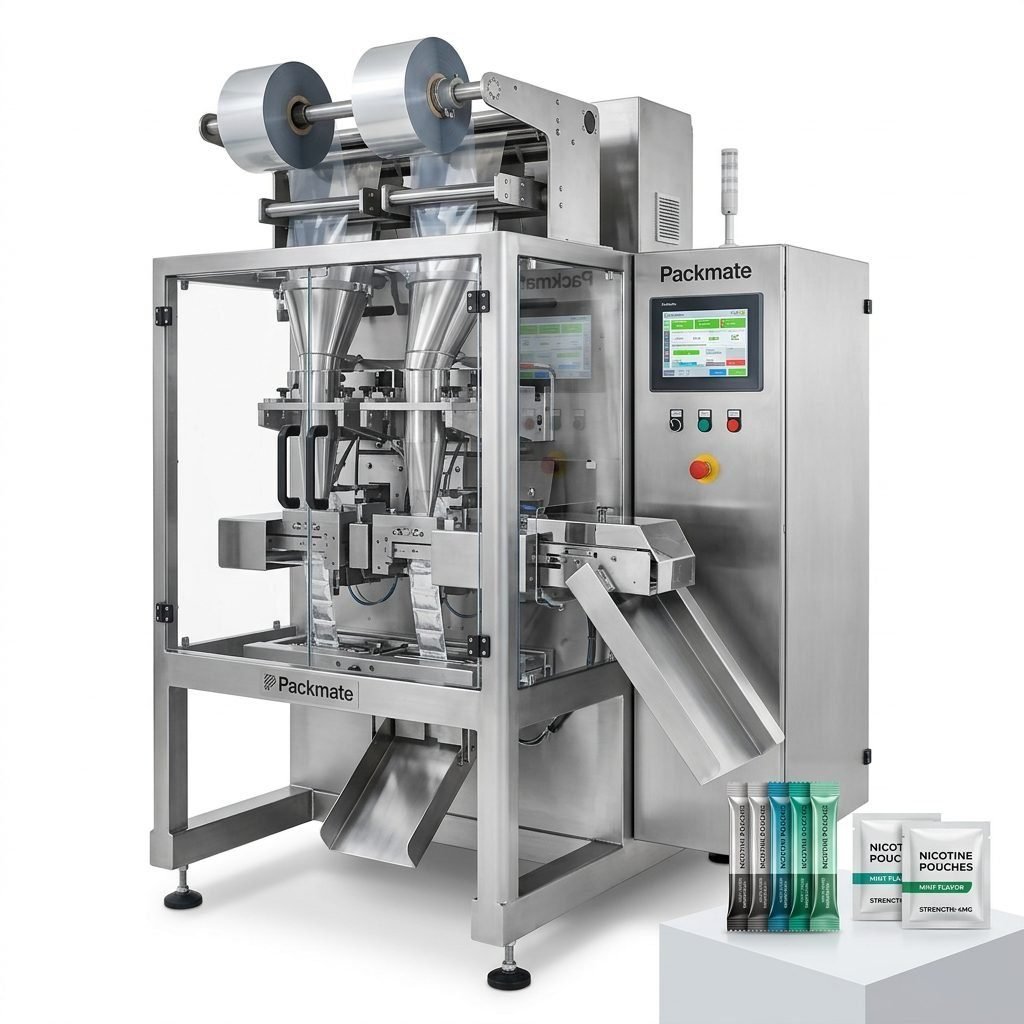
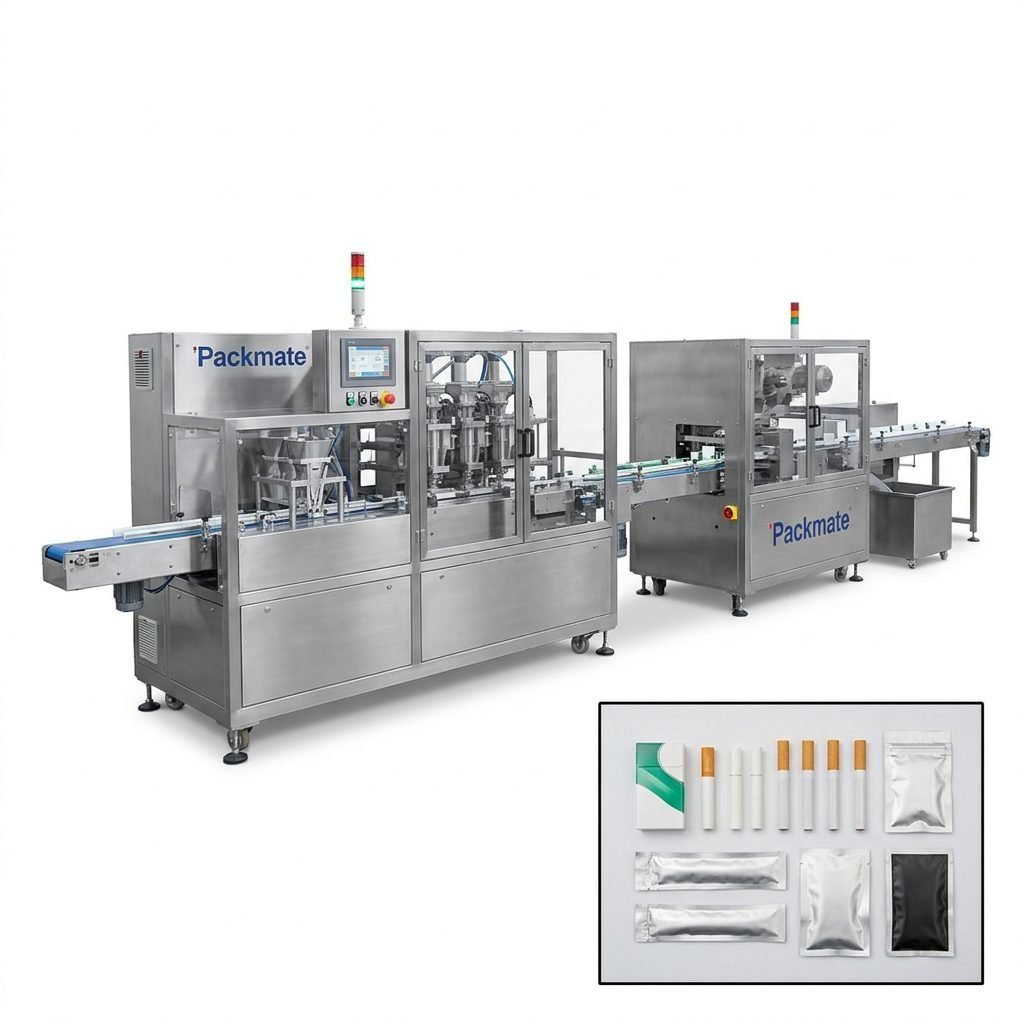
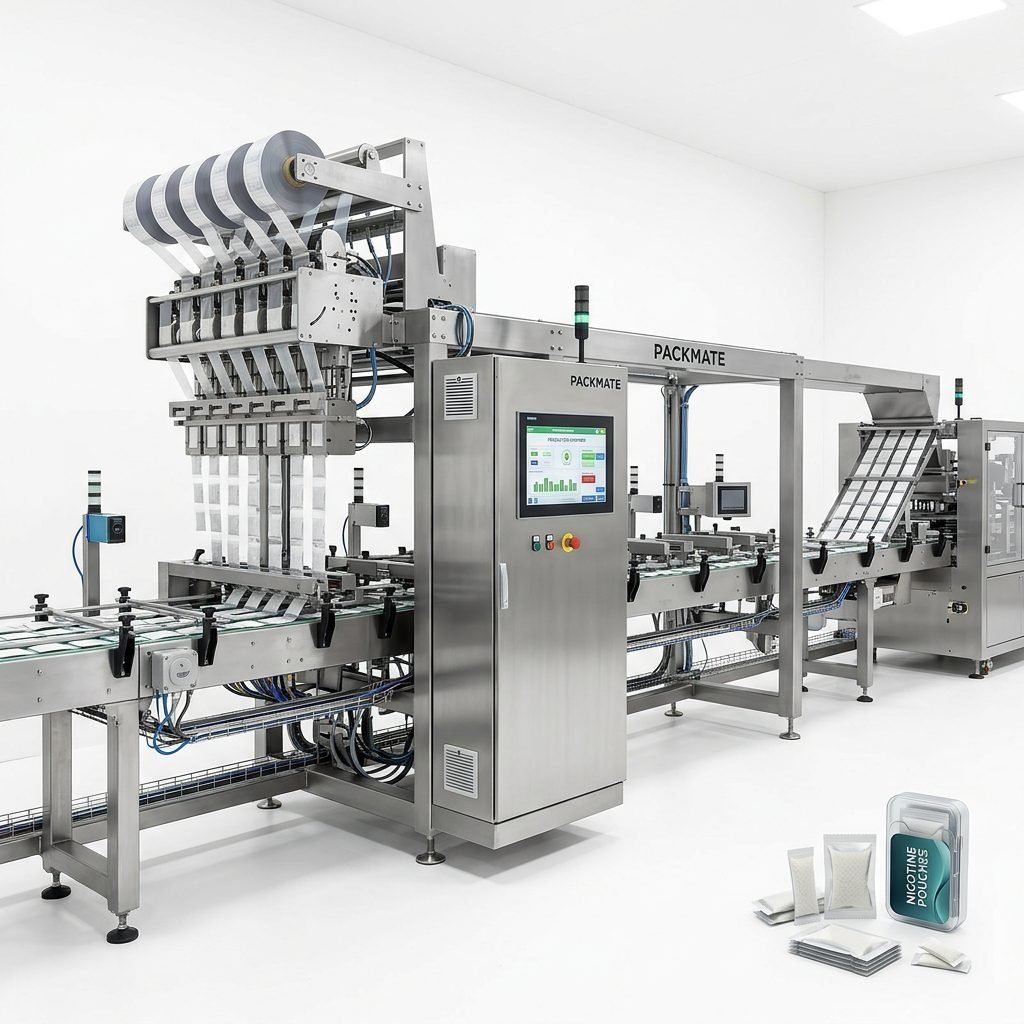
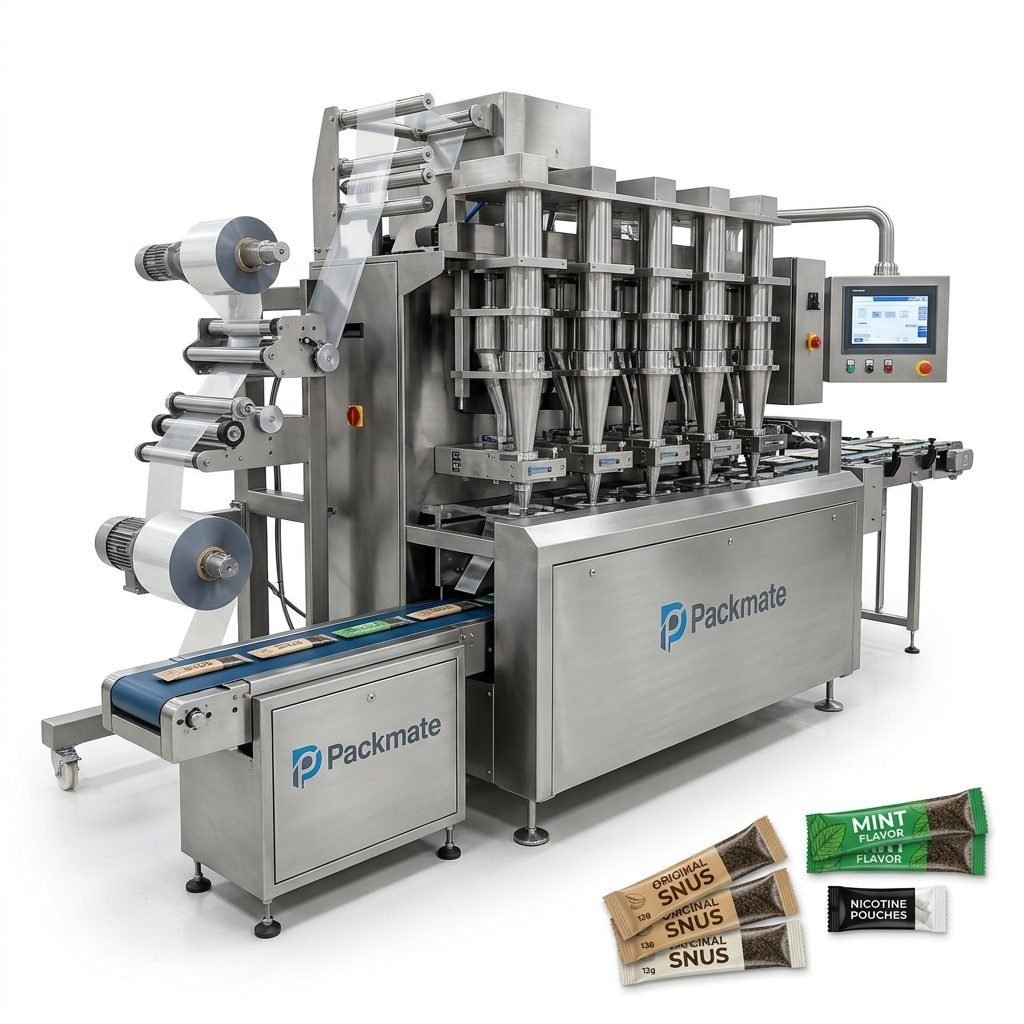
Choosing the right nicotine packaging machinery supplier in Belgium can make the difference between a smooth production ramp-up and costly delays. Whether you’re launching a nicotine pouch brand for the Belgian market or expanding European distribution, the right partner will combine technical expertise, regulatory understanding, and reliable after-sales support. This guide walks you through practical steps, local considerations, and concrete evaluation criteria to help you select the best supplier for your business.
Understand the Belgian Market and Local Habits 🇧🇪
Belgium has a diverse consumer base and strict product regulations that often align with wider EU rules. Belgian consumers value product quality, consistent packaging, and clear labeling. Many retailers and distributors prefer suppliers who can demonstrate compliance with European safety and traceability standards. When evaluating suppliers, prioritize those who understand local retail preferences, multilingual labeling needs (Dutch, French, and sometimes German), and the importance of shelf-appeal in Belgian urban centers like Brussels and Antwerp.
Key local considerations
✔️ Packaging language and regulations: Belgium’s multilingual market may require packaging in Dutch and French. Ensure your supplier can adapt machine printing and labeling systems for multiple language versions.
✔️ Compliance with EU standards: Choose suppliers who provide CE and ISO documentation and experience exporting to EU markets.
✔️ Flexibility for small-batch runs: The Belgian market often demands agile runs for seasonal promotions or different flavors; multi-lane or quick-change machines can be advantageous.
Start with the Right Machine Type
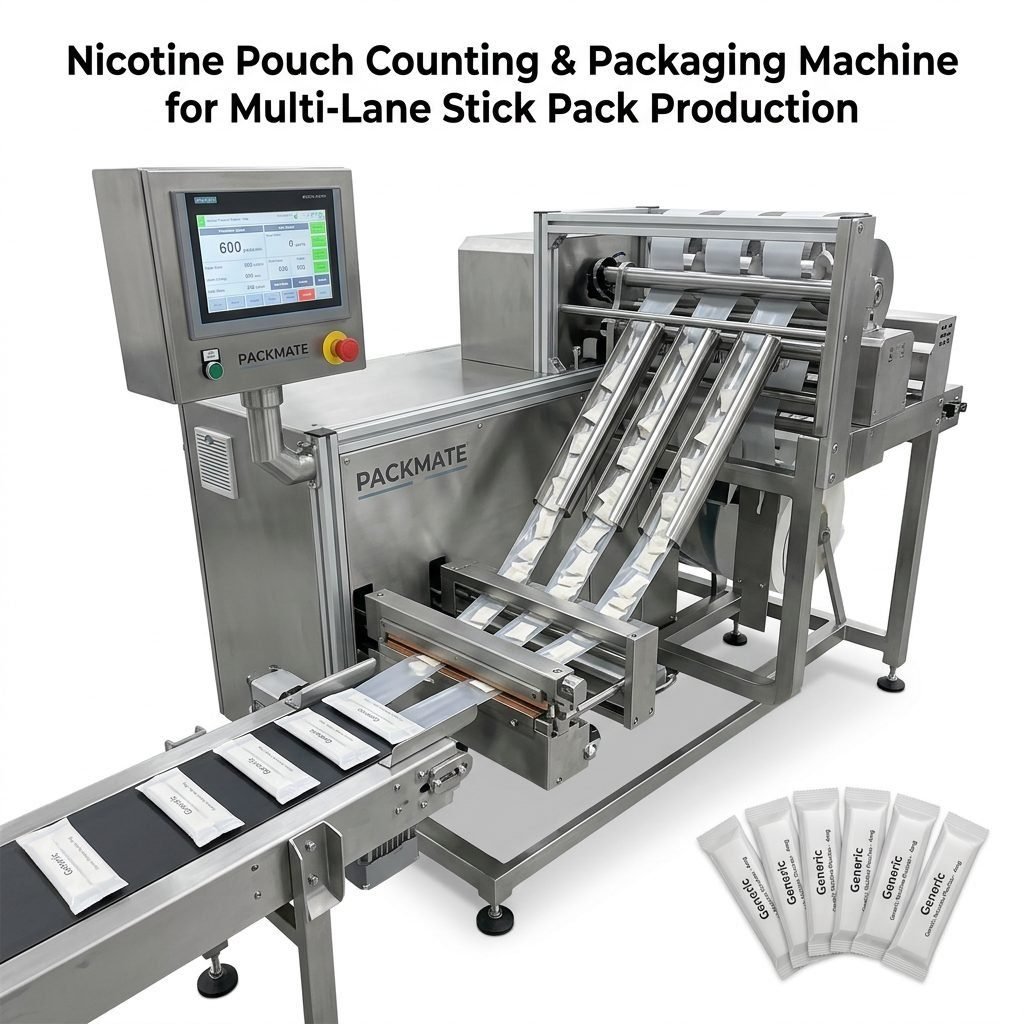
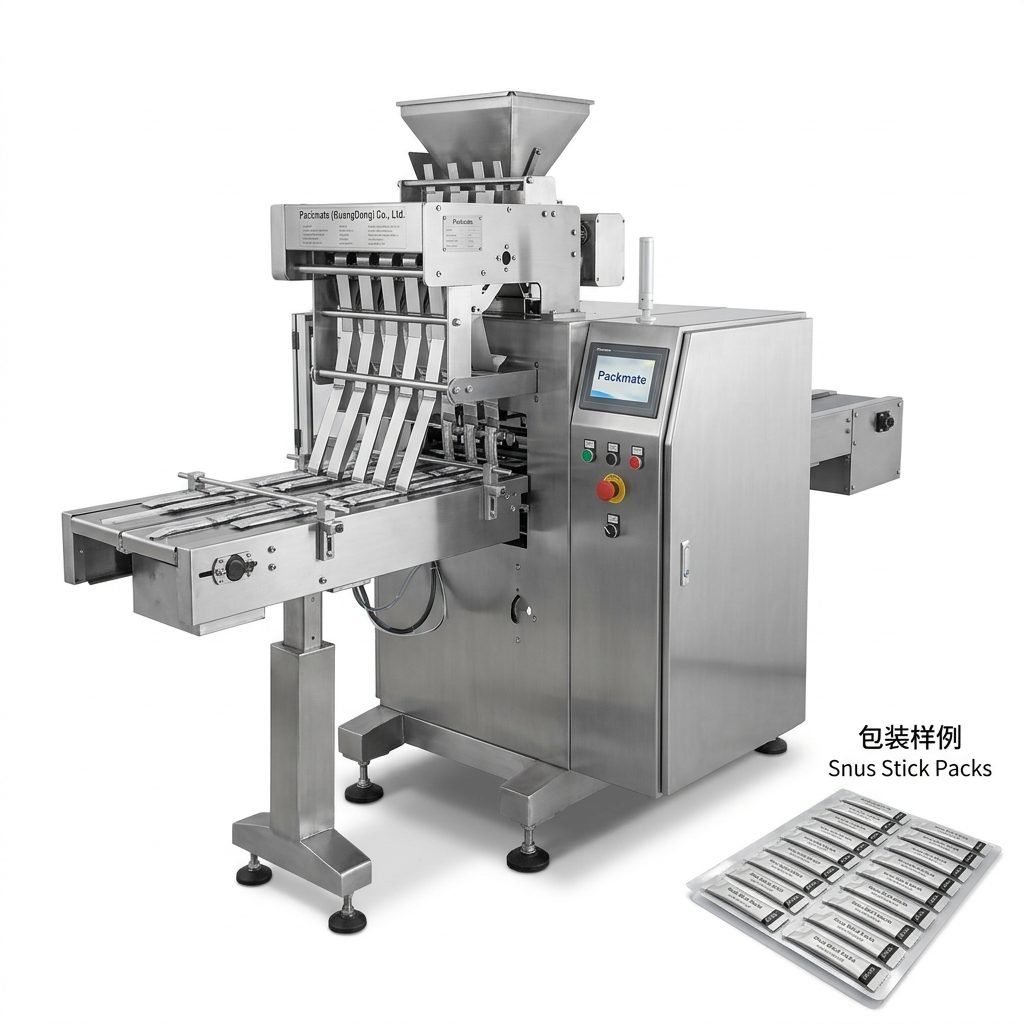
Nicotine pouch products vary in format and dose. Your production goals determine the machine class you need: stick pack, sachet, multi-lane pouch, or fully automated filling lines. Suppliers that specialize in snus and nicotine pouch equipment will offer targeted solutions — for example, multi-lane packaging systems for high throughput or single-lane flexible machines for small batches.
Typical machine types to compare
- Stick pack machines for single-dose sachets and slim formats
- Multi-lane snus/nicotine pouch machines for high-output production
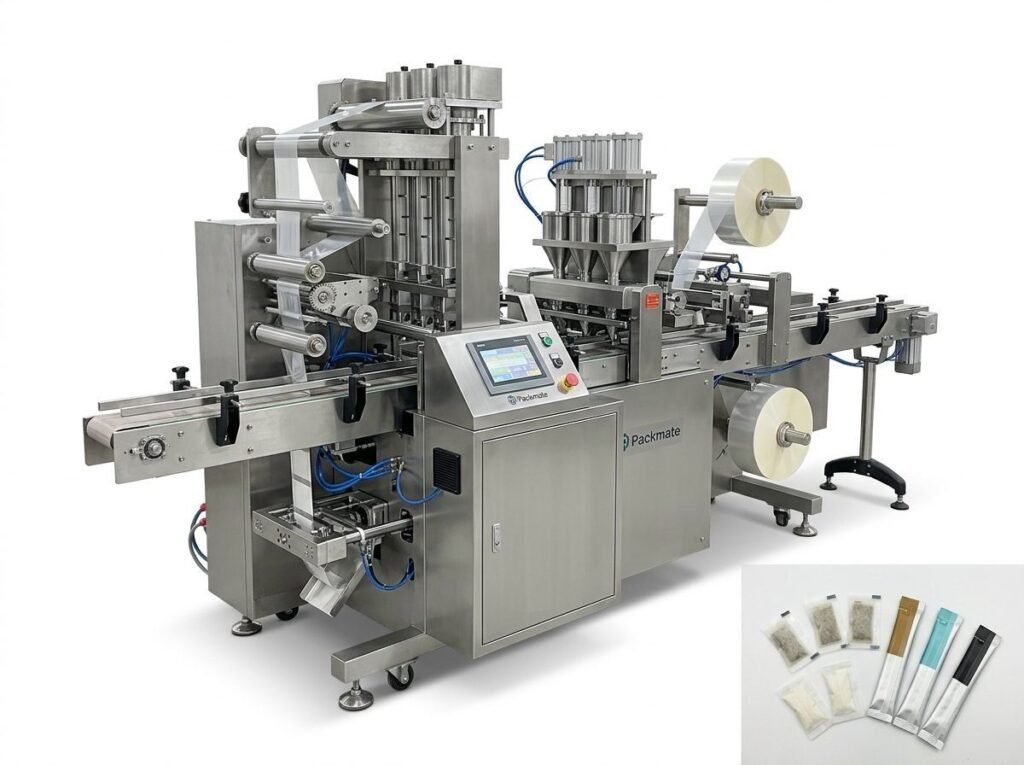
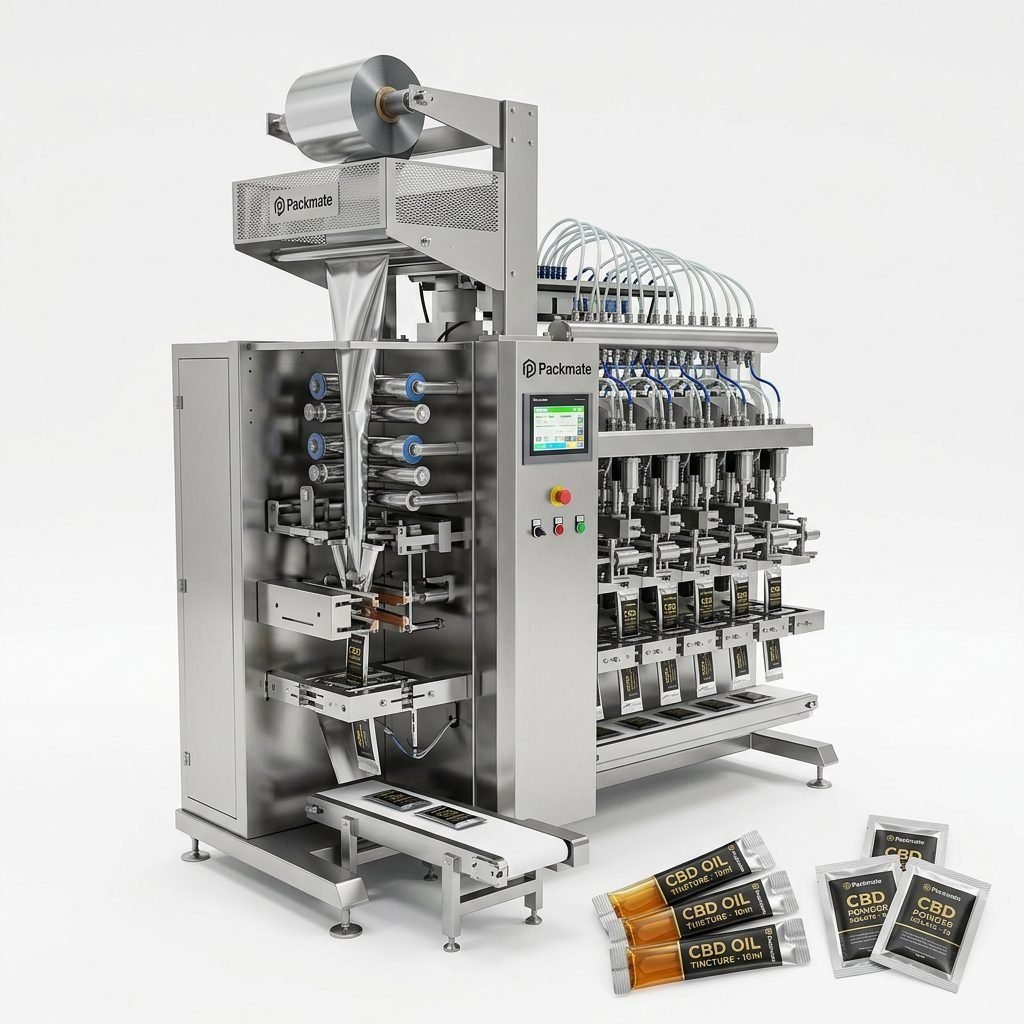
- Sachet and pouch machines for various packaging materials
- Integrated weighing and feeding systems for precise dosing
Evaluate Technical Performance and Customization
Technical performance includes speed (pouches per minute), yield, uptime, and changeover time. Customization matters because nicotine pouch products often require special dosing, sealing methods, or barrier materials. Ask potential suppliers for detailed specifications, changeover procedures, and examples of customized solutions they’ve delivered.
🔍 Ask for performance proof: Request production videos, OEE data, and sample runs for your specific pouch format. Suppliers like Packmate often provide case studies and machine demos to validate performance. (See real examples in their case portfolio.)
Certifications and Regulatory Compliance
Certification is crucial when selling in Belgium and the EU. CE markings and ISO compliance are baseline requirements. A supplier experienced in international exports will provide proper documentation, test reports, and support during inspections. Confirm whether spare parts and machine documentation include clear CE/ISO certificates and whether the supplier assists with compliance-related queries.
After-Sales Service, Spare Parts, and Training
For continuous operation, after-sales service is as important as the initial machine purchase. Evaluate lead times for spare parts, remote support capability, and on-site engineering availability. Belgian buyers often prefer suppliers offering training in multiple languages and scheduled maintenance contracts tailored to European business hours.
Service checklist
- 24/7 remote support or rapid response windows aligned with CET
- Local or regional spare parts stock to minimize downtime
- In-person commissioning and operator training in Dutch/French where possible
- Preventive maintenance plans and easy-to-follow manuals
Factory Capabilities and Quality Control
Inspect supplier manufacturing strength: precision CNC equipment, dedicated assembly areas, and rigorous testing protocols. Large factories with multiple machine models and an established production line will typically offer better consistency and faster lead times. Ask for factory photos, production timelines, and quality control policies. A supplier with a 20,000㎡ facility and 30+ years of experience is more likely to deliver scalable, dependable equipment.
Total Cost of Ownership (TCO) Over Purchase Price
Avoid choosing solely on the lowest initial price. Consider TCO which includes energy consumption, spare parts, training, downtime risk, and resale value. A slightly higher upfront cost can pay off through improved uptime, better efficiency, and lower long-term maintenance costs.
📦 Cost factors to account for: installation, integration with existing lines, tooling for different pouch sizes, warranty scope, spare part kits, and training sessions.
References, Case Studies, and Live Demonstrations
Ask suppliers for references in Europe and specifically for nicotine packaging lines. Case studies with demonstrated machine performance, long-term service relationships, and examples of custom solutions are extremely valuable. Request live demonstrations or factory acceptance tests — either in-person or via video.
For additional information and real-world examples, examine supplier portfolios such as Snus & Nicotine Packaging Machines and their factory case studies — they reveal actual machine setups and performance metrics.
Logistics, Delivery, and Installation in Belgium
Consider shipping timelines, customs clearance for imported machinery, and local installation requirements. Suppliers familiar with European delivery channels can support customs paperwork and coordinate transport to Belgian sites. Ensure the supplier offers clear installation plans, on-site engineers for commissioning, and compliance checks post-installation.
Checklist: Questions to Ask Every Supplier
✔️ What is the machine’s maximum output and typical uptime?
✔️ Can you provide CE and ISO documentation?
✔️ Do you offer multilingual operator training?
✔️ What is the lead time for spare parts and consumables?
✔️ Can the machine handle my specific pouch materials and flavors?
Why Choose an Experienced Snus Packaging Manufacturer?
Specialized manufacturers bring deep know-how in nicotine pouch handling, dosing consistency, and sealing technology. Their experience reduces time-to-market and lowers technical risk. A reputable maker will provide tailored turnkey solutions — from weighing and filling to final packaging — helping you scale reliably in Belgium and across the EU.
If you want to research machine families and product details, inspect product pages for Snus & Nicotine Packaging Machines, Bag & Pouch Packaging Machines, and Weighing & Packaging Systems to match capabilities to your production plan.
Making the Final Decision
Balance technical fit, regulatory compliance, after-sales support, and long-term costs. Visit vendor factories or request virtual tours. Confirm contractual details such as warranty terms, acceptance criteria, and service response times. When in doubt, select a supplier that demonstrates transparency through case studies, certifications, and a clear logistics plan for Belgium.
Practical next steps
- Shortlist 3–5 suppliers with proven European experience.
- Request sample production runs and performance data.
- Confirm CE/ISO documentation and ask for references in the EU market.
- Plan a site acceptance test and schedule multilingual training.
Where to Find Reliable Suppliers and Support
Start with suppliers who publish comprehensive product lines and documentation. Detailed pages for packaging machine categories and company information are useful. For example, review manufacturer product galleries, company background, and service pages to verify their global footprint and technical depth.
Useful links:
Snus & Nicotine Packaging Machines,
Case studies,
About Packmate,
Contact Us.
Final recommendation
Choose a supplier that blends proven technical capability with European regulatory experience and strong after-sales service. Emphasize total cost of ownership, multilingual training, and demonstrable machine performance. When selecting partners for the Belgian market, prioritize those who show sensitivity to local labeling and consumer habits, offer quick spare parts access, and provide clear CE/ISO documentation.
Frequently Asked Questions (FAQs)
Q1: How important is CE certification for nicotine packaging machines?
A: CE certification is essential for selling machinery and ensuring safety and compliance across the EU, including Belgium. Always request certificates and conformity documentation.
Q2: Can suppliers help with multilingual labeling for Belgium?
A: Many experienced suppliers provide support for printing and labeling systems configurable for Dutch, French, and German. Confirm the printer and coder compatibility during technical review.
Q3: What lead time should I expect for a customized multi-lane snus packaging system?
A: Lead times vary, but experienced manufacturers with large facilities typically quote realistic schedules and offer factory acceptance tests to reduce commissioning time. Plan for several months depending on customization.
Q4: How do I minimize downtime after installation?
A: Ensure you have spare parts kits, operator training, a preventive maintenance plan, and access to remote support. Confirm the supplier’s service SLA for your region.
Q5: Where can I see real examples of machine performance?
A: Request case studies and demo videos from suppliers. Check their published case portfolios and product pages for real-world examples and metrics.