Entering the snus and nicotine pouch market in Tunisia demands more than just a good product — it requires the right packaging partner. Choosing the right snus packaging machinery supplier will determine your factory’s output reliability, product stability under local climate conditions, regulatory compliance, and your ability to adapt packaging to Tunisian consumer preferences. This guide walks you through practical steps, key evaluation criteria, and local considerations for selecting the best snus packaging machinery supplier for your Tunisian factory.
Understand the Tunisian Market and Local Requirements
Tunisia’s market blends Mediterranean climate influences, French and Arabic language usage, and regulatory frameworks influenced by both national law and trade with the EU. When selecting a supplier, ensure their machines and packaging solutions can deliver:
✔ Climate-adapted sealing and moisture control: Tunisia’s warm summers and coastal humidity require excellent sealing and barrier techniques to maintain pouch quality.
✔ Multilingual labeling capability: Machines should support label printing or film customization that accommodates Arabic script, French, and English.
✔ Regulatory flexibility: Ability to add mandatory health statements, batch codes, and traceability features per Tunisian or EU export regulations.
Why supplier experience matters
Long-term engineering experience reduces risk. A supplier with decades of packaging R&D will offer refined multi-lane systems, stable dosing for micro-doses, and trouble-free integration with weighing or filling systems. Look for companies that publish factory capabilities, certifications like CE and ISO, and a track record of turnkey solutions.
Check product range and machine models
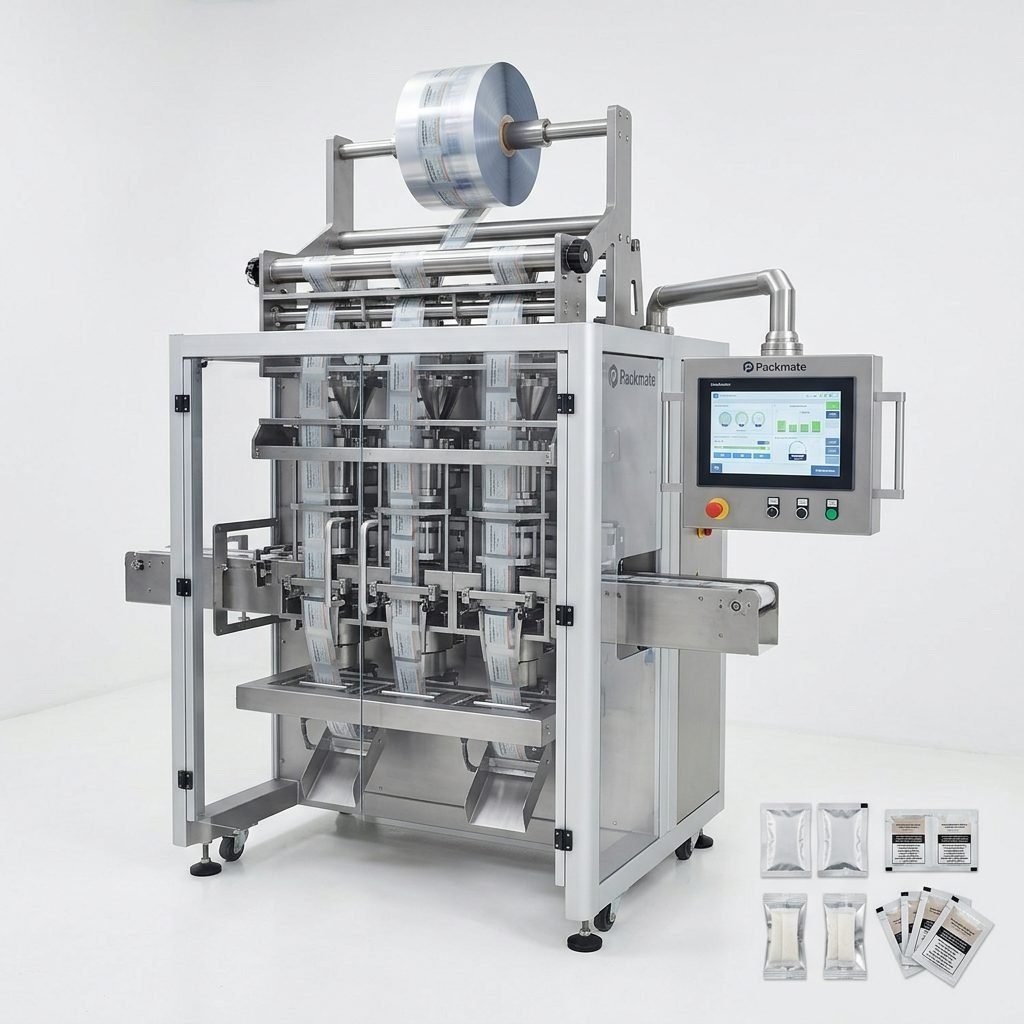
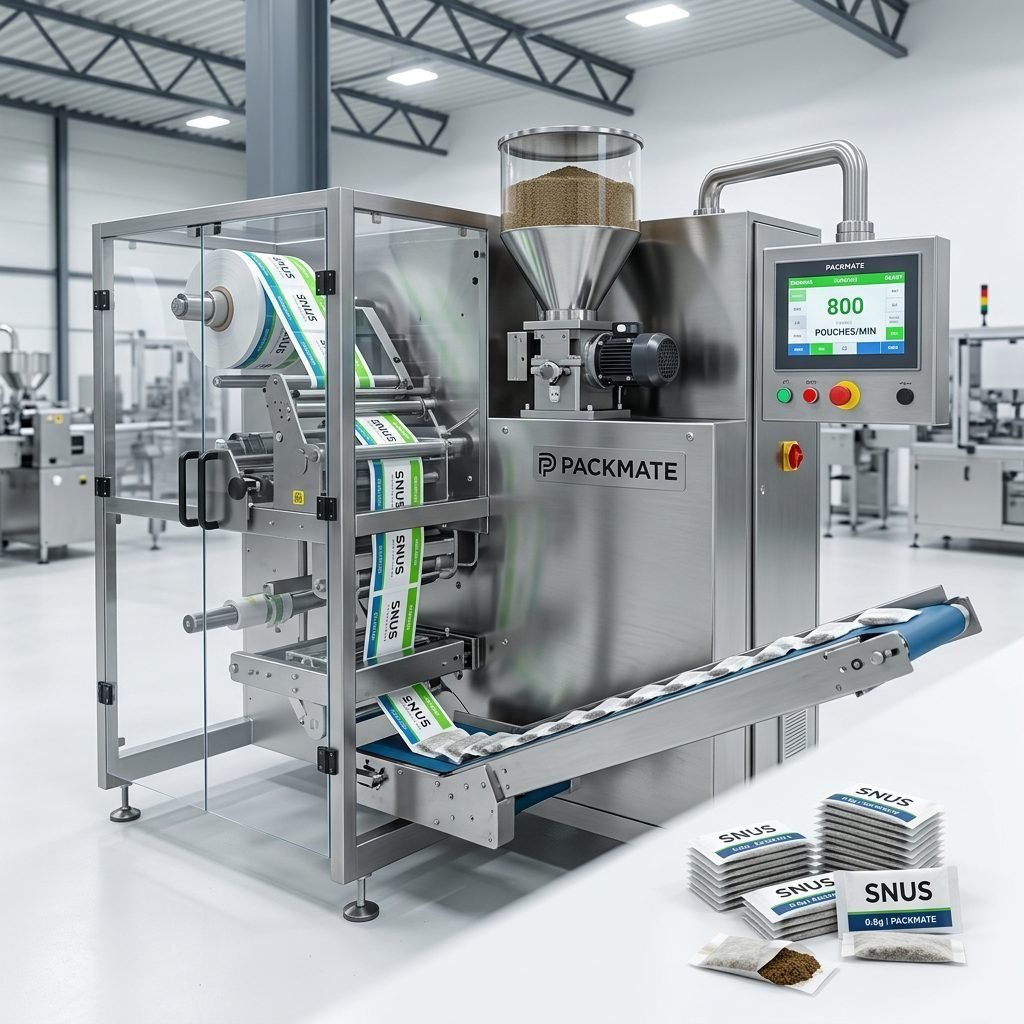
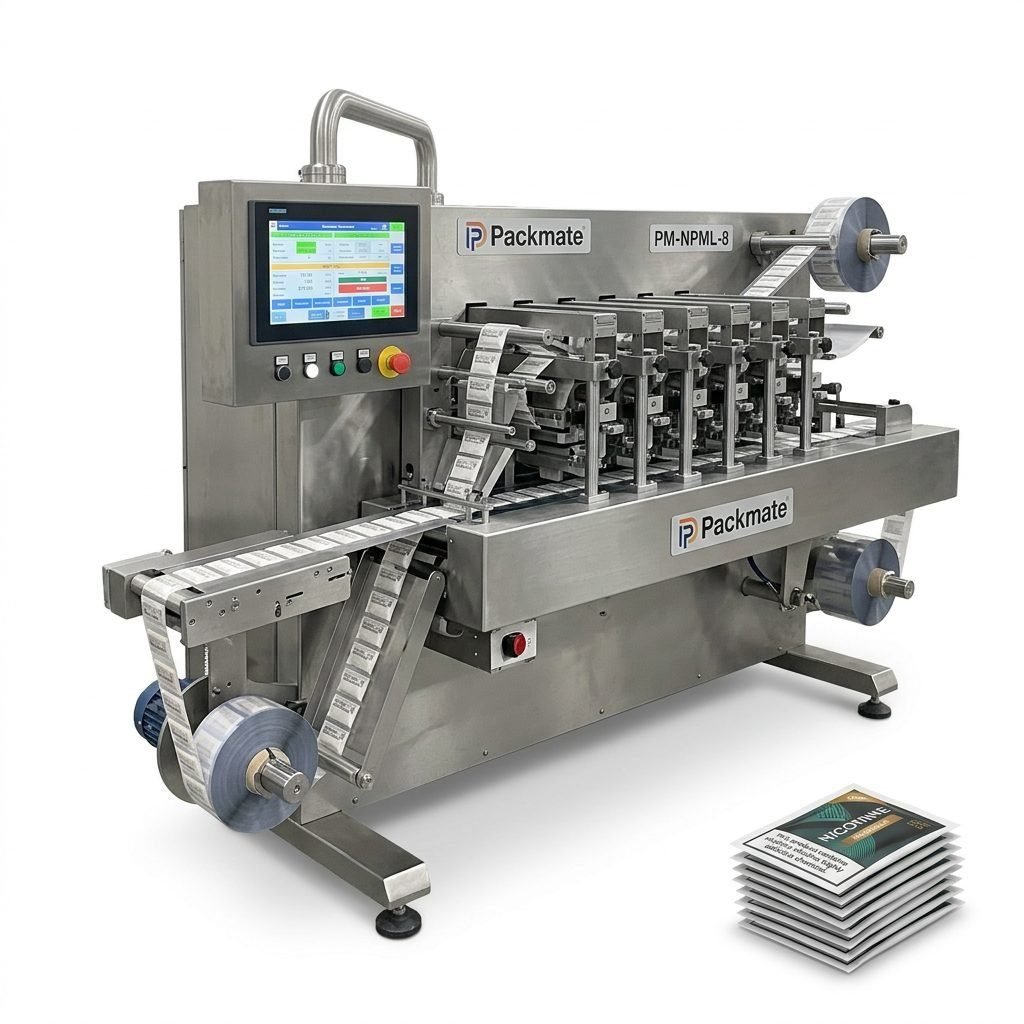
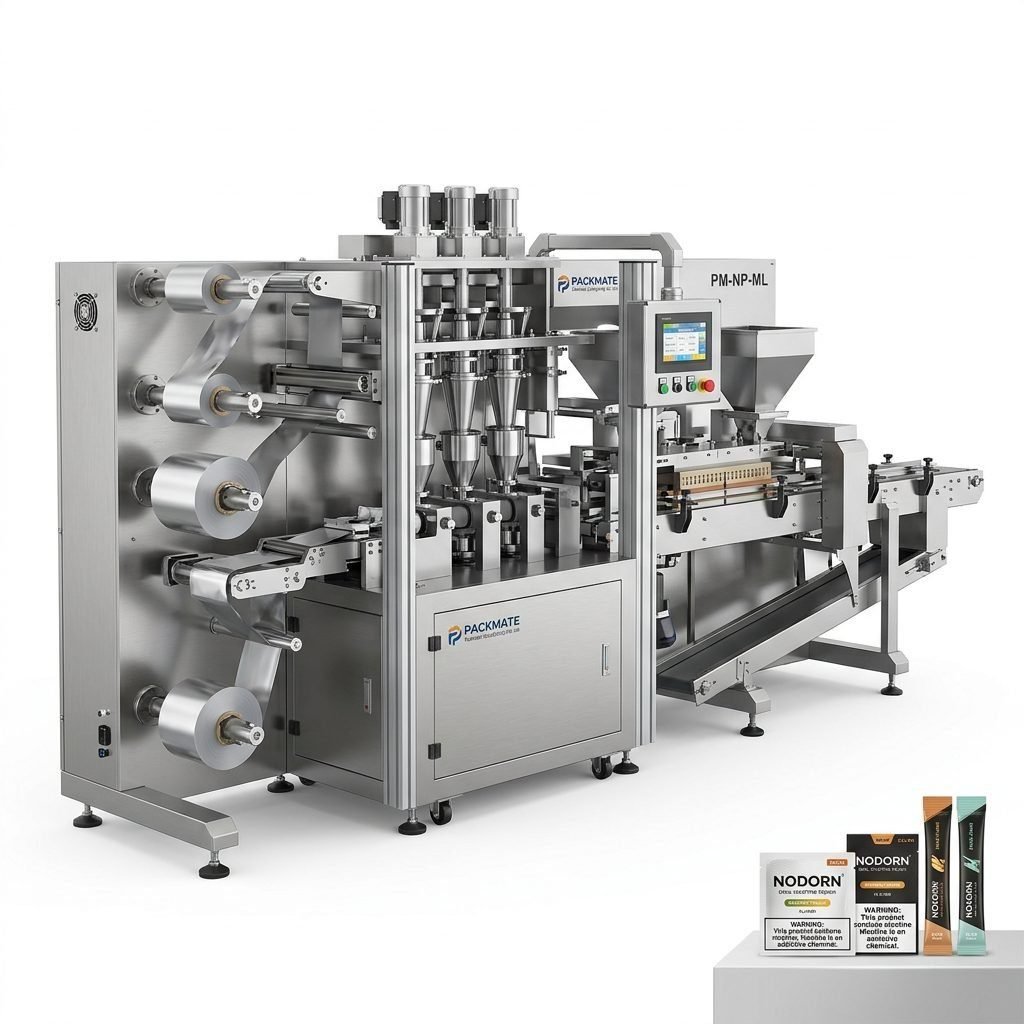
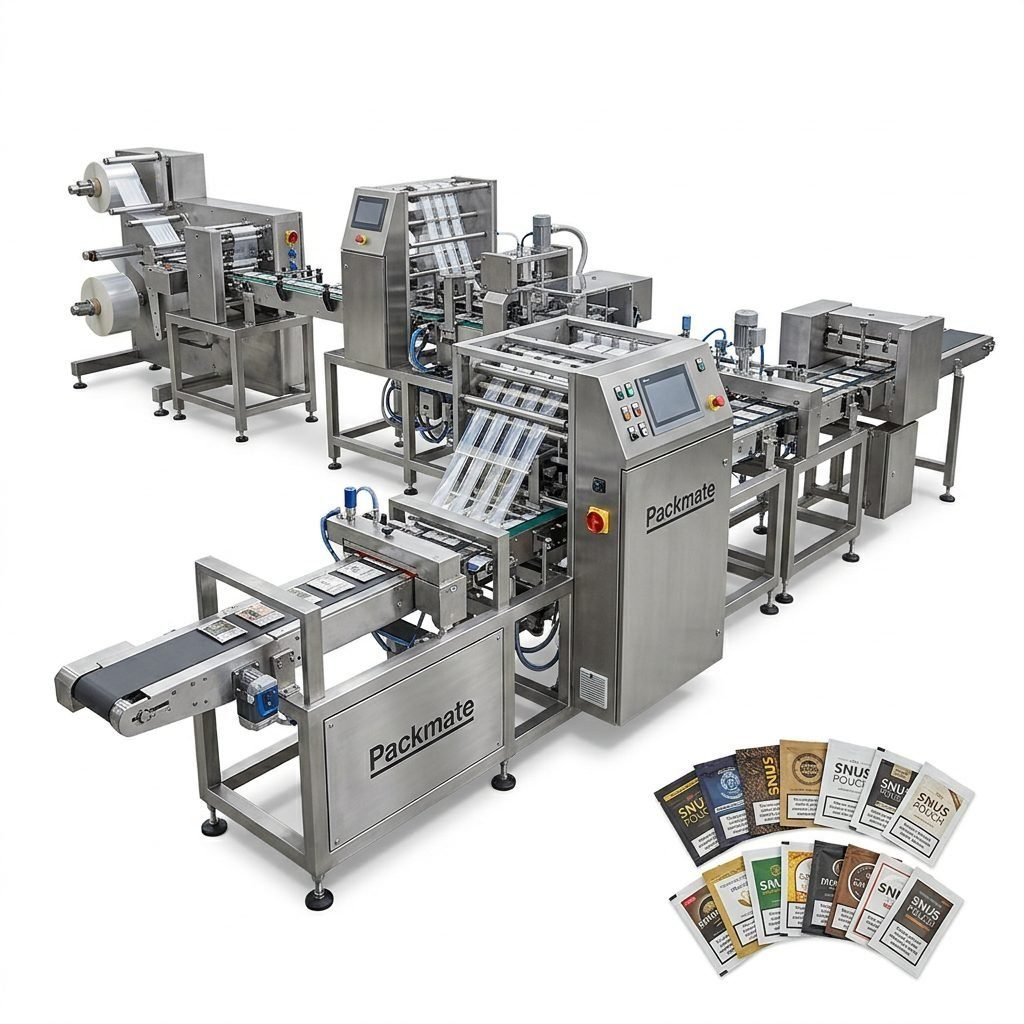
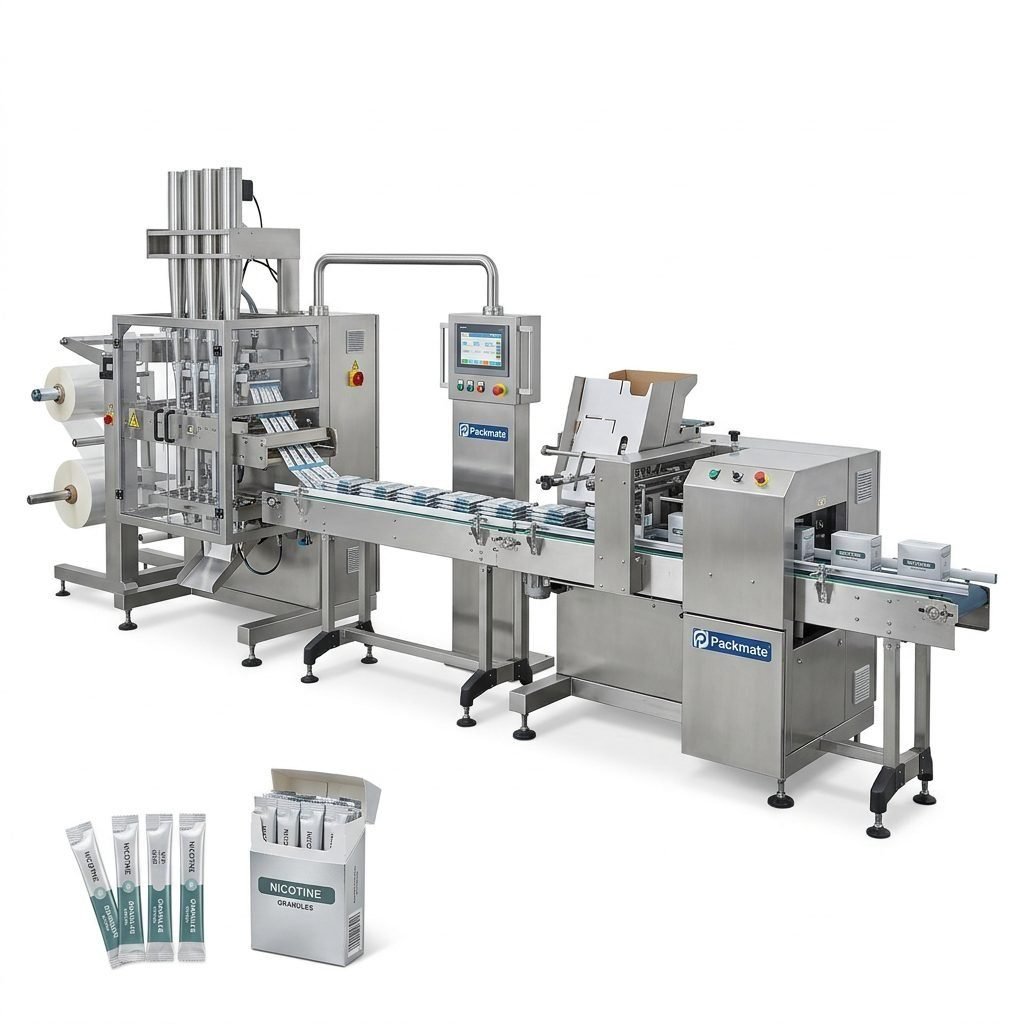
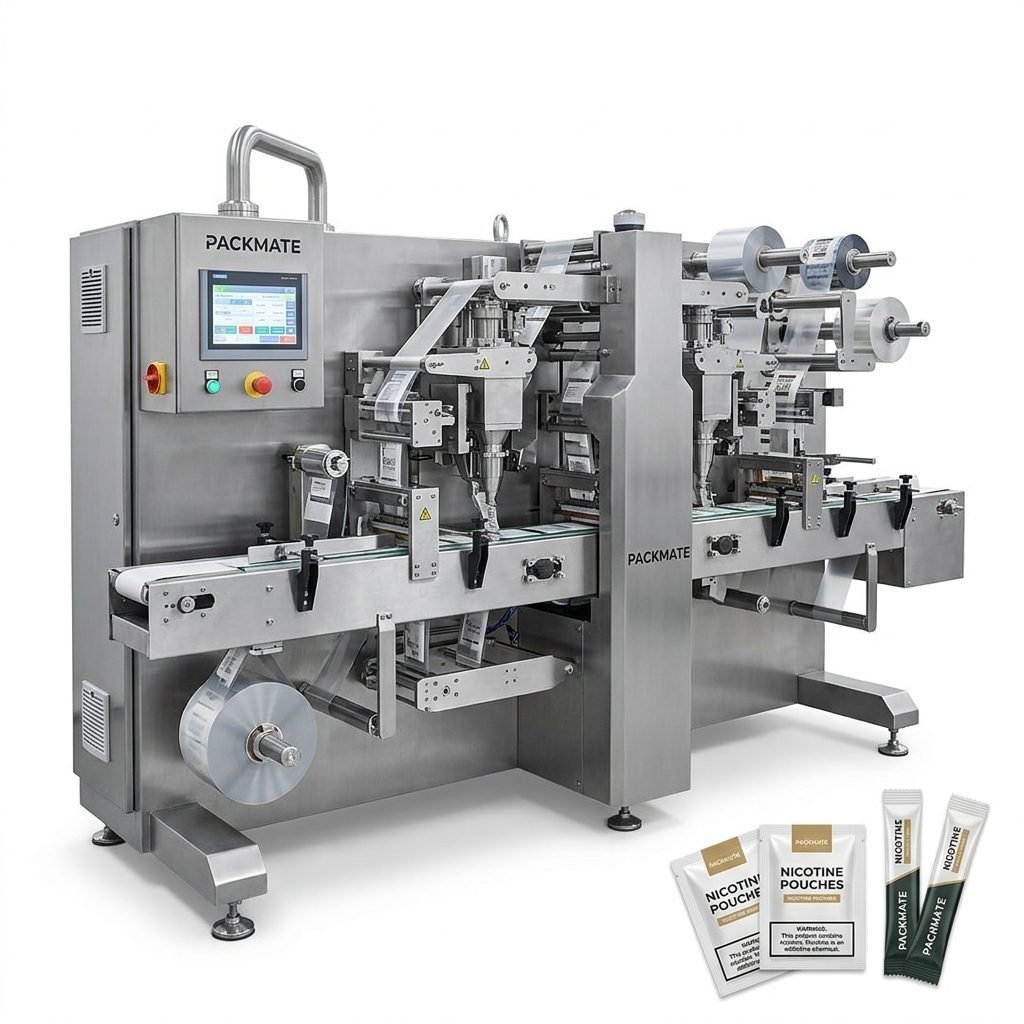
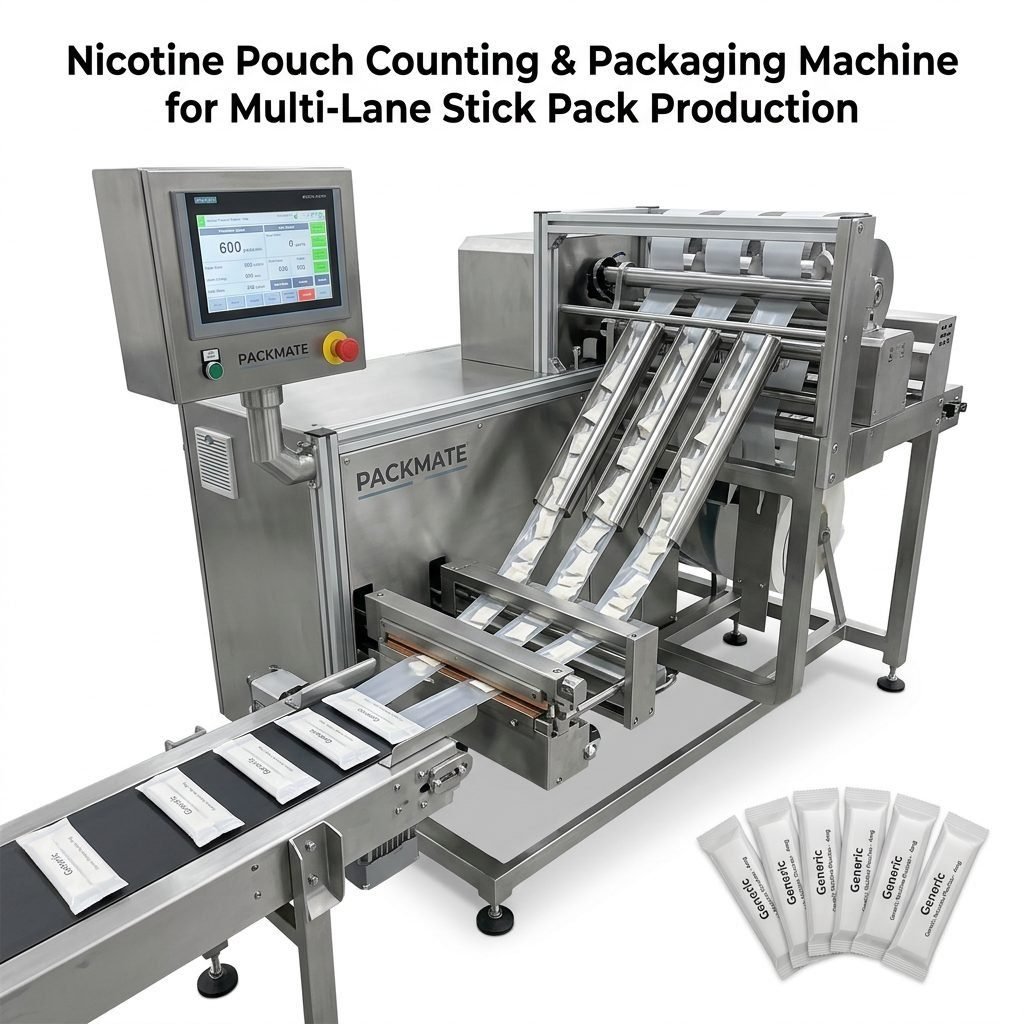
Your factory needs machines that can scale and adapt. Typical options include stick pack, sachet, and multi-lane pouch lines for snus and nicotine pouches. Review the supplier’s product pages to confirm they offer specialized snus machinery rather than generic packagers — for example, suppliers who provide dedicated Snus & Nicotine Packaging Machines have equipment tuned for small-dose pouch formats and high-speed multi-lane output.
Learn more about specialized lines here: Snus & Nicotine Packaging Machines.
Key technical criteria to evaluate
Technical specifications are where machine suppliers either meet or miss expectations. Prioritize the following:
🔍 Dosing accuracy: Look for repeatability and low CV (coefficient of variation) especially for nicotine pouches where dose consistency is critical.
🔍 Multi-lane capability: Multi-lane systems enable high throughput with compact floor footprint. Confirm lane count options and lane-change flexibility.
🔍 Sealing and barrier performance: Heat-seal, ultrasonic, or specialized laminates must preserve moisture balance in Tunisia’s environment.
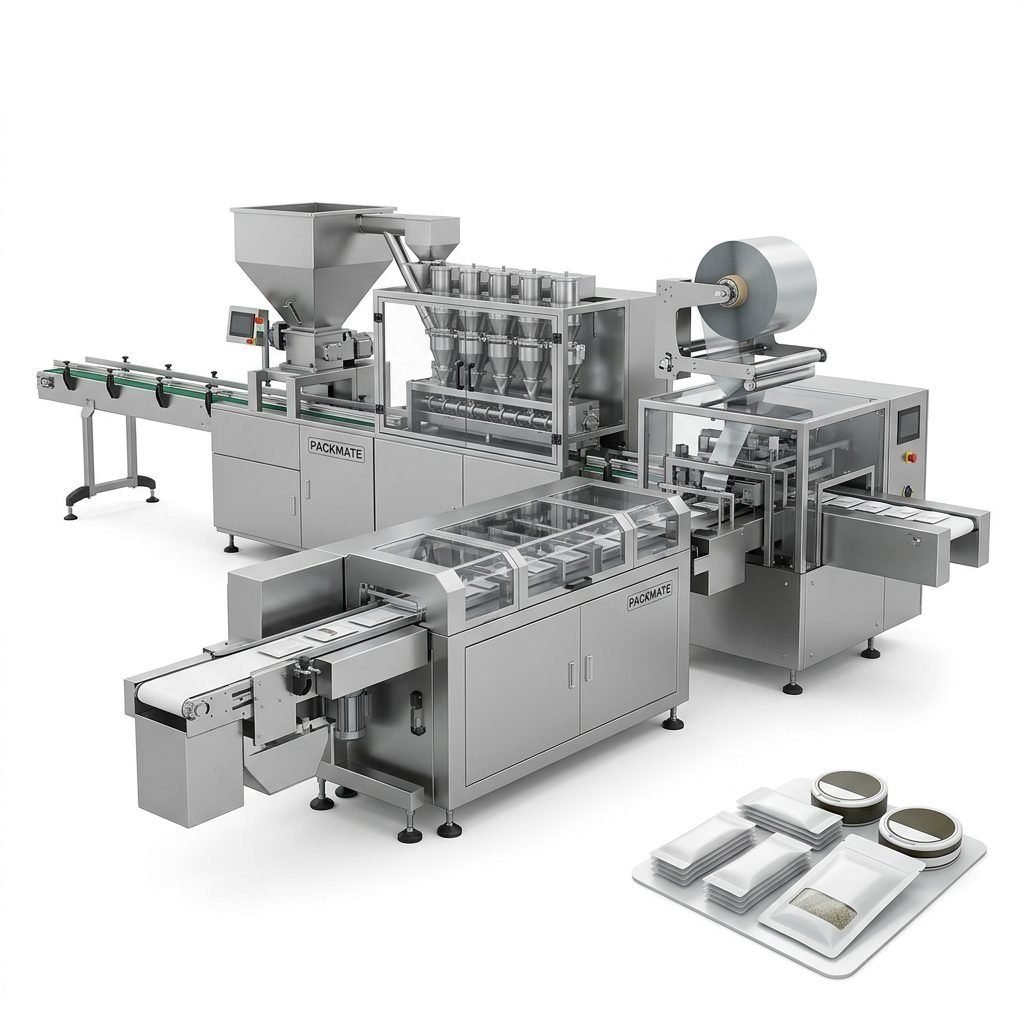
🔍 Integration ease: Verify compatibility with upstream filling/weighing systems and downstream cartoning or case packing lines.
Automation, control and software
Modern packaging lines should include intuitive HMI panels, recipe management for quick changeovers, PLCs with remote diagnostic capability, and data logging for traceability. Consider suppliers that offer remote support and software updates to minimize downtime at your Tunisian site.
Service, spare parts and maintenance in Tunisia
After-sales service can make or break operational uptime. Evaluate:
📌 Local support or regional partners: Find suppliers with regional technical partners or rapid spare part shipping to Tunisia’s ports (Tunis, Sfax).
📌 Training and documentation: On-site training in French or Arabic is a big advantage for Tunisian operators and maintenance staff.
📌 Spare parts availability: Ensure critical components are available with short lead times or offer swappable modular parts to reduce MTTR (mean time to repair).
Factory visits and testing
Arrange a factory acceptance test (FAT) or remote video demo. A robust supplier will allow you to test your specific pouch materials and formulations under real running conditions. Visiting the supplier’s facility also helps verify production capabilities, CNC machining equipment, and assembly processes.
For examples of supplier case studies and real installations, review their documented projects: Case.
Commercial terms and warranties
Negotiate clear terms:
⚖️ Warranty coverage: Seek at least 12 months warranty on mechanical parts and clear service response SLAs.
⚖️ Turnkey scope: Define whether conveyors, film rollers, label printers, and integration to weighing systems are included.
⚖️ Payment and delivery: Confirm delivery timelines, incoterms, and any customs support for shipments to Tunisia.
Certifications and compliance
Ensure machines meet international standards like CE and ISO. If you plan to export products to the EU or North Africa, these certifications are especially important. Suppliers that publish certificates and test reports (electrical, safety, accuracy) show transparency and reliability.
Learn more about supplier qualifications at: Certificate.
Customization and packaging design for Tunisian consumers
Effective packaging combines function with cultural fit. Tunisian consumers often prefer clear labeling, portable formats, and designs that respect local aesthetics. Consider:
🎨 Arabic and French text support: Ensure the supplier can handle printing/film customizations with right-to-left Arabic typography where necessary.
🎨 Compact, resealable designs: Portable tins or sachets with easy-open features match local on-the-go consumption habits.
🎨 Tamper-evident and traceability features: Add QR codes and batch IDs to comply with safety expectations and build consumer trust.
Sustainability and material choices
With increasing global attention to packaging sustainability, consider films and laminates that balance barrier performance with recyclability or reduced plastic use. Suppliers that advise on material selection to maintain shelf-life while reducing waste will give your Tunisian brand a competitive edge.
How to shortlist and test suppliers — a practical checklist
Use this step-by-step purchasing checklist to evaluate candidates:
1. Verify experience: 30+ years of engineering experience and a strong factory footprint (20,000㎡ or similar) indicate manufacturing capacity and quality controls.
2. Request FAT/demo: Test with your actual snus formulations and film stock; assess dosing accuracy and seal integrity.
3. Ask for references: Speak with other customers in the region or with similar products; review project Case pages for evidence.
4. Confirm parts & support: Clarify spare parts lead times to Tunisian ports and availability of technician training in French/Arabic.
5. Negotiate warranty & SLA: Get written SLAs for service response times and uptime expectations.
Turnkey solutions and line integration
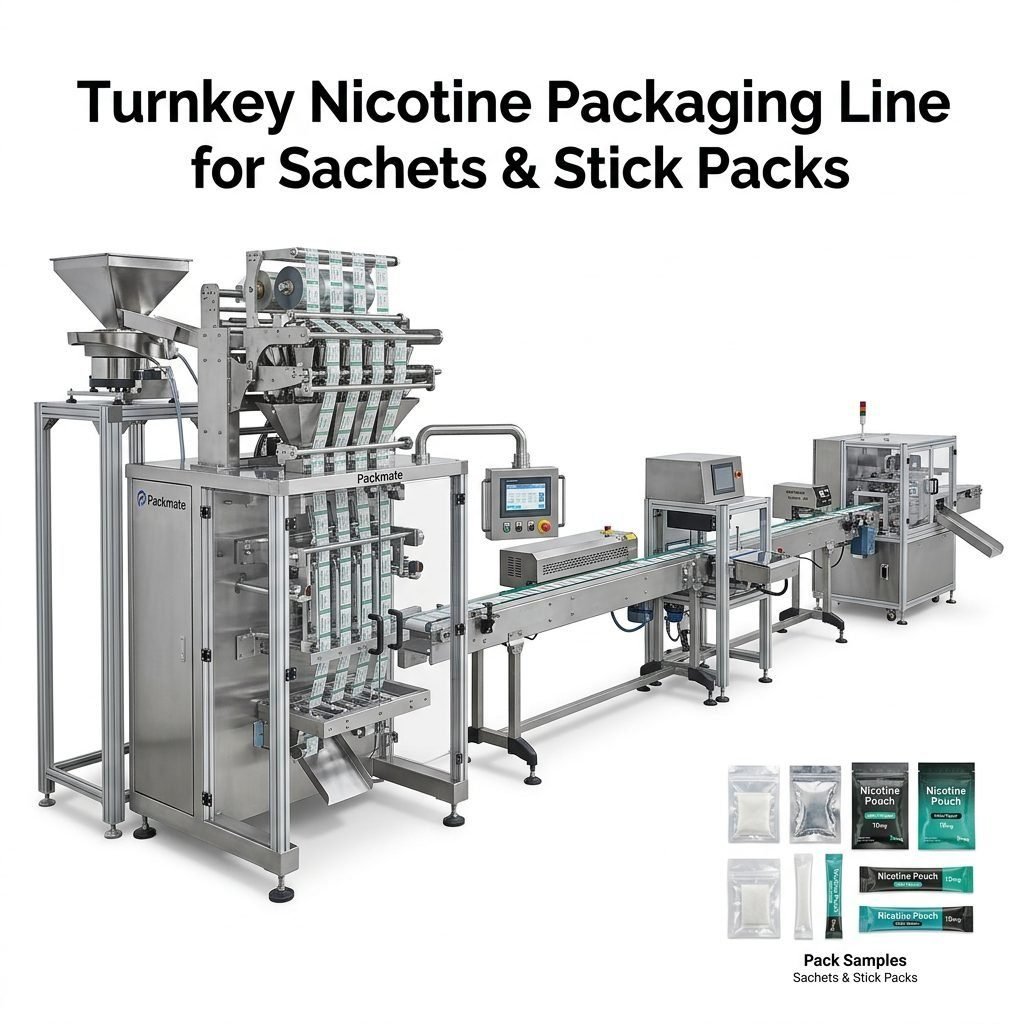
For rapid market entry, choose suppliers who provide full production line integration — from feeding and dosing systems through packaging and case packing. When evaluating turnkey proposals, make sure the scope includes installation, commissioning, operator training, and initial material trials.
Explore complementary systems that often accompany snus lines, such as weighing and packaging systems here: Weighing & Packaging Systems.
Why Packmate-style suppliers are a strong option
Suppliers with decades of focused experience in snus packaging, a large manufacturing footprint, and a portfolio of multi-lane systems bring distinct advantages. They can supply reliable snus/nicotine pouch machines, offer customized turnkey solutions, and usually demonstrate global service and case experience. If the supplier details include factory capabilities, certifications, and exhibition presence, these are positive signals of credibility.
Learn more about the supplier profile and mission to assess alignment with your needs: About Packmate and browse their exhibitions for live demonstrations: Our Exhibition.
Final selection tips for Tunisian factories
– Prioritize machines proven for snus/nicotine pouch formats and small-dose accuracy.
– Ensure supplier can support Arabic/French labeling, climate-resilient seals, and provide training in languages your staff speak.
– Confirm spare parts routing to Tunisian ports and local service options or rapid remote diagnostics.
– Validate claims with FAT, on-site testing, and references from similar markets.
Contact and next steps
When you’re ready to request proposals, collect technical datasheets, FAT videos, spare parts lists, and a clear turnkey quote including integration and training. If you want to discuss specific machine models or request a demo tailored to Tunisian conditions, use the supplier’s contact options to get a customized plan.
For direct inquiries and support, consider reaching out via the supplier’s contact page: Contact Us.
FAQs
Q1: What machine types are best for small-batch snus production in Tunisia?
A1: Multi-lane pouch machines and sachet/stick-pack lines with flexible lane options and small-dose dosing heads are ideal for small-batch runs while allowing scale-up when demand grows.
Q2: How important are CE/ISO certifications for equipment imported into Tunisia?
A2: Very important — they demonstrate safety and quality. They also ease export processes if you plan to sell in EU markets. Ask suppliers for certificate copies and test reports.
Q3: How can I ensure fast spare part delivery to Tunisian factories?
A3: Negotiate spare parts contracts, confirm stock locations, and prefer suppliers with regional warehouses or partners. Clear lead times and a list of critical spares help minimize downtime.
Q4: Should packaging designs include Arabic translations and tamper-evident features for Tunisia?
A4: Yes. Arabic and French labeling increases acceptance and regulatory compliance. Tamper-evident seals and traceability features build consumer trust.
Q5: What is the recommended first step when contacting a supplier?
A5: Request detailed technical specifications, FAT/demo with your materials, spare parts lists, warranty terms, and references from similar projects — then schedule a factory visit or remote demonstration.