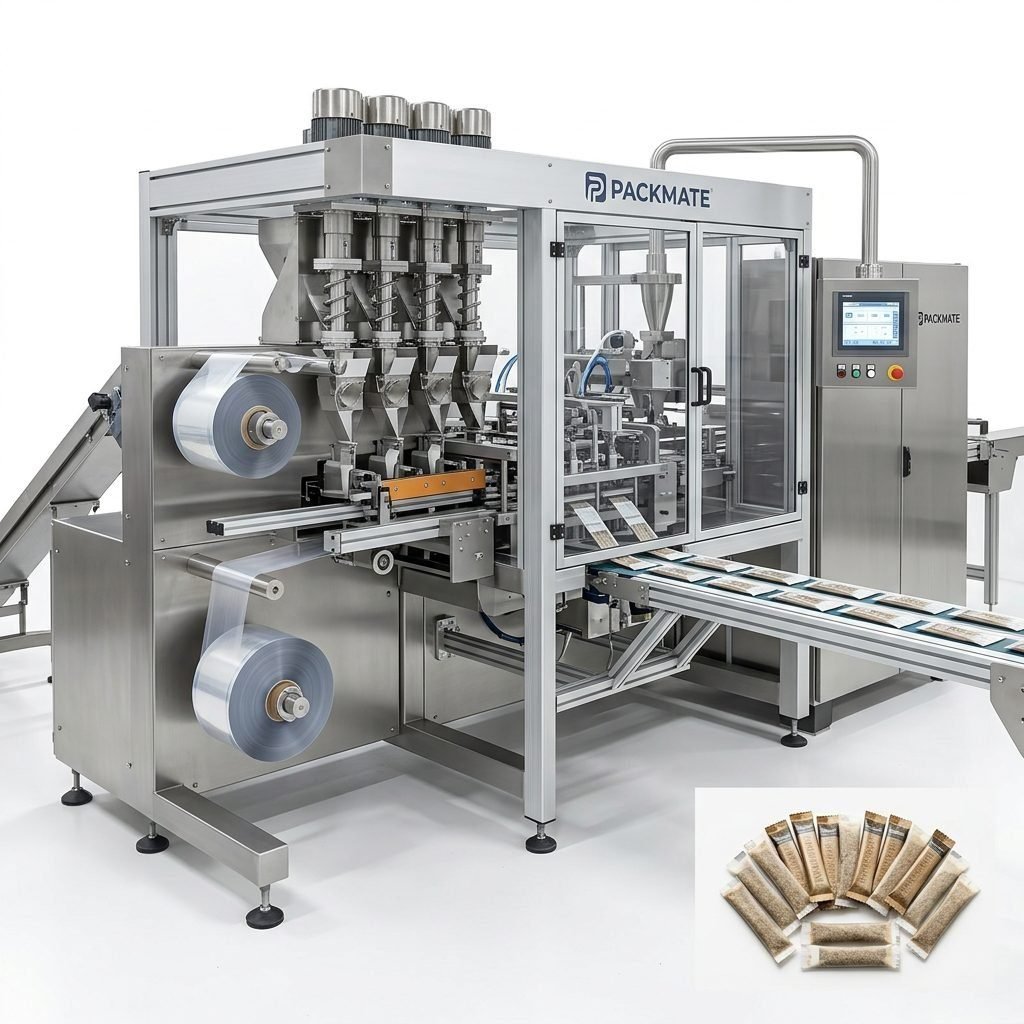
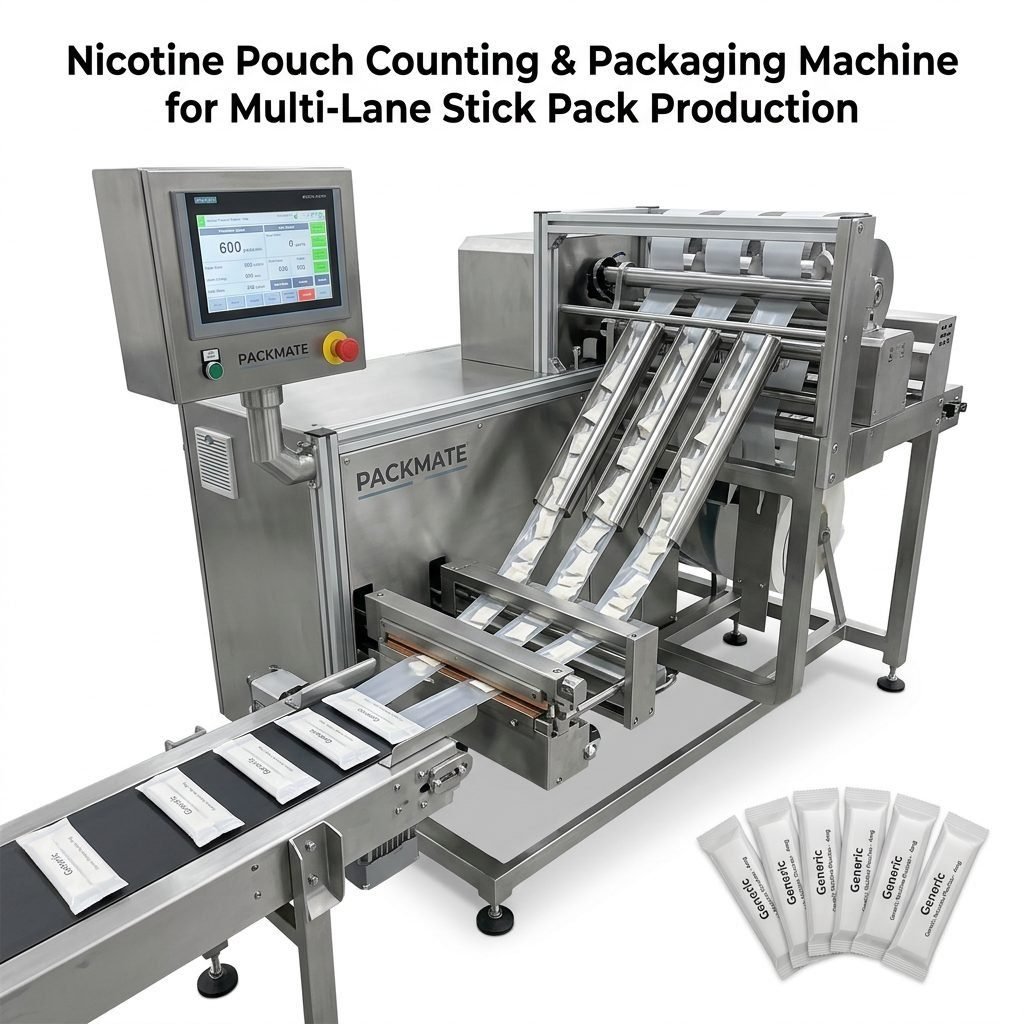
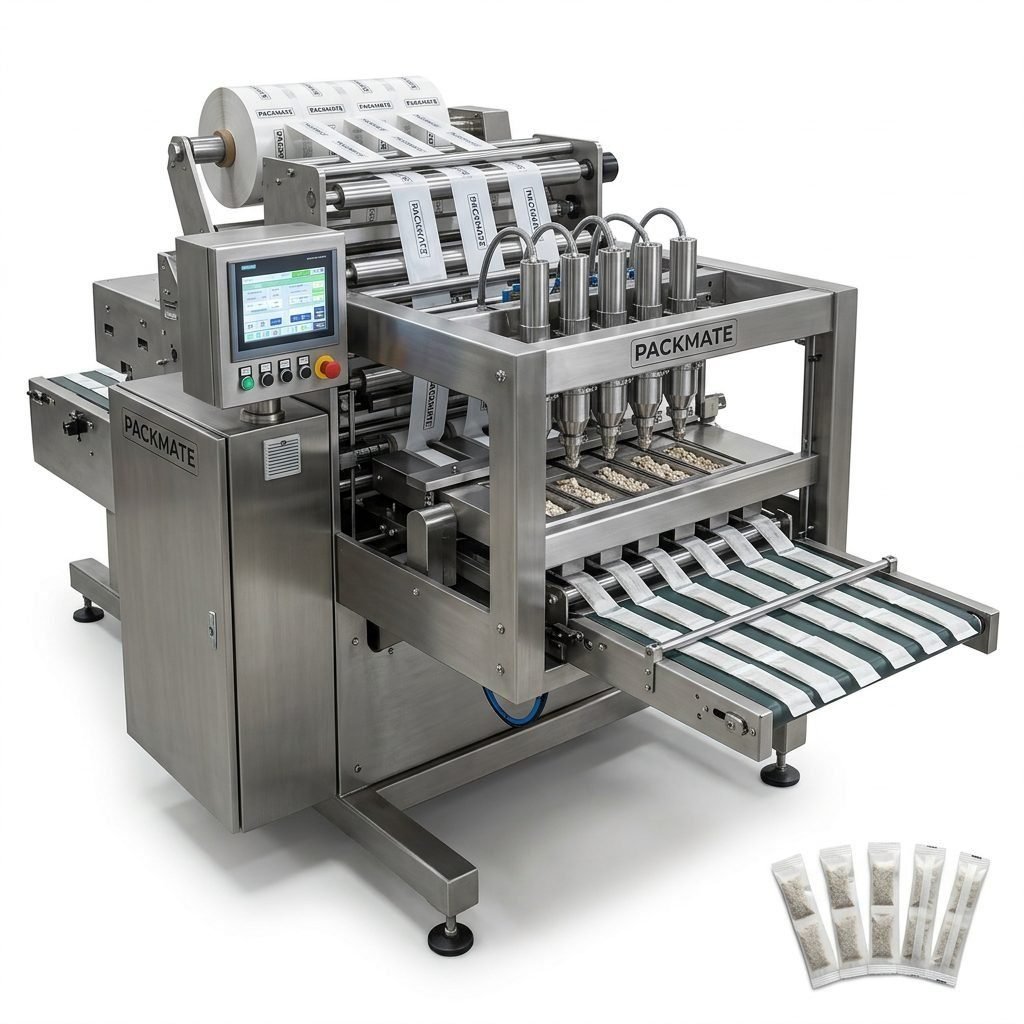
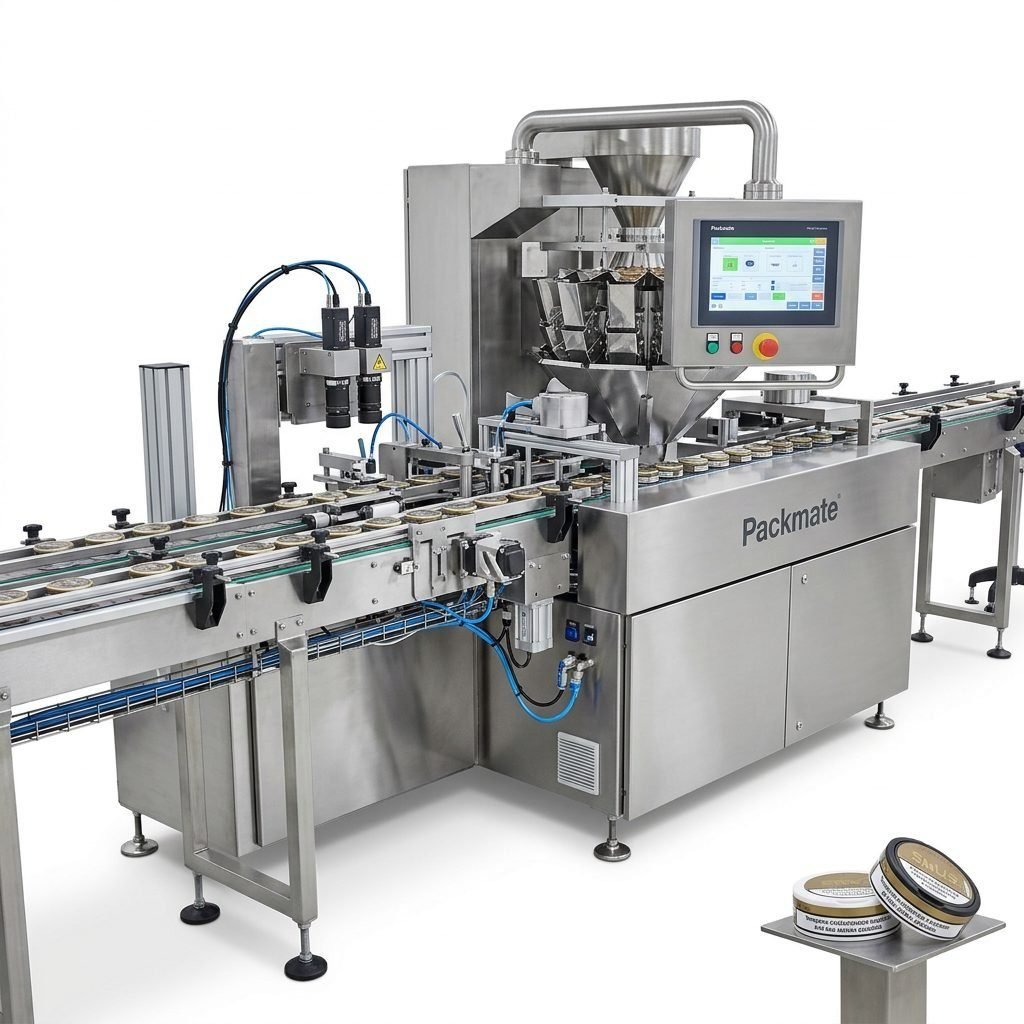
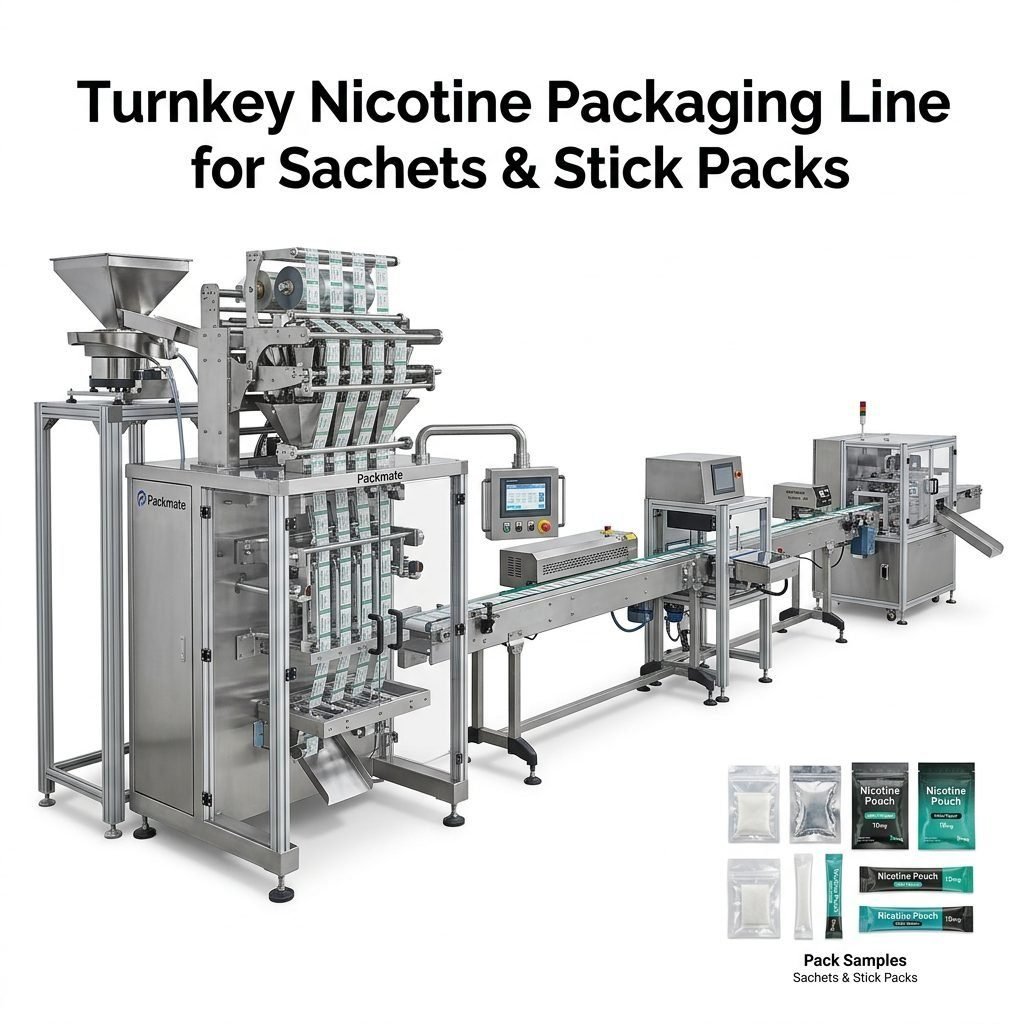
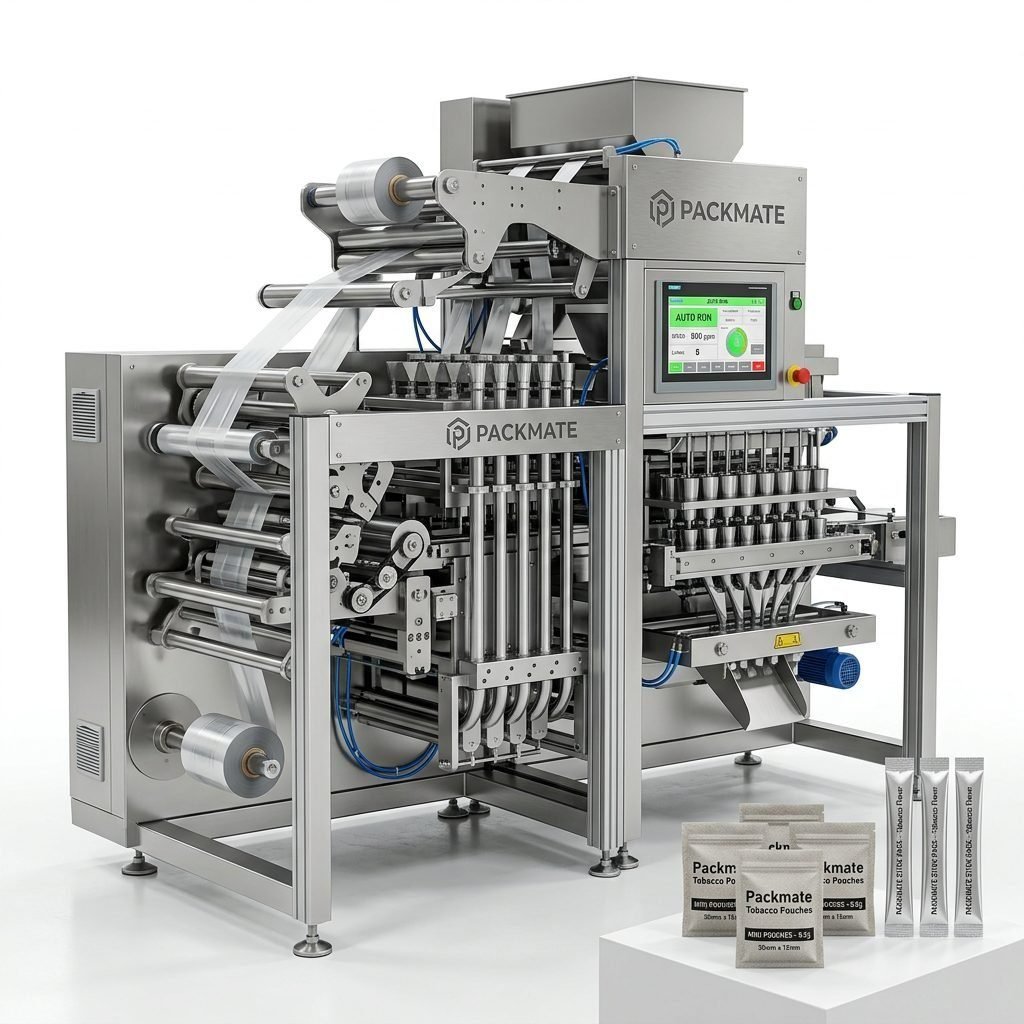
Choosing the right supplier for nicotine pouch and snus packaging machinery in Portugal is a strategic decision that affects production efficiency, regulatory compliance, and brand reputation. The Portuguese market combines strict EU regulations, growing consumer interest in alternative nicotine products, and local manufacturing expectations. This guide helps Portuguese importers, contract manufacturers, and established tobacco or nicotine businesses evaluate suppliers, compare technologies, and secure long-term operation and service partnerships.
Understand the Portuguese and EU Context
Portugal operates under EU-wide rules affecting nicotine products, packaging, and import processes. Local consumer preferences also matter: Portuguese consumers tend to value quality, discreet packaging, and clear labeling in Portuguese. For business owners, that means machines must support:
-
Accurate dosing and consistent pouch weight to meet EU nicotine limits and local labelling requirements.
-
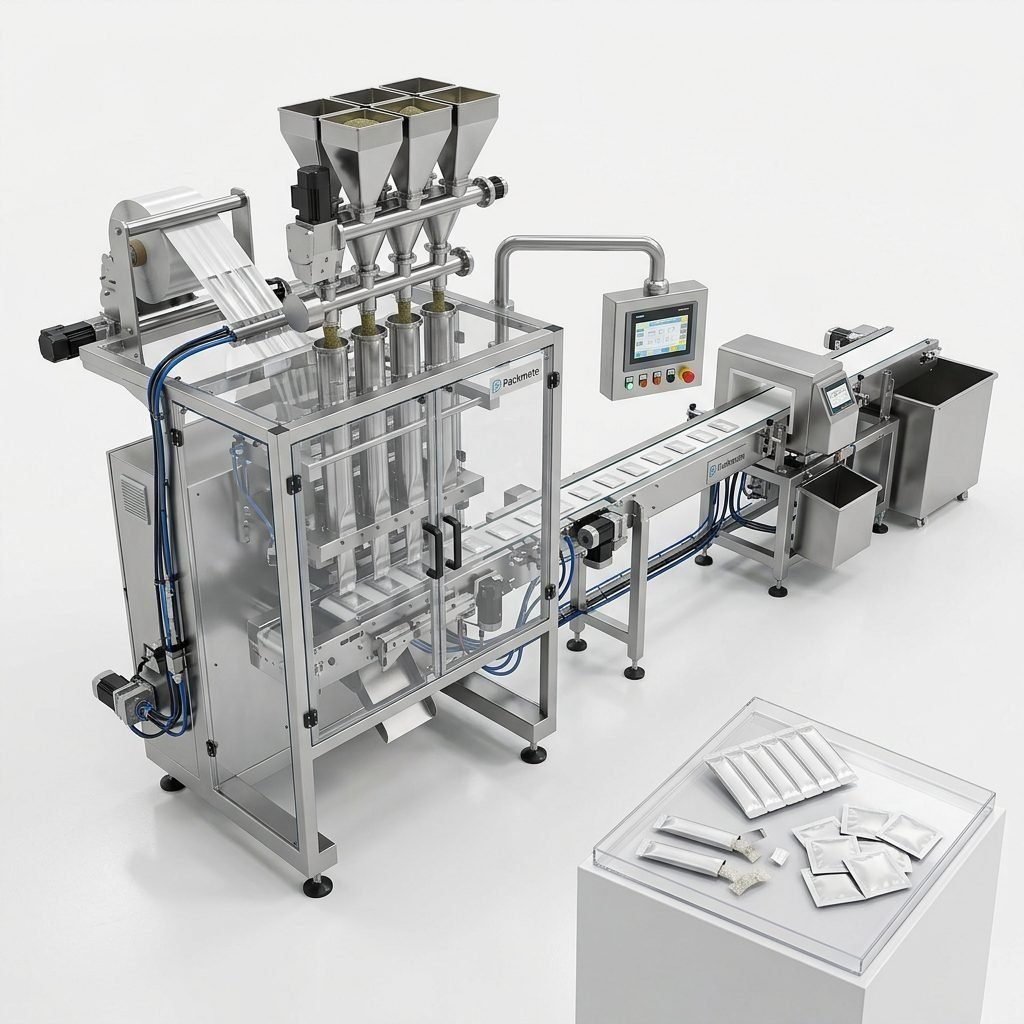
Flexible packaging formats (stick pack, sachet, multi-lane pouches) for product differentiation.
-
Language-capable HMI and documentation in Portuguese or easily translatable manuals.
Regulatory and cultural notes
In practical terms, ensure your supplier understands CE/ISO compliance, EU customs rules, and the need for traceability. Portuguese partners appreciate timely, respectful communication and often prefer solution providers who can offer training and local-language support.
Key Criteria to Evaluate a Nicotine Packaging Machinery Supplier
When vetting potential suppliers, compare them across technical capability, quality assurance, service, and commercial terms. Below are the primary selection categories with practical checkpoints.
1. Industry Experience and Track Record
Look for suppliers with proven experience in snus and nicotine pouch lines—decades of engineering background is a strong indicator of stable design and continuous improvement. A supplier with a long company history usually offers mature spare-parts programs and documented case studies. For example, a manufacturer with 30+ years and a history of developing multi-lane systems will be more likely to meet evolving low-dose production needs.
2. Machine Range and Flexibility
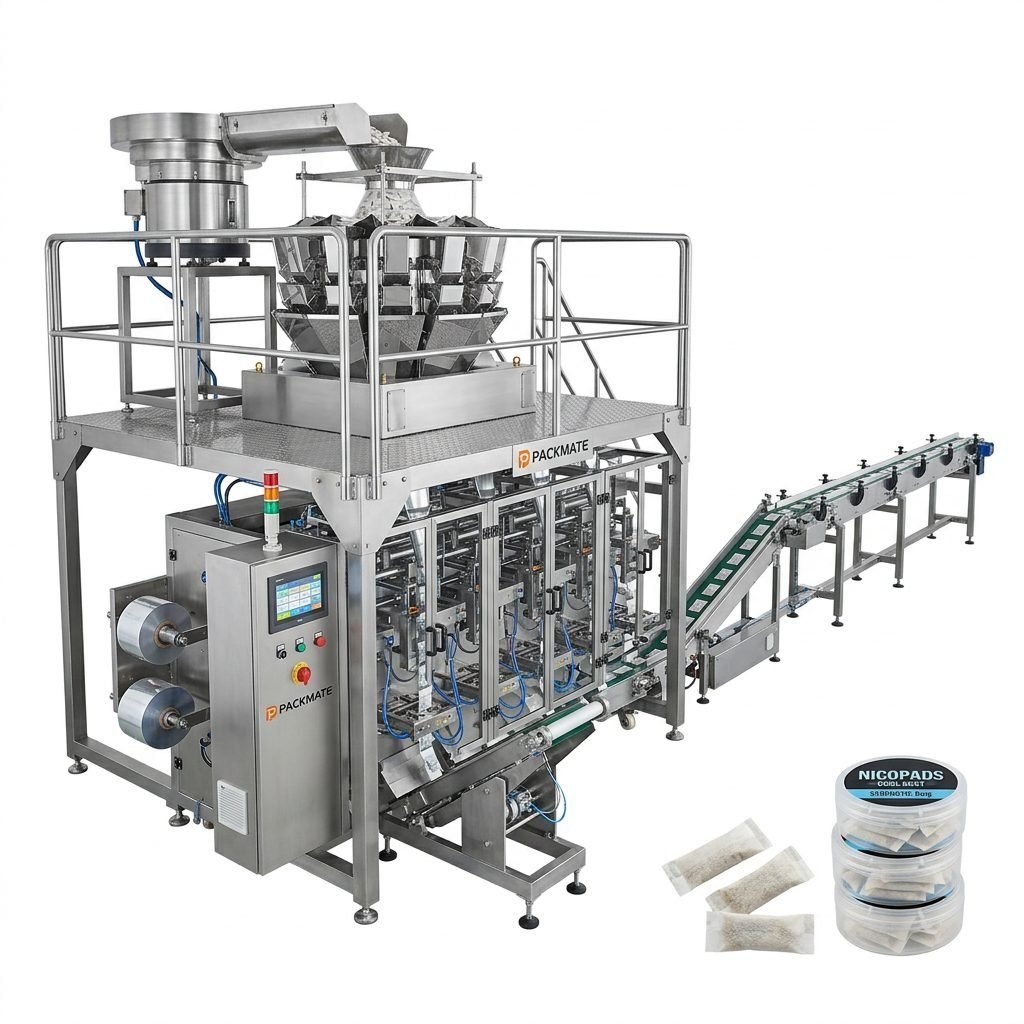
Your supplier should provide a variety of machines—stick pack, sachet, multi-lane pouch systems, and auxiliary equipment for filling, weighing, and packaging. Flexibility is critical if you plan to launch multiple SKUs or smaller batch runs. Ask for examples of machines that switch between sachets and pouches with minimal downtime.
3. Technical Performance Specifications
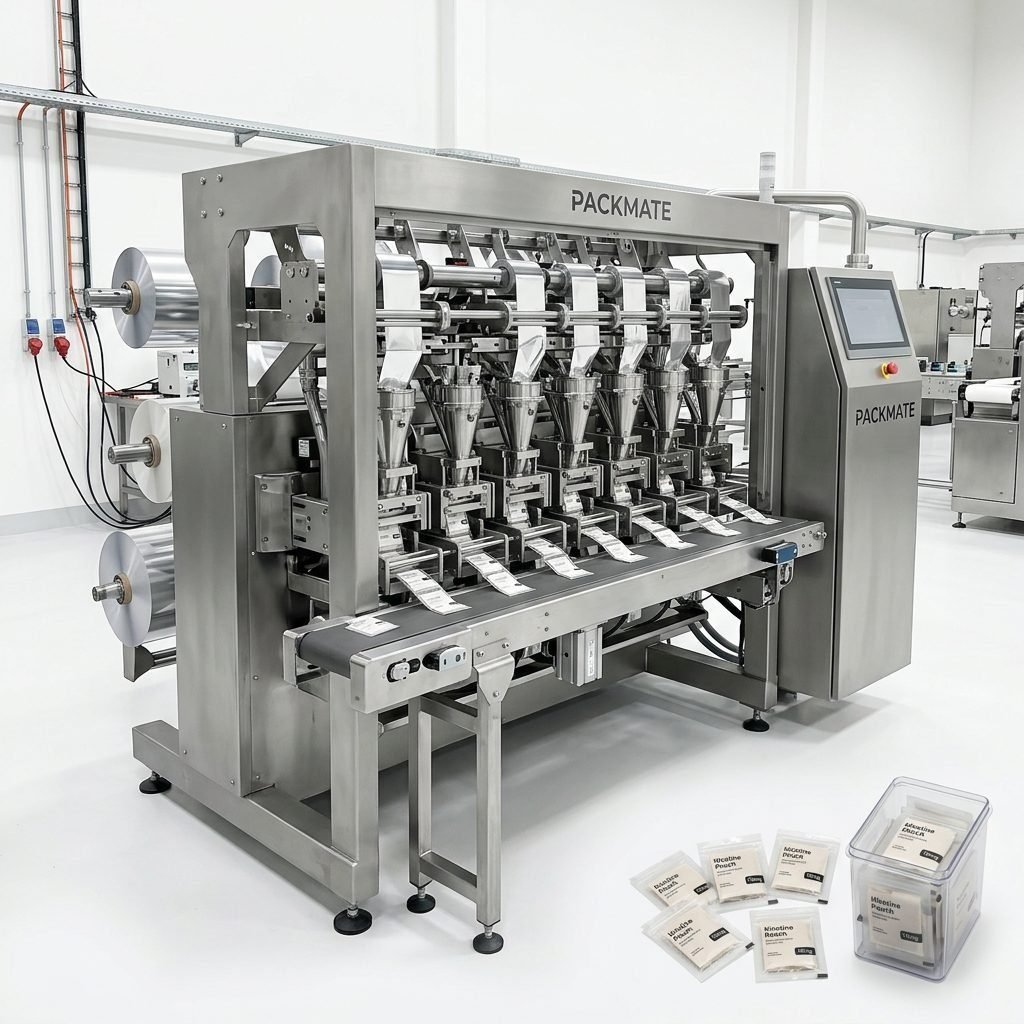
Verify throughput (pouches/min per lane and total), dosing accuracy, format changeover time, PLC/HMI brand, and spare-parts lead times. A supplier that shares clear technical data sheets and offers on-site demonstrations or video trials scores higher. Pay attention to multi-lane capabilities for small-dose nicotine pouches—these systems can significantly lower unit costs for high-volume production.
🔶 Tip: Request performance validation—actual video of your SKU running at target speed and consistent weight results. Ask for tolerance reports and statistical process control data where available.
Quality, Certification and Factory Capability
Certifications like CE and ISO are non-negotiable for EU market equipment. Beyond certificates, investigate manufacturing capability: advanced CNC centers, precision assembly lines, and a rigorous quality testing workflow demonstrate a supplier’s ability to produce reliable machines. A well-documented quality system reduces unexpected downtime and supports faster regulatory approvals.
If you want to view global references, examine supplier case studies and exhibition presence to gauge market acceptance and machine maturity.
Service, Spare Parts and Spare-part Logistics in Portugal
Machine reliability depends on the supplier’s post-sale coverage. In Portugal, fast spare parts and local technical support reduce costly production stoppages. Evaluate:
-
Warranty scope and response time (remote support vs. on-site visits).
-
Availability of local partners, authorized service agents, or easily reachable engineers for Portugal and Iberia.
-
Spare-parts kits and lead times—ask for a recommended spare parts list tailored to your throughput.
✔️ Important: Confirm whether the supplier offers training in Portuguese or remote video-based courses for your operators and maintenance staff.
Factory Visit, Factory Audit and FAT
A factory acceptance test (FAT) is an essential step. If a physical visit is limited, request a live FAT with your SKUs. During audits, focus on:
-
Assembly cleanliness and alignment procedures.
-
Calibration records for filling/weighing systems.
-
Control system architecture (PLC brands, network backups) and spare-part inventory policies.
Integration with Your Line and Automation Options
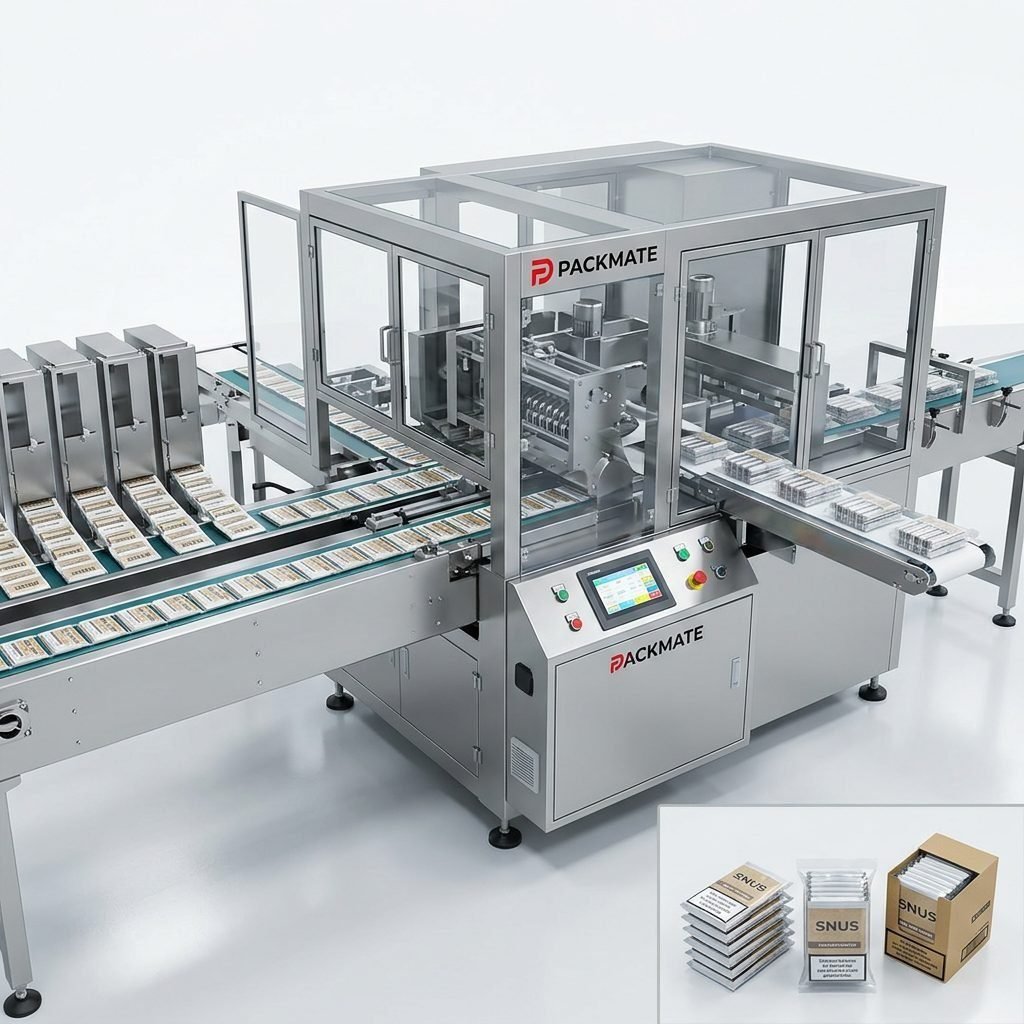
Packaging machinery rarely operates alone. Successful suppliers offer systems for upstream and downstream integration: dosing, weighing, feeding, pouch forming, cartoning, and case packing. Ask about:
-
Open communication protocols (Ethernet/IP, Profinet) to connect with your MES or line PLCs.
-
Turnkey solutions that reduce integration time and installation risk.
-
Automation features like vision inspection, bag counting, and automatic format adjustment.
Supplier Example and Product Ranges
When researching suppliers, review product pages and catalogs to verify machine families, technical papers, and downloadable brochures. For example, manufacturers that publish dedicated pages for Snus & Nicotine Packaging Machines, Bag & Pouch Packaging Machines, and Sachet & Stick Pack Machines make it easier to shortlist appropriate equipment quickly. Consider reviewing case studies to see how similar clients approached format transitions and volume scaling.
Useful references for deeper inspection:
Snus & Nicotine Packaging Machines •
Bag & Pouch Packaging Machines •
Case Studies
Commercial Terms, Pricing and Total Cost of Ownership (TCO)
Price is only part of the equation. Compare total cost of ownership including installation, commissioning, spare parts, energy consumption, operator training, and potential line downtime. Negotiate clear milestones, payment terms aligned with delivery and acceptance, and long-term service contracts. Consider leasing or financing options if CAPEX is constrained.
Logistics, Customs and Installation in Portugal
Packaging machines are heavy, technical equipment. Ensure the supplier supports:
-
Export documentation and CE/ISO certification copies for customs clearance.
-
Shipping options to Portuguese ports or direct inland delivery, with packaging suitable for sea freight.
-
Authorized engineers for on-site installation and commissioning in Portugal or remote commissioning with clear video guidance.
⚠️ Note: Clarify VAT, import duties, and whether the supplier offers DDP (Delivered Duty Paid) to simplify customs clearance in Portugal.
Why a Turnkey Supplier Can Be Advantageous
A supplier offering turnkey filling and packaging lines reduces integration risk and speeds time-to-market. Turnkey partners typically handle end-to-end tasks: machine design, auxiliary equipment, control integration, FAT, shipping, installation, and operator training. This is especially valuable for companies new to nicotine pouch manufacturing or those expanding SKUs rapidly.
Evaluate the supplier’s turnkey credentials
Look for full-line references, assembly photos of production cells, and examples of collaboration across weighing, dosing, and packaging equipment families. Reviewing a supplier’s product set such as Weighing & Packaging Systems and Filling & Packaging Lines can show real capability to deliver integrated solutions.
Checklist: Questions to Ask Every Potential Supplier
🔹 Can you provide machine runs of my SKU and tolerance data?
🔹 Do you hold CE and ISO certificates and can you provide copies for customs?
🔹 What is your standard warranty and SLA response time for Portugal?
🔹 Do you offer training in Portuguese or remote operator training?
🔹 Are spare parts inventoried for quick shipment to Iberia?
🔹 Can you supply turnkey lines including auxiliary equipment for weighing and cartoning?
Making the Final Decision
Prioritize suppliers that demonstrate the right balance of technical capabilities, quality systems, and local support. A reputable supplier will be transparent about performance limits and provide references. Prefer suppliers that invite you to witness machine trials, share FAT records, and offer realistic lead times.
How Packmate-like Suppliers Stand Out
Suppliers with deep snus and nicotine experience typically provide a wide model range, robust CNC manufacturing, and established global service networks. If you need to explore product details or view a supplier’s catalog, review their specialized pages for snus and nicotine equipment and check their About and Certificate pages to confirm corporate strength and compliance.
Explore product families and supporting services here:
Sachet & Stick Pack Machines •
About Packmate •
Certificates & Compliance
Practical Next Steps for Portuguese Buyers
1. Create a detailed specification sheet for your SKUs (pouch size, target throughput, target weight accuracy, secondary packaging).
2. Shortlist 3–5 suppliers and ask for FAT videos, performance data, and references in Europe.
3. Schedule remote or on-site FAT and clarify warranty and spare-parts logistics for Iberia.
4. Finalize contracts with clear milestones for delivery, commissioning and performance acceptance.
Conclusion
Selecting the best nicotine packaging machinery supplier for your business in Portugal requires careful assessment of technical specifications, compliance credentials, service networks, and cultural fit. Prioritize suppliers with proven snus and nicotine experience, clear documentation, and strong after-sales support. A measured selection process—combined with FAT validation and a robust spare-parts plan—will protect your production uptime and help you scale efficiently in the Portuguese and EU markets.
Frequently Asked Questions
Q1: How important is CE certification for machines imported into Portugal?
A1: CE certification is essential to demonstrate conformity with EU safety and health requirements; customs and local authorities expect compliant documentation for industrial machinery.
Q2: Can I get training and manuals in Portuguese?
A2: Many manufacturers offer translated manuals or localized training; confirm this in the contract and request remote training sessions if in-person instruction is not available.
Q3: What spare parts should I stock for a nicotine pouch line?
A3: Typical critical spares include dosing nozzles, sealing jaws, belts, PLC modules, sensors, and electrical components. Suppliers usually provide a recommended spare-part list tailored to your throughput.
Q4: Is multi-lane technology recommended for low-dose nicotine pouches?
A4: Yes. Multi-lane systems increase effective throughput while keeping per-lane dosing precise, which is ideal for producing many small-dose pouches efficiently.
Q5: How do I verify supplier performance before purchase?
A5: Request FAT videos with your SKU, independent performance data, and site references in similar markets. If possible, attend an FAT or request a live remote demonstration.