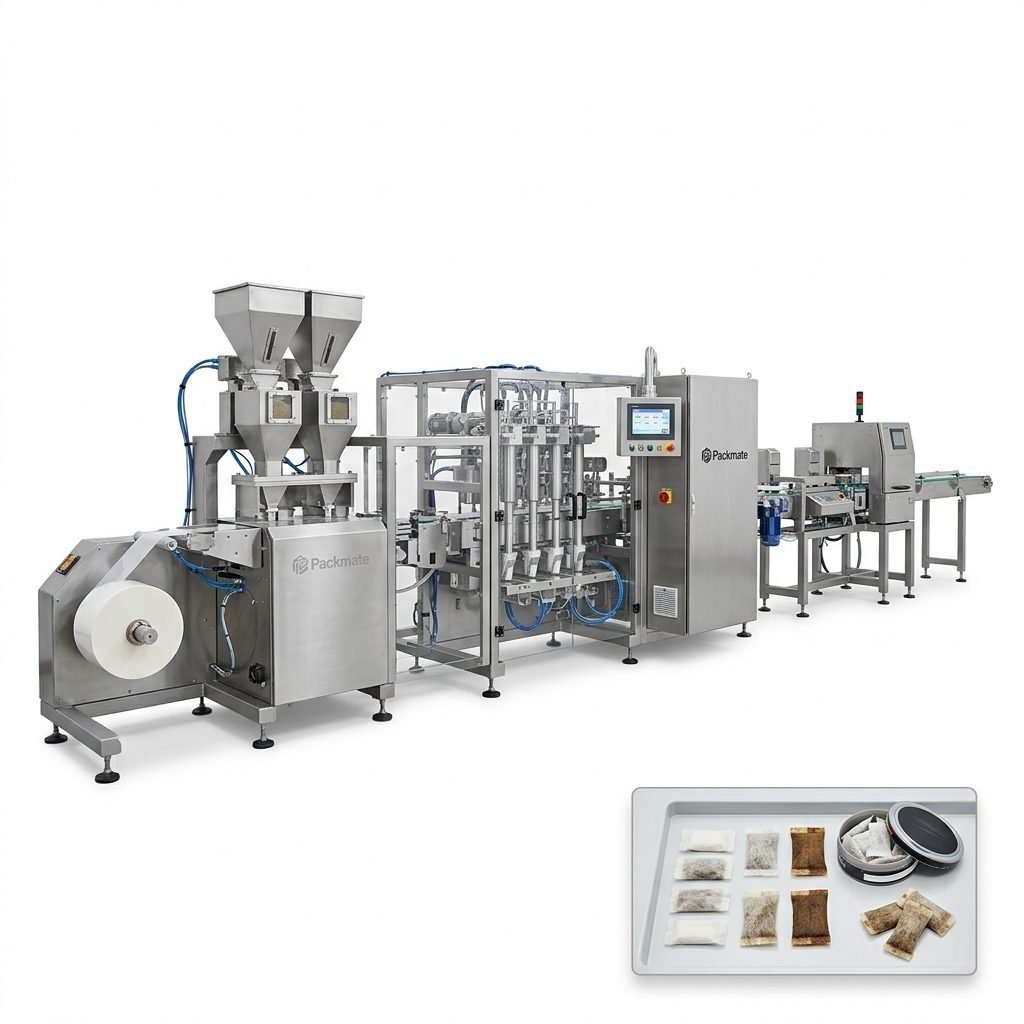
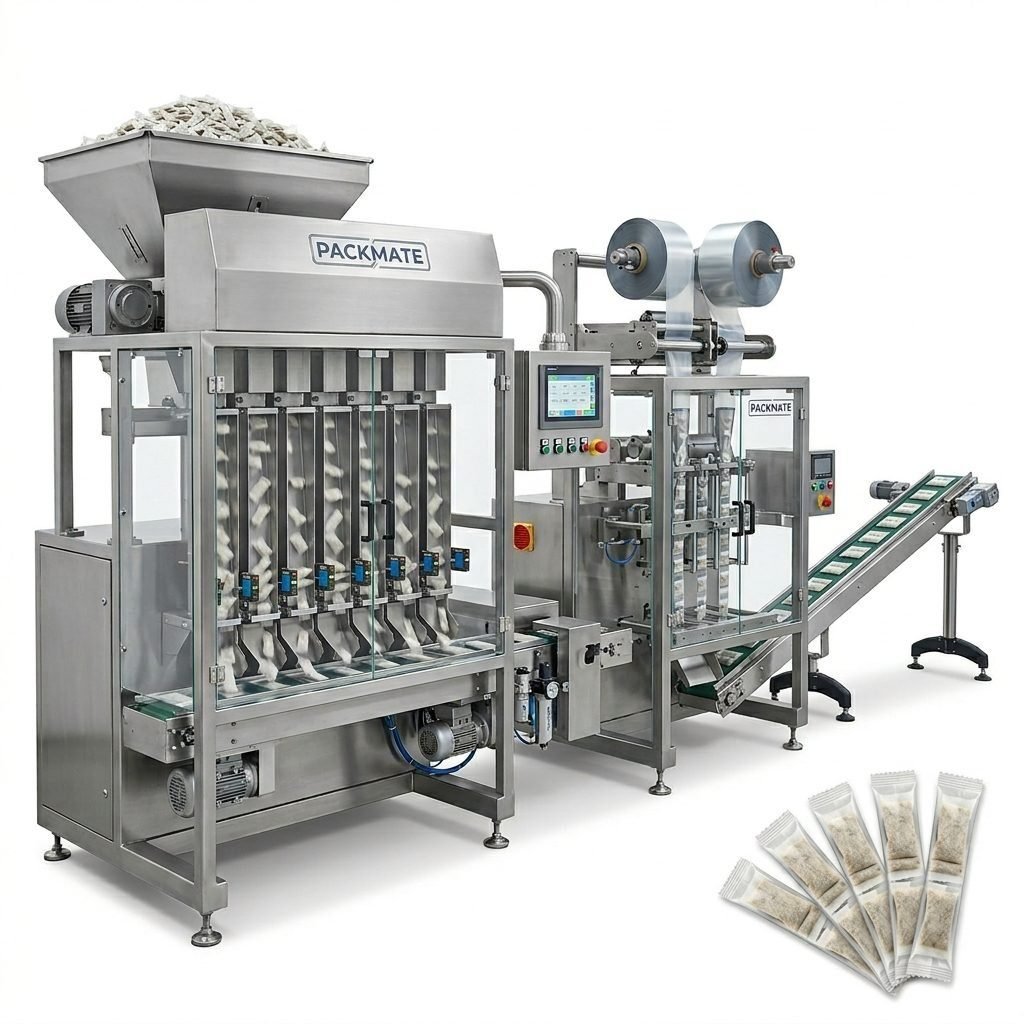
Entering the Austrian nicotine pouch and snus market requires more than finding a machine — it demands a partner who understands EU regulatory realities, local consumer expectations, and the technical precision needed for low-dose, multi-lane pouch production. This guide walks you through how to choose the best nicotine packaging machinery supplier for your business in Austria, covering technical, legal, commercial and cultural considerations so you can make a confident investment.
Why Austria Needs a Tailored Approach
Austria’s consumers expect high quality, clear labeling in German, and an emphasis on sustainability. The country follows strict EU directives for product safety and packaging waste, and Austrian retailers often prefer discreet, premium-looking formats for nicotine pouches. For these reasons, choosing a supplier who can deliver CE-compliant machinery, German-language HMI and documentation, and machines optimized for recyclable materials is essential.
Provide German-language labeling and user manuals; ensure machines meet CE and ISO standards; prepare for Austria’s high recycling expectations and EPR requirements; and consider compact footprints for urban Austrian production sites.
Start with Proven Experience and Relevant Models
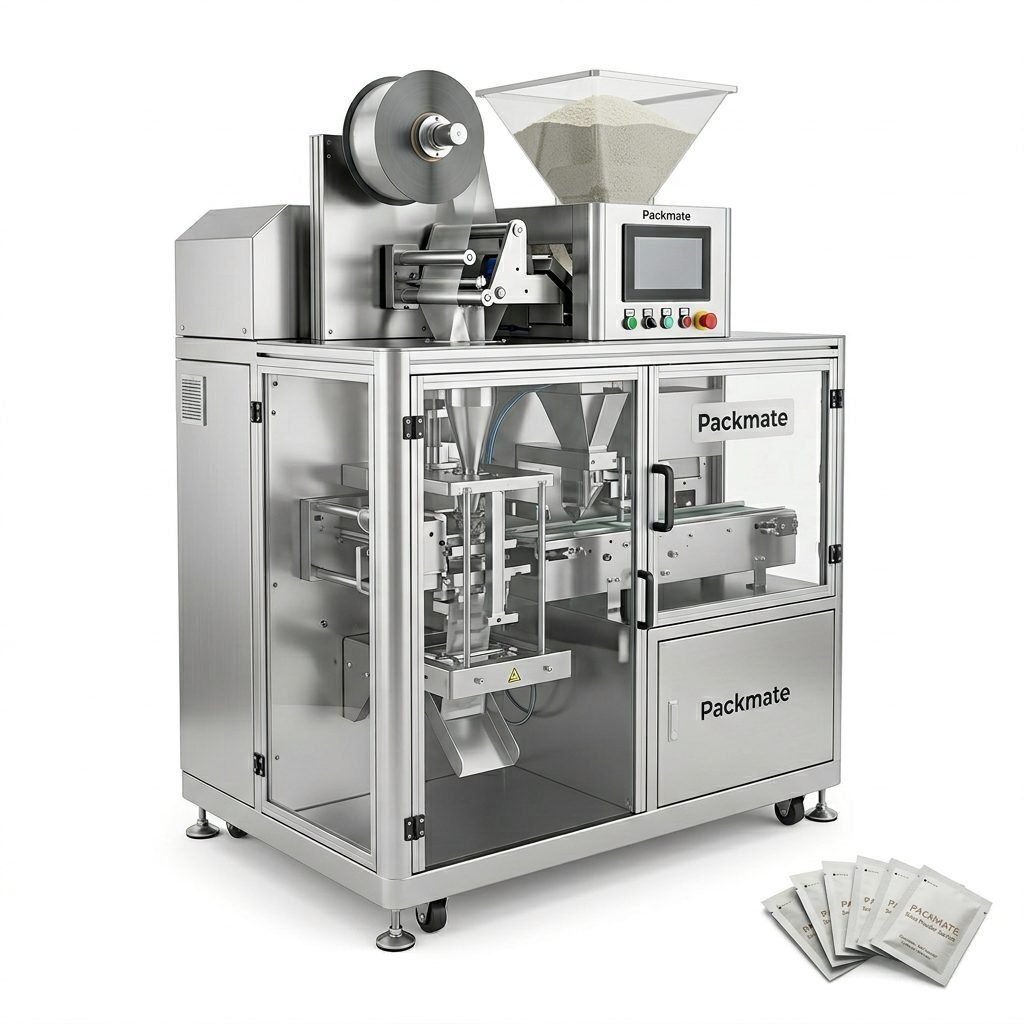
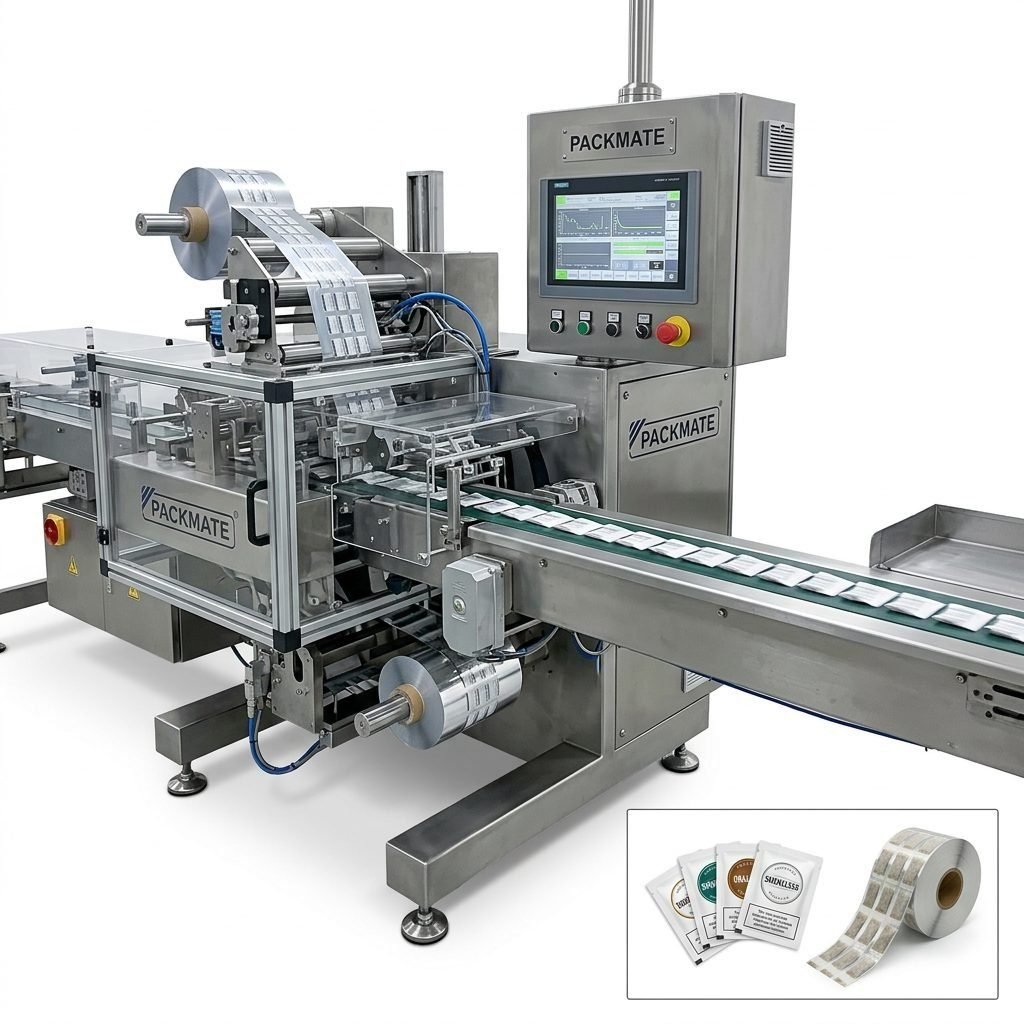
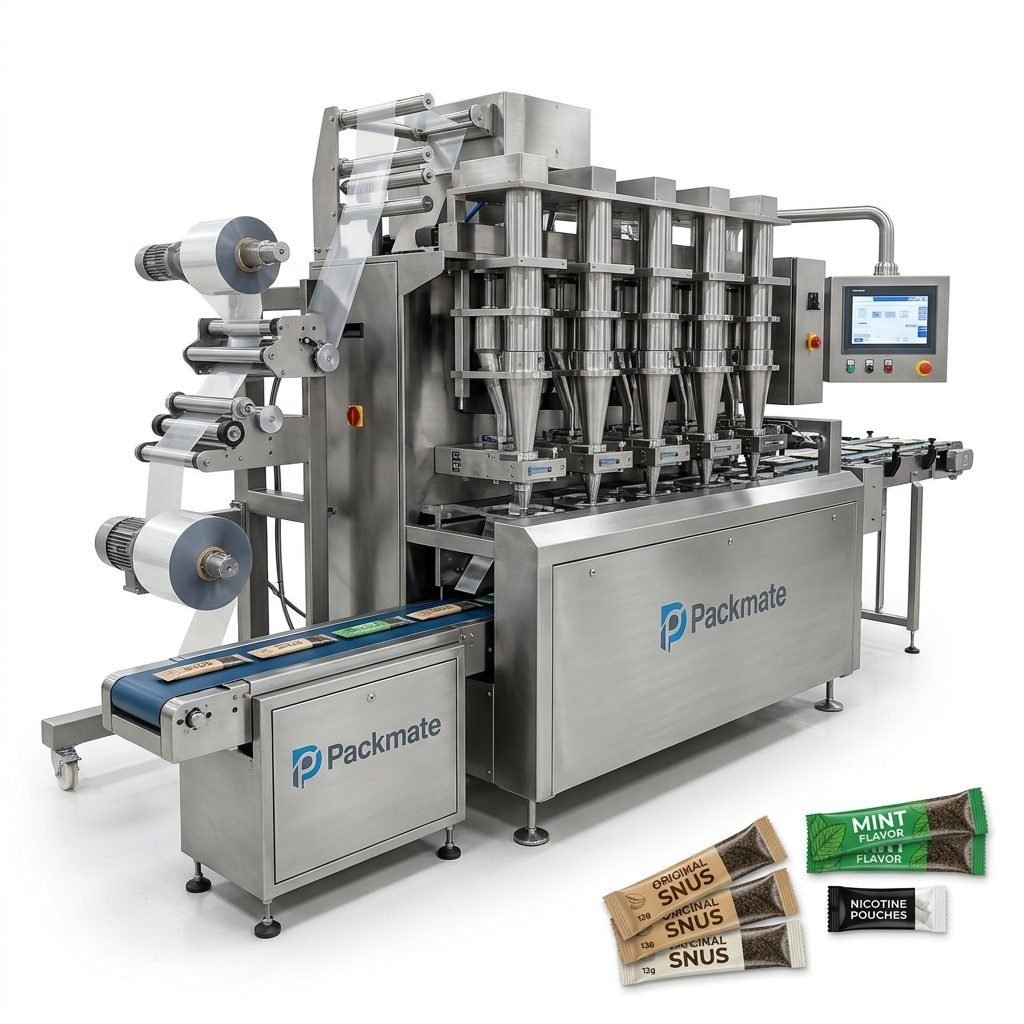
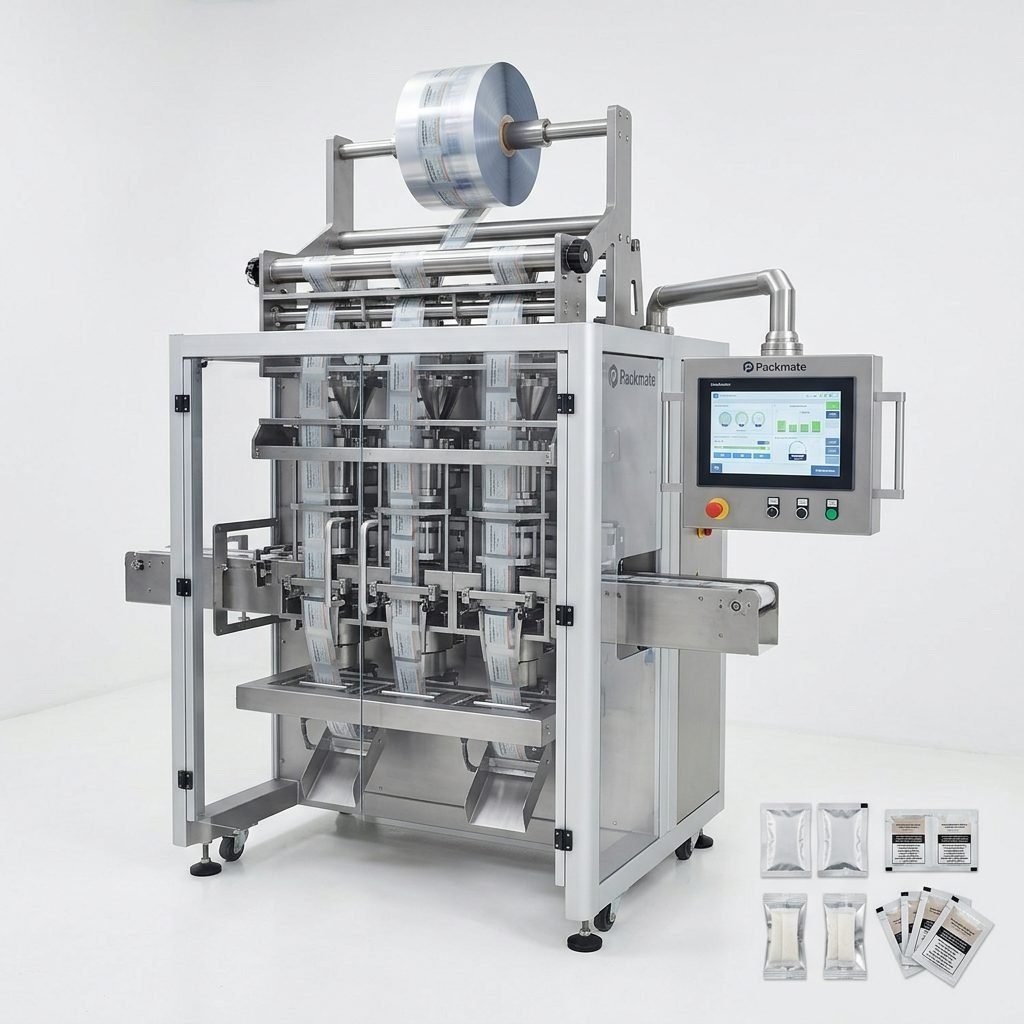
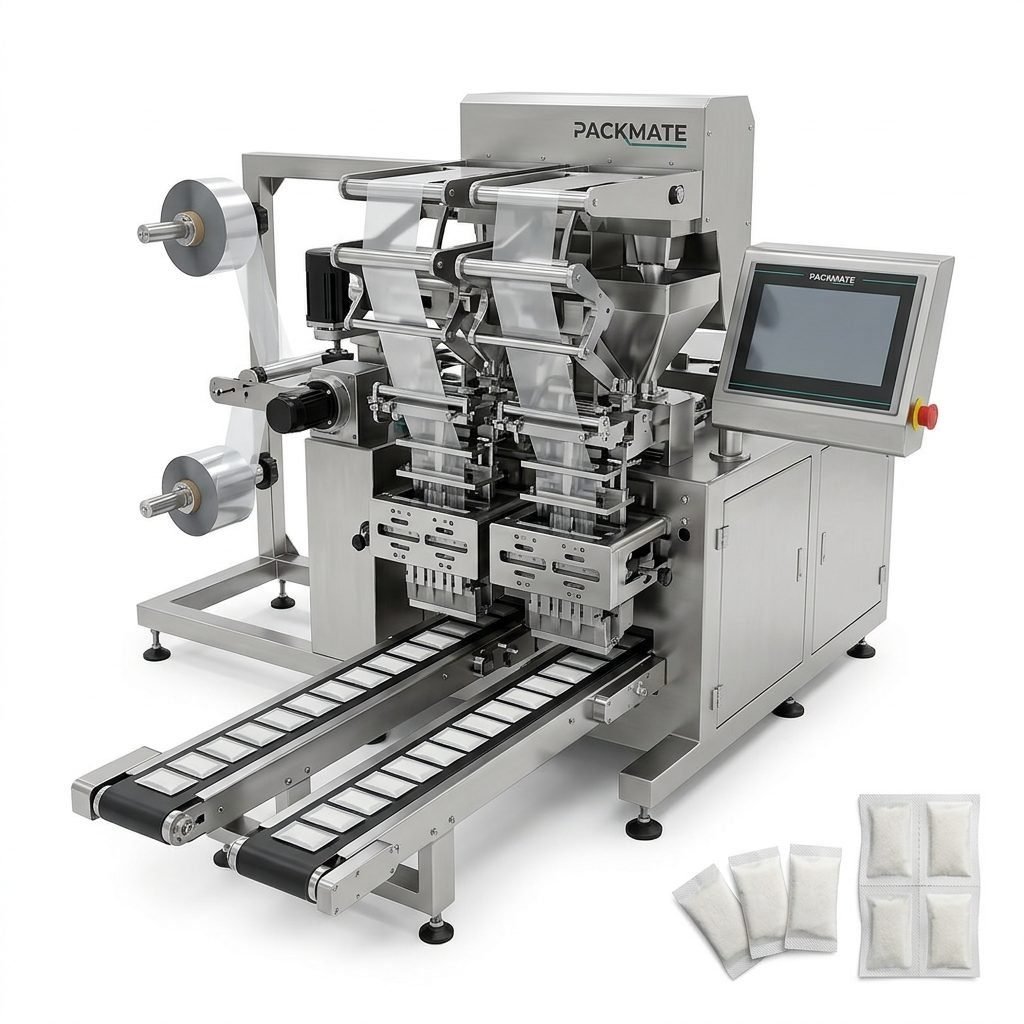
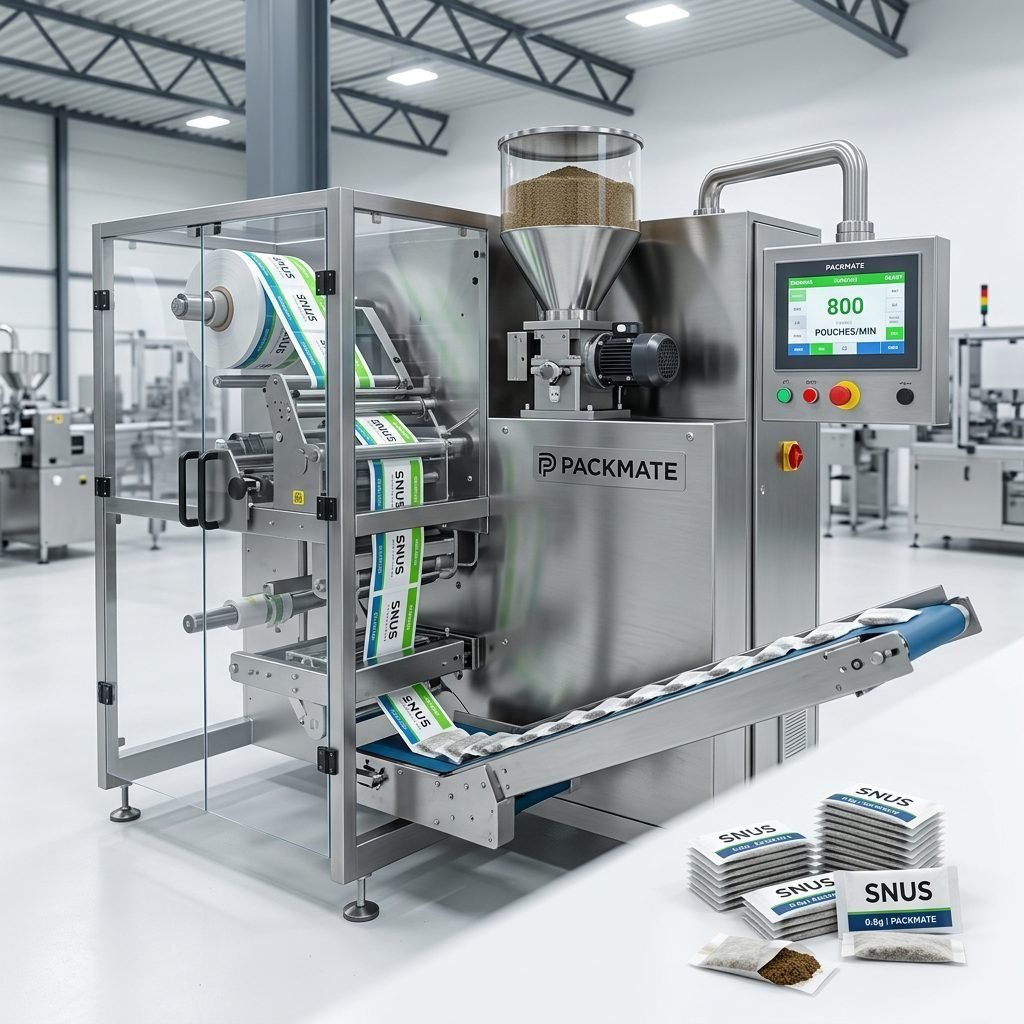
When evaluating suppliers, prioritize companies with extensive experience in snus and nicotine pouch packaging. A supplier with multi-lane systems and a range of models means you can scale from pilot runs to high-speed production without switching vendors. For example, suppliers that offer stick pack, sachet, and multi-lane pouch solutions are better positioned to adapt to new SKUs and market trends.
Look for facts such as factory size, decades of engineering experience, and a variety of machine models. These metrics usually indicate robust manufacturing capabilities, spare parts availability, and the ability to customize solutions for Austrian regulatory or retail needs.
Certifications and Compliance: Non-Negotiable
Austria operates under EU rules. Make sure any potential supplier provides:
- CE marking and documentation (machine safety, EMC)
- ISO quality management evidence (e.g., ISO 9001)
- Material specifications for food-contact surfaces where applicable
- Traceability and validation support for audits and inspections
A supplier that lists CE and ISO certifications and participates in international exhibitions demonstrates a commitment to global regulatory standards and continuous improvement.
Machine Performance and Technical Criteria
Assess machines based on technical performance metrics that directly affect your production economics:
- Speed and throughput: pouches per minute and multi-lane capacity
- Filling accuracy: tolerance levels for low-dose nicotine pouches
- Changeover time: flexibility to switch SKUs with minimal downtime
- Hygiene and cleanability: material choices and CIP options
- OEE and remote diagnostics: predictive maintenance and spare parts logistics
For Austrian operations, consider machines rated for 230V/50Hz power and those that can be supplied with German HMI language packs to simplify operator training.
Customization, Turnkey Lines and Integration
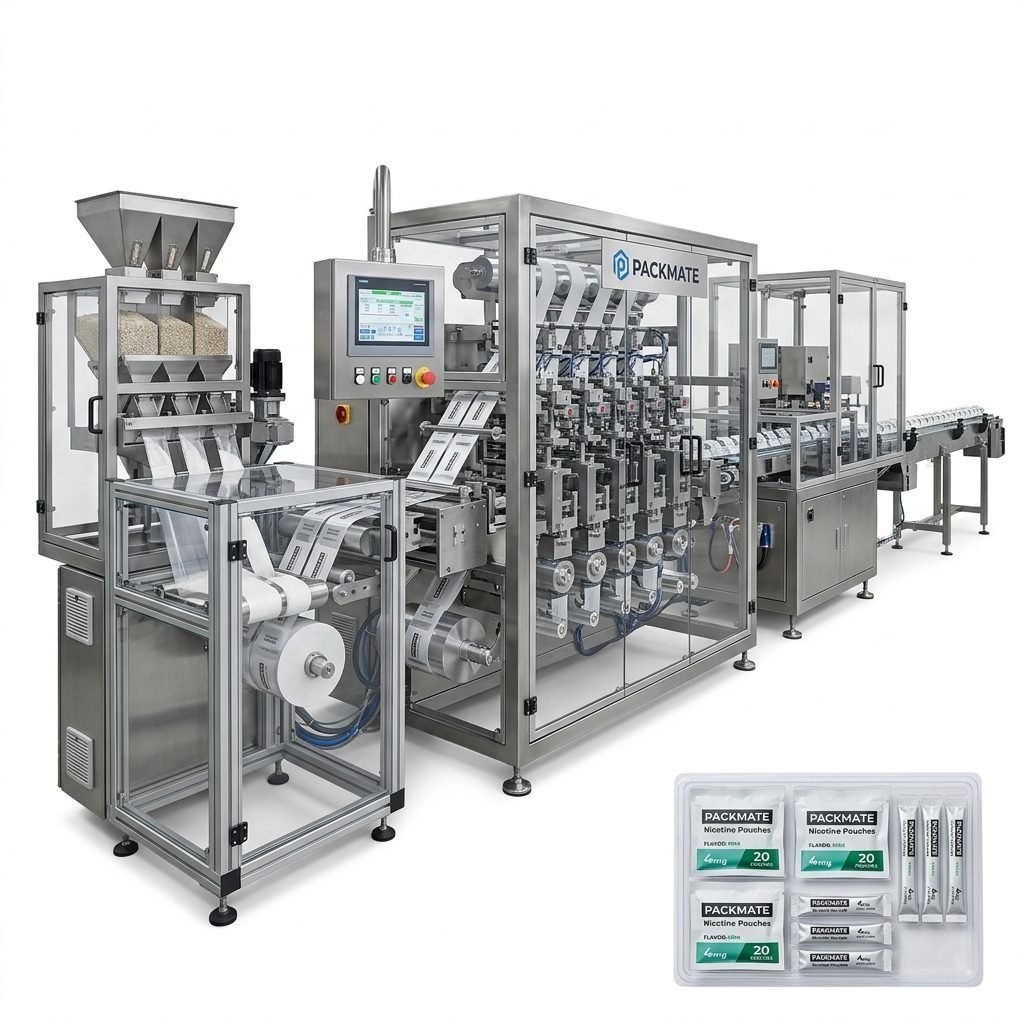
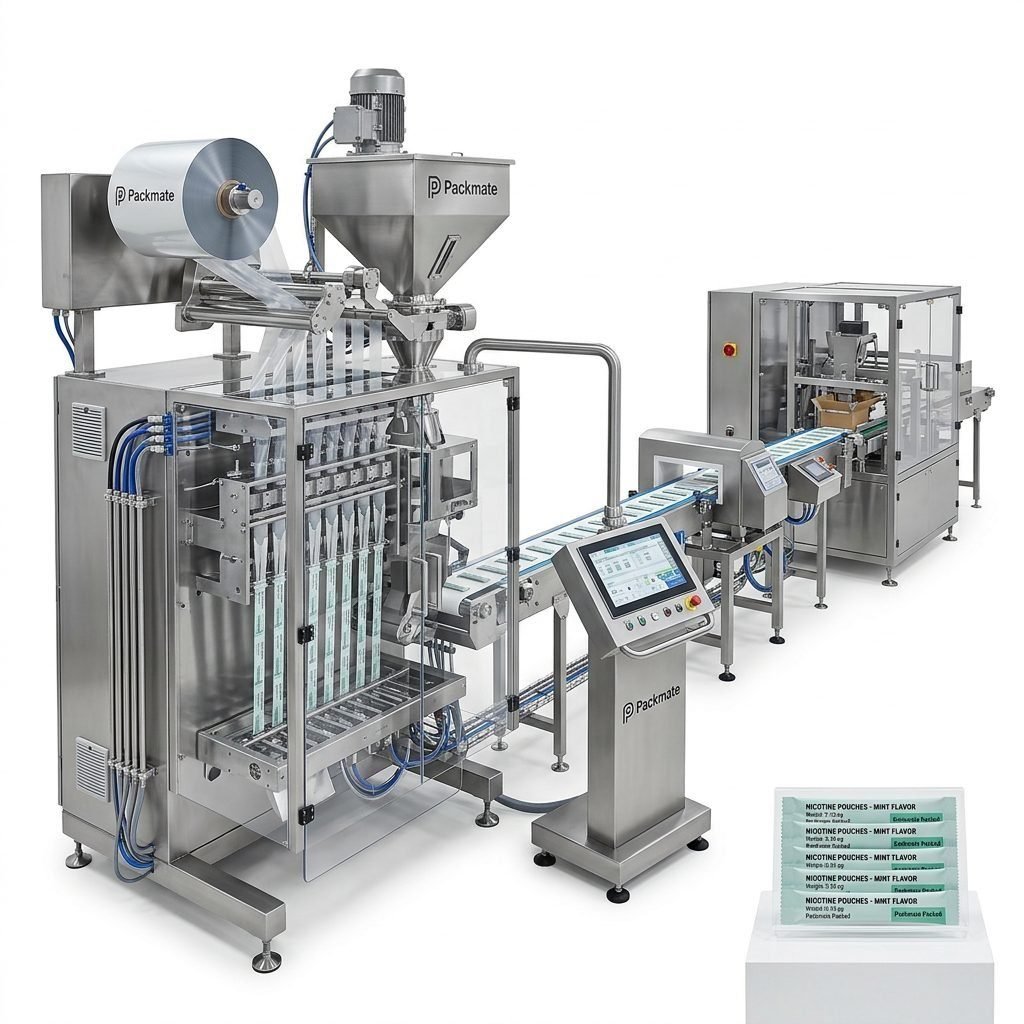
Many Austrian producers need turnkey solutions—complete lines including feeding, weighing, pouch forming, sealing, and secondary packaging. The best suppliers offer tailored solutions that integrate:
- Weighing and dosing systems for precise nicotine dosing
- Multi-lane pouch forming machines for small-dosage production
- Sealing and labelling equipment compatible with compostable or recyclable films
- Automated quality inspection (weight, seal integrity, visual)
If you want to see complete lines in action or need references, request case studies and video demonstrations. Suppliers who publish detailed case work show real-world installations and problem-solving capabilities.
After-Sales Service, Spare Parts and Local Support
After-sales service is a major differentiator. Ask about:
- Local spare parts stocking in the EU or fast shipping options
- Remote diagnostics and software update provisions
- Installation, commissioning and operator training in German
- Warranty terms, response time SLAs and field service capabilities
Confirm spare parts availability for wear items (seals, cutters, servo belts). A supplier with an EU spare parts hub or rapid courier options will reduce downtime for Austrian operations.
Quality Control and Factory Acceptance Tests (FAT)
A thorough FAT and site acceptance test (SAT) are essential. Your supplier should offer:
- Detailed FAT documentation and video of machine performance
- Sample runs using your product or a close simulant
- Load and endurance tests demonstrating sustained accuracy
If possible, visit the supplier factory or request virtual FAT sessions. Packmate’s 20,000㎡ facility and advanced CNC equipment are examples of production scale that facilitate robust testing and consistent machine quality.
Commercial Terms: Total Cost of Ownership (TCO)
Avoid focusing only on purchase price. Evaluate TCO:
- Energy consumption and maintenance costs
- Spare parts lifetime and consumables pricing
- Training and downtime during ramp-up
- Upgrade paths for future capacity expansion
Design for the Austrian Consumer Mindset
Packaging design matters in Austria: clean, discreet and recyclable packaging resonates. Machines that can handle thin barrier films, embossing finishes, or premium multi-packs will help your brand stand out on local retail shelves and e-commerce platforms.
Regulatory and Labeling Checklist for Austria
Ensure your supplier supports compliance with:
- EU-wide CE directives for machinery
- Local labeling in German and bilingual labels if selling cross-border
- Packaging waste directives and EPR obligations
- Accuracy and traceability records for audit readiness
For technical specifications and suitable machine categories, consult relevant product pages such as the Snus & Nicotine Packaging Machines page to compare machine families and configurations.
Snus & Nicotine Packaging Machines
Supplier Reputation: Verifiable Case Studies and Exhibitions
Reputable suppliers share real case studies, exhibition participation and partner stories. These demonstrate practical problem solving, continuous improvements and international experience — all important for Austrian customers who value reliability.
Check for:
- Published case studies with similar product types and capacities
- Attendance at industry exhibitions where machines are demonstrated
- Customer references in Europe or comparable regulatory markets
For company-specific background, certifications and exhibition participation, you can review the supplier’s profile and certificates:
About Packmate |
Certificate |
Our Exhibition
Practical Steps to Select Your Supplier
Follow a structured process:
- Shortlist suppliers with relevant nicotine/snns expertise and EU compliance.
- Request machine specs, FAT videos and sample tests using your product.
- Compare TCO, spare parts policies and lead times for EU deliveries.
- Visit manufacturer or request a virtual factory tour and FAT session.
- Clarify after-sales terms, training language (German) and response SLAs.
Ensure CE & ISO certifications, German-language support, spare parts availability in the EU, FAT evidence and clear warranty terms before signing.
Why Work with a Supplier like Packmate?
Suppliers such as Packmate bring decades of engineering experience, a wide range of machine models (50+), and a large manufacturing footprint which translates into:
- Robust engineering and customization options
- Advanced machining and assembly capacity to reduce lead times
- Global turnkey solutions and installation experience
Explore product categories and supporting systems to find the configuration that fits your Austrian production needs:
Filling & Packaging Lines,
Weighing & Packaging Systems.
Negotiation and Procurement Tips
Negotiate clear delivery terms (Incoterms), acceptance criteria, spare parts kits, and training schedules. Confirm documentation language (German) and validate electrical compatibility. Request a service roadmap for upgrades and software maintenance.
Contact shortlisted suppliers for detailed quotes, FAT schedules and reference contacts. If you want to arrange a consultation or factory tour, use the supplier’s contact page to start a direct conversation:
Contact Us
Final Considerations for Austria
Austria values product safety, clear local language labeling, and sustainable packaging choices. Choose a supplier who not only delivers high-precision nicotine pouch machinery but also understands EU regulatory demands, offers German-language support, and can help you design recyclable packaging solutions. Prioritize long-term partnerships that bring engineering depth, spare parts reliability and fast after-sales support in the EU.
For more detailed exploration of machine types and turnkey options, visit the supplier’s product listings and case pages to compare practical deployments and proven solutions:
Case |
Sachet & Stick Pack Machines
Frequently Asked Questions (3-5 common questions)
Q1: Do nicotine pouch machines need special certifications for Austria?
A1: Yes. Machines must comply with EU CE directives and meet relevant safety and EMC standards. Suppliers should furnish CE documentation, and where applicable ISO certifications for quality control.
Q2: How important is German-language support and documentation?
A2: Very important. German-language HMI, manuals and training streamline commissioning and reduce operator errors. Request German documentation and on-site or remote training in German where possible.
Q3: What should I expect for delivery and spare parts timing within the EU?
A3: Reliable suppliers maintain EU spare parts hubs or provide fast shipping solutions. Confirm lead times for critical wear parts, and negotiate an initial spare parts kit to minimize downtime during ramp-up.
Q4: Are turnkey solutions recommended for first-time manufacturers?
A4: Yes. Turnkey solutions reduce integration risk, provide complete validation documentation, and simplify commissioning. They also typically include weighing, dosing, inspection and secondary packaging systems tailored to your product.
Q5: How can I verify a supplier’s real-world performance?
A5: Request FAT videos, on-site factory visits, case studies and European references. Seeing a supplier’s machines running similar products is the best proof of capability.