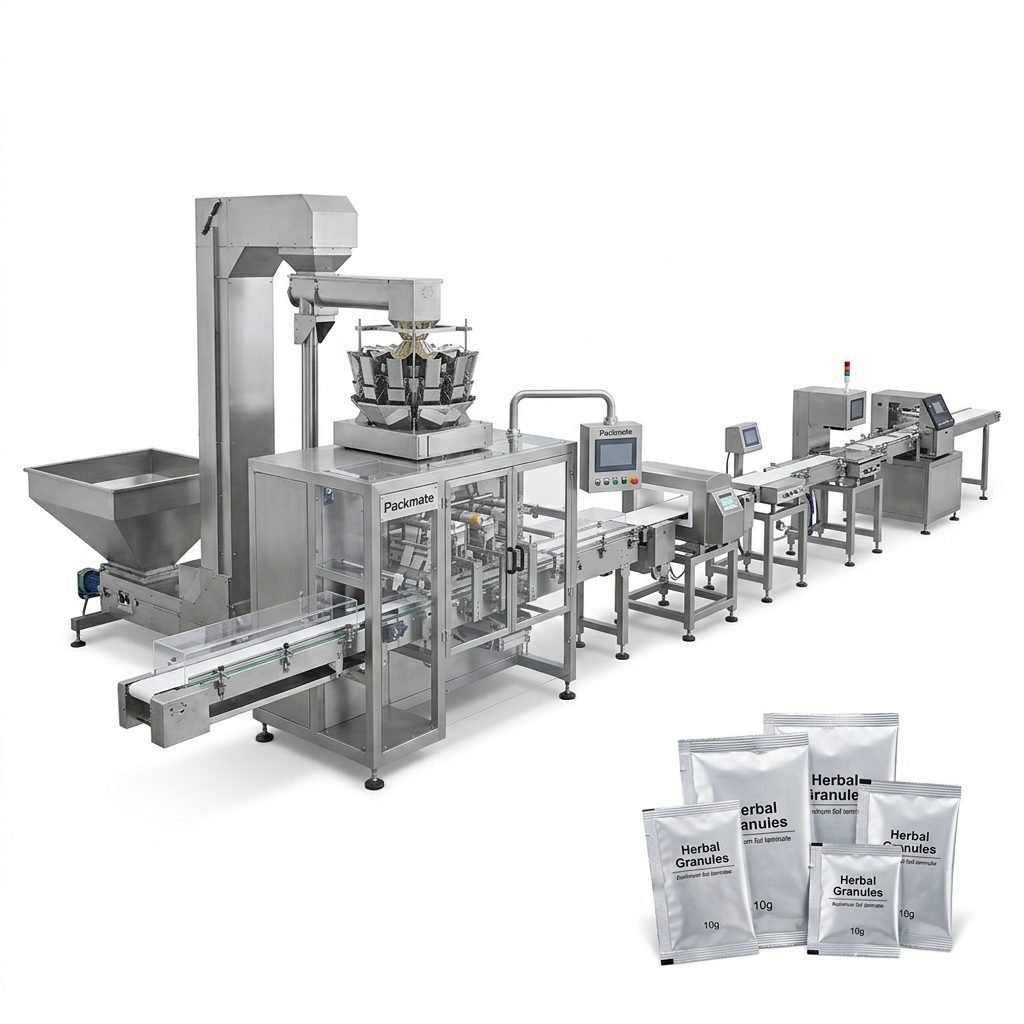
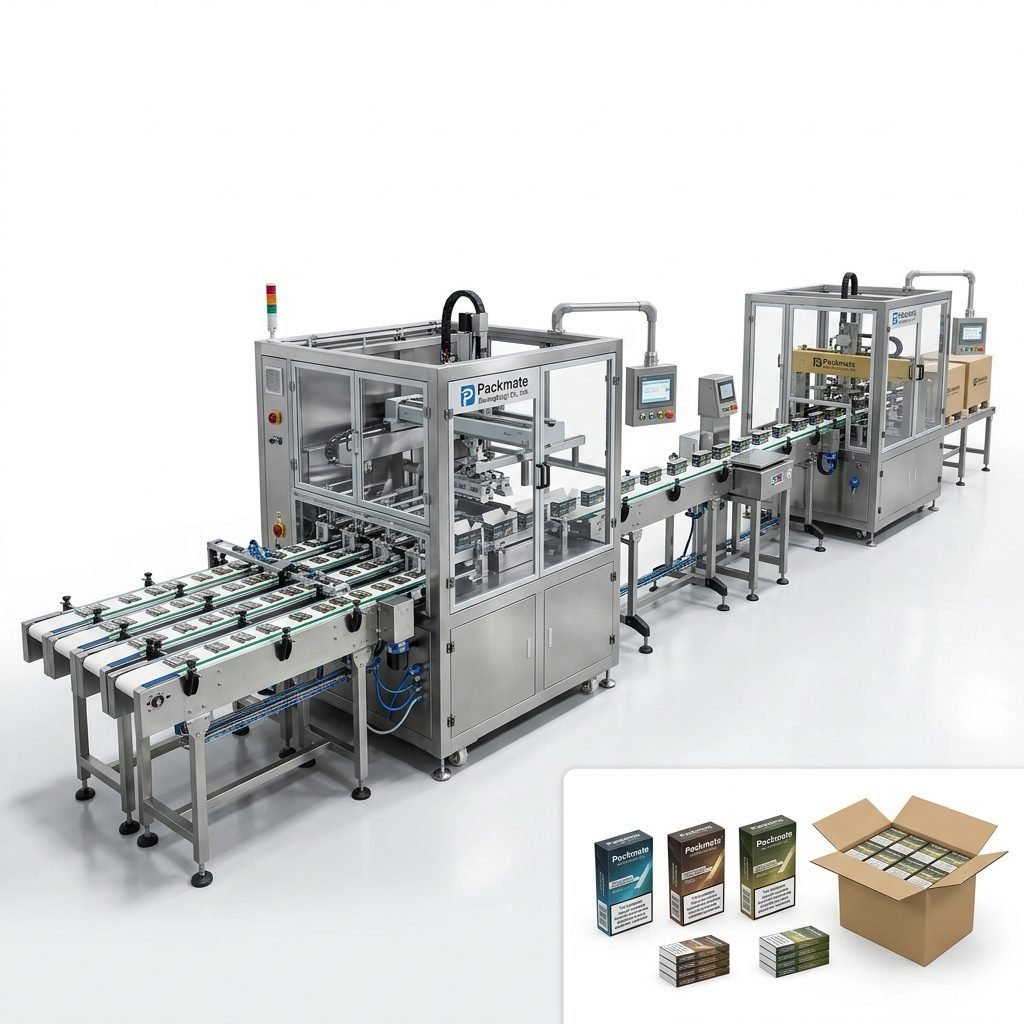
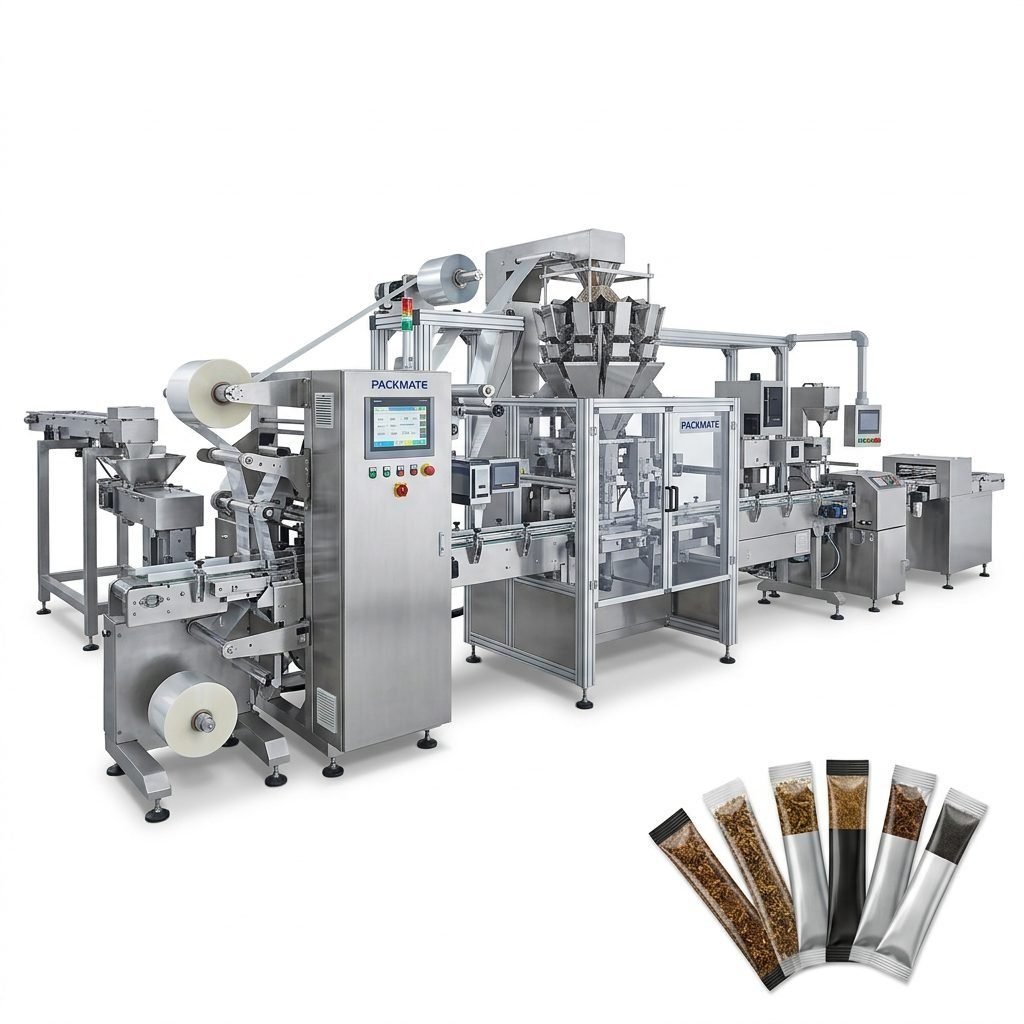
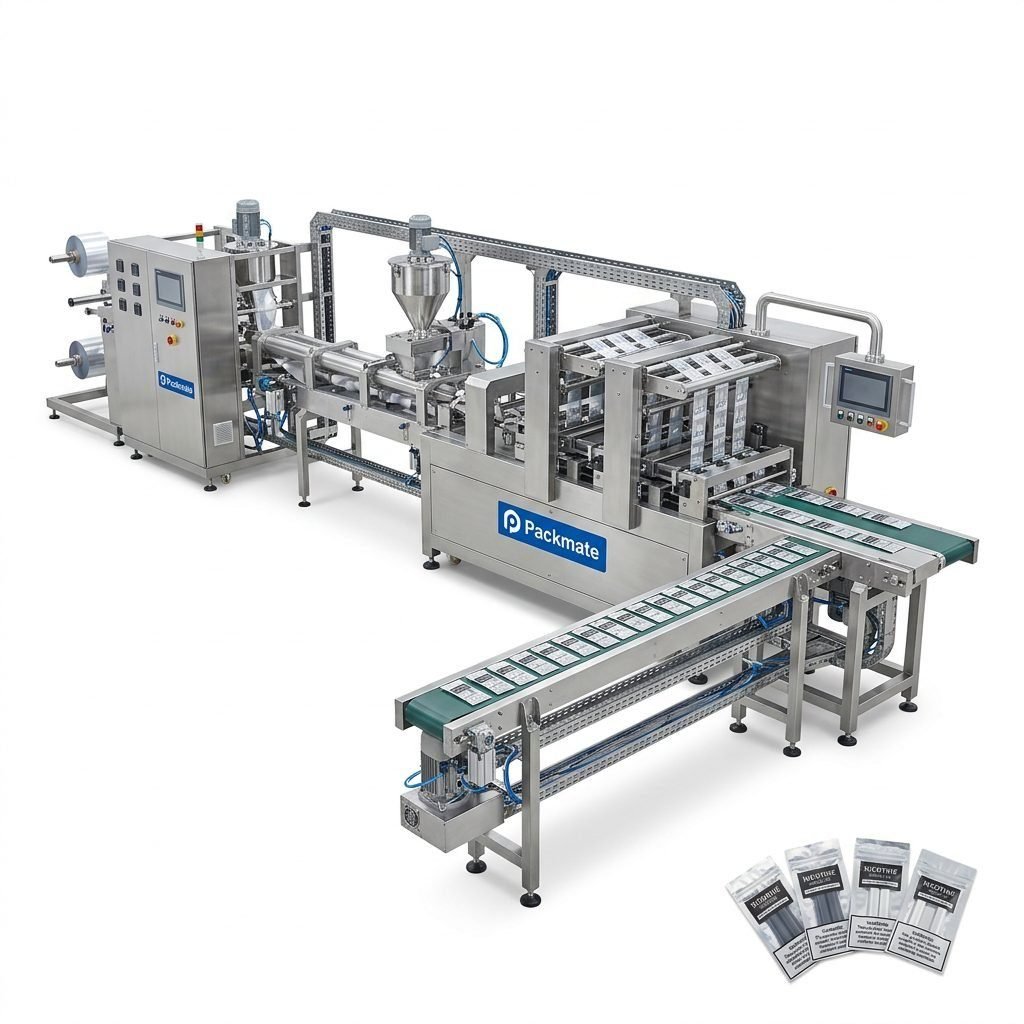
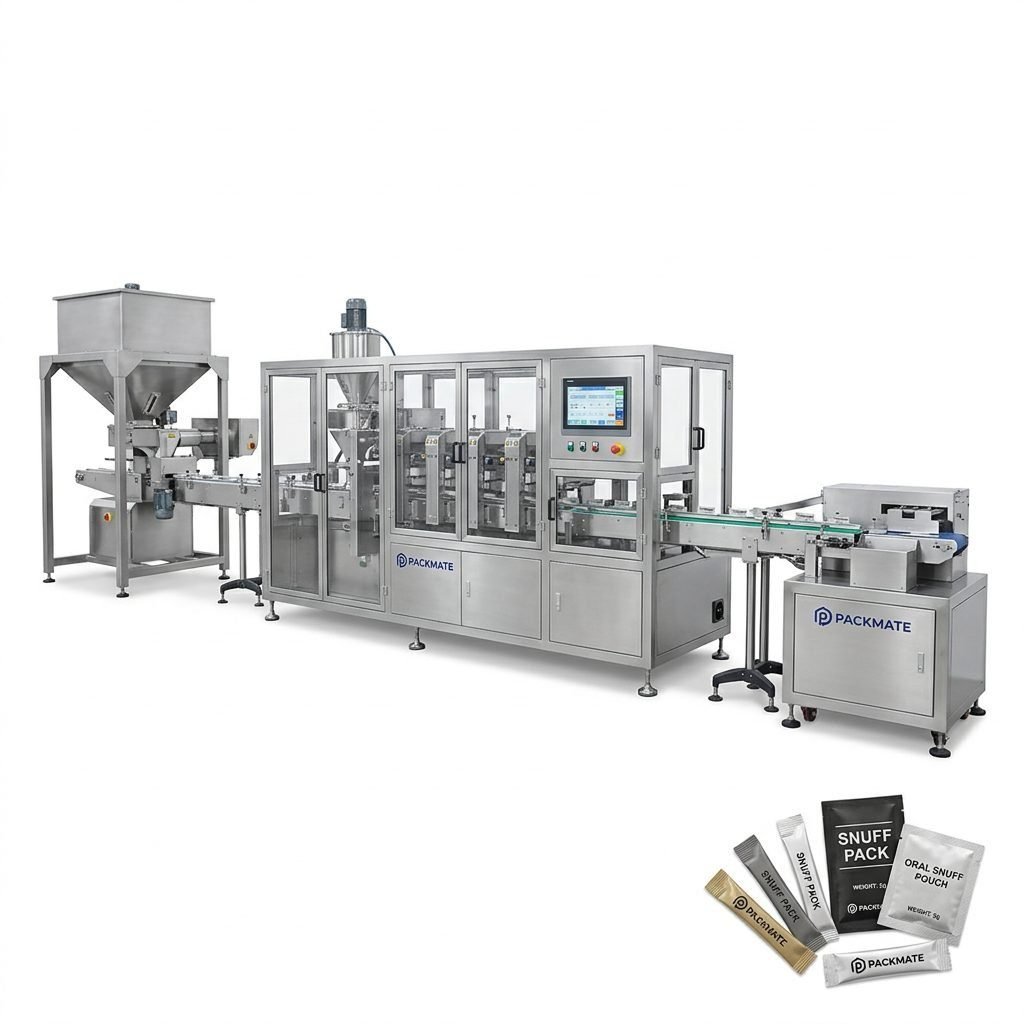
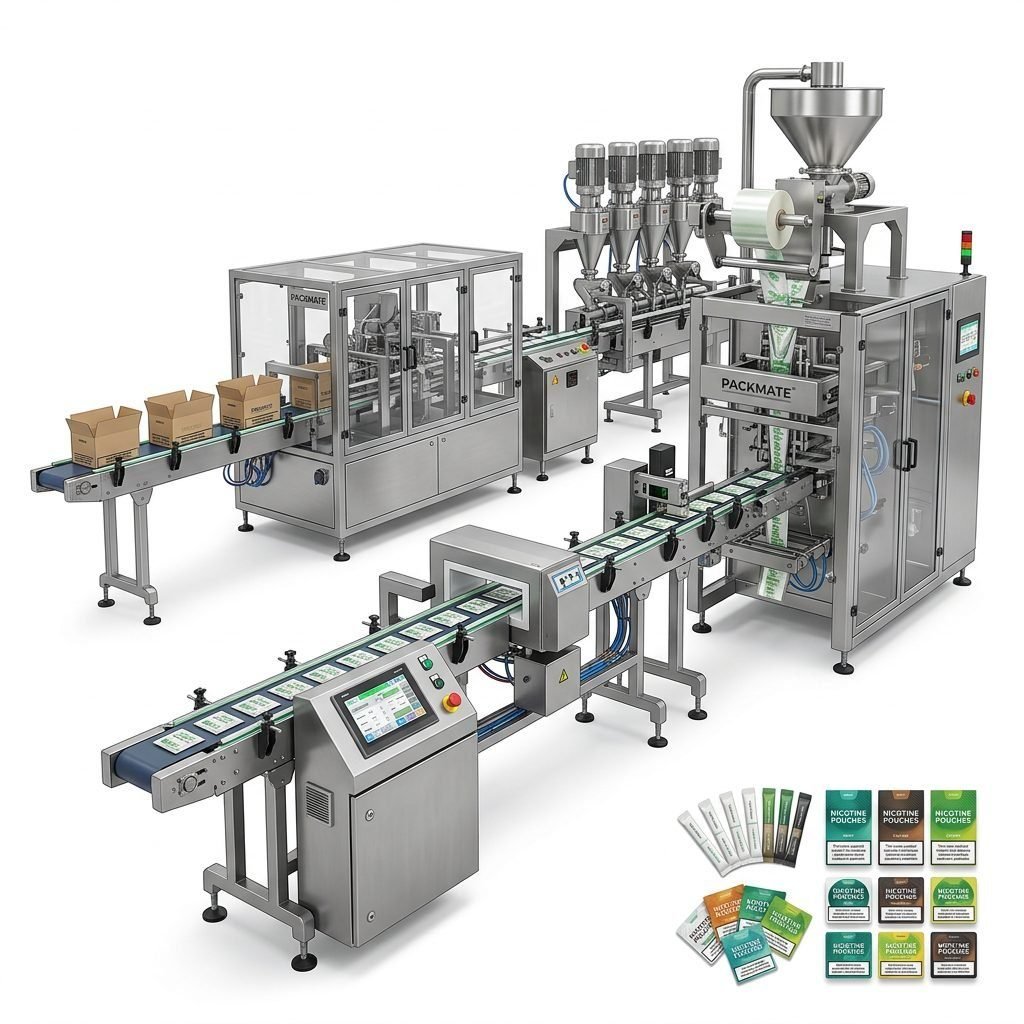
Choosing the right nicotine packaging machinery manufacturer for a production line in Suriname involves more than comparing price tags. Manufacturers must fit the technical needs of nicotine pouch production, meet local regulatory and logistical realities in Suriname, and provide reliable after-sales support. This guide explains the critical factors to evaluate — from machine type and quality certifications to service, spare parts logistics, and cultural considerations specific to Suriname — so you can make a confident investment in your packaging line.
🔍 Understand Your Product and Output Needs
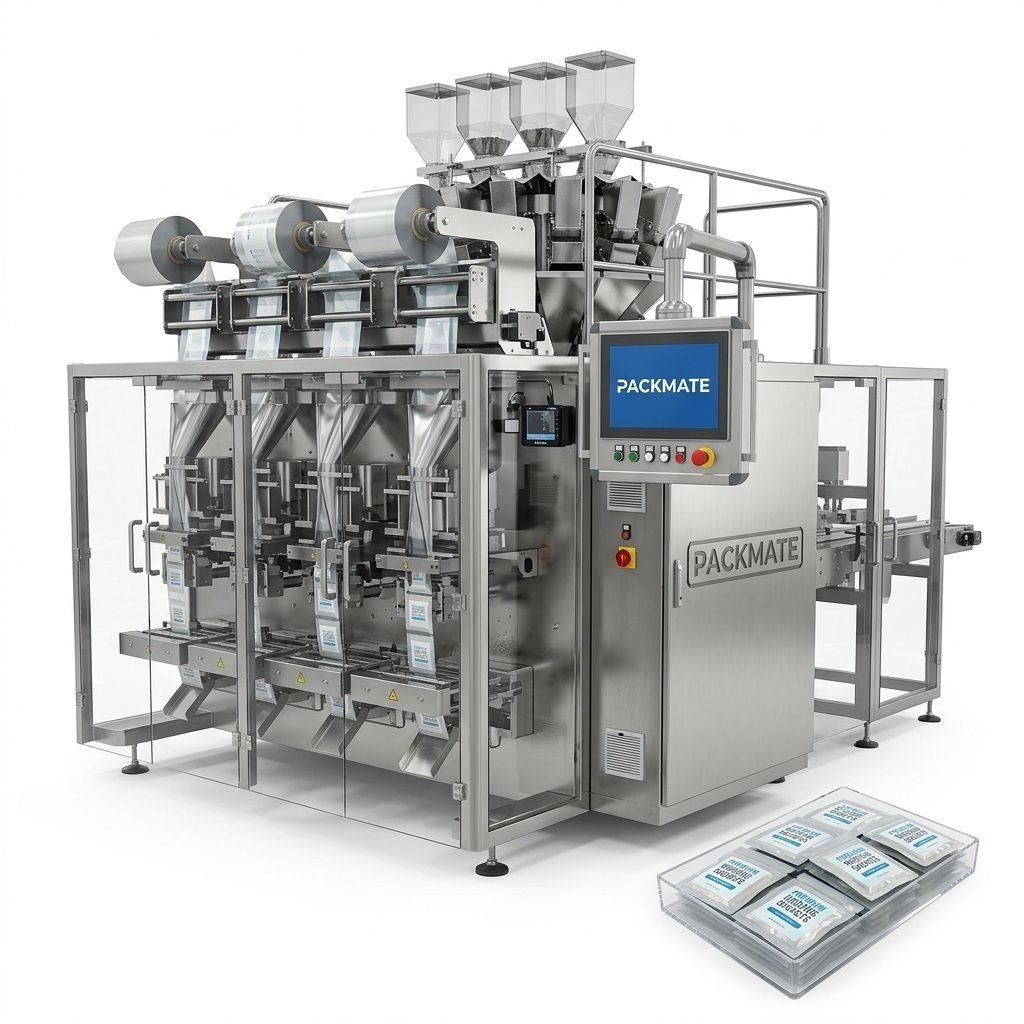
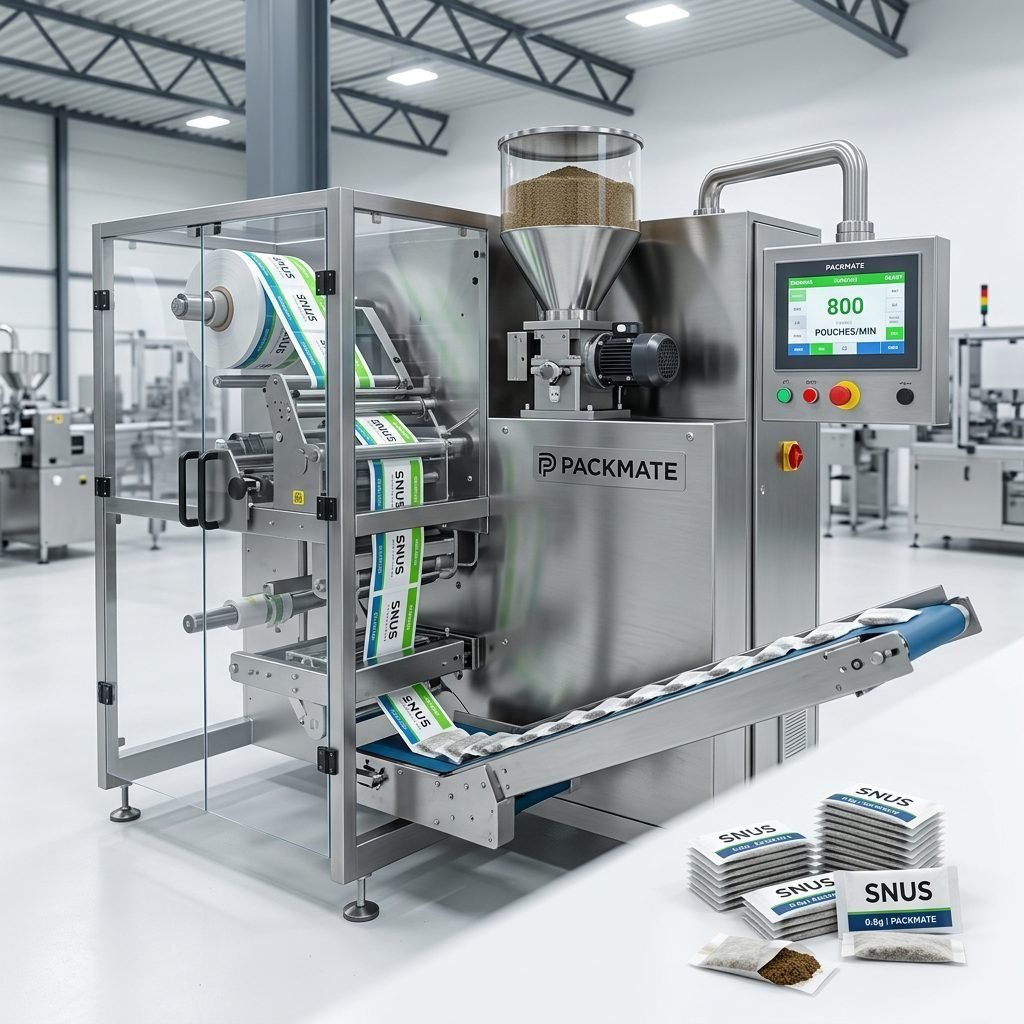
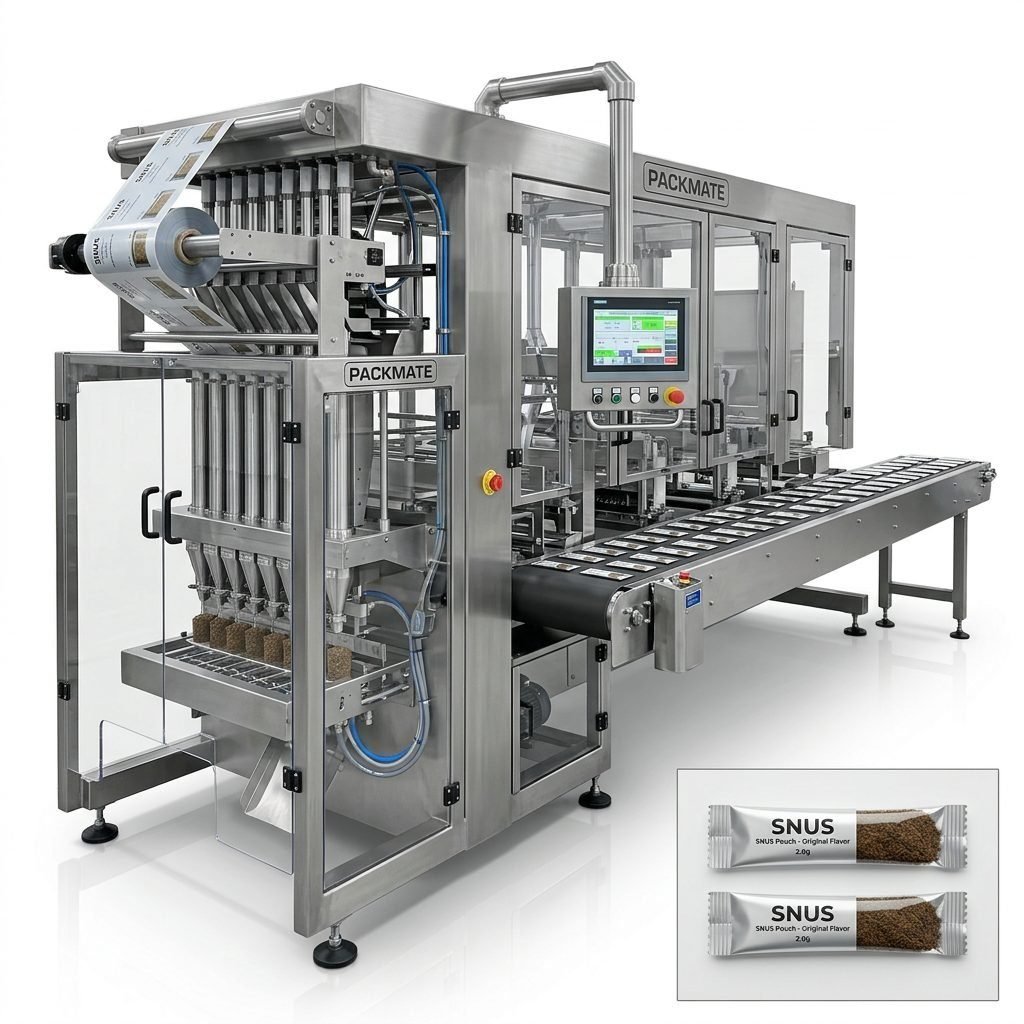
Before you start contacting manufacturers, clearly define what you will pack and how much you need to produce. Nicotine pouches and snus vary by size, fill weight, moisture sensitivity, and packaging format (stick pack, sachet, multi-lane pouch). Match machine capabilities to your product profile: dosing range, seal types, multi-lane options, and speed. For instance, small-dose multi-lane systems are ideal for mass production of small nicotine pouches, while single-lane sachet machines might be right for smaller batches or test runs.
Key production parameters to list
✅ Target output (units/min or per hour) · ✅ Pouch size and tolerance · ✅ Fill types (powder, granule, paste) · ✅ Humidity and temperature sensitivity · ✅ Desired automation level and integration with upstream/downstream equipment
🏭 Why Manufacturer Experience and Factory Strength Matter
Years of engineering experience and a well-equipped factory are reliable proxies for consistent machine performance. A manufacturer with vertical machining capabilities, CNC centers, and precision assembly lines is better positioned to deliver machines that last and handle the tight tolerances of nicotine pouch packaging. Look for clear evidence of production capacity: factory area, number of models offered, and a track record of turnkey projects.
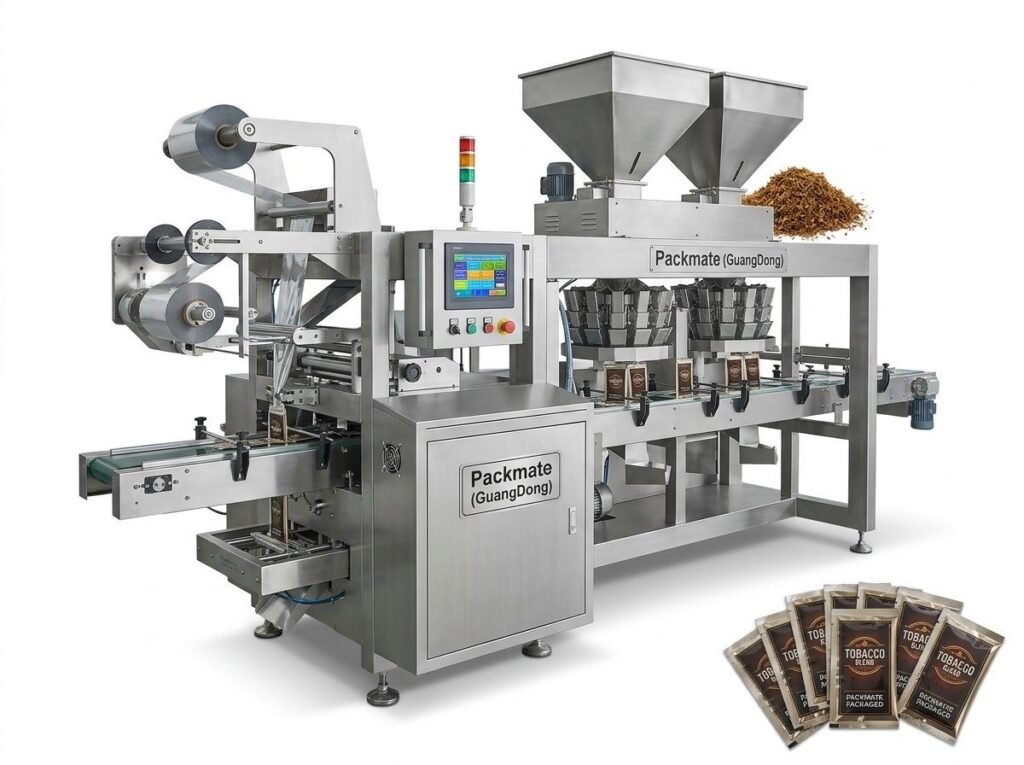
Packmate Snus Machine, for example, highlights 30+ years of engineering, a 20,000㎡ facility, and 50+ models — indicators that the company can support bespoke solutions and high-volume orders. Explore their product offerings for detailed machine specifications: Snus & Nicotine Packaging Machines.
📜 Certifications, Compliance and Local Regulation in Suriname
Nicotine product packaging is legally sensitive. Even if Suriname’s specific nicotine packaging rules differ from Europe or North America, buying equipment that meets international standards (CE, ISO) reduces risk and simplifies export or compliance updates. Ask potential suppliers for certification documents and test reports.
⚖️ Important: Ensure machines can be validated for hygienic design, accurate dosing, and repeatable sealing — all of which help meet Suriname’s import inspections and public health requirements.
🔌 Power, Climate and Installation Considerations for Suriname
Suriname’s tropical climate and humidity levels can affect electronic controls, pneumatics, and corrosion-prone components. When selecting a manufacturer, verify that machines are built for humid environments:
– Sealed electrical cabinets and IP-rated components
– Corrosion-resistant materials or coatings for parts exposed to moisture
– Proper HVAC and dehumidification recommendations for production areas
Also confirm voltage and frequency compatibility for Suriname (230V/50Hz or local standards) and discuss installation services or local technicians who can perform commissioning.
🤝 After-sales Service, Spare Parts and Training
A reliable manufacturer must provide timely spare parts, remote troubleshooting, and operator training. In Suriname, logistics for spare parts can be slower, so clarity on parts lead times, local stocking options, and recommended consumables is critical.
🚚 Look for manufacturers that offer: local or regional parts warehousing, clear spare parts lists with part numbers, remote PLC and HMI support, and on-site commissioning packages. If possible, ask for references from customers in Latin America or similar logistical environments.
🔧 Evaluate Total Cost of Ownership (TCO), Not Just Purchase Price
Purchase cost is only the beginning. Factor in installation, commissioning, operator training, maintenance intervals, spare part costs, energy consumption, and downtime risk. A slightly higher upfront price for a more robust multi-lane system from a proven manufacturer may yield lower TCO if it reduces downtime and scrap.
Questions to quantify TCO
– What is the warranty and what does it cover?
– What are typical mean-time-between-failures (MTBF) for critical modules?
– Are consumables proprietary or generic?
– Can the machine be upgraded or retooled for new pouch sizes?
🧩 Integration and Turnkey Solutions
If you plan to scale operations or require a fully automated production line (weighers, fillers, conveyors, cartoners), prefer suppliers who provide turnkey solutions and integration experience. A single point of responsibility reduces finger-pointing when issues arise and shortens project timelines.
Packmate provides full production lines including weighing and filling systems. Explore related systems to understand how upstream and downstream equipment can be integrated: Weighing & Packaging Systems and Filling & Packaging Lines.
🧾 Factory Audits, References and Demonstrations
Whenever feasible, visit the manufacturer’s factory. Factory visits let you verify build quality, quality control practices, and workshop capabilities. If travel is difficult, request live machine demonstrations, video tours, and references from existing customers — especially those in similar climates or regulatory environments.
Attend relevant exhibitions or ask the manufacturer for demo schedules: Our Exhibition.
💬 Communication, Language and Cultural Fit in Suriname
Suriname’s official language is Dutch, but Sranan Tongo and English are also commonly used in business. Choose a manufacturer that can communicate clearly in English or provide documentation and training in Dutch/English to reduce misunderstandings. Respect for local customs and flexible scheduling for commissioning and training matters — many Surinamese businesses value direct, respectful communication and reliable timelines.
🔔 Tip: Ask for operation manuals, spare parts lists, and training materials in English and request on-site sessions with local technicians to build internal capability.
📦 Logistics, Lead Time and Import Clearance for Suriname
Shipping heavy machinery to Suriname requires planning. Confirm the following with potential suppliers:
– Typical lead time from order to shipment
– Crating and shipping method (FCL, LCL) and recommended incoterms
– Availability of export documents for customs clearance in Suriname
– Local partner or agent for customs brokerage and last-mile delivery
Manufacturers with global experience often provide better documentation and shipping support. Review case studies of similar deliveries: Case.
⚙️ Technical Criteria: Controls, HMI and Modular Design
Modern packaging lines should offer user-friendly HMIs, PLCs from reputable brands, and modular mechanical design for easier maintenance. Verify whether the manufacturer supplies:
– Spare PLC/HMI modules and remote access for diagnostics
– Clear electrical and pneumatic schematics
– Modular mechanical assemblies for fast field replacement
Automation and data
Consider Industry 4.0 features: data logging of production counts, fault history, and recipe management. These features speed troubleshooting and make scale-up and quality control easier.
💡 Choosing Between Local Suppliers and Overseas Manufacturers
Local suppliers can provide faster response times for service and spare parts, but may lack specialized equipment for nicotine pouch production. Overseas manufacturers often have deeper engineering resources and standardized quality systems. A hybrid approach — local integrator with overseas machine supply and remote support — can be effective.
If you consider an overseas supplier, ensure they have reliable remote support and can ship spare parts quickly to Suriname or to a regional hub.
📞 How to Shortlist and Finalize Your Supplier
Use a scoring matrix to compare vendors. Typical criteria include machine performance (speed, accuracy), build quality, certifications, references, TCO, service network, and cultural/communication fit. Ask shortlisted suppliers for:
– Detailed proposals with technical sheets and wiring diagrams
– Video demos and client references in similar industries
– A breakdown of warranty, spare parts, and training packages
– On-site commissioning timelines and cost estimates
For more information on specific machine types and accessories, review product categories such as Bag & Pouch Packaging Machines and Sachet & Stick Pack Machines.
📝 Practical Checklist Before You Sign
⚙️ Confirm machine specifications and tolerance limits · 📄 Request certificates (CE, ISO) · 🧾 Get a clear warranty agreement · 🚛 Understand shipping schedules and incoterms · 🛠 Ensure spare parts lead times are acceptable · 👥 Plan operator training in English/Dutch · 🔌 Verify electrical compatibility and environmental protections
📌 Final Thoughts and Local Partner Considerations
Selecting a nicotine packaging machine manufacturer for Suriname requires a balance of technical fit, robust manufacturing practices, and realistic logistics planning. Prioritize vendors with demonstrable experience in snus/nicotine packaging, documented quality systems, and strong after-sales support. If possible, partner with suppliers who can offer turnkey solutions and local training to shorten ramp-up time.
For direct engagement, learn more about a manufacturer’s capabilities and global projects through their About page and contact channels: About Packmate and Contact Us.
Frequently Asked Questions
Q1: How important are CE and ISO certifications when importing machines to Suriname?
A1: While Suriname has its own import regulations, CE and ISO certifications indicate that machinery meets recognized safety and quality standards, which simplifies customs review and reduces compliance risk.
Q2: What lead time should I expect for a customized snus packaging line?
A2: Lead times vary by complexity; standard machines might ship in a few months, while fully customized multi-lane turnkey lines can take longer. Always confirm lead time with the manufacturer and include testing and commissioning schedules.
Q3: Can I get training and manuals in Dutch for my Suriname-based operators?
A3: Many global suppliers provide documentation and training in English and may offer translations. Request Dutch-language materials or arrange for a local translator during training if needed.
Q4: How do I ensure spare parts arrive quickly to Suriname?
A4: Negotiate parts stocking agreements, identify regional warehouses or distributors, and ask the supplier for prioritized shipping options. Keep an initial critical-spare-parts kit on-site to reduce downtime risk.
Q5: Where can I see real-world examples of packaging lines?
A5: Review manufacturer case studies and exhibition showcases to see live demos and client installations: Case and Our Exhibition.