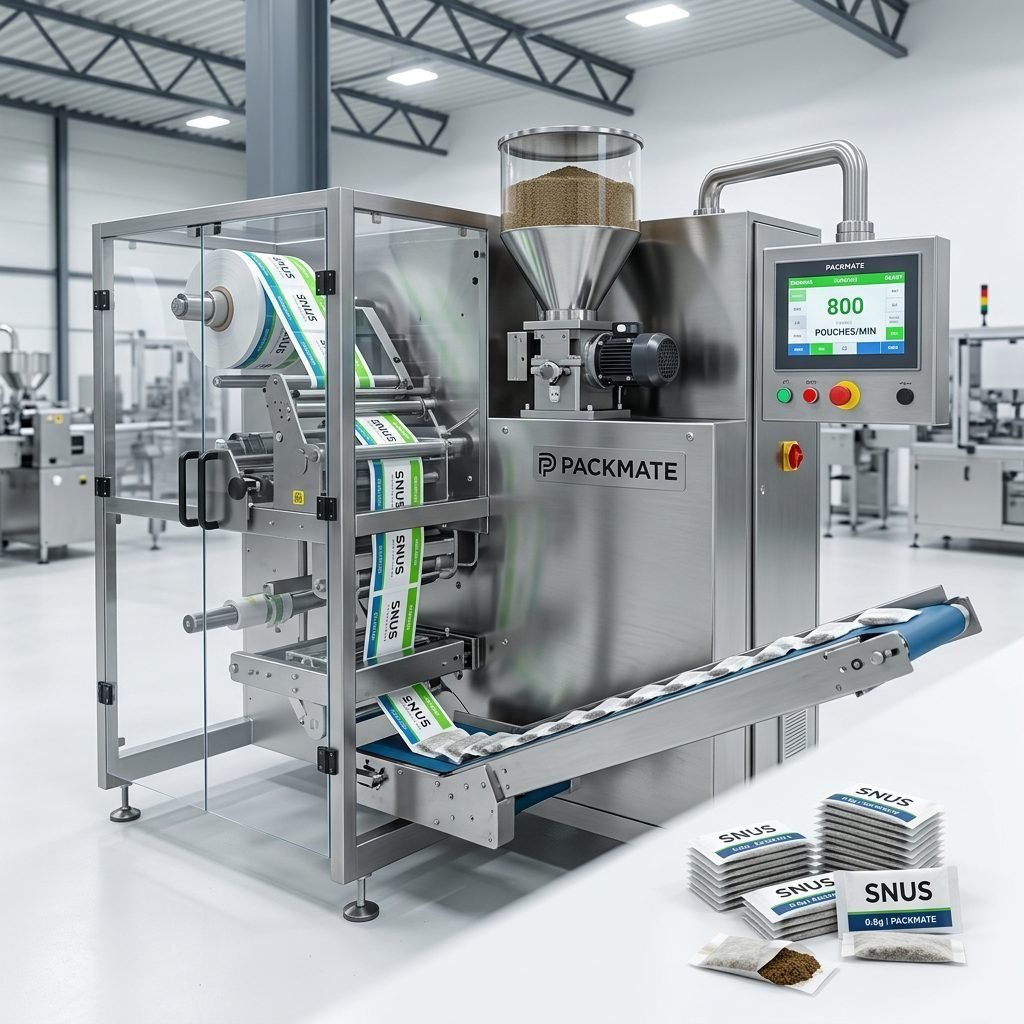
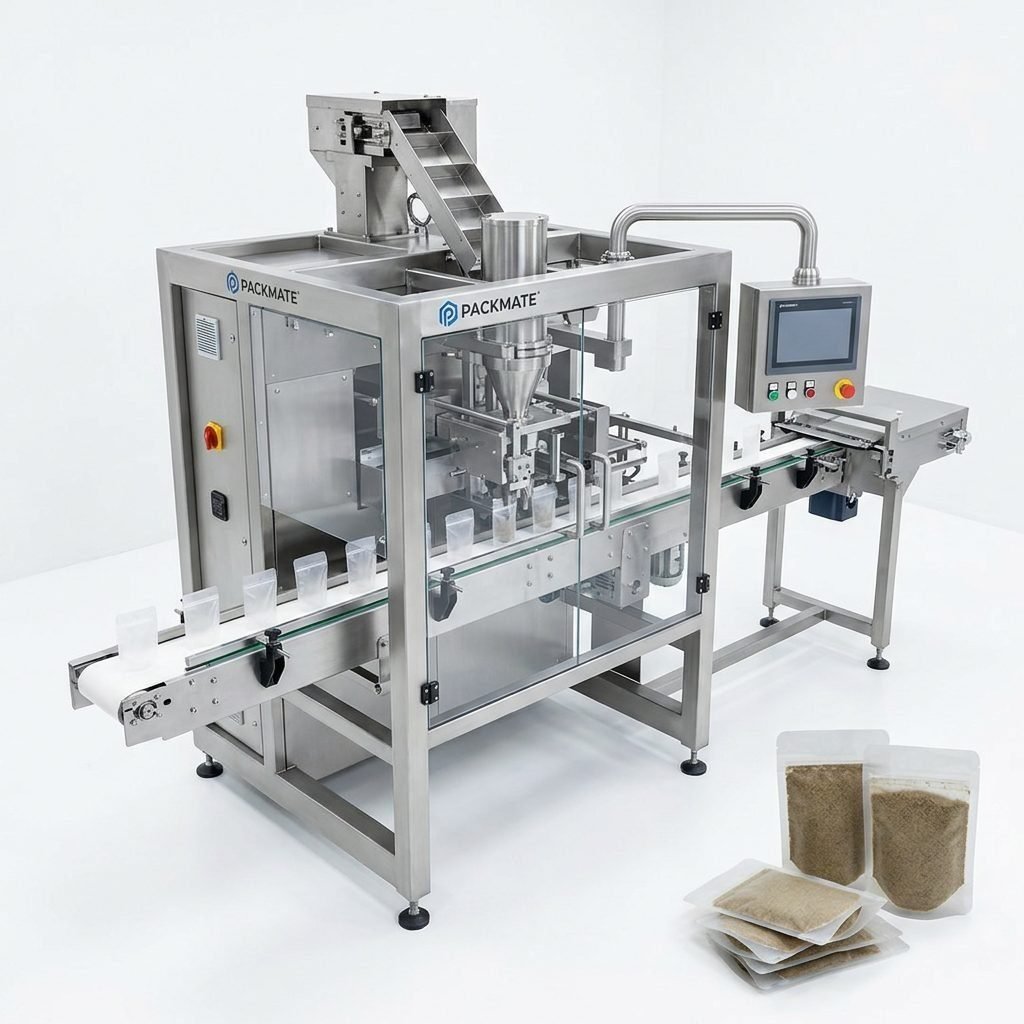
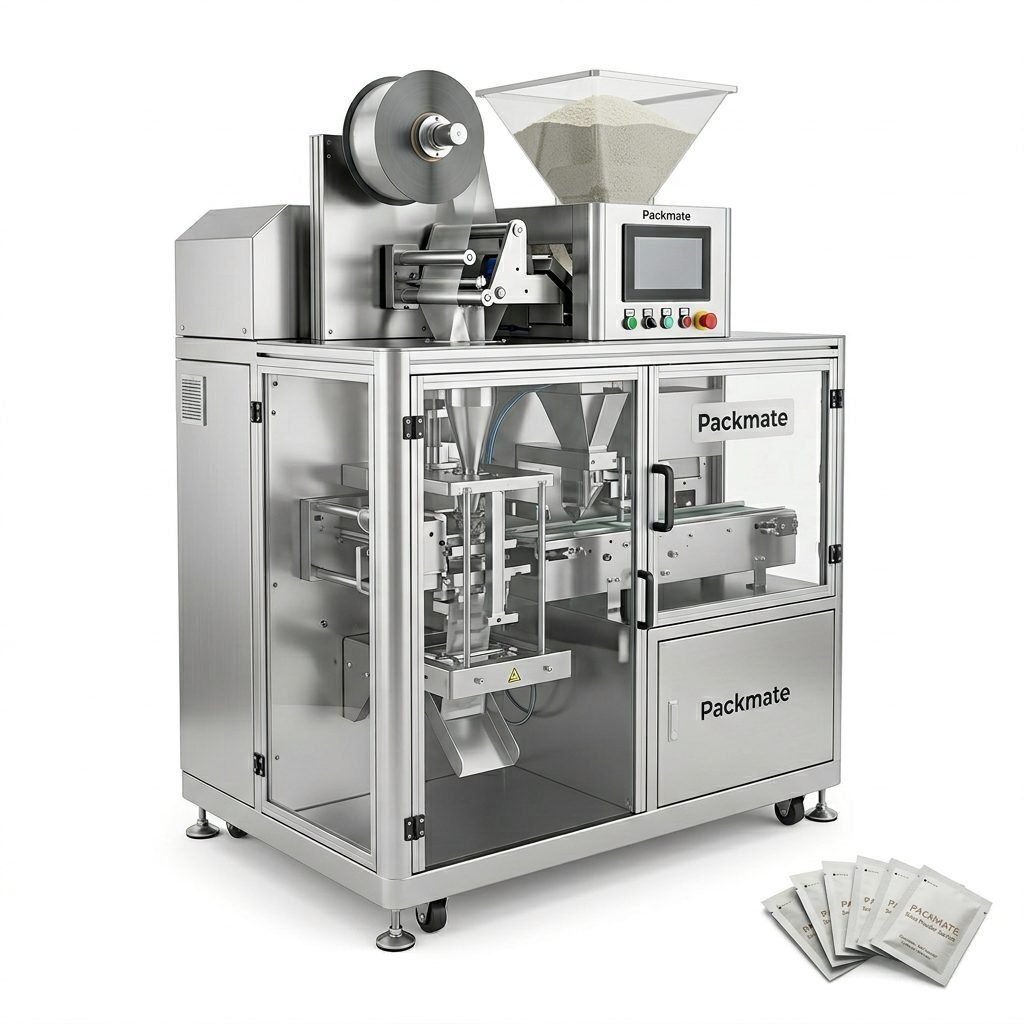
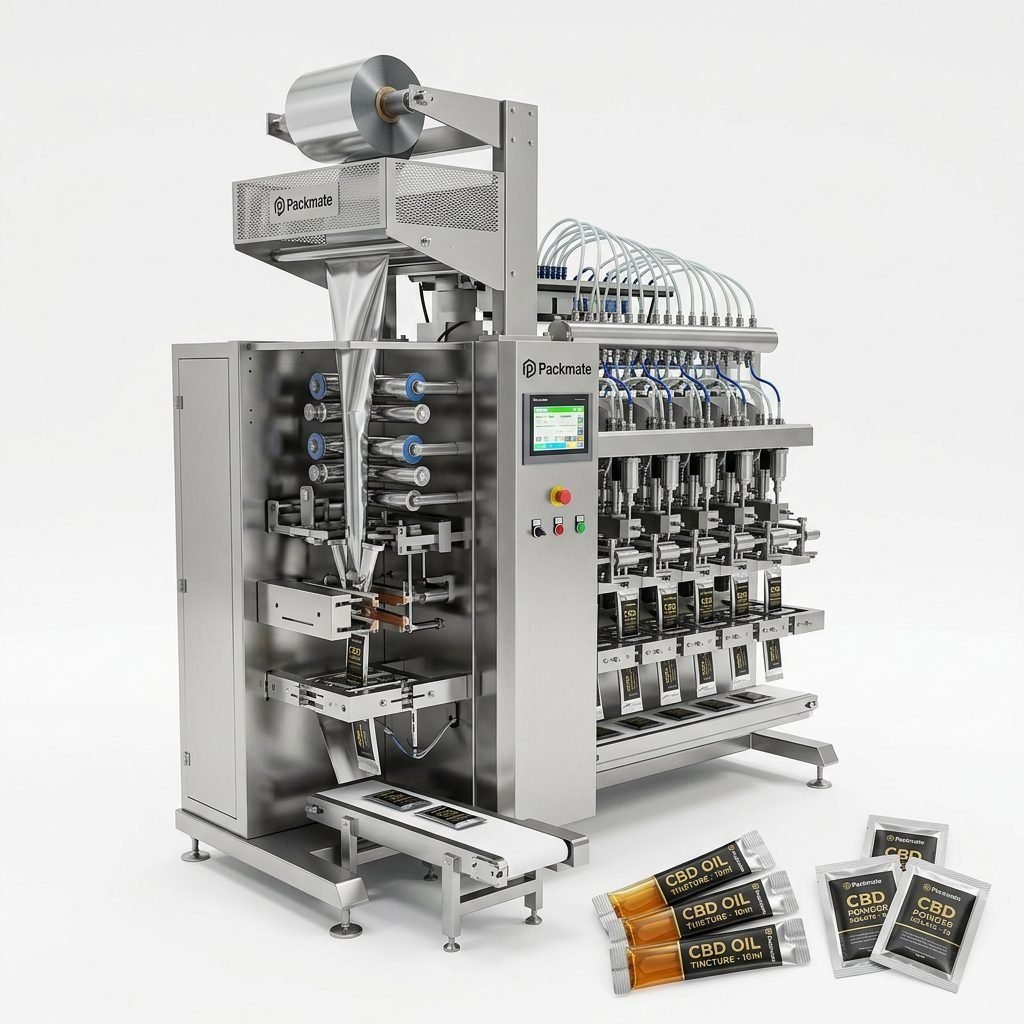
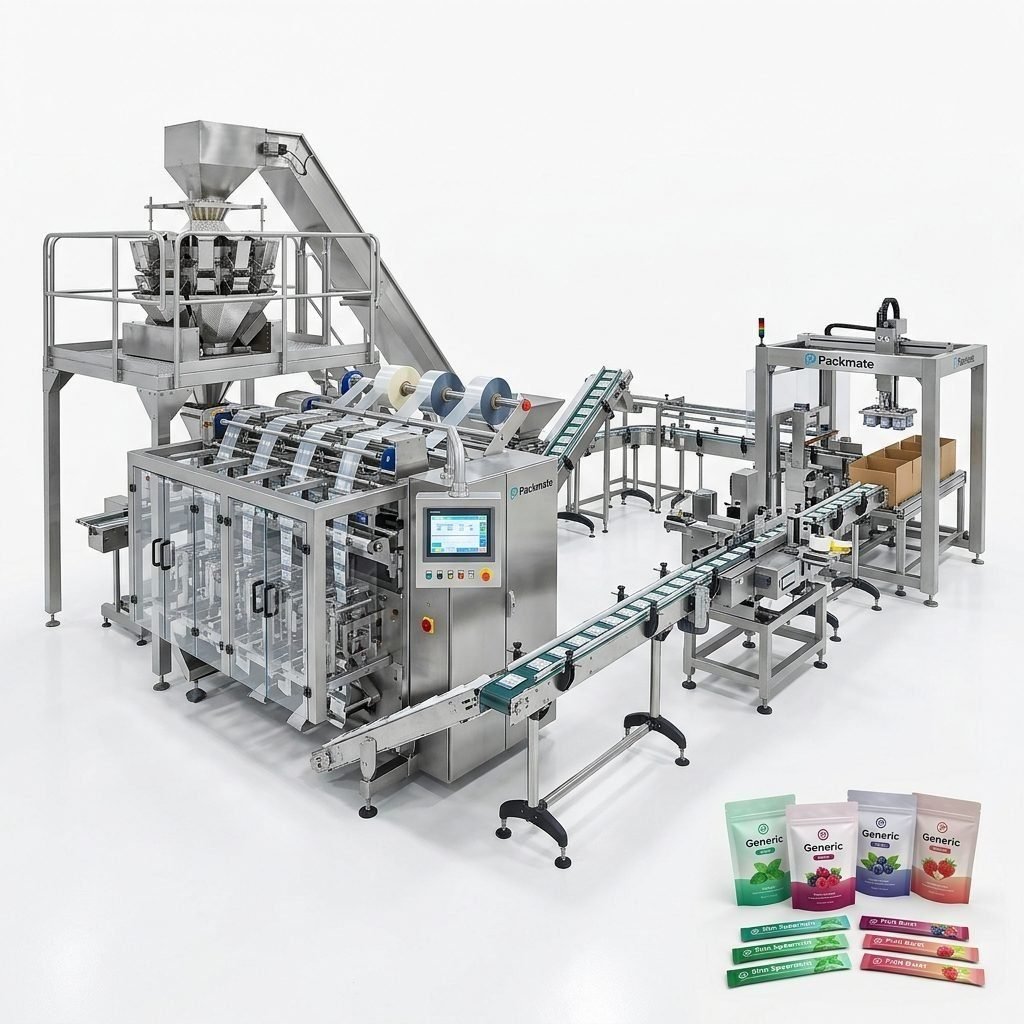
Choosing the right nicotine and snus packaging machinery supplier for a factory in Libya is a strategic decision that affects production efficiency, regulatory compliance, and long-term cost of ownership. This guide walks you through practical and locally relevant considerations — from evaluating technical capabilities and factory audits to logistics, cultural factors, and after-sales support — so you can make an informed choice for your Libyan facility.
Why choosing the right supplier matters
Selecting a reliable supplier goes beyond price. The right partner delivers machines that are durable, easy to maintain, and adaptable to product variations. In Libya, where spare parts lead times and technical service availability can directly impact uptime, supplier reliability translates into real production continuity and lower total cost of ownership.
🔍 Key takeaway: A well-chosen supplier is both an equipment vendor and a long-term technical partner — especially important in markets like Libya with unique import and operational challenges.
Understand Libya’s local environment and business customs
When evaluating suppliers, factor in Libya’s local conditions:
- Seasonal climate: Coastal humidity and interior heat can influence machine corrosion protection and material choices.
- Import logistics: Port access (e.g., Tripoli, Benghazi) and customs clearance procedures affect lead times — plan for longer transit and customs processing.
- Business culture: Personal relationships and trust are highly valued. Timely, clear communication in Arabic or via local representatives boosts partnership success.
- Regulatory sensitivities: Tobacco and nicotine-related products may face regulatory scrutiny — always verify local rules and labeling requirements before production starts.
Technical features to evaluate in snus & nicotine packaging machinery
For nicotine pouch/snuspouch production, certain technical capabilities are essential:
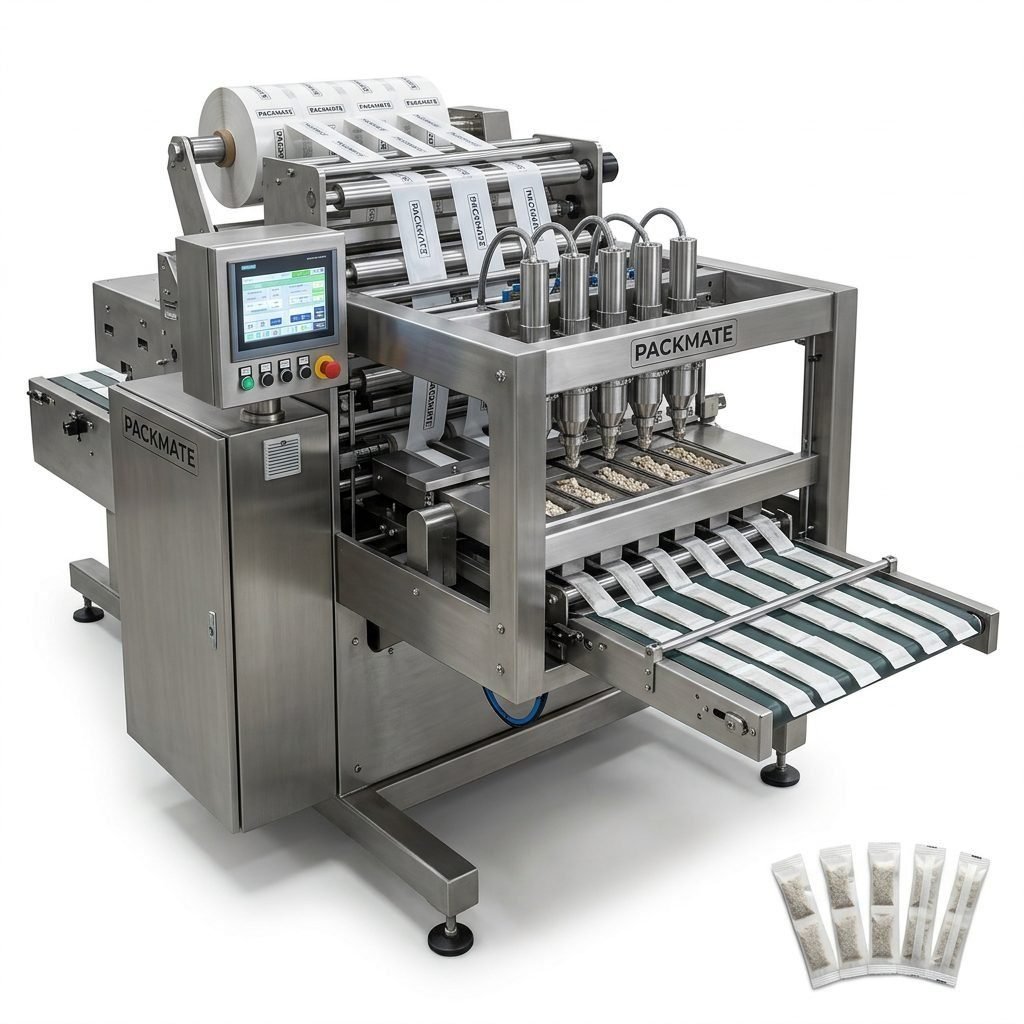
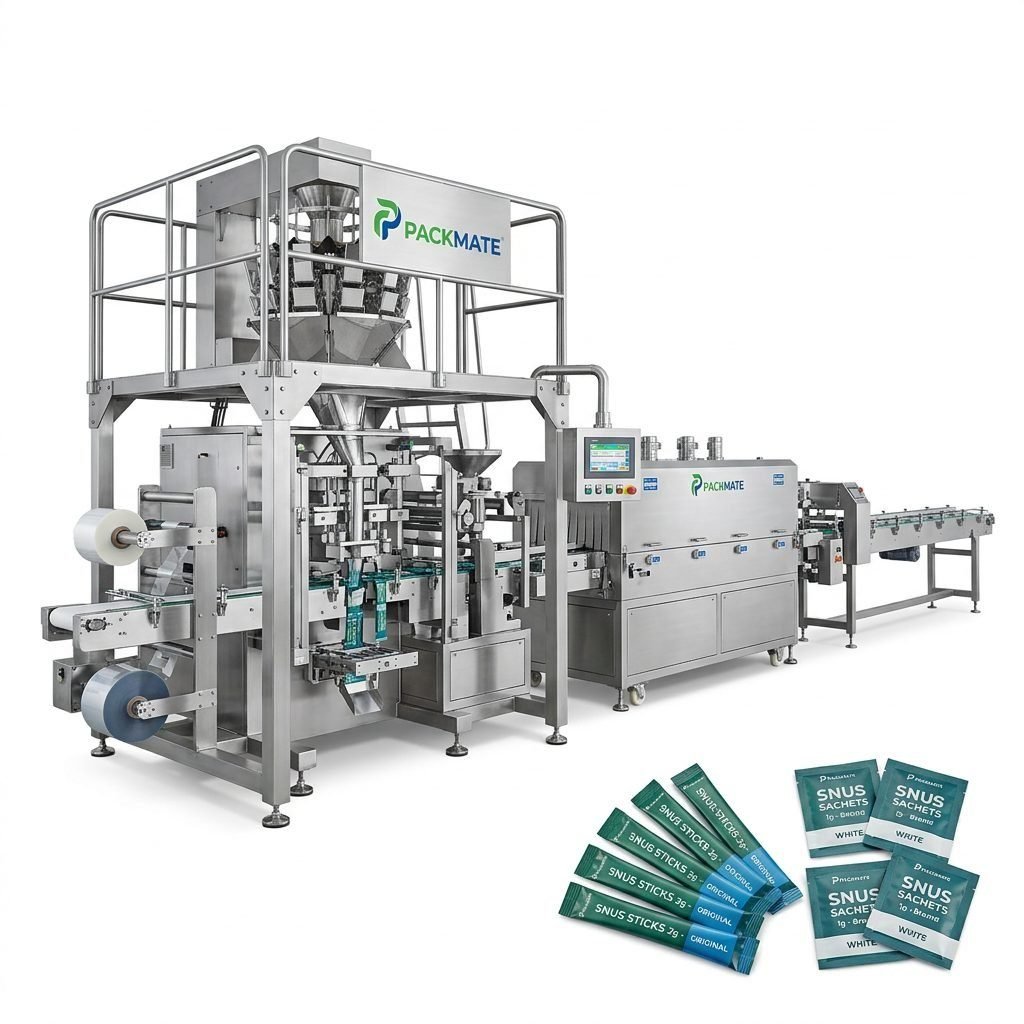
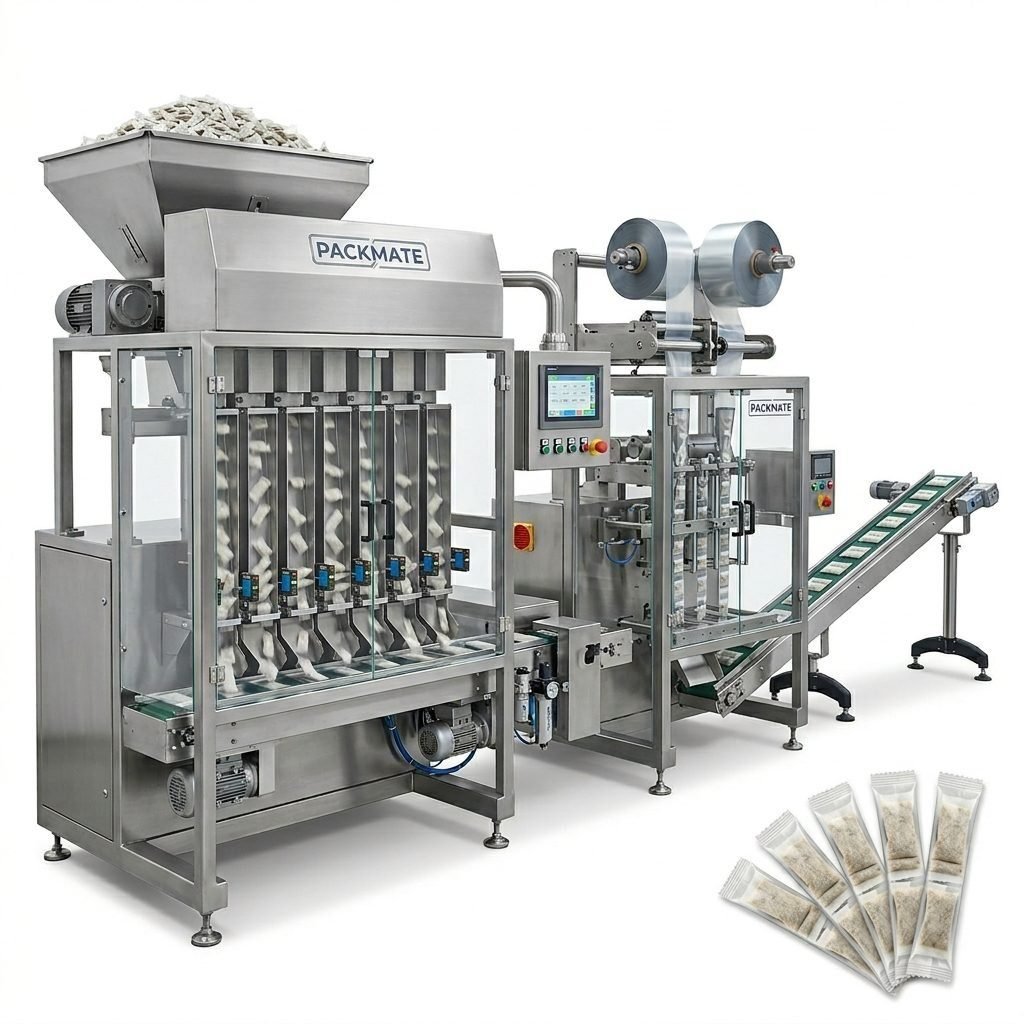
✓ Performance: Multi-lane high-speed designs for small-dose pouches increase throughput and reduce per-unit cost.
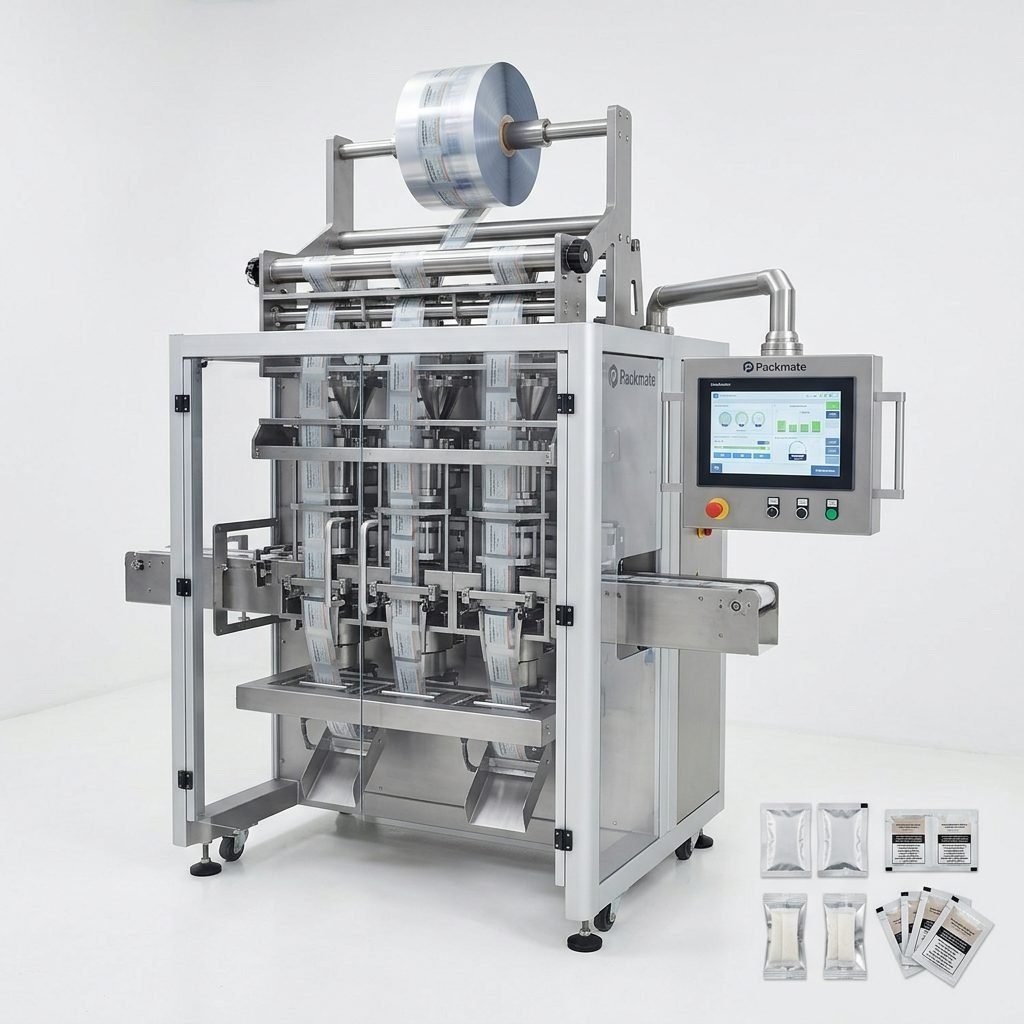
- Flexibility: Ability to run multiple pouch sizes, weights, and formats (sachets, stick packs, multi-lane pouches).
- Precision dosing: Consistent weight control (important for nicotine dosage accuracy) — check for integrated weighing systems.
- Hygienic design: Stainless steel contact surfaces, easy-to-clean layouts and IP-rated electrical components for dusty or humid conditions.
- Automation & control: Modern HMI, recipe management, and remote diagnostics reduce setup time and support faster changeovers.
- Spare parts availability: Standardized components and clear spare parts lists minimize downtime.
Factory capability and quality assurance — what to verify
A supplier’s manufacturing strength is a proxy for product reliability. Verify:
- Production scale and workshop area (larger, organized facilities often indicate consistent quality control).
- Presence of CNC machining centers and precision assembly lines for mechanical components.
- Quality certifications (CE, ISO) and test reports for electronics and safety systems.
- Availability of customized turnkey lines versus off-the-shelf machines.
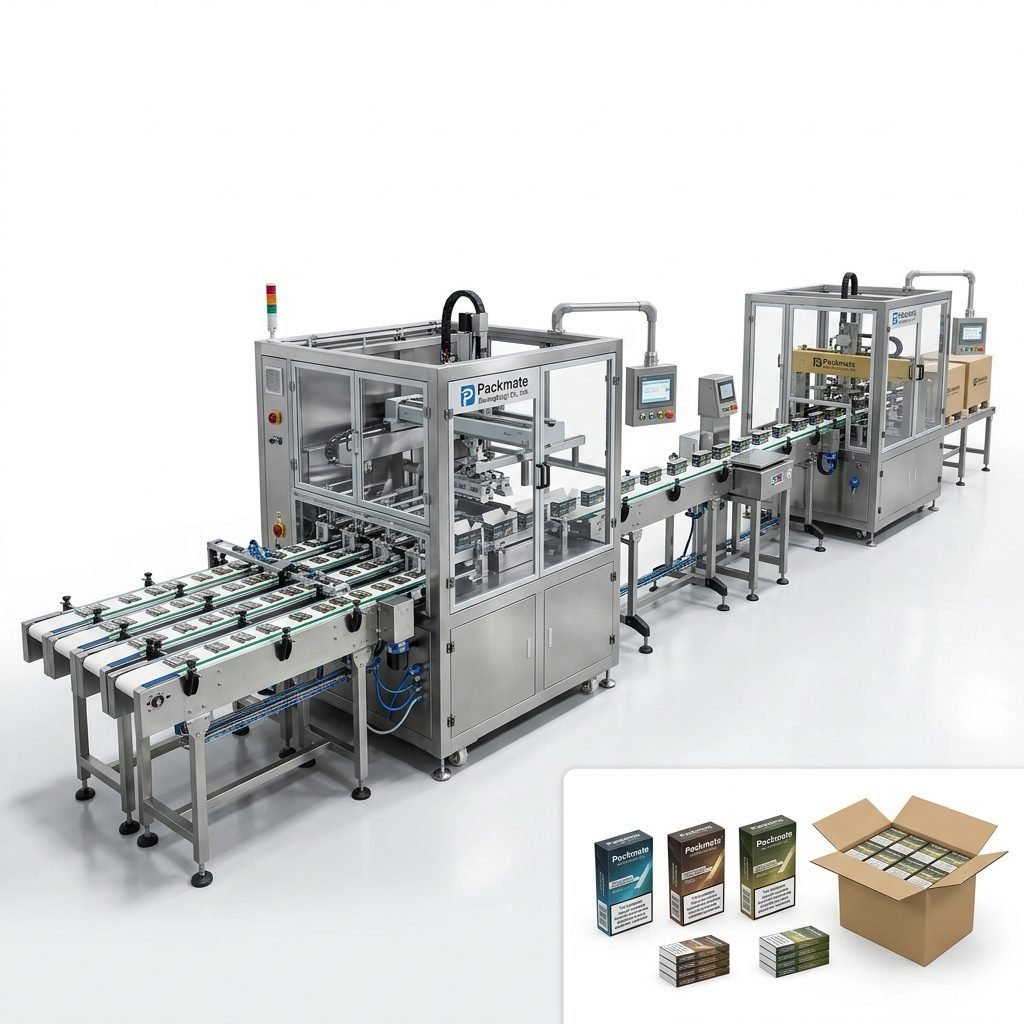
Example supplier capabilities can be explored for reference on their product ranges: Snus & Nicotine Packaging Machines, Bag & Pouch Packaging Machines, and Sachet & Stick Pack Machines.
Inspecting the supplier: remote checks and on-site visit checklist
If possible, plan a factory visit. When travel is constrained, ask for detailed videos, machine run footage, and live demos. Key audit items:
- Observe a machine running the same or similar product. Look for stability, vibration, and consistent sealing.
- Review assembly processes and spare parts inventory.
- Check after-sales infrastructure: training resources, remote support tools, and spare parts lead times.
- Request references and case studies from customers in similar climates or markets; verify performance claims.
⚠️ Pro tip: Ask for a written Service Level Agreement (SLA) covering response time, spare parts shipping, and remote troubleshooting — critical for Libyan operations.
After-sales support and training — the heart of a sustainable partnership
Strong after-sales service reduces downtime. Evaluate:
- Availability of local agents or certified technicians who can travel to Libya for installation and maintenance.
- Remote support capabilities: video calls, PLC access, and detailed troubleshooting guides in English and ideally Arabic.
- Training programs for Libyan operators and in-house maintenance personnel — ensure documentation and training formats fit local language needs.
- Warranty terms and clear spare parts pricing.
Regulatory compliance and documentation
Nicotine and tobacco-related packaging often requires careful handling of labeling, health warnings, and import permits. Before purchase:
- Confirm machine materials and hygiene standards meet Libyan food and product contact regulations (if applicable).
- Obtain CE/ISO certificates, electrical drawings, and operation manuals for customs and installation approval.
- Work with local legal counsel or regulatory consultants to confirm product marketing and distribution rules.
Logistics, packaging and installation in Libya
Plan for logistics complexities:
- Choose FOB, CIF or DDP shipping terms carefully — DDP reduces customs hurdles but increases supplier coordination responsibilities.
- Verify packaging methods for sea transport; robust crating and anti-corrosion treatments help with long transit times to Mediterranean ports.
- Prepare local site for installation: crane capacity, foundation load, AC and compressed air specifications, and workshop layout.
Cost considerations and financing options
Total cost includes machine price, shipping, customs, installation, training, and spare parts over the machine life. When comparing quotes:
- Request a detailed breakdown of standard vs optional features and spare parts kits.
- Consider financing or leasing to preserve working capital — many vendors offer payment plans for turnkey lines.
- Factor energy consumption and maintenance schedules into operating cost models.
How to shortlist and evaluate suppliers — a practical scoring checklist
Create a weighted scoring system for these categories:
- Technical capability and product fit (30%).
- Manufacturing quality and certifications (20%).
- After-sales support and spare parts availability (20%).
- Price, financing, and total cost of ownership (15%).
- Local adaptability and logistics readiness for Libya (15%).
🔧 Action item: Score each supplier objectively and request clarifications for scores below your minimum acceptable threshold.
Real-world case references and supplier credibility
Ask suppliers for case studies in climates similar to Libya or in nearby regions. Credible suppliers will provide project references, performance data, and customer testimonials. You can review their portfolio and exhibition presence as an added credibility check:
Explore supplier cases and certifications for deeper verification: Case, Certificate, and find company background at About Packmate.
Negotiating contracts and protecting your investment
Include the following contract elements:
- Clear delivery schedule with penalties for missed milestones.
- Detailed acceptance tests and performance metrics to be verified on-site or during FAT/SAT (Factory/Site Acceptance Test).
- Warranty duration, scope, and spare parts availability guarantees.
- Training obligations, documentation language, and timeline for remote vs on-site support.
Why Packmate-style suppliers are often a good fit
Suppliers with deep industry experience, a broad product range spanning snus/nicotine packaging, and established factory infrastructure often deliver dependable turnkey solutions. They typically offer:
- Decades of engineering refinement and CNC-based manufacturing.
- Multi-lane and custom lines for small-dose pouch production.
- Comprehensive lines including weighing, filling, and auxiliary equipment — helpful when you want a single-vendor turn-key setup. Learn more about full lines: Filling & Packaging Lines.
📌 Reminder: Always balance technical fit with local after-sales promises; a slightly higher initial cost can pay off in uptime and regulatory peace of mind.
Final recommendations for Libyan buyers
To summarize the practical steps:
- Start with a technical shortlist based on product format and throughput.
- Verify manufacturing capability, certifications, and run demos.
- Negotiate comprehensive SLAs and freight/installation terms mindful of Libyan ports and customs.
- Ensure training materials and support are accessible in English and, where possible, Arabic.
- Plan for spare parts stocking to mitigate long shipping times to Libya.
If you need a single source for integrated packaging lines and experienced supplier references, review product categories and services offered here: Weighing & Packaging Systems, Auxiliary Packaging Equipment, and contact details at Contact Us.
Common questions (FAQs)
Q1: How long does it typically take to import and install a nicotine pouch packaging line in Libya?
A1: Lead times vary by supplier and shipping terms. Plan for 8–16 weeks manufacturing plus 2–6 weeks shipping and customs clearance. Installation and commissioning usually take 2–6 weeks depending on line complexity and site readiness.
Q2: What local protections or alterations should I request for Libya?
A2: Ask for corrosion protection, IP-rated electrical enclosures for humid coastal areas, documentation in English/Arabic, and extended spare parts kits to account for longer replenishment times.
Q3: Can I rely on remote support for troubleshooting?
A3: Yes — remote diagnostics, PLC access, and guided video support can solve many issues quickly. However, ensure a plan for local technician visits for hardware repairs and major breakdowns.
Q4: What documentation should I insist on before shipment?
A4: Obtain machine drawings, wiring diagrams, operation manuals, FAT reports, CE/ISO certificates, parts lists, and a clear packing list for customs clearance.
Q5: Where can I see examples of full lines and past projects?
A5: Review supplier case pages and product categories for full-line solutions and examples. Useful links include their case and product pages referenced above.