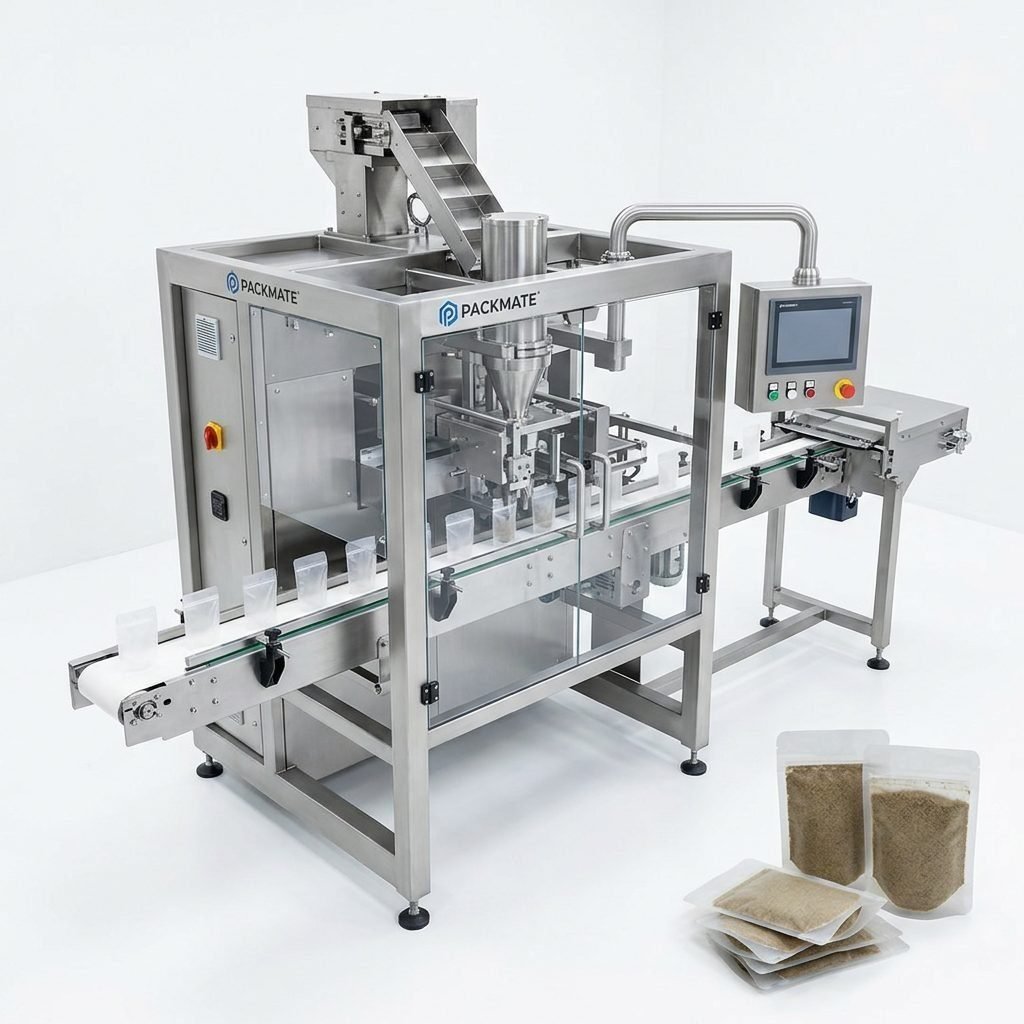
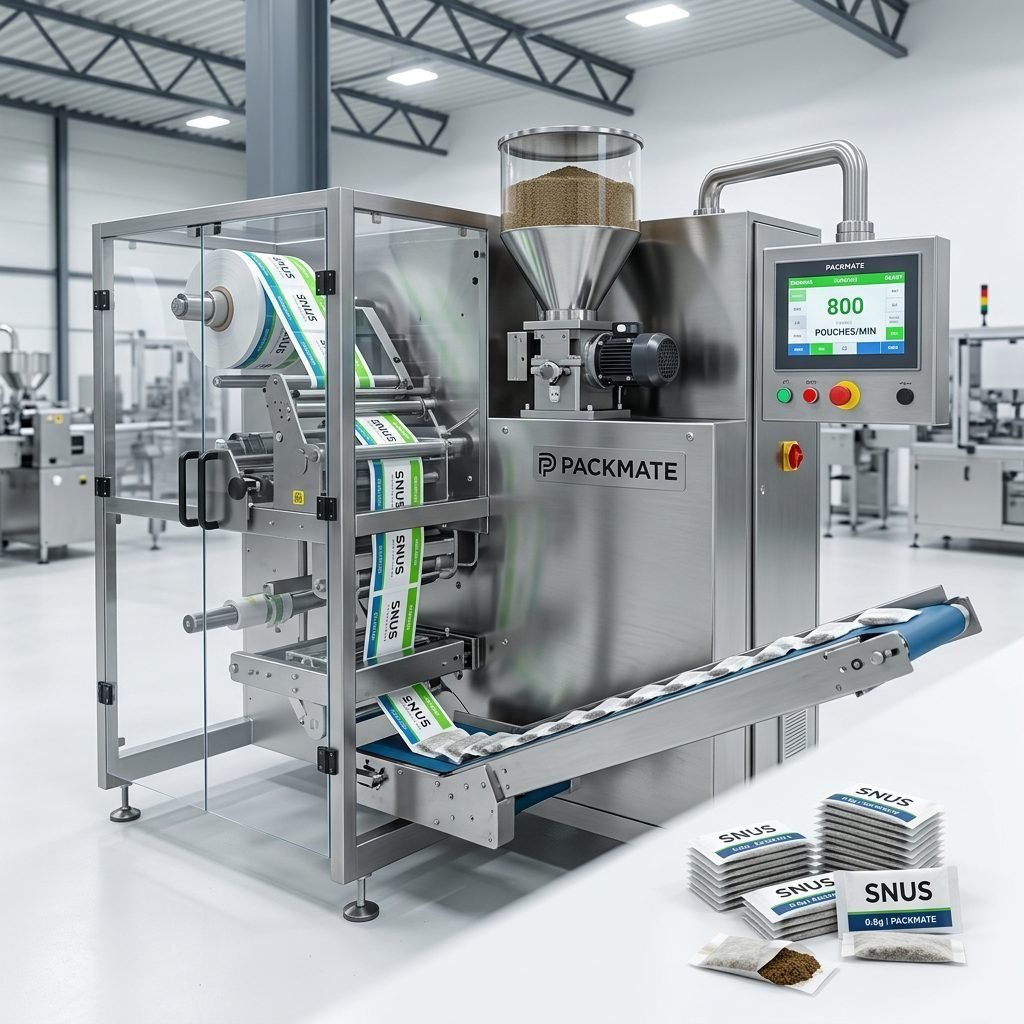
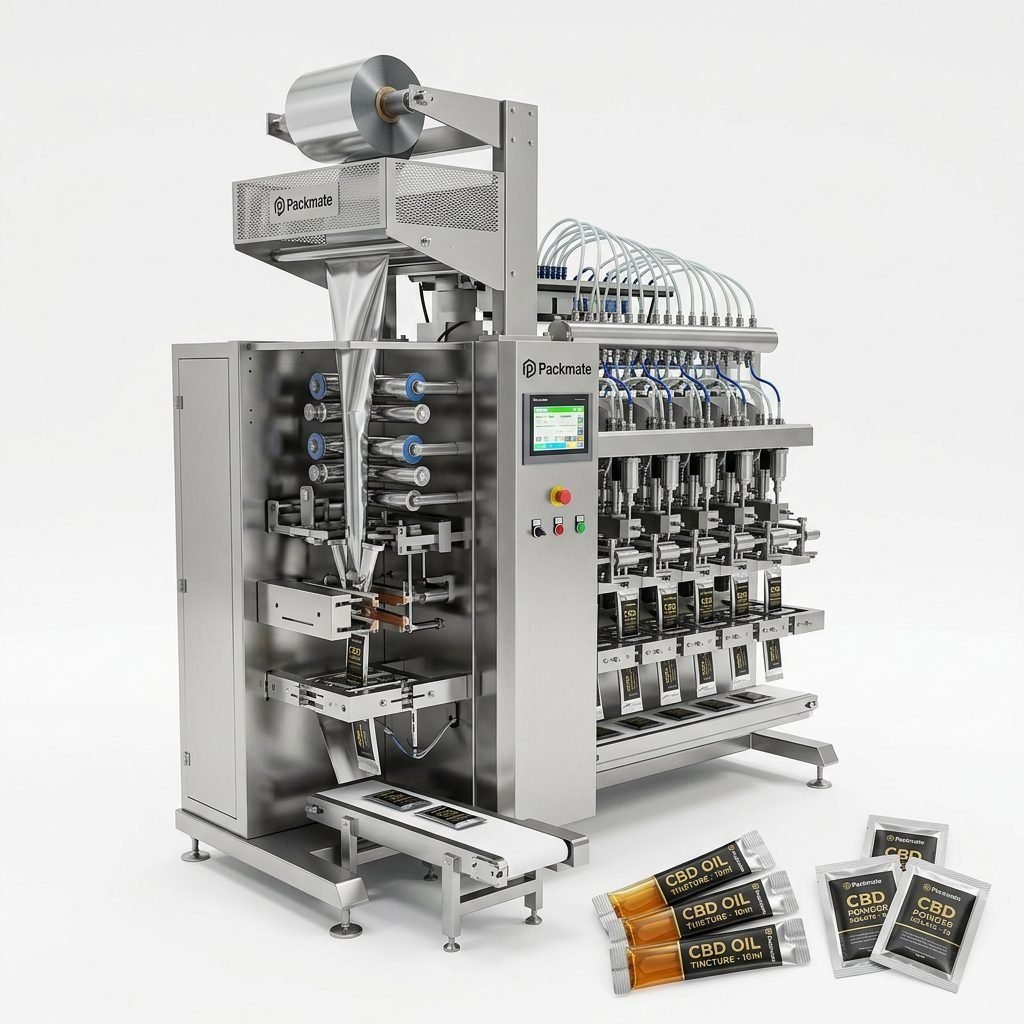
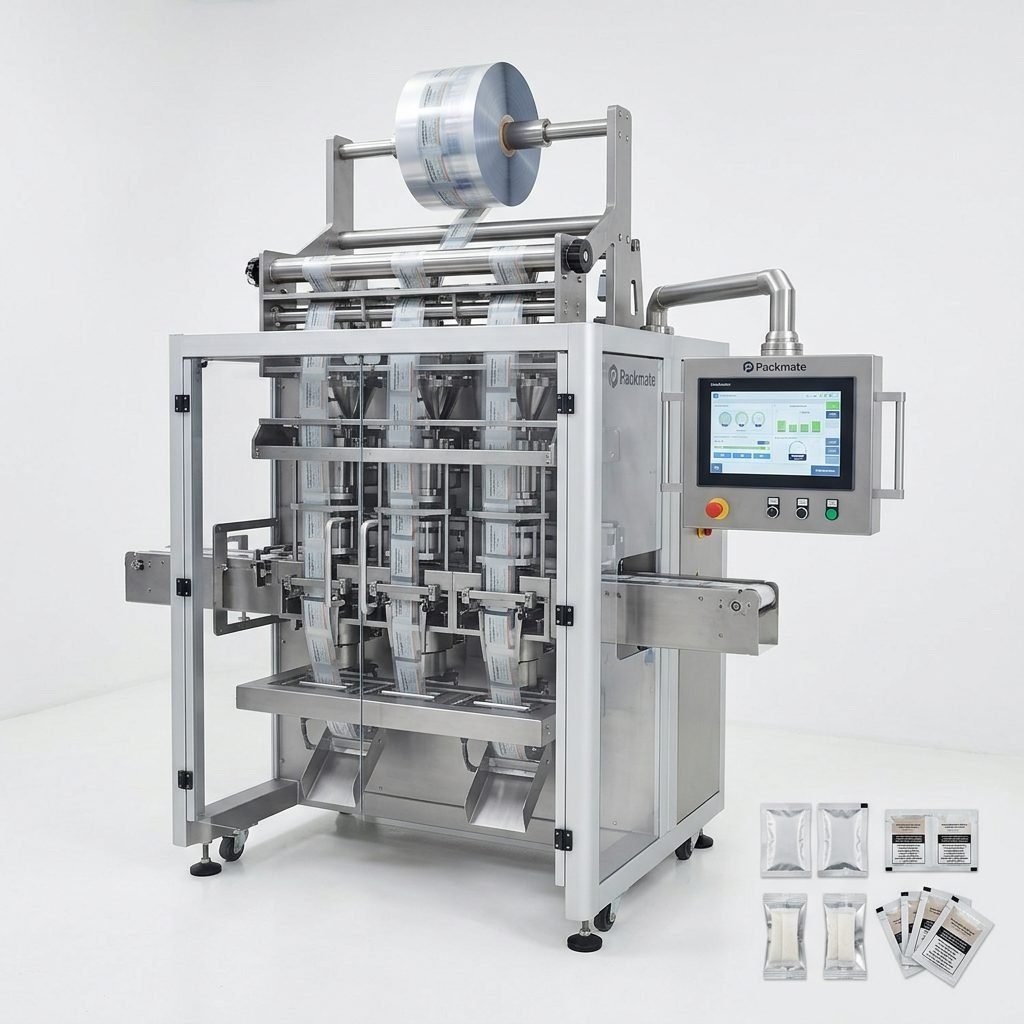
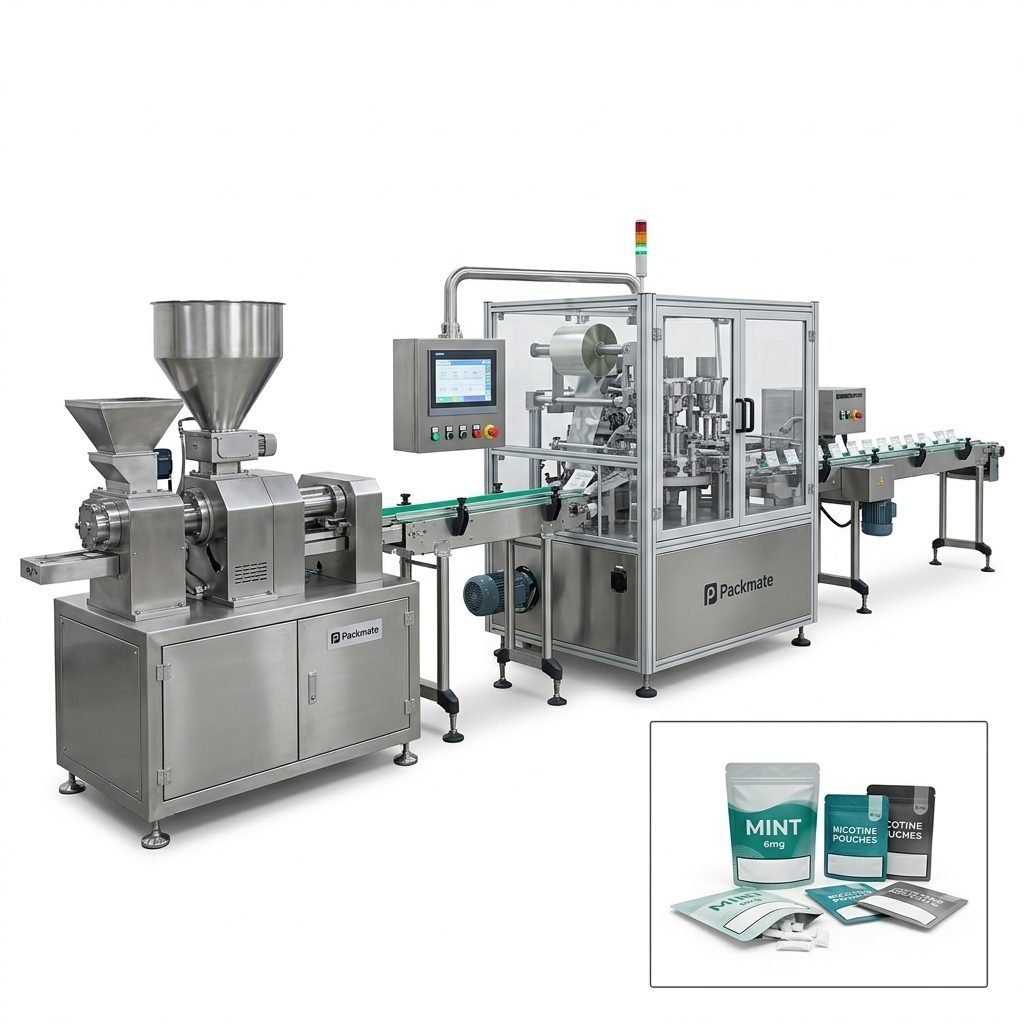
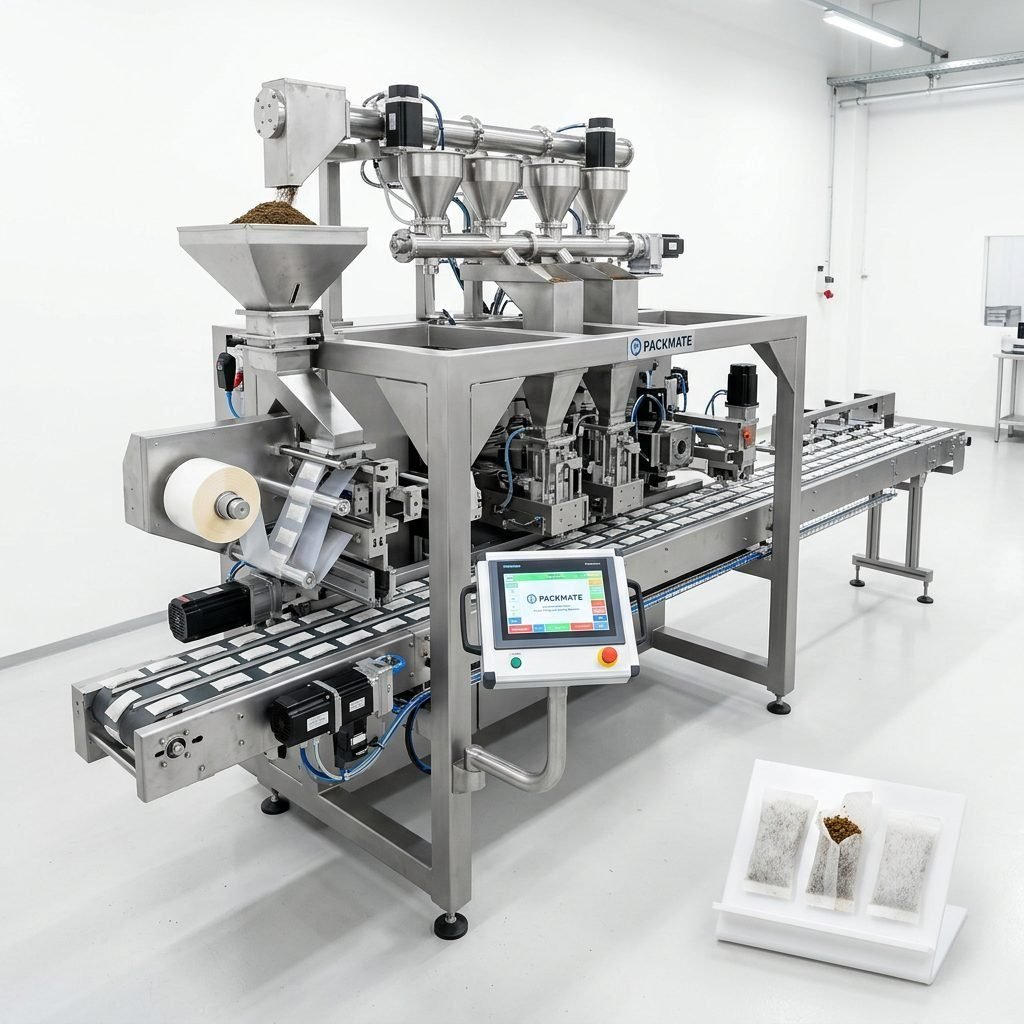
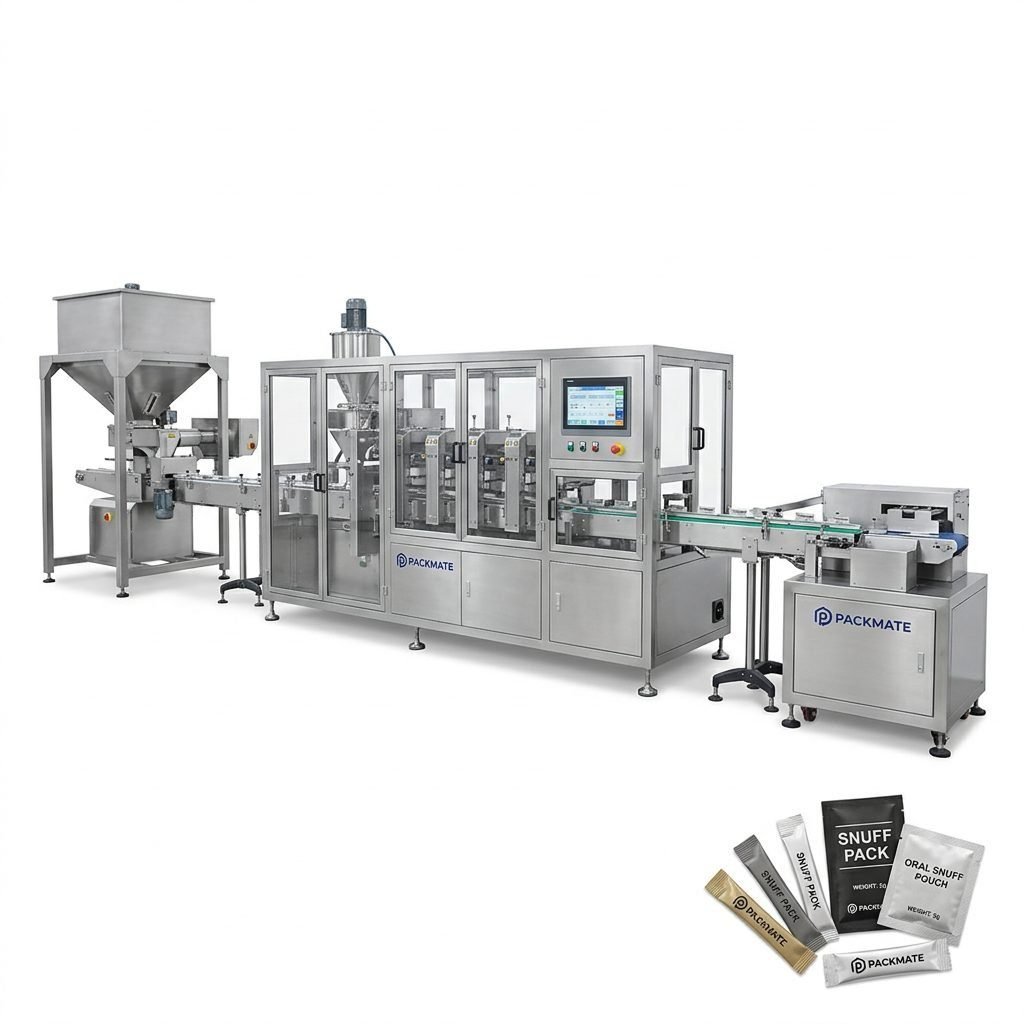
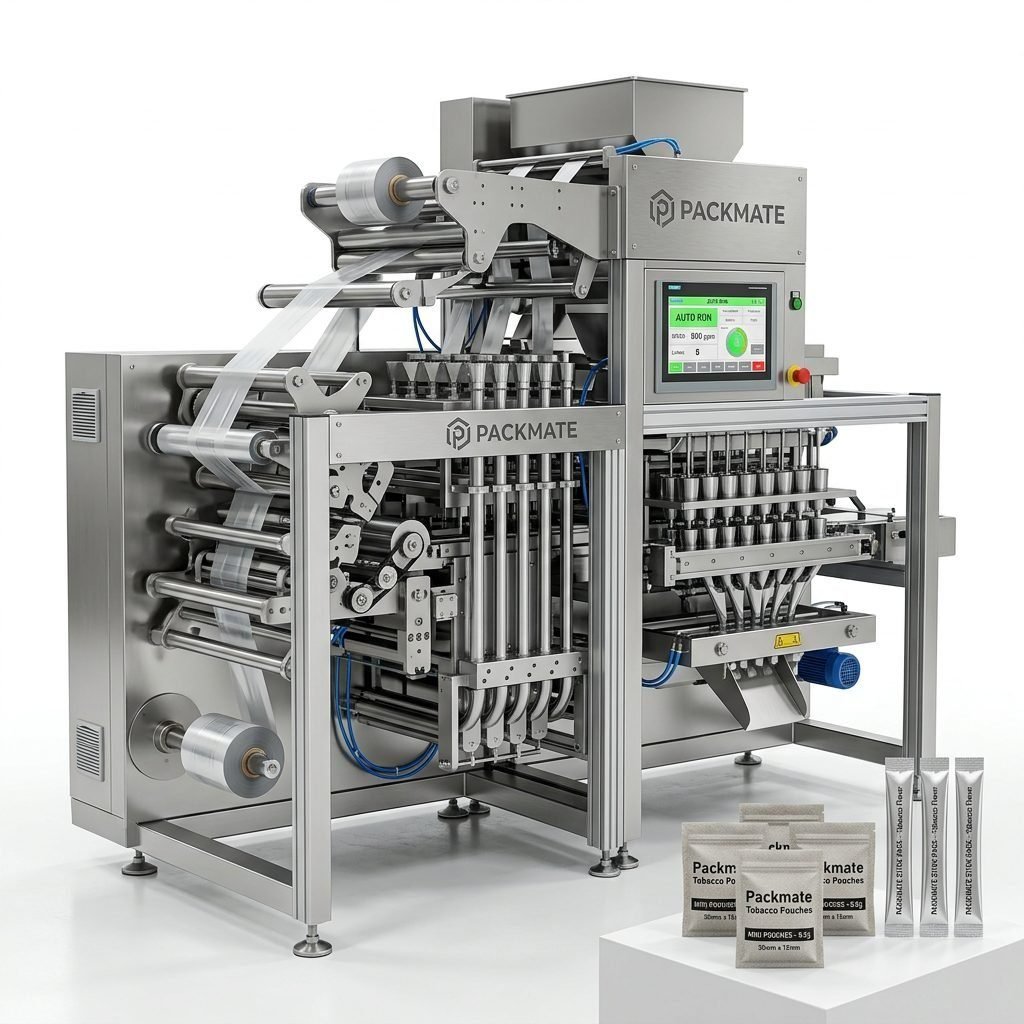
Choosing the right nicotine packaging machinery supplier for a factory in Serbia is not just a procurement decision — it is a strategic step that affects product quality, regulatory compliance, manufacturing efficiency, and long-term costs. Serbia has a unique market dynamic influenced by Balkan trade links, local consumer habits, and evolving nicotine product regulations. This guide walks factory managers, production engineers, and procurement specialists through practical criteria and localized considerations so you can select a supplier that fits both the technical needs of your line and the cultural-business environment in Serbia.
Understand Serbia’s Market and Regulatory Landscape
The Serbian market blends traditional tobacco consumption patterns with growing interest in alternatives like nicotine pouches and snus. Consumers often prefer trusted, high-quality packaging that signals safety and consistency. From a regulatory perspective, Serbia is not an EU member but aligns with many international standards — suppliers who provide CE and ISO certified equipment will make cross-border shipments and regulatory documentation easier to manage. When assessing suppliers, prioritize those who can demonstrate experience exporting to Southeast Europe and who understand customs procedures in Belgrade and Novi Sad.
Local customs and buyer expectations
Serbian buyers value long-term relationships, clear communication, and reliable after-sales support. Language flexibility (ability to communicate in Serbian, or at least provide clear technical documentation in English) and willingness to provide onsite training and spare parts quickly can be decisive. Suppliers that attend regional exhibitions and maintain local contacts are perceived as more trustworthy.
Technical Capabilities to Prioritize
Not all machinery is created equal. For nicotine pouch and snus production, look for suppliers with:
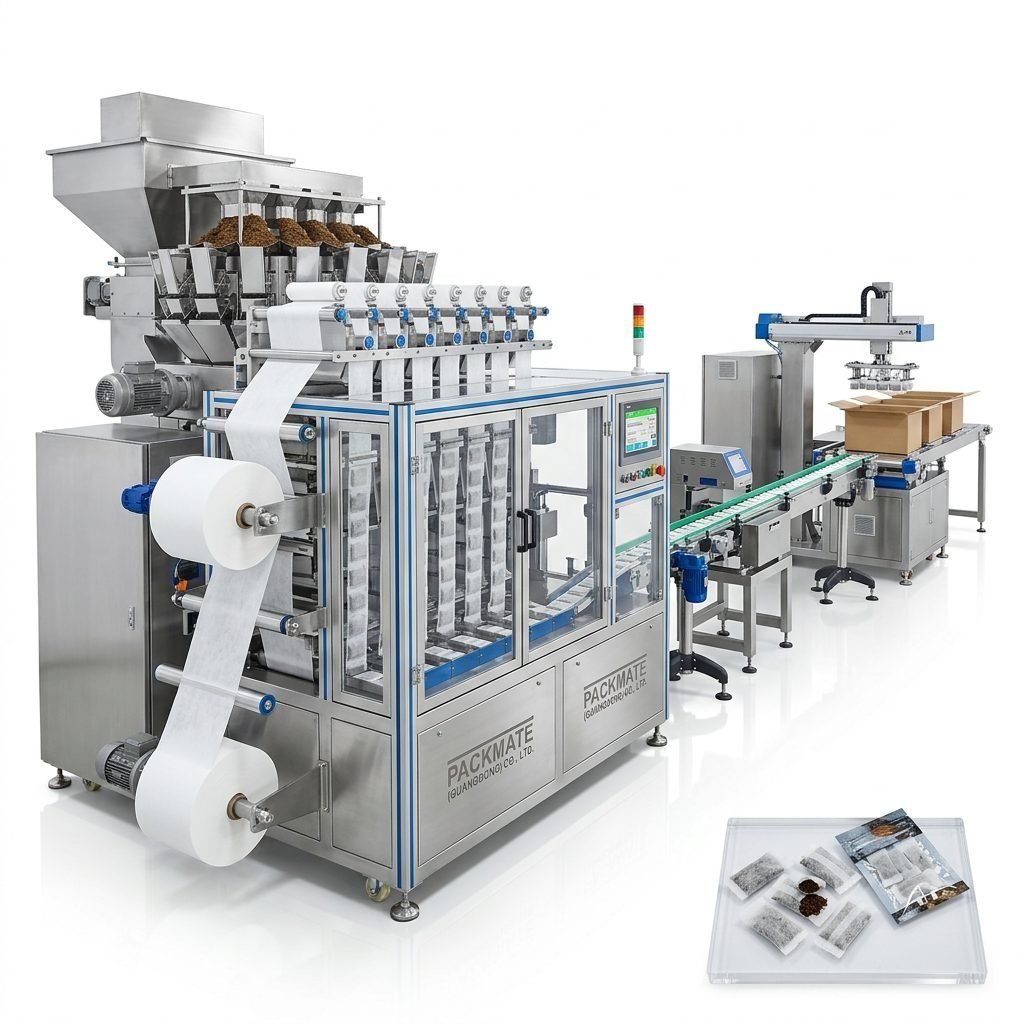
📌 Multi-lane precision: Multi-lane systems increase throughput for small-dose pouches without sacrificing accuracy.
✅ Flexible dosing options: Ability to handle powder, granules, or wet formulations with accurate weighers and compatible sealing systems.
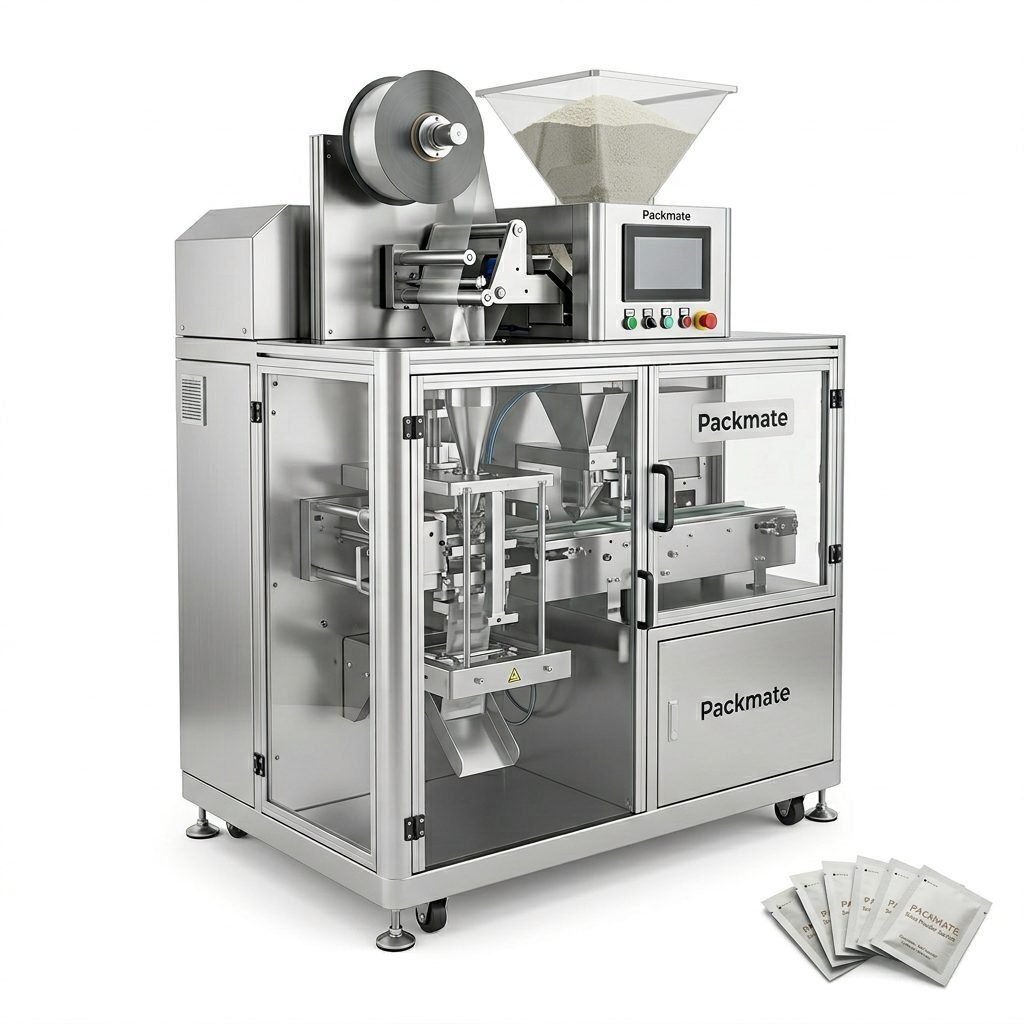
⚠️ Clean design & hygiene: Stainless steel construction and easy-to-clean surfaces for food-grade and pharmaceutical-adjacent processes.
Automation, Integration and Data
Modern factories in Serbia increasingly demand Industry 4.0-ready machines: PLC control, recipe management, remote diagnostics, and compatibility with existing ERP systems. Suppliers that provide integrated solutions — from feeders and weighers to sealing and cartoning — reduce integration risk and speed up commissioning. For examples of complete product offerings, review suppliers’ product lines such as their Snus & Nicotine Packaging Machines and Filling & Packaging Lines.
Factory Strength, Manufacturing Quality and Certifications
A supplier’s manufacturing footprint and quality control processes are direct indicators of machine longevity and performance stability. Key signals of a reliable manufacturer include:
- Large manufacturing facility with precision CNC centers and dedicated assembly lines — these reduce lead time variability.
- Documented quality checks and testing reports for every machine delivered.
- International certifications such as CE and ISO that ease regulatory acceptance in European markets — confirm certificates before purchase.
Packmate Snus Machine, for example, emphasizes a 20,000㎡ facility, advanced CNC machining and CE/ISO compliance — attributes that help ensure consistent build quality and delivery reliability. See their Certificate page for details.
Quality assurance in acceptance testing
Insist on Factory Acceptance Tests (FAT) and Site Acceptance Tests (SAT) with clear acceptance criteria. FAT reports should include production speed verification, packaging integrity tests, and durability checks under anticipated operating shifts. Suppliers who welcome customer audits and allow remote FAT via live streaming demonstrate transparency and confidence in their equipment.
After-sales Service, Spare Parts and Training
Strong after-sales support is essential in Serbia where downtime can disrupt cross-border supply commitments.
📌 Fast spare parts supply: Ask for a recommended spare parts list and average lead times for common wear items.
✅ Training & commissioning: Onsite training for Serbian operators and maintenance teams is crucial for smooth handover.
🔧 Remote support & warranties: Clarify warranty terms, remote troubleshooting tools, and escalation SLA (Service Level Agreement).
Look for suppliers that provide detailed Service offers and have a documented network for spare parts distribution. Suppliers with a dedicated Service page and contact channels make post-sale communication easier.
Logistics, Installation and Local Partnerships in Serbia
Shipping heavy machinery to Serbia involves freight planning, customs clearance, and installation logistics. Choose suppliers experienced with routes into Serbian ports and land corridors. Suppliers who have worked with local integrators or provide bilingual technicians will reduce misunderstandings during installation. Participation in regional exhibitions and case studies in nearby countries is a plus — visit the supplier’s Exhibition and Case pages to see real-world deployments.
Cultural considerations for Serbian factories
Business culture in Serbia places value on trust-building and reliability. Initial meetings often lead to deeper relationships if suppliers demonstrate commitment to localized service. Demonstrations and trial runs build confidence; inviting local stakeholders to witness FAT or exhibition demonstrations can accelerate purchasing decisions.
Commercial Terms and Total Cost of Ownership
A low purchase price can be tempting but always weigh it against operating costs, spare parts expenses, energy consumption, and downtime risk. Consider:
- Mean Time Between Failures (MTBF) and Mean Time To Repair (MTTR).
- Energy usage and consumable parts cost per million units produced.
- Depreciation and expected lifespan under a two- or three-shift schedule typical for your Serbian operation.
Pricing transparency
Ask suppliers for a clear breakdown: base machine, required options, tooling, training, spare parts starter kit, and estimated shipping & installation. Suppliers that provide realistic lead times and phased delivery schedules reduce surprises.
Key Questions to Ask Your Supplier
📌 Can you provide CE/ISO certificates and FAT reports for similar machines?
📌 What is the expected lead time from order to shipment, and typical transit time to Serbia?
📌 What uptime guarantees and SLAs do you offer for critical spare parts?
📌 Do you provide local language documentation and onsite training for Serbian teams?
Supplier reputation and references
Request references from customers in Europe or the Balkans. Visit case studies and past installation galleries to verify performance claims. Suppliers that publish detailed case histories and have a catalog of machine models often make more reliable partners — check their Catalog and Case pages.
Demo and acceptance tips
Insist on seeing a machine run your exact SKU at rated speed. If on-site trials are impossible, request recorded runs or live-streamed FAT. A supplier that supports these demonstrations shows readiness to be held accountable for promised performance.
Making the Final Decision
Summarize findings with a weighted scorecard: technology fit, build quality, certifications, lead time, TCO, and after-sales support. Prioritize suppliers who combine strong manufacturing capability, transparent documentation, and a commitment to localized service in Serbia. Well-documented turnkey providers reduce commissioning time and risk.
When you are ready to evaluate suppliers, review their product lines such as Snus & Nicotine Packaging Machines, Filling & Packaging Lines, and auxiliary equipment to ensure a complete solution. Also check the supplier’s About page to learn about their factory footprint and development timeline.
Quick supplier checklist (one-page)
✅ Certifications: CE / ISO verified
✅ FAT/SAT and demo with your SKU
✅ Spare parts kit & regional lead time
✅ Clear warranty, service SLAs and training plan
Suppliers who match these criteria and demonstrate experience in snus and nicotine pouch production — including multi-lane and small-dose solutions — will be well-positioned to support Serbian factories aiming for consistent quality and regulatory compliance. If you need sample product references, explore Packmate’s Snus & Nicotine Packaging Machines and related Filling & Packaging Lines for integrated solutions.
Final notes on cultural fit and long-term partnership
In Serbia, long-term partnerships founded on trust, timely communication, and on-the-ground support carry more weight than one-off bargains. Suppliers who invest in local understanding and post-sale responsiveness typically become strategic partners that help your production scale and adapt to market changes.
Frequently Asked Questions
Q1: What certifications should I insist on for nicotine packaging machines?
A: Insist on CE and ISO certifications as a minimum, plus factory test reports. These demonstrate compliance with international safety and quality standards and simplify regulatory acceptance in Serbia.
Q2: How important is multi-lane capability for my production line?
A: Multi-lane systems significantly increase throughput for small-dose pouches while keeping the footprint compact — crucial if you plan to scale volumes or produce multiple SKUs on the same line.
Q3: How do I reduce downtime after installation?
A: Ensure the supplier provides an initial spare parts kit, onsite training, remote support tools, and a clear SLA for spare parts delivery. Local technician training and documented maintenance schedules reduce future outages.
Q4: Should I require a factory acceptance test (FAT)?
A: Yes — a FAT that runs your product at target speeds is essential. If you cannot visit the factory, request a live-streamed FAT or recorded run with verifiable production data.
Q5: Where can I find trusted suppliers and more product information?
A: Review supplier product pages, case studies, certificates and exhibition histories. Useful starting points include supplier product pages for Snus & Nicotine Packaging Machines, their Service and Certificate pages, and About pages that show factory capability and company history.