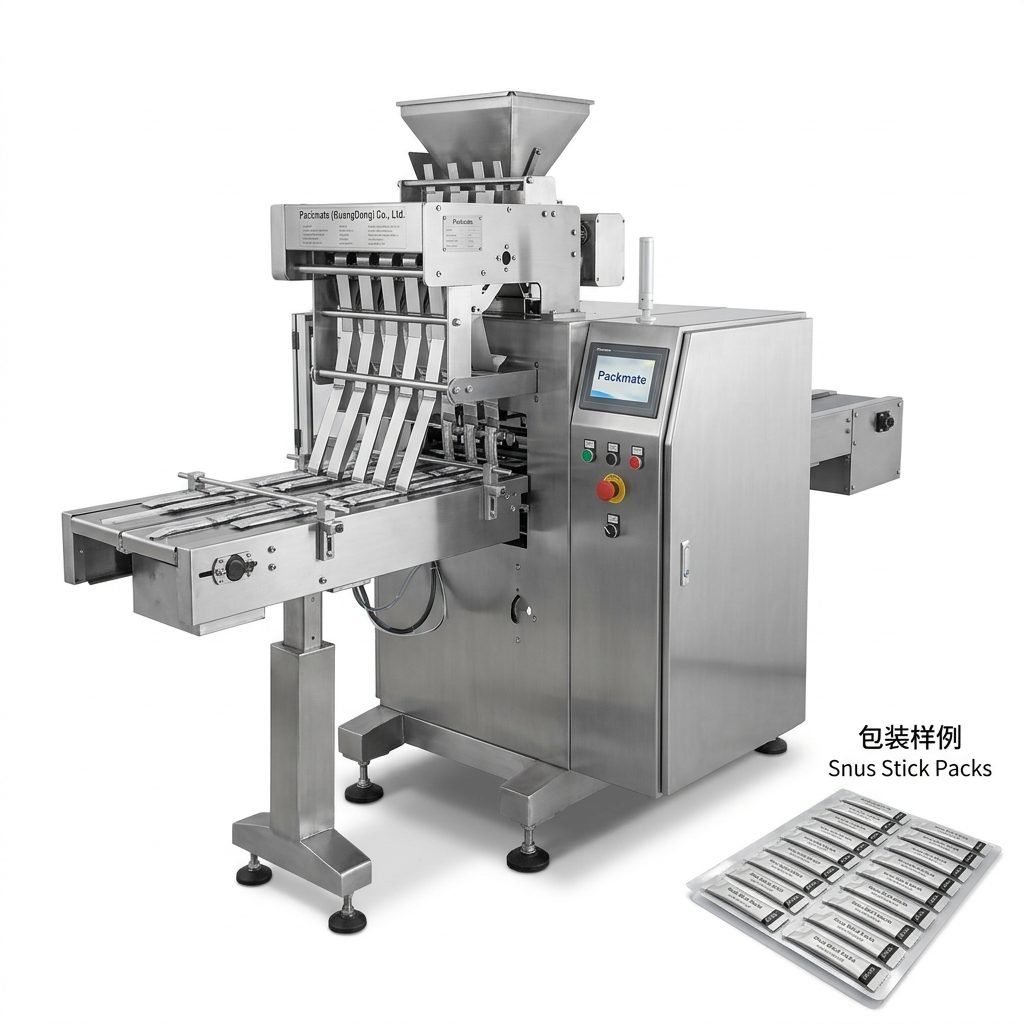
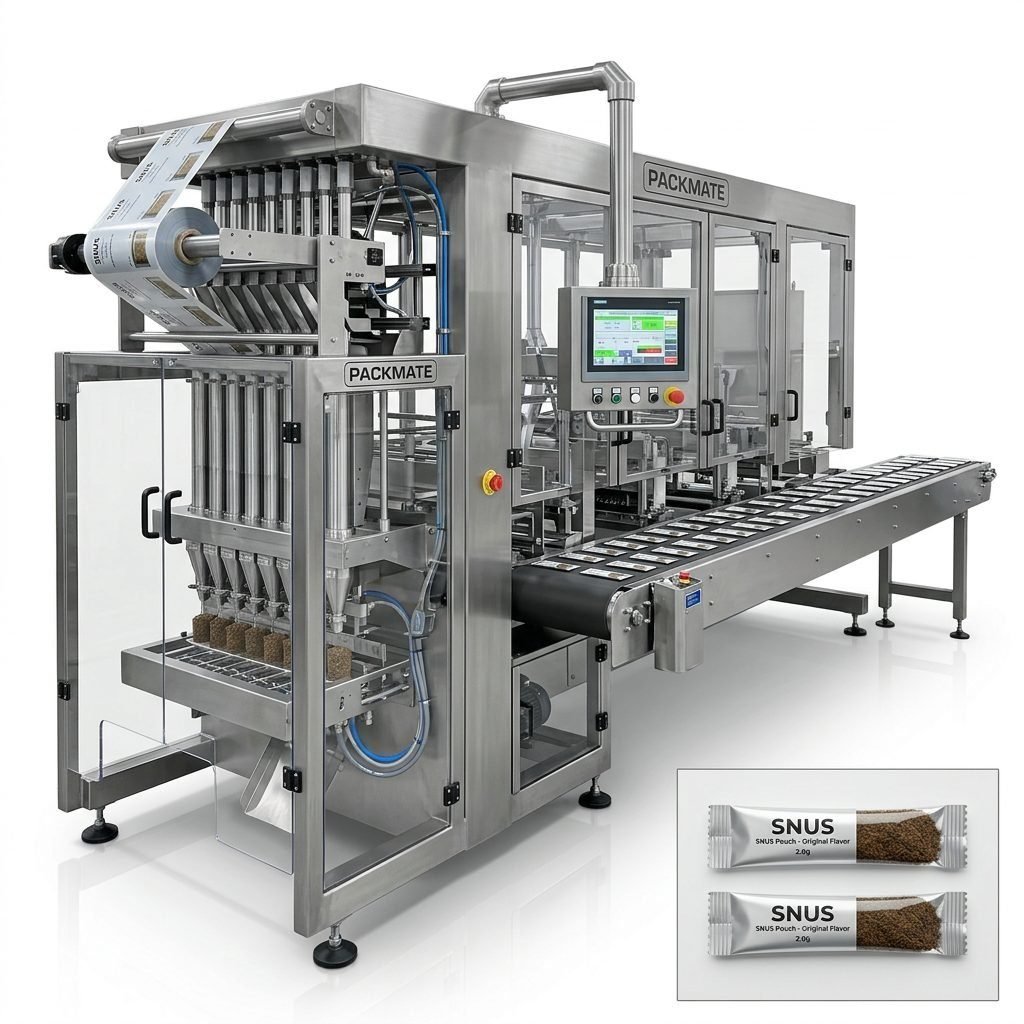
Choosing the right nicotine packaging machine manufacturer is a critical decision that affects product quality, regulatory compliance, production efficiency, and long-term operational cost. Whether you are launching a new nicotine pouch line or scaling up an established snus production facility, this guide walks you through the essential considerations and practical steps to select the best partner for your production needs.
Why the Manufacturer Matters
A packaging machine is not just equipment — it is the backbone of your manufacturing workflow. A reliable manufacturer ensures machines are built to last, deliver consistent fill and seal quality, and integrate smoothly into your production line. Poor selection can lead to unplanned downtime, product waste, regulatory risks, and lost market opportunities.
🔧
Key takeaway:
A well-chosen manufacturer delivers machines that match your product format, throughput targets, and compliance needs — not just the lowest purchase price.
Top Factors to Evaluate
1. Industry Experience & Track Record
Experience in snus and nicotine pouch packaging matters. Look for manufacturers with proven history in nicotine packaging systems, multi-lane pouch solutions, and small-dose handling. A supplier with decades of experience can anticipate common problems like static, dust management, and dosing accuracy for micro-pouches.
2. Machine Range & Customization
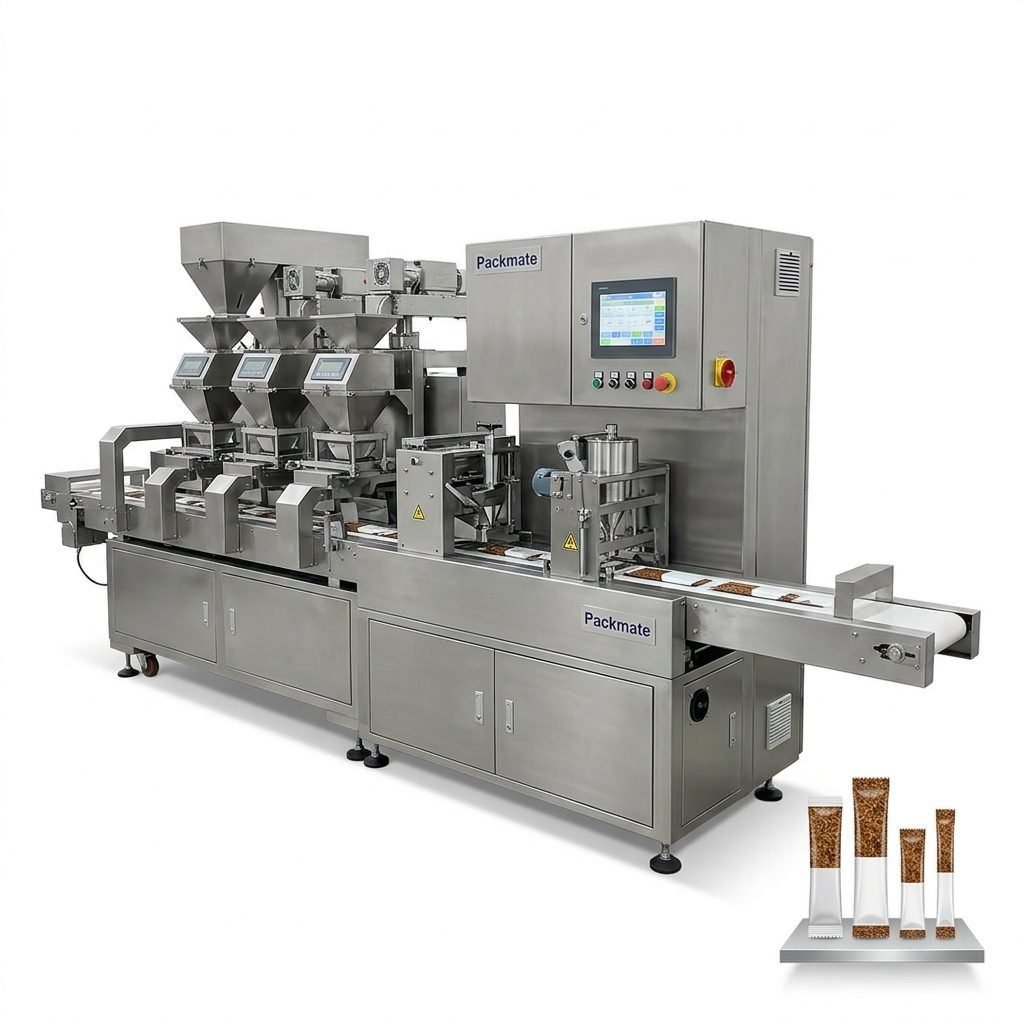
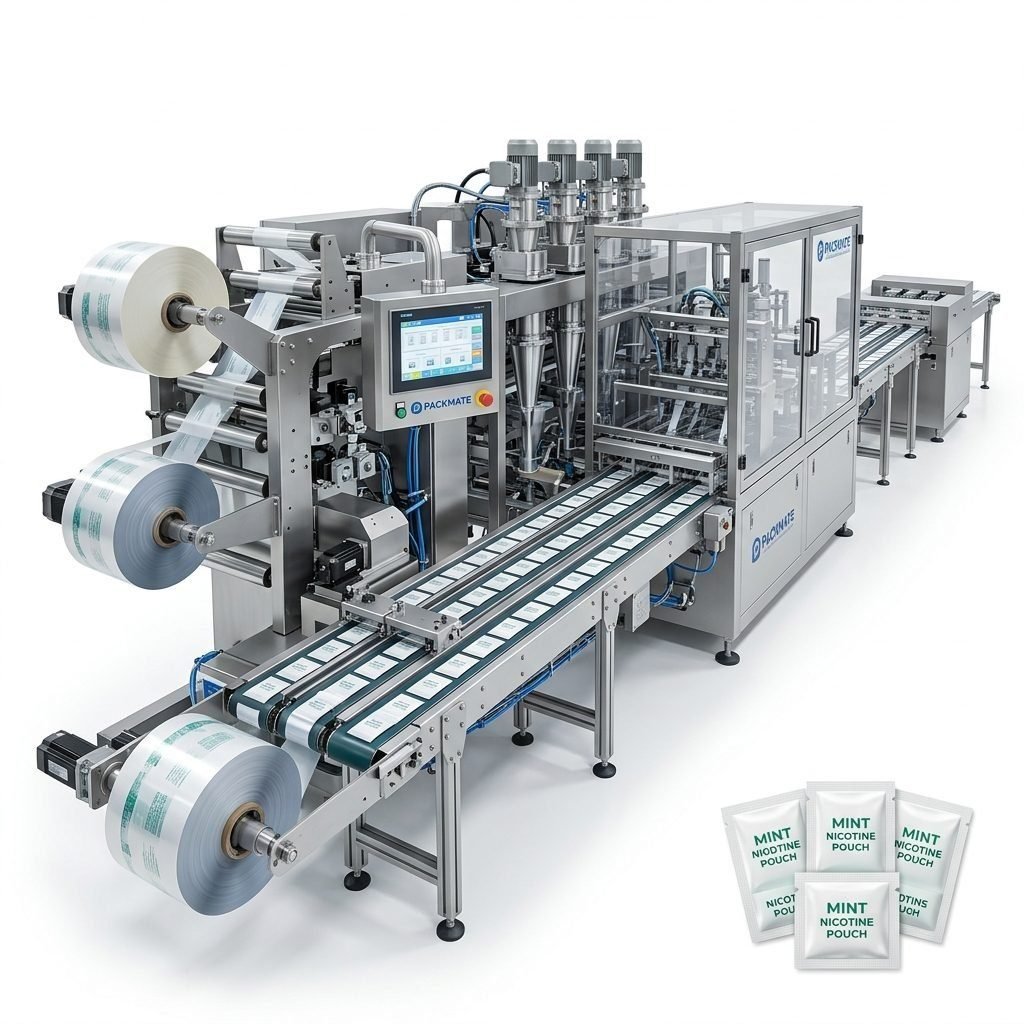
Your needs may evolve from single-lane sachet machines to high-speed multi-lane lines. Ensure the manufacturer offers a wide model range — for example stick pack, sachet, multi-lane snus pouch machines, and supporting auxiliary equipment — and can customize folders, dosing systems, and infeed conveyors for your product geometry.
3. Quality & Certification
CE and ISO certifications are minimum indicators of compliance and quality systems. Ask for documentation, test reports, and references from existing customers. A manufacturer with strict in-house testing and traceability reduces your regulatory risk and eases audits.
4. Manufacturing Capacity & Lead Times
A large, well-equipped factory with CNC machining centers and precision assembly lines shortens lead times and ensures consistent build quality. Confirm production capacity, average delivery timelines, and contingency plans for urgent orders or spare parts supply.
5. After-sales Support & Spare Parts
Downtime can cost far more than the machine. Prioritize manufacturers that offer rapid technical support, training, remote diagnostics, and a robust spare parts inventory. Warranty terms and service SLAs should be clear and written into the contract.
6. Integration & Turnkey Solutions
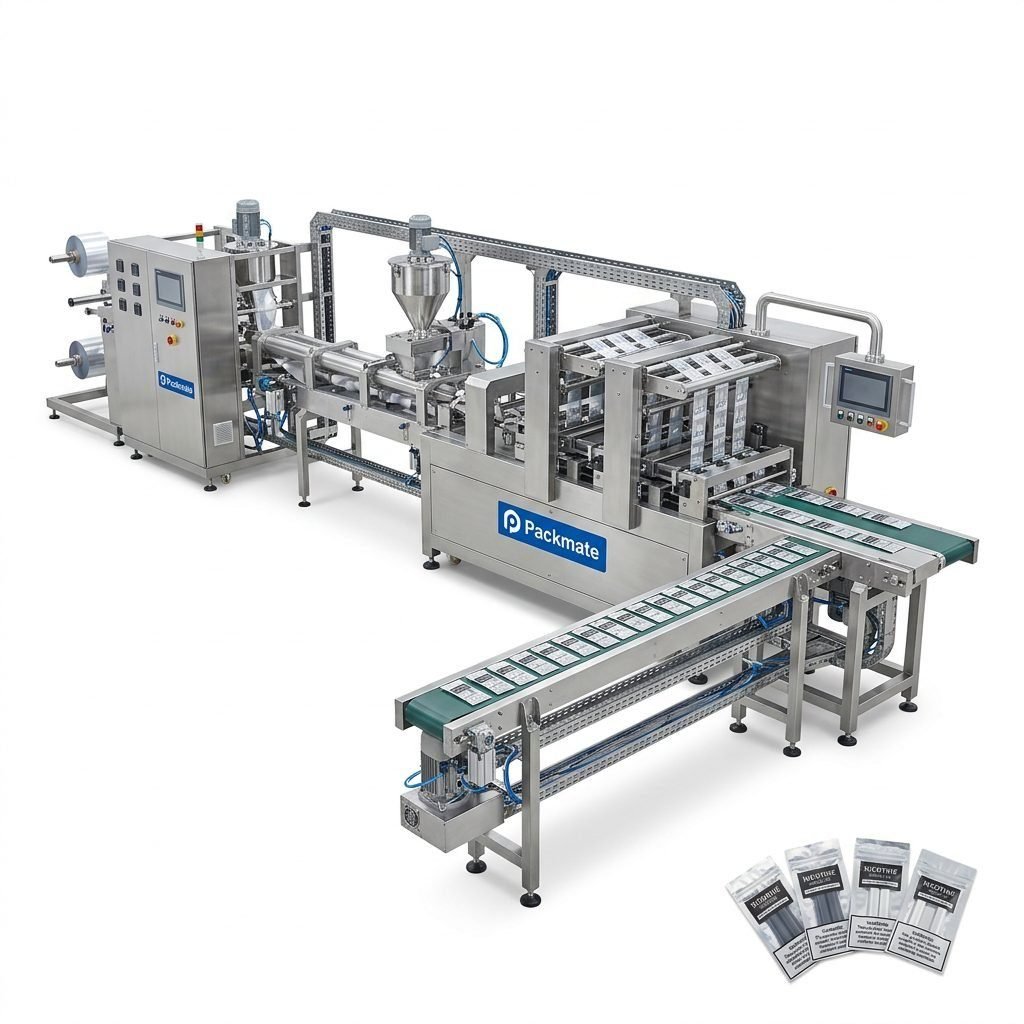
For full production lines, choose a supplier who can deliver integrated solutions: feeders, weighers, fillers, pouchers, end-of-line packing, and automation controls. Turnkey providers simplify project management and reduce compatibility risks.
✅
Checklist highlight:
Verify experience in nicotine pouch formats, access to factory test reports, and the manufacturer’s ability to deliver spare parts within your region.
How to Compare Multiple Suppliers
When you shortlist vendors, use a consistent scoring matrix covering technical fit, price, warranty, references, spare parts lead time, and customization capability. Invite proposals with identical scope so you can compare apples to apples.
Request a Detailed Proposal
The proposal should include machine footprint, electrical and utility requirements, output speed and yield, sample testing results, delivery schedule, training plan, and a clear list of included spare parts. Look for transparency on hidden costs such as installation, import duties, and extended training.
Factory Visit & Factory Acceptance Test (FAT)
A factory visit or video FAT lets you observe assembly standards, test runs, and quality control procedures. During FAT, run your actual product (or a close sample) to validate sealing, dosing, and pouch integrity at target speeds.
⚠️
Do not accept generic testing:
Ensure your nicotine pouch format and dosing are validated during FAT — simulated tests are not sufficient for regulatory or production certainty.
Key Technical Specifications to Confirm
Pay attention to specifications that directly affect product quality and throughput. These include:
- Nominal throughput (pouches per minute) at specified pouch size.
- Dosing precision and acceptable tolerance for small-dose nicotine pouches.
- Material compatibility (laminate types, film thickness, foils).
- Changeover time between sizes and ease of adjustment.
- Hygiene-friendly design, CIP compatibility if applicable, and material finishes.
Commercial Considerations & Total Cost of Ownership
Purchase price is only one component of total cost. Consider installation, commissioning, spare parts, training, energy consumption, and expected lifetime. Machines with robust design and premium components often reduce downtime and maintenance labor, improving long-term ROI.
Warranty, Parts & Service Contracts
Negotiate warranty duration, response times for technical support, and optional service contracts that include preventive maintenance and on-site visits. Clarify who covers travel costs for technicians and how remote support is handled.
Regulatory & Safety Compliance
Nicotine products are subject to specific packaging and labeling regulations in many markets. Confirm the machine’s ability to integrate printing, coding, and labeling systems, and ensure that your chosen supplier supports compliance with local standards and inspection requirements.
Why Packmate Snus Machine is a Strong Candidate
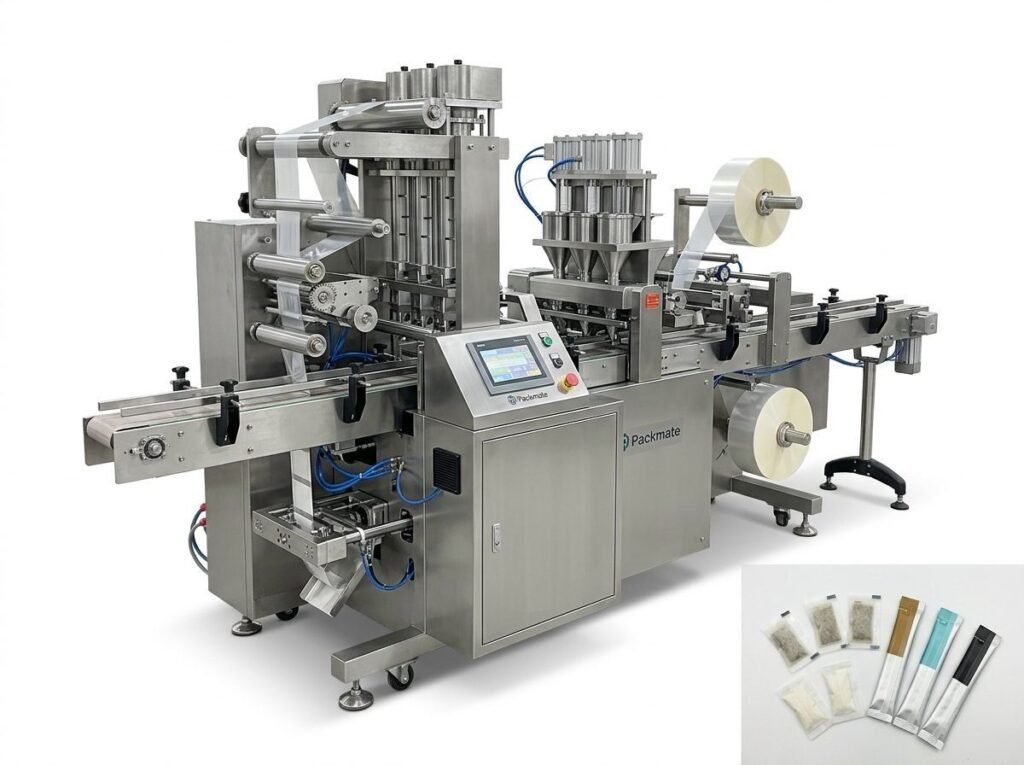
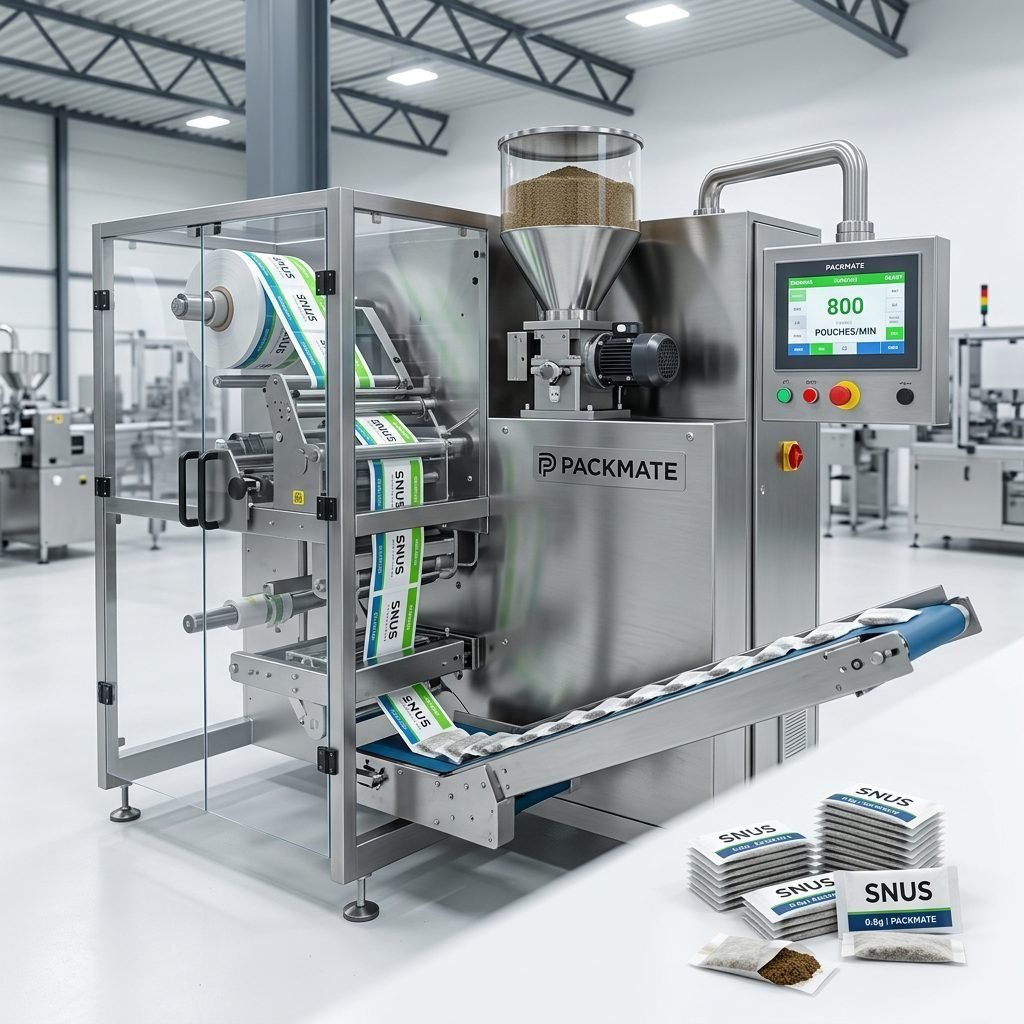
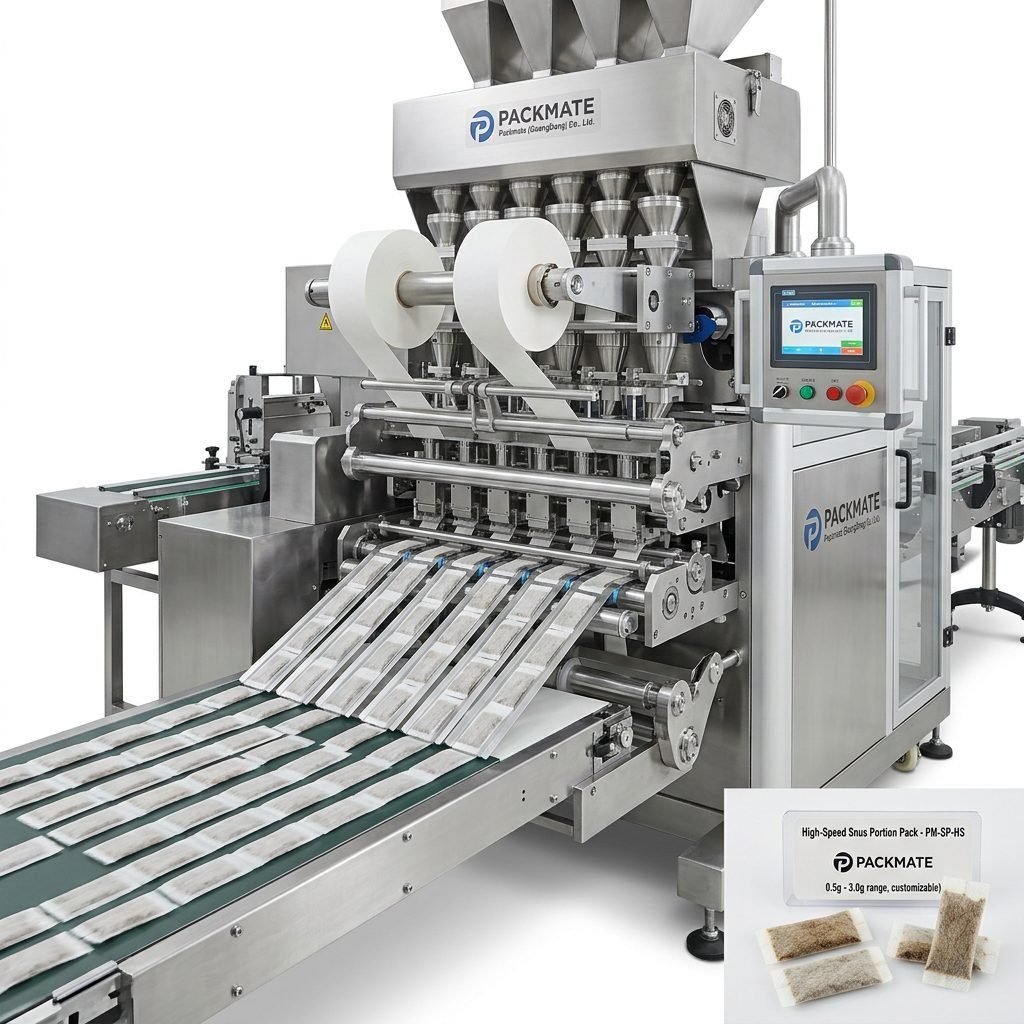
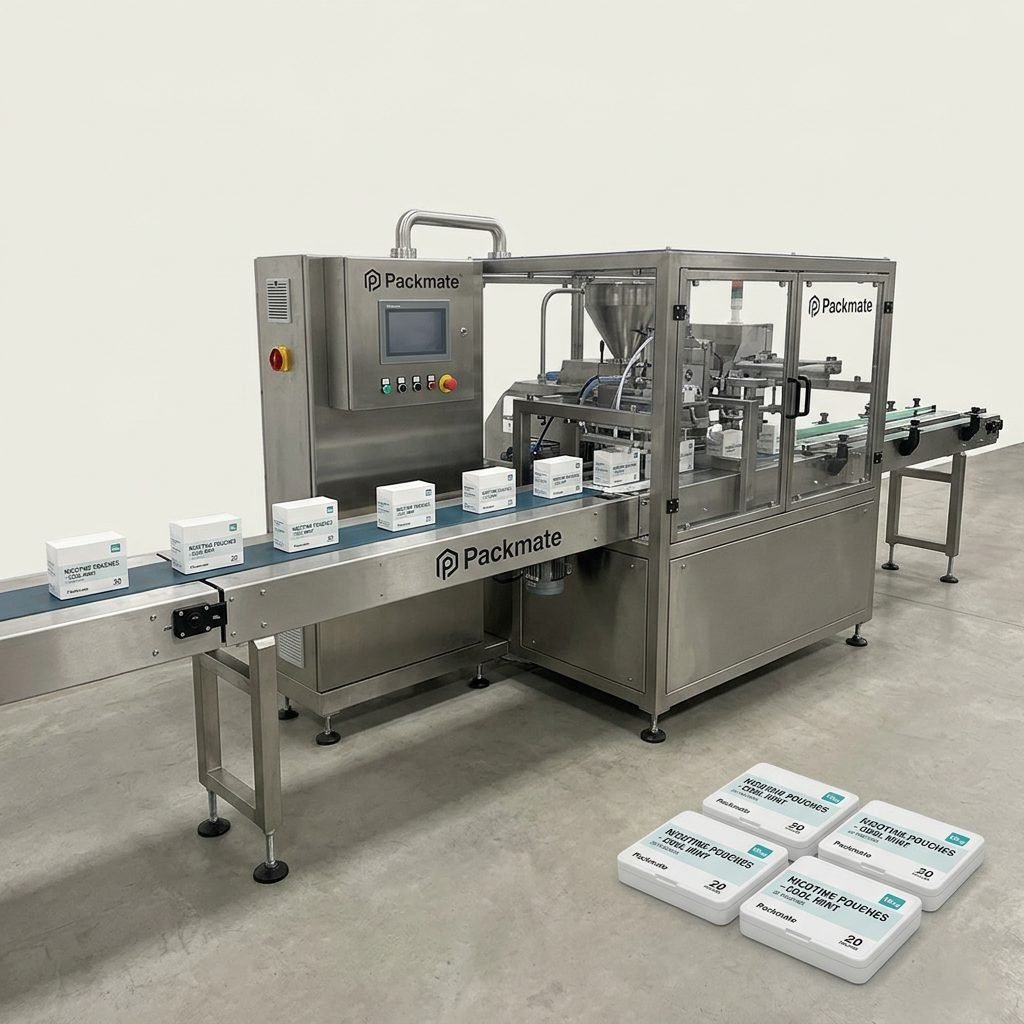
Packmate Snus Machine brings over 30 years of engineering experience in packaging machinery, specializing in snus and nicotine pouch systems. Their factory footprint, advanced CNC machining centers, and 50+ machine models enable them to deliver both standard and fully customized turnkey solutions.
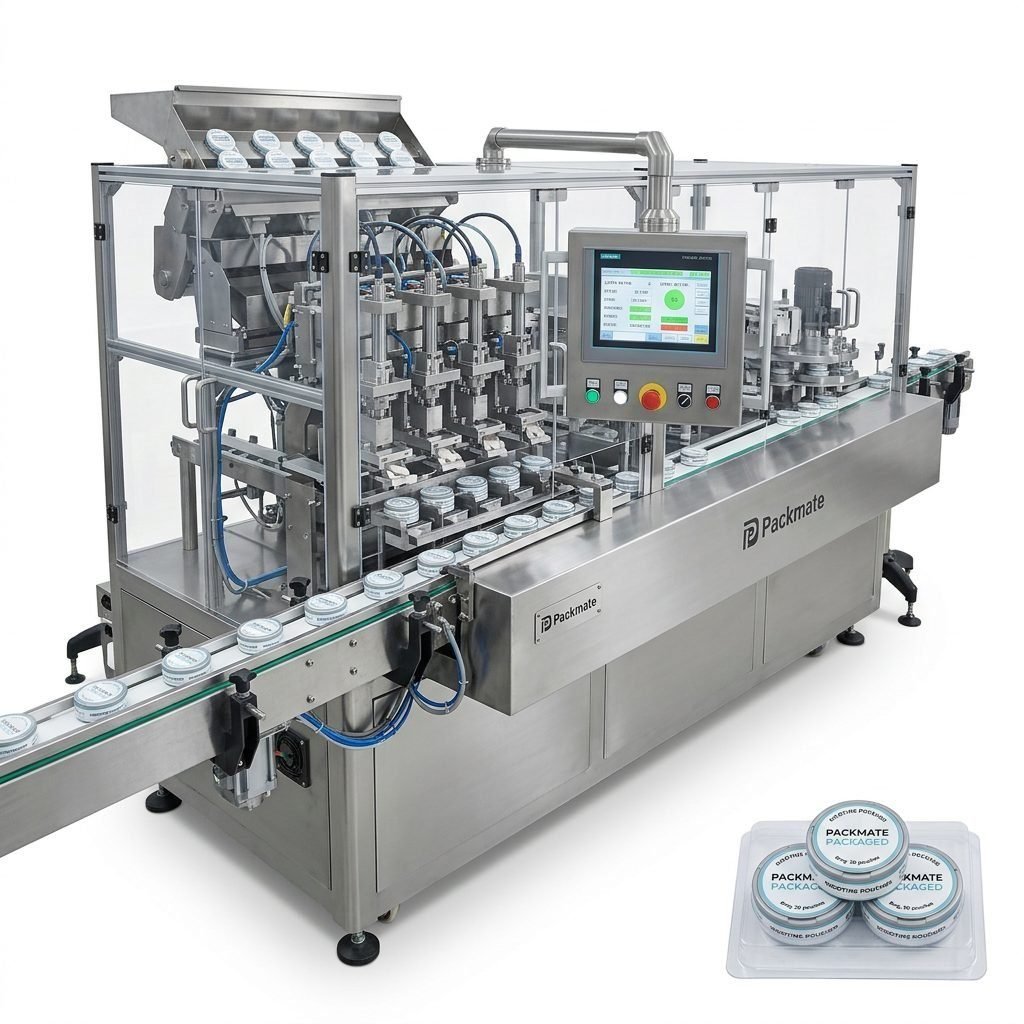
Explore Packmate’s product pages for specific equipment options: Snus & Nicotine Packaging Machines, Bag & Pouch Packaging Machines, and Project Cases to review real-world installations.
Factory Capabilities
With a 20,000㎡ facility, strict quality control systems, and CE/ISO-compliant processes, Packmate can support high-precision multi-lane systems and deliver machines tested under realistic production conditions. Their background in automated production lines reduces integration complexity when scaling operations.
📞
For inquiries and project consultations, see Contact Us.
Practical Steps to Finalize Your Decision
Step 1 — Define Your Requirements
Document pouch formats, desired output, film types, labeling needs, and footprint constraints. Include expected product growth to ensure scalability.
Step 2 — Shortlist Suppliers & Request Proposals
Use the same specification sheet for each vendor to obtain comparable proposals. Include FAT requirements and acceptance criteria in the RFQ.
Step 3 — Validate Through FAT & References
Run FAT with your product, check references for similar installations, and review spare parts availability and lead times.
Step 4 — Negotiate Commercial Terms
Include delivery milestones, acceptance testing, detailed warranty terms, training and commissioning scope, and penalties for late delivery if applicable.
Common Implementation Pitfalls and How to Avoid Them
New packaging lines can suffer from unclear changeover procedures, underestimated utility needs, and insufficient operator training. Avoid these by documenting changeover steps, verifying electrical/air requirements early, and planning comprehensive on-site training during commissioning.
📦
Use a pilot run after installation to calibrate dosing, sealing, and labeling before moving to commercial batches.
Sourcing Spare Parts & Consumables
Confirm the availability of consumables such as sealing jaws, cutting blades, belts, and sensors. Ask for a recommended spare parts list and lead times; ensure critical items can be stocked locally or shipped quickly.
Long-term Partnership Considerations
The best manufacturer is not only a vendor but a partner. Look for suppliers who invest in continuous improvement, software updates, remote support tools, and who share case studies of successful upgrades and retrofits.
For broader system options including weighing and filling modules, consider reviewing supplier product lines such as Weighing & Packaging Systems and Filling & Packaging Lines.
Final Recommendations
Choose a manufacturer that aligns with your strategic growth, provides transparent testing and documentation, and offers dependable after-sales support. Prioritize long-term reliability and regulatory compliance over a minimal upfront price. A partner with deep experience in snus and nicotine pouch packaging reduces deployment risk and improves time-to-market.
Further Reading & Resources
Check the manufacturer’s catalogs and exhibitions to evaluate new models and see live demonstrations: About Packmate and Our Exhibition.
Frequently Asked Questions
Q1: How long is the typical lead time for a customized snus packing line?
Lead times vary with customization level and factory workload; expect 12–24 weeks for a fully customized turnkey line. Confirm milestones and shipping schedules in your purchase contract.
Q2: What is included in a Factory Acceptance Test (FAT)?
A FAT typically includes assembly verification, electrical checks, safety interlocks testing, and running the actual product at target speeds to validate sealing, dosing, and output yield. Insist on documented acceptance criteria.
Q3: How can I ensure regulatory compliance for nicotine packaging?
Work with manufacturers who understand labeling integration and can supply compatible coding and serialization modules. Maintain documentation of machine specifications, material compatibility, and FAT results to support audits.
Q4: Is on-site training provided after installation?
Most reputable suppliers include operator and maintenance training during commissioning. Confirm training scope, language options, and whether additional training packs are available for new staff.
Q5: How many spare parts should I stock initially?
Start with a conservative spare parts package covering cutting knives, belts, sealing jaws, and key sensors for 3–6 months of operation. Adjust inventory based on actual wear rates observed during the first production cycles.