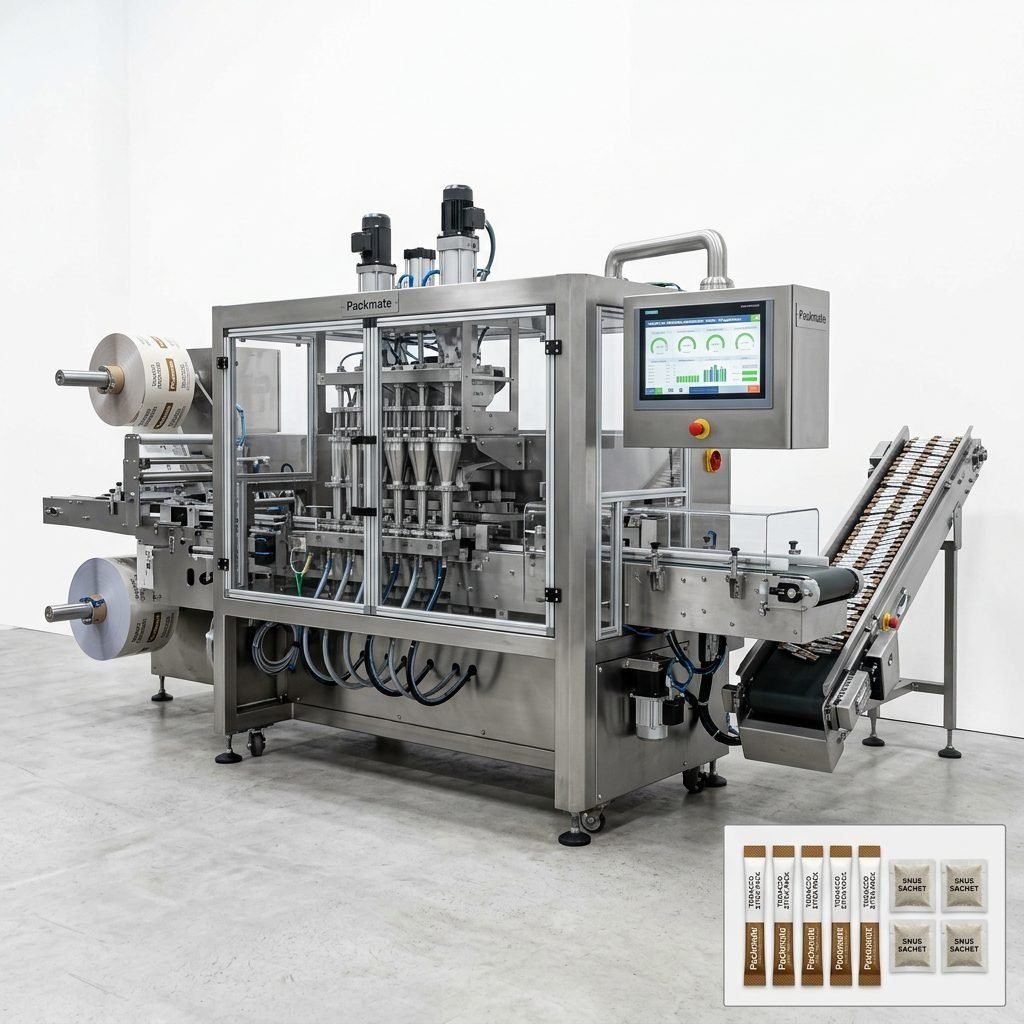
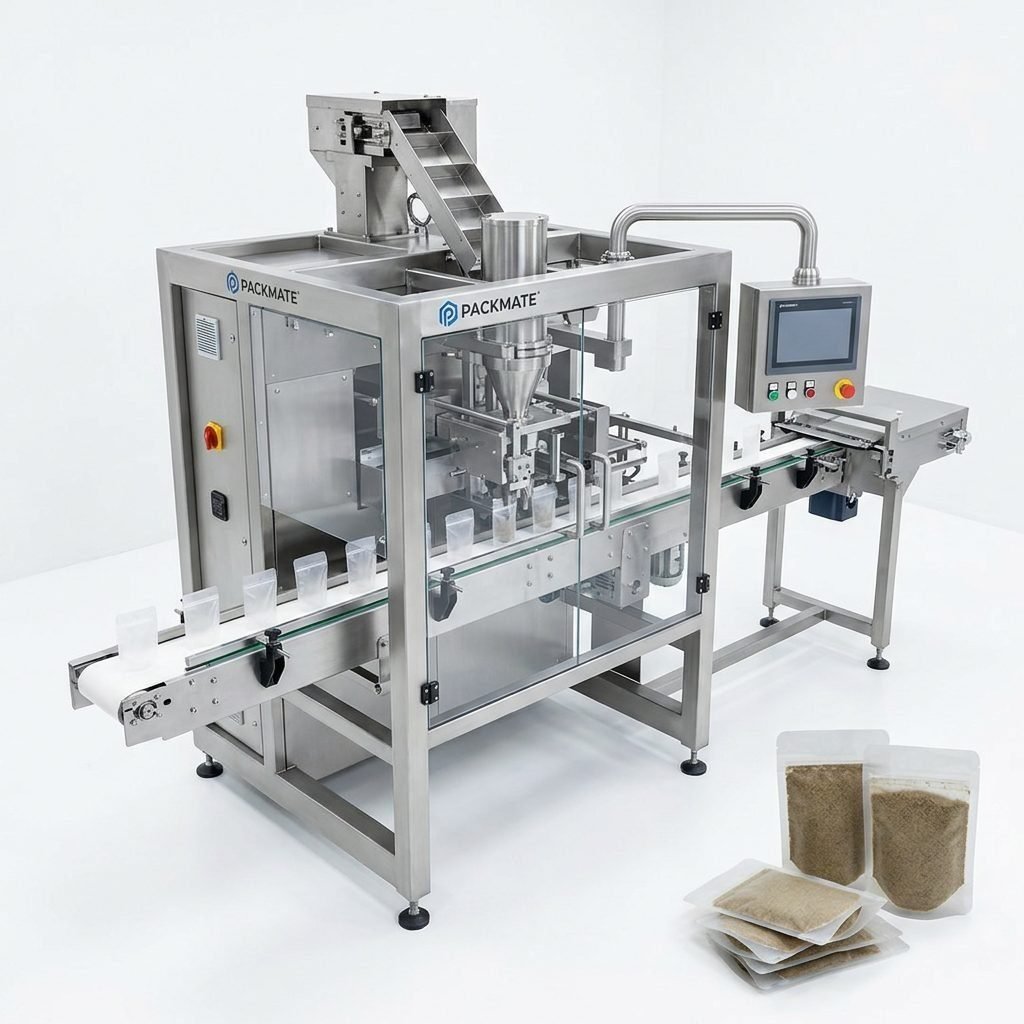
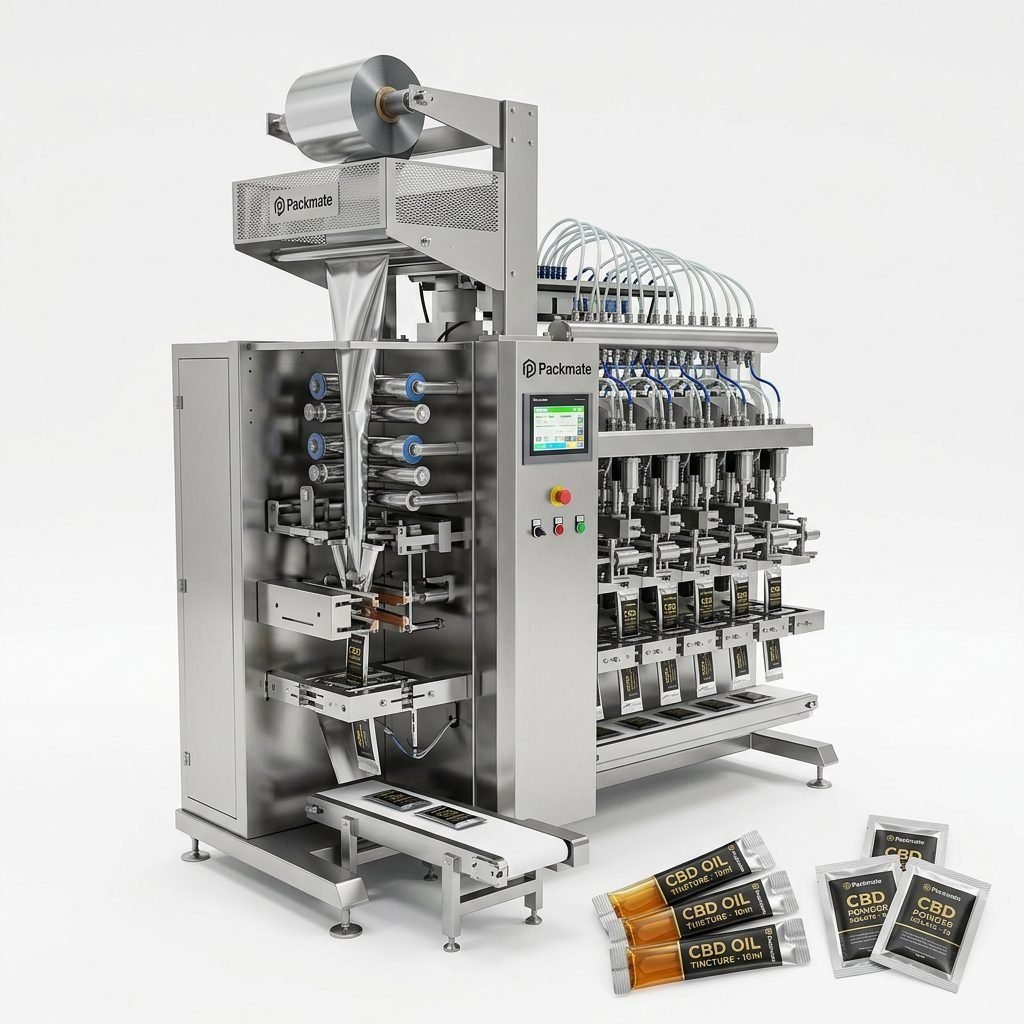
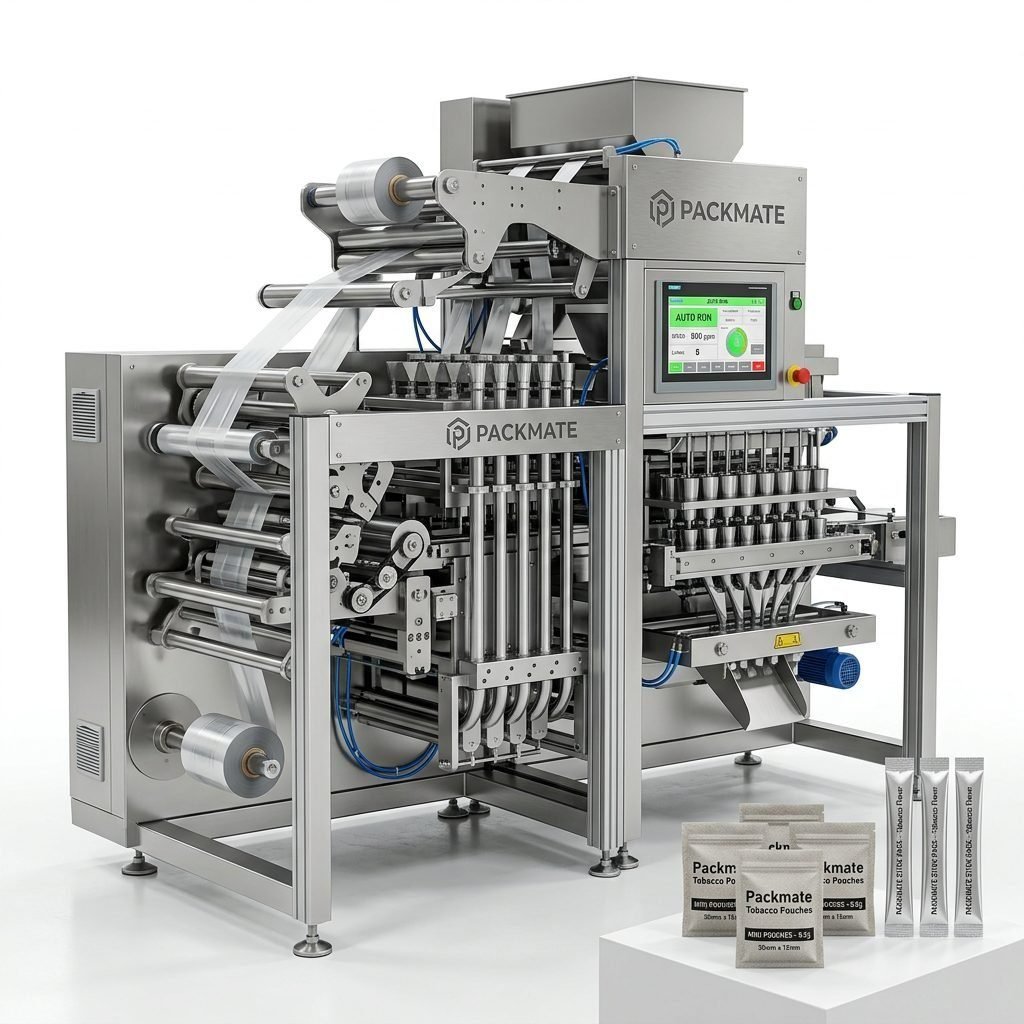
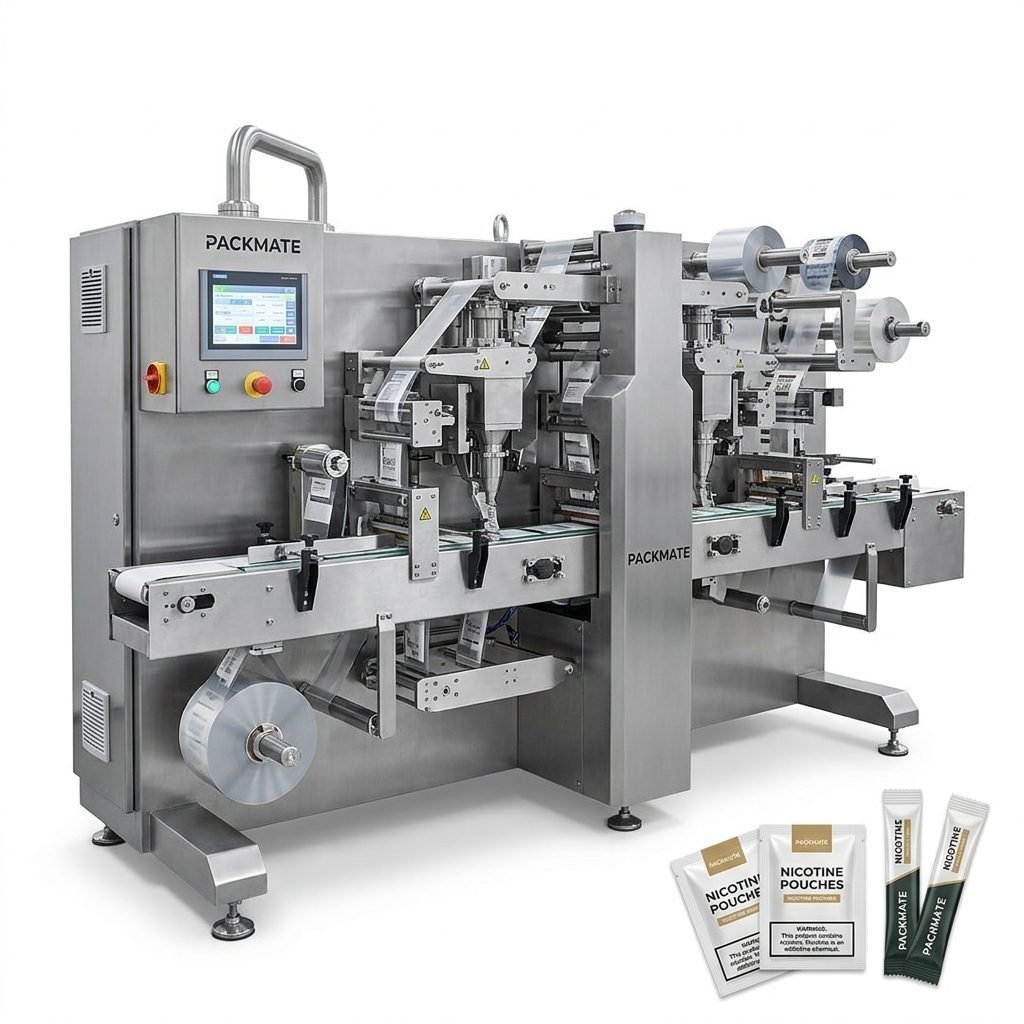
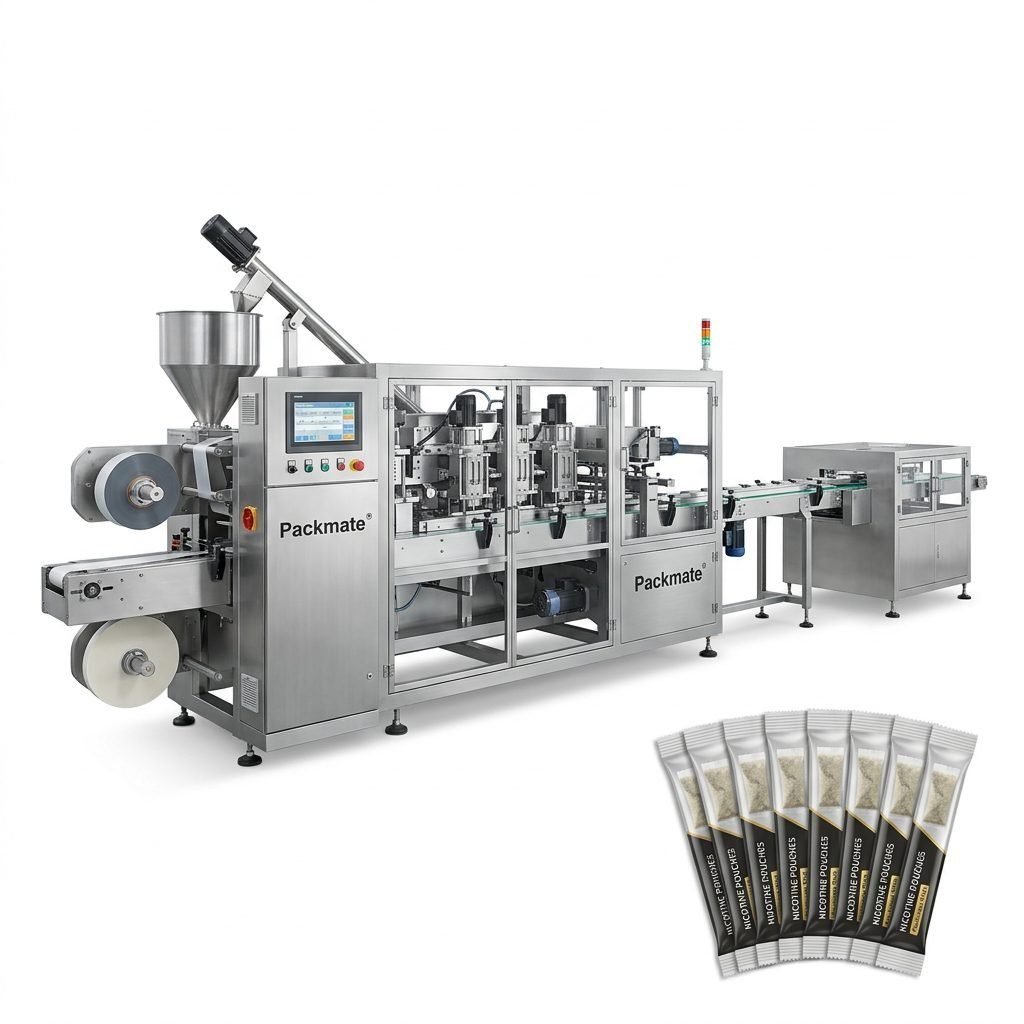
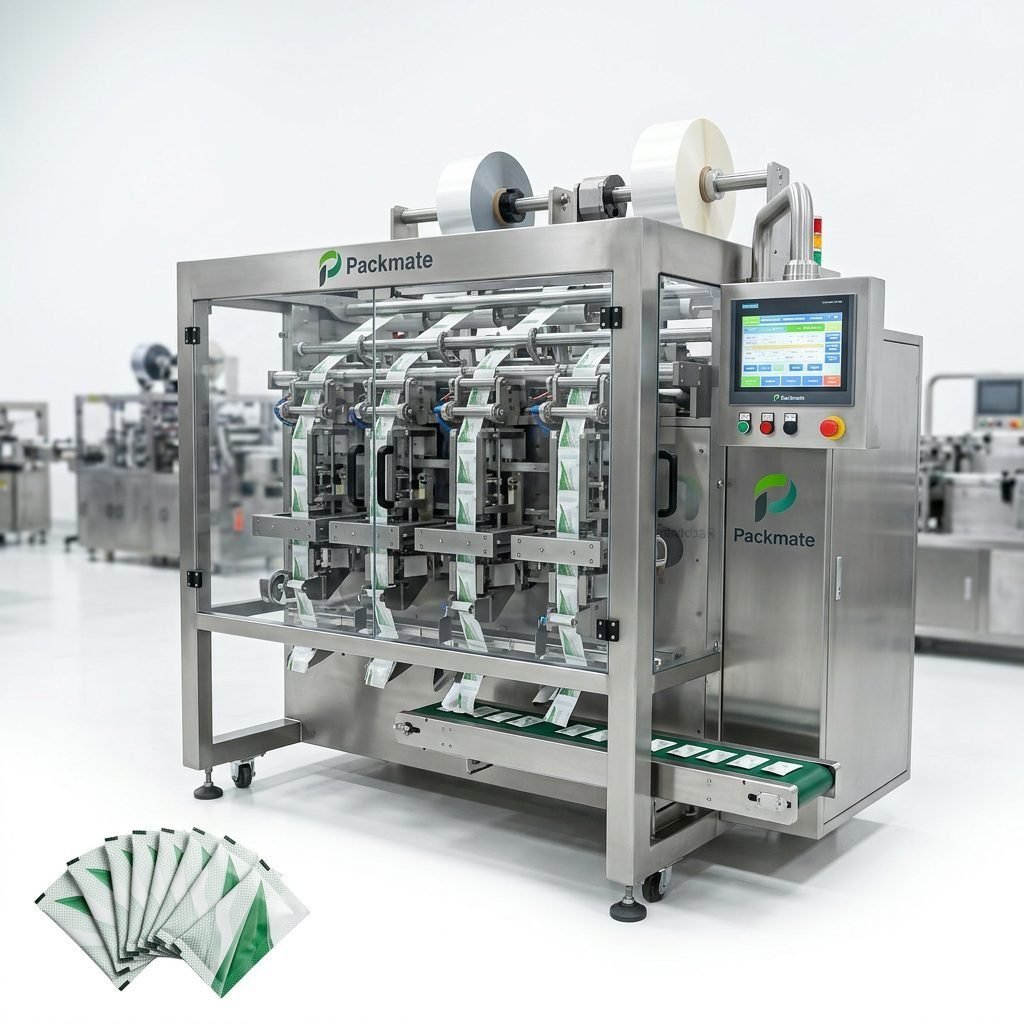
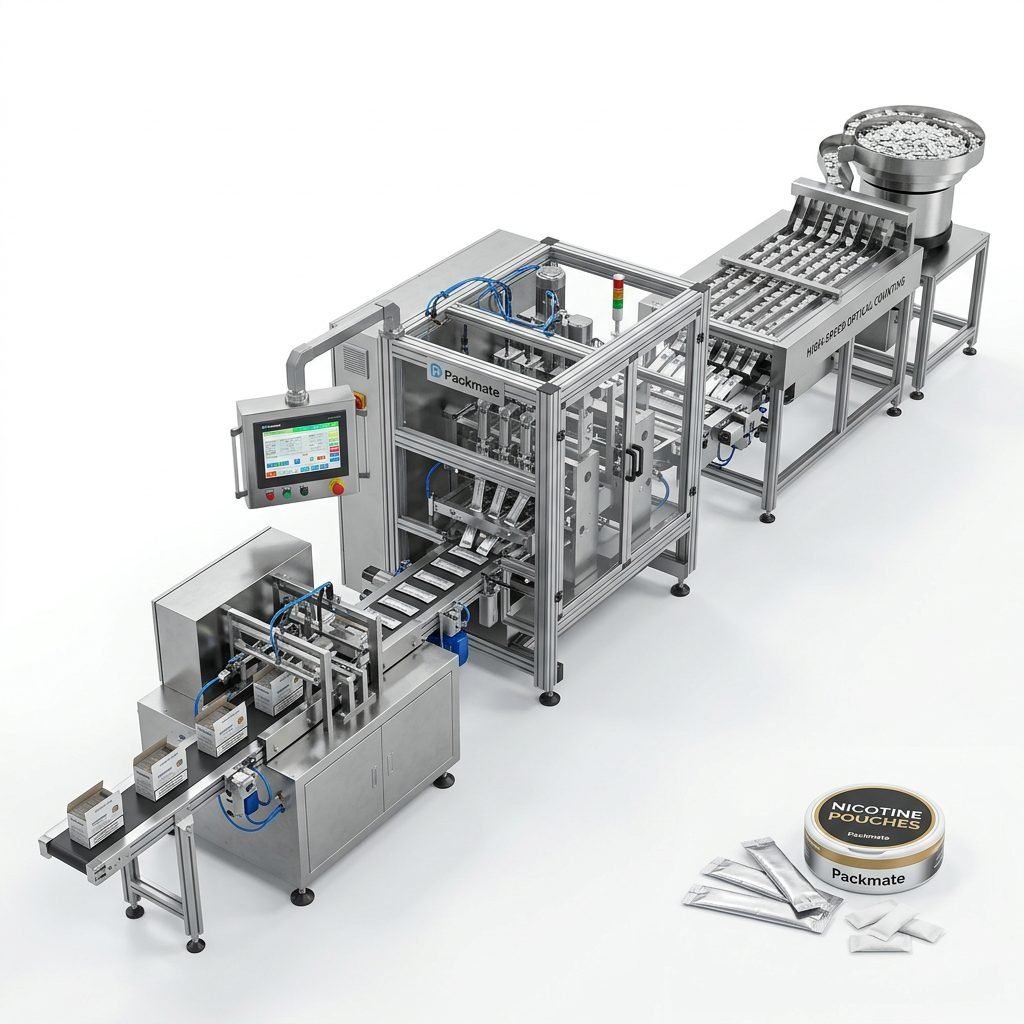
Choosing the right nicotine packaging machinery supplier for a factory in the Solomon Islands requires more than comparing price tags. Local climate, shipping logistics, customs, cultural business practices, after-sales support and machine reliability all matter. This guide walks you through practical, supplier-focused criteria and step-by-step evaluation strategies so you can confidently select a partner that delivers long-term performance and smooth operations for your nicotine pouch or snus production line.
Understand the Solomon Islands Context
The Solomon Islands is a Pacific nation with a tropical climate (high temperature and humidity), an island geography that relies on regular sea freight, and business customs that favor trusted relationships and clear communication. When evaluating suppliers, consider how their machines and services adapt to:
🔸 High humidity and salt-air corrosion — choose equipment and materials treated for corrosion resistance.
🔸 Shipping by sea and transshipment delays — plan for robust packaging, spares onboard, and clear customs documentation.
🔸 Local skills and language — ensure training programs and manuals are accessible, and on-site support can be arranged.
Why climate and logistics change supplier priorities
Machines that run flawlessly in dry, continental factories may face issues in humid island environments. Focus on suppliers that explicitly address tropical operation: sealed bearings, stainless contact parts, dehumidified control cabinets, and local-friendly maintenance schedules. Also verify whether the supplier has experience exporting to Pacific nations or island economies — they will better understand shipping lead times, packaging, and documentation.
Key Supplier Evaluation Criteria
Below are practical checkpoints to screen suppliers efficiently. Use them when requesting quotes and during vendor visits or video inspections.
✅ Manufacturing strength & experience — look for proven capacity and decades of engineering experience.
Packmate Snus Machine (for example) highlights 30+ years of engineering and a 20,000㎡ manufacturing facility with advanced CNC and precision assembly. A large, well-equipped factory is often a good indicator that the supplier can handle customization, spare parts supply, and consistent quality.
✅ Certifications & standards — CE, ISO or other compliance certificates matter for safety and export compatibility.
Always ask for copies of certifications and enquire if their machines meet electrical and safety standards recognized by Solomon Islands import authorities. CE and ISO certifications show established quality systems and internationally accepted compliance.
✅ Product range & specialization — ensure the supplier offers machines for nicotine pouches, snus, and related packaging lines.
Suppliers with a targeted focus on snus & nicotine packaging typically provide better-tuned solutions for dose accuracy, pouch sealing, multi-lane throughput and gentle handling. Browse product pages like Snus & Nicotine Packaging Machines and Sachet & Stick Pack Machines for options and technical specs.
✅ Turnkey solutions & system integration — look for suppliers who provide complete lines: weighing, filling, packaging and auxiliary equipment.
A single-vendor turnkey approach reduces integration risk. Packmate’s portfolio includes weighing & packaging systems and auxiliary equipment, which simplifies commissioning and support. See Weighing & Packaging Systems for examples.
Checklist when requesting quotes
• Detailed machine specifications, including materials touching product, mean time between failure (MTBF), and recommended maintenance intervals.
• Shipping terms (FOB/FCA/CIF) and estimated lead times to Honiara or other island ports.
• Included training, spare part kits, remote support capabilities and warranty specifics.
Assess Technical Fit: Machine Types & Production Goals
Decide what product formats and capacities you need before comparing machines. Common packaging formats for nicotine and snus include single sachets, stick packs and multi-lane pouch systems. Important technical questions:
🔧 What daily throughput do you require? (pieces/hour and shift plans)
🔧 Do you need multi-lane systems for small-dose pouches?
🔧 Is powder, granule, wet-fill or pre-formed pouch filling required?
🔧 Are hygiene and material traceability important due to local regulation or export plans?
Tip: Ask for case studies or references for the exact machine model and product type you plan to run — real-world experience is invaluable.
Customization & Future Expansion
Choose suppliers who can adapt machines for humidity control, corrosion-resistant coatings, or different local power systems. Confirm how easy it is to add lanes, increases speeds, or integrate upstream/downstream equipment later. The ability to upgrade without full replacement protects your initial investment.
Service, Training & Spare Parts — Non-negotiables
Successful long-term production depends on fast, competent service and ready access to spare parts. For the Solomon Islands, where lead times can be long, require:
📦 A starter spare parts kit included with the machine shipment.
Ask the supplier for a recommended list of spare parts to keep locally, estimated consumption rates, and the cost/time to ship replacements. Ideally, the supplier offers a spare parts package that ships with the machine to avoid early production stoppages.
🔧 Remote support & training — ensure the supplier provides remote diagnostics and structured training for local technicians.
Suppliers like Packmate emphasize on-site commissioning, training and long-term technical support. Arrange for remote video troubleshooting, software access, and clear documentation in English (and any local languages needed).
Service expectations to confirm
• Warranty period and what it covers; response times for remote and onsite service.
• Training scope: operators, maintenance staff, and spare parts handling.
• Availability of manuals, PLC programs and spare parts catalogs.
Commercial & Logistical Considerations for Island Buyers
The commercial offer should include clear shipping responsibilities, incoterms, and expected transit times to the Solomon Islands ports. Ask about:
🌊 Sea-ready packaging and corrosion protection for long transit through humid tropical environments.
🚢 Recommended freight routes, carrier options, and how they handle port transshipment.
🧾 Complete export documentation to speed up customs clearance and avoid demurrage fees.
Important: verify voltage and electrical standards — many island operations require machines adaptable to local supply or a clear plan for voltage transformers and frequency differences.
Cultural and Relationship Factors in Supplier Selection
Business in the Solomon Islands often depends on trust, reliability and clear communication. Suppliers who invest in relationship-building and transparent project management will reduce friction:
🔹 Provide a dedicated point of contact for your project.
🔹 Offer regular progress updates during manufacturing and shipping.
🔹 Be willing to coordinate with local agents or partners to ease installation and customs clearance.
Local partnerships and aftercare
Consider suppliers who can recommend or work with regional service partners or distributors. If the supplier has exhibition presence and global customers, it indicates broader support and demonstrated reliability — check their exhibition participation and case histories like those available on the vendor’s site (Our Exhibition, Case).
Factory Visit or Virtual Audit — What to Inspect
If possible, perform a factory visit or request a live virtual audit. Key areas to inspect:
🔍 Quality of machining and assembly lines (e.g., advanced CNC centers).
🔍 Finished machines run-through and sample packaging tests.
🔍 Inventory of spare parts and warehousing practices.
🔍 Documentation control, CE/ISO certificate display, and test records.
Ask to watch a production run of your specific product type if available — seeing the machine handle similar materials and formats is the most convincing proof of fit.
Negotiation Tips & Contract Essentials
Negotiate clear contractual terms for delivery, acceptance testing, performance guarantees and remedies for non-conformance. Include:
• Acceptance tests and KPIs to be performed at factory or upon commissioning.
• A clear list of spare parts, manuals and training deliverables.
• Payment milestones tied to manufacturing progress and successful commissioning.
• Defined warranty period with response time commitments for remote/onsite support.
Pro negotiation point
Request a small spare parts consignment to be shipped with the first machine container at no extra cost — this reduces early downtime risk and demonstrates supplier commitment.
Why Choose an Experienced Snus/Nicotine Specialist?
Specialist manufacturers bring domain knowledge: dosing accuracy for small nicotine pouches, gentle pouch handling, and hygienic design. Packmate’s product focus on snus and nicotine pouch packing machines, along with 50+ machine models and turnkey solutions, is an example of the advantages a specialist offers — from tailored multi-lane systems to complete production lines including Filling & Packaging Lines.
Advantage summary: specialist suppliers shorten commissioning time, reduce product-specific troubleshooting, and deliver higher first-pass yields.
Final Selection Steps
1) Shortlist suppliers meeting technical and service criteria.
2) Request detailed proposals including export packaging, spares, training, warranty and acceptance tests.
3) Perform factory or virtual audits and check references in similar climates or island markets.
4) Negotiate contract terms that protect your production start-up, spare parts availability and after-sales response times.
Quick resource links
For more technical detail and supplier background, visit the manufacturer’s about and contact pages: About Packmate, review product families at Bag & Pouch Packaging Machines, and contact the sales team via Contact Us.
Conclusion
Selecting the best nicotine packaging machinery supplier for a Solomon Islands factory is a multi-dimensional decision. Prioritize suppliers with tropical-ready designs, robust manufacturing capabilities, comprehensive spare parts and training, and proven export experience to island markets. Strong communication and reliable after-sales support are equally important — they ensure your line runs smoothly despite logistical challenges and local environmental conditions.
Frequently Asked Questions (Common Concerns)
Q1: How long is the typical lead time for custom snus packaging machines shipped to the Solomon Islands?
A1: Typical manufacturing lead time can range from 8–16 weeks depending on customization and current orders; add sea transit time and customs clearance for island delivery. Confirm timelines in writing and include buffer for packing and shipping.
Q2: What spare parts should be kept locally to minimize downtime?
A2: Keep common wear parts (seals, belts, fuses, sensors), a few critical mechanical spares, and essential electrical components. A supplier-provided starter kit shipped with the machine is highly recommended.
Q3: Can suppliers provide local training and remote support tailored for island operations?
A3: Most established suppliers offer on-site commissioning and training, with ongoing remote diagnostics. Verify language support, training scope and whether follow-up visits are available.
Q4: Are machines for nicotine pouch packing compliant with international safety standards?
A4: Reputable manufacturers provide CE, ISO and other certifications. Request documentation and confirmation that electrical and safety features meet import and workplace safety expectations in the Solomon Islands.