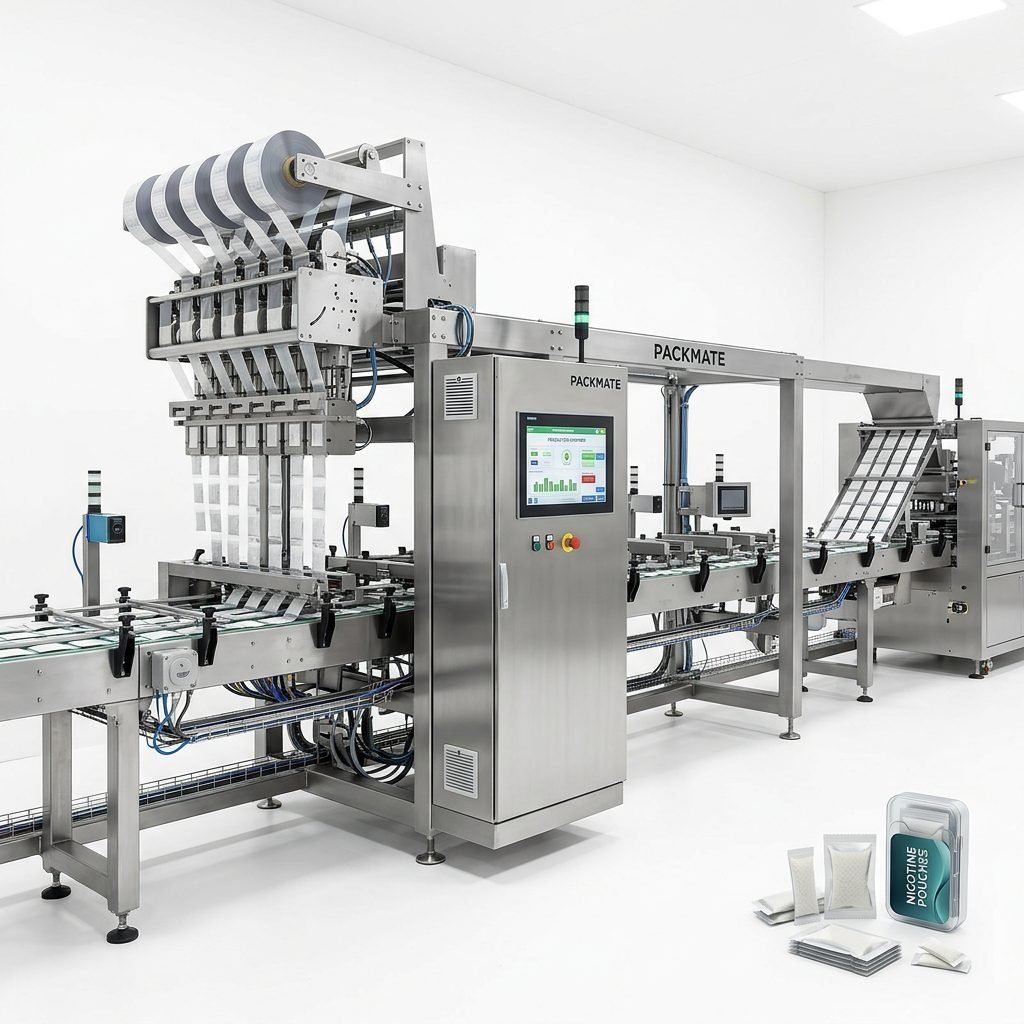
Choosing the right nicotine packaging machinery supplier in Brunei is a strategic decision that affects product quality, regulatory compliance, production uptime, and long-term profitability. For local businesses — whether you are launching a nicotine pouch brand, expanding a smokeless product line, or upgrading an existing packaging line — understanding technical requirements, local customs, regulatory pressures, and supplier capabilities is essential. The following guide walks you through practical steps and evaluation criteria to help you select a supplier who can deliver reliable machines, compliant solutions, and effective after-sales support in Brunei’s specific market environment.
Understand Brunei’s Market & Regulatory Context
Brunei is a conservative, predominantly Muslim state with strict public health regulations and careful scrutiny of tobacco and nicotine products. Before investing in packaging machinery, confirm local rules on nicotine pouch sales, display, labeling, and importation. Suppliers that understand export restrictions, halal labeling concerns, and sensitive marketing norms will reduce your compliance risk. Tip: prioritize suppliers who can advise on packaging formats that minimize regulatory friction and respect cultural norms.
Practical local considerations
• Distribution channels in Brunei are more limited than in larger markets — compact, efficient packaging lines (multi-lane, high-speed sachet or stick pack systems) can lower logistic costs.
• Conservative advertising rules mean packaging must be discrete and compliant; invest in machines capable of producing clean, consistent prints and tight seals for unit-dose pouches.
Decide What Machine Types Fit Your Product Mix
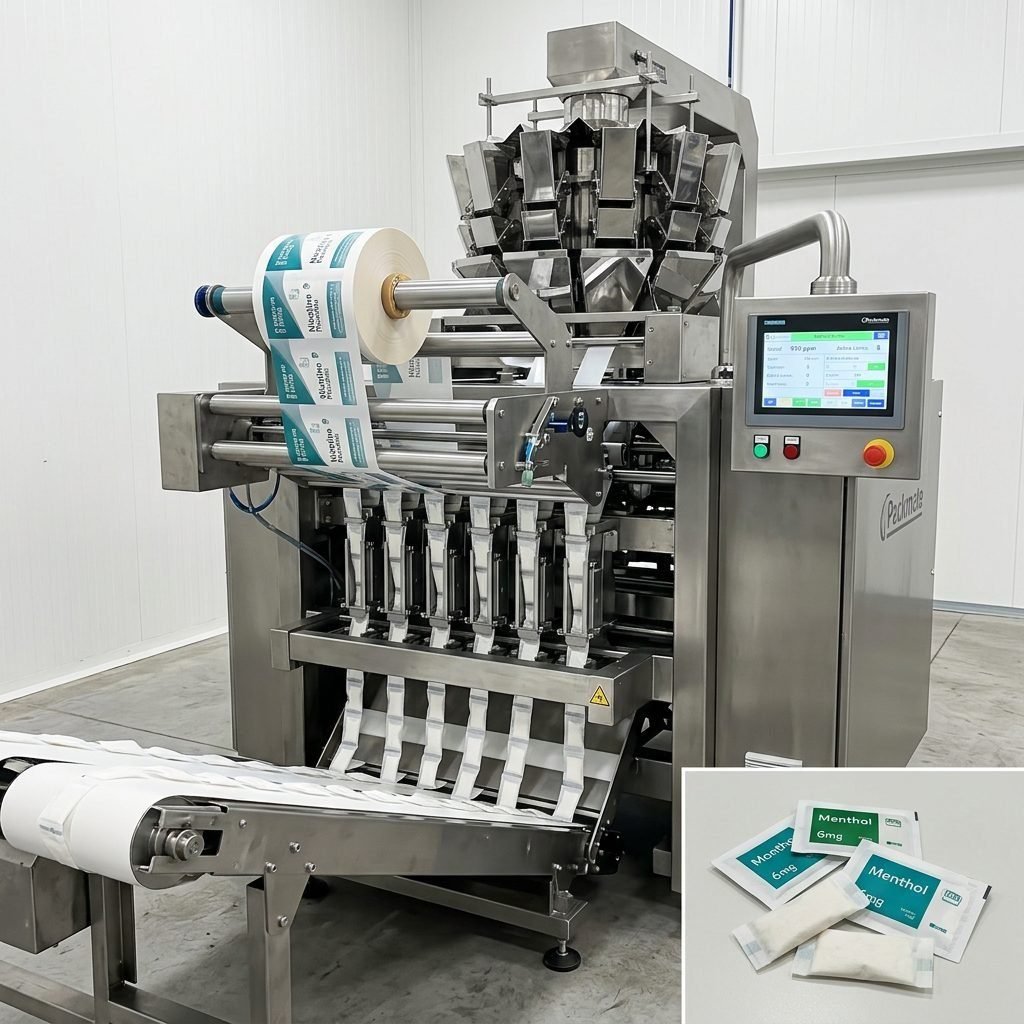
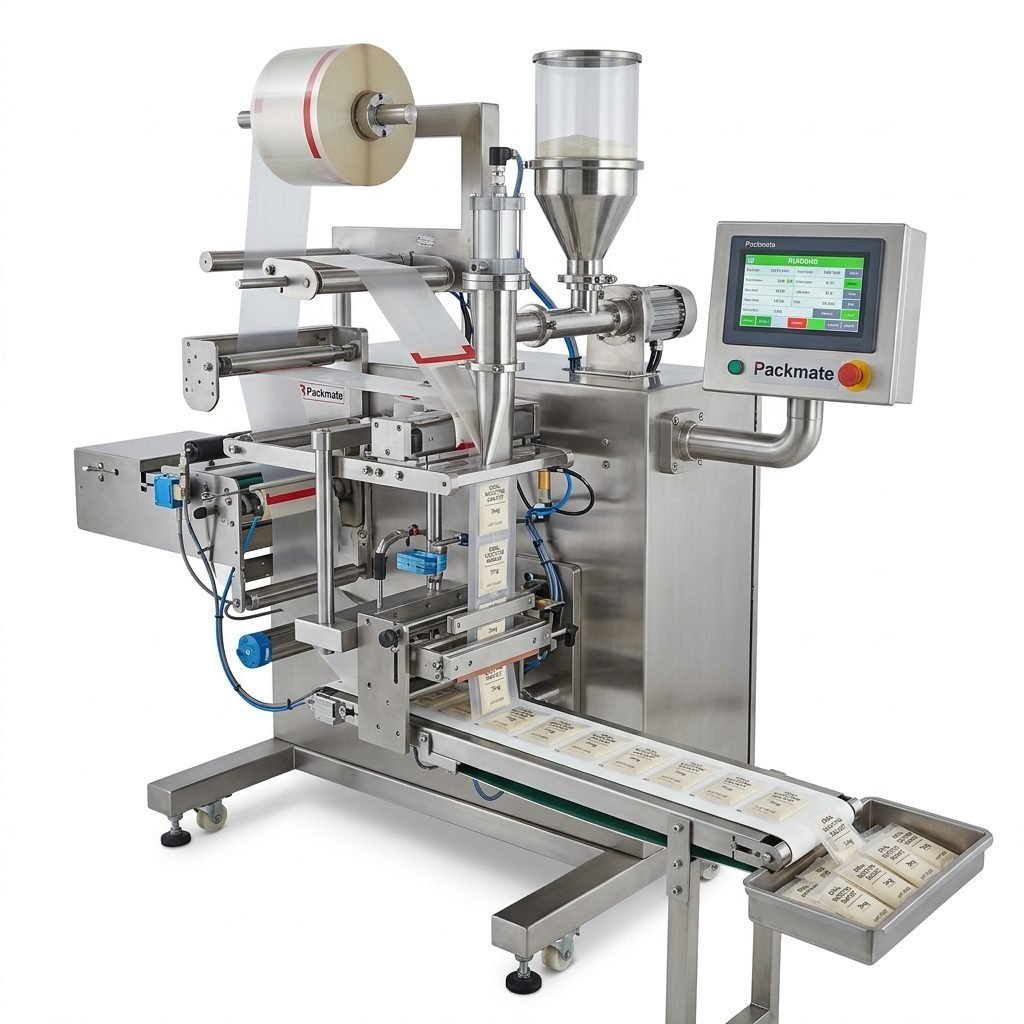
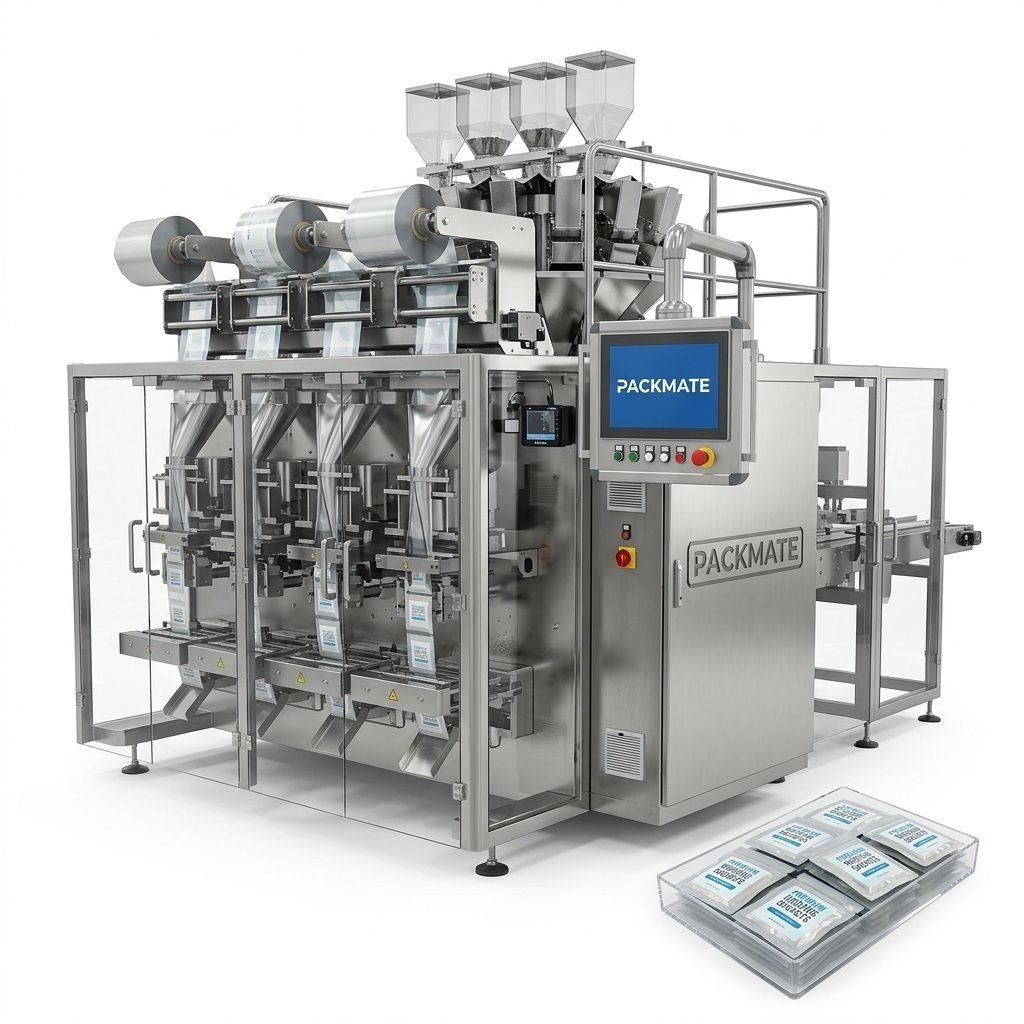
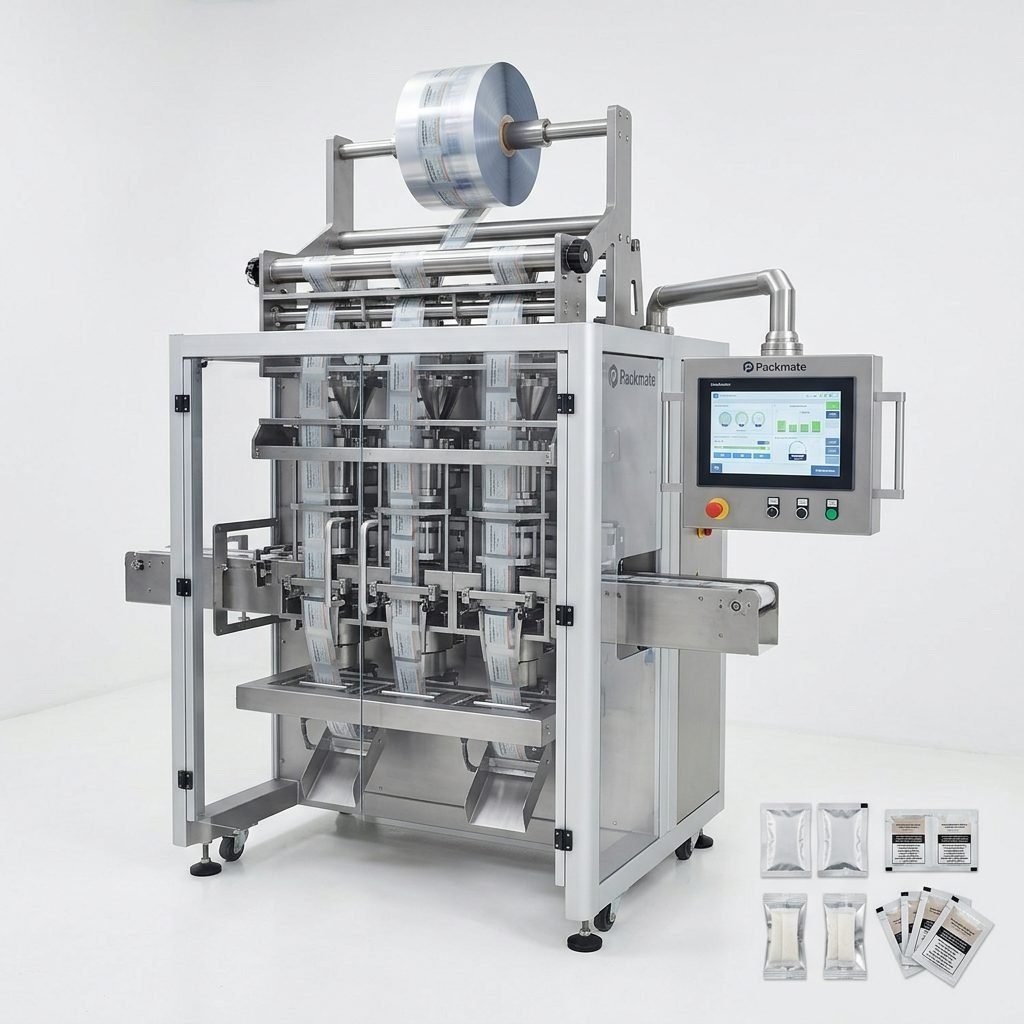
Nicotine pouch production requires specific filling and sealing technologies. Common machine categories include:
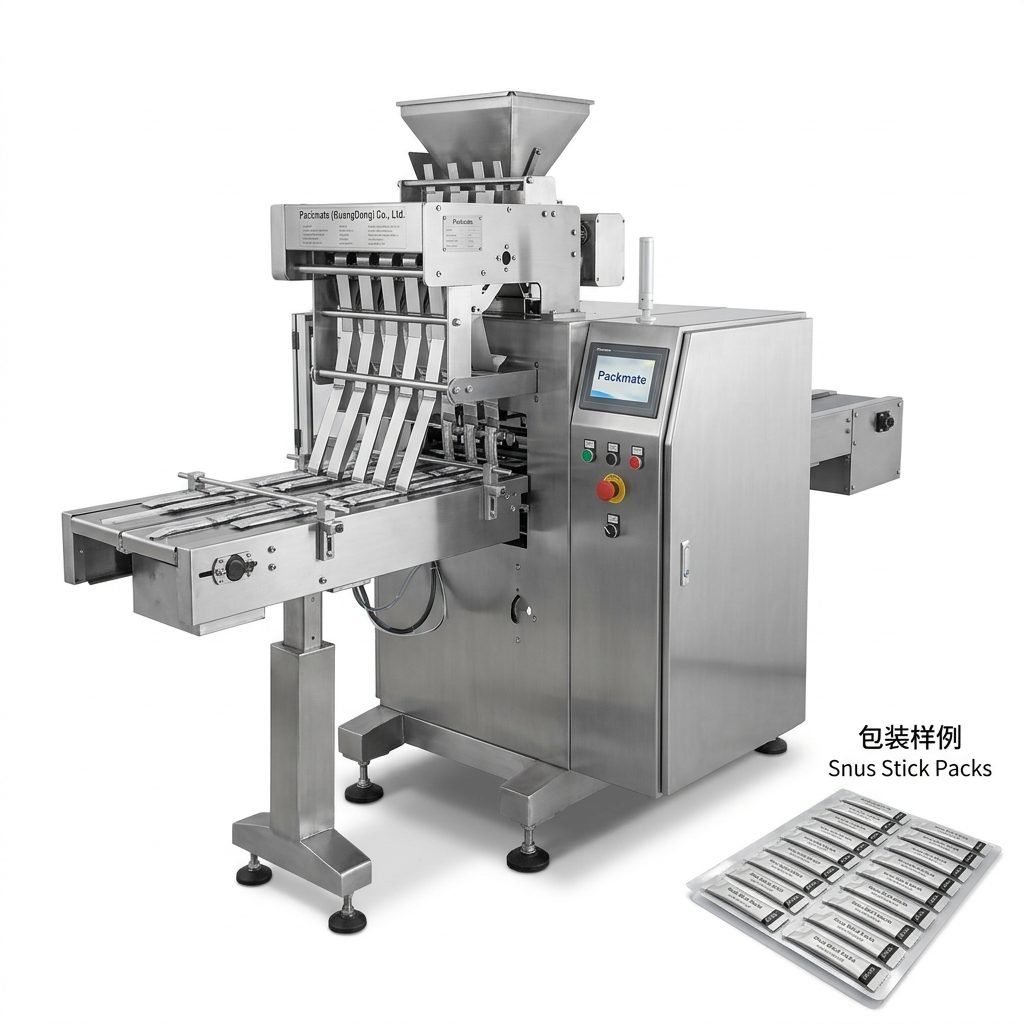
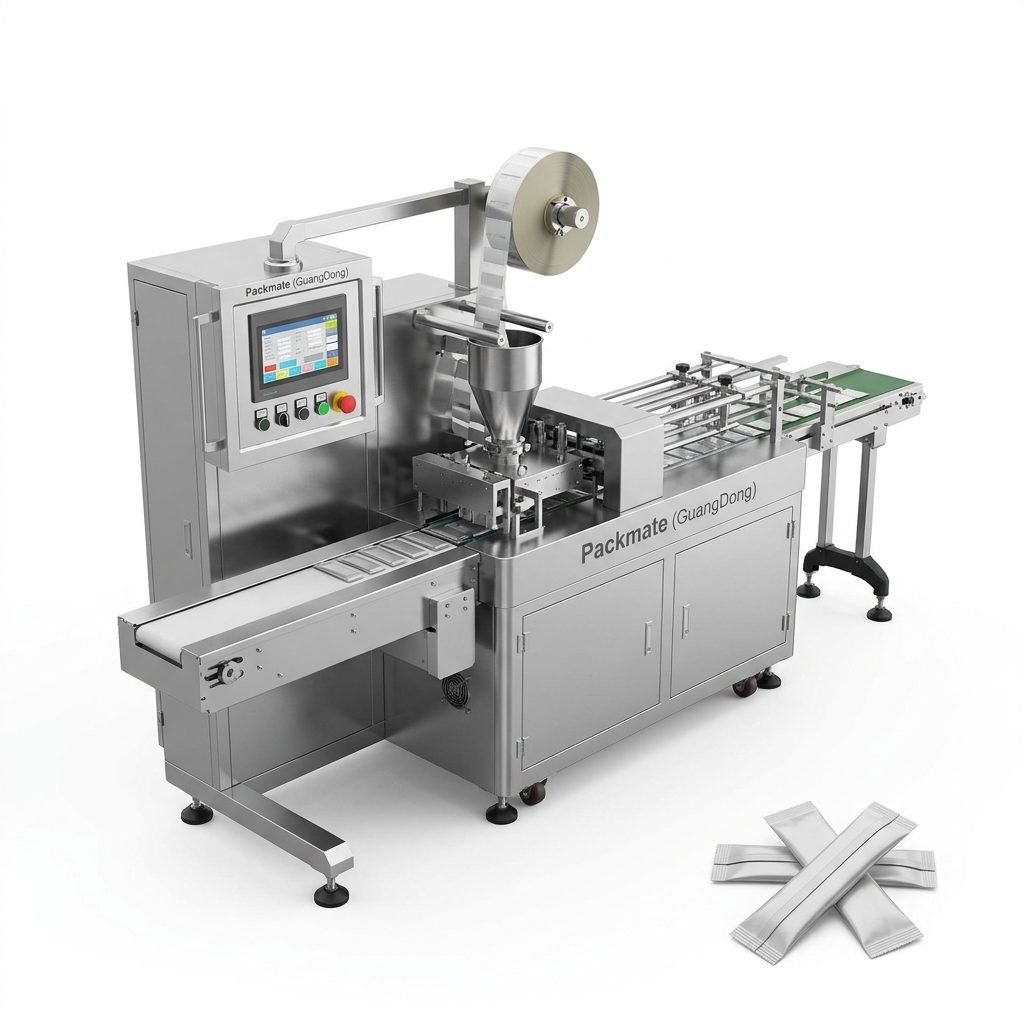
● Stick pack and sachet machines for single-dosage pouches;
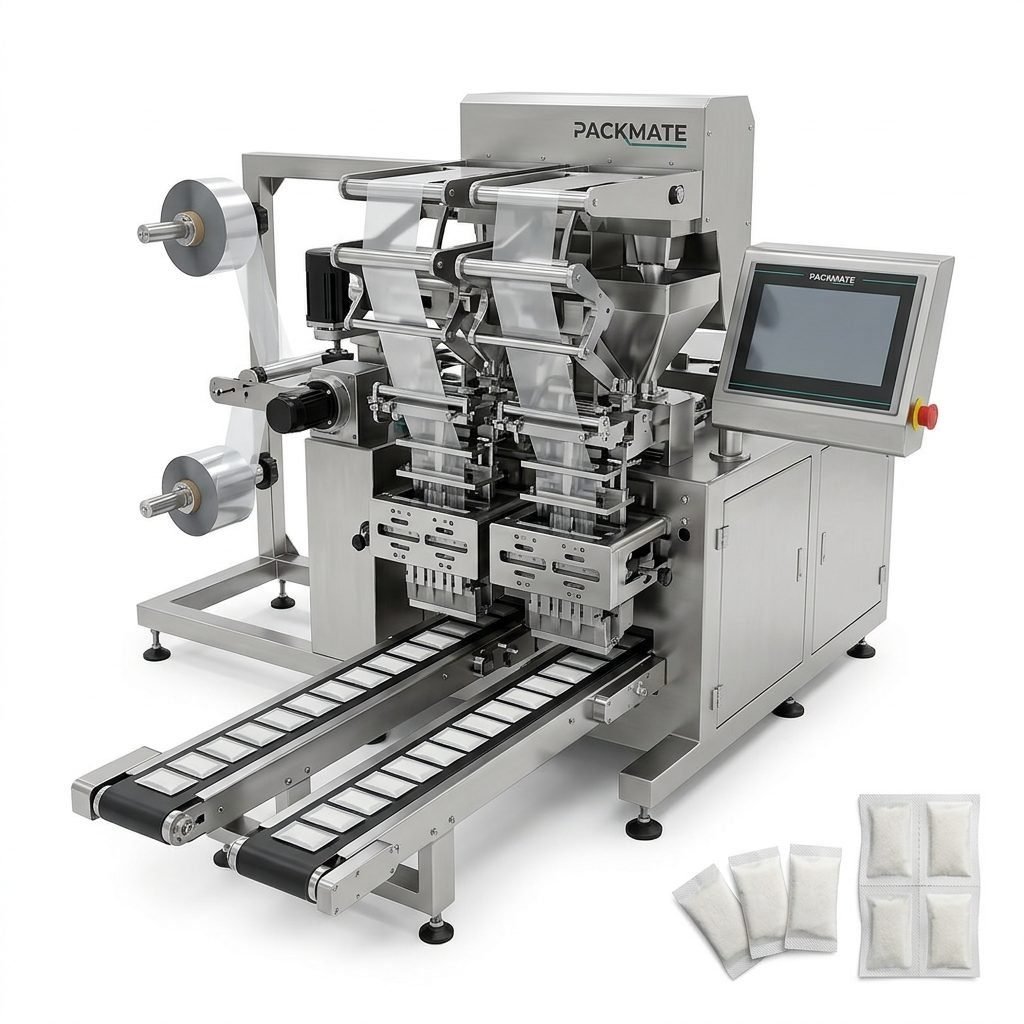
● Multi-lane systems for high throughput on small-dose pouches;
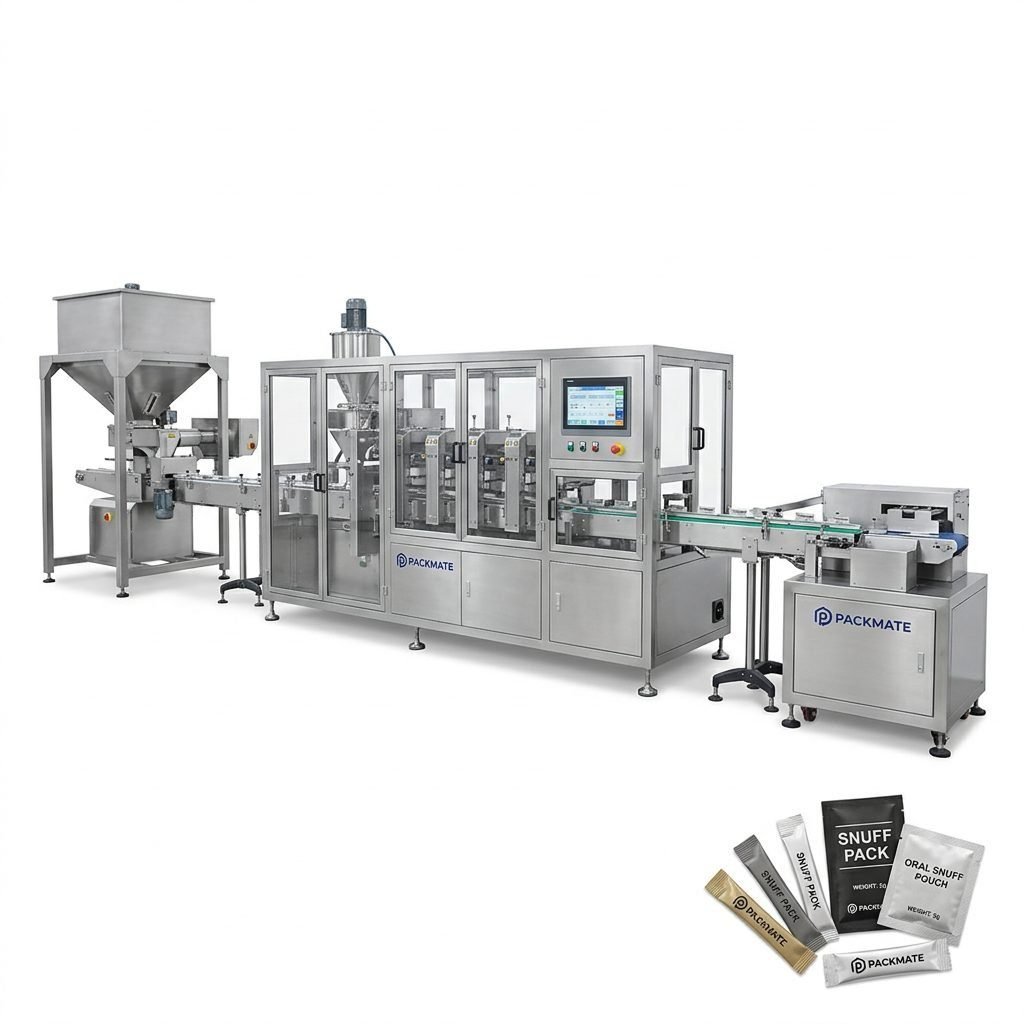
● Powder and granule weighing & packaging systems for accurate dosing;
● Auxiliary equipment (conveyors, metal detectors, packaging inspection).
If you need detailed options, review suppliers’ product lines such as their Snus & Nicotine Packaging Machines, Sachet & Stick Pack Machines, and Weighing & Packaging Systems to match capacity with product format.
★ Key selection rule: Choose machine types that support your desired SKU flexibility — the ability to switch pouch sizes, flavors, or dosing quickly reduces downtime and futureCAPEX.
Evaluate Supplier Technical Capabilities
Technical competence matters more than the lowest price. When comparing vendors, evaluate:
● Engineering depth and years in snus/nicotine equipment development;
● Availability of multi-lane high-precision solutions for small-dose pouches;
● Manufacturing scale, CNC precision, and quality control in their factory;
● Standard compliance (CE, ISO) and ability to deliver documentation for Brunei customs and certification.
A supplier with a broad portfolio — including snus packing lines, stick pack, sachet machines, and auxiliary equipment — simplifies integration and maintenance planning. See example product categories for reference: Snus & Nicotine Packaging Machines and Sachet & Stick Pack Machines.
Factory visit checklist
• Inspect CNC equipment and assembly lines to confirm build quality.
• Check testing procedures, longevity trials, and spare parts inventory.
• Ask for on-site demo videos or live demonstrations at exhibitions — many reliable suppliers participate in international shows.
Certifications, Compliance & Documentation
Regulatory compliance is non-negotiable. Look for suppliers that provide:
● CE and ISO certificates as basic quality markers;
● Material declarations, electrical schematics, and machine safety reports for Brunei import clearances;
● Traceable manufacturing records and testing reports for critical components.
You can review supplier credentials and certificates on their dedicated pages to ensure traceability: Certificate.
⚠️ Compliance reminder: Brunei’s import authorities may request machine test reports and safety documentation; suppliers who proactively provide them save weeks at customs.
After-sales Support, Spare Parts & Training
Downtime in packaging lines is a revenue killer. Confirm the supplier offers:
● Fast spare parts supply (local stock or express shipping);
● Remote technical support and diagnostic tools;
● On-site commissioning, operator training, and maintenance training for your Brunei team;
● Long-term service contracts and preventive maintenance schedules.
Look for suppliers who publish clear service terms and have local or regional partners for faster response. For example, view company support and service information here: Service.
Logistics, Installation & Local Support in Brunei
Coordinate logistics early. Consider these practical points:
• Crating and transport viability for your site (door sizes, floor loading);
• Customs clearance documentation prepared by supplier for Brunei authorities;
• Local installation partners or supplier-provided engineers for commissioning and validation.
Suppliers with export experience and a track record of delivering to Southeast Asia typically streamline customs and shipping procedures. For proven global turnkey solutions, check supplier case examples: Case.
Commercial Terms, Warranties & Payment
Negotiate terms that protect your investment:
● Clear warranty terms (duration, parts covered, shipping responsibilities);
● Payment milestones tied to delivery and performance; avoid large upfront payments without factory acceptance tests;
● Spare parts kits shipped with the line to reduce first-year downtime risk.
Total Cost of Ownership & ROI Analysis
Price is one component. Consider total cost of ownership (TCO):
• Energy consumption, maintenance frequency, and spare parts costs;
• Throughput and yield (waste rate per pouch); higher precision machines often reduce material loss and rework;
• Automation level — more automation reduces labor costs but increases initial CAPEX; balance this against Brunei’s labor market and production scale.
● Quick ROI check: calculate monthly output × margin per pouch minus operating expenses to estimate payback months. Suppliers can usually provide modeled case studies.
Customization, Branding & Packaging Options
Your packaging machine should support required print quality, pouch materials, and custom sealing needs. Ask suppliers about:
• Compatibility with barrier films, recyclable films, and print types;
• Quick changeover kits for SKU switches;
• Integration with upstream dosing (weighing machines) and downstream cartoning or secondary packaging.
Supplier transparency
Request sample pouches produced on the candidate machine using your materials — this demonstrates real-world capability and helps you assess seal quality, dosing accuracy, and print alignment.
How to Shortlist & Vet Suppliers — A Practical Checklist
1) Technical fit: machine types, throughput, and accuracy.
2) Factory strength: 20,000㎡ manufacturing area, advanced CNC, and assembly systems are good indicators of scale.
3) Certifications: CE, ISO, and documented testing.
4) After-sales: spare parts availability, remote support, and local training capacity.
5) References: ask for customers in similar regulatory environments or those who have shipped lines to Southeast Asia.
6) Commercial terms: warranty, acceptance tests, lead times, and payment schedule.
For a comprehensive profile of a potential supplier, read their company introduction and mission to ensure alignment: About Packmate and Mission & Vision.
Validation, Factory Acceptance Test (FAT) & Commissioning
Insist on a Factory Acceptance Test (FAT) documented with running samples and performance metrics. FAT should validate:
• Dosing accuracy, cycle rate, and multi-lane synchronization;
• Long-run stability (continuous run tests);
• Safety interlocks, emergency stops, and control reliability.
After shipment, plan on supplier-led commissioning and operator training at your Brunei facility to ensure smooth ramp-up.
Working with a Turnkey Supplier vs. Component Vendors
A turnkey supplier handles integration of filling, weighing, sealing, and secondary packaging. This reduces integration risk and single-point accountability. If you prefer component vendors, you need a strong in-house or contractor integration team. For businesses seeking an all-in-one solution, consider suppliers that offer full production lines including auxiliary equipment and filling systems: Filling & Packaging Lines and Auxiliary Packaging Equipment.
● Final checklist before order: technical spec sheet, FAT plan, spare parts list, warranty terms, shipping & customs support, and on-site commissioning schedule.
Where to Find Reliable Suppliers & Next Steps
Attend industry exhibitions, request factory videos, and vet case studies. Trusted suppliers typically publish catalogs, FAQs, and exhibition schedules — use those resources to validate credibility. For example, you can review product catalogs and FAQs from established manufacturers: Catalog and FAQs.
Contact & next step
When you’re ready, request a formal proposal that includes technical specifications, electrical requirements, machine footprint, FAT plan, lead time, and clear warranty terms. If you need supplier contact details, use the supplier’s official channel for a professional inquiry: Contact Us.
Conclusion
Selecting the best nicotine packaging machinery supplier in Brunei requires balancing technical fit, regulatory compliance, manufacturing quality, and after-sales support. Prioritize suppliers with proven snus/nicotine experience, strong factory capabilities, clear certification, and a demonstrable commitment to service. A carefully chosen partner will not only deliver machines but also reduce regulatory risk, shorten ramp-up time, and improve long-term operational efficiency.
Frequently Asked Questions
Q: How important is CE/ISO certification for machines shipped to Brunei?
A: Very important — CE/ISO indicate that the equipment meets international safety and quality standards and help with customs clearance and local acceptance.
Q: Can suppliers provide sample pouches made with local materials before purchase?
A: Reputable suppliers will produce sample runs during FAT to show compatibility with your film and dosing requirements. Ask for this as part of the purchase agreement.
Q: What is a reasonable lead time for a full snus/nicotine pouch packaging line?
A: Lead times vary by complexity and customization; typical ranges are 12–26 weeks including FAT, manufacturing, and shipping. Confirm the schedule in writing.
Q: How can I ensure fast spare parts delivery to Brunei?
A: Negotiate spare parts kits shipped with the machine, and confirm partner distribution networks or express shipping options in your contract.
Q: Should I choose a turnkey supplier or assemble components locally?
A: For regulated products and faster ramp-up, turnkey suppliers reduce integration risk and provide single-source accountability. If you have strong in-house integration experience, component vendors may work but expect more project management overhead.