Introduction
Choosing the right snus packaging machine manufacturer for your factory in Malawi is a strategic decision that impacts product quality, production efficiency, regulatory compliance, and long-term profitability. This guide walks Malawian factory owners, production managers, and procurement teams through a practical selection process, highlights local considerations, and shows how to evaluate suppliers to secure reliable packaging equipment tailored to nicotine pouch and snus production.
Why Malawi-Specific Considerations Matter
Malawi’s business culture, infrastructure, and regulatory environment shape how packaging equipment performs on the ground. From local workforce skill levels to electricity reliability and import logistics, these factors determine machine uptime, maintenance plans, and total cost of ownership. Understanding them will help you select a manufacturer who can deliver machines and services that match Malawi’s operational realities.
Key Malawi realities:
⚙️ Limited local spare parts availability; customs procedures for nicotine products; importance of clear after-sales support; cultural acceptability of tobacco and nicotine products varies by region.
1. Manufacturer Experience & Reputation
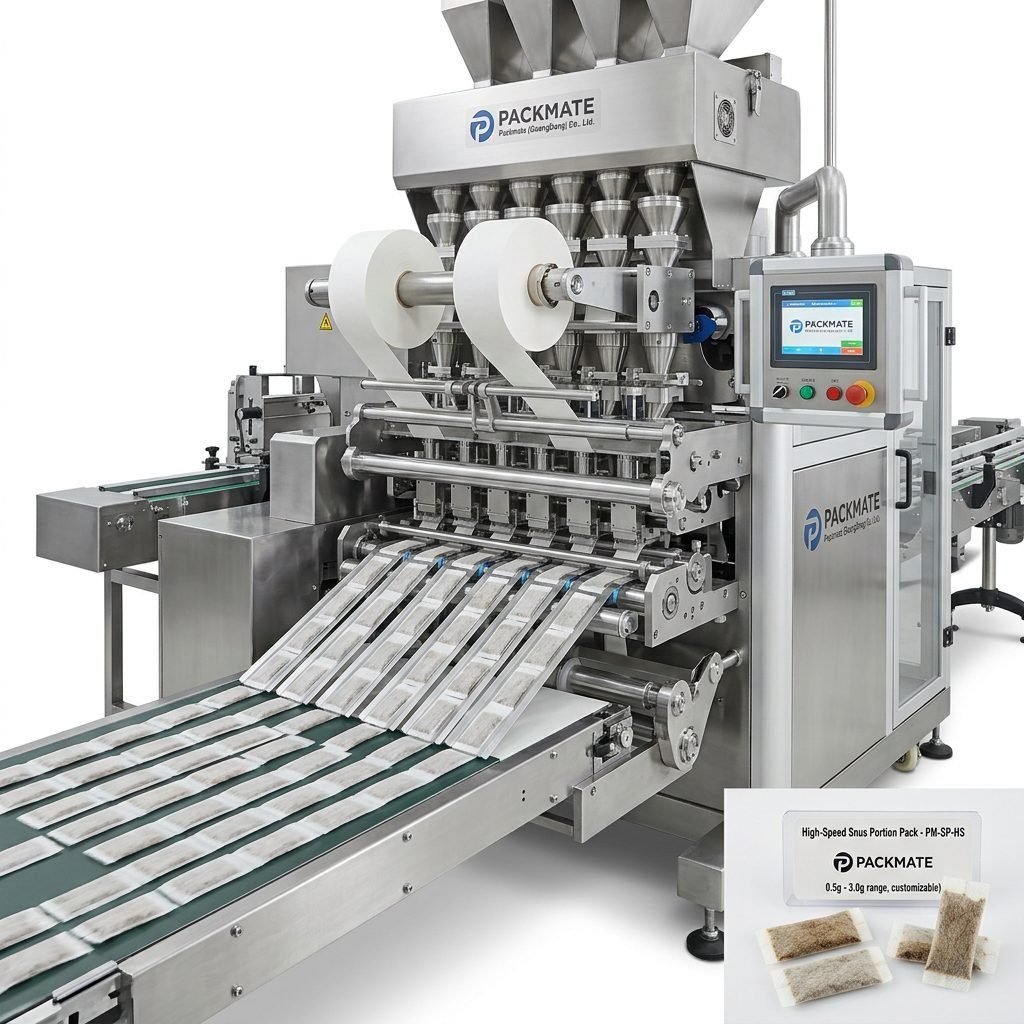
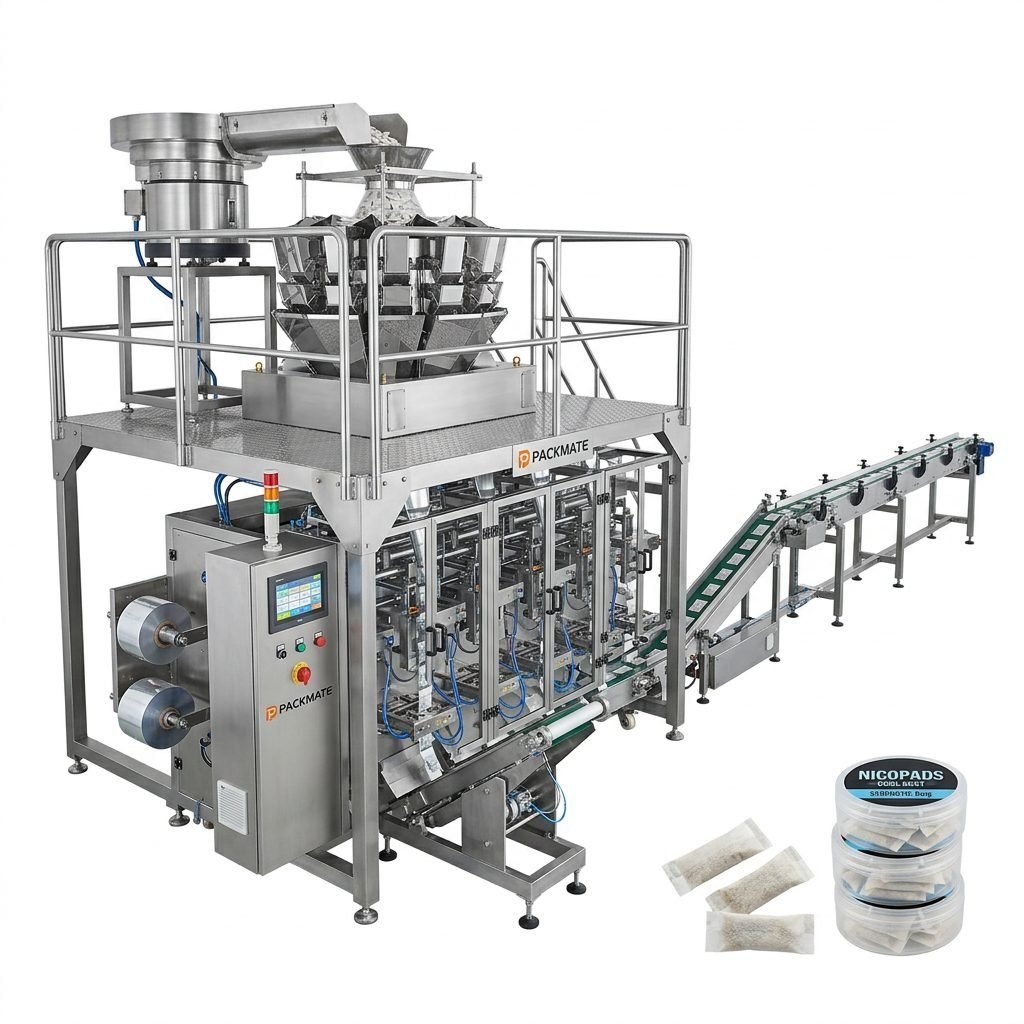
Look for manufacturers with proven expertise in snus and nicotine pouch packaging. Experience in producing multi-lane, small-dose pouch systems and robust sachet/stick pack machines is crucial. A partner with decades of engineering history can offer mature designs and reliable performance.
Checklist:
✔️ Years in snus machine R&D and production
✔️ Case studies and global references
✔️ Industry exhibition presence and live demos
2. Product Range and Technical Fit
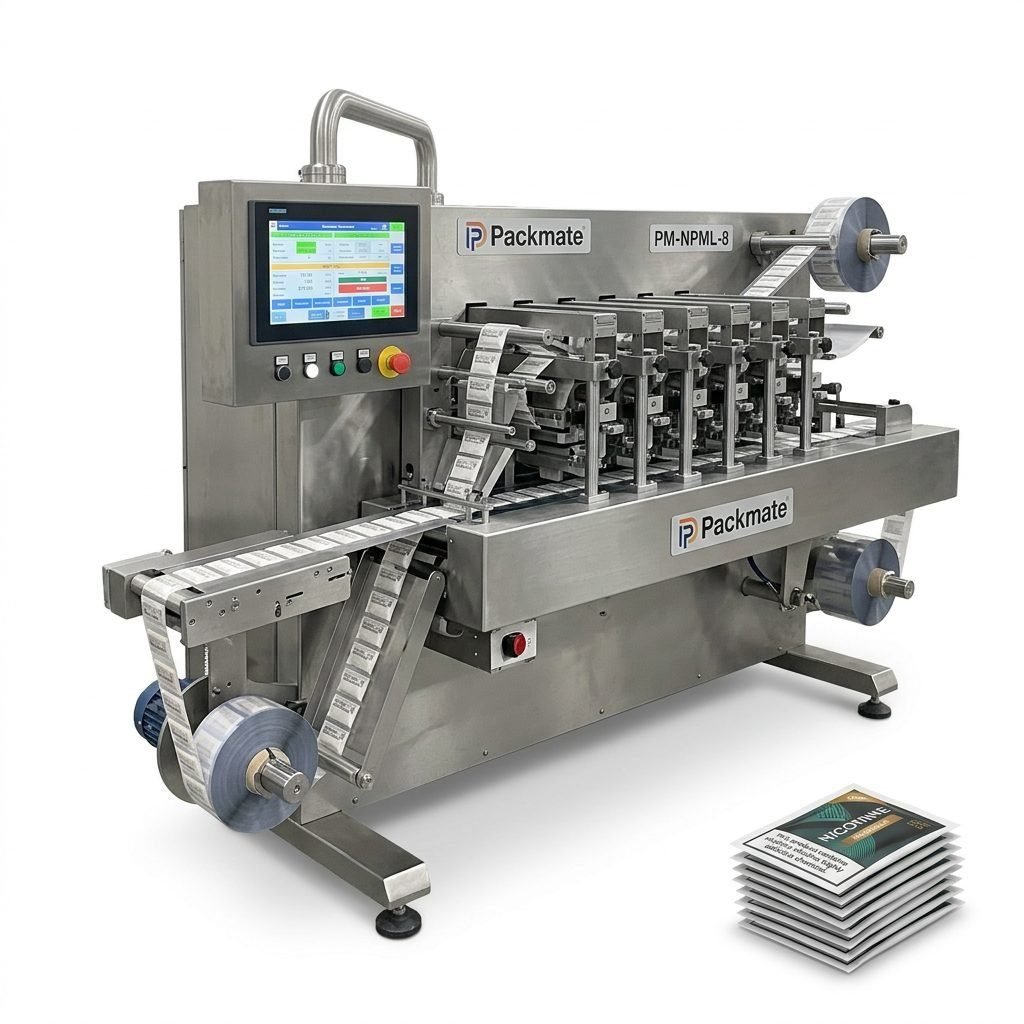
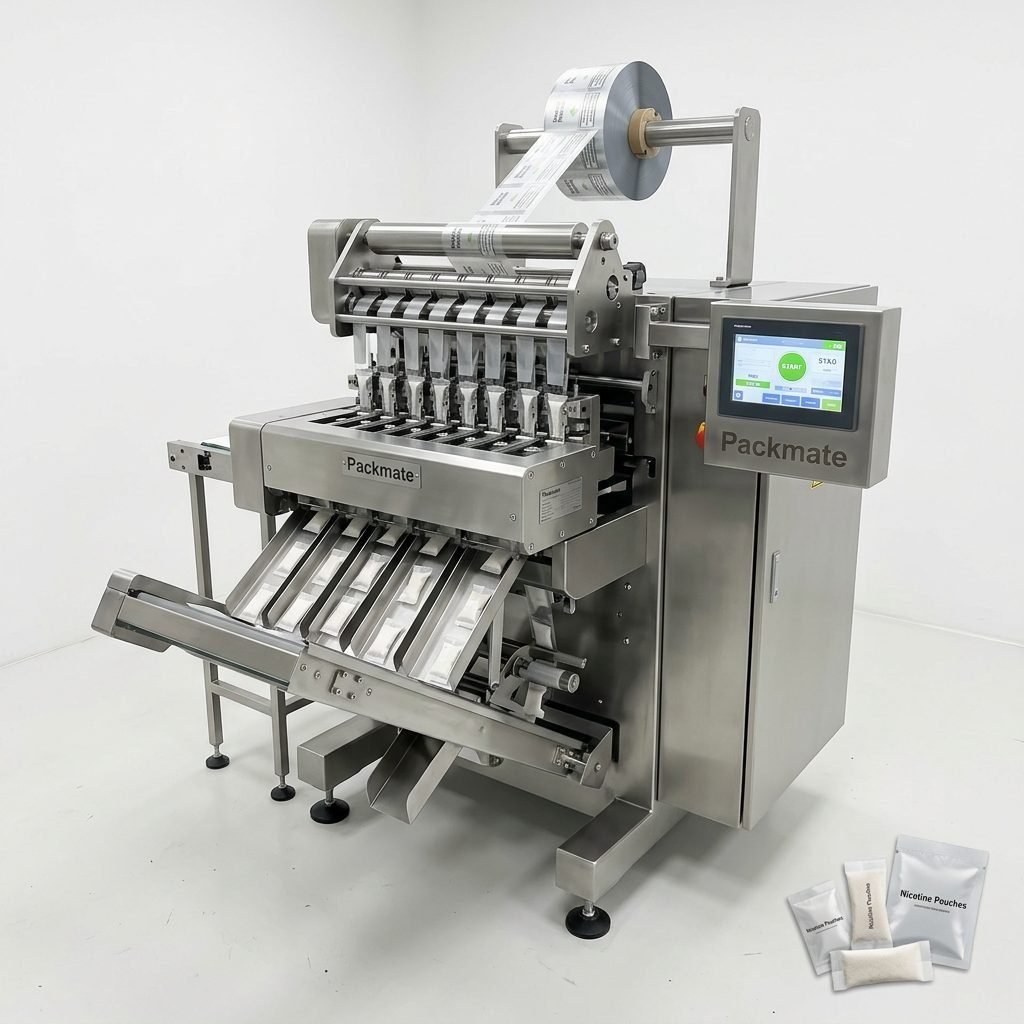
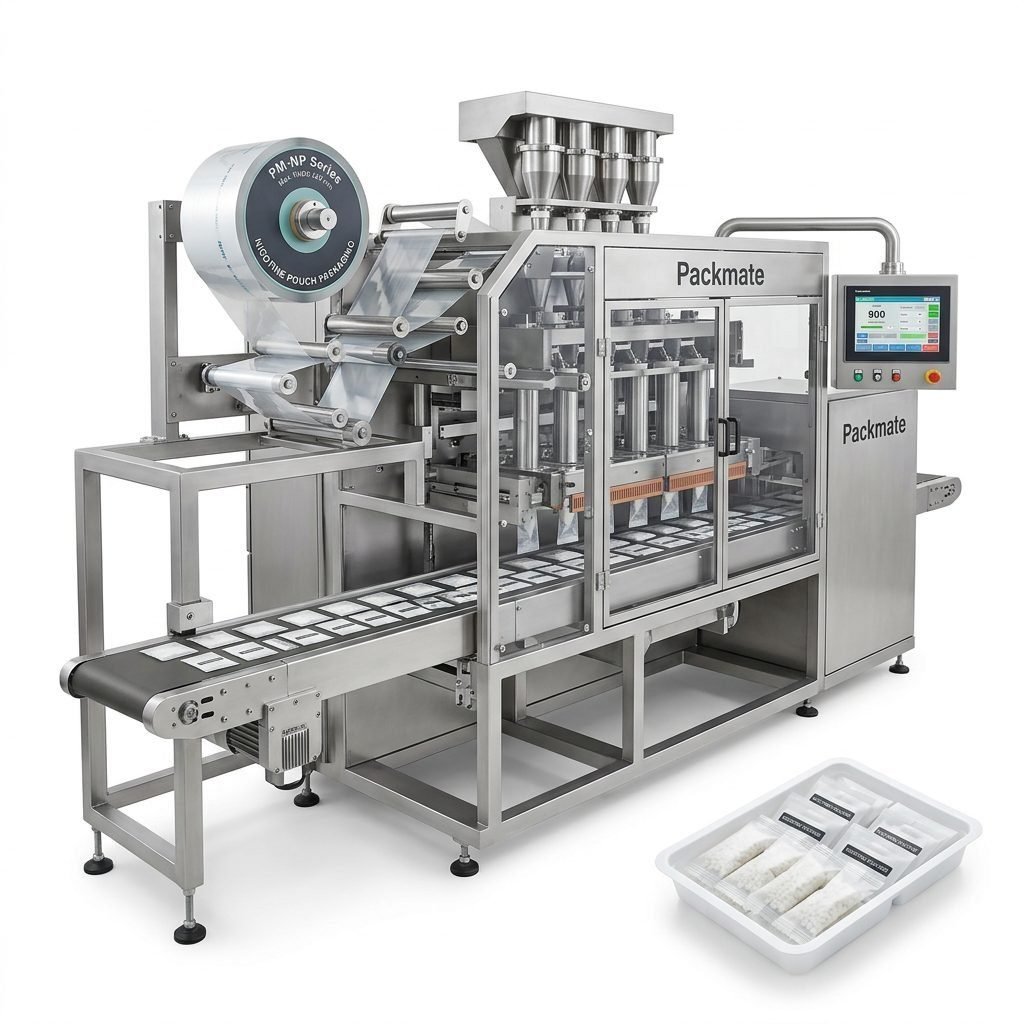
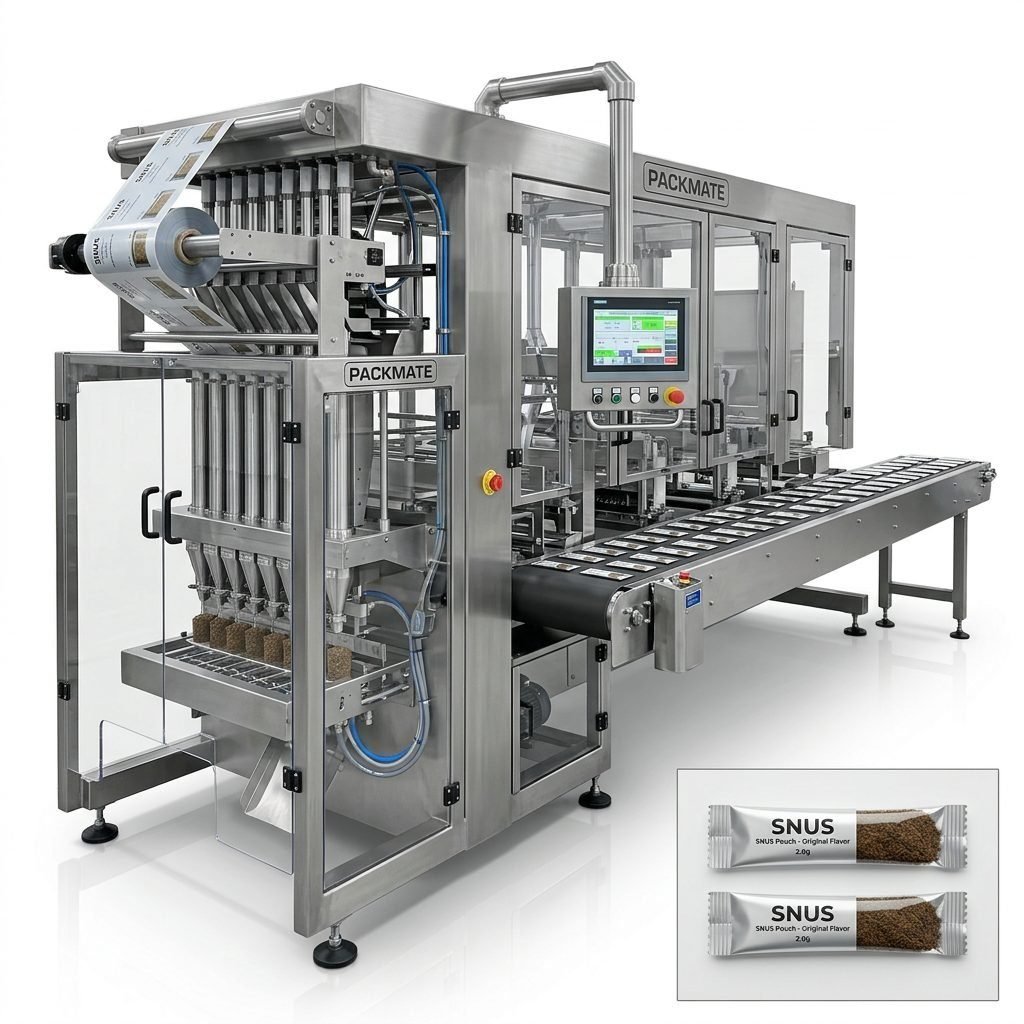
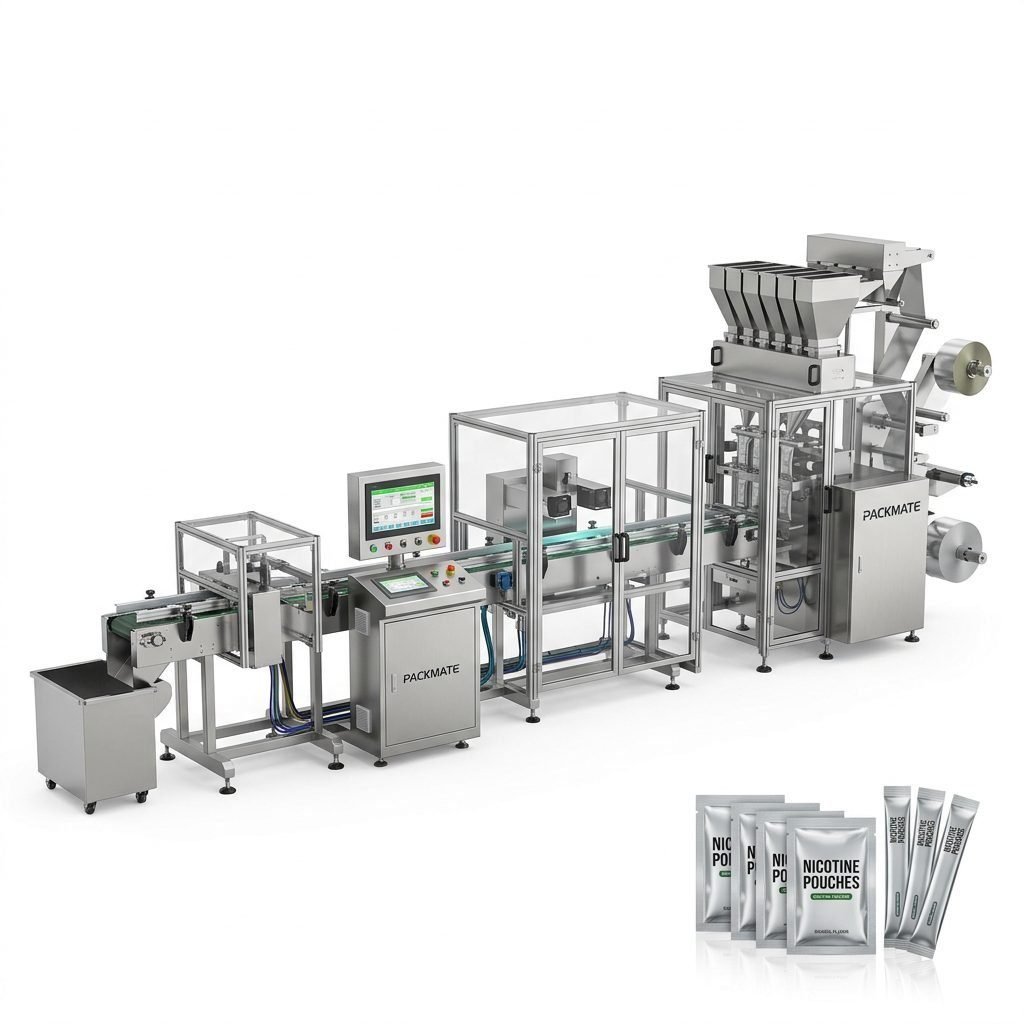
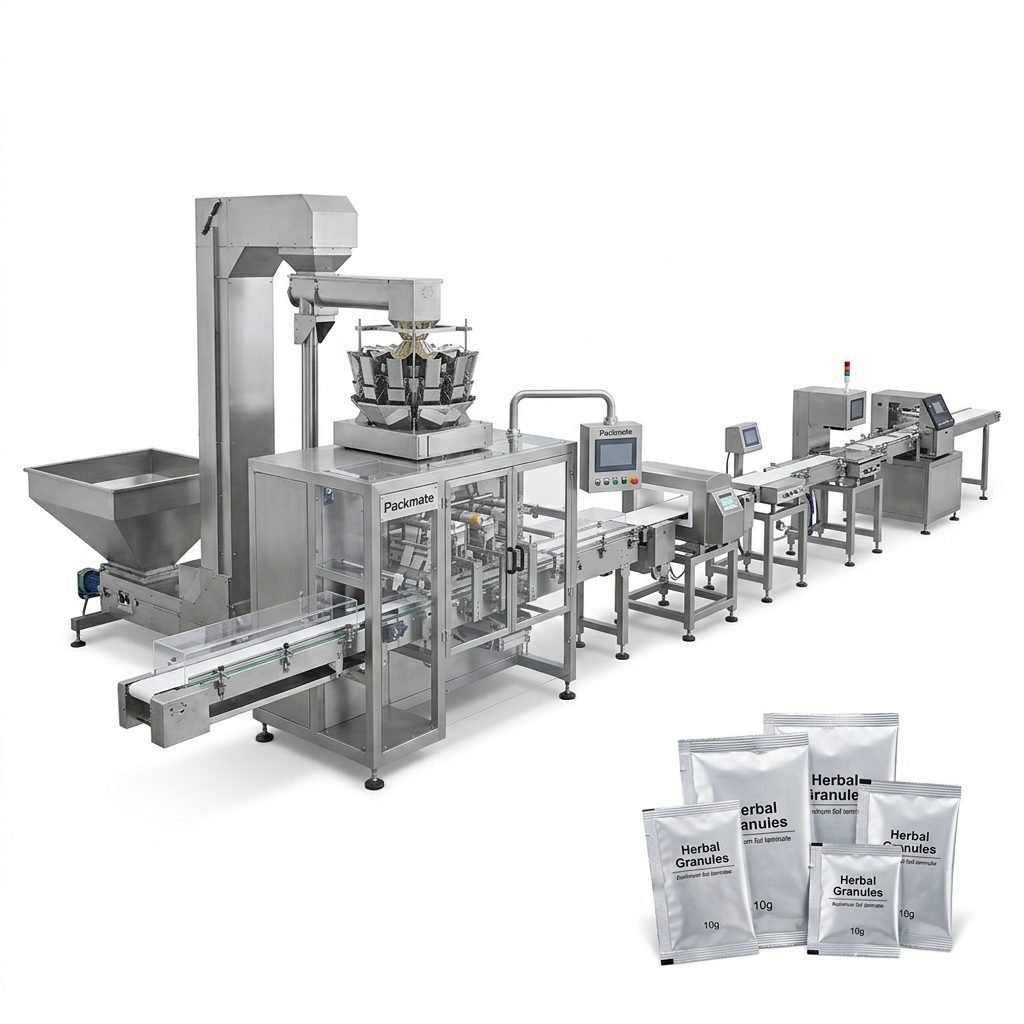
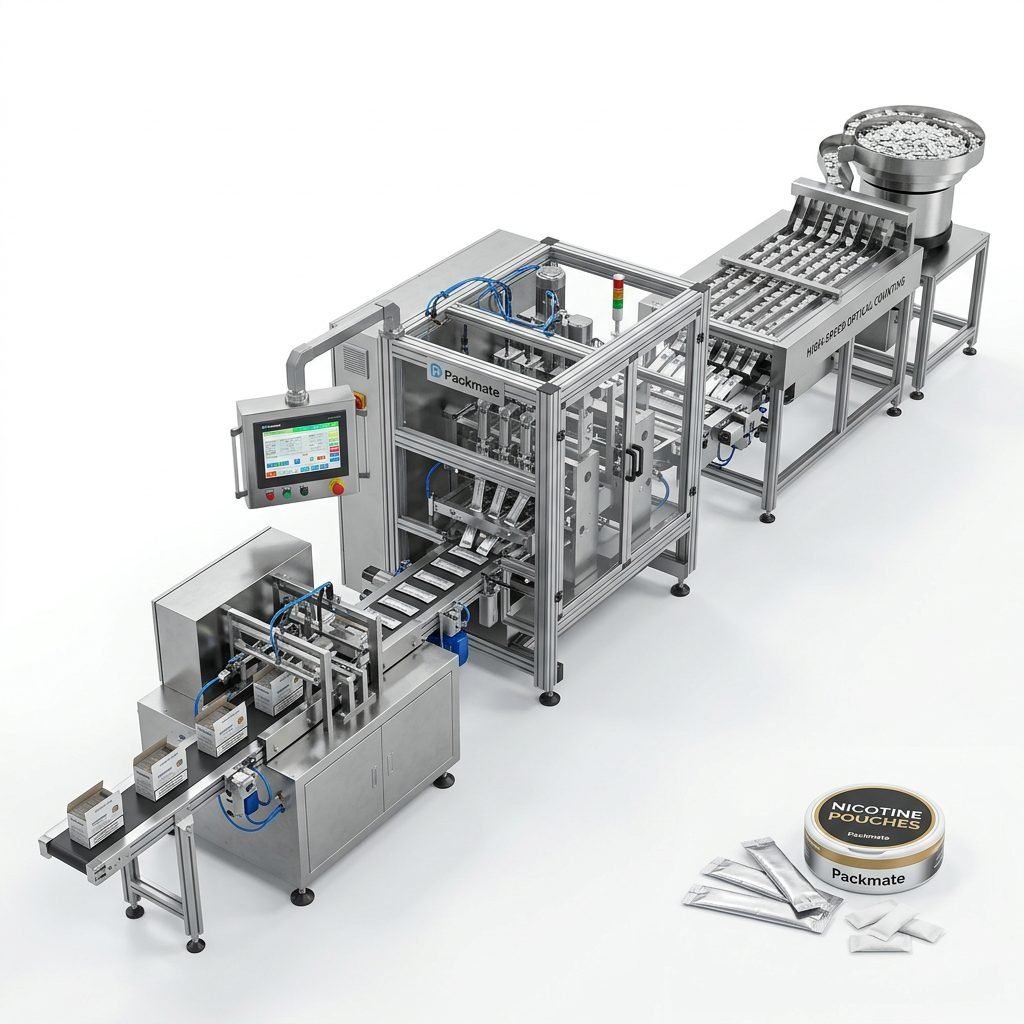
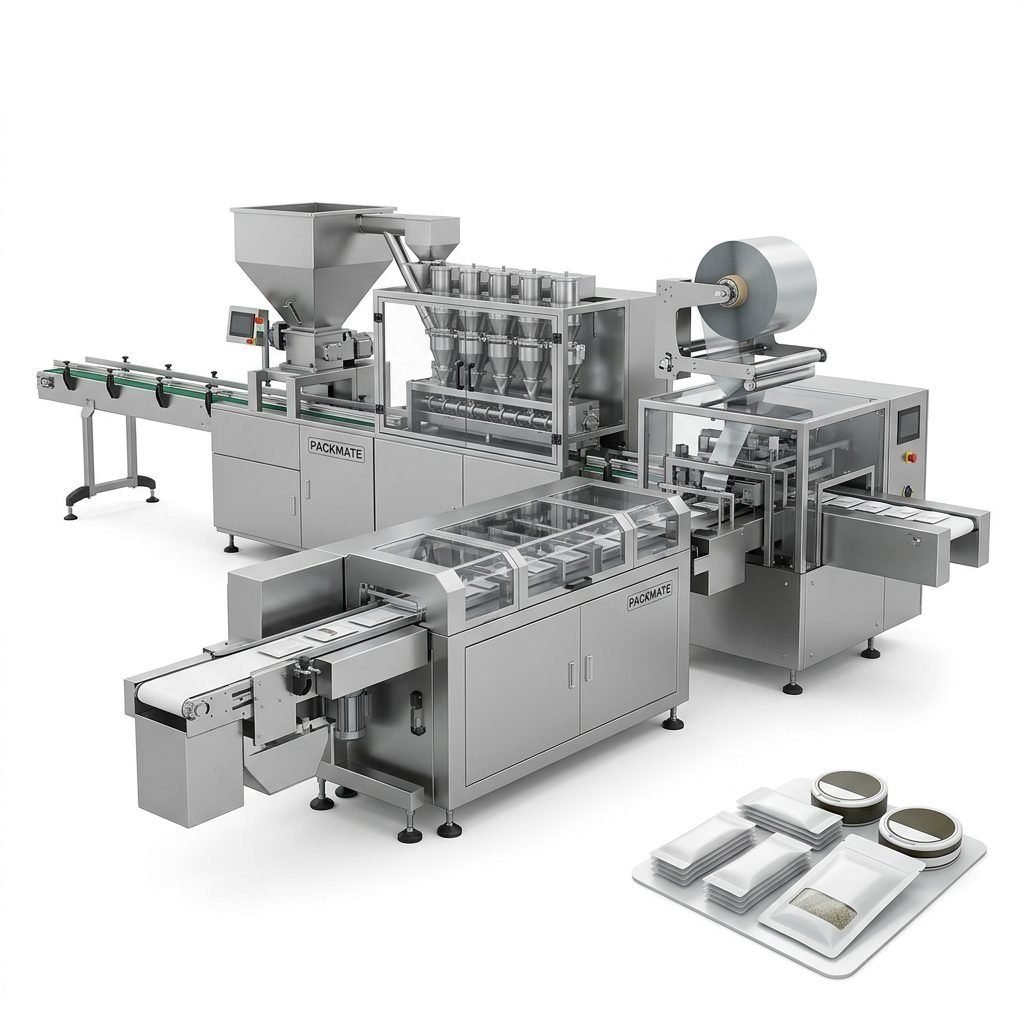
A broad product range indicates the manufacturer can offer the right machine model for your capacity and product format. Evaluate whether they provide stick pack, sachet, multi-lane snus/nicotine pouch machines, and whether they can integrate weighing and filling systems.
Explore product pages like
Snus & Nicotine Packaging Machines,
Sachet & Stick Pack Machines,
and
Weighing & Packaging Systems
to compare capabilities.
Tip:
For small-dose nicotine pouches, prioritize multi-lane systems with precise dosing and stable indexing to keep waste low and speed high.
3. Quality, Certifications & Compliance
International certifications such as CE and ISO signal adherence to safety and manufacturing standards. For Malawi, ensure the equipment can meet both international standards and any local import or health regulations for nicotine-containing products. Manufacturers who clearly present certificates and testing records reduce your compliance risk.
You can verify manufacturer credentials and learn more about certificates via
Certificate.
4. Manufacturing Strength & Customization
Manufacturers with large, well-equipped factories and advanced CNC centers are more likely to produce durable, precise machines. If your product has unique pouch shapes or special materials, check that they offer customization and can run trials or provide tooling adjustments.
Packmate’s large 20,000㎡ facility and range of 50+ machine models are examples of capacity that supports customized turnkey solutions.
About Packmate
5. After-Sales Support, Spare Parts & Training
Rapid, knowledgeable support is vital for operations in Malawi, where on-site technical resources may be limited. Assess the manufacturer’s ability to provide spare parts, remote troubleshooting, local partner networks, and training for your technicians. Ask about lead times for critical parts and whether the supplier assists with installation and commissioning.
Must-ask:
Do they ship a spare parts kit? Is there a service agreement available? Can they provide remote video support and documentation in English?
6. Total Cost of Ownership (TCO) and ROI
Price is only one part of cost. Evaluate energy consumption, expected maintenance, production yield, consumables, and downtime. A slightly higher-capability machine may deliver faster ROI through fewer stoppages and better material utilization.
Include logistics costs to Malawi, customs duties for nicotine-related machinery, VAT, and any local installation expenses when calculating TCO.
7. Logistics, Import & Regulatory Steps in Malawi
Importing packaging equipment into Malawi requires careful planning: classify machinery correctly for customs, prepare invoices and certificates, and confirm whether nicotine-related goods trigger additional scrutiny. Work with freight forwarders experienced in Malawi and confirm the manufacturer provides full documentation (packing list, CE/ISO, test reports, BOM).
For assistance with installation and post-sale service, manufacturers that attend international exhibitions and maintain global case references tend to be more export-ready. See machine examples and case studies at
Case.
8. Local Culture, Workforce & Operational Tips
Malawian work culture values relationship-building, clear communication, and punctuality. When negotiating with foreign suppliers, emphasize after-sales trust and long-term cooperation. On the factory floor, plan for training sessions that respect local language abilities and provide hands-on practice.
Operationally, consider:
• Stable power supply: include UPS/voltage stabilizers for sensitive PLC-driven machines.
• Humidity control: high humidity can affect pouch sealing — ensure machines have suitable sealing pressure and temperature control.
• Local consumables: check compatibility with locally sourced films or arrange reliable imports.
Cultural note:
Meetings in Malawi often start with small conversation and relationship-building — use that time to explain long-term service commitments and training plans.
9. Questions to Ask Potential Manufacturers
Before committing, ask the supplier:
🔍 What are your references for snus/nicotine pouch lines in Africa?
🔍 Can you provide test video of our specific product format running on this machine?
🔍 What is the lead time for machine delivery and for spare parts?
🔍 Do you offer installation, commissioning, and operator training in Malawi or nearby regions?
🔍 Can you supply local documentation for customs clearance and electrical schematics compatible with Malawi standards?
10. Selection Process: Step-by-Step
1) Define production targets, product formats, shifts, and desired automation level. 2) Shortlist manufacturers based on product fit and references. 3) Request sample runs and technical specs. 4) Compare TCO and service agreements. 5) Negotiate warranty, spare parts kit, and training. 6) Finalize contract with clear delivery, commissioning and penalty clauses for delays.
Working with experienced suppliers who demonstrate transparent testing and comprehensive documentation will reduce surprises during customs clearance and installation.
Why Consider Packmate for Malawi?
With 30+ years in packaging machine engineering, advanced CNC facilities, and a product range covering snus/nicotine pouch machines, stick packs, sachets, and complete filling lines, Packmate provides many capabilities relevant to Malawian factories. Their global turnkey experience and exhibition presence indicate export readiness and a track record of supporting international customers.
Learn more about their offerings:
Filling & Packaging Lines,
Auxiliary Packaging Equipment,
and contact them via
Contact Us.
Real-world advantage:
A manufacturer able to supply turnkey production lines reduces the number of vendors you manage and shortens commissioning time.
Factory Preparation Checklist (Malawi-focused)
• Confirm concrete pad and machine footprint; ensure crane or hoist access for installation.
• Electrical supply: verify phase, voltage and ensure stable power or UPS.
• Environmental control: humidity and dust mitigation in the packaging area.
• Local consumables sourcing plan and alternate supplier list.
Negotiation & Contract Tips
Negotiate clear warranty terms, spare parts delivery windows, acceptance criteria after FAT/SAT (Factory and Site Acceptance Tests), and penalties for delivery delays. Include clauses for training, documentation in English, and availability of an escalation path for unresolved technical issues.
Final Recommendation
Select a supplier who balances technical capability, export experience, after-sales service, and transparent commercial terms. Prioritize manufacturers who provide test runs on your product, clear documentation for Malawi customs, and a practical spare parts strategy. A long-term partnership focused on local success will deliver the best results for your snus production in Malawi.
Frequently Asked Questions
Q1: How long does delivery and installation typically take?
Delivery and installation depend on machine complexity and customizations. Standard machines may ship in 8–12 weeks; complex turnkey lines 12–20+ weeks. Factor in customs clearance time to Malawi and on-site commissioning.
Q2: What certifications should I request?
Request CE, ISO manufacturing records, and test reports for the specific machine. Ensure electrical schematics and packing lists are complete to facilitate Malawi customs clearance.
Q3: Can suppliers train local technicians?
Yes — most reputable manufacturers include operator and maintenance training during commissioning. Confirm language support, training duration, and whether training materials will be provided.
Q4: How to manage spare parts and maintenance in Malawi?
Keep a critical spare parts kit onboard, arrange a parts resupply agreement with the manufacturer, and train local technicians for routine maintenance. Consider stocking wear parts that are hard to source locally.
Q5: Are nicotine pouch machines different from general pouch machines?
Yes — nicotine pouch machines often require higher precision dosing, gentler handling to protect small-dose pouches, and tight sealing to preserve product stability. Choose manufacturers with explicit experience in snus and nicotine packaging.