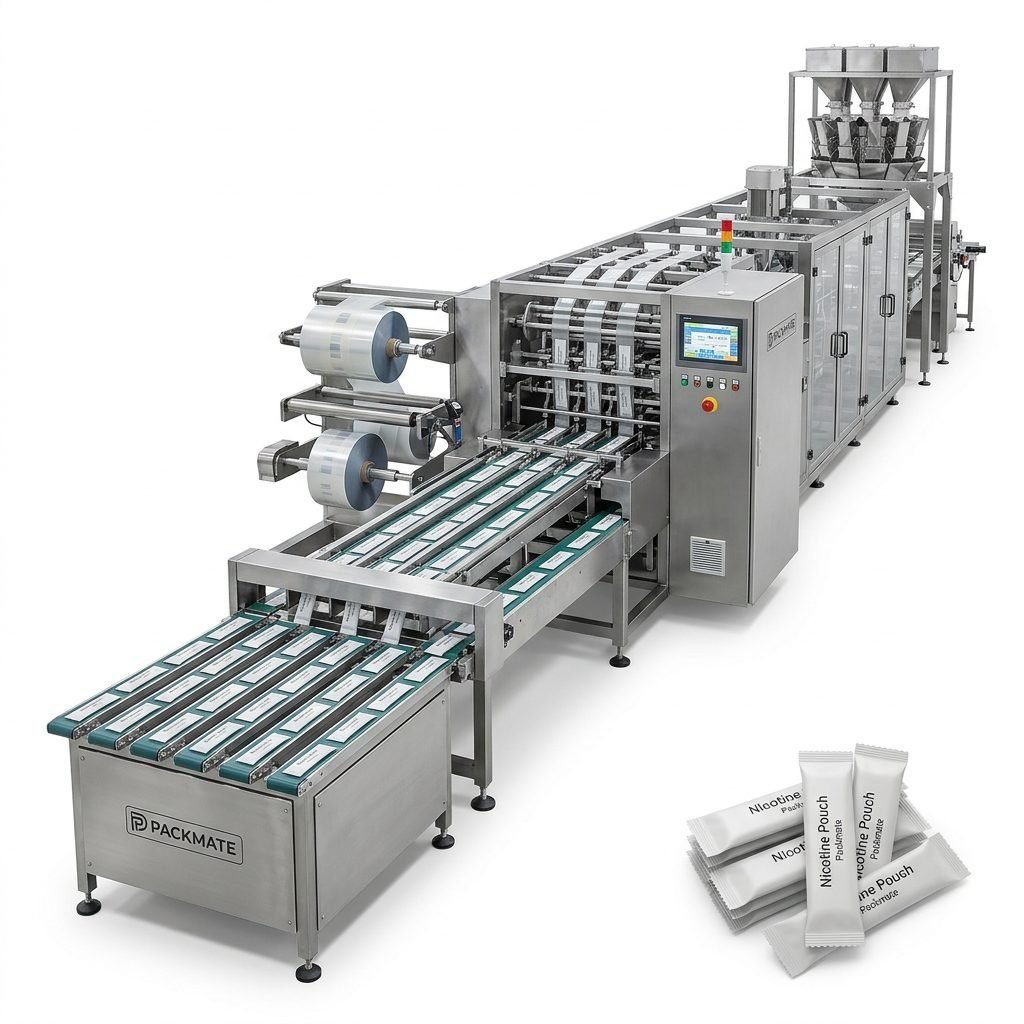
Choosing the right nicotine packaging machinery in the Solomon Islands is a strategic decision that affects production stability, regulatory compliance, and long-term business growth. Whether you are launching a small local brand for urban Honiara retail or scaling up to serve regional distributors across the Pacific, this guide will walk you through practical factors, local considerations, and equipment choices to help you pick the best solution for your operation.
🔧 Understand Your Product & Market Needs
Start by clearly defining the product format and market expectations. Nicotine pouches and snus come in a variety of formats — single-dose sachets, stick packs, multi-pouch trays, or small sachets. In the Solomon Islands, where point-of-sale purchases and small local kiosks are common, compact, flexible packaging formats that serve single-use convenience tend to perform better.
Consider market size: a niche local brand may only need a bench-top or semi-automatic sachet machine, while a supplier aiming to export to neighboring islands or New Zealand must invest in multi-lane automated lines with higher throughput and consistent quality.
📦 Key Machine Types to Consider
Different production goals require different machines. Typical options include:
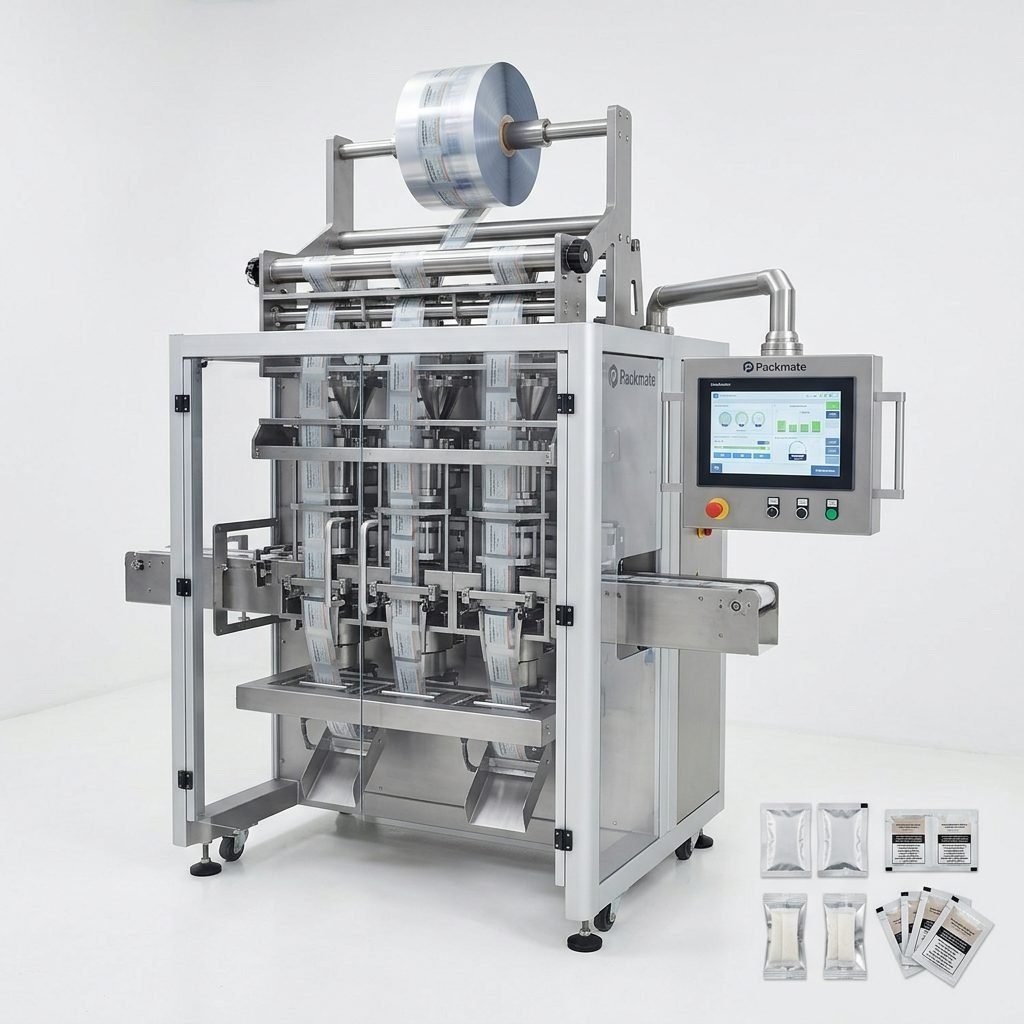
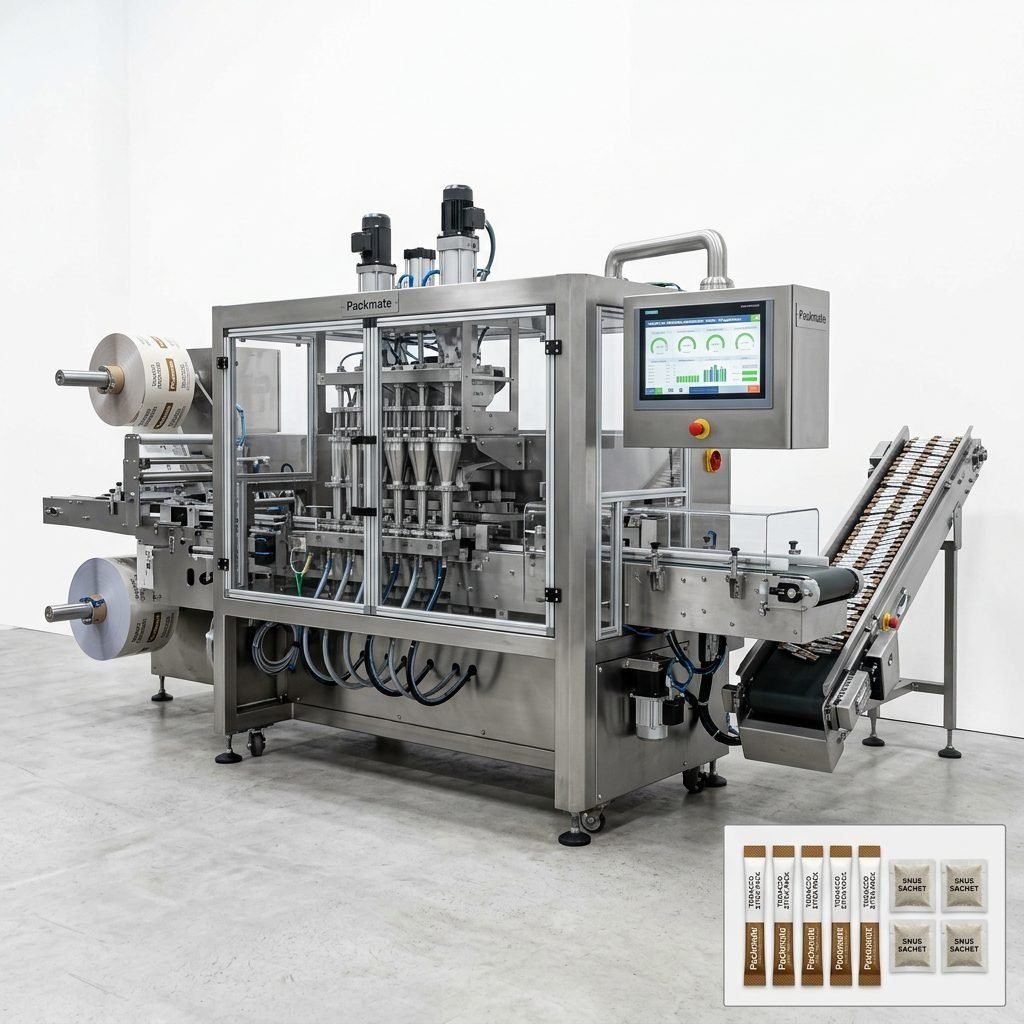
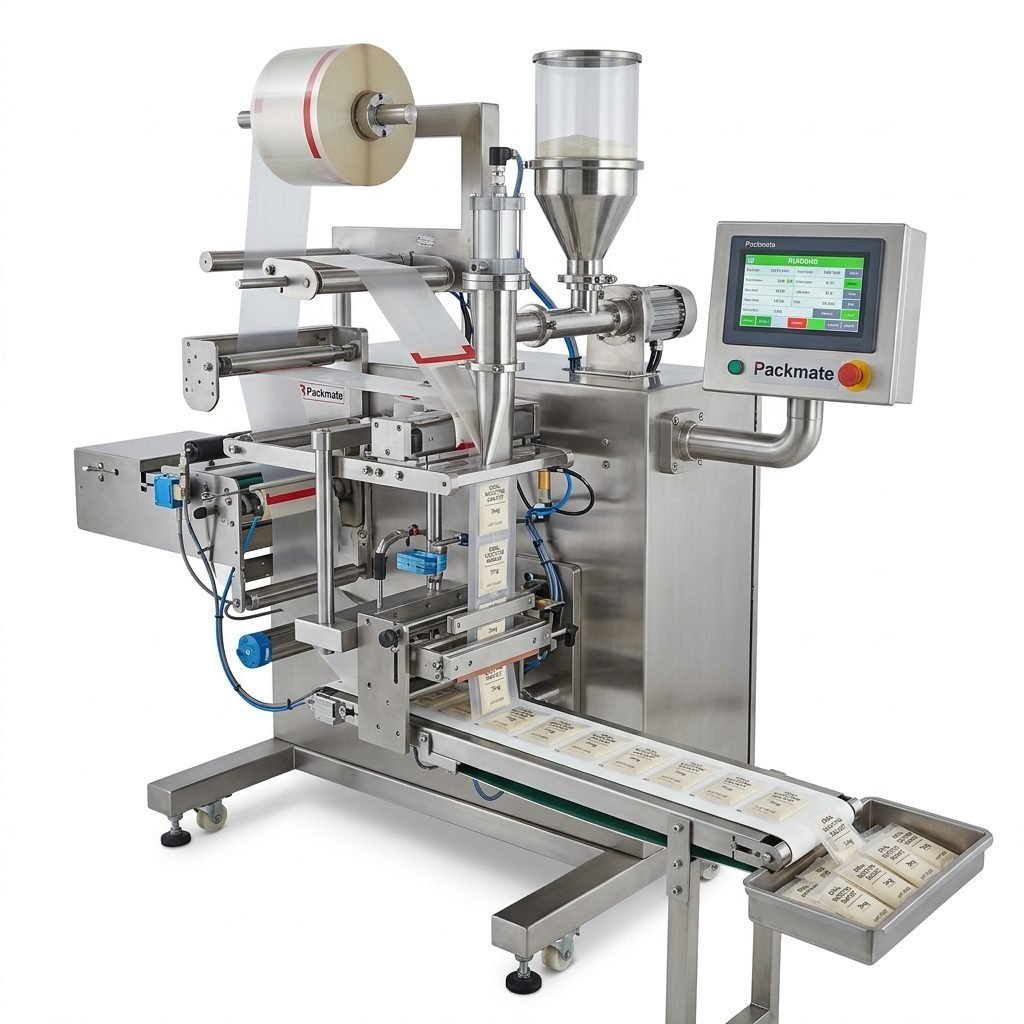
- Stick pack machines — ideal for single-portion stick-style pouches.
- Sachet packaging machines — versatile for powder or small pouch formats.
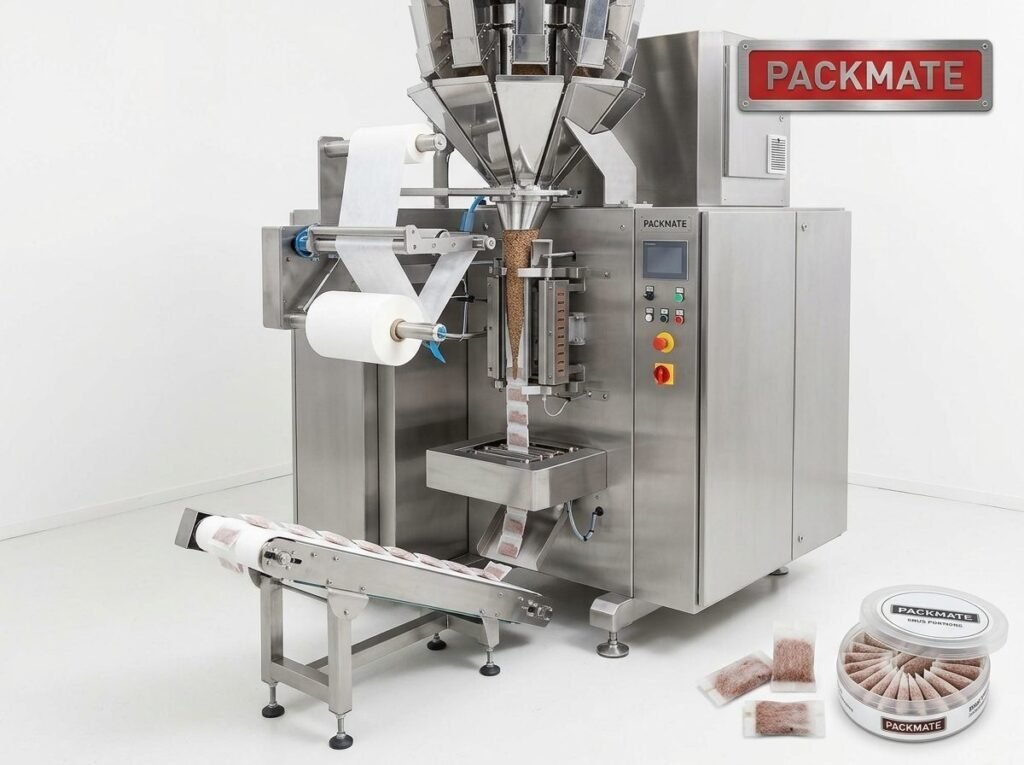
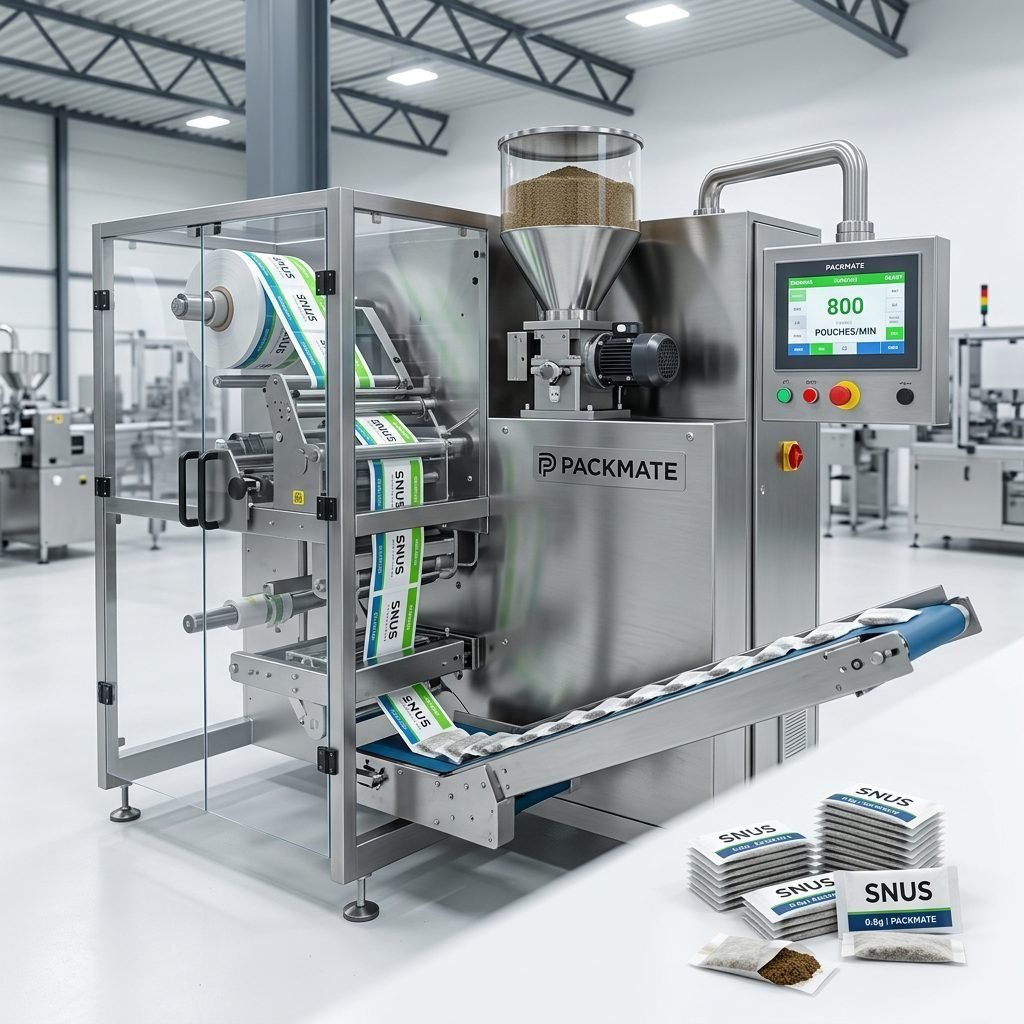
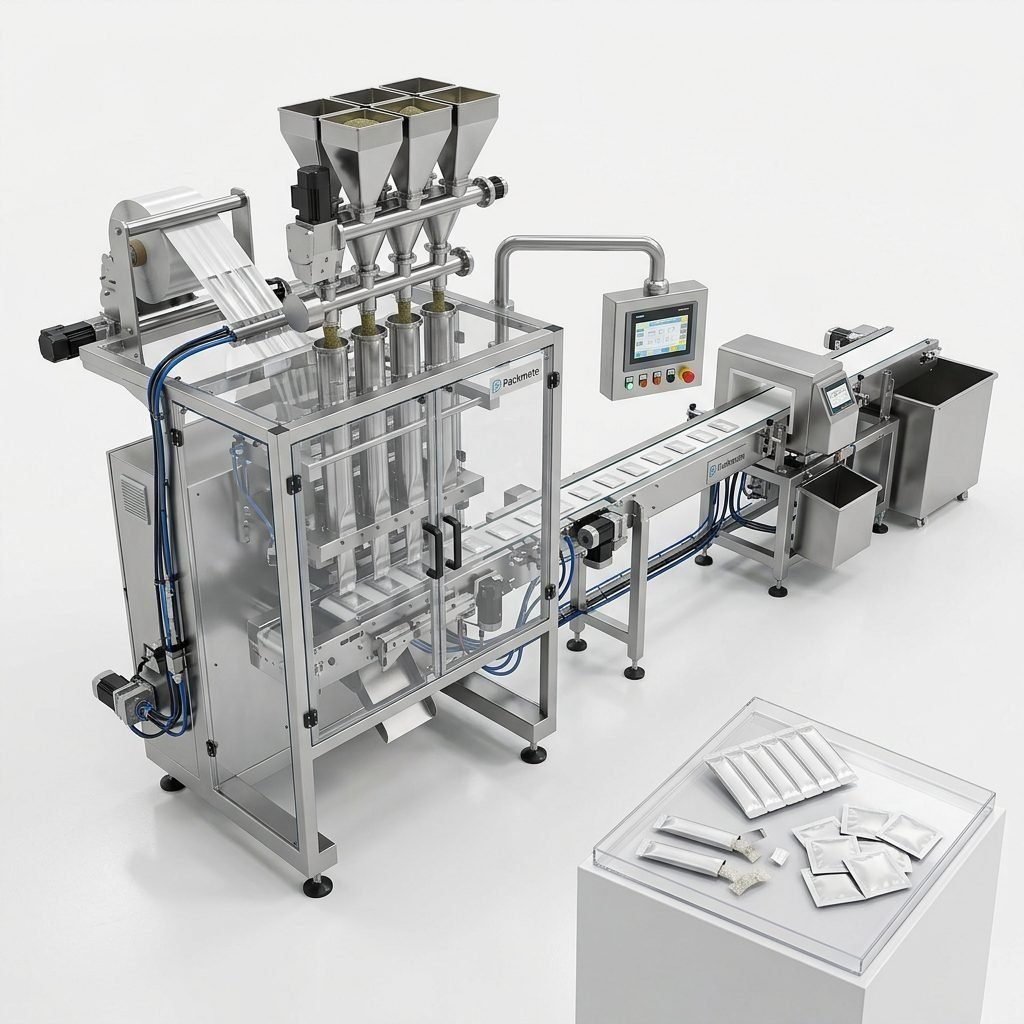
- Multi-lane snus packaging systems — for higher volume and multi-lane output.
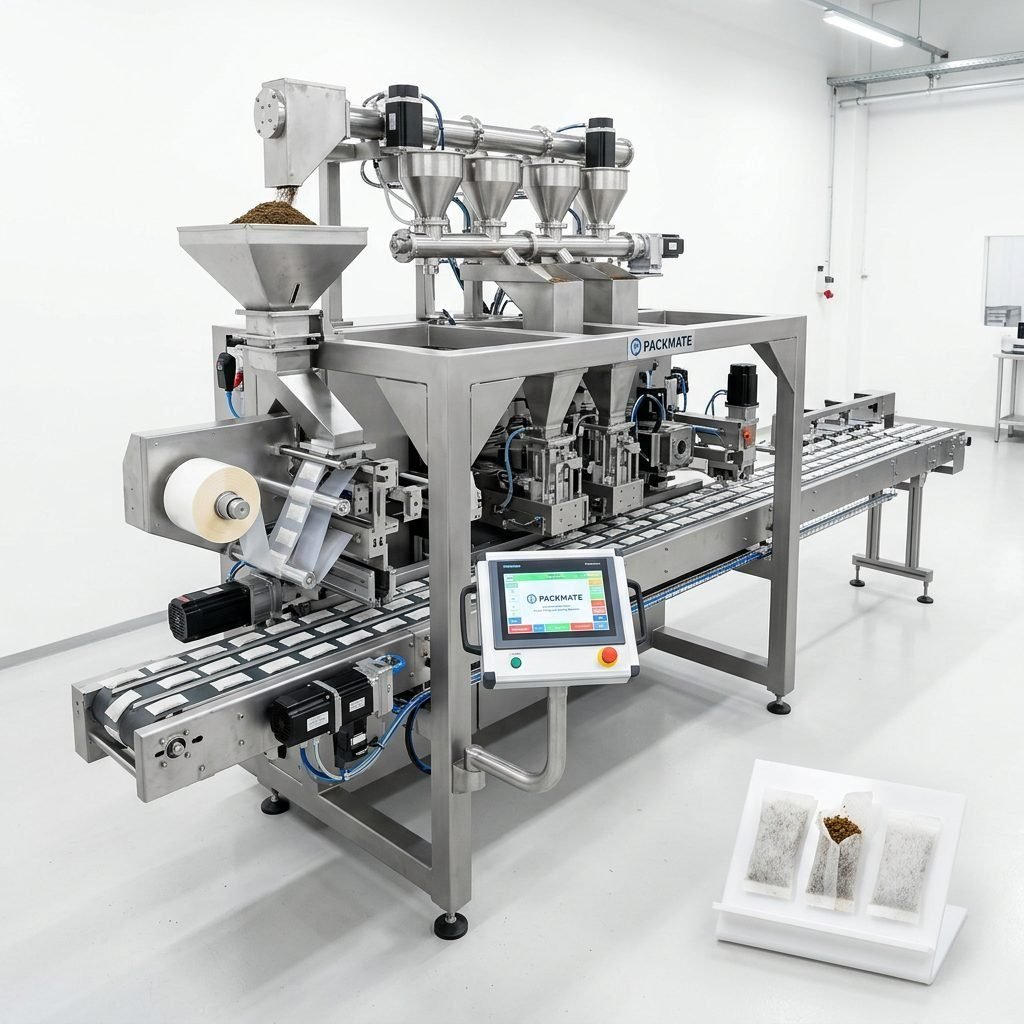
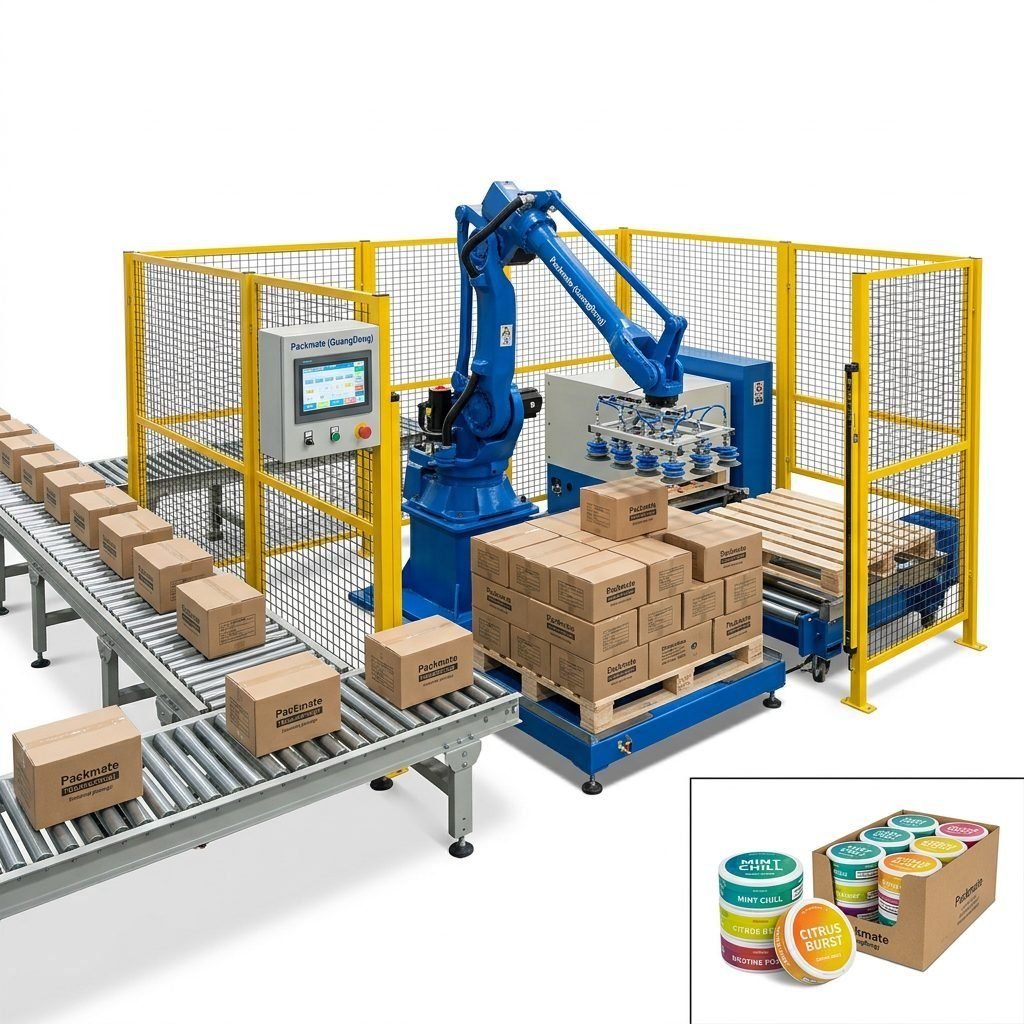
- Auxiliary systems — weighing, filling, and sealing units for end-to-end lines.
If you want to review different types of machines from a single supplier, explore the manufacturer’s product range such as Snus & Nicotine Packaging Machines and Sachet & Stick Pack Machines.
⚖️ Throughput & Scalability
Calculate current demand and forecast 2–5 years ahead. Choose machines with modular capacity growth — multi-lane options let you expand output without replacing the entire line. For exports, target machines certified to international standards (CE/ISO) to ease cross-border acceptance.
Tip: For the Solomon Islands, a modular multi-lane system often balances capital cost and future-proofing because regional demand can surge with export opportunities to nearby markets.
🔌 Local Logistics, Power & Environmental Considerations
Operating in the Solomon Islands requires thinking beyond the machine spec sheet. Port handling, inter-island shipping, customs clearance and availability of skilled technicians all affect total cost and uptime. Choose vendors who have experience shipping to remote islands and can provide reliable documentation and support.
Power supply in some islands may be less stable — ask suppliers about machines tolerant of voltage fluctuation, or include stabilizers and backup systems. High humidity and salt air can accelerate corrosion, so prioritize stainless-steel contact parts and protective coatings.
🚢 Import & After-Sales Service
Work with manufacturers or agents who can assist with shipping logistics and spare parts kits. Consider:
- Comprehensive spare parts packages for first 12 months.
- Remote commissioning and training options (video-guided setup).
- Local partner or authorized service contact to reduce downtime.
🛠️ Reliability, Build Quality & Certifications
Machine reliability translates into fewer production interruptions and consistent product quality. Look for manufacturers with a strong history in snus/nicotine pouch equipment, a sizable factory footprint, and certifications such as CE and ISO. These indicators show quality control and regulatory compliance that matter especially when exporting.
Packmate Snus Machine, for example, offers over 30 years of engineering experience, a 20,000㎡ manufacturing facility, and a product range covering snus packing, stick pack, sachet machines and full production lines — useful when you want a single vendor for turnkey solutions. See more on their About Packmate page.
Important: Ensure all food-contact components are stainless steel and that the supplier can provide material traceability and compliance documentation for export markets.
💰 Budgeting: Capital Cost vs. Total Cost of Ownership
Initial price is only part of the story. Factor in:
- Installation and commissioning costs
- Spare parts and maintenance contracts
- Training for operators and maintenance staff
- Shipping, import duties, and local clearance costs
Choosing a slightly higher-grade machine with solid support can reduce downtime and yield savings over the machine’s lifetime. Manufacturers that offer turnkey solutions — from weighing to final packing — simplify procurement and responsibility boundaries. Check turnkey line options at Filling & Packaging Lines.
👷 Staffing & Training
In the Solomon Islands, training local operators pays off in reliability and community goodwill. Select machines with intuitive HMI panels and access to remote diagnostics. Ensure that supplier training includes basic mechanical troubleshooting and preventive maintenance routines.
🔁 Spare Parts & Consumables
Keep a recommended stock of wear parts: belts, seals, cutting knives, sensors and PLC backups. Ask the manufacturer for a spare parts list and lead times — long shipping windows to remote islands make proactive stocking essential.
📑 Regulatory & Cultural Considerations in the Solomon Islands
Regulations for nicotine products vary; always consult local authorities about labeling, composition limits, and sales restrictions. Respect customary rules: in many islands, community leaders and local retailers hold influence over product acceptance — build relationships and demonstrate product safety and compliance.
Additionally, consider packaging that aligns with local consumption patterns: discreet, single-dose sachets and clear labeling in English and local dialects can help with market acceptance.
🔍 How to Evaluate Suppliers
Ask suppliers for:
- References and case studies — especially projects in island or regional markets (see Case examples)
- Factory photos and production capabilities
- Warranty, spare parts policy, and service-level agreements
- Compliance certificates (CE/ISO) and material declarations (contact parts)
Vendors with exhibition history and global customers are often better equipped to handle export logistics and provide consistent support — review their exhibition track record at Our Exhibition.
Checklist: production capacity, machine footprint, power needs, material contact hygiene, spare parts availability, training and support, certifications, and export experience.
📈 Choosing the Right Configuration for Different Business Models
– Small artisanal brand: semi-automatic sachet or bench-top stick pack with simple sealing. Lower capital and easier maintenance.
– Growing local supplier: single-lane automatic machines with auxiliary weighing and labeling units.
– Export-oriented manufacturer: multi-lane automated snus pouch systems, inline quality checks, and full packaging lines to maintain high throughput.
🧭 Final Decision Roadmap
1) Define product format and 2–5 year demand. 2) Map local constraints (power, logistics, humidity). 3) Shortlist suppliers with proven industry credentials and island export experience. 4) Request a site-specific quote including shipping and spare parts. 5) Plan operator training and spare parts stocking before machine arrival.
📞 Where to Get Started
If you need a reliable supplier with turnkey options and long industry experience, review product categories and contact options from suppliers with strong snus and nicotine experience. Explore product lines such as Bag & Pouch Packaging Machines and auxiliary equipment at Auxiliary Packaging Equipment. For direct assistance, use the manufacturer’s Contact Us page.
📝 Quick Summary
Selecting the right nicotine packaging machinery for the Solomon Islands is a balance of machine capability, local logistics, environmental protections, regulatory compliance, and supplier support. Prioritize modular scalability, corrosion-resistant construction, certified suppliers, and clear spare parts and training plans to achieve reliable production and market growth.
❓ Common Questions
Q1: How do I handle long shipping times and customs for a packaging line?
A1: Work with manufacturers experienced in island shipments, request complete documentation, order a spare-parts kit and plan customs clearance in advance to minimize delays.
Q2: What machine features help in high-humidity island environments?
A2: Stainless-steel contact surfaces, sealed electronics, anti-corrosion coatings, and dehumidified production areas help protect machines from humidity and salt air.
Q3: Is it better to buy a turnkey line or individual machines?
A3: Turnkey lines simplify responsibility and integration, reduce vendor coordination, and often provide better warranty and commissioning packages — ideal if you lack local technical resources.
Q4: How much spare inventory should I keep on hand?
A4: Keep essential wear parts (cutters, belts, seals, sensors) for at least 3–6 months of production, adjusted for your expected output and shipping lead times.
Q5: Where can I find trusted machine models and documentation?
A5: Review supplier catalogs and product pages for detailed specs, certifications and case studies; start with sections like Snus & Nicotine Packaging Machines and related product pages on reputable manufacturers’ websites.