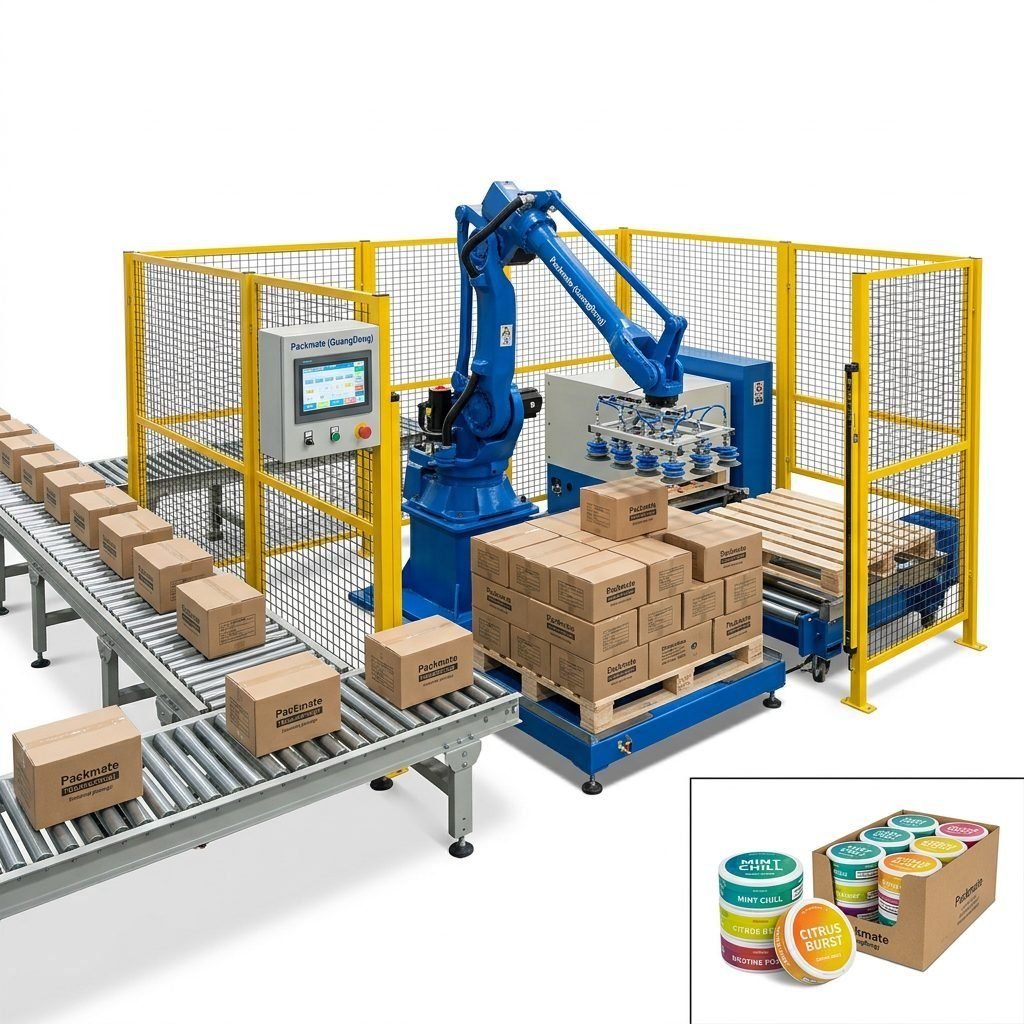
The rising global demand for smokeless tobacco products such as snus and nicotine pouches creates new production challenges and opportunities. Choosing the right snus packaging machine is a critical decision that affects product quality, production efficiency, compliance, and long-term profitability. This guide explains common applications, machine types, selection criteria, and how to evaluate suppliers and turnkey solutions for smokeless tobacco manufacturing.
Applications of Snus Packaging Machines
Snus packaging equipment covers a wide range of applications across the tobacco and adjacent industries. Typical uses include packaging small-dose nicotine pouches, traditional snus cans/pouches, herbal or nicotine-free alternatives, and other micro-dose products such as therapeutic or oral-care sachets. Modern lines also adapt easily for packing tea sachets, powdered ingredients, granular materials, and even small liquid components, enabling shared production capacity across product categories.
Common product forms
• Sachets and sticks for single-use portions
• Multi-lane pouch strips for high-speed small-dose throughput
• Pre-formed can inserts or flow-wrapped pouches for retail packaging
The right packaging format is driven by market preferences, brand positioning, and regulatory labeling requirements.
Types of Machines and Where They Fit
Manufacturers offer several core types of machines for snus and nicotine pouch production. Each type is optimized for specific production speeds, pouch shapes, and levels of automation.
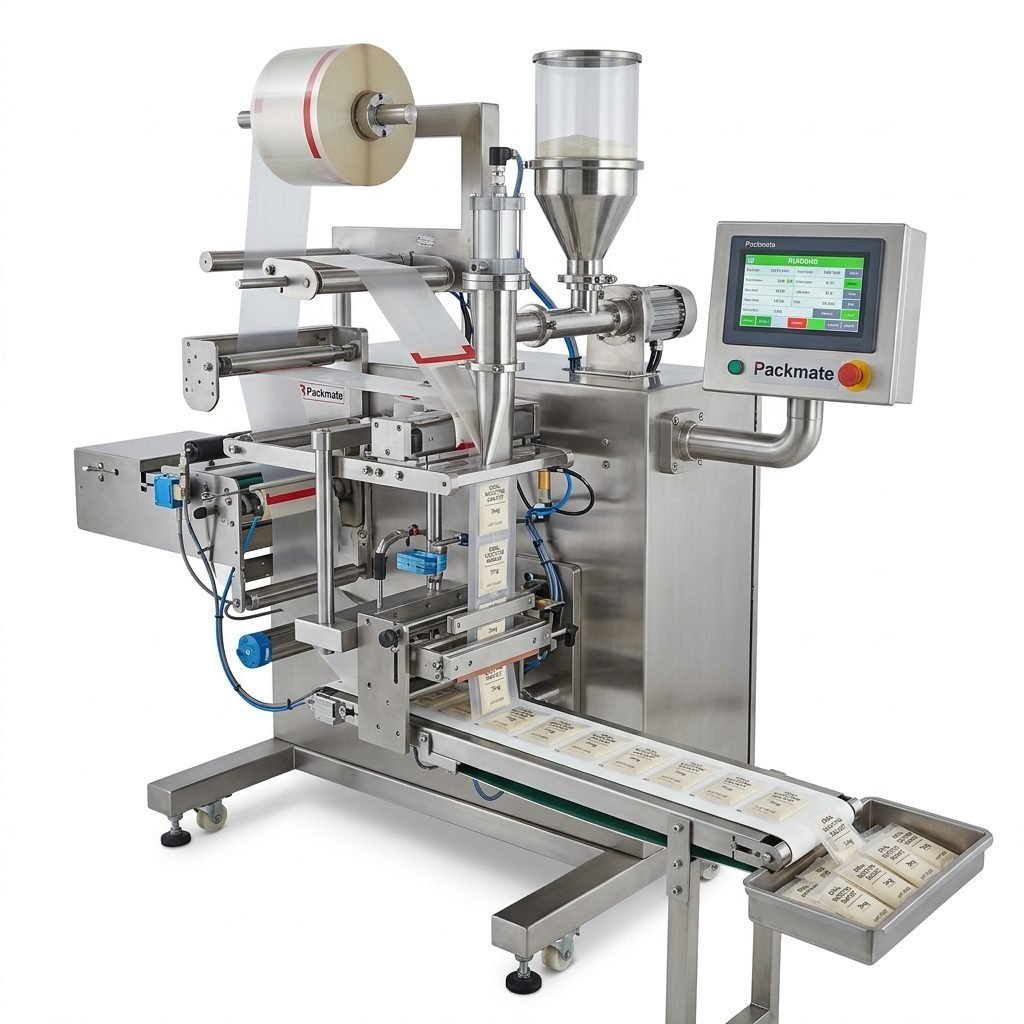
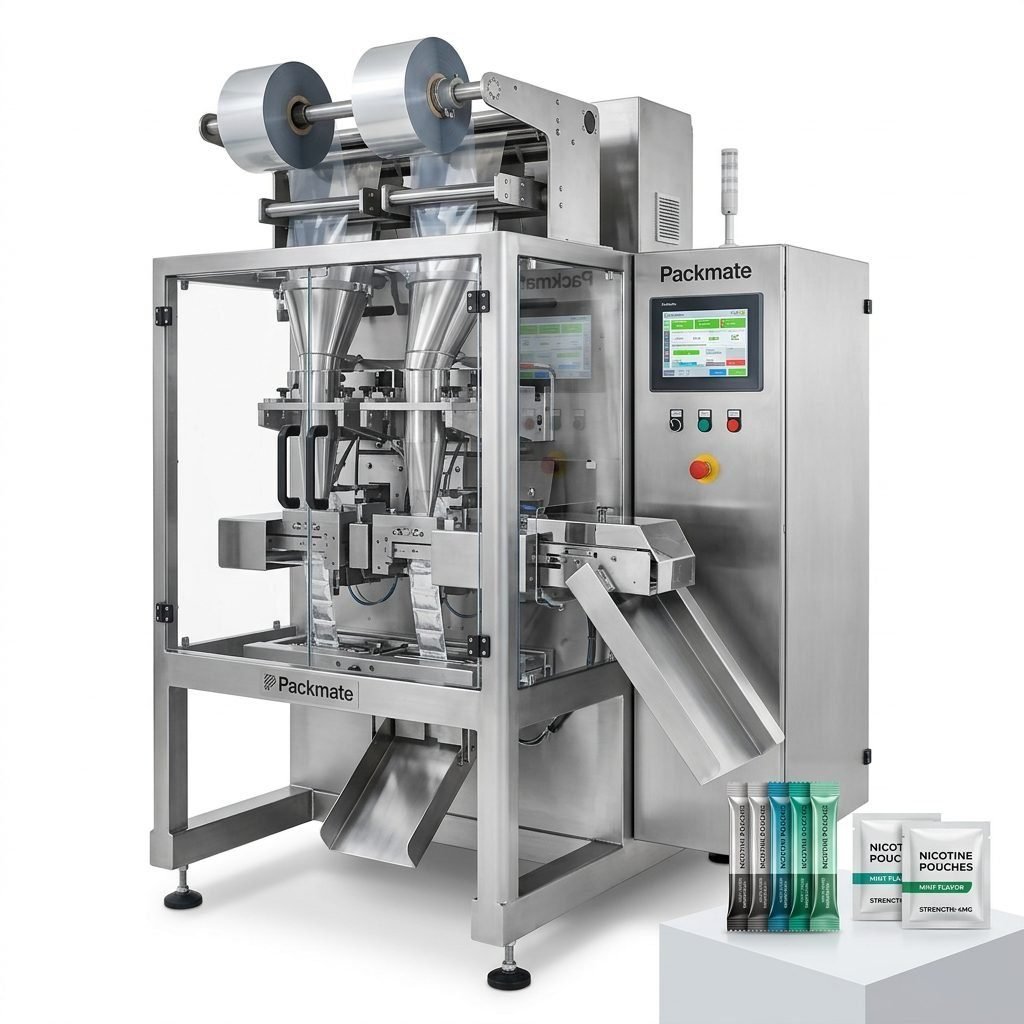
Stick pack and sachet machines
Stick pack and sachet machines are ideal for small-dose single portion packaging. They provide precise dosing and are often used for flavored nicotine pouches, oral-care sachets, and tea. These machines excel at flexible packaging formats and are a common starting point for brands entering the market.
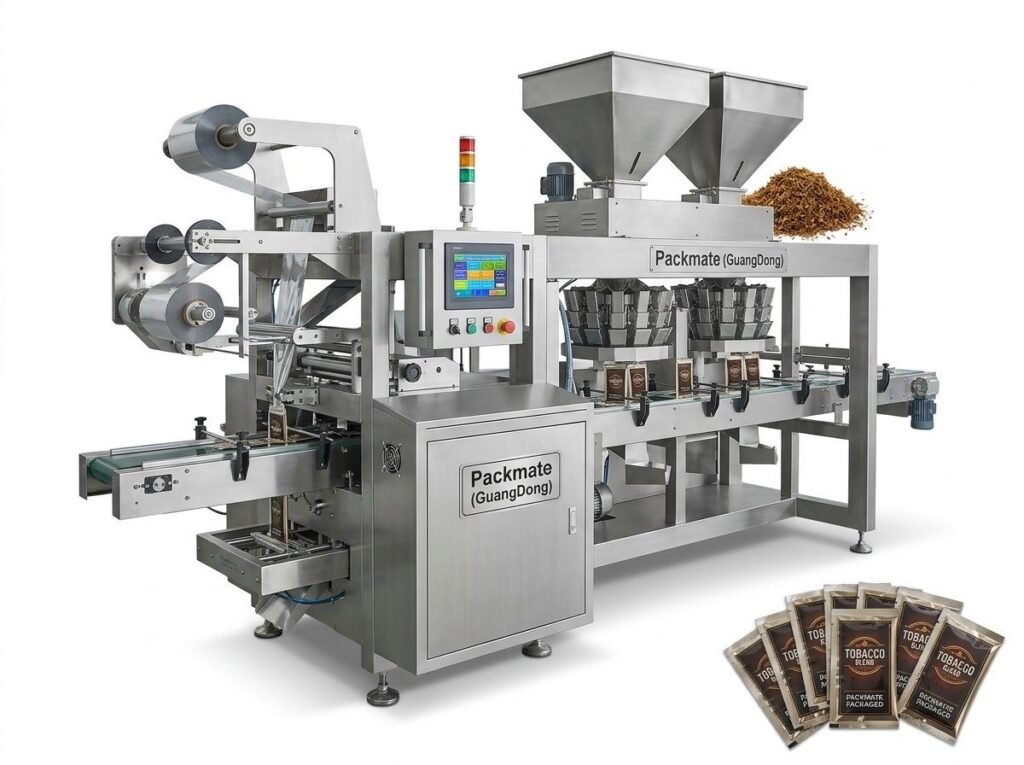
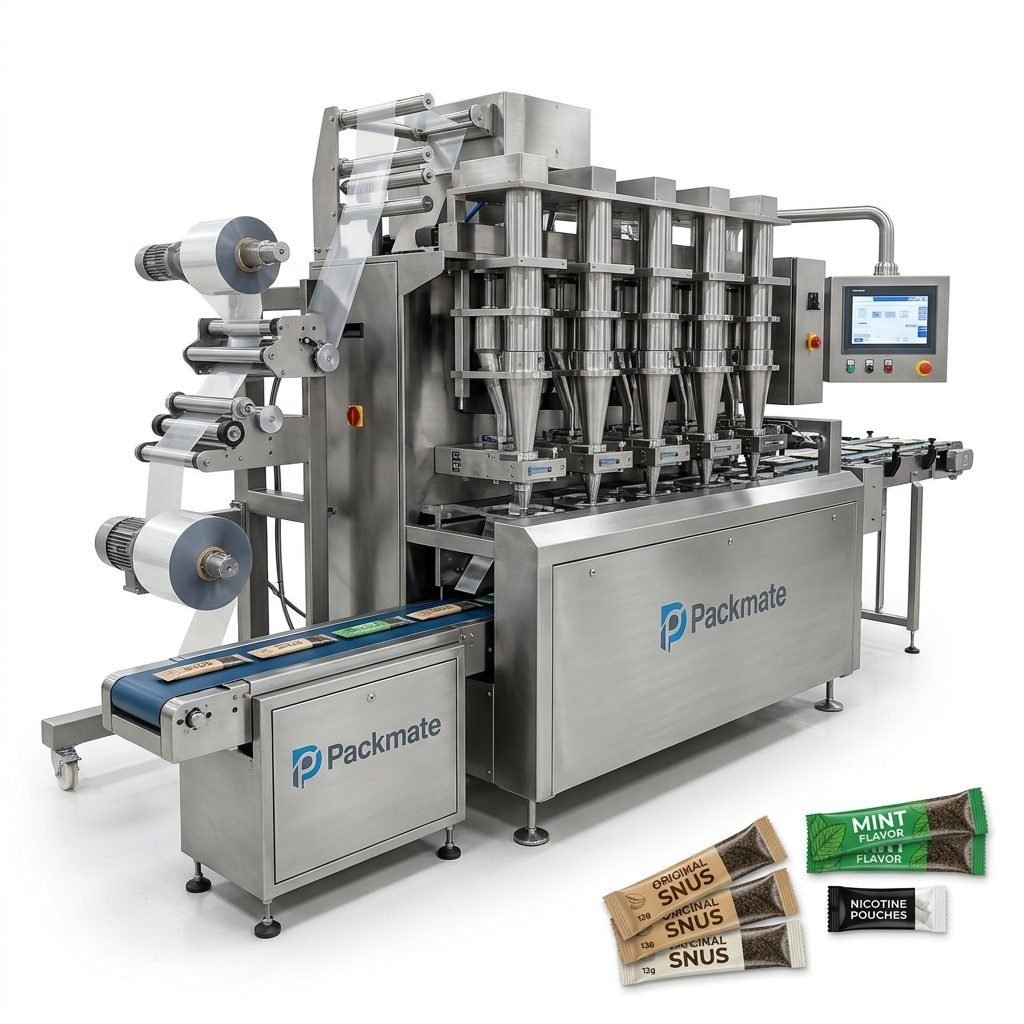
Multi-lane systems
For large-volume manufacturers, multi-lane systems multiply output by running several lanes of pouches in parallel. They deliver high throughput while maintaining consistent portion weights. Multi-lane solutions are especially valuable in markets with broad retail distribution or contract manufacturers serving multiple brands.
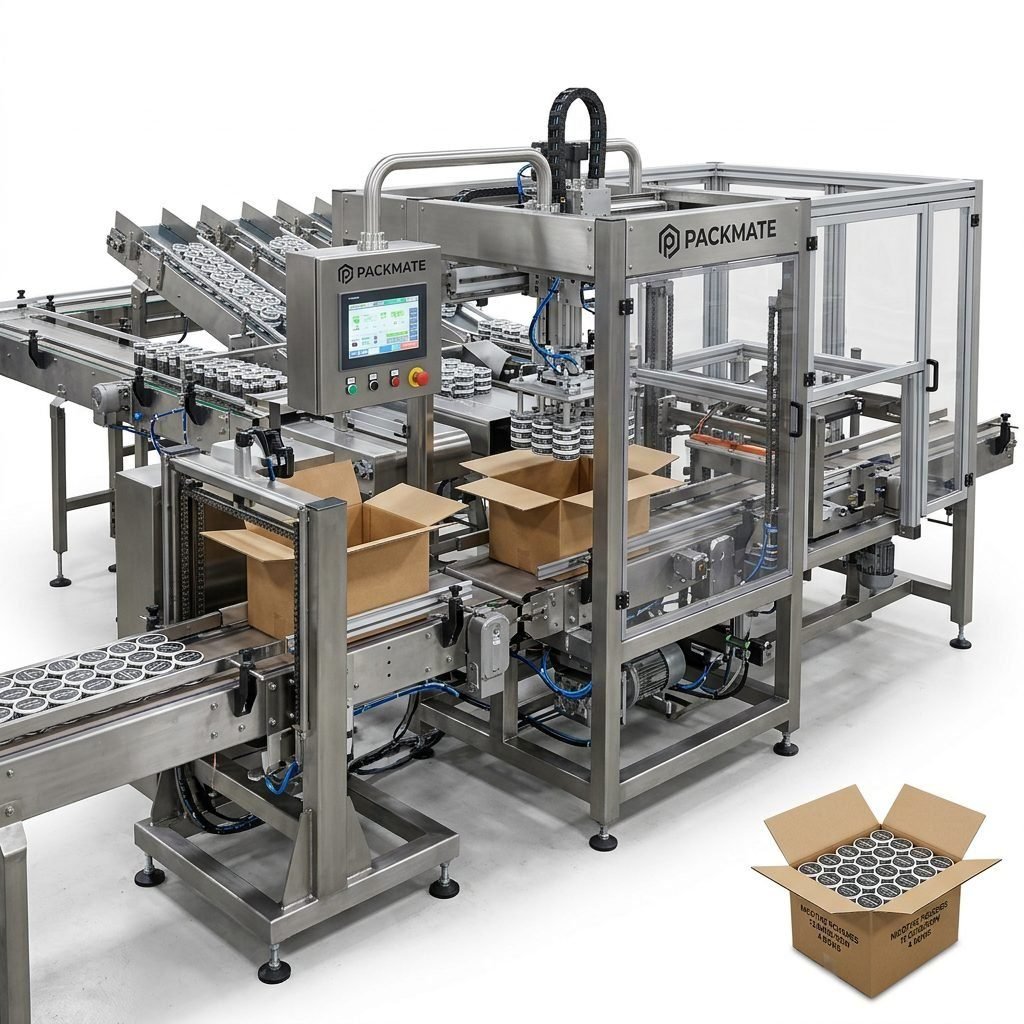
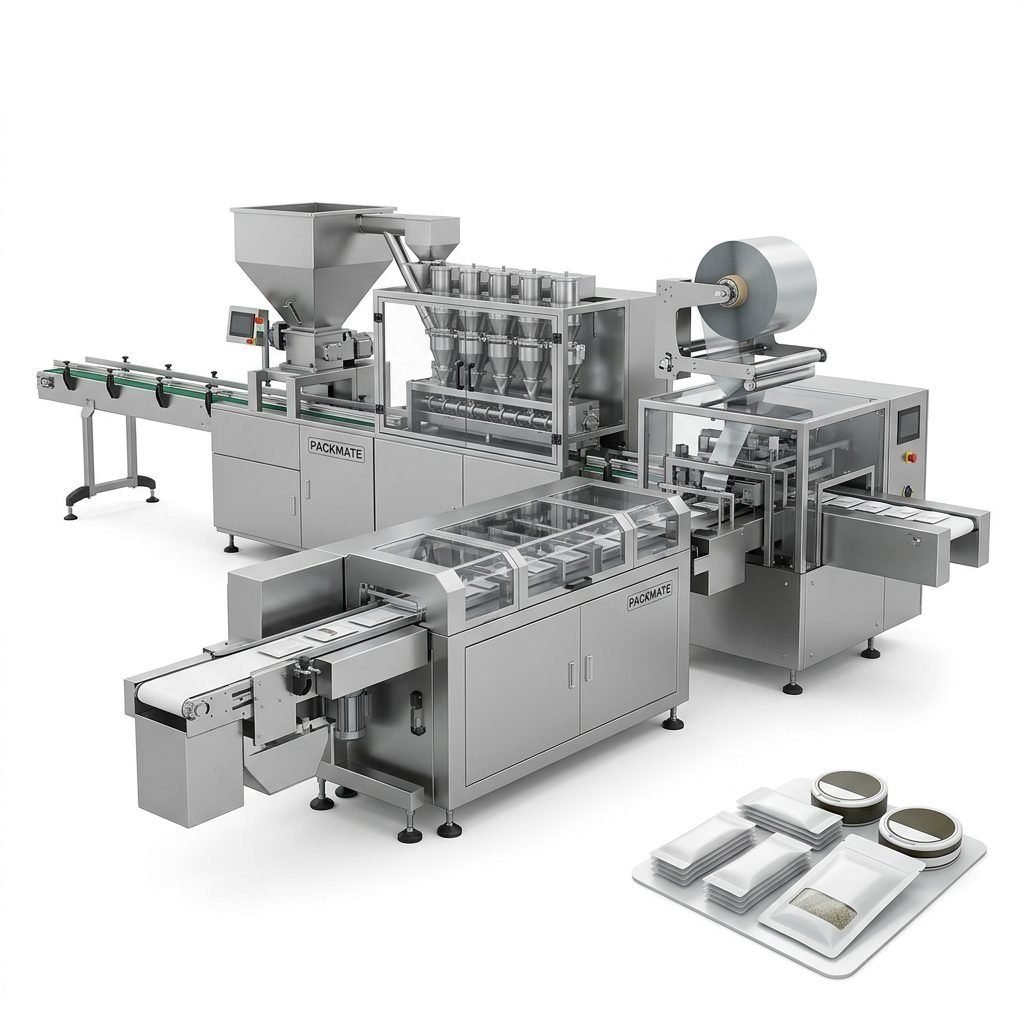
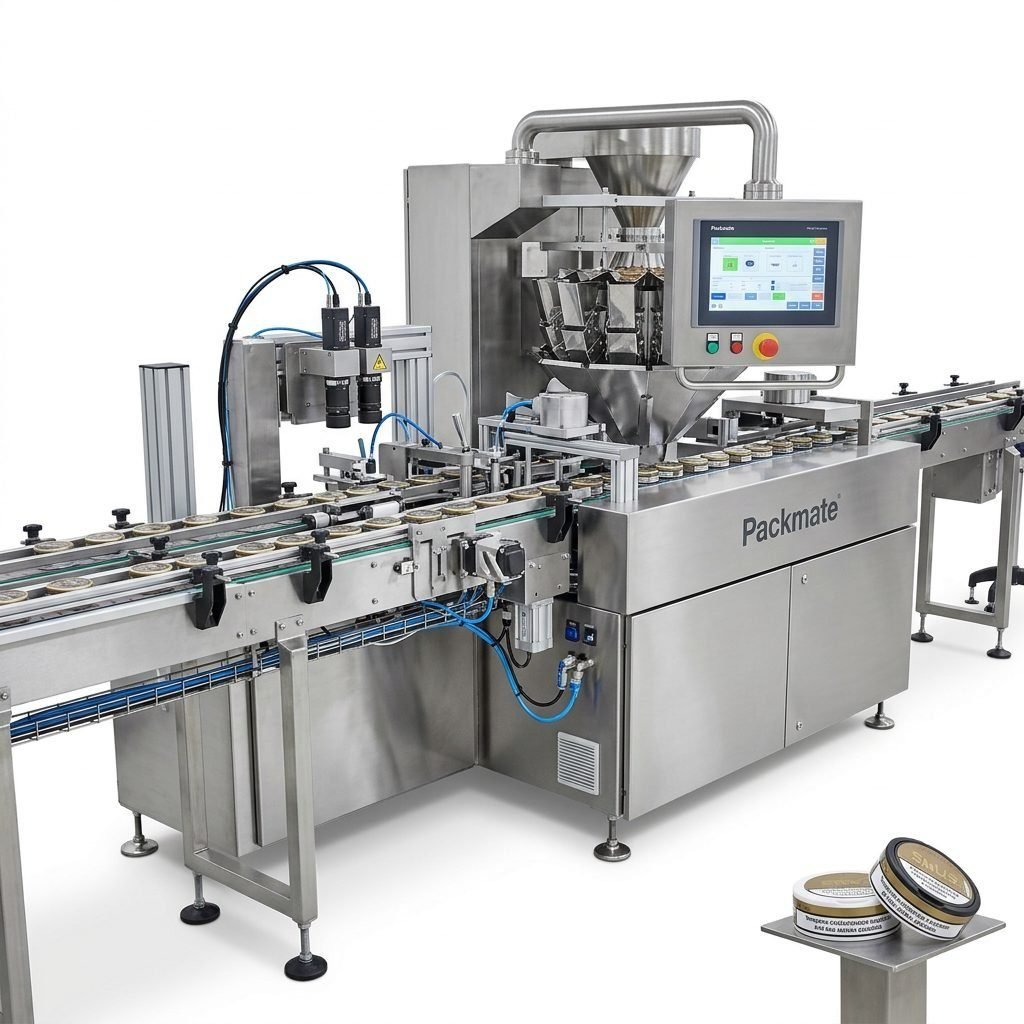
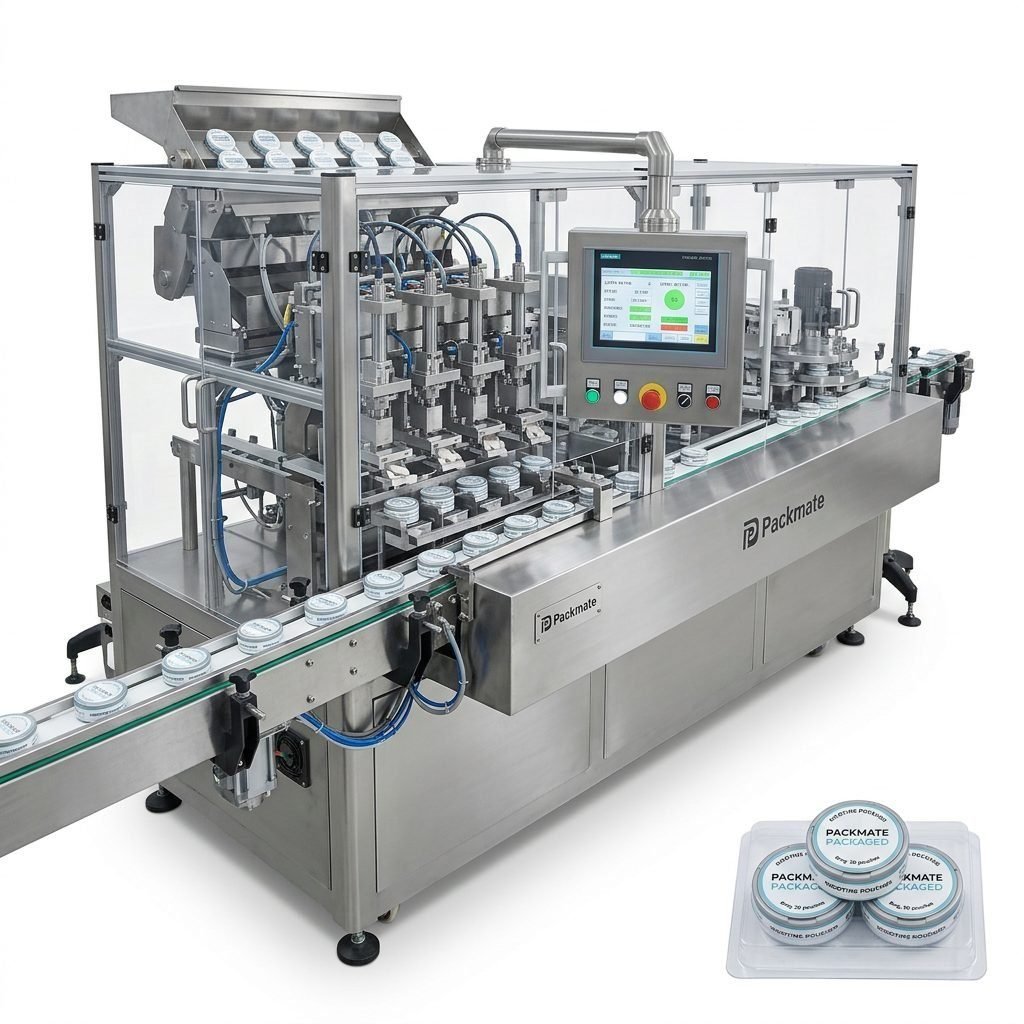
Complete filling & packaging lines
Integrated lines combine feeding, weighing, dosing, pouch formation, sealing, and secondary packaging. Turnkey systems reduce integration risk, speed up commissioning, and simplify regulatory documentation. If you need a full production line, look into combined solutions for filling & packaging and weighing & packaging systems.
See product lines at: Filling & Packaging Lines and Weighing & Packaging Systems.
⚙️ Key takeaway: choose stick/sachet machines for flexibility and lower investment; select multi-lane or integrated lines when you need scale, repeatability, and lowest unit cost.
How to Choose the Right Machine: Practical Criteria
Selecting the right snus packaging machine requires balancing product characteristics, production targets, regulatory needs, and your budget. Below are the most important evaluation points.
1. Product characteristics
Consider moisture content, particle size, cohesiveness, and whether you use foils, fiber pouches, or free-flowing powders. Machines and dosing systems differ in how they handle sticky or hygroscopic formulations — choose solutions with appropriate filling heads, vacuum systems, or agitation devices where needed.
2. Production capacity and speed
Estimate daily and annual throughput targets. A single-lane sachet machine may be sufficient for niche brands, while multi-lane lines become essential when scaling to hundreds of thousands of pouches per day. Plan for seasonal peaks and future growth — modular systems allow stepwise capacity expansion.
3. Accuracy and weight control
Precise dosing protects margin and ensures regulatory compliance. Check the machine’s dosing tolerance, integration with precision weighing systems, and available check-weighers for inline verification.
4. Regulatory and traceability needs
Snus and nicotine pouch production may be subject to country-specific laws on labeling, child-resistant packaging, and ingredient traceability. Confirm that the machine supports coding/printing systems for batch numbers, expiration dates, and can integrate with MES/ERP for traceability.
📌 Selection checklist: product type, target capacity, dosing accuracy, regulatory printing, ease of cleaning, spare parts availability, and supplier service coverage.
Evaluating Suppliers and Turnkey Solutions
A proven supplier does more than sell equipment. Look for engineering depth, factory capability, and global support. Packmate Snus Machine, for example, emphasizes complete packaging lines, 30+ years of engineering experience, and a 20,000㎡ factory equipped with CNC machining and precision assembly.
Learn more about the company and its offerings at About Packmate.
Factory capabilities and certifications
Confirm ISO/CE compliance, factory testing procedures, and case studies. A robust factory with 50+ machine models and strict quality controls can shorten customization cycles and ensure consistent quality across machines. See examples of global projects: Case.
Service, spare parts and training
Choose vendors who provide installation support, operator training, remote diagnostics, and local spare parts distribution. This reduces downtime and speeds up ramp-up. Investigate service packages and long-term maintenance plans.
Layout and Integration Considerations
Efficient workshop layout minimizes material handling and improves GMP compliance. Plan utility needs (compressed air, electrical capacity, vacuum, PLC networks) and flow from raw material to final boxed product. Integrated automation reduces manual steps and contamination risks.
Environmental controls and hygiene
For hygroscopic snus blends, humidity control in filling areas prevents sticking and product variation. Ensure the machine’s design enables fast cleaning, tool-less changeovers, and minimal niches where product can accumulate.
Cost, ROI and Financing
Total cost includes equipment, installation, training, spare parts, and lifecycle maintenance. Evaluate ROI by comparing unit cost reductions from automation, increased capacity, reduced waste, and faster time-to-market. Many suppliers offer modular purchase options and phased investments to match budget constraints.
💡 Tip: request a total cost of ownership (TCO) analysis from vendors to compare long-term expenses rather than just machine price.
Real-World Case Examples and Exhibitions
Leading manufacturers showcase live demonstrations at industry exhibitions. Attending shows lets you witness machine performance, ask technical questions, and discuss custom lines. For upcoming events and demonstrations, check the supplier’s exhibition page: Our Exhibition.
After-Sale Support and Certifications
Verify the vendor’s certification portfolio and post-sale support. International CE and ISO compliance simplify importing and regulatory acceptance in many markets. Documentation for validation, spare parts lists, and recommended spare kits should be provided before delivery.
Explore certificates: Certificate.
Why Packmate Snus Machine Can Be a Strategic Partner
Packmate combines a long engineering history, a broad model range, and manufacturing scale. Their 20,000㎡ facility, advanced CNC centers, and experienced assembly teams support reliable machines for snus and nicotine pouch production. They offer everything from single machines to turnkey production lines and global after-sales support.
See product families: Snus & Nicotine Packaging Machines and Bag & Pouch Packaging Machines.
Installation, Training and Upgrades
A thorough installation program includes FAT (Factory Acceptance Test), SAT (Site Acceptance Test), operator training, and preventive-maintenance training. Ensure remote support options and upgrade paths for firmware, automation features, and capacity expansions.
Maintenance Best Practices
Regular preventive maintenance maximizes uptime. Recommended actions include scheduled lubrication, inspection of seals and belts, calibration of dosing and weighing systems, and stockpiling critical spares. A clear maintenance schedule and on-site checklists help maintain consistent product quality.
✅ Quick summary: define product needs, size for future demand, insist on dosing accuracy and traceability, verify factory & service capabilities, and plan utilities and hygiene for consistent production.
Next Steps: Getting Quotes and Factory Visits
Start by preparing a specification sheet: product description, pouch type, target speeds, packaging materials, desired automation level, and regulatory requirements. Request detailed proposals that include installation, acceptance tests, training, and spare parts lists. If possible, visit the factory or attend an exhibition to see machines running in person and review reference installations.
Contact the manufacturer for consultation: Contact Us.
Final thoughts
Choosing the right snus packaging machine is a strategic decision that impacts quality, compliance, and growth. By prioritizing product fit, precision, supplier reliability, and lifecycle costs, manufacturers can build resilient production lines that meet market demand and support long-term business goals.
FAQs
Q: What machine type is best for a startup producing flavored nicotine pouches in small batches?
A: For startups, stick pack or single-lane sachet machines offer lower upfront cost, flexibility for different flavors, and simplified changeovers.
Q: How do I ensure dosing accuracy for micro-dose pouches?
A: Choose machines with precision dosing systems, integrate a check-weigher, and perform frequent calibration and sampling during production runs.
Q: Are turnkey lines necessary for every manufacturer?
A: Not always. Turnkey lines speed up commissioning and reduce integration risk — ideal for scale-ups and contract manufacturing. Smaller brands may adopt modular equipment and upgrade as needed.
Q: What after-sales services should I expect from a reputable supplier?
A: Expect installation support, operator training, remote diagnostics, spare parts availability, preventive maintenance guidance, and clear warranty terms.
Q: Where can I view machine models and product catalogs?
A: View catalogs, products, and detailed machine families on the supplier’s product pages: Catalog and Sachet & Stick Pack Machines.