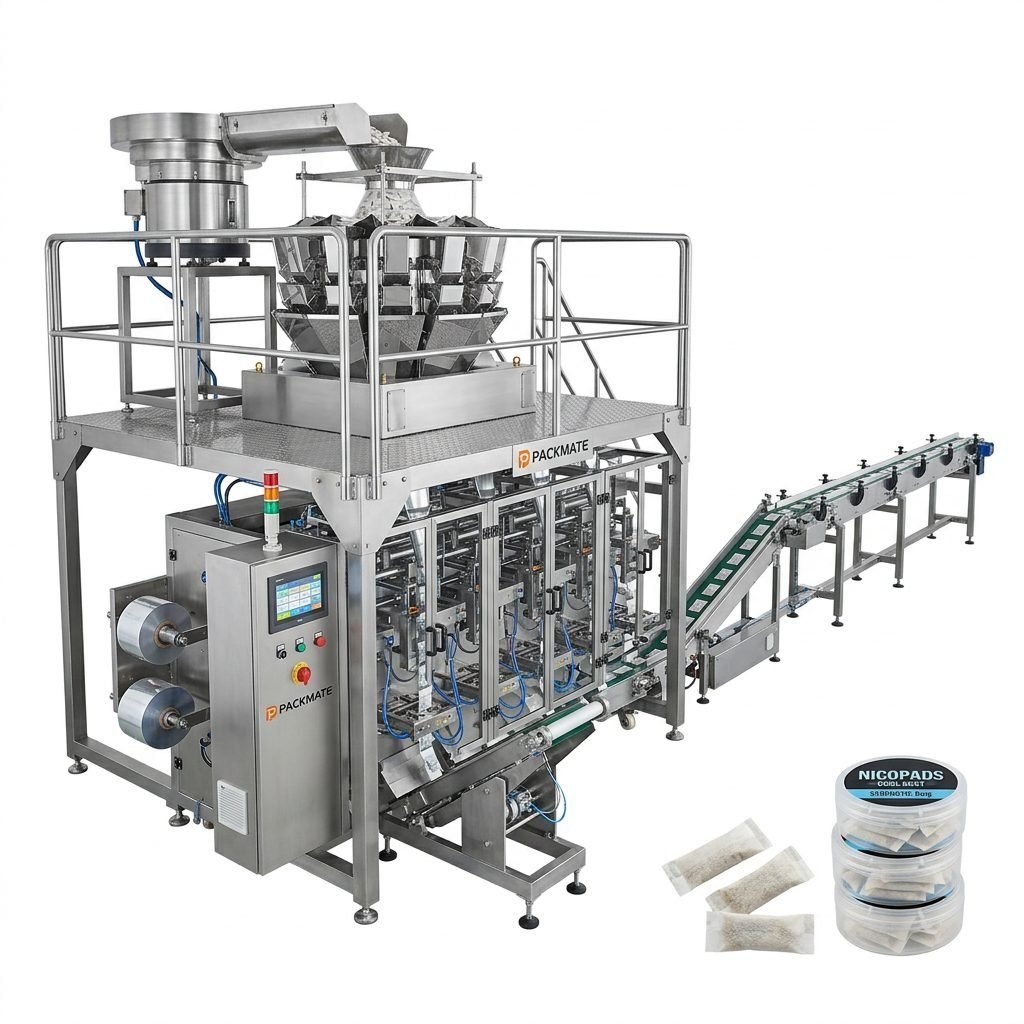
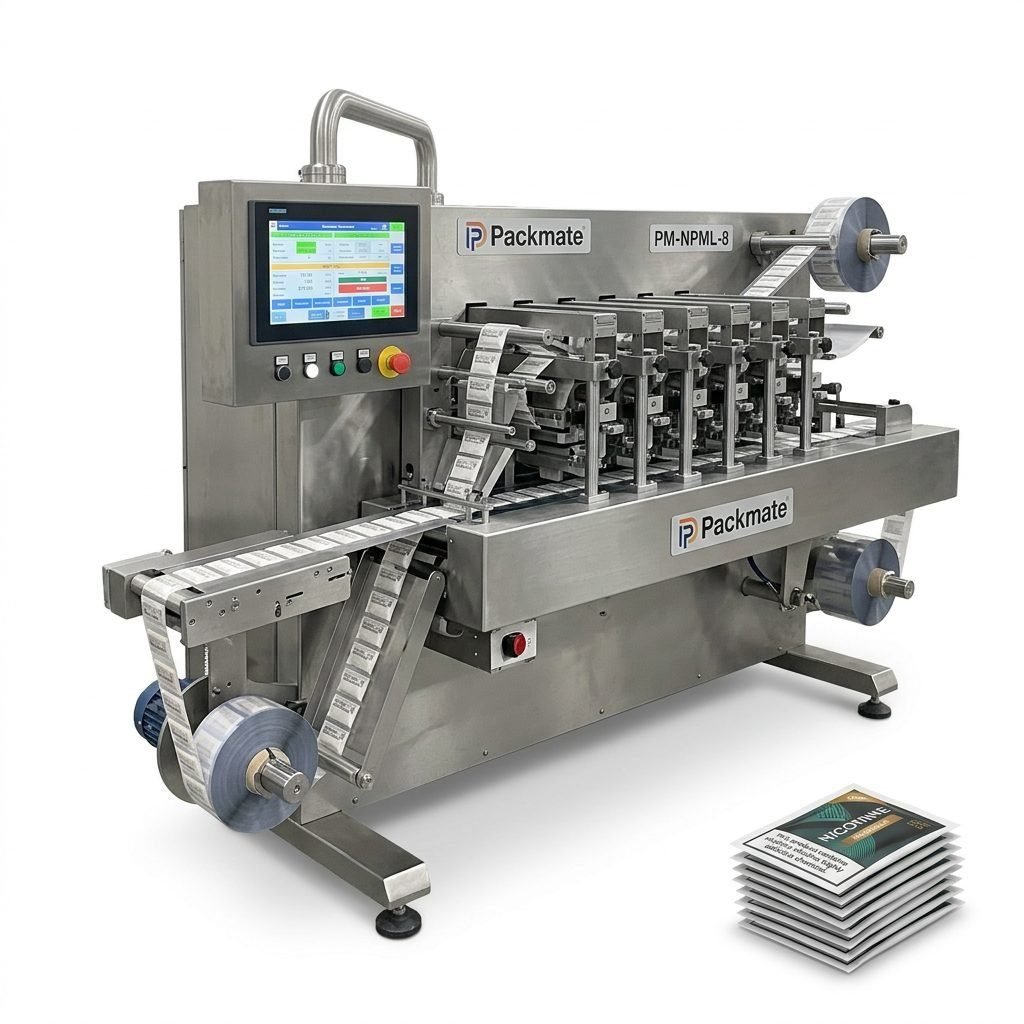
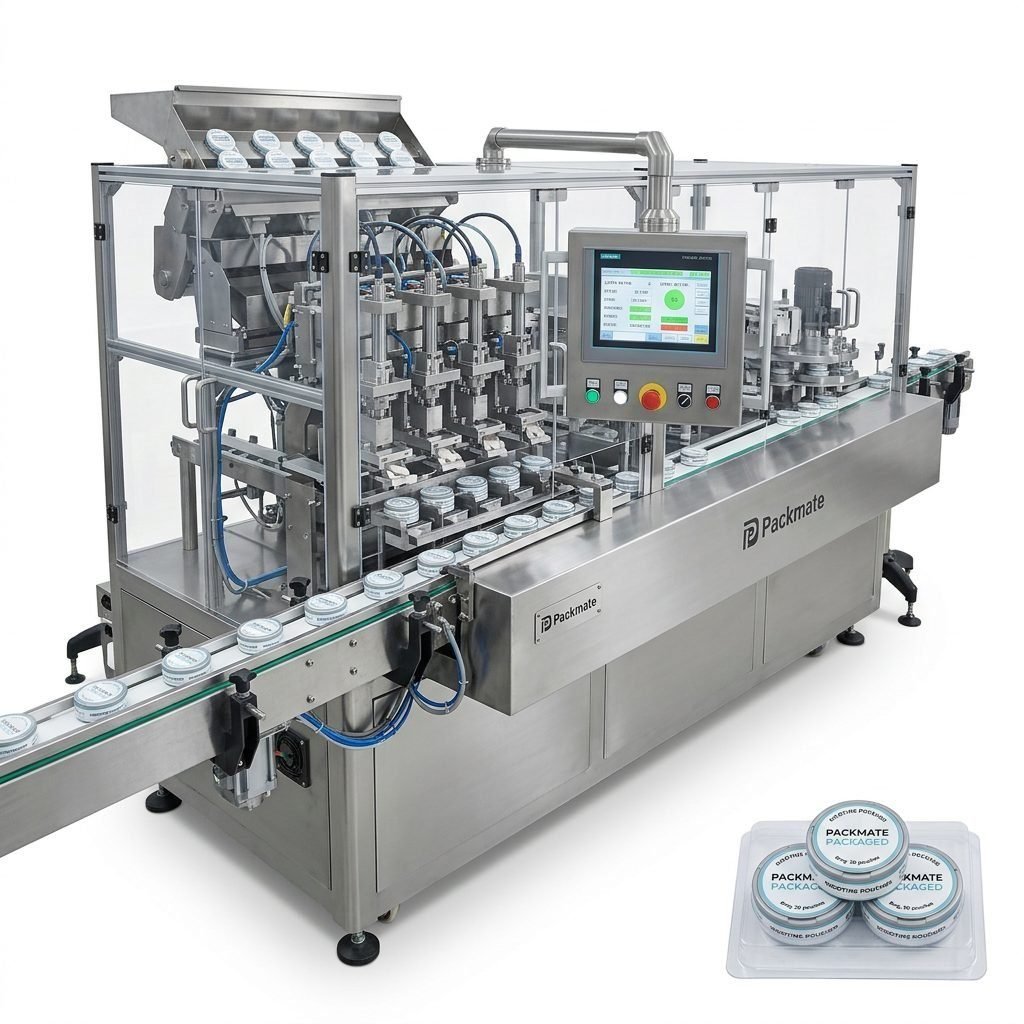
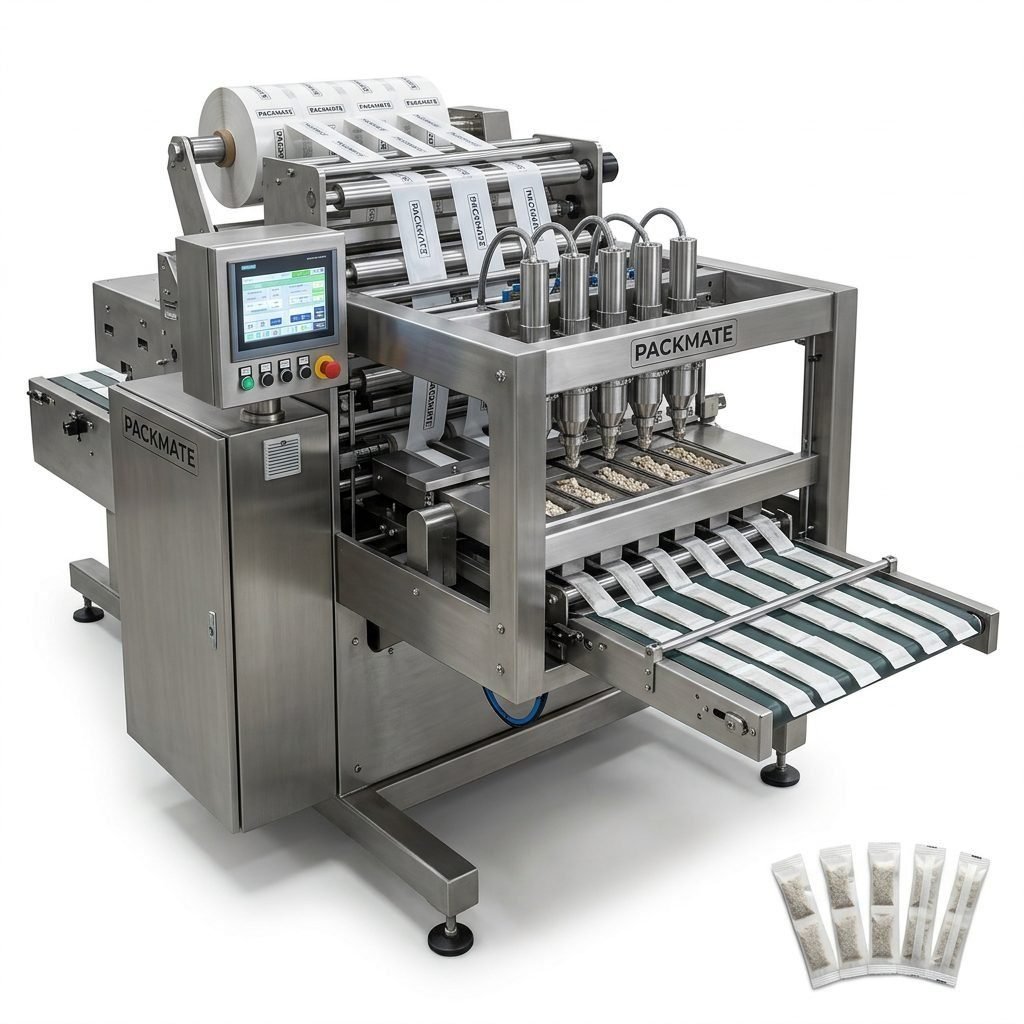
Choosing the right nicotine packaging machinery manufacturer in Switzerland is a strategic decision that affects product quality, regulatory compliance, production efficiency, and long-term profitability. This guide helps procurement managers, production engineers, and business owners in Switzerland and nearby European markets evaluate manufacturers and select a partner who can deliver reliable snus and nicotine pouch packaging lines tailored to local market needs and cultural expectations.
Why Swiss Buyers Should Be Selective: Local Expectations and Industry Realities
Swiss buyers value precision, punctuality, and high standards. Even if you source machinery from international suppliers, your procurement decisions should reflect Swiss sensibilities: attention to detail, strict quality control, multilingual documentation (DE/FR/IT/EN), and compliance with European and Swiss regulations. Many Swiss manufacturers and importers prefer equipment with compact footprints, low noise, energy efficiency, and clean design that aligns with high-end production facilities.
Key cultural note: Swiss production teams often require detailed documentation, traceability and traceable spare parts delivery schedules. Expect thorough FAT (Factory Acceptance Tests) and documentation in multiple languages.
1. Technical Capabilities and Machine Types
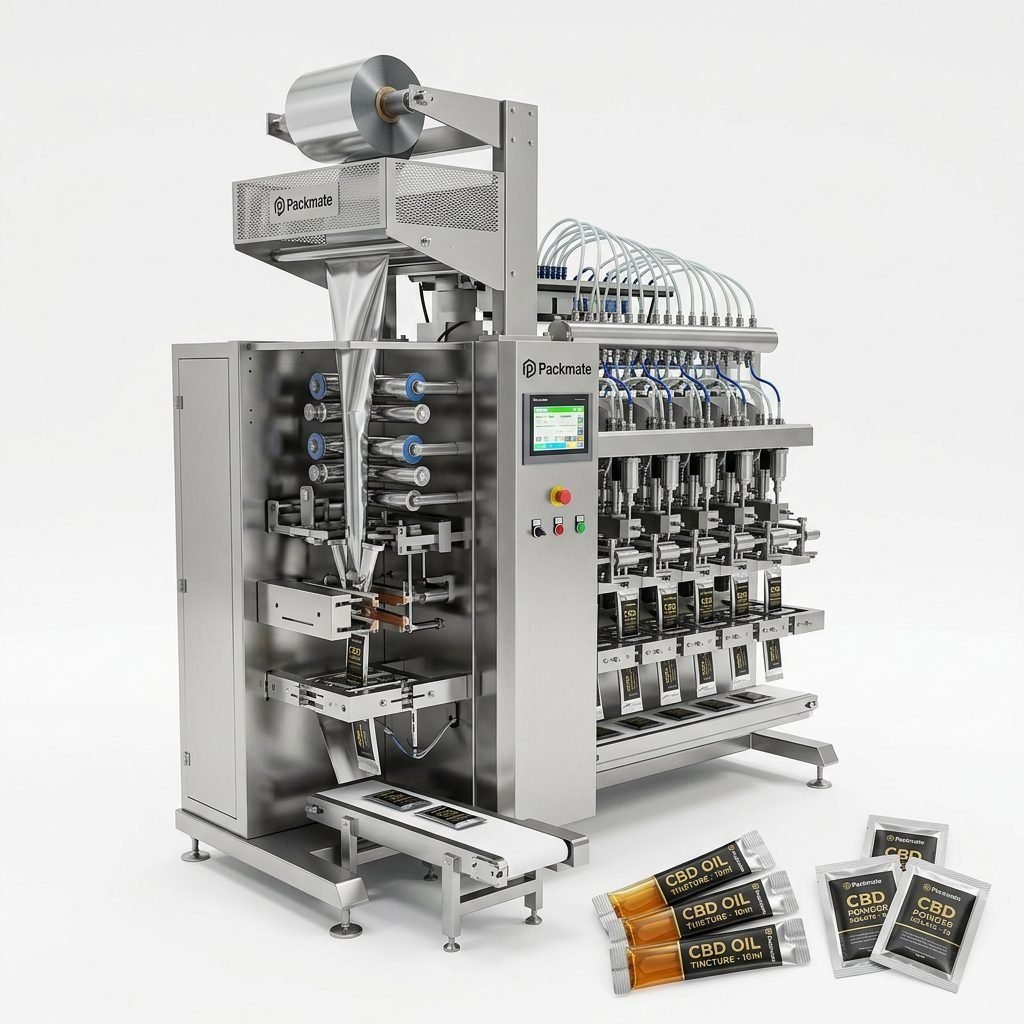
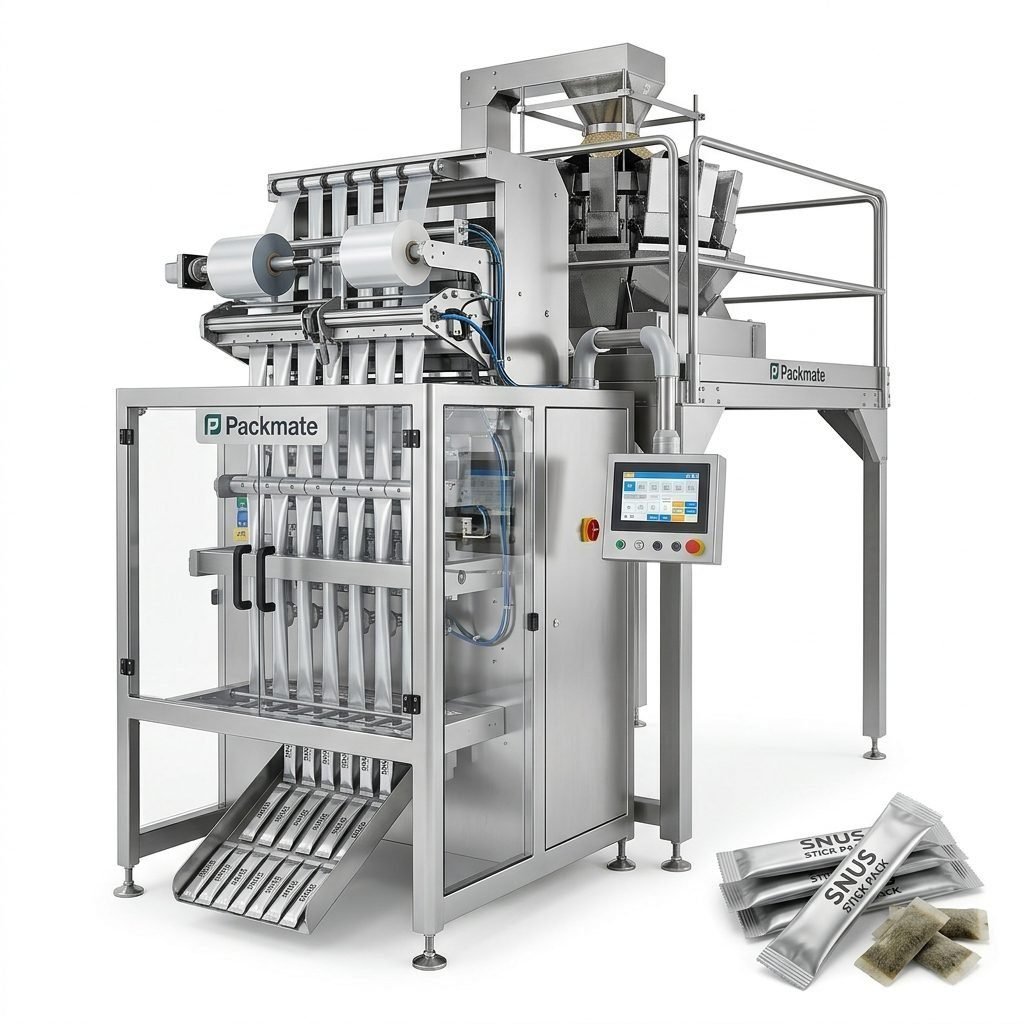
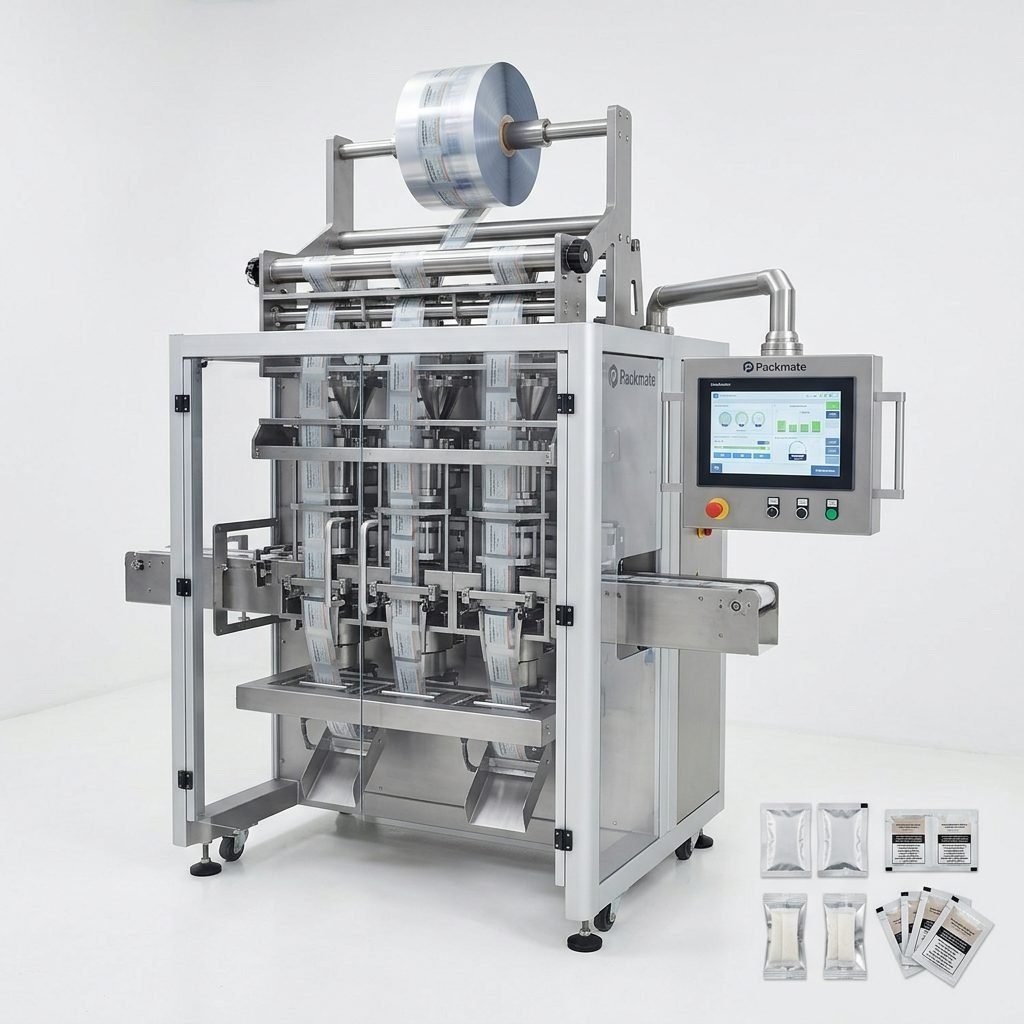
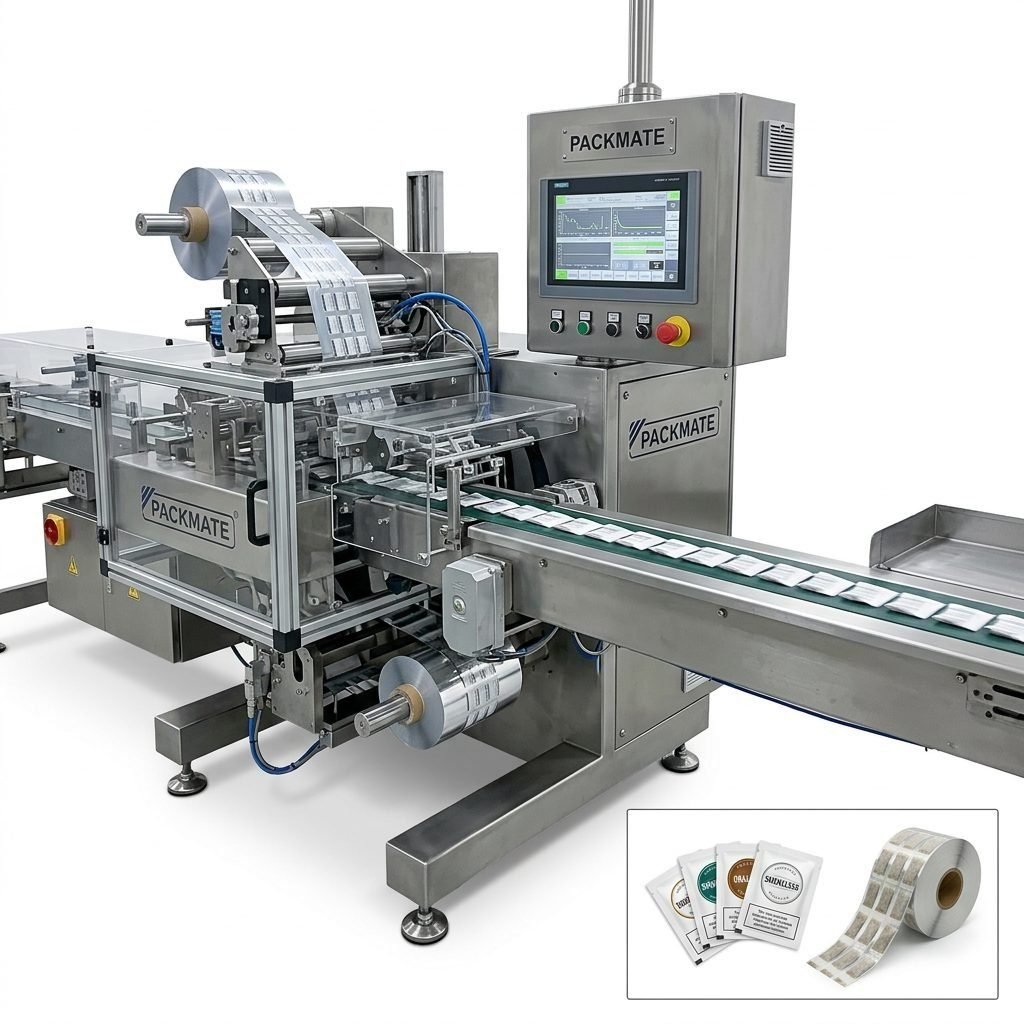
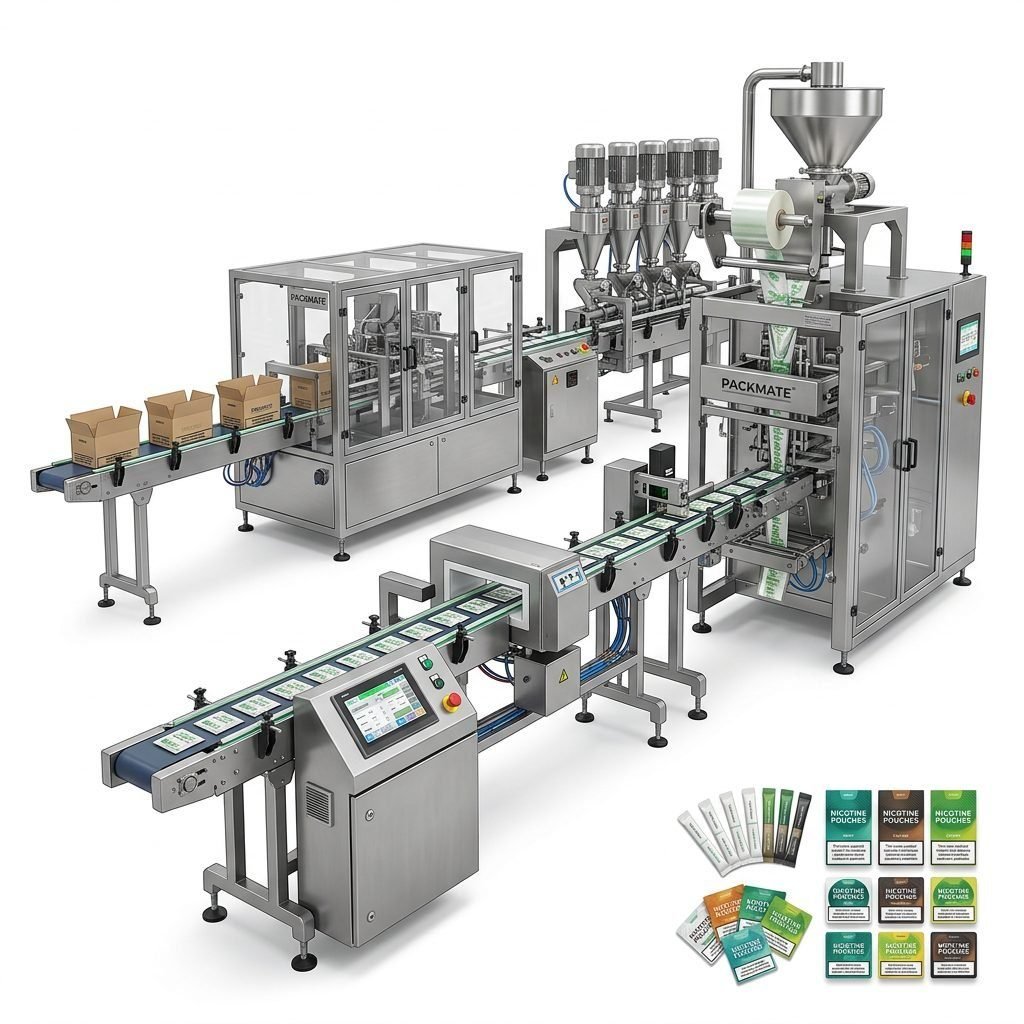
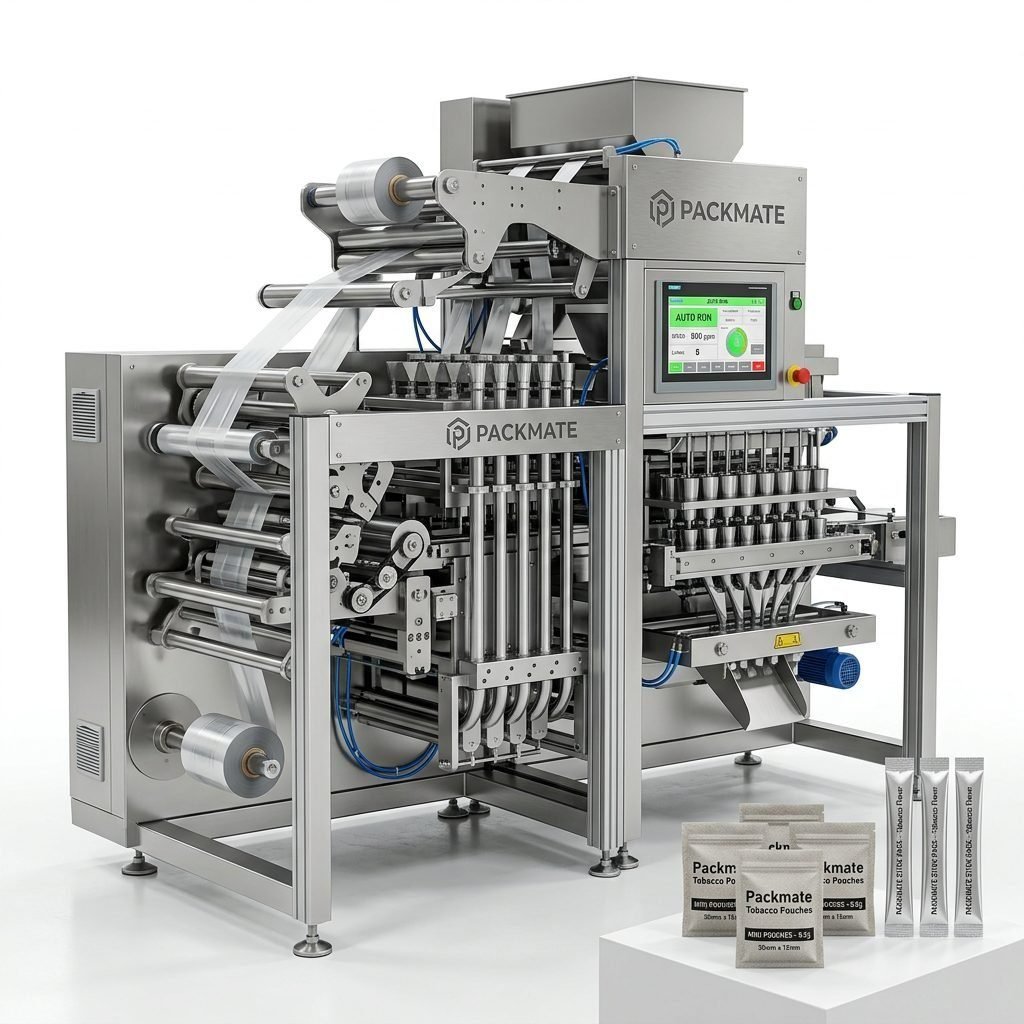
Look for manufacturers that offer a full range of snus and nicotine pouch machines: single-lane sachet machines, stick pack, multi-lane systems, and fully integrated weighing and feeding lines. Multi-lane systems are particularly valuable for small-dose nicotine pouches because they increase throughput while maintaining dose accuracy. Evaluate whether the supplier provides modular options for future upgrades.
Trusted manufacturers will supply machines for various formats — from sachets and stick packs to custom pouch shapes — and support powder, granules, and liquid dosing. Explore product lines like
Snus & Nicotine Packaging Machines and
Sachet & Stick Pack Machines.
2. Accuracy, Speed and Throughput – What Matters
Production in Switzerland is often constrained by higher labor and operating costs. Selecting machinery that maximizes uptime and minimizes waste has a direct impact on margins. Evaluate the manufacturer’s claims on accuracy (dose variance), speed (pouches per minute per lane), and reliable multi-lane synchronization. Ask for real production data and references from similar European installations.
Checklist: dose accuracy, lane balance, changeover time, mean time between failures (MTBF), and typical waste percentages during start-up.
3. Regulatory Compliance and Certification
Switzerland expects high standards in safety and documentation. Confirm that the machinery complies with international certifications such as CE and ISO. If your production will export to the EU, make sure the machine packages and documentation align with EU rules on nicotine products, labelling, and packaging material traceability. Manufacturers who provide thorough validation and IQ/OQ/PQ support will reduce the burden on your QA team.
4. Factory Strength and Manufacturing Quality
Inspect the manufacturer’s capabilities: advanced CNC centers, precision assembly lines, and a dedicated quality control team. A well-equipped factory suggests better consistency in part quality and faster customizations. For example, companies with over 20,000㎡ production facilities and 30+ years of engineering experience are typically more reliable partners for long-term contracts.
5. Customization, R&D and Turnkey Solutions
Swiss manufacturers and customers often need customized solutions: multi-lane lines for small-dose pouches, specific material handling solutions, or integration with upstream weighing systems. Choose manufacturers who offer R&D support, custom tooling, and turnkey lines that include filling, weighing, packaging and case packing. See examples of integrated systems on pages like
Weighing & Packaging Systems and
Filling & Packaging Lines.
6. After-Sales Service, Spare Parts and Training
Rapid support is critical. Evaluate the vendor’s spare parts inventory, typical lead times for replacement components, and availability of multilingual service teams. Swiss customers often prefer on-site training sessions and clear maintenance manuals. Confirm whether the supplier has local service partners or support channels for timely assistance.
Service KPIs to verify: response time, spare parts availability, training hours included, and optional maintenance contracts.
7. Total Cost of Ownership (TCO) vs. Purchase Price
Don’t judge solely by initial purchase price. Calculate TCO including energy consumption, maintenance intervals, spare parts pricing, expected lifetime, and scrap rates. Energy-efficient drives, sealed bearings, and simple access for cleaning reduce operating costs in high-spec facilities. Swiss operations often favor long-term reliability over short-term savings.
8. Factory Acceptance Tests and Installation Support
Prioritize suppliers who offer comprehensive FAT with video documentation, production trials with your product, and certification of performance. Verify installation, commissioning, and SAT (Site Acceptance Test) procedures, as well as the availability of commissioning engineers who speak English or local languages. A clear handover package saves time during ramp-up.
Evaluating Manufacturer Claims — Practical Steps
Follow a step-by-step approach to validate manufacturer claims:
- Request detailed technical specifications and PLC/HMI screenshots.
- Ask for reference installations in Europe and client contact details.
- Demand sample runs with your materials and intended pouch formats.
- Review maintenance manuals, spares lists and electrical schematics.
- Confirm delivery timelines and packaging for cross-border import to Switzerland.
Pro tip: visit the factory in person or request live demonstrations at exhibitions. See their global presence via their exhibition page like
Our Exhibition.
References and Track Record
Examine the supplier’s case studies and long-term client relationships. Companies with deployments across Europe, Asia and the Americas typically have mature product lines and support networks. Check real-world performance data and seek independent testimonials or case reports like those listed on their Case page.
Sustainability, Waste Management and Energy Efficiency
Swiss manufacturers and brands increasingly prioritize sustainability. Ask potential partners about energy-saving features, recyclable packaging compatibility, and how the line minimizes product waste and packaging scrap. Documentation on environmental management systems and certificates provides added assurance.
Why Packmate Snus Machine Is Worth Considering
A supplier with decades of experience, broad model range and a full-factory approach can simplify procurement. For example, manufacturers with over 30 years of engineering expertise and a 20,000㎡ facility can provide high-precision multi-lane solutions, custom turnkey lines, and reliable after-sales support. Learn more about the company’s profile and mission on their About Packmate page.
Notable strengths to verify: wide product range (50+ models), advanced CNC & assembly facilities, CE/ISO compliance, global turnkey solutions and experienced R&D.
Integration with Auxiliary Equipment
Confirm that the manufacturer can integrate auxiliary equipment: feeding systems, metal detectors, case packers, checkweighers and labelling units. An integrated line reduces handling time and improves traceability. See examples of auxiliary solutions at
Auxiliary Packaging Equipment.
Commercial Terms and Logistics
Negotiate clear commercial terms: payment milestones, warranty period, shipping incoterms, installation inclusion, spare parts kits, and training scope. Plan for customs clearance into Switzerland and any import duties. Contractually specify acceptance criteria and performance guarantees.
Decision Matrix — What to Prioritize
Use a scoring matrix to rank suppliers on these core factors: technical fit, TCO, certifications, service network, customization capability, and references. Weight factors according to your priorities — for example, put greater weight on reliability and service if you operate a single-line site in Switzerland where downtime is costly.
Quick summary: prefer a vendor who can demonstrate production with your product, provide clear documentation, guarantee spare parts availability, and support CE/ISO compliance.
Next Steps for Swiss Buyers
Start conversations with shortlisted vendors, request sample trials, arrange factory visits, and gather references. If you need turnkey proposals, ask for detailed line layouts and integration plans. For initial product compatibility checks, view specialized product pages like
Bag & Pouch Packaging Machines.
Contacting the Manufacturer
When you’re ready to request quotations or technical documentation, use direct contact portals. A good manufacturer provides a clear contact route, product catalogs, and a responsive sales engineer. For direct inquiries or service requests, check their Contact Us page.
⚙️ ✅ 📦 Final reminder: always validate with sample production runs, confirm service levels in writing, and build a clear warranty and spare-parts agreement into the contract.
Frequently Asked Questions (3–5)
Q1: How long is the typical lead time for a custom multi-lane nicotine pouch line?
A1: Lead time varies with customization and spare-part sourcing, but expect 12–24 weeks for fully customized multi-lane lines including FAT, plus additional time for shipping and installation.
Q2: What certifications should I request from a manufacturer supplying equipment to Switzerland?
A2: At minimum request CE and ISO certificates, electrical safety documentation, and any environmental or material compliance certificates relevant to your market and export destinations.
Q3: How can I ensure dosing accuracy for small-dose nicotine pouches?
A3: Validate the dosing system through sample runs, check variance statistics under production conditions, and verify that the supplier offers fine-tuning and calibration services during commissioning.
Q4: Is it better to buy locally in Switzerland/EU or import from overseas?
A4: Buying locally can simplify support and reduce logistics complexity, but many high-quality suppliers overseas offer competitive pricing and strong support. Assess TCO, support contracts, and local service availability when deciding.
Q5: Where can I see live demonstrations and real-case references?
A5: Attend international packaging exhibitions or request factory visits and video demos from your shortlisted suppliers. Many companies publish case studies and exhibition schedules for live demonstrations.