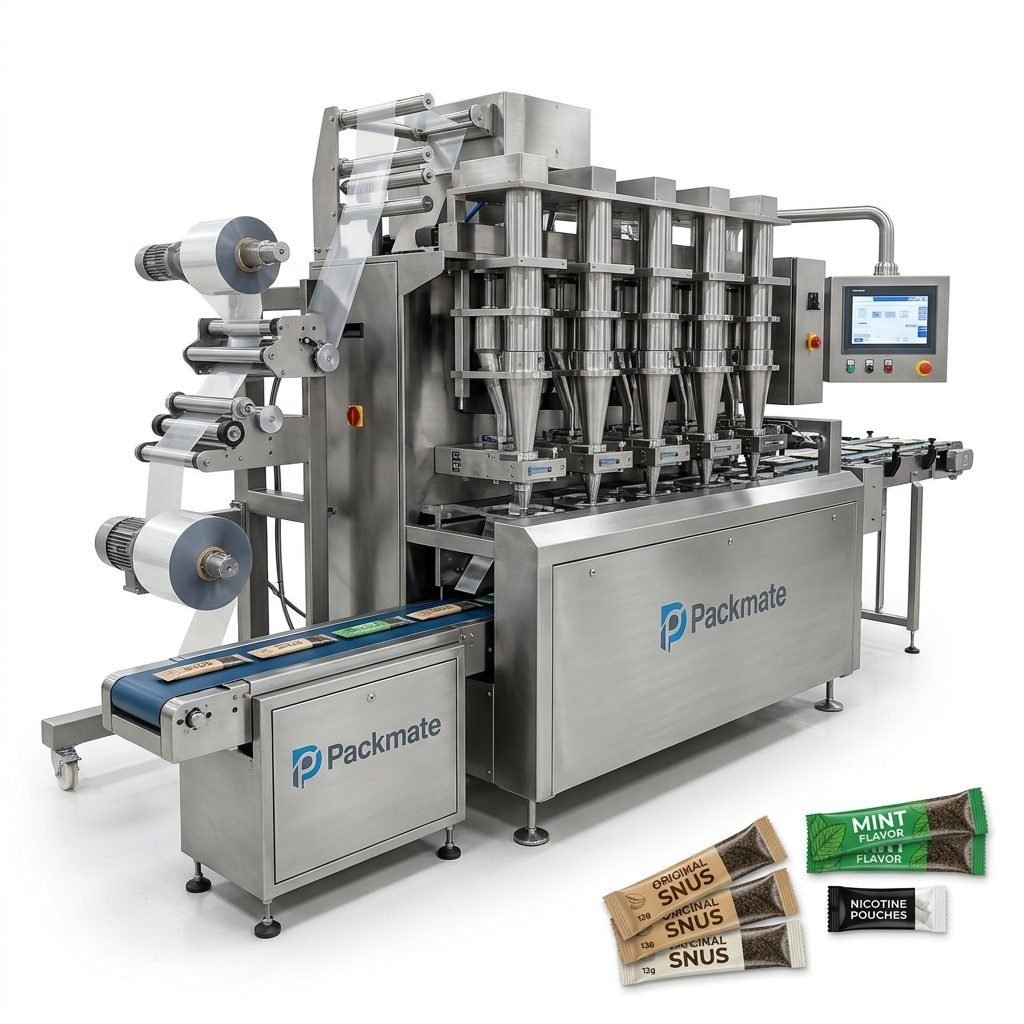
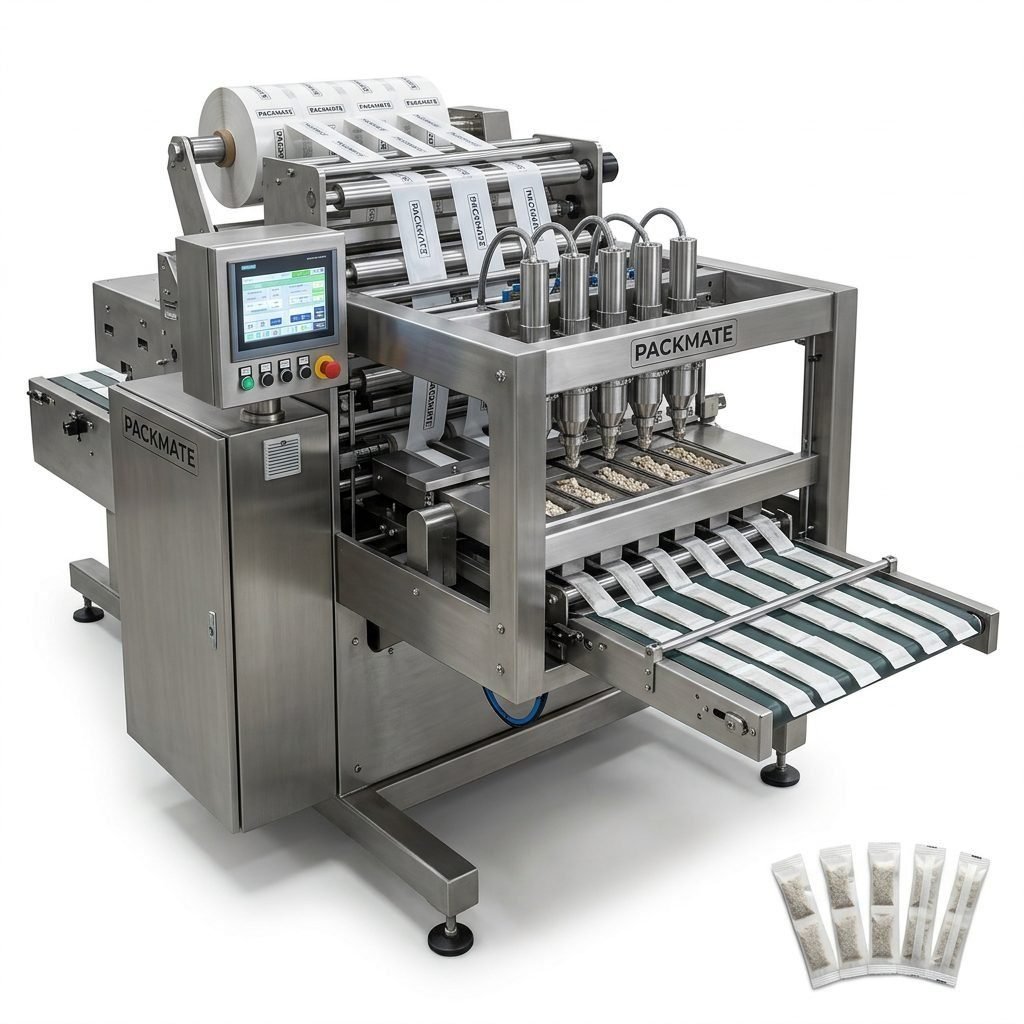
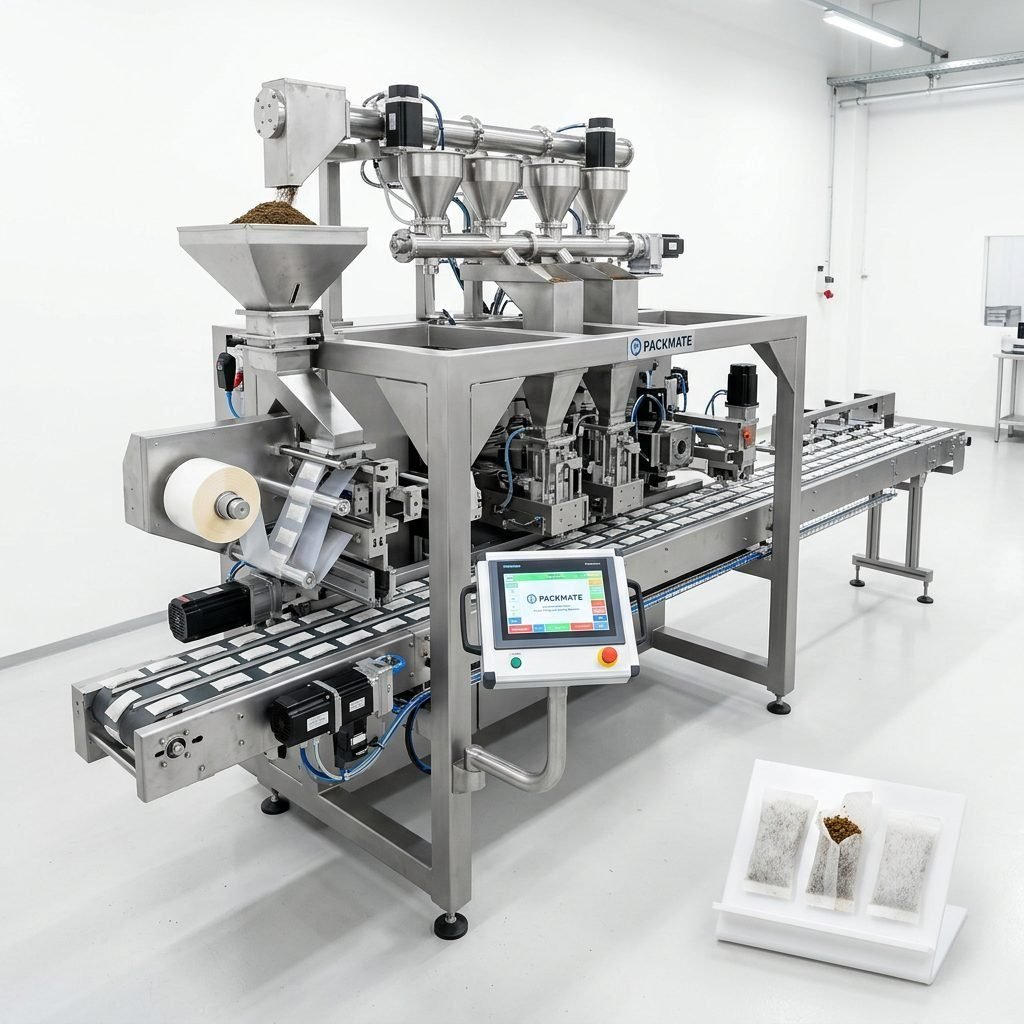
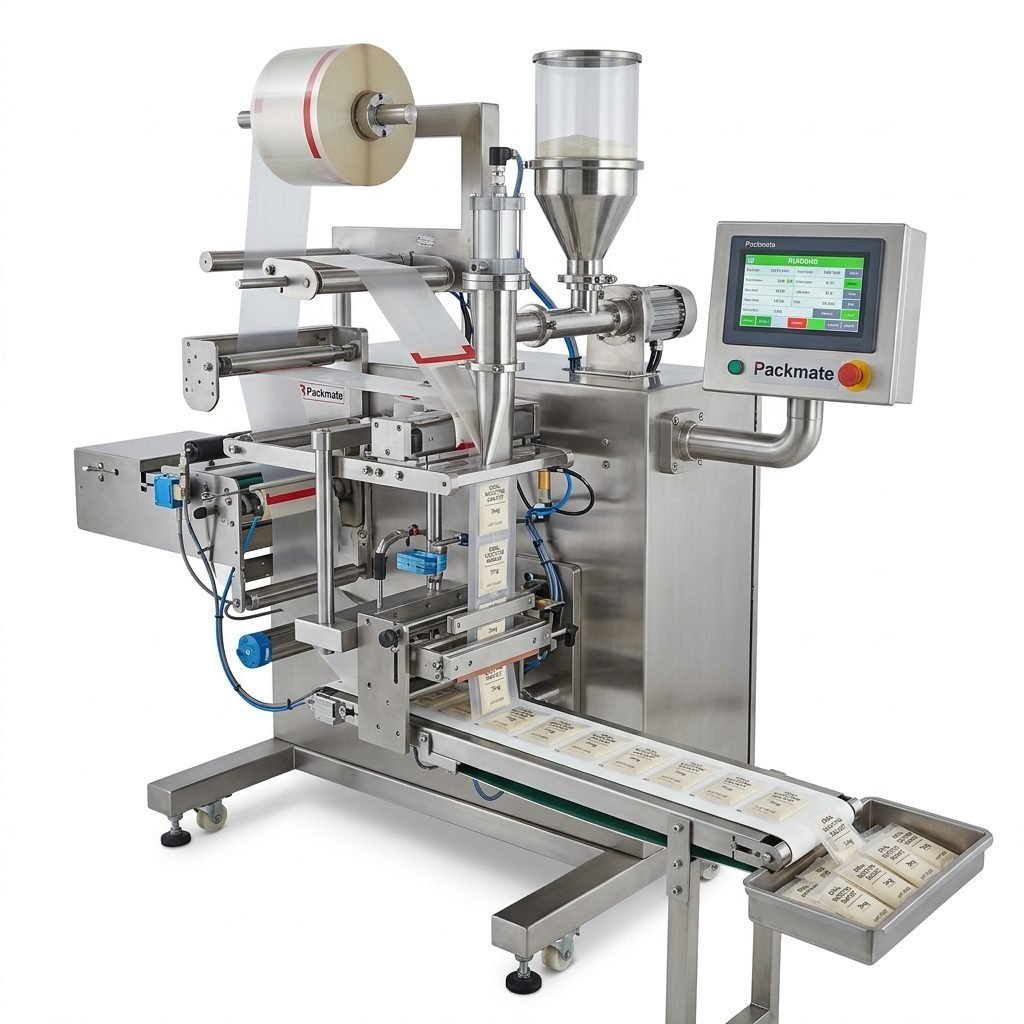
Choosing the right nicotine packaging machine manufacturer in Algeria is more than a procurement decision — it’s a strategic step that affects product quality, compliance, shelf life and market acceptance. Whether you’re launching nicotine pouches, snus, or sachet-style oral products, the selection process must consider Algeria’s regulatory environment, language and labeling customs, local climate, and after-sales service needs. This guide walks you through practical criteria, technical considerations, and culturally-relevant tips to identify the best manufacturer for your production goals.
Understand Algeria’s Market and Cultural Context
Algeria is a country with complex cultural and regulatory expectations. Arabic is the official language and French is widely used in commerce and industry. When planning nicotine product packaging and labeling, ensure bilingual labeling (Arabic + French) and compliance with local public health and import rules. Also be aware of social sensitivities: while tobacco products are common, oral nicotine pouches may attract more scrutiny from regulators and some consumer groups. Engage local legal counsel or a regulatory consultant early to confirm whether nicotine pouches are permitted, how warnings must appear, and whether customs duties or documentation differ for tobacco-derived products.
Climate and Distribution Considerations
Northern Algeria features Mediterranean humidity and hot summers, while interior regions are arid and dry. Packaging materials, sealing methods and barrier properties must protect product stability across these climates. Choose machines that support high-barrier films, precise heat-seal control and adjustable dwell times so your nicotine pouch shelf life is maintained from factory to retail shelves in Algiers, Oran or Saharan distribution hubs.
🔴 Quick note: Always validate labeling language requirements and health warnings before ordering production machinery. Missing compliance can delay shipments at Algerian customs.
Key Technical Features to Compare
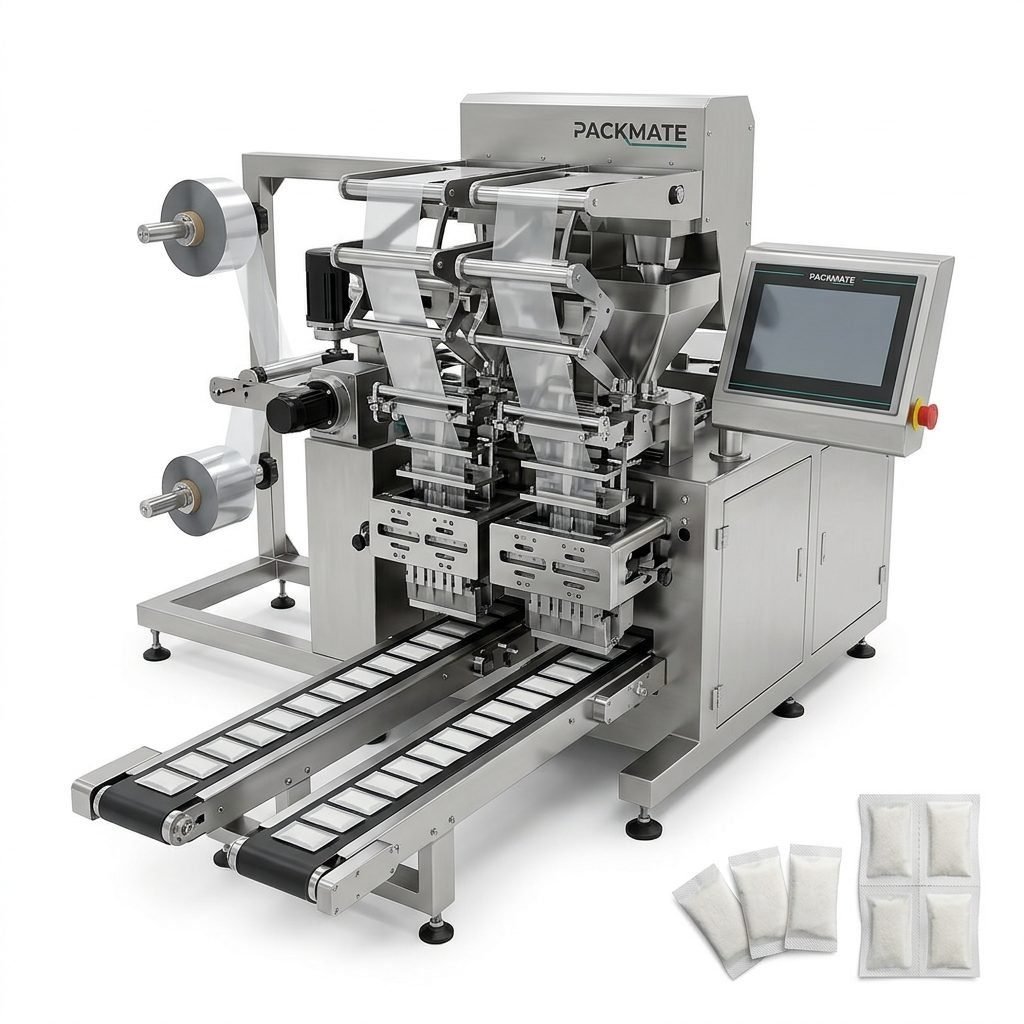
When evaluating manufacturers, prioritize machines with proven performance on small-dose, multi-lane nicotine pouches and the exact pouch types you plan to produce (stick pack, sachet, or multi-lane pouches). Core technical features to analyze include:
- Precision dosing and weighing systems for consistent nicotine weight per pouch.
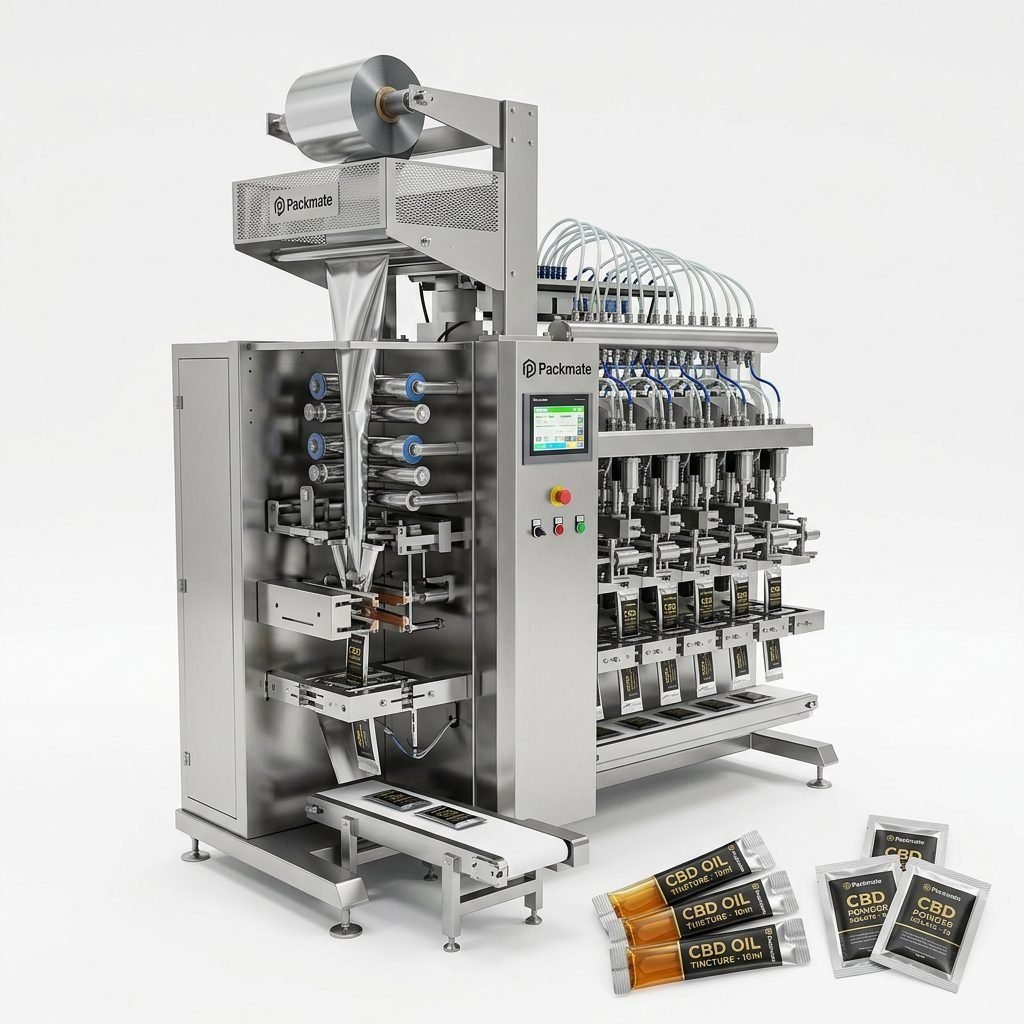
- High-precision multi-lane forming and sealing for small-size pouch accuracy.
- Flexible film handling that supports heat-seal, ultrasonic sealing and barrier laminates.
- Easy recipe changeover, PLC touch-screen controls, and spare-parts availability.
- Compliance with international standards like CE and ISO for safety and cross-border acceptance.
Why Multi-Lane Systems Matter
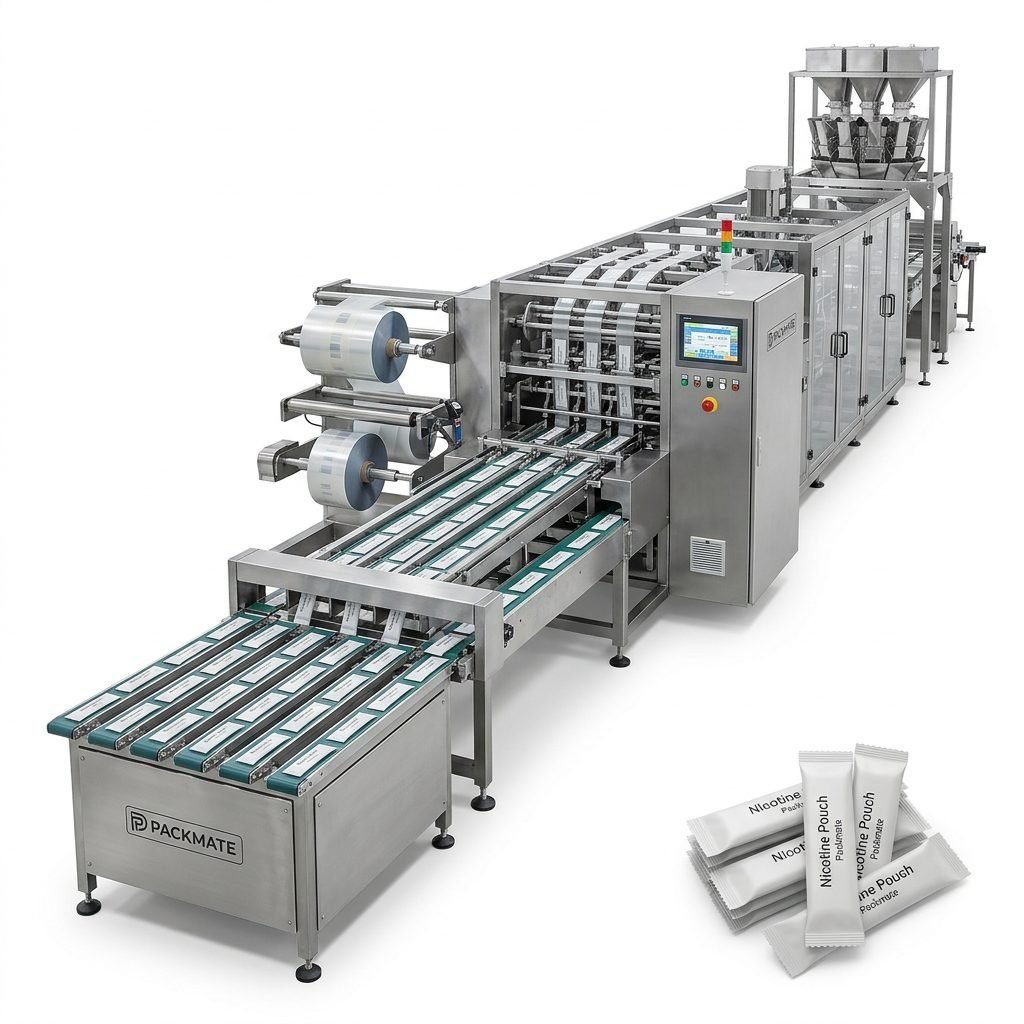
Multi-lane systems boost throughput without compromising product consistency. For niche markets such as flavored nicotine pouches, multi-lane machines enable parallel production of several SKUs with minimal footprint. If you target regional distribution across Algeria and neighboring markets, higher output with consistent quality helps control unit costs and ensures steady supply.
✅ Pro tip: Request machine performance data and a video of the exact model running your chosen pouch type. Real-world demos reduce risk.
Manufacturer Credentials and Factory Strength
Look beyond brochures. Verify the manufacturer’s engineering depth, factory size, certifications and historical focus on nicotine or snus packaging. A supplier with decades of R&D and a large manufacturing facility is more likely to deliver stable machines, customization options and spare parts continuity.
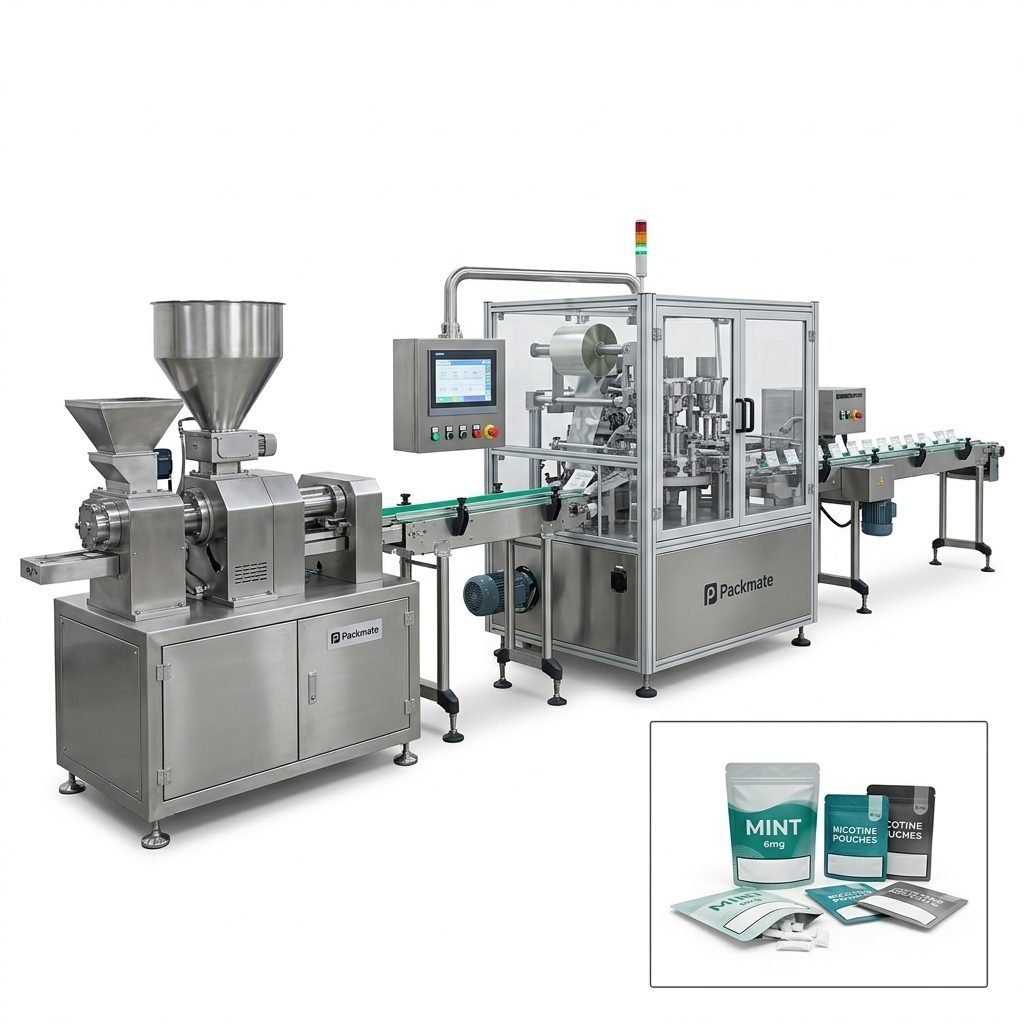
For example, manufacturers with 20,000㎡ factories, advanced CNC machining centers, and a track record of over 30 years typically provide mature design, reliable parts sourcing and robust assembly processes. Such factories can also offer turnkey lines, integrating weighing, filling and packaging equipment into a single production flow — reducing integration risks and improving yield.
Check Certifications and After-Sales Support
International certifications like CE and ISO indicate compliance with global safety and quality standards. But equally important is after-sales capability: spare parts inventory, local training, remote diagnostics, and willingness to dispatch engineers for installation and commissioning. In Algeria, look for manufacturers or partners able to provide French- and Arabic-speaking technical support or at least clear documentation in French.
Commercial and Logistical Considerations in Algeria
Importing packaging equipment into Algeria requires accurate documentation, compliance with customs rules, and an understanding of logistics. Work with manufacturers who can supply complete packing lists, CE/ISO certificates, machine manuals and spare parts lists to ease customs clearance. If possible, choose vendors that have existing export experience to MENA (Middle East and North Africa) or North African markets — they are more likely to understand paperwork specifics and freight routing via Mediterranean ports.
⚠️ Note: Customs delays are a common risk. Ensure the manufacturer provides detailed technical and compliance documentation to minimize hold-ups.
Product-Specific Packaging Choices
Different nicotine products have distinct packaging needs. Below are typical machine choices and what to ask the manufacturer:
Stick Pack Machines
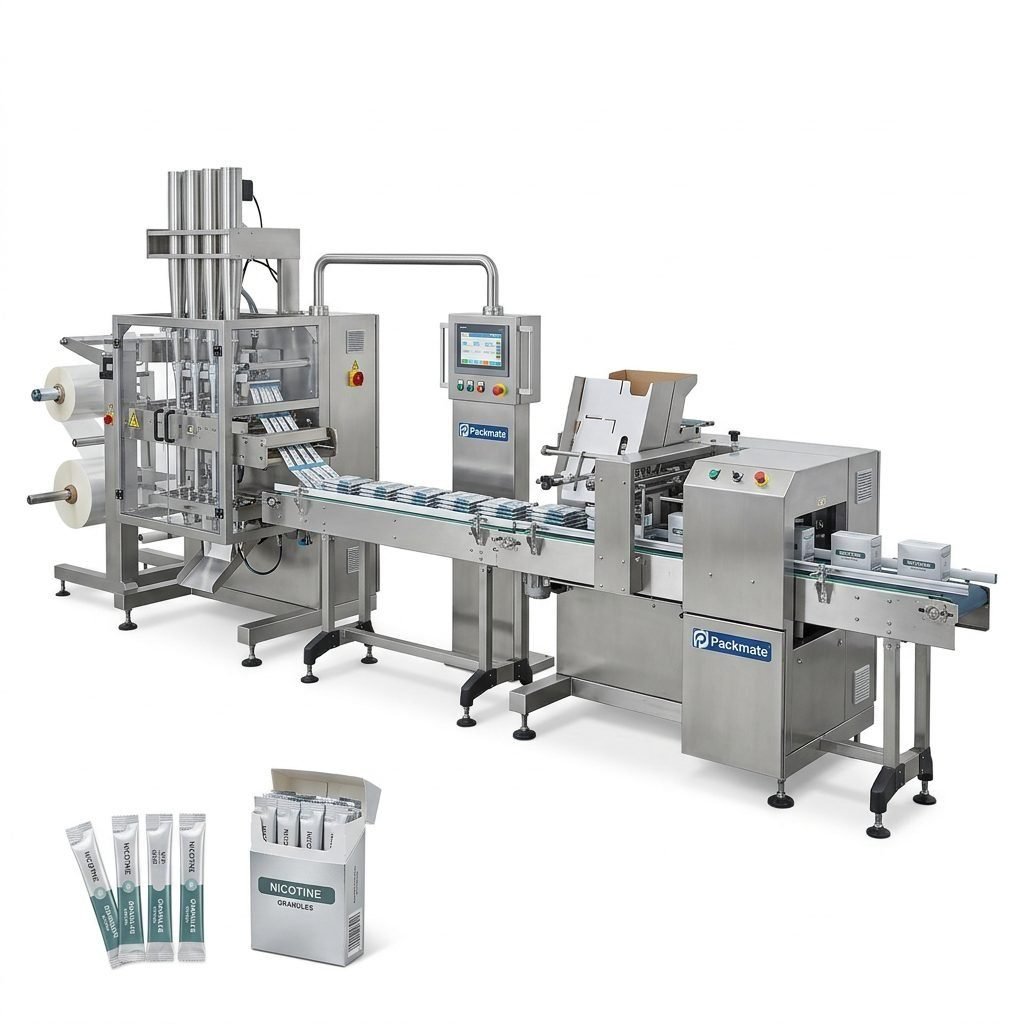
Suitable for single-dose pouches and portable servings. Verify sealing quality, film compatibility and filling precision for micro-dose products.
Sachet & Multi-Lane Machines
Ideal for high throughput and small pouch formats. Ask about lane synchronization, cross-contamination prevention for flavored lines and ease of lane-by-lane changeover.
Weighing & Filling Integration
Precision dosing is crucial for nicotine regulation compliance and consumer trust. Integrated weighing systems with automatic feedback loops reduce weight variance and product giveaway.
Assessing Manufacturer Reliability — Questions to Ask
When evaluating suppliers, use a structured questionnaire. Important topics include:
- How many machines of this model have you delivered for nicotine or snus packaging?
- Can you provide client references or case studies in similar climates or regions?
- What spare parts are included, and what parts are considered consumables?
- Do you offer on-site installation and operator training in French or Arabic?
- What is the typical lead time, and how is warranty service handled internationally?
🔍 Important: Request a factory acceptance test (FAT) video and a checklist showing machine performance on your specific pouch format prior to shipment.
Why Turnkey Solutions May Save Time and Costs
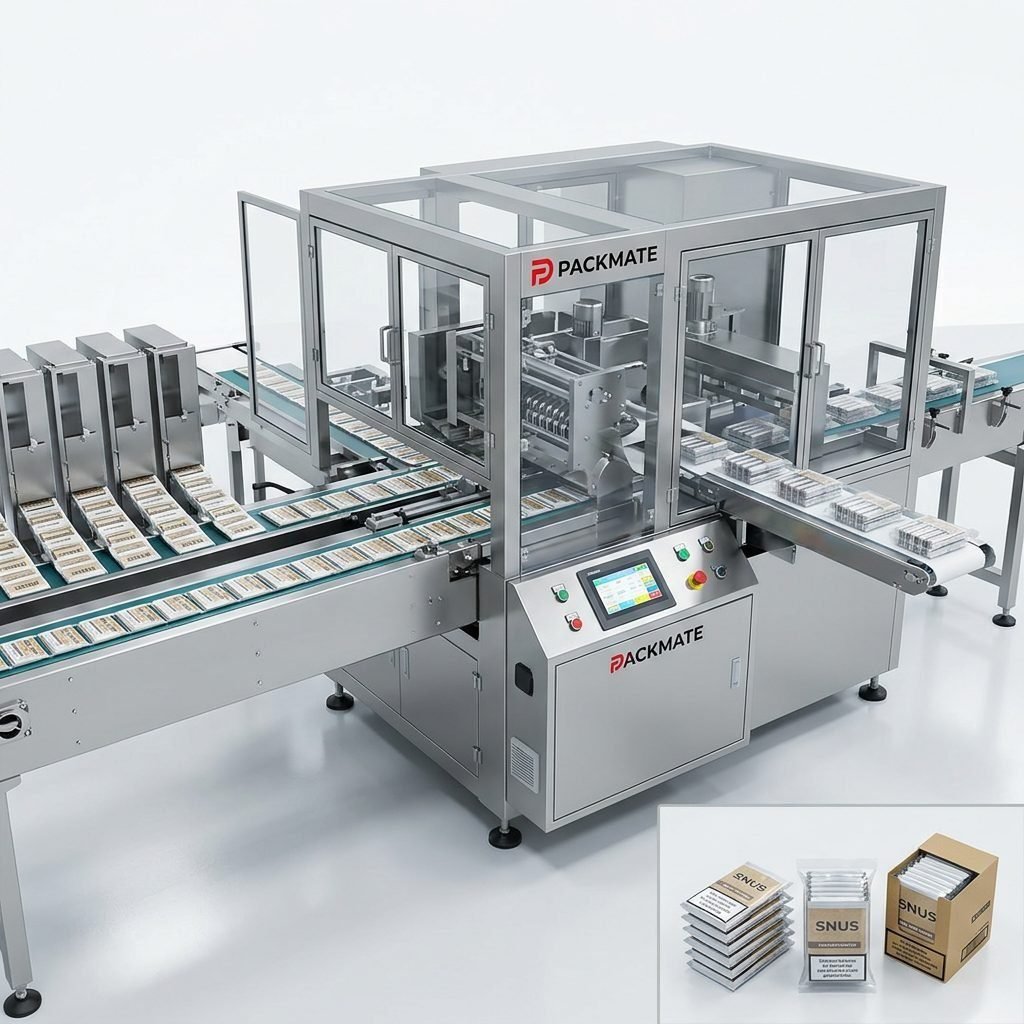
Choosing a supplier that delivers integrated lines — weighing, filling, sealing and secondary packaging — reduces integration risk and shortens ramp-up time. Turnkey providers often handle machine layout, utilities planning and performance commissioning, which is especially helpful when local technical resources are limited.
Local Training and Documentation
Ensure the manufacturer provides operator manuals in French and, if possible, Arabic, plus remote or on-site training for operators and maintenance technicians. In Algeria, having French-language documentation greatly speeds training and reduces operational errors.
Sample Supply Chain Checklist Before Ordering
A pre-order checklist helps avoid surprises:
- Confirm product legality and labeling requirements in Algeria (Arabic & French warnings).
- Obtain machine footprint and utility specifications for site planning.
- Request FAT and SAT (site acceptance test) procedures and success criteria.
- Confirm spare parts kit, warranty terms and estimated delivery lead time.
- Arrange for freight, customs brokerage and local installation partner if required.
How Packmate Snus Machine Aligns with Algerian Needs
When assessing vendors, consider manufacturers with extensive experience in snus and nicotine packaging. Packmate Snus Machine is an example of a provider that focuses on snus/nicotine pouch equipment and full turnkey lines. With 30+ years of engineering expertise, a 20,000㎡ factory and 50+ machine models, such suppliers bring proven multi-lane systems, advanced CNC manufacturing capability and global compliance credentials — features that can simplify entry into markets like Algeria.
For more technical details, explore product categories such as Snus & Nicotine Packaging Machines, Sachet & Stick Pack Machines, and integrated Weighing & Packaging Systems to match your product format and capacity goals.
📌 Tip: Visit the manufacturer’s case studies and exhibition pages to watch demonstrations and learn how similar clients solved regulatory and climate challenges: Case | Our Exhibition.
Final Selection Checklist
Before signing a purchase order, confirm the following:
- Machine proven on your pouch format with FAT records.
- Warranty, spare parts strategy and local support options.
- Complete documentation in French (and Arabic if possible).
- Machine certifications (CE/ISO) and export experience to North Africa/MENA.
- Turnkey integration options including weighing, filling and secondary packaging.
Next Steps After Choosing a Manufacturer
Once you’ve selected a manufacturer, plan site readiness, utilities, staff training and a commissioning schedule. Coordinate with customs brokers to prepare original machine certificates and procurement contracts. Arrange remote connectivity or a service agreement for timely support after installation.
If you need more detailed technical specs or want to discuss turnkey snus packaging solutions, read the manufacturer’s company profile and contact their sales team: About Packmate | Contact Us.
Common Questions (FAQ)
Q1: Do nicotine pouch machines need special certifications to import into Algeria?
A1: Machinery typically requires CE and ISO certificates to facilitate customs clearance, but product-level regulations for nicotine pouches are decided by Algerian health and trade authorities. Confirm product labeling and health warning rules before importing production lines.
Q2: What is the typical lead time for multi-lane nicotine pouch machines?
A2: Lead time depends on customization, spare-part kits, and factory schedules. For standard models it can range from a few weeks to several months. Ask the manufacturer for a detailed delivery timeline, FAT schedule and shipping plan.
Q3: How important is local technical support in Algeria?
A3: Extremely important. Local or regional support reduces downtime and speeds troubleshooting. If the manufacturer can’t provide in-country service, ensure remote diagnostics and fast spare-part shipping options are in place.
Q4: Should packaging be designed differently for Algeria’s climate?
A4: Yes. Use high-barrier films and stable seals to protect nicotine pouches from heat and humidity variations. Choose materials tested for thermal stability and specify machine settings that accommodate local storage and transport conditions.
Q5: Where can I find reliable case studies and product catalogs?
A5: Review manufacturer case pages and catalogs to validate machine performance in real-world projects. Useful links include product categories and catalog resources like Catalog and Case.