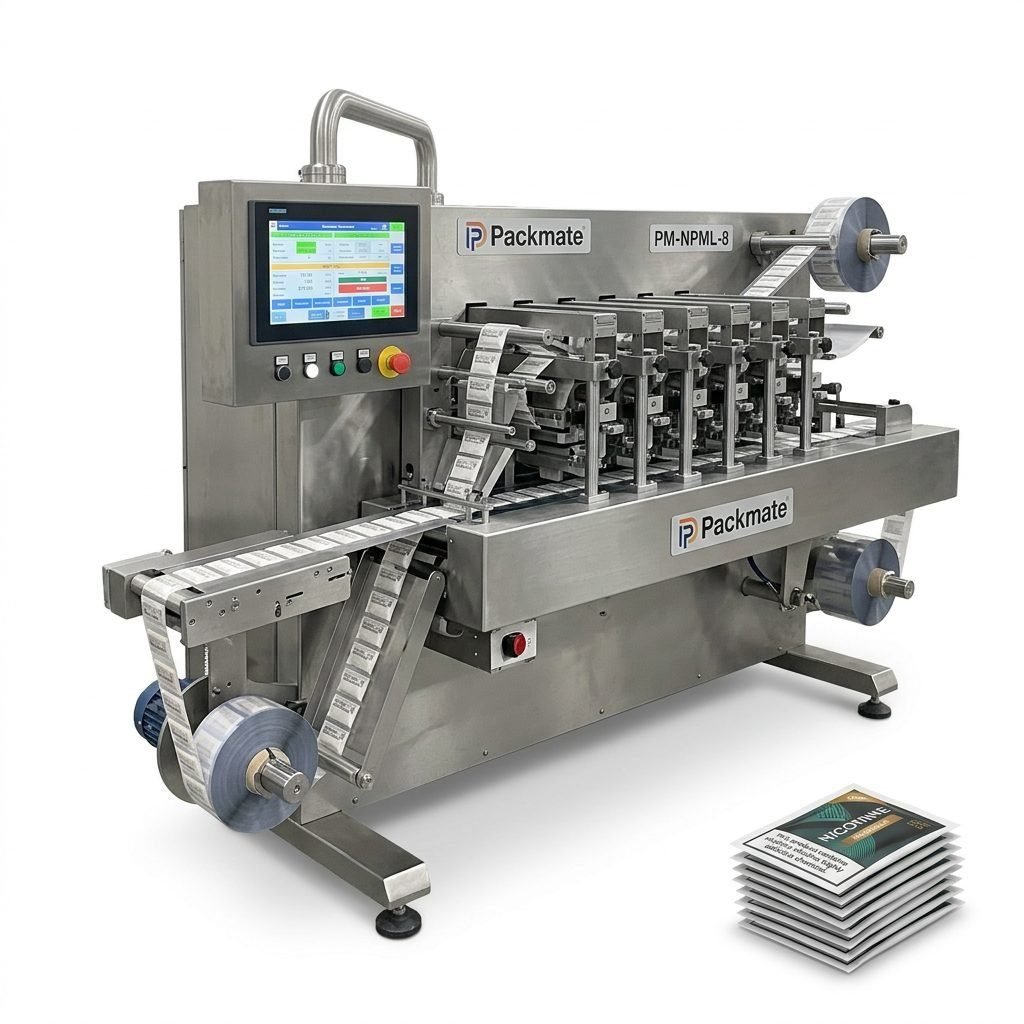
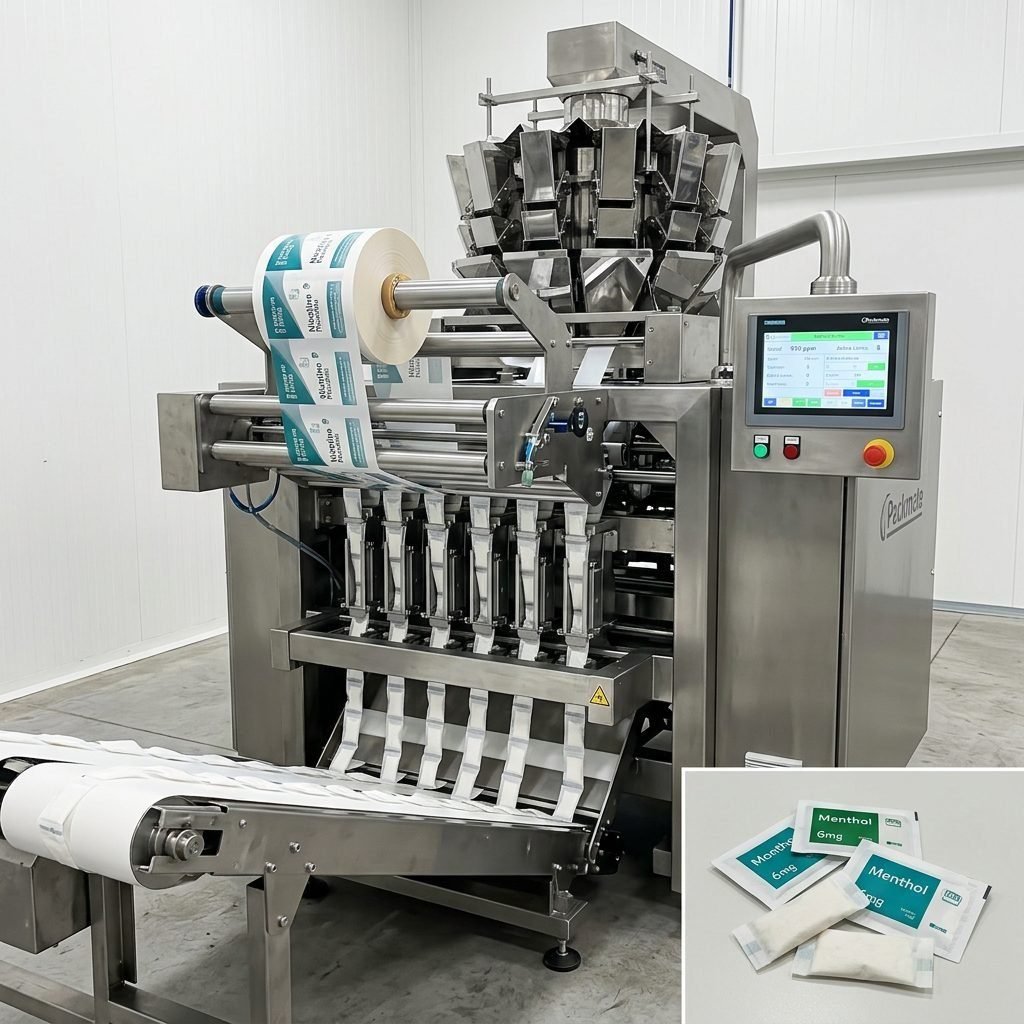
Choosing the right snus packaging machinery manufacturer is one of the most important decisions for a business entering or expanding in the nicotine pouch and snus market in Myanmar. From machine reliability and local service to regulatory compliance and cultural considerations, each factor impacts production efficiency, product quality, and long-term profitability. This guide explains what to evaluate, the technical features to prioritize, and practical tips for working with manufacturers such as Packmate Snus Machine when planning a snus packaging line in Myanmar.
1. Myanmar market and cultural context — why it matters
Myanmar is a country with strong social and cultural norms shaped by Buddhism, rural communities, and a growing urban consumer base in cities like Yangon and Mandalay. Tobacco consumption habits and local regulations vary across regions. While nicotine pouches and modern snus products are gaining interest among younger urban adults, sensitivity to advertising and public health concerns means manufacturers and brands must be careful about packaging, labeling, and distribution.
When selecting a packaging machine manufacturer, consider how they support compliance with Myanmar’s regulatory environment and local market expectations: clear ingredient labeling, tamper-evident packaging, child-resistant options where needed, and packaging designs that align with conservative markets. A partner that understands regional customs and retail channels can help tailor solutions that respect local preferences while meeting international standards.
Work with a manufacturer that can advise on packaging sizes and labeling that meet both export markets and Myanmar retail expectations — especially for premium snus lines aimed at urban consumers.
2. Core machine types and production formats to evaluate
Different product formats require different machinery. Ensure the manufacturer you choose can supply and customize the right systems:
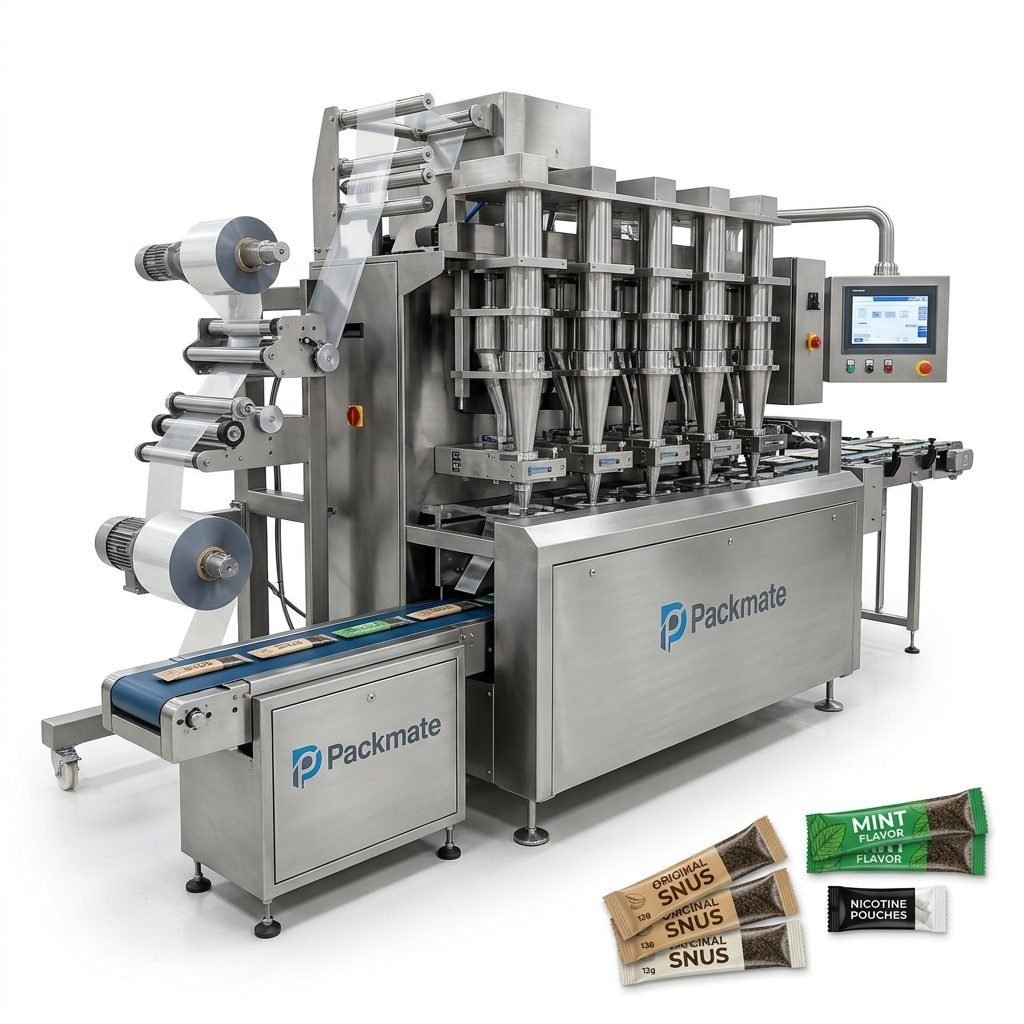
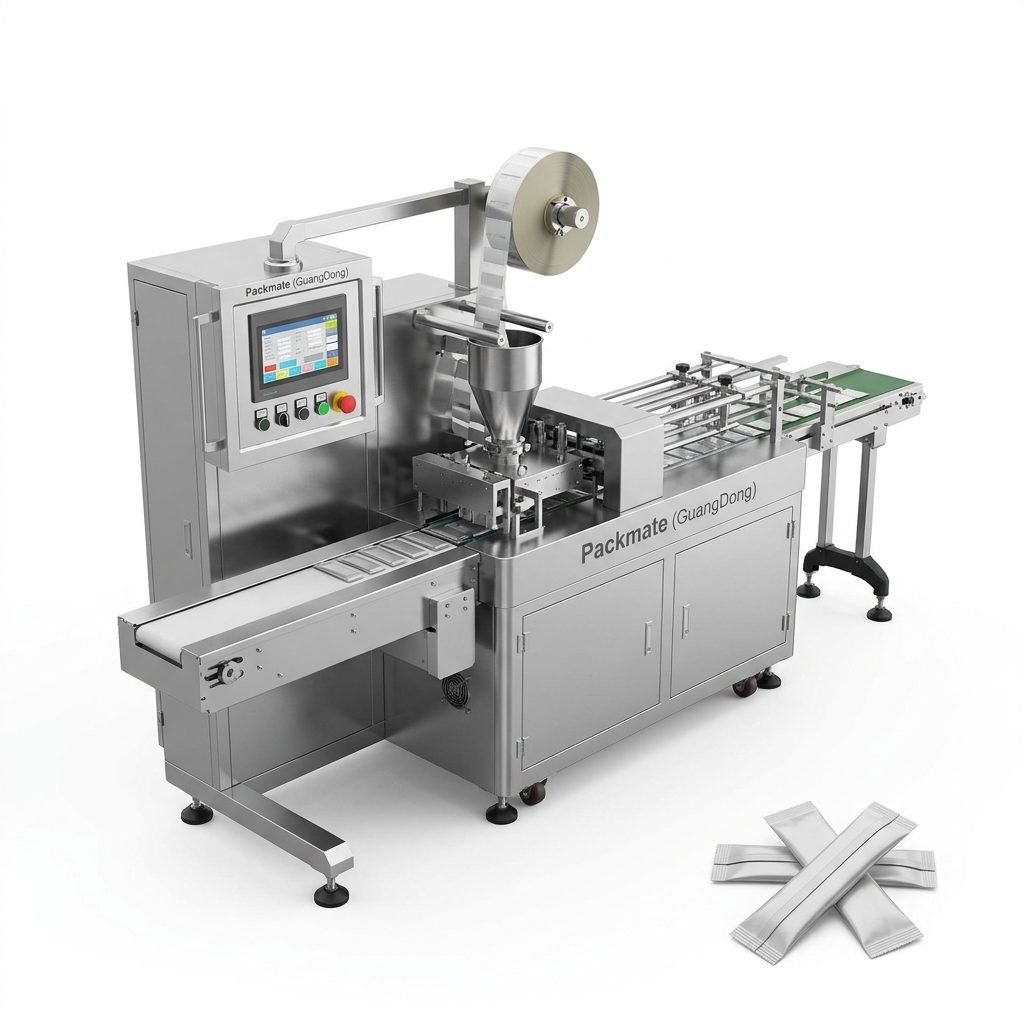
Sachet & stick pack machines
Ideal for single-dose nicotine sachets and modern single-use snus pouches. Look for accurate dosing, hermetic sealing, and flexible sachet length capability. Multi-lane stick pack systems increase throughput for small-dose products commonly used in high-volume markets.
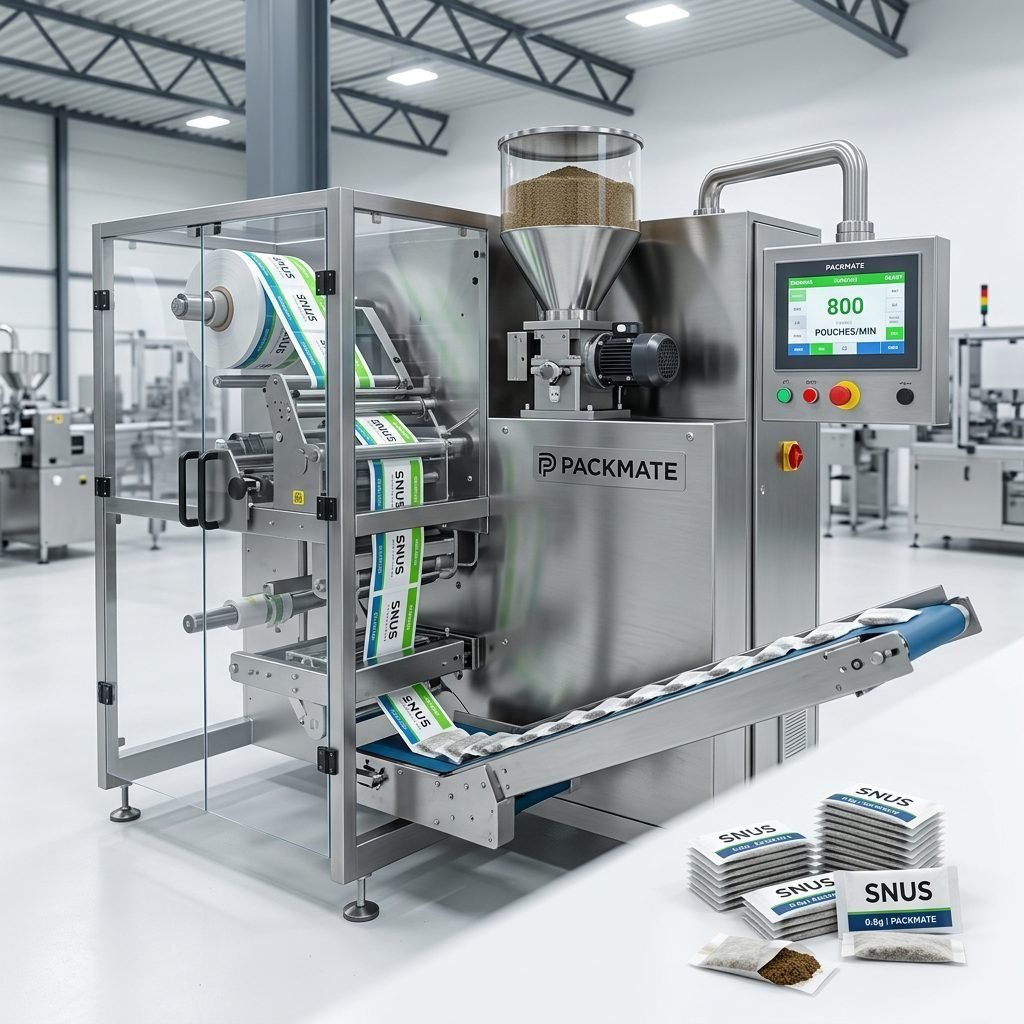
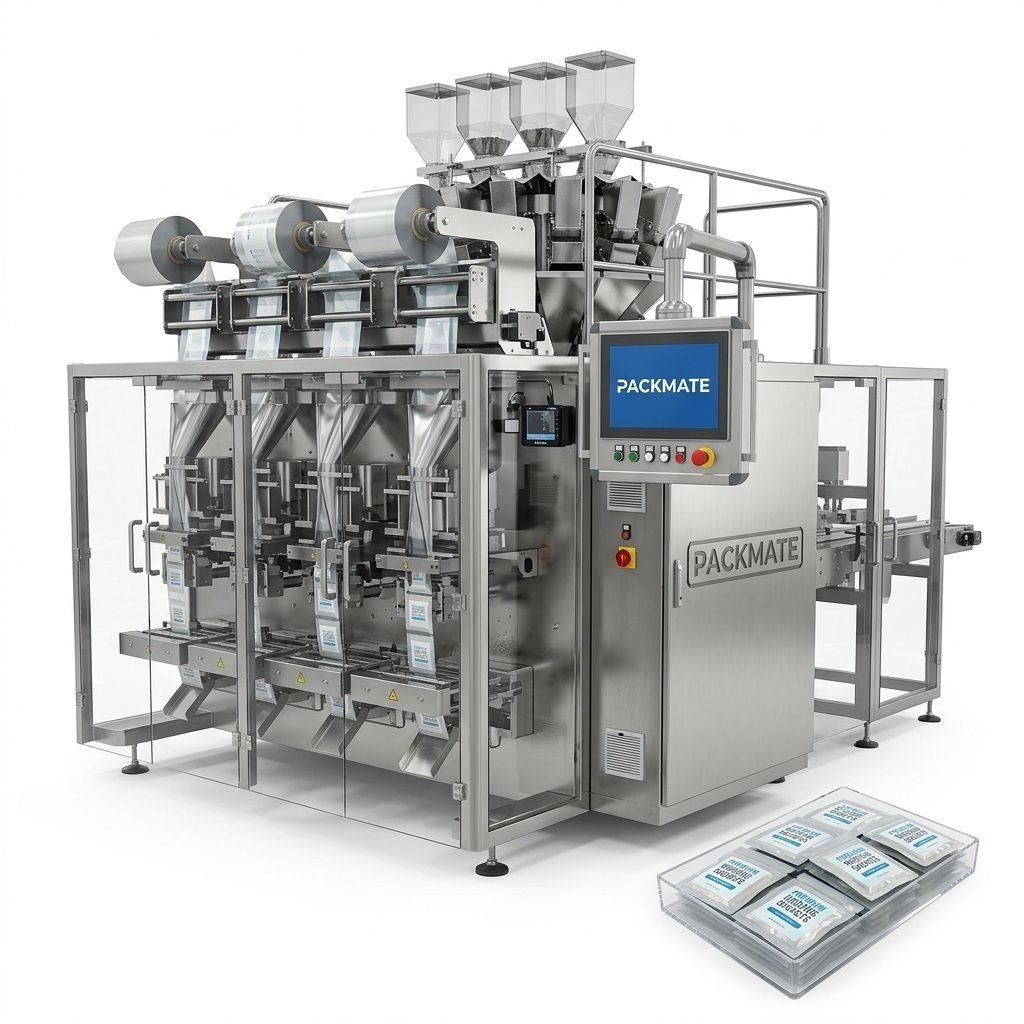
Pouch & can filling systems
If your product is sold in resealable pouches or small cans, consider integrated pouch fillers and automated can filling lines that handle powder, granules, or moisture-controlled snus. Ease of integration with secondary packaging (cartoning) is a bonus.
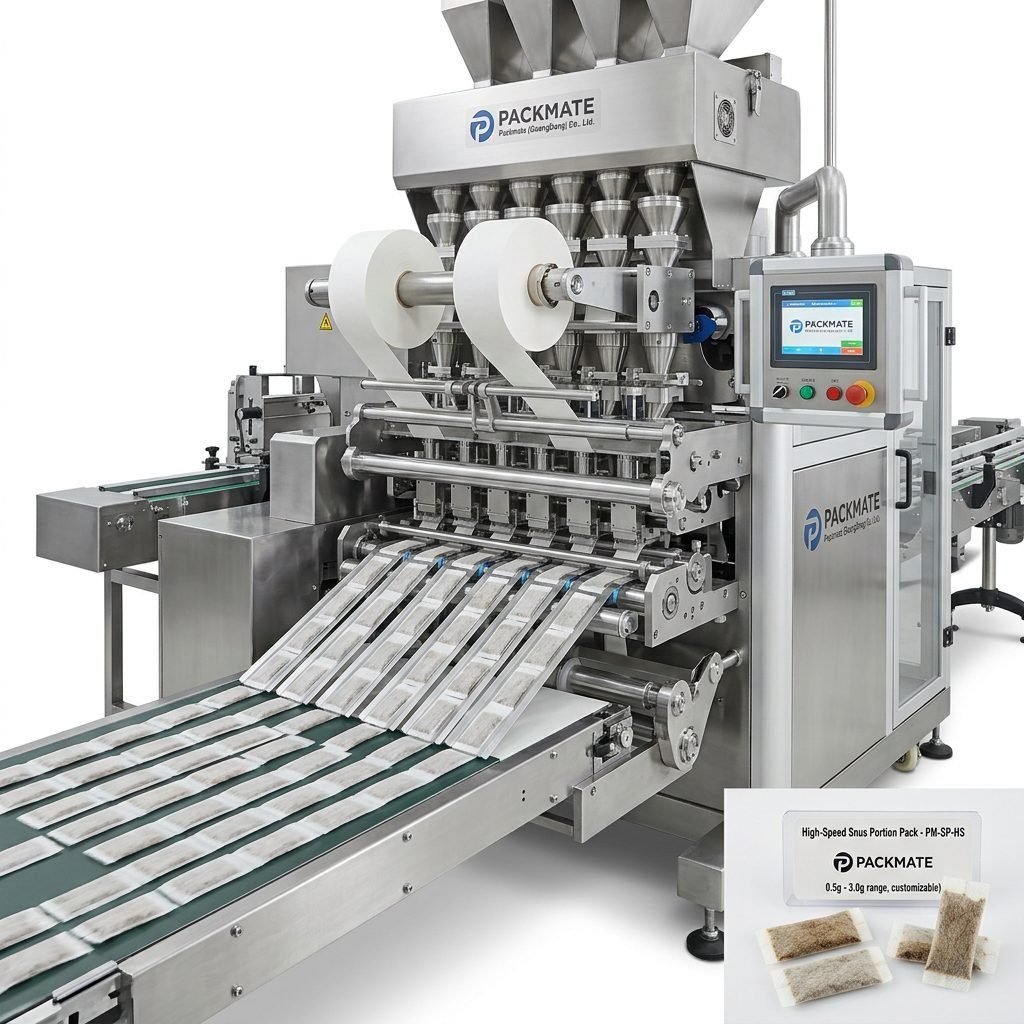
Multi-lane high-speed lines
For larger-scale operations, multi-lane systems are essential to reach competitive throughput while maintaining small-dose accuracy. Confirm lane synchronization, changeover speed, and maintenance accessibility.
Top manufacturers provide precision dosing, consistent sealing, and easy PLC controls with multilingual interfaces for local operators.
3. Technical specifications and performance indicators
Evaluate machines using measurable technical criteria: speed (pouches/min/lane), accuracy (±g tolerance), uptime (MTBF), and changeover time. For snus and nicotine pouches, humidity control, anti-static design, and clean materials in contact with product are critical to avoid clumping and ensure product integrity.
Ask for detailed performance data and references from similar installations. Manufacturers with decades of engineering experience — such as Packmate Snus Machine — can often supply proof-of-performance and case studies that demonstrate real-world throughput and reliability.
4. Quality, certifications, and factory capabilities
Certifications like CE and ISO show a manufacturer’s commitment to safety and international compliance. Also inspect their manufacturing capacity — advanced CNC machining centers, precision assembly lines, and strict quality control systems help ensure consistent machine build quality and long-term stability.
If possible, request a factory tour or virtual inspection report. A factory with 20,000㎡ manufacturing space and modern facilities is more likely to deliver machines that meet high standards and reliable spare-parts management.
Reference: Packmate’s production capability is a strong signal of scale and experience. See their profile and certifications here:
About Packmate •
Certificate
5. After-sales support, training and spare parts
After-sales service is essential, especially in Myanmar where local technical resources may be limited. A reputable manufacturer should offer:
- Comprehensive commissioning and on-site training for operators and maintenance staff.
- Fast spare-parts availability and clear part number catalogs.
- Remote troubleshooting, spare part kits, and preventive maintenance plans.
- Optional long-term service contracts and upgrade paths as capacity grows.
Consider the lead-time for spare parts shipping to Myanmar and whether the manufacturer has regional partners or can ship consumables quickly.
6. Customization, automation & integration
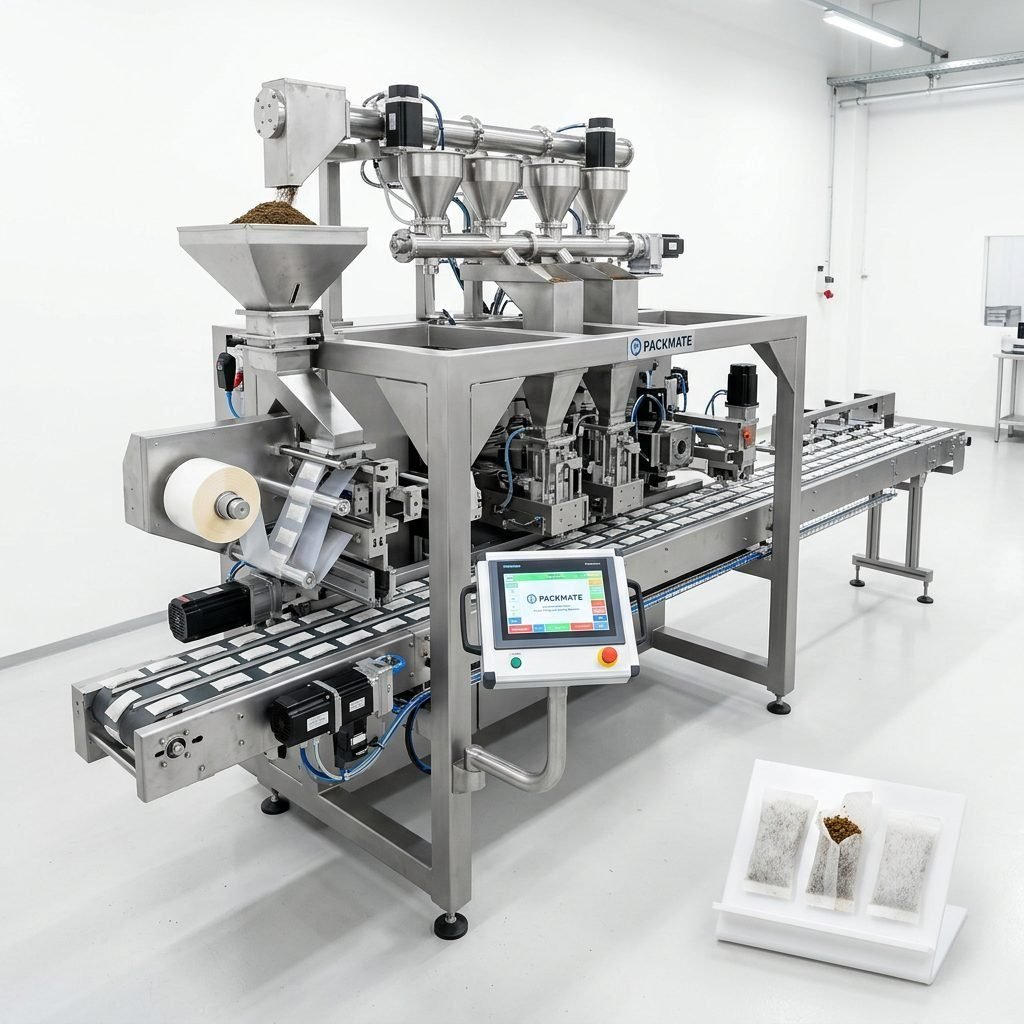
Your manufacturer should be able to customize machines to match product formulation and packaging design: speed settings, dosing systems (volumetric, auger, multi-head weighing), and sealing technologies (heat, ultrasonic). Automation options like robotic case packing, automatic feeding, and inline metal detection provide operational efficiency and meet export-quality standards.
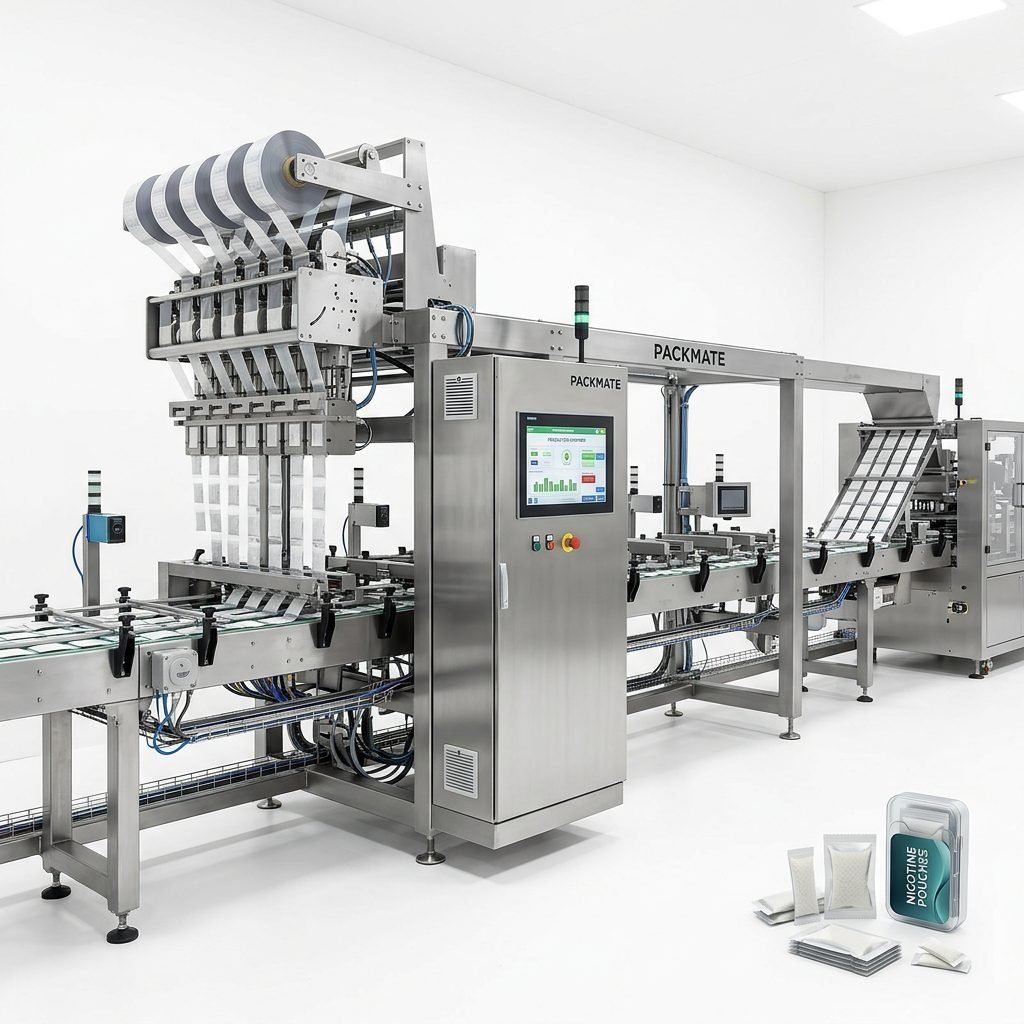
Ask for turnkey solutions if you need complete production lines — from dosing and filling to cartoning and palletizing. Companies with integrated offerings reduce compatibility issues and speed up start-up.
For examples of complete systems, review:
Filling & Packaging Lines •
Weighing & Packaging Systems
7. Total cost of ownership (TCO) vs. upfront price
A low purchase price can be appealing, but consider the total cost of ownership. TCO includes energy use, maintenance, downtime, consumables, spare parts, and the expected lifetime of the machine. High-precision machines with robust construction often offer lower long-term costs because they reduce waste, require fewer repairs, and maintain consistent product quality.
Request TCO estimates and compare items like:
- Energy efficiency and power requirements (important for areas with unstable power supply).
- Parts that wear and their replacement frequency.
- Warranty terms and what is covered (labor, parts, travel).
8. Logistics, installation & commissioning in Myanmar
Plan for import logistics, customs clearance, and local installation. Manufacturers experienced in global shipments can advise on packaging for export, required documentation, and duties. Confirm the machine’s dimensions for shipping and on-site access, plus required utility specifications (voltage, compressed air, water for chilled systems).
Local installation teams should include an initial training period. Look for providers that can dispatch experienced engineers for commissioning and provide training materials in English and, if possible, local languages.
9. Reputation, case studies and references
A proven track record is often the best indicator of a manufacturer’s reliability. Request references and case studies of similar snus or nicotine pouch installations. Validate uptime, spare parts lead times, and how quickly the manufacturer responded to service needs.
Explore real cases and exhibition appearances:
Case •
Our Exhibition
Beware manufacturers that cannot provide verifiable references or are vague about factory capabilities. Reliable vendors will give clear proof of previous projects and machine performance data.
10. Practical checklist when approaching manufacturers
Use this checklist to structure supplier discussions and compare proposals:
- Product formats supported and machines recommended.
- Guaranteed speed and accuracy specs, plus test data.
- Factory certifications (CE/ISO) and quality control process.
- Warranty details, spare parts availability, and service SLAs.
- Local support presence or regional partner arrangements.
- Lead time for manufacturing and shipping to Myanmar.
- Training plan, documentation language, and remote support options.
If you are evaluating Packmate as a potential partner, you can request product catalogs and direct contact here:
Catalog •
Contact Us
Conclusion
Choosing the best snus packaging machinery manufacturer in Myanmar means balancing technical performance, regulatory knowledge, local support, and long-term partnership. Prioritize manufacturers with proven experience in nicotine packaging, robust manufacturing facilities, clear certifications, and dependable after-sales service. A partner that offers turnkey solutions, transparent TCO estimates, and regional understanding will reduce start-up risk and help you scale efficiently in Myanmar’s unique market.
Frequently Asked Questions (FAQs)
Q1: How do I verify a manufacturer’s claims about machine speed and accuracy?
A: Ask for performance test reports and video evidence from similar installations, request client references, and, if possible, witness FAT (Factory Acceptance Test) or an on-site demonstration. Reliable manufacturers will provide measurable data and customer contacts.
Q2: What certifications are important for snus packaging machines intended for export?
A: CE and ISO certifications are commonly required for international markets. Additionally, ensure machines meet local electrical and safety standards, and verify documentation necessary for customs and import in Myanmar.
Q3: How long is the typical lead time for a customized snus packaging line?
A: Lead times vary by complexity and customization, typically ranging from 12 to 24 weeks for custom multi-lane systems. Simpler standard machines can be faster. Confirm lead time, shipping schedule, and contingency plans with the manufacturer.
Q4: Can a manufacturer support installation and training in Myanmar?
A: Most reputable manufacturers provide installation, commissioning, and operator training, either by sending engineers on-site or via local partners. Verify the language of documentation and training to ensure clear communication with your team.
Q5: What should I consider regarding local regulations and cultural practices in Myanmar?
A: Ensure packaging labels comply with Myanmar rules for nicotine products. Consider conservative designs for certain regions and child-safety features where required. Engage local legal expertise to confirm distribution and marketing permissions.
For more technical details and product options, explore Packmate’s snus and nicotine packaging product range:
Snus & Nicotine Packaging Machines •
Bag & Pouch Packaging Machines •
Sachet & Stick Pack Machines