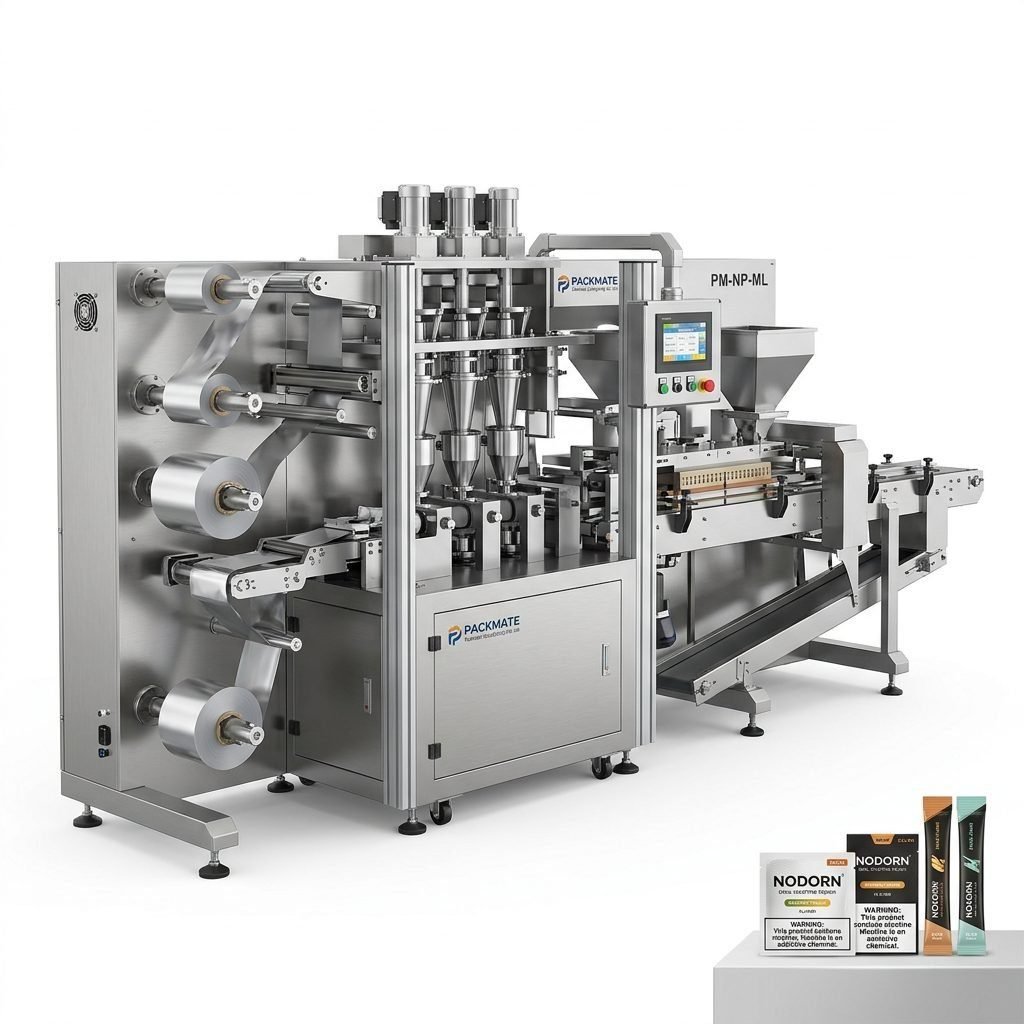
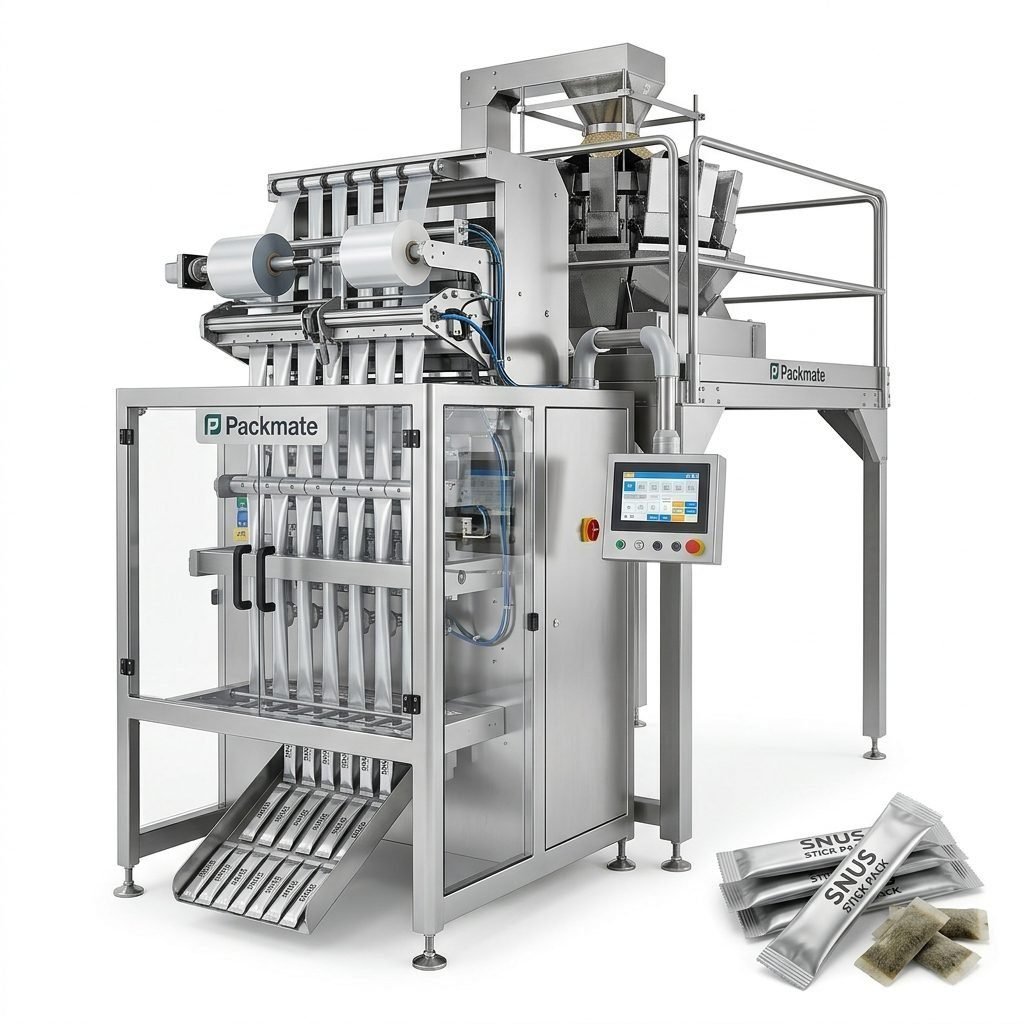
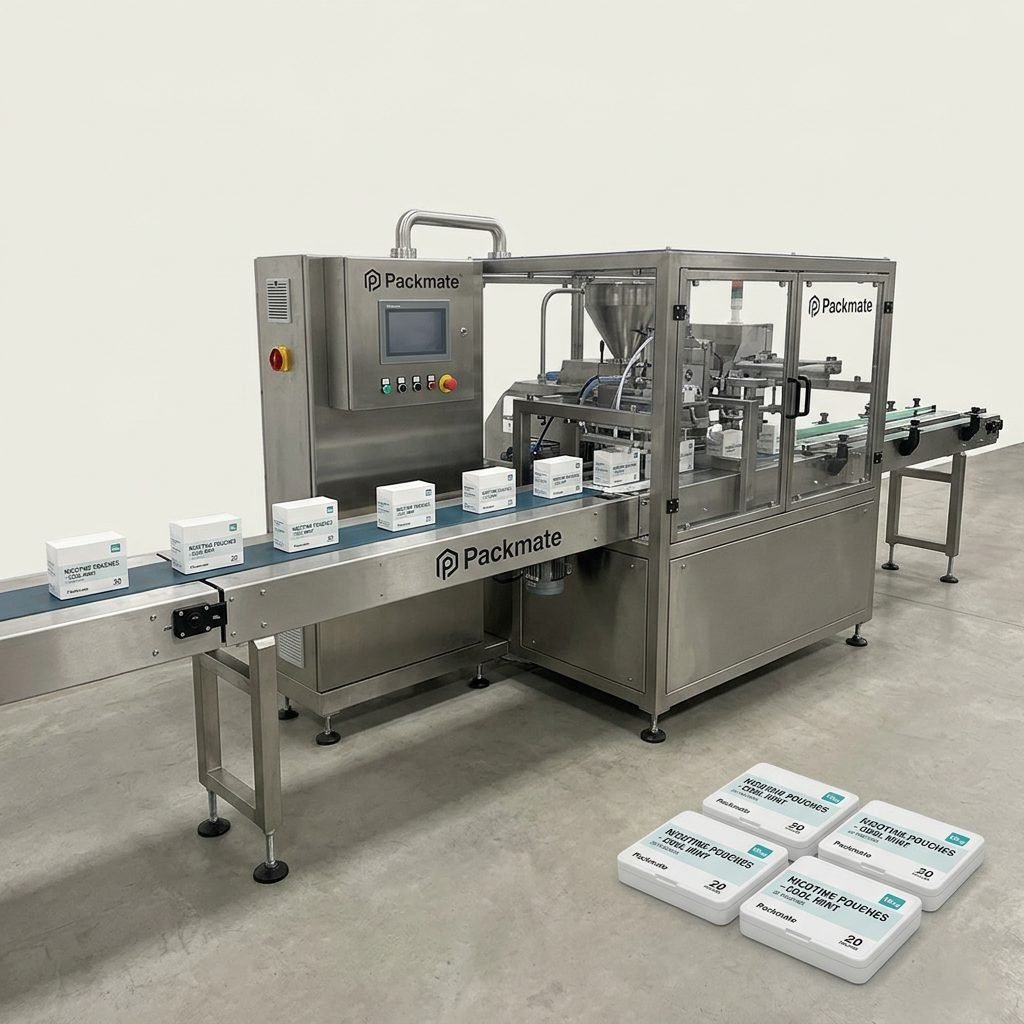
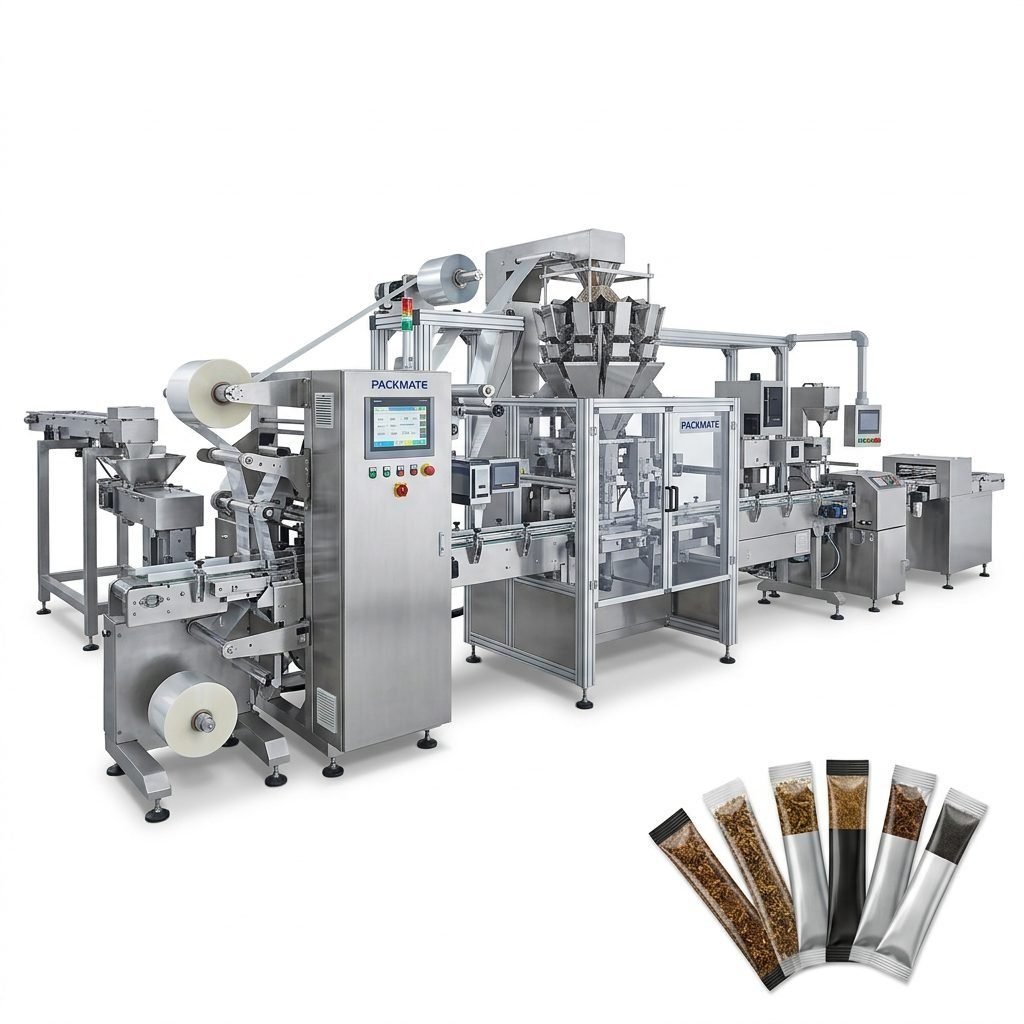
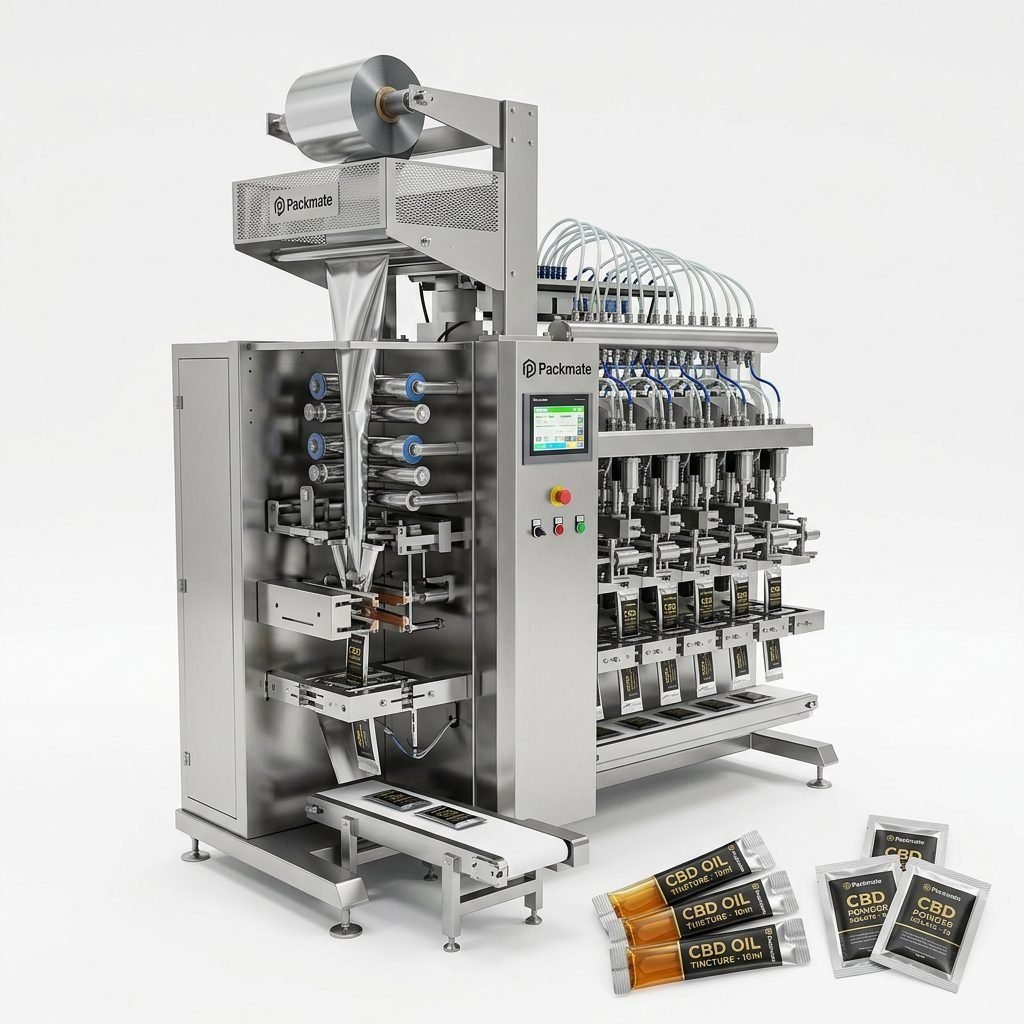
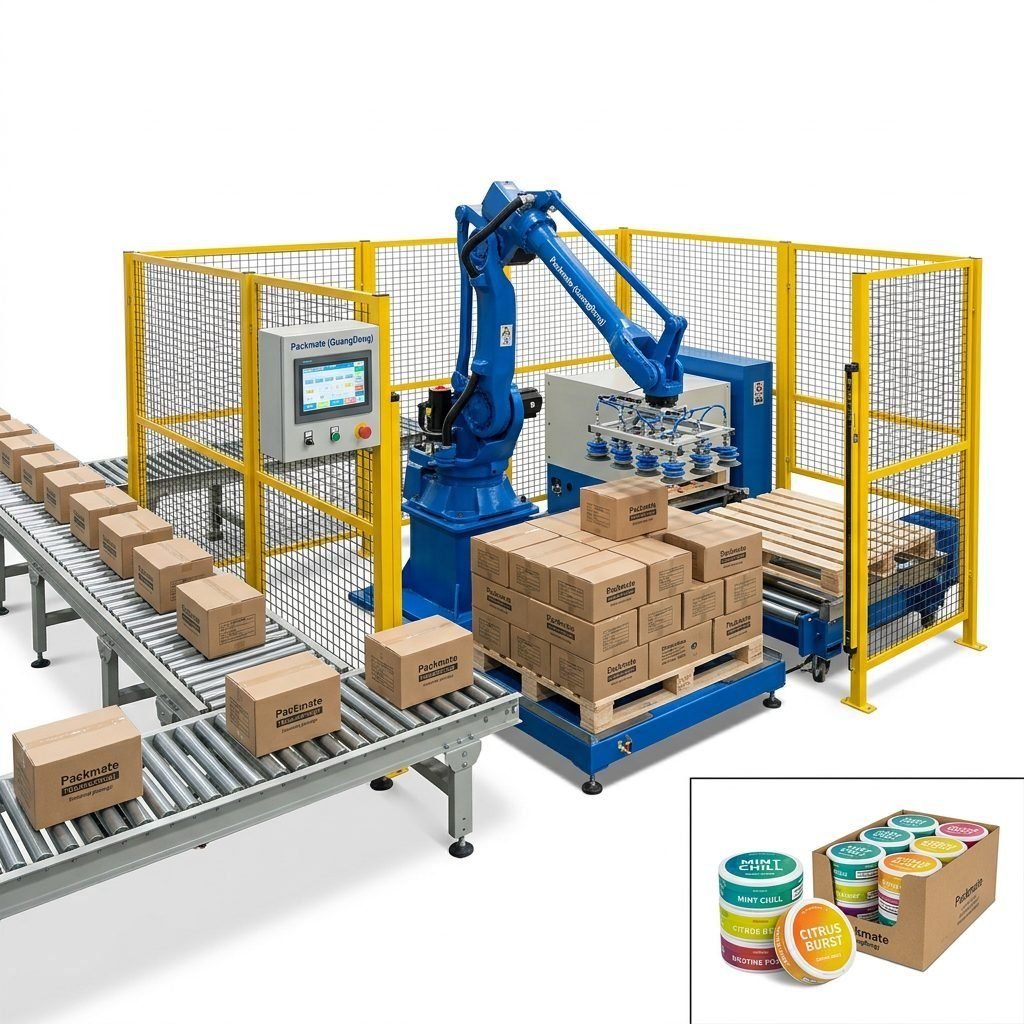
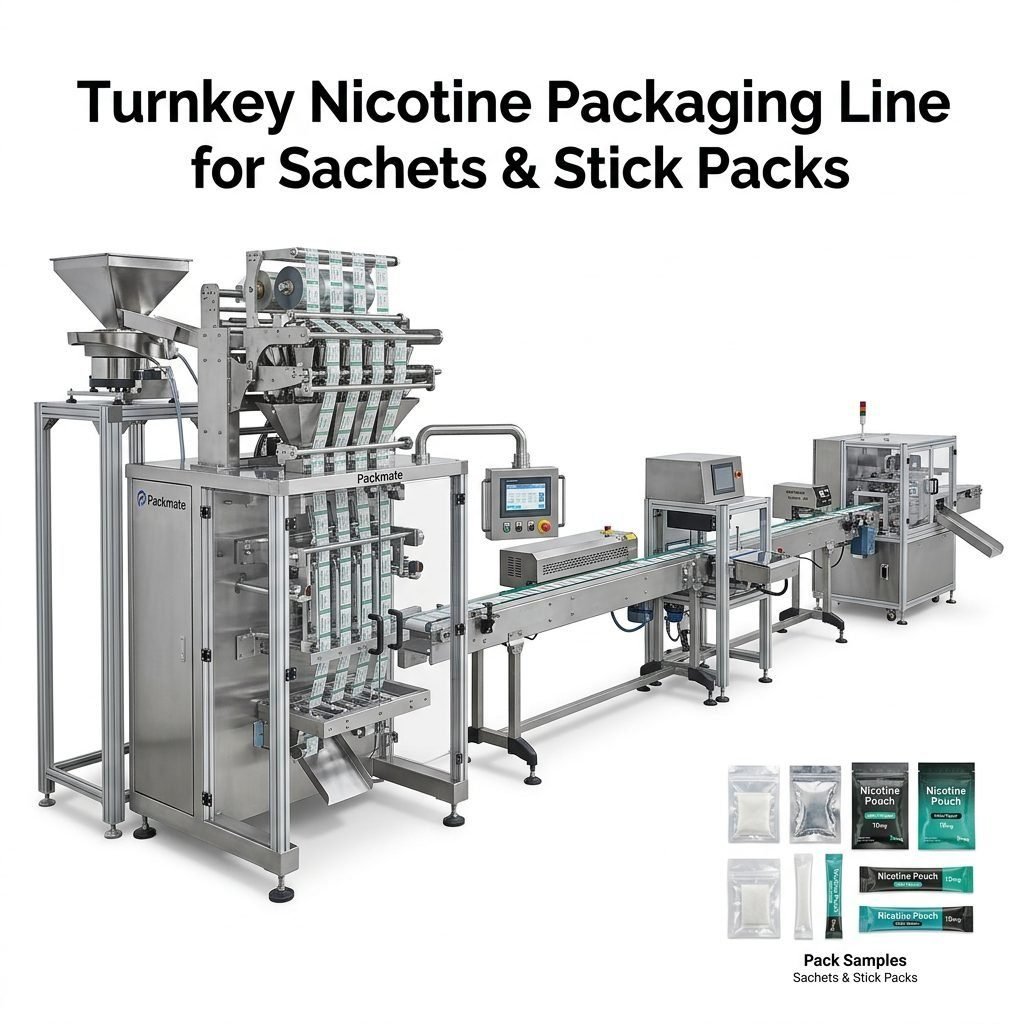
Maintaining a snus packing machine is essential to ensure consistent product quality, reliable throughput, and long machine life. Whether you operate single-lane nicotine pouch equipment, multi-lane sachet lines, or a full automated production solution, a proactive maintenance program reduces downtime, protects your investment, and helps meet regulatory and safety expectations. The following guide provides a practical, step-by-step maintenance roadmap tailored to snus and nicotine pouch packing machines, drawing on decades of packaging engineering best practices.
Daily Checks: Start Every Shift Right
🔧 Before production starts, perform a short pre-run checklist to catch obvious issues quickly. These daily checks typically take 5–15 minutes but prevent many small problems from becoming production-stopping faults.
Daily checklist highlights: power-on self-test, visual inspection of film/web path, confirm product feed and dosing operation, check seal and cut quality on sample pouches, verify no abnormal noises or vibrations, ensure emergency stop and safety guards are in place, and confirm the operator interface shows no active alarms.
Machine Hygiene and Contamination Control
⚠️ Nicotine pouches and snus products require strict hygiene and contamination control. At the start and end of each shift, wipe down accessible surfaces with appropriate, manufacturer-approved cleaning agents. Remove any residual tobacco or powder from hoppers, chutes, and sealing areas using anti-static brushes rather than compressed air to avoid airborne contamination.
Weekly Maintenance: Tune and Tighten
A weekly routine focuses on adjustments and minor service tasks that prevent wear accumulation.
✅ Key weekly jobs: inspect drive belts and chains for tension and wear; lubricate chain guides and moving link points with the lubricant specified by the OEM; check and clean feed augers and weighing hoppers; test pneumatic lines for leaks and secure all fittings.
Sealing Jaw and Cutting Tools
Inspect sealing jaws, cutting knives, and anvil surfaces. Dulling or residue on sealing and cutting components leads to poor seals, product leaks, and increased rejects. Polish or replace blades and clean jaw faces with recommended solvents. Keep spare cutters and jaw inserts in inventory for quick swap-out.
Monthly & Quarterly: Deeper Inspections and Calibration
Monthly checks escalate to parts that wear more slowly but have major impact: bearings, motors, gearboxes, sensors, and electronic components. Quarterly tasks should include calibration of dosing and weighing systems and a full inspection of the film transport path.
Weighing Systems and Fill Accuracy
For nicotine pouches, fill accuracy is critical both for product consistency and regulatory compliance. Calibrate weight cells and check hopper flow aids and vibratory feeders. Run sample packs and log results; adjust dosing algorithms if average fill drifts beyond your tolerance band.
Sensors, Vision, and Control Systems
Inspect photoeyes, barcode readers, and vision cameras for lens contamination, alignment, and secure mounting. Clean optics with lint-free cloths and approved cleaners; ensure that camera mounts haven’t loosened from vibration. Backup PLC programs and HMI recipes monthly to a secure location and keep version history for traceability.
Annual Overhaul: Plan a Preventive Shutdown
An annual preventive maintenance shutdown is essential for thorough inspection, replacement of major wear parts, and software/firmware updates. Plan this downtime in advance and coordinate spare parts, tooling, and technical support from your machine manufacturer or certified service partner.
Annual overhaul checklist: replace bearings and belts per OEM intervals; renew seals and O-rings; test motor insulation and electrical contacts; inspect gearbox oil and replace; update safety interlocks and emergency circuits; run full validation and performance tests with production material.
Spare Parts and Consumables Management
Maintaining an optimized spare parts inventory minimizes downtime. Identify critical components that can stop the line: cutting knives, sealing jaws, fuses, proximity sensors, pumps, belts, and drive motors. Hold at least one immediate-replacement stock of these items and keep a reorder point for consumables like lubricants and filters.
Working with OEM and Authorized Service
If your machine is from Packmate Snus Machine or similar manufacturers, consider a service contract that includes scheduled visits, priority spare parts, and training. Manufacturer-trained technicians understand machine-specific tolerances and software, ensuring faster, safer repairs. See product ranges and support options at Snus & Nicotine Packaging Machines and Service.
Lubrication, Filters, and Pneumatics
Proper lubrication extends the life of bearings, gears, and guideways, but using the wrong lubricant causes damage. Follow OEM lubrication charts and intervals. Replace air filters and check regulator settings to keep pneumatic actuators performing consistently. Drain condensate traps frequently to prevent moisture contamination in air lines.
Recommended Lubrication Practice
Use food-safe lubricants where product contact risk exists. Apply light machine oil to linear guides weekly (per use), and heavier grease to gearbox bearings at recommended intervals. Record lubrication events in your maintenance log for traceability.
Electrical & Control Systems: Diagnostics and Safety
Electrical faults are often intermittent and can be reduced through regular inspection. Check terminal tightness, look for discoloration from overheating, and measure voltage rails if unexpected behavior occurs. Always lock out and tag out (LOTO) before working on electrical panels.
Pro Tip: schedule an annual insulation resistance test and thermographic survey to detect hotspots and failing components before they fail catastrophically.
Operator Training and SOP Documentation
Well-trained operators perform basic maintenance correctly and spot problems earlier. Create clear SOPs (standard operating procedures) for start-up, changeover, cleaning, and shutdown. Include step-by-step photos or diagrams, and maintain a logbook of all maintenance events and stoppages.
Changeover Efficiency
Reduce wear during product changeovers by following a documented sequence: stop feed, perform a partial purge, clean sealing area, install correct tooling, verify film alignment, and run a measured test batch. Fast, consistent changeovers reduce film waste and tooling damage.
Troubleshooting: Common Faults and Quick Fixes
Below are practical troubleshooting steps for recurring issues on snus packing lines.
1. Poor Seal Strength
Causes: dirty jaw faces, incorrect temperature, worn heaters, uneven pressure. Actions: clean jaws, verify heater thermocouple reading, check heater element resistance, replace worn pads, and confirm even pressure across jaws.
2. Inconsistent Fill Weight
Causes: bridging in hoppers, vibration settings, faulty weigh cell, incorrect calibration. Actions: clean hopper and vibratory tray, validate calibration weights, inspect load cell wiring and mounting.
3. Film Wrinkling or Misfeed
Causes: incorrect film tension, damaged web rollers, worn drive belts. Actions: verify tension settings, inspect and replace worn rollers, check film path alignment and tension control brakes.
Safety and Regulatory Considerations
Handling nicotine pouches or snus requires attention to operator safety and often additional PPE. Use gloves when cleaning product-contact surfaces, provide eyewash stations for accidental exposure, and document all cleaning chemicals and MSDS information. Keep machine safety guards intact and test interlocks regularly.
Note: Ensure your validation and traceability documentation meets local regulatory requirements — for example, food contact materials standards or nicotine product rules in your market. For more machine solutions and compliance information, review Certificate and About Packmate.
Optimization: Increase Reliability and Throughput
Use data-driven maintenance by logging downtime causes, mean time between failures (MTBF), and mean time to repair (MTTR). Analyze trends to plan targeted upgrades, firmware improvements, or operator retraining. Consider investing in multi-lane technology and automated inspection to scale production while reducing manual interventions—see examples at Sachet & Stick Pack Machines.
Spare Parts Kits and Tools
Assemble a dedicated kit: commonly replaced seals, a spare cutter, heater elements, standard fasteners used on your model, an insulated terminal tester, and a small thermal camera or clamp meter for electrical checks. Keep a calibrated torque wrench for critical fastenings.
When to Contact Manufacturer Support
Contact OEM support if you encounter unexplained electrical faults, repeated mechanical failure despite correct maintenance, or if software/recipe corruption occurs. Manufacturer technicians can provide OEM spare parts, firmware updates, and advanced diagnostics. For machine models and turnkey line capabilities, explore Filling & Packaging Lines and Auxiliary Packaging Equipment.
Wrap-up: Build a Practical Maintenance Program
A reliable maintenance program combines daily operator routines, scheduled preventive tasks, parts management, and strong OEM support. Keep records, train teams, and use condition-based indicators to move from reactive to proactive maintenance. This approach ensures your snus packing machine runs safely, consistently, and profitably for years.
Frequently Asked Questions (FAQs)
Q1: How often should I replace sealing jaws and cutting knives on a high-speed snus line?
A1: Replace based on wear indicators or when seal/cut quality degrades beyond acceptable limits. For many high-speed lines this may be every 3–12 months depending on throughput, film type, and maintenance diligence. Keep a spare set on hand to avoid extended downtime.
Q2: Can regular compressed air cleaning damage sensitive sensors or electronics?
A2: Yes. Use low-pressure, filtered air if necessary, and avoid blowing contaminant into optical sensors or connectors. Wipe electronics with approved cleaners and perform compressed-air cleaning only where safe and specified by the OEM.
Q3: What PPE is recommended when cleaning nicotine pouch equipment?
A3: Use nitrile gloves, protective eyewear, and, where aerosolized powders are possible, a suitable respirator. Post signage and provide eyewash stations and MSDS information for cleaning agents and product contact.
Q4: How do I know if my machine needs a software/firmware update?
A4: Perform periodic checks with your OEM for firmware releases that address known bugs, add features, or improve performance. If you see erratic behavior, recipe load errors, or communication faults, contact manufacturer support before applying updates and always backup current configurations.
Q5: Is it worth investing in a service contract with the machine manufacturer?
A5: For high-value production lines, a service contract typically pays for itself by reducing downtime, providing priority parts and support, and delivering scheduled preventive care. Evaluate the contract scope to match your production risk and budget.