Choosing the right snus packaging machine manufacturer for your factory in Myanmar requires careful consideration of technical capabilities, local market habits, environmental conditions, and after-sales support. Myanmar’s humid climate, evolving regulatory landscape surrounding nicotine products, and a workforce with diverse skill levels shape the practical needs of packaging lines. This guide will walk you through the most important factors to evaluate so you can select a manufacturer that delivers reliable machines, scalable solutions, and long-term value.
Understand Local Market and Cultural Context
Myanmar’s snus and nicotine pouch market is influenced by a mix of local consumer habits and regional trade. In many urban centers such as Yangon and Mandalay, convenience plays a major role: consumers prefer single-dose, compact pouches that are easy to carry. Rural areas may favor larger-volume pack formats. When vetting a machine manufacturer, prioritize partners who understand local packaging preferences, legal labeling requirements, and distribution challenges.
Look for manufacturers who have experience supplying machines to Southeast Asia or who can customize packaging formats for single-dose pouches, sachets, or stick packs commonly demanded by Myanmar customers.
Why environmental conditions matter
Myanmar’s tropical climate with high humidity and temperature can affect both product quality and machine longevity. Moisture can cause pouch clumping, film deformation, and inconsistent sealing. A reputable manufacturer will offer humidity-tolerant material handling, appropriate sealing technologies, and maintenance guidance to reduce downtime.
Key Technical Capabilities to Evaluate
Make sure any prospective manufacturer demonstrates strong core competencies in the following areas:
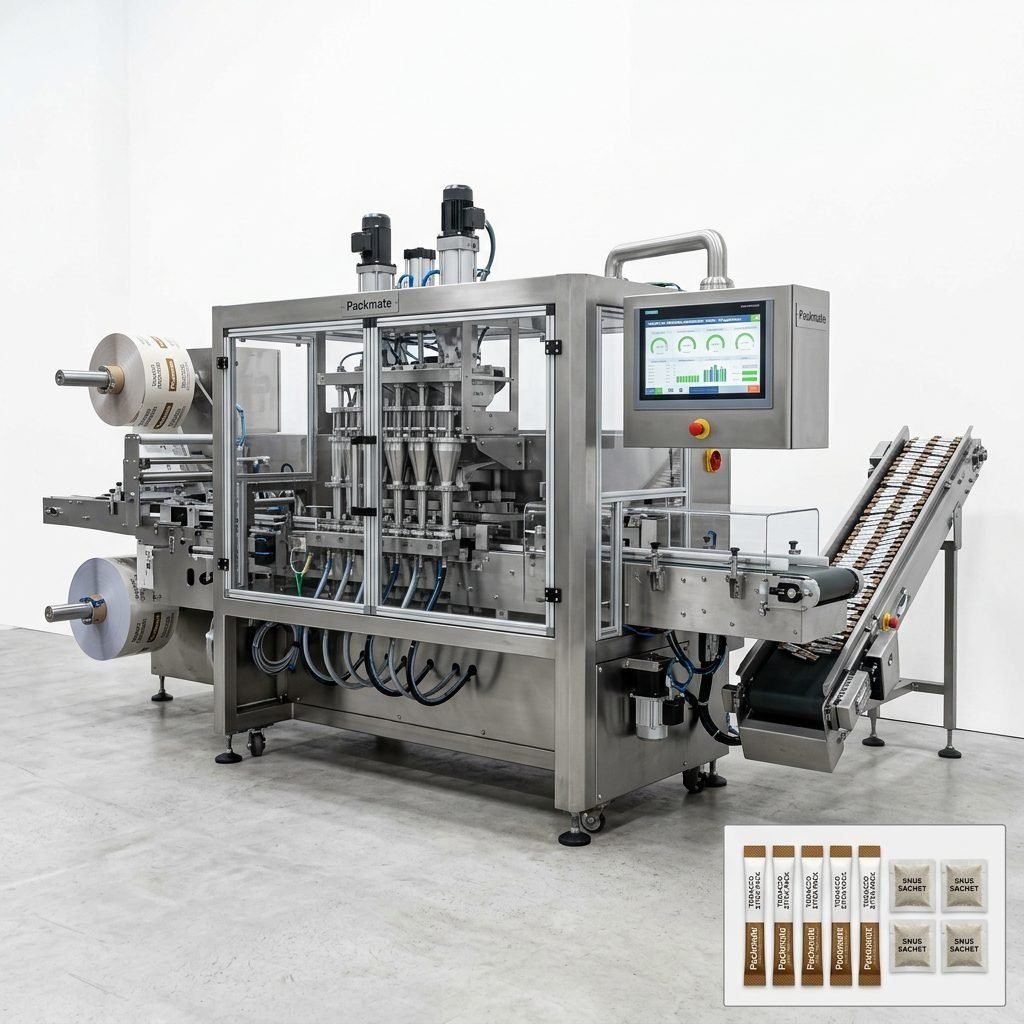
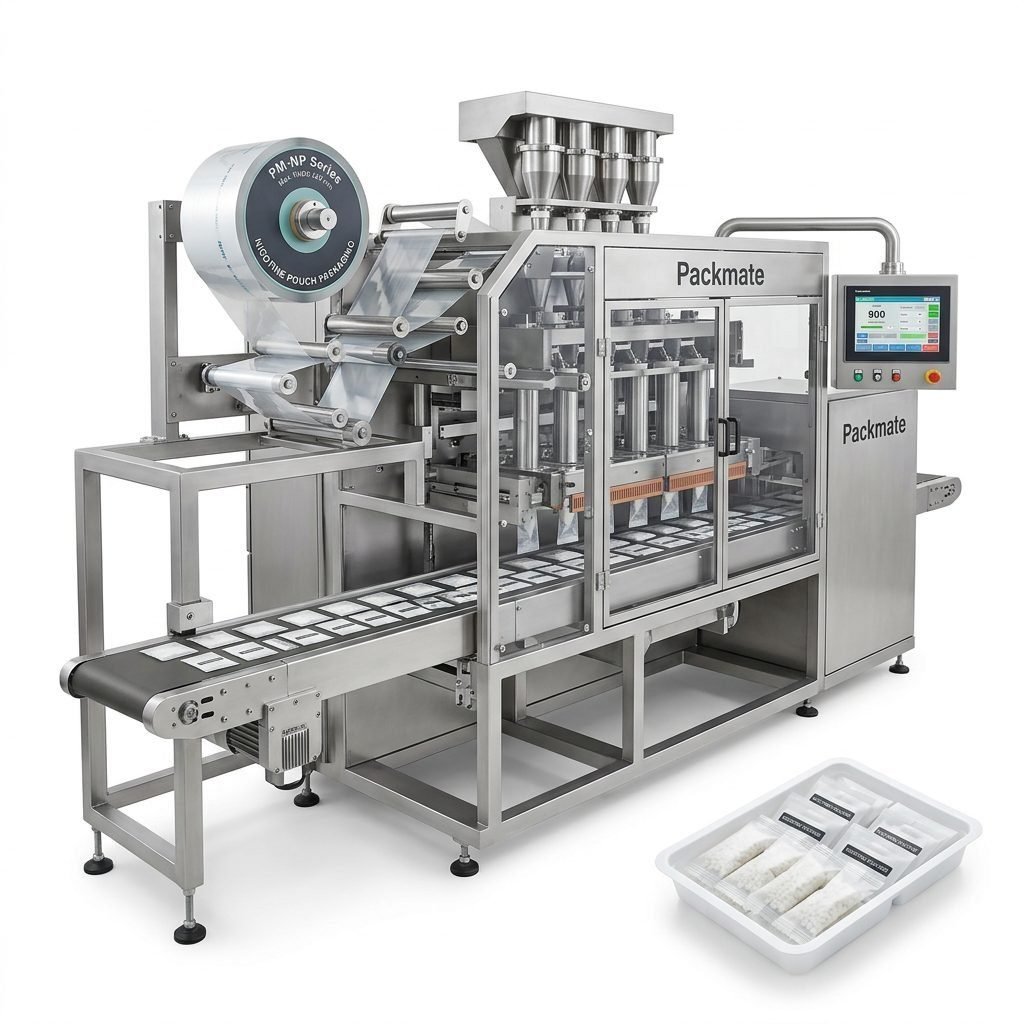
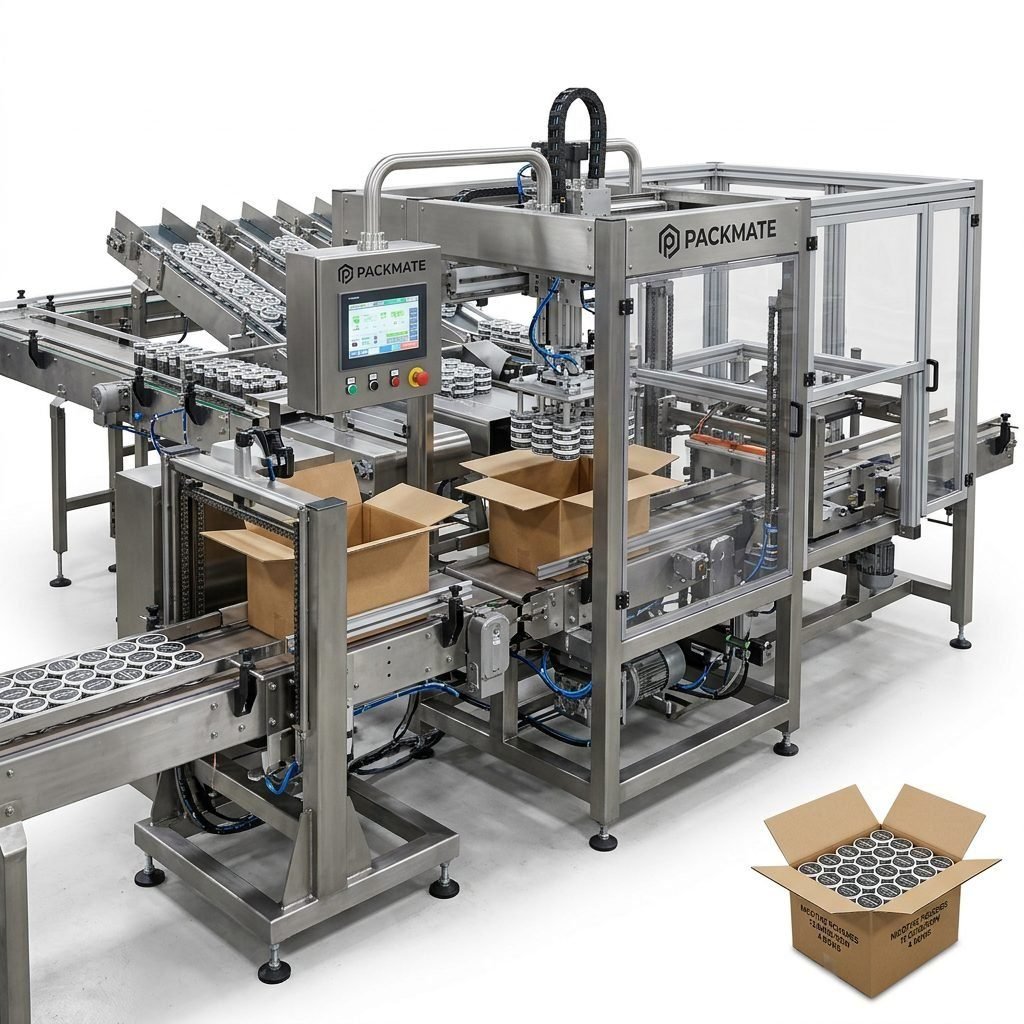
- Production formats supported: sachet, stick pack, multi-lane nicotine pouch lines, and downstream bagging or cartoning.
- Precision dosing and weighing systems for small-dose nicotine pouches to ensure consistent weight and legal compliance.
- Sealing technologies optimized for humid environments to prevent seal failures and leakage.
- Scalability of systems — ability to upgrade lanes or integrate additional modules as demand grows.
- Automation level and PLC control systems for stable running and easy operator training.
Ask for machine models, production capacities, and references. A company with a wide range of machines and case histories across regions is preferable.
Packmate Snus Machine — Relevant Profile
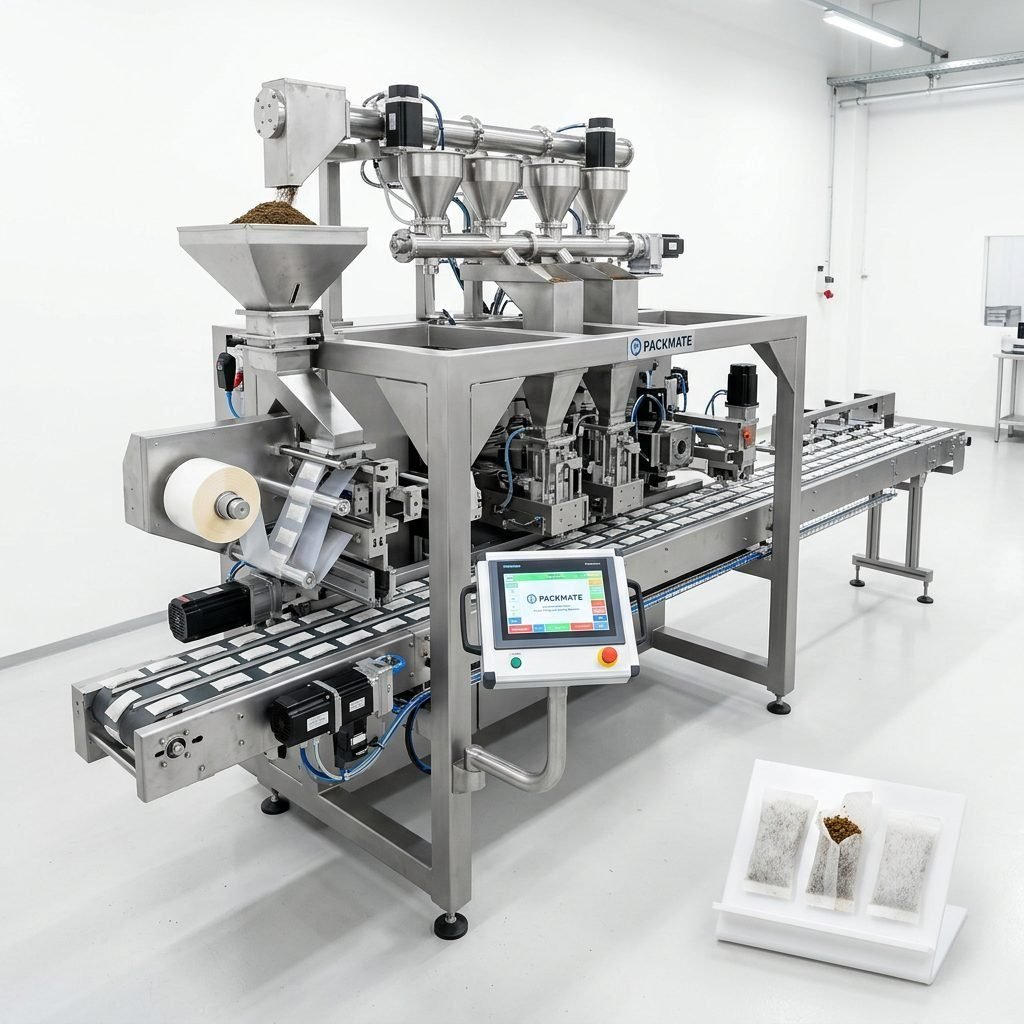
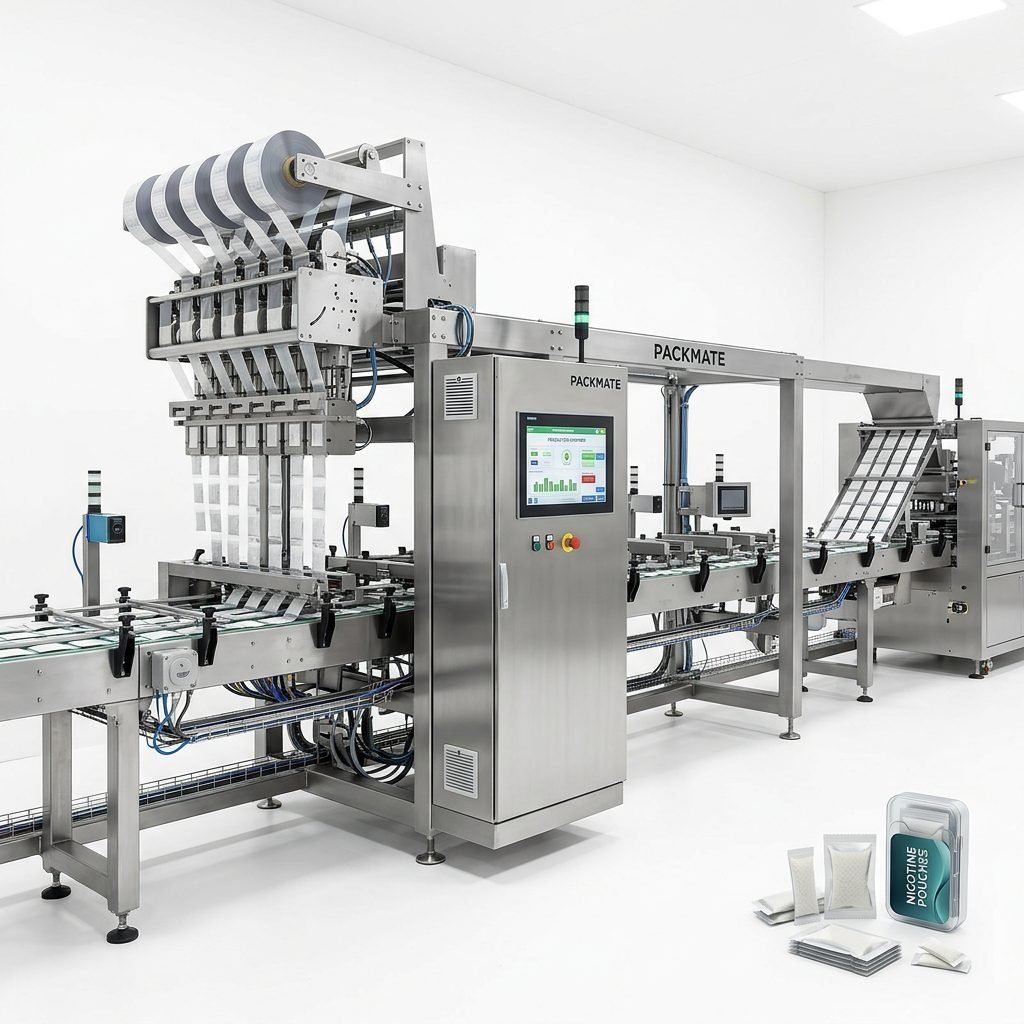
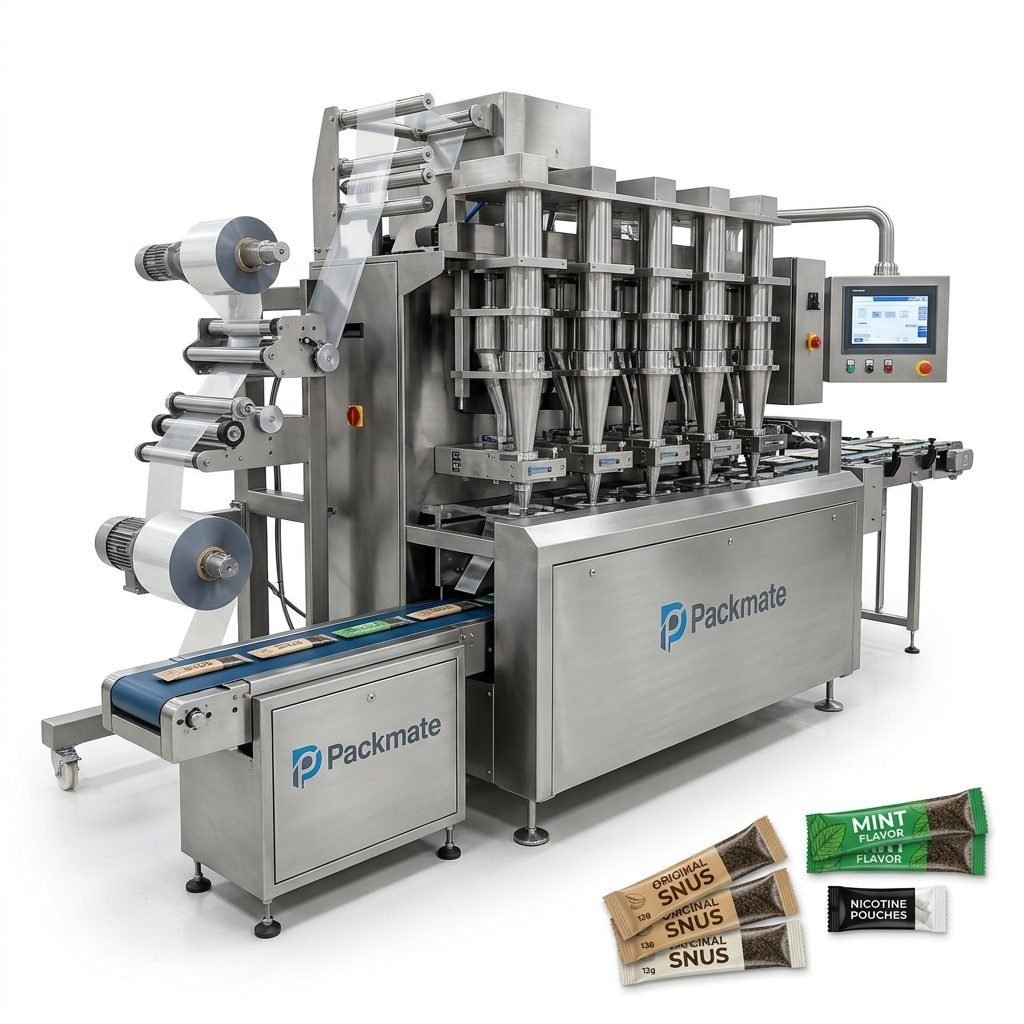
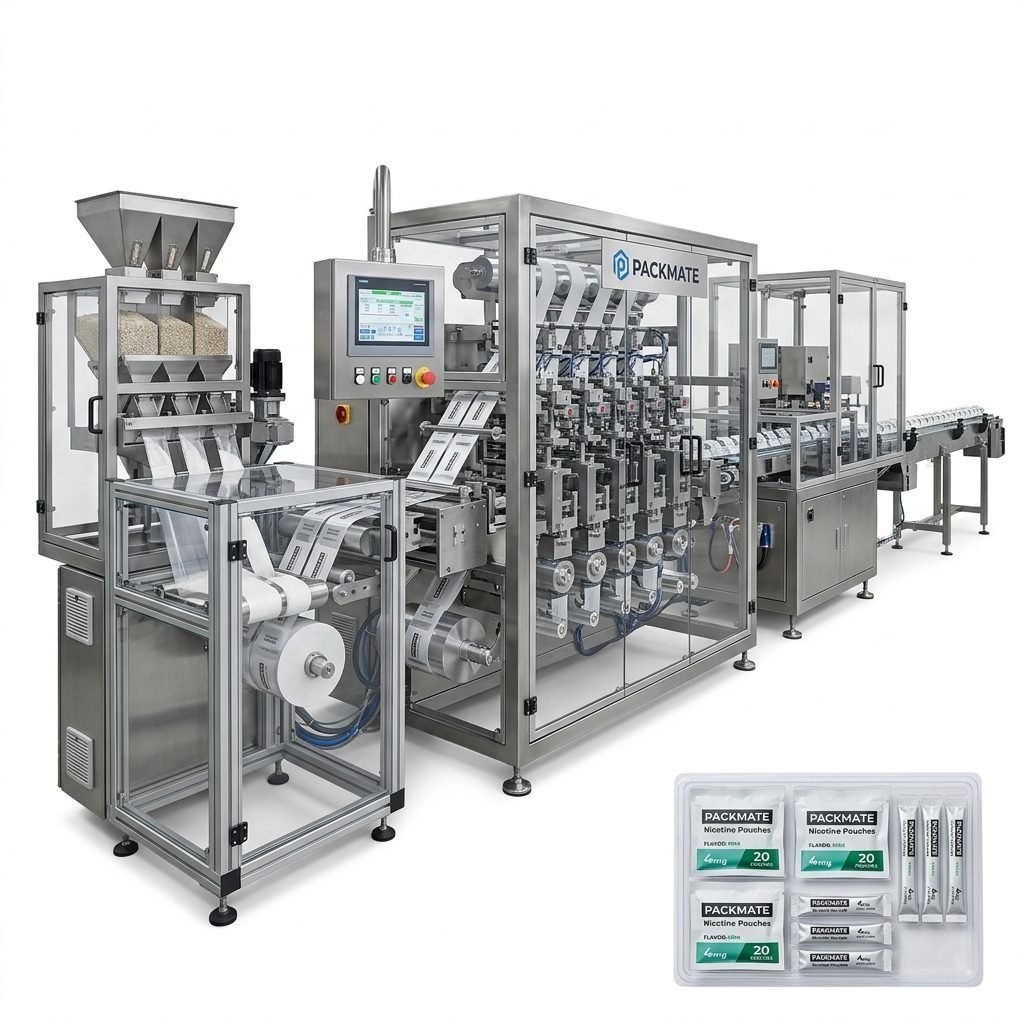
When considering suppliers, Packmate Snus Machine is an example of a vendor that matches many requirements: over 30 years of engineering experience, a 20,000㎡ manufacturing facility, advanced CNC machining centers, and more than 50 machine models. Their offering includes dedicated snus & nicotine packaging machines, stick pack and sachet lines, and complete filling and packaging lines suitable for nicotine pouches and similar products. You can review their product suite and case studies to better understand fitment for Myanmar operations:
Production Capacity and Throughput Needs
Determine your expected output (pouches per minute, packaging formats per hour) and verify manufacturers can meet or exceed those rates with stable performance. Consider peak season demand, export orders, and product variations. A flexible multi-lane system can help scale throughput without requiring a complete line replacement.
If you expect rapid expansion in Myanmar or exports to nearby markets, prioritize turnkey lines that allow lane expansion or modular upgrades.
Automation, Controls and Operator Training
Automation reduces labor dependency and improves consistency. Check whether the manufacturer provides:
- Intuitive HMI/PLC interfaces in English (or support for local languages) with recipe management for different pouch sizes.
- Remote diagnostics and software updates to speed troubleshooting from abroad.
- Comprehensive operator & maintenance training, ideally including onsite setup support in Myanmar.
Local workforce considerations
Myanmar factories often balance skilled technicians with entry-level operators. Choose machines with clear maintenance procedures and low-complexity consumable changes so local teams can operate reliably. Suppliers who offer extended training packages or local partner support will help you minimize downtime.
Material Compatibility and Packaging Films
The type of film and sealing adhesive directly affects machine selection. Manufacturers should advise on:
- Recommended barrier films for nicotine pouch shelf life in humid conditions.
- Sealing temperature ranges and seal quality testing protocols.
- Film roll handling, tension control, and splicing systems to reduce stoppages.
Insisting on manufacturer-specified films and adhesive systems reduces the risk of rework and product recalls.
Quality, Certifications and After-sales Support
Certifications (CE, ISO) and a rigorous QC process are indicators of reliability. Equally critical is the manufacturer’s after-sales service — spare parts availability, technical support response time, and warranty terms. Look for:
- Clear warranty and spare parts policy with typical lead times to Myanmar.
- Remote support and options for local engineers to be trained as certified service partners.
- Documented performance validation tests and acceptance criteria before shipment.
Explore manufacturer credentials and customer feedback. Packmate’s global exhibitions and case references demonstrate real-world performance across multiple markets, which can be reassuring when importing machinery to Myanmar.
Customization, Turnkey Lines and Integration
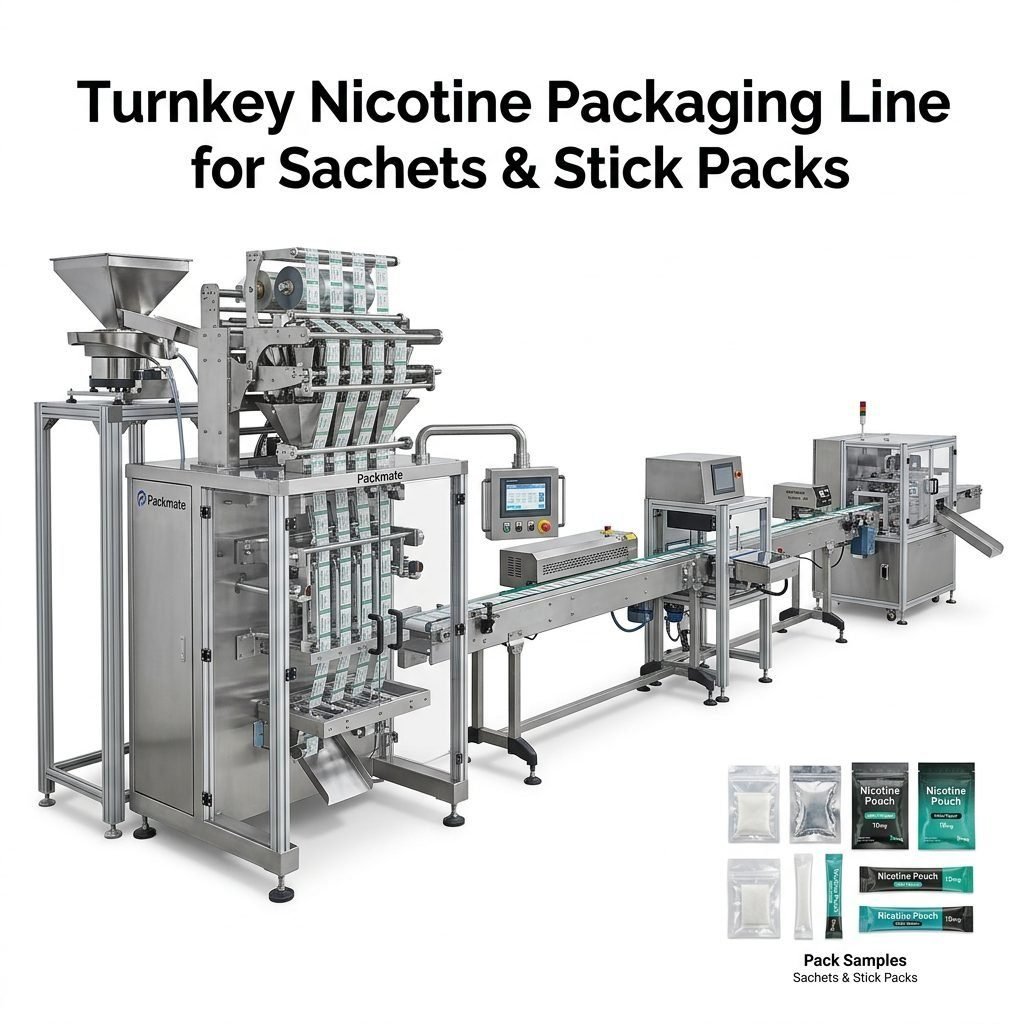
For many factories, the best value comes from turnkey solutions that integrate filling, pouch forming, sealing, and secondary packaging. Evaluate the supplier’s ability to provide:
- End-to-end project management from layout design to FAT (Factory Acceptance Test).
- Compatibility with upstream weighing systems and downstream cartoning or case-packing equipment.
- Customization for local labeling, language settings, and power specifications in Myanmar (220V/50Hz or local variations).
Relevant product pages like their Weighing & Packaging Systems or Filling & Packaging Lines showcase how modular systems can be combined to create a fully automated production flow:
Logistics, Installation and Local Compliance
Importing heavy machinery into Myanmar involves coordination of shipping, customs, and local installation. A manufacturer experienced in international logistics and familiar with Myanmar import procedures reduces friction. Confirm whether the supplier:
- Provides packing lists, spare parts kits, and on-site installation teams or certified partners.
- Assists with documentation required for customs clearance and regulatory inspections.
- Offers training and commissioning at your factory to ensure smooth start-up.
Negotiate a spare parts package and a short-term service contract for the first 6–12 months to avoid production stoppages during the ramp-up phase.
Cost vs. Value: Making the Right Investment
Price is important, but so is total cost of ownership. Cheaper machines can lead to higher maintenance costs, more frequent downtime, and increased scrap rates. Consider:
- Energy efficiency and consumable use — both impact operational costs in Myanmar’s energy market.
- Durability of critical components and the availability of replacements.
- Resale value and modular upgrade paths that protect your capital investment.
Making the Final Decision: A Checklist
Use this practical checklist to compare manufacturers side-by-side:
- Technical fit: formats, throughput, and film compatibility.
- Local adaptability: humidity management, power specs, and operator training.
- Service network: spare parts, remote diagnostics, and warranty terms.
- Track record: case studies, references, and exhibition presence.
- Commercial terms: payment, lead times, and installation support.
If a manufacturer meets at least 4 out of 5 checklist items and can provide clear FAT evidence, they are a strong candidate for Myanmar deployment.
Working with International Manufacturers: Communication and Risk Mitigation
If you choose an overseas supplier, establish strong communication channels and milestones: design approval, FAT, packing, shipping, customs clearance, and onsite commissioning. Request detailed acceptance testing before shipment and secure a clear spare parts list to be shipped with the line.
For manufacturers like Packmate who attend global exhibitions and showcase real-world deployments, direct engagement via their contact and service pages can shorten lead times and improve clarity:
Local Regulations and Responsible Business Practices
Nicotine products are subject to evolving regulations in Southeast Asia. Work with suppliers experienced in compliance, product traceability, and labeling that meets Myanmar’s legal requirements. Ensure that your packaging line can handle regulatory label updates without major retooling.
Final Notes: Building a Long-Term Partnership
Selecting a snus packaging machine manufacturer for your Myanmar factory is more than a one-time purchase — it is the start of a partnership. Prioritize suppliers who offer transparent documentation, global experience, and the willingness to adapt systems to local needs. With the right partner, you can build a resilient production line that delivers consistent quality, efficient throughput, and predictable operating costs.
If you want to explore turnkey snus packaging solutions, product specifications, or case references, review professional product pages and reach out via the manufacturer’s service channels to request technical proposals and quotes.
Frequently Asked Questions
Q1: What machine type is best for small-dose nicotine pouches?
A1: Multi-lane pouch forming machines with precision dosing and integrated weighing provide the best balance of throughput and accuracy. Look for lines designed for small-dosage repeatability and humidity control.
Q2: How do I handle high humidity in Myanmar?
A2: Use barrier films specified by the manufacturer, install dehumidifiers in production and storage areas, and choose sealing technologies optimized for wet environments. Regular preventive maintenance is also essential.
Q3: What after-sales support should I expect?
A3: Expect warranty terms, a spare parts list, remote debugging, and optional onsite commissioning. Manufacturers with a documented training program and global exhibition presence typically provide better ongoing support.
Q4: Can I expand production later?
A4: Choose modular, multi-lane systems that allow lane additions or integration with auxiliary equipment. This reduces future capital expenditure and shortens upgrade times.
Q5: Where can I see real examples of lines in operation?
A5: Manufacturer case pages and exhibition demos are the best sources. Explore the manufacturer’s case studies and contact them to arrange virtual or in-person FAT demonstrations.