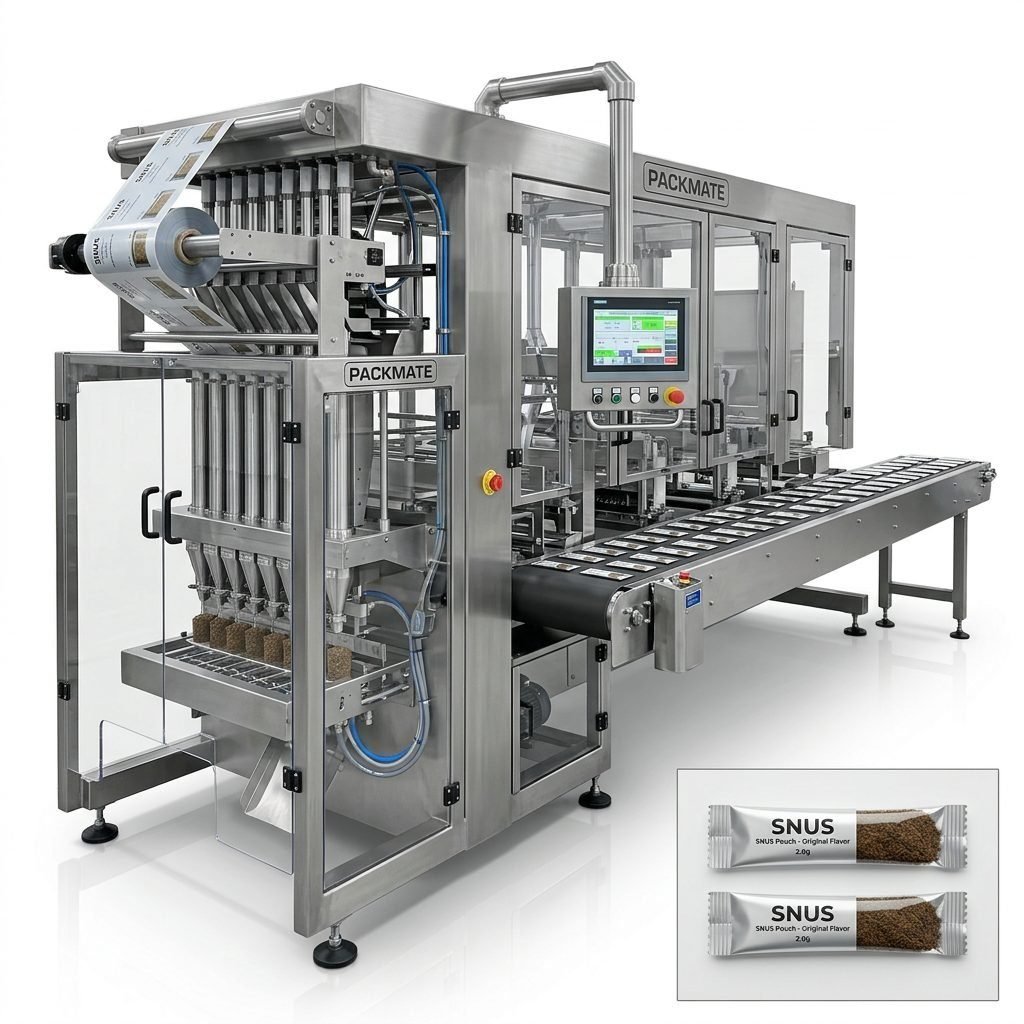
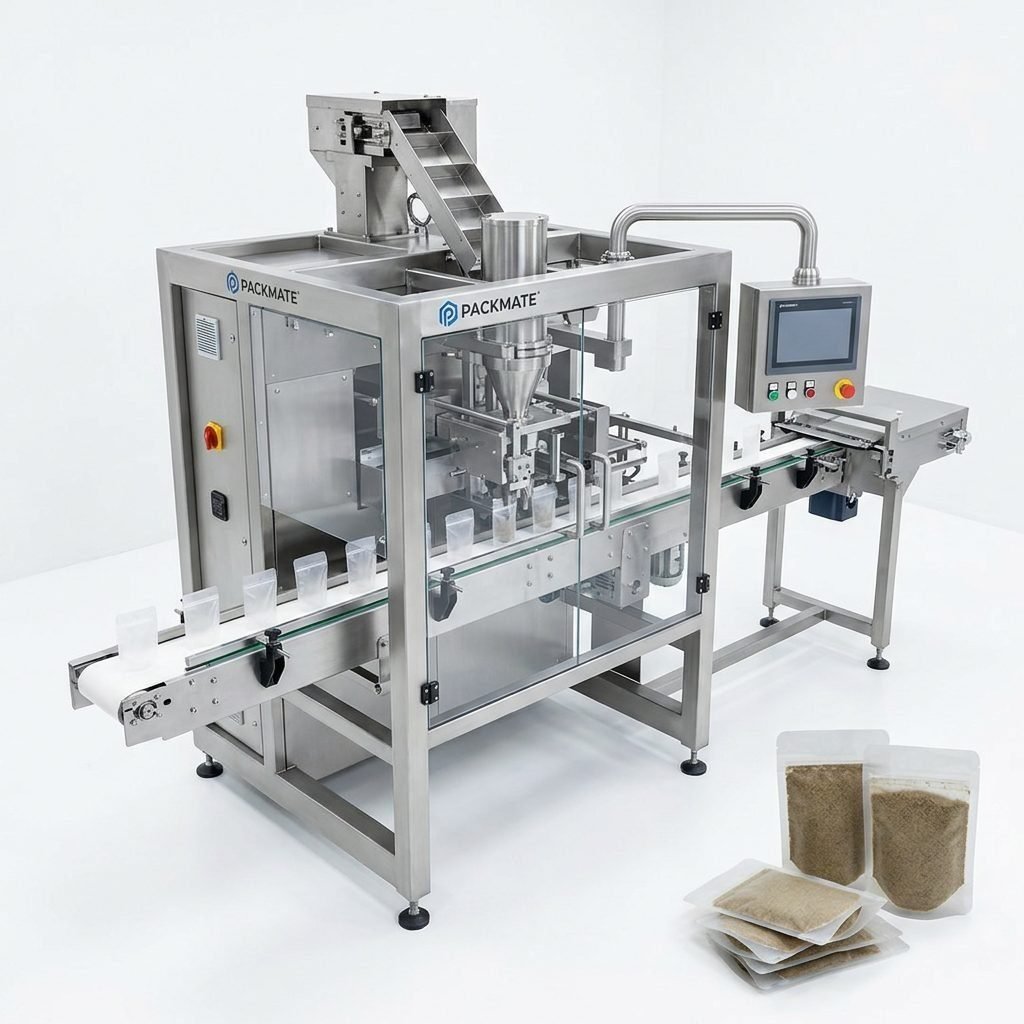
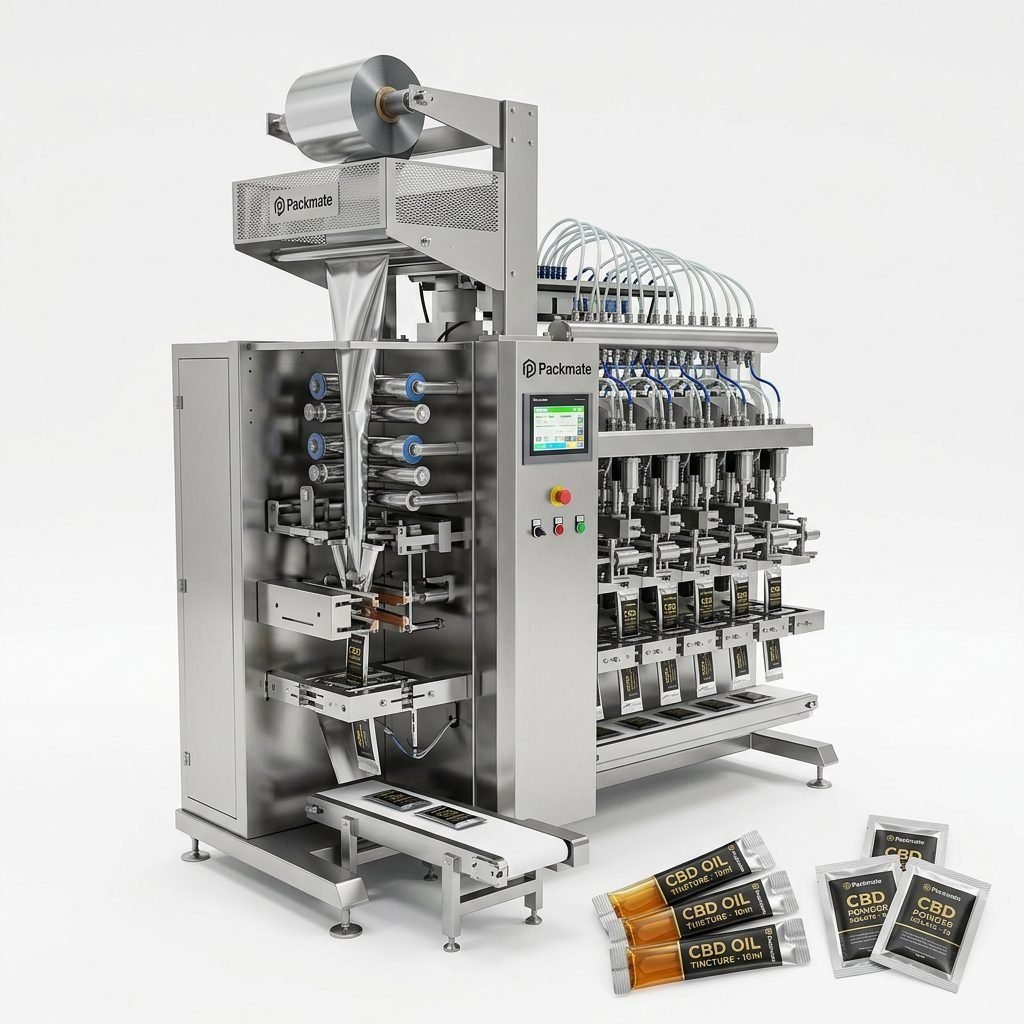
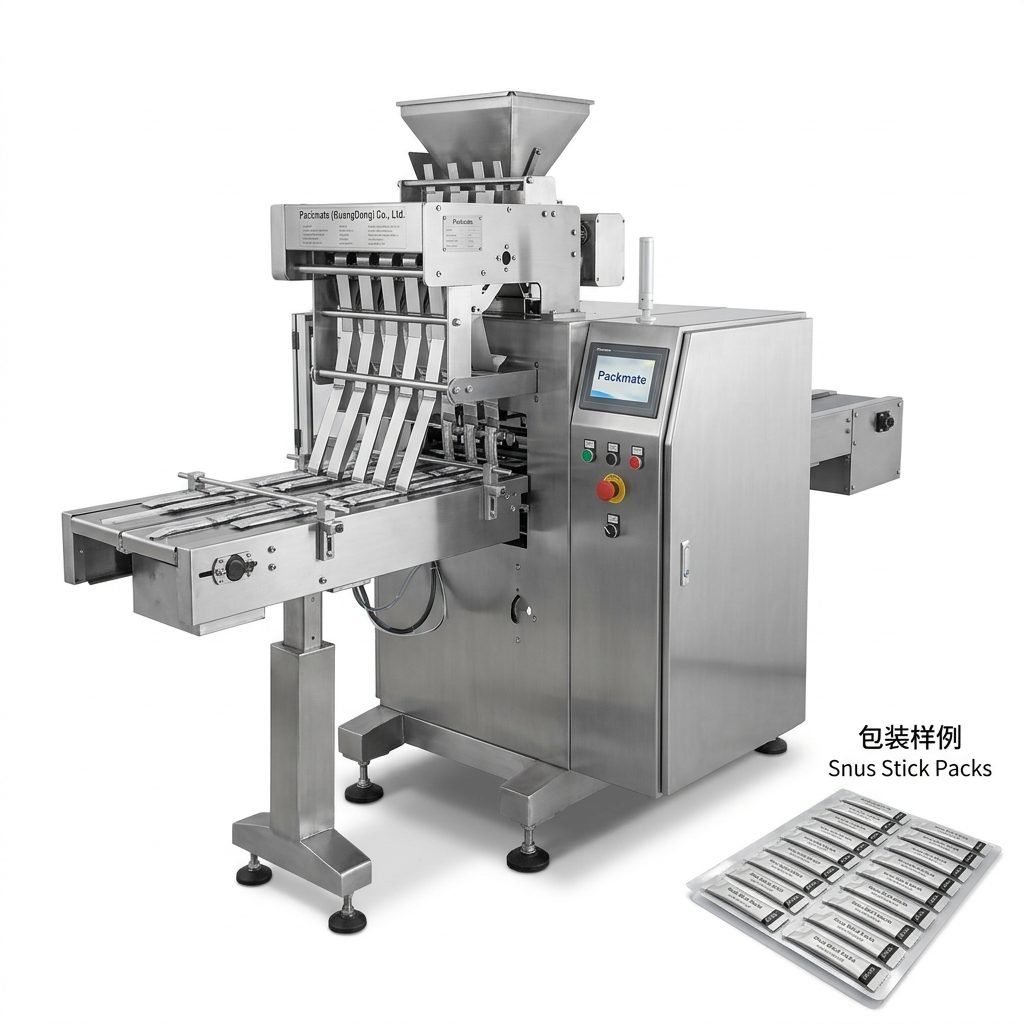
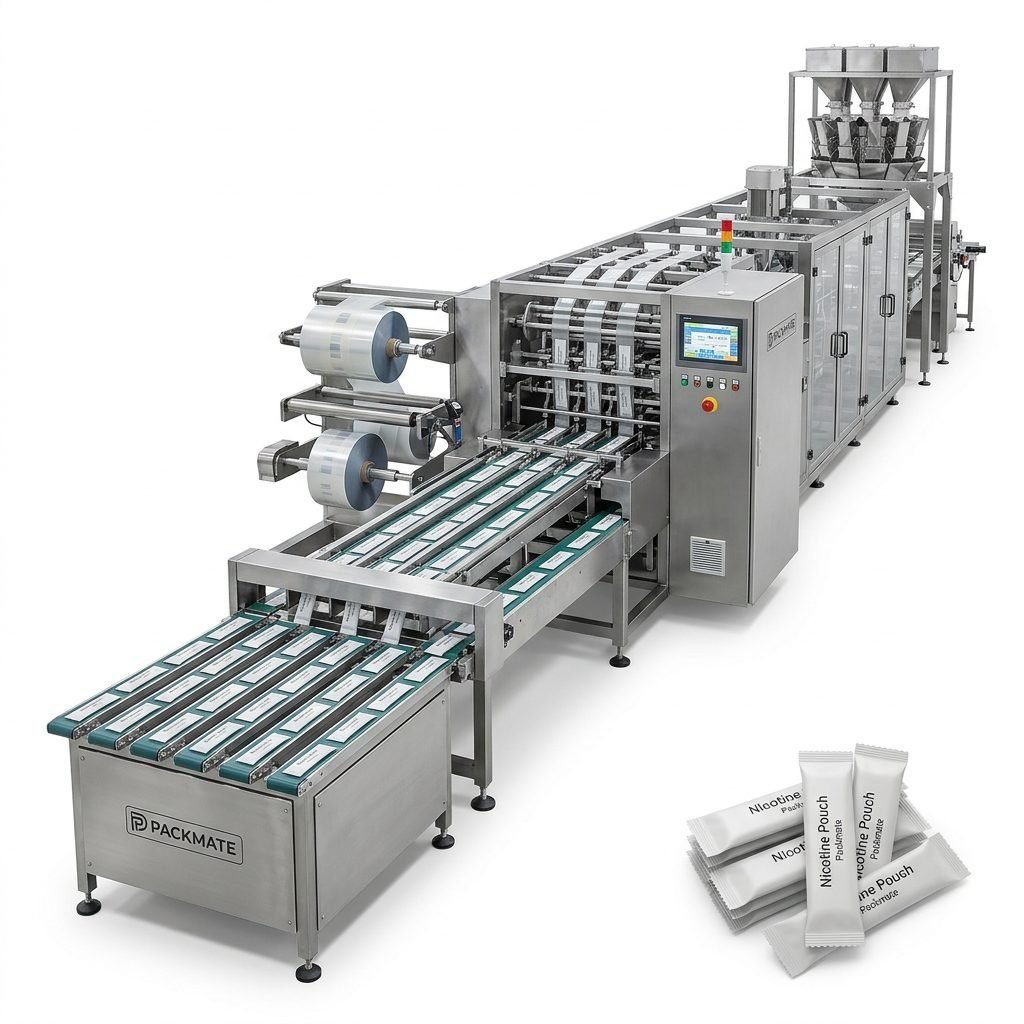
Choosing the right snus packaging machine for the Equatorial Guinea market requires more than comparing speeds and prices — it means understanding local consumer habits, climate challenges, import logistics, and regulatory expectations. This guide walks you through the practical steps, technical criteria, and supplier considerations to help you select a reliable, efficient, and compliant snus or nicotine pouch packaging solution that fits the needs of West-Central African markets.
Understanding the Snus & Nicotine Pouch Market in Equatorial Guinea
Equatorial Guinea is a small but growing market with unique cultural and logistical attributes. Spanish is widely used for labeling and consumer instructions, and buyers often favor products with discreet, single-serving formats. The climate is tropical — hot and humid — which affects packaging seal integrity and product shelf life. When selecting machinery, prioritize equipment that offers excellent sealing reliability and humidity management.
Key local considerations: Spanish labeling, small-batch production flexibility, corrosion resistance for high humidity, and readily available after-sales support and spare parts.
Popular Packaging Formats to Consider
Different formats suit different distribution channels. Typical choices include:
Sachets and single-dose pouches — ideal for retail counters and kiosks; high demand for discreet usage.
Multi-pouch stickpacks or flow packs — good for convenience stores and travel packs.
Evaluate machines capable of producing multiple pouch styles with minimal changeover to keep your product line flexible.
Machine Types & When to Choose Each
Choose based on production volume, required pouch styles, and future scalability:
Single-lane snus machines — lower cost and simpler maintenance; suitable for startups and small manufacturers.
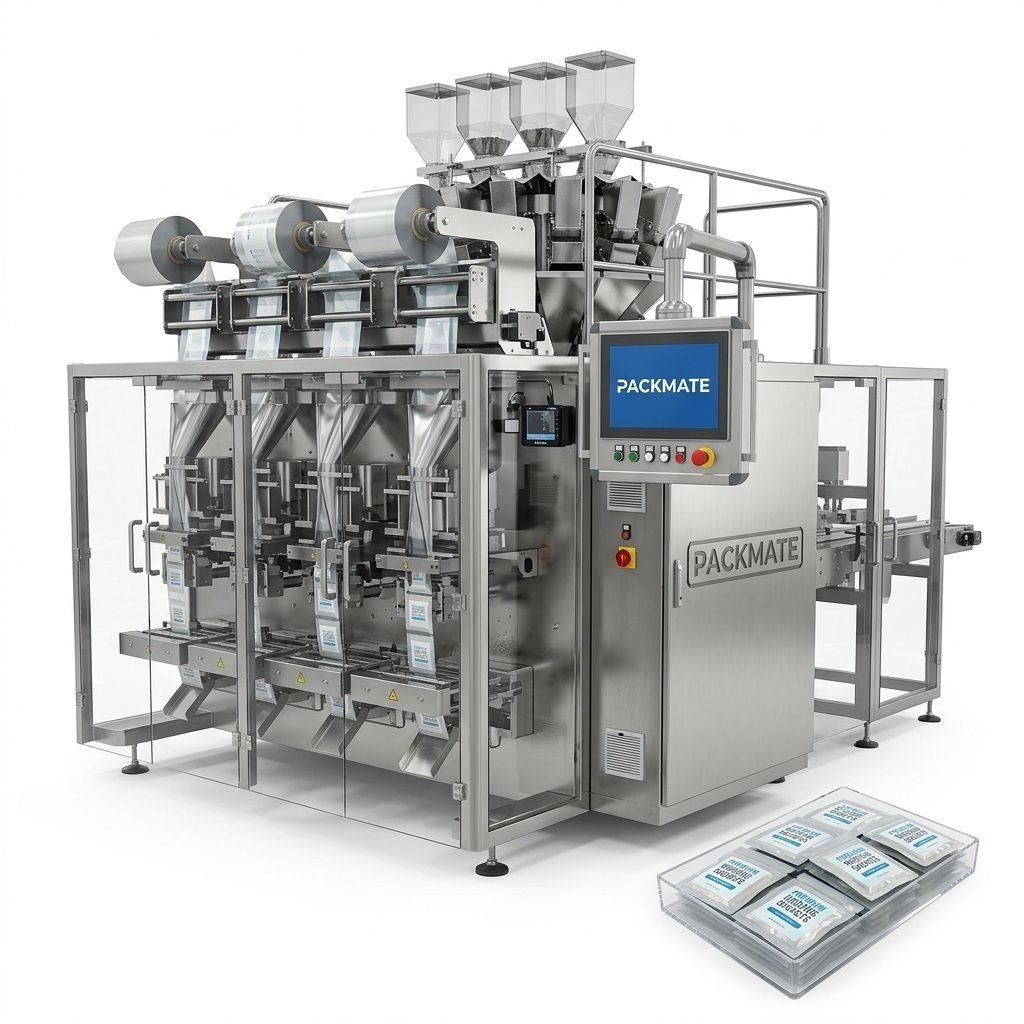
Multi-lane systems — ideal for scaling up output and reducing per-unit costs; consider if you plan export or regional distribution.
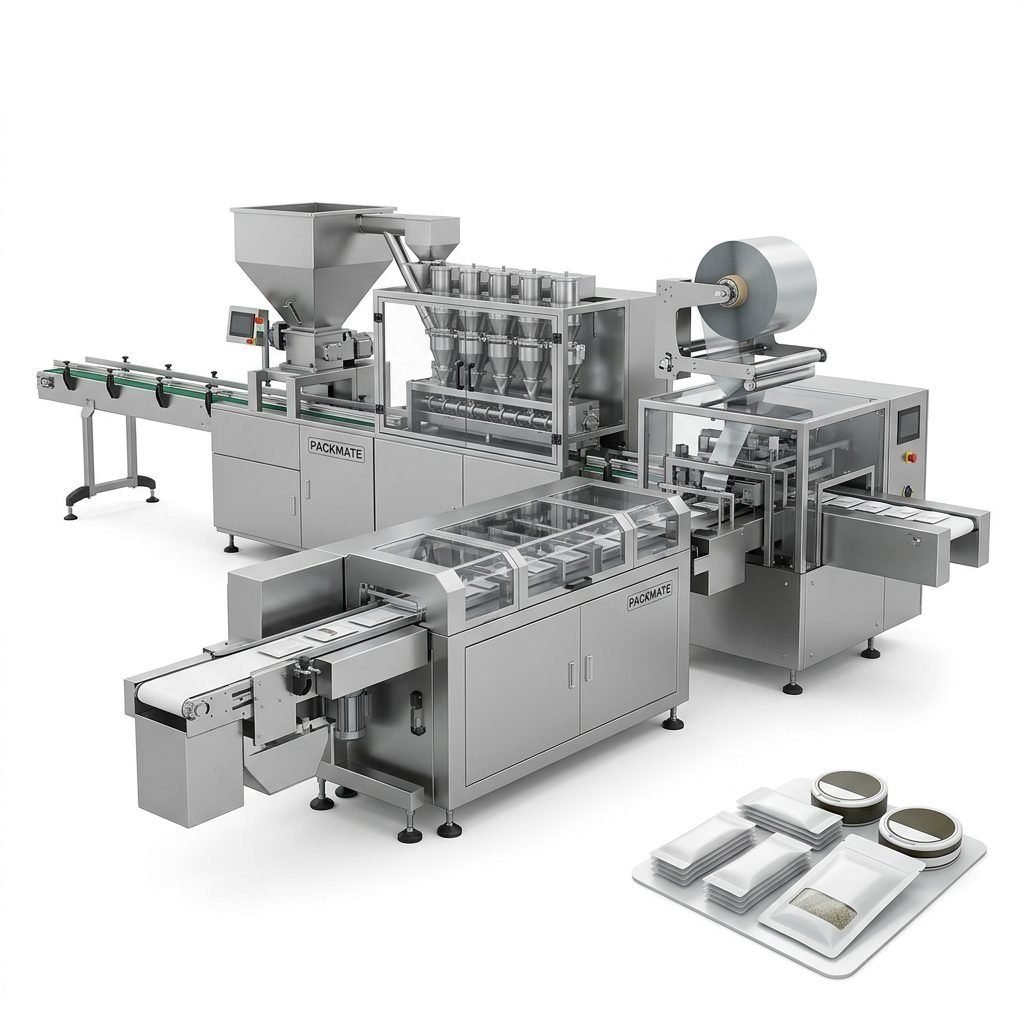
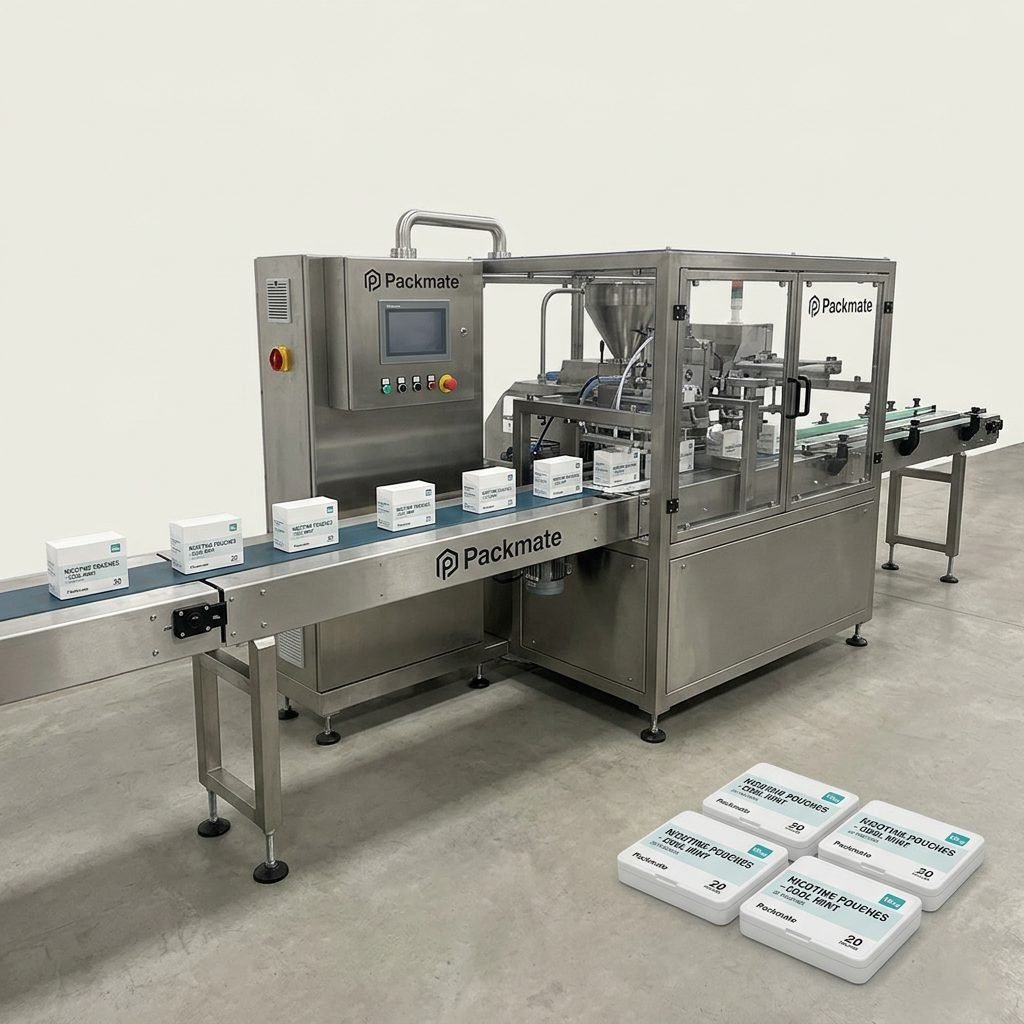
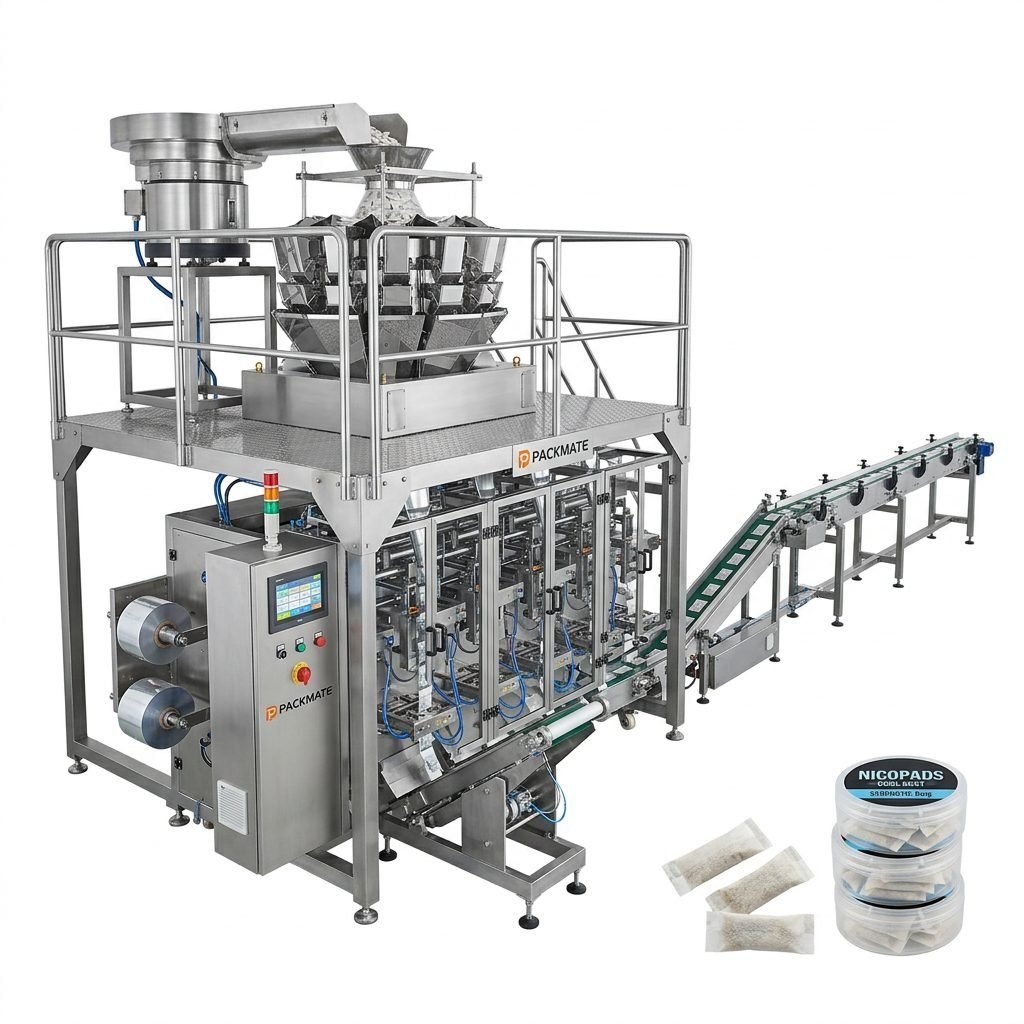
Manufacturers such as Packmate offer both single-lane and multi-lane solutions to match growth plans and product diversification strategies. See examples of Snus & Nicotine Packaging Machines for reference.
Technical Specifications: What Really Matters
Many specs are listed in brochures, but some are more critical in practice:
Speed vs. Stability
High-speed figures look attractive, but real-world throughput depends on product characteristics (moisture content, granule size) and operator skill. Prioritize machines with stable output and easy-to-tune parameters over raw top speed.
Filling Accuracy & Dosing
Accurate dosing reduces waste and ensures compliance with nicotine content declarations. Look for integrated weighing or precise volumetric dosing systems. If you handle multiple formulas, choose modular dosing heads that can be swapped quickly.
Seal Integrity & Material Compatibility
In humid environments, robust heat-seal systems and proper barrier films are essential. Verify the machine handles laminated films, foil-laminates, and bi-layer materials commonly used for nicotine pouches.
Tip: Ask for on-site or video demonstrations using your actual pouch materials to confirm sealing performance under Equatorial Guinea’s climate conditions.
Build Quality & Materials — Long-Term Durability
Stainless steel 304/316 contact parts, anodized or painted frames, and IP-rated electrical enclosures help prevent corrosion. Given the coastal humidity and salt air in parts of Equatorial Guinea, prioritize corrosion-resistant finishes and IP65-grade panels for drives and controls.
Automation & Integration
Consider how the new machine will integrate into your line:
- Automated feeding and roll unwinding
- In-line checkweighers or metal detection
- Vision systems for print/lot code verification
- Connection to upstream filling or downstream secondary packaging
Check suppliers that provide full production lines including weighing and auxiliary equipment for smoother installation. See Weighing & Packaging Systems for options.
Customization, Tooling & Changeover
Quick changeover systems and modular tooling allow you to run multiple SKUs without long downtime. If you plan varied pouch sizes or different nicotine strengths, select machines with:
- Tool-less or quick-release forming sets
- Programmable recipes for different products
- Interchangeable dosing modules
Supplier Credentials & After-Sales Support
One of the most important aspects when buying machinery for a market like Equatorial Guinea is ongoing support. Verify:
- CE and ISO certifications — these demonstrate compliance with international safety and quality standards.
- Spare parts availability and local stocking options.
- Training programs for operators and maintenance teams.
- Remote support and diagnostics — essential if the vendor is overseas.
Quick check: Ask the supplier for references in similar climates and regions — Packmate’s global cooperation cases can be reviewed for performance insights.
Logistics, Installation & Local Requirements
Plan the whole delivery process: customs clearance, voltage compatibility (confirm 220V/50Hz or local variants), foundation and floor load capacity, and on-site assembly. Tropical climates demand sealed electrical cabinets and desiccant systems for roll storage. Consider hiring local technicians and ensure the supplier provides detailed installation manuals in Spanish.
Regulatory & Labeling Considerations in Equatorial Guinea
Regulations for nicotine products vary. Ensure your packaging equipment can print or apply labels with required language (Spanish text is often expected), health warnings, lot numbers, and manufacturing dates. Integrating a coding or hot stamping unit is often necessary.
Total Cost of Ownership (TCO) — Beyond the Purchase Price
Evaluate TCO including spare parts, consumables (films), energy consumption, training, and expected uptime. Higher initial investment in a robust machine may pay off through reduced downtime and lower waste in challenging environments.
Buying checklist (short): sealing test with your film, demo with your product, spare parts list, CE/ISO certificates, warranty & service SLAs.
Why Choose an Experienced Manufacturer?
A vendor with decades of experience will have solved many real-world problems and can supply turnkey solutions — from filling lines to auxiliary equipment and after-sales service. Packmate’s background in snus and nicotine pouch machinery, advanced CNC manufacturing, and global turnkey projects is a strong indicator of capacity to support export markets and climate-specific requirements. Learn more About Packmate for company details.
Case Studies & Proof of Performance
Request case studies or factory acceptance test (FAT) reports. Seeing machines running real products in similar operating conditions provides confidence. You can review global Case examples to better understand performance across regions.
Practical Steps to Purchase & Commissioning
1) Define product specs and anticipated SKUs. 2) Request a video/FAT using your materials. 3) Verify certifications and references. 4) Agree on spare parts kit and training. 5) Plan for customs, installation, and local commissioning. For turnkey lines or specialized modules, consult suppliers that provide Filling & Packaging Lines and Auxiliary Packaging Equipment.
Maintenance & Ongoing Training
Set up a preventive maintenance schedule and ensure at least two operators are trained on troubleshooting. Remote support and periodic on-site checks (or regional service partners) significantly improve uptime in markets where technical labor is scarce.
Final Recommendations for Buyers in Equatorial Guinea
• Prioritize corrosion-resistant construction and sealed electrical systems.
• Require sealing tests with your film and product under simulated humidity.
• Favor modular machines with quick changeovers if you plan multiple SKUs.
• Confirm supplier’s spare parts delivery time and remote support availability.
• Demand documentation and manuals in Spanish to ease local training and compliance.
Next steps: Contact the manufacturer for a tailored quote, schedule a product demonstration, and request references in similar climates. You can Contact Us to start a dialogue with an experienced supplier.
Additional Resources
For product catalogs and machine models, consider reviewing the manufacturer’s product pages: Snus & Nicotine Packaging Machines, Bag & Pouch Packaging Machines, and Sachet & Stick Pack Machines. Check exhibition history and certifications to evaluate market presence: Our Exhibition and Certificate pages provide useful insights.
FAQs — Common Buyer Questions
Q1: What machine speed do I need for a small Equatorial Guinea distribution?
A1: For small markets, start with a reliable single-lane machine that can produce 30–120 pouches per minute depending on pouch size. Prioritize stability and sealing quality over maximum speed.
Q2: How does humidity affect pouch packaging and what machine features help?
A2: High humidity can compromise seals and accelerate film aging. Choose machines with precise temperature control, stronger sealing systems, and ensure storage areas for films are climate-controlled or use desiccants.
Q3: Are certifications like CE necessary for export to Equatorial Guinea?
A3: CE and ISO certifications are internationally recognized and helpful for customs clearance and buyer trust. They also indicate safer, standardized manufacturing practices.
Q4: Where can I see real-world installations before buying?
A4: Request case studies and FAT videos from the manufacturer. Many suppliers share global Case studies and can arrange live demonstrations at exhibitions or at partner sites. See Case for examples.
Q5: What after-sales services should I require?
A5: Require spare parts kits, remote diagnostics capability, operator training, preventive maintenance schedules, and clear SLA for response times. A supplier offering Service contracts and local support options will reduce long-term risk.