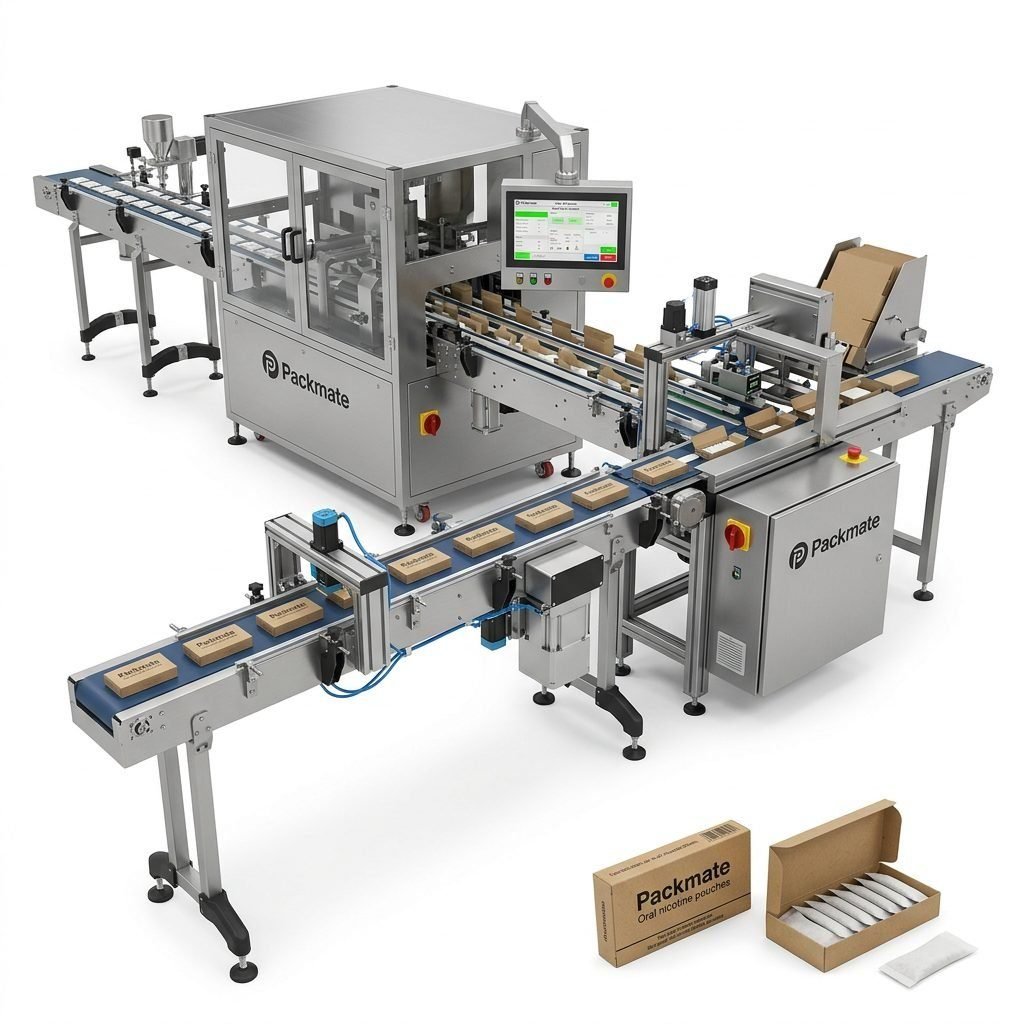
Choosing the right nicotine packaging machinery manufacturer for your business in Eritrea requires more than a price comparison. Eritrea’s unique trade environment, local buying habits, and small but growing interest in alternative nicotine products mean you must evaluate technical performance, after-sales service, regulatory compliance, and cultural fit. This guide walks you through practical, actionable criteria to select a reliable supplier and implement a cost-effective, compliant packaging solution that fits Eritrean market realities.
Why the right nicotine packaging machinery matters in Eritrea
Eritrea presents special considerations for importers and manufacturers: logistical constraints through ports such as Massawa and Assab, a business culture that values long-term relationships and formal communication, and a retail market where language and labeling (Tigrinya, Arabic, English) affect sales. For nicotine products, local social norms and religious sensitivities mean clear adult-only packaging and responsible marketing are essential. Choosing the right equipment ensures you meet product quality expectations, comply with local rules, and build trust with retailers and consumers.
Key outcomes of a correct choice include: reduced downtime, predictable total cost of ownership, compliance with international safety standards, and the ability to adapt packaging designs (single-dose pouches, sachets, stick packs) that suit Eritrean consumer preferences.
Top criteria to evaluate nicotine packaging machinery manufacturers
Below are the core selection factors. Use them as a checklist during supplier conversations and site visits.
✓ Experience and proven track record: Look for manufacturers with decades of R&D and real-world deployments. A supplier with long history of snus and nicotine pouch lines delivers refined mechanics and software stability.
⚙️ Manufacturing capability & capacity: Large factory area, CNC machining centers, and precision assembly lines reduce lead times and improve quality. Consider suppliers with multiple models and customization options to match production scale.
📜 Compliance & certifications: CE and ISO certifications indicate adherence to international safety and quality standards — critical if you plan to export or show regulatory compliance to Eritrean authorities.
🔧 After-sales support & spare parts: Evaluate warranty terms, spare parts lead times, and whether the manufacturer offers remote diagnostics, training, and on-site commissioning. For Eritrea, where local technicians may be limited, dependable remote support and parts availability matter immensely.
📦 Product range & flexibility: A broad portfolio (stick pack, sachet, multi-lane pouch lines) means you can scale or switch products without replacing the whole line.
When researching suppliers, review real customer cases and factory tours to confirm the claims. You can start by checking specialized product pages such as
Snus & Nicotine Packaging Machines
and the company profile at
About Packmate.
Red flags to avoid
• No factory visits or virtual factory tours offered — transparency matters.
• Vague warranty and spare parts policies — make sure response times and part costs are clear.
• Suppliers lacking real-world nicotine pouch references or those unwilling to share production videos and FAT (Factory Acceptance Test) results.
How to evaluate Packmate as an example supplier
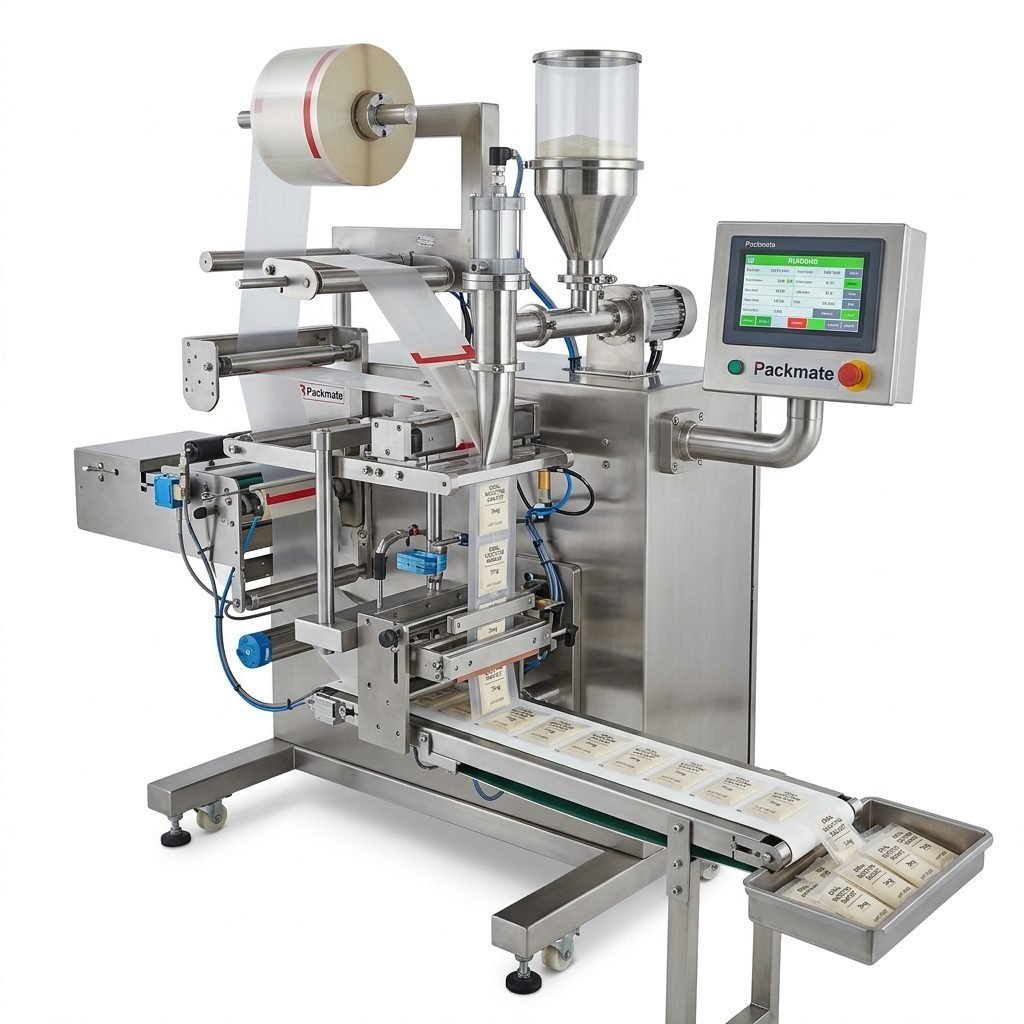
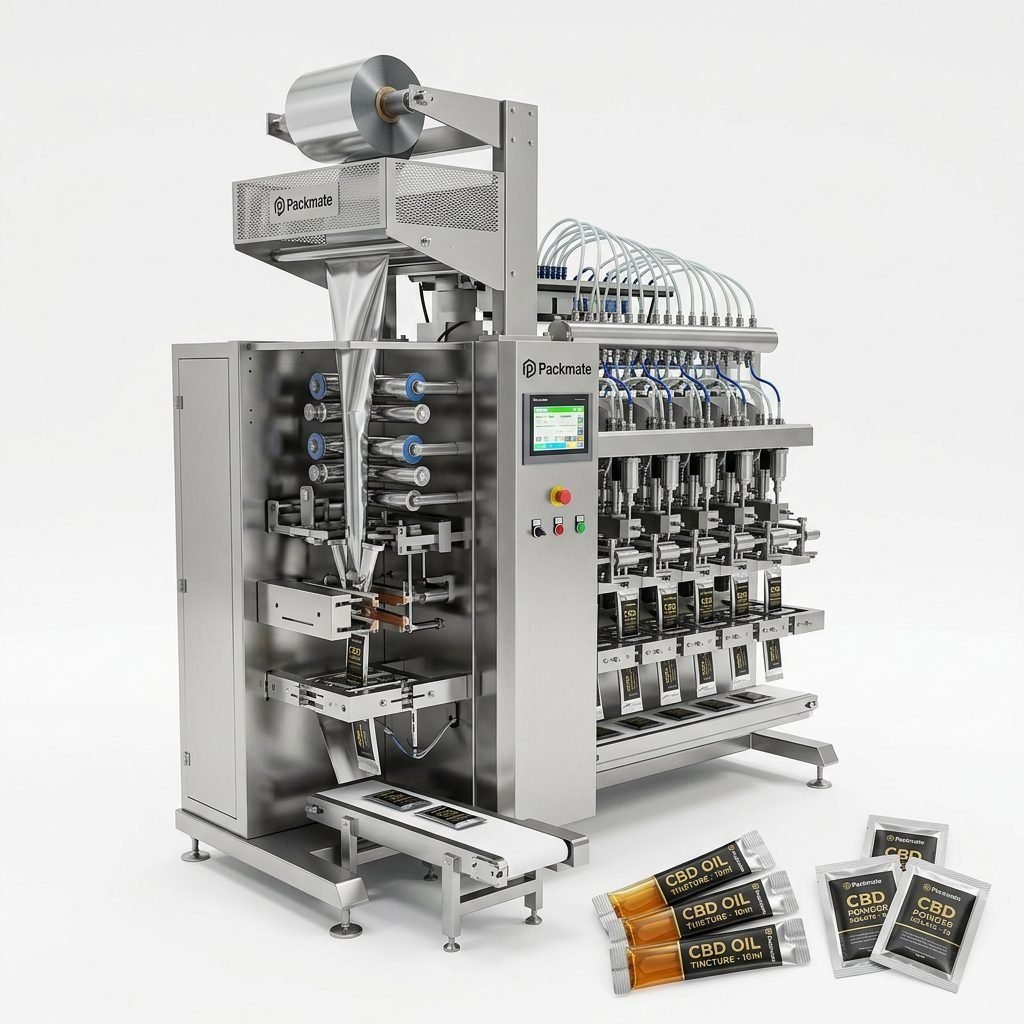
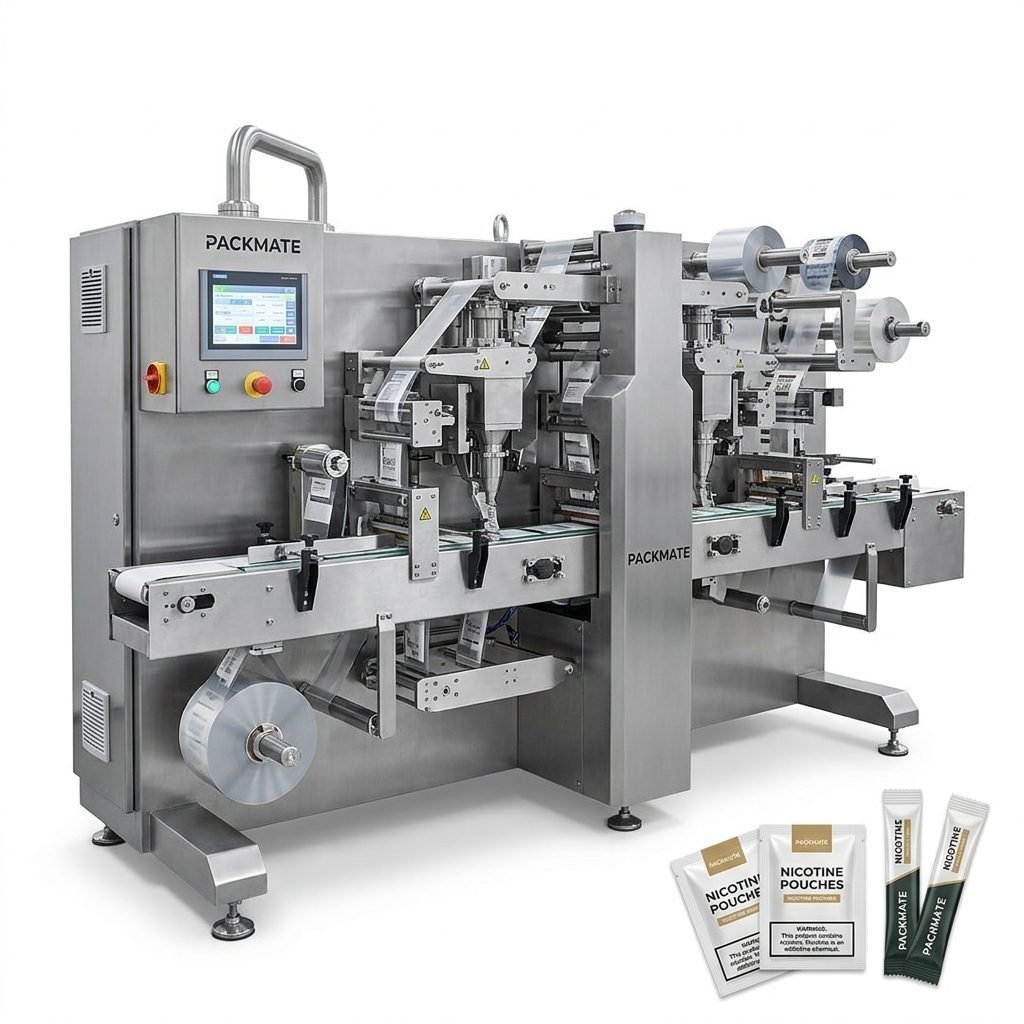
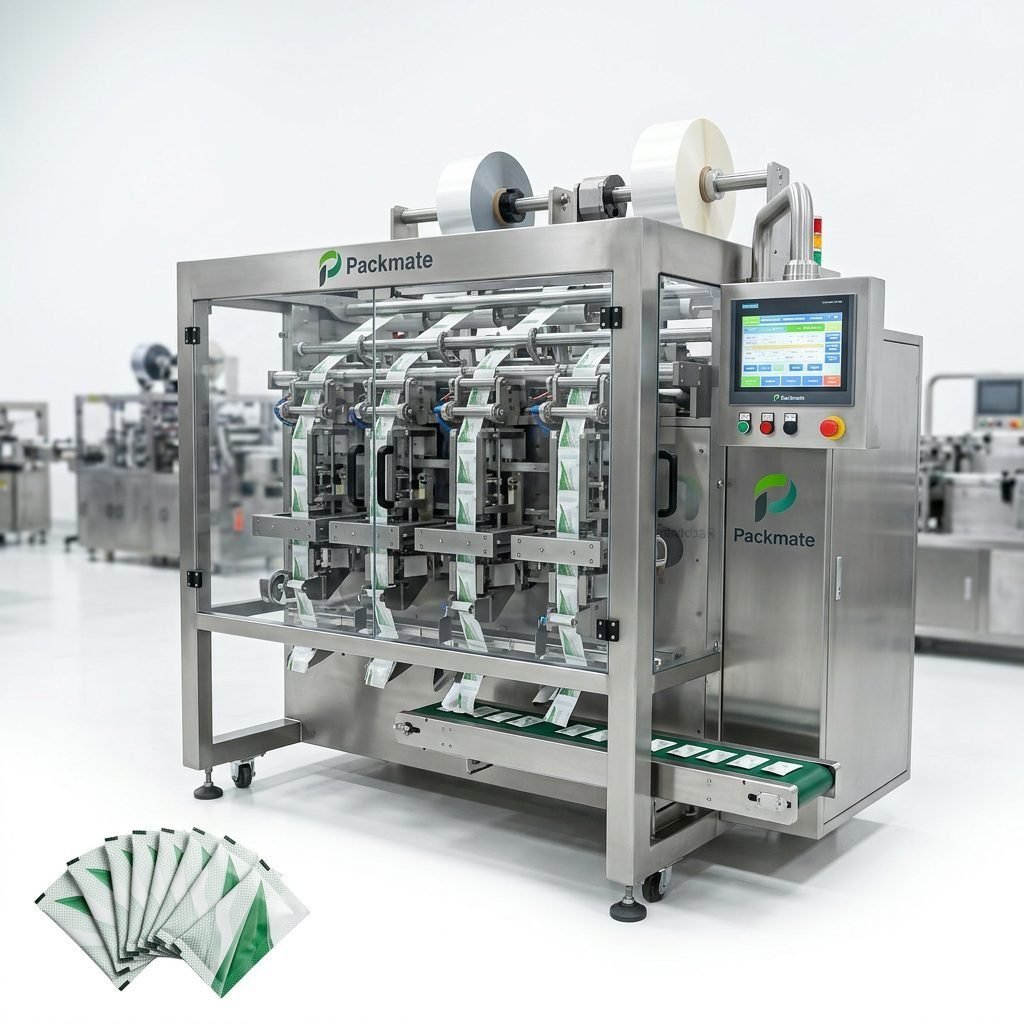
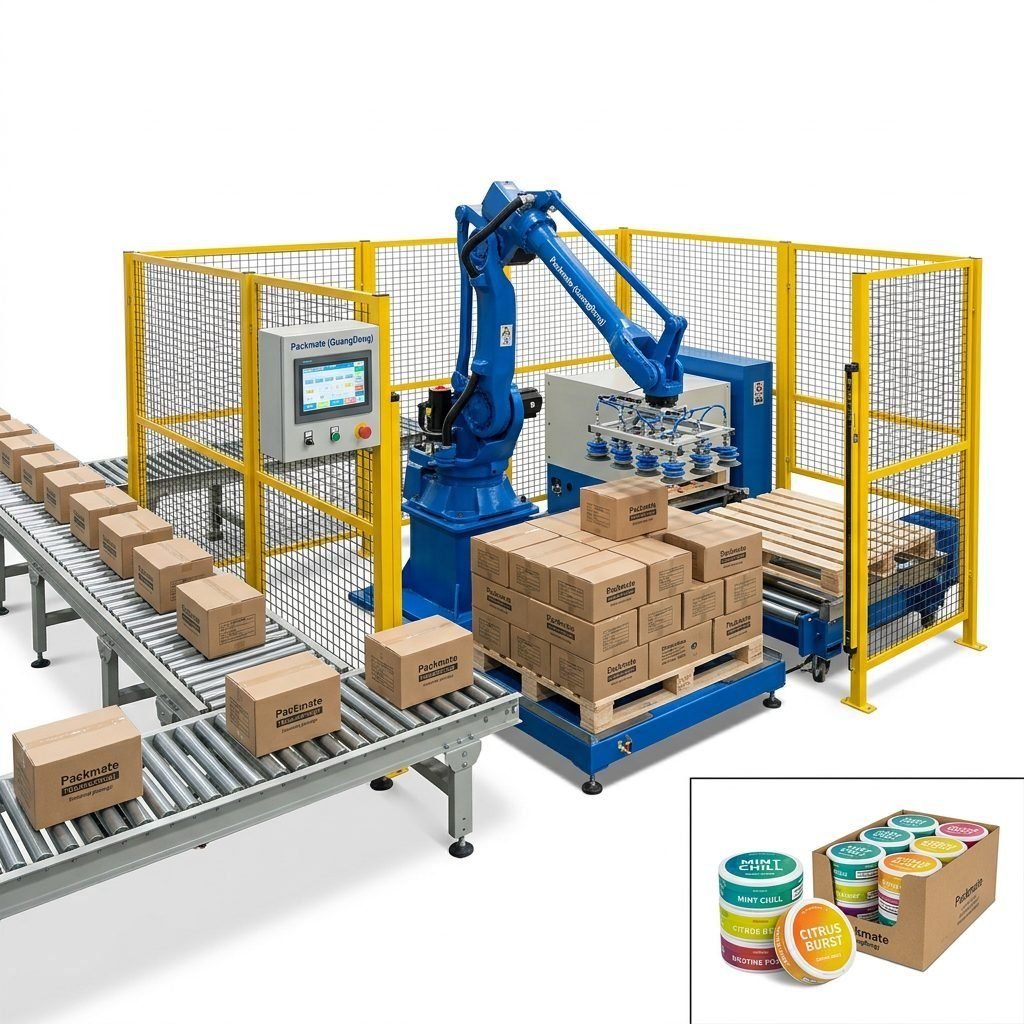
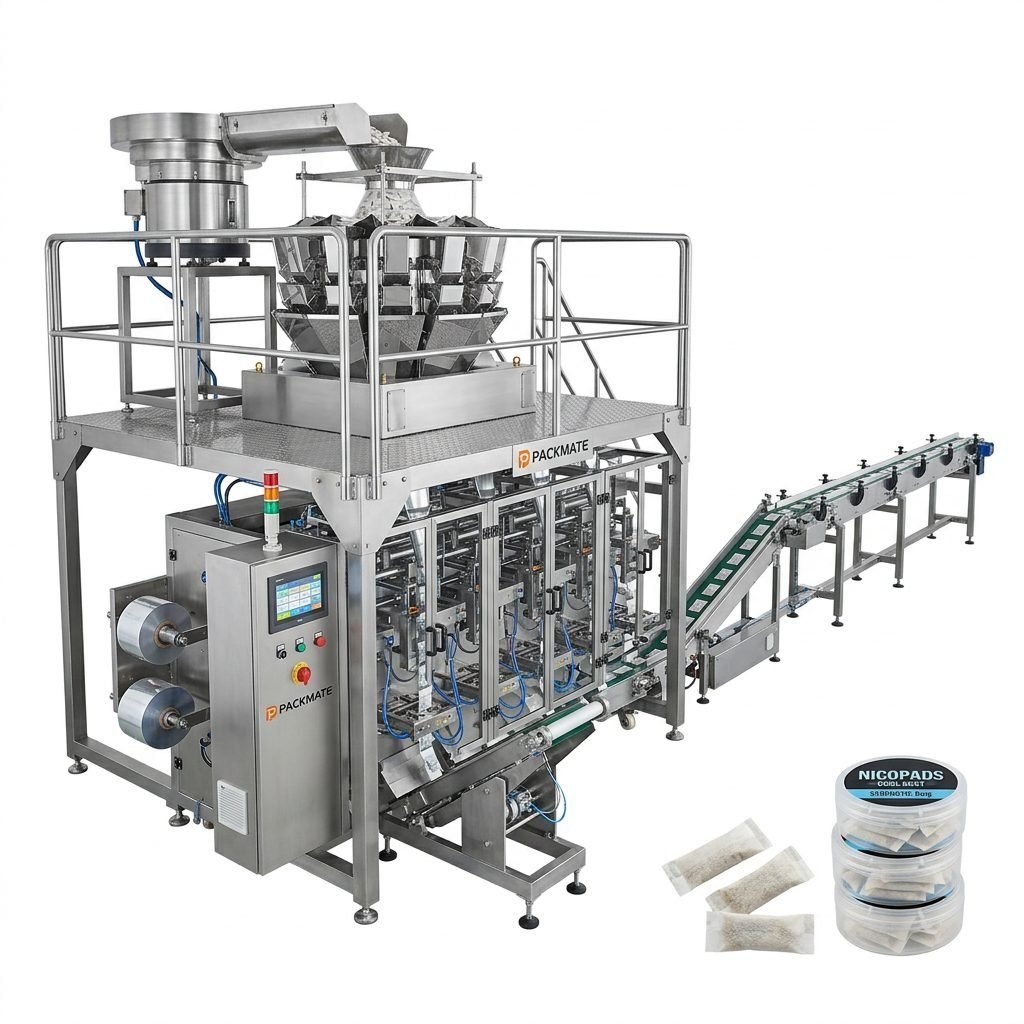
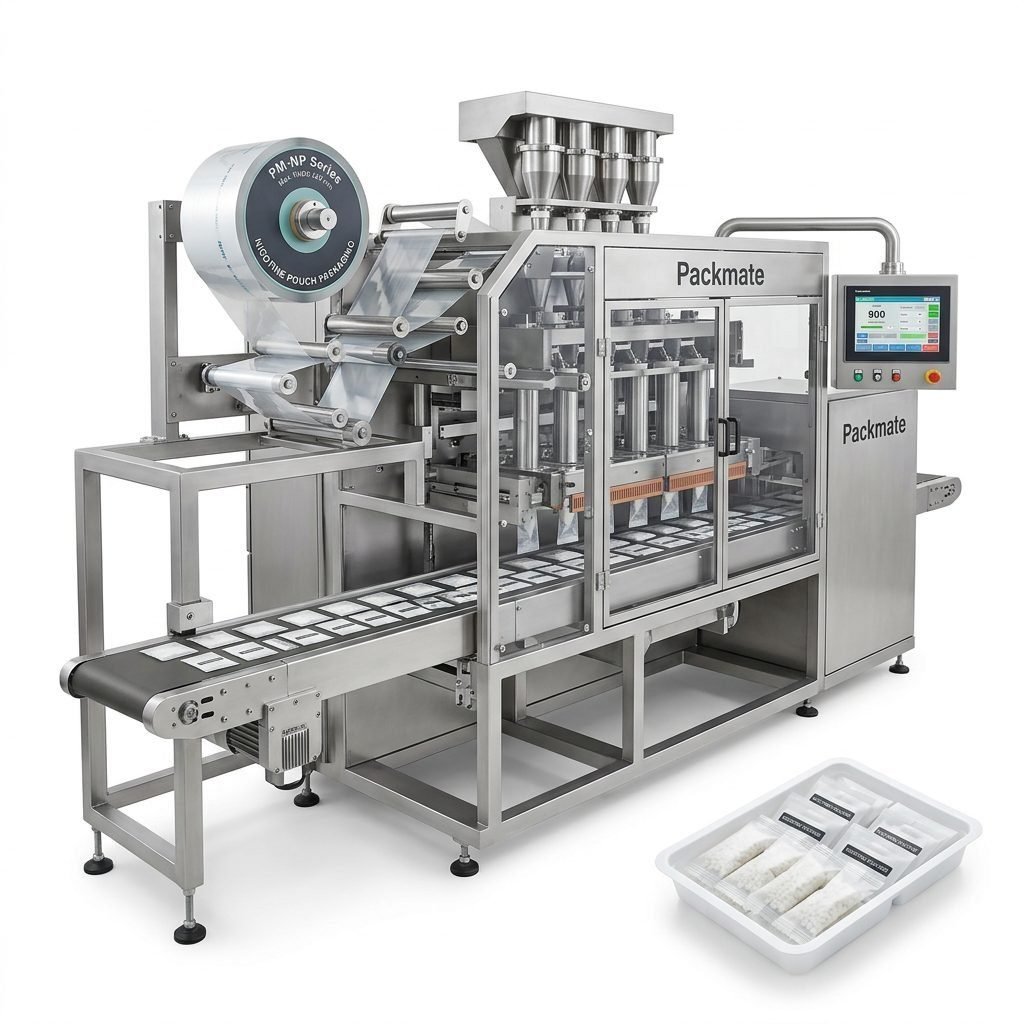
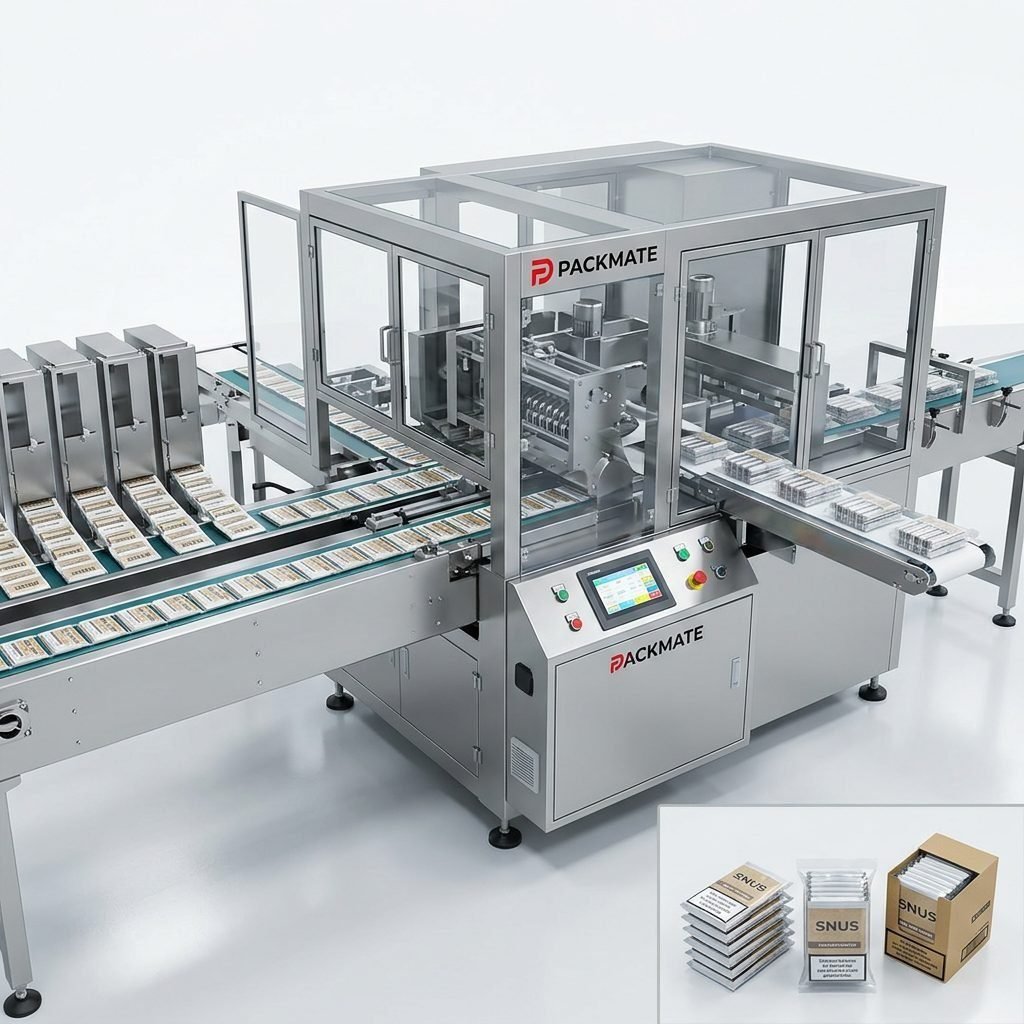
Packmate Snus Machine offers many of the attributes buyers seek: decades of engineering experience, a 20,000㎡ factory with advanced CNC machining, and a portfolio of 50+ machine models. These elements translate to faster customizations, reliable component quality, and the ability to deliver multi-lane high-speed lines suitable for small-dose nicotine pouches.
The company publishes case studies and participates in global exhibitions — useful indicators of a supplier’s global footprint and reputation. View real project examples on their case page:
Case.
For Eritrean buyers who need a complete line, consider their integrated systems including weighing and packaging, auxiliary equipment, and turnkey solutions listed on the product portal:
Sachet & Stick Pack Machines
and
Filling & Packaging Lines.
Procurement checklist tailored for Eritrean buyers
1. Confirm machine specifications vs local power grid (voltage, phase) and available workshop space.
2. Obtain preliminary clearance on nicotine product import rules and labeling from local authorities — language requirements and health warnings should be finalized before printing packaging materials.
3. Ask for a detailed warranty and spare parts list. Negotiate parts kits at purchase time to reduce future downtime.
4. Request FAT (Factory Acceptance Test) videos or attend the FAT in person or virtually to verify line speed, pouch quality, and reliability.
5. Define training scope for local technicians — on-site commissioning and operator training are crucial. Confirm whether the supplier provides after-sales service remotely and the expected response times.
Practical shipping & customs tips
• Choose reliable freight forwarders familiar with Eritrean ports and documentation requirements. Consolidating components reduces customs headaches.
• Prepare detailed packing lists and certificates of origin to speed customs release. Some machinery parts may require special permits — confirm before shipment.
• Plan for local handling and installation crew availability at the time of delivery to avoid demurrage fees at port.
Adapting machines to Eritrean market preferences
Packaging format and labeling are essential. Many Eritrean consumers prefer clear single-dose pouches and compact retail sizes. Ensure packaging machines can handle:
• Multi-language film printing (Tigrinya, Arabic, English) — coordinate film suppliers early.
• Low waste and high yield settings — smaller markets benefit from minimal changeover losses.
Also, be sensitive to cultural norms: avoid imagery or wording that may be considered insensitive during religious observances; prioritize plain, informative packaging with clear adult-only messaging.
Implementation timeline & cost considerations
Typical procurement and implementation timeline:
• Inquiry & Quotation: 1–2 weeks
• Order confirmation & customization: 4–12 weeks (depending on scale)
• Factory Acceptance Test (FAT): 1 week (on-site/virtual)
• Shipping & customs clearance: 2–6 weeks (depending on port and documentation)
• Installation & commissioning: 1–3 weeks.
Cost factors include machine base price, customization, spare parts kits, shipping, customs duties, installation, and training. Consider lifecycle costs such as energy consumption, routine maintenance, and part replacement frequency when calculating ROI.
Tips to maximize long-term ROI
• Train operators thoroughly and document standard operating procedures to reduce operator-induced downtime.
• Keep a basic spare parts inventory locally — belts, seals, sensors — to avoid long wait times for replacements.
• Schedule preventive maintenance based on manufacturer recommendations and monitor OEE (overall equipment effectiveness) to spot issues early.
How to contact and verify supplier support
Before finalizing any purchase, request direct contact points for after-sales support and a local or regional service plan. Use the supplier’s official contact page to confirm details:
Contact Us
and review service offerings:
Service.
Final checklist before signing a purchase agreement
• Confirm delivery lead time and acceptable shipment incoterms (FOB, CIF).
• Request a clear spare parts price list and recommended stock.
• Agree on FAT criteria and acceptance tests; record test parameters in the contract.
• Ensure payment terms are secure, and confirm export licensing documentation is in place.
Selecting the right machine partner is a strategic decision for any nicotine product business in Eritrea. Prioritize suppliers who demonstrate transparency, real-world nicotine packaging experience, robust after-sales plans, and the willingness to adapt machines to your local market needs.
FAQs
Q1: How quickly can a supplier deliver a complete nicotine pouch line to Eritrea?
Delivery depends on customization and factory queue. Typical timelines range from 10 to 20 weeks including customization and FAT, plus shipping and customs time. Always confirm current lead times with the supplier.
Q2: What certifications should I ask for?
Ask for CE and ISO certificates as a baseline. Also request machine-specific safety documentation, electrical schematics, and warranty terms. If you plan to export, verify compliance with target market regulations.
Q3: Can machines be adapted for multilingual packaging and small batch sizes?
Yes — reputable suppliers provide flexible formats and quick-change parts to support multiple film prints and smaller production runs. Confirm the minimum efficient run length and changeover time during the evaluation.
Q4: What after-sales services are essential for Eritrean operations?
Essential services include remote troubleshooting, spare parts availability, training for operators and technicians, and defined SLA response times. Given geographic distance, negotiate an initial spare parts kit and remote support package.
Q5: How do I verify a supplier’s real-world performance?
Request FAT videos, customer references in similar markets, and visit trade shows or the supplier factory if possible. Reviewing cases and exhibition presence adds confidence in claims — view examples on the supplier’s case and exhibition pages.
Our Exhibition
Case