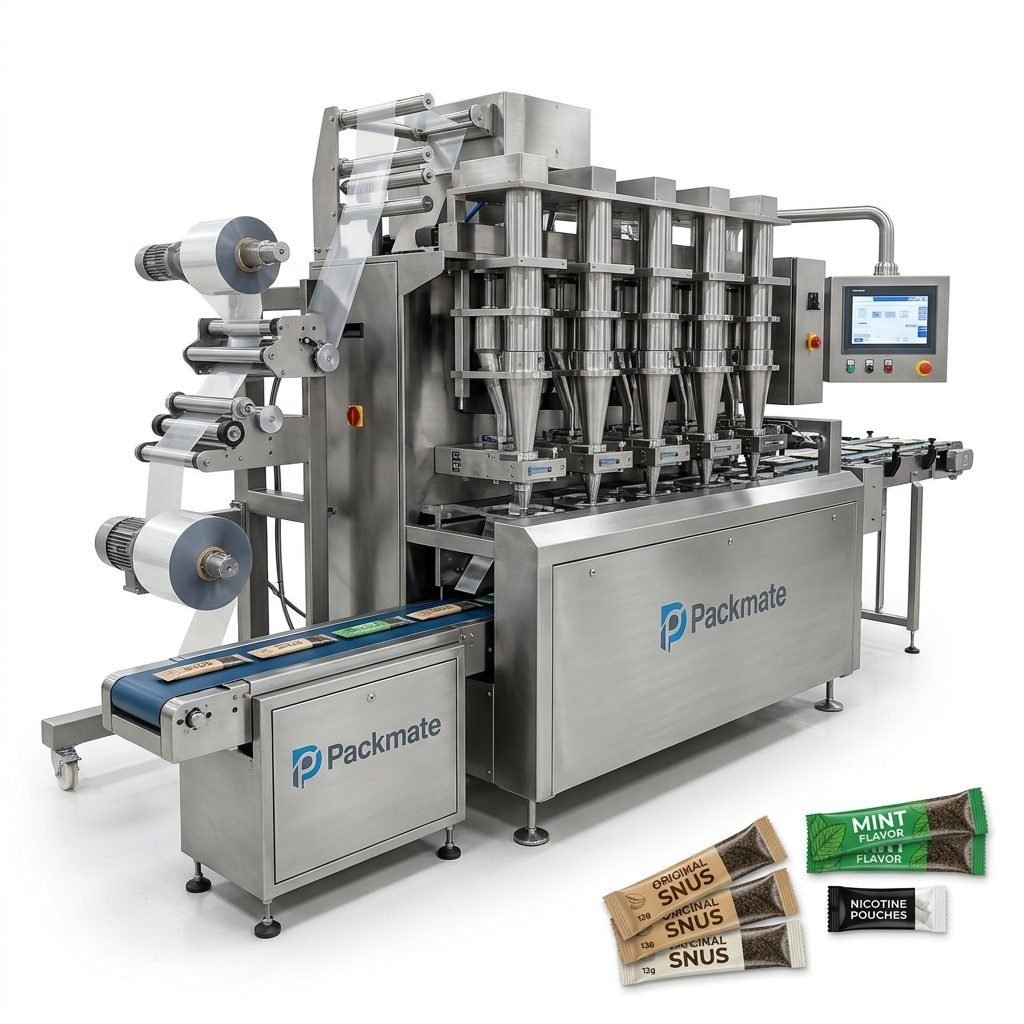
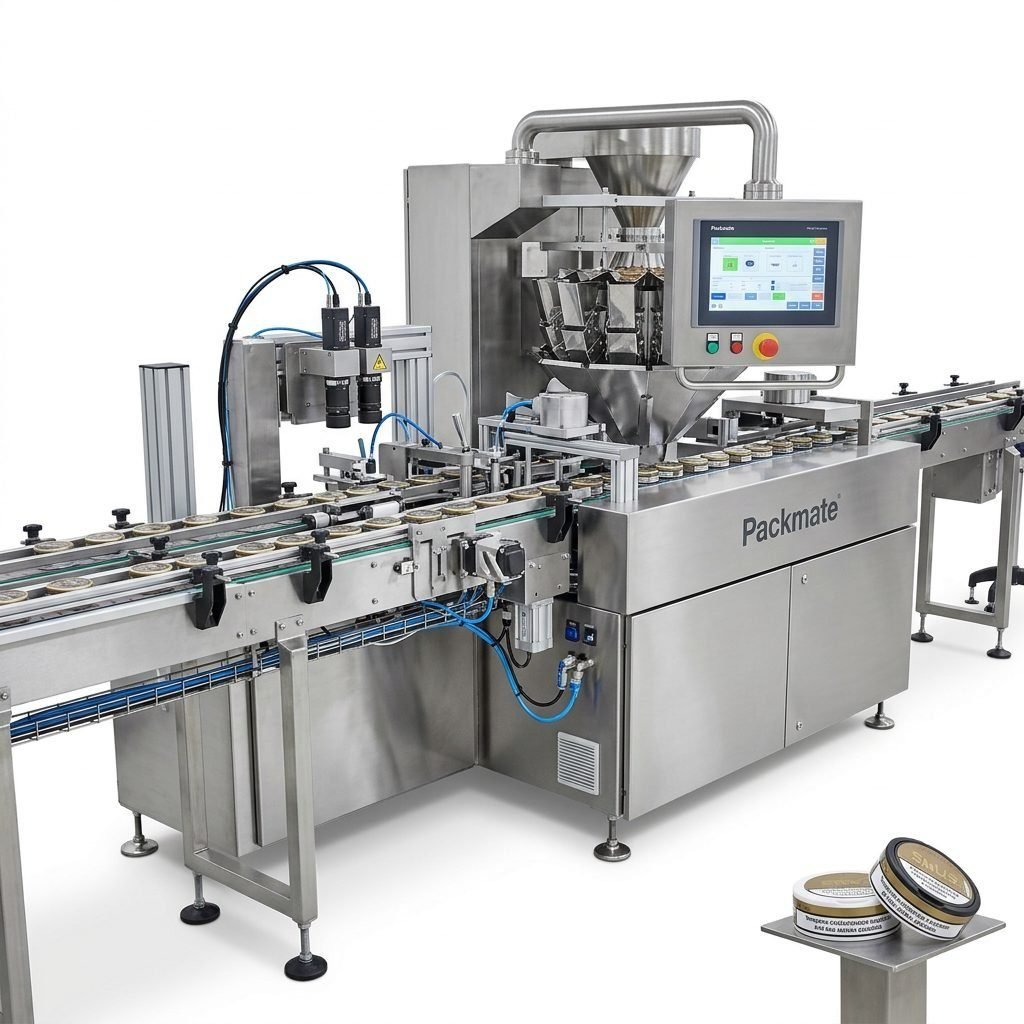
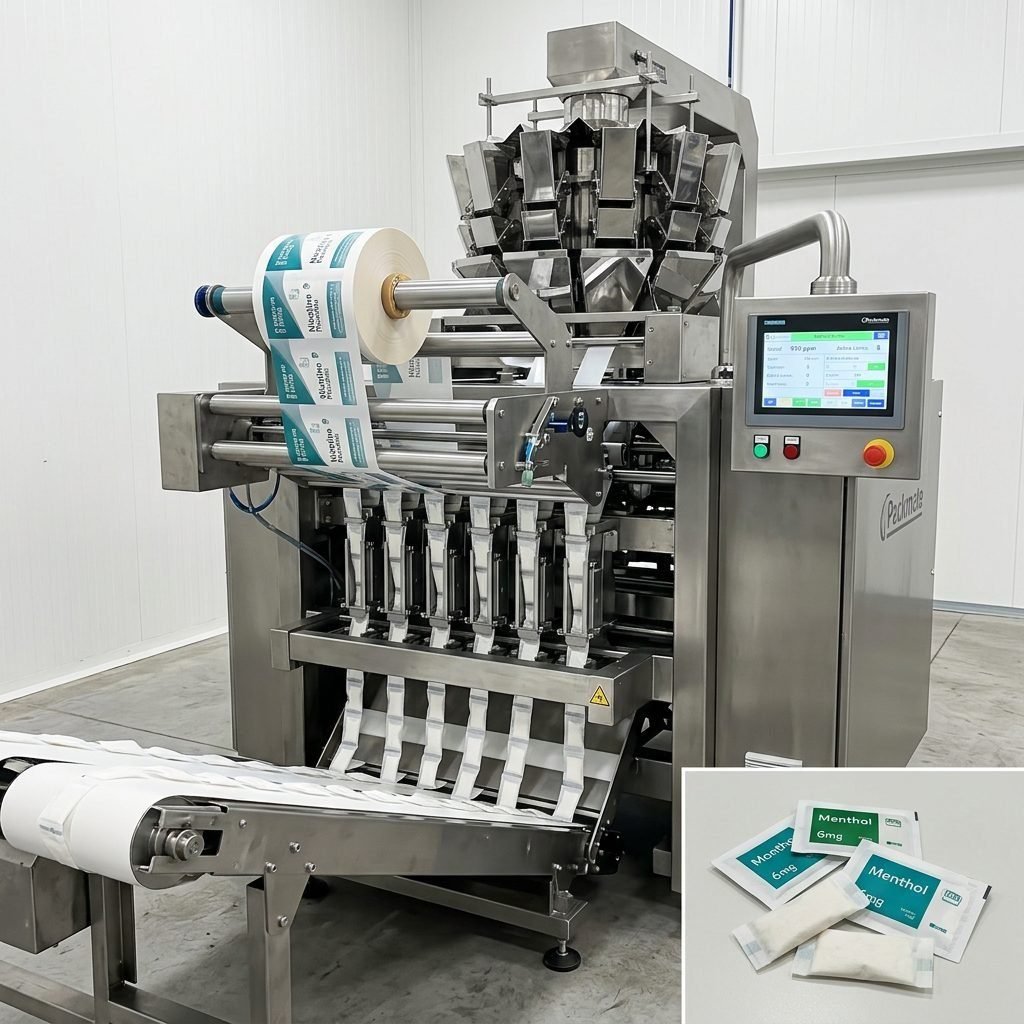
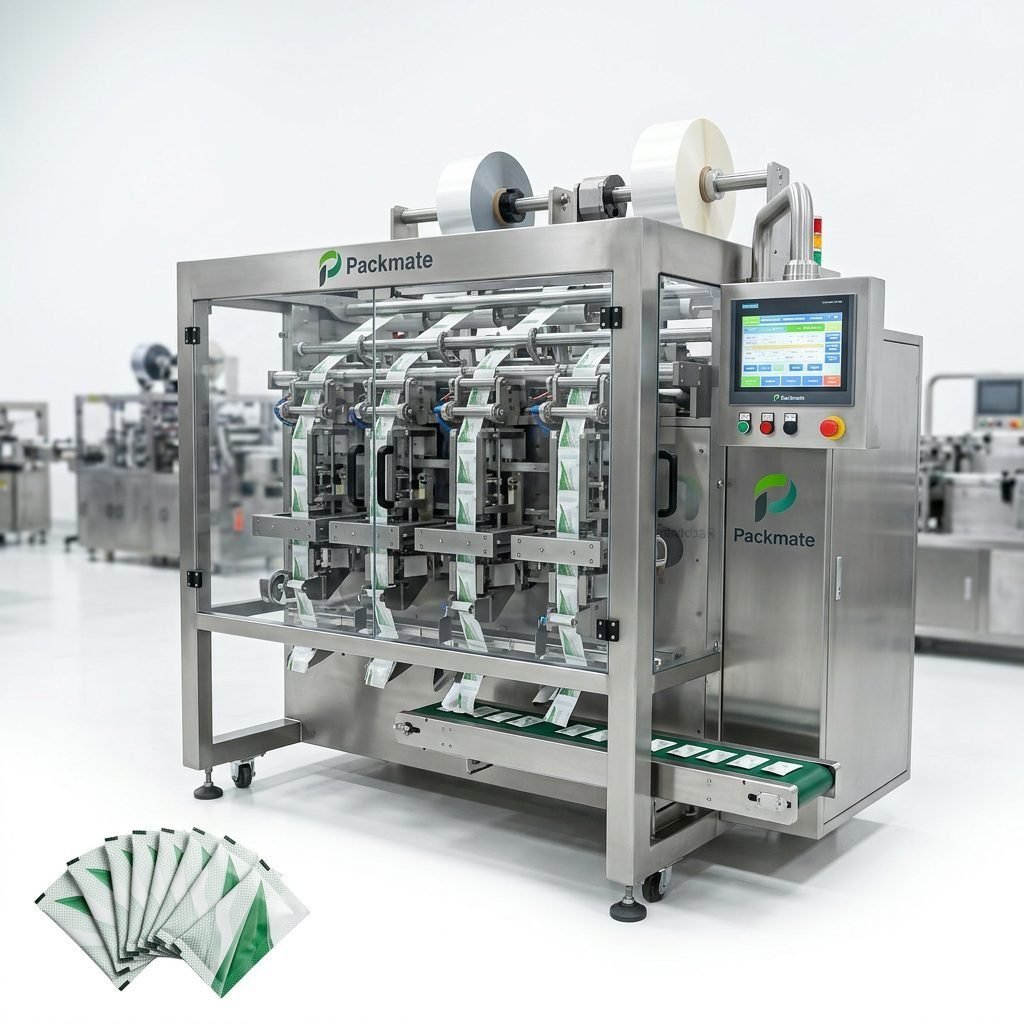
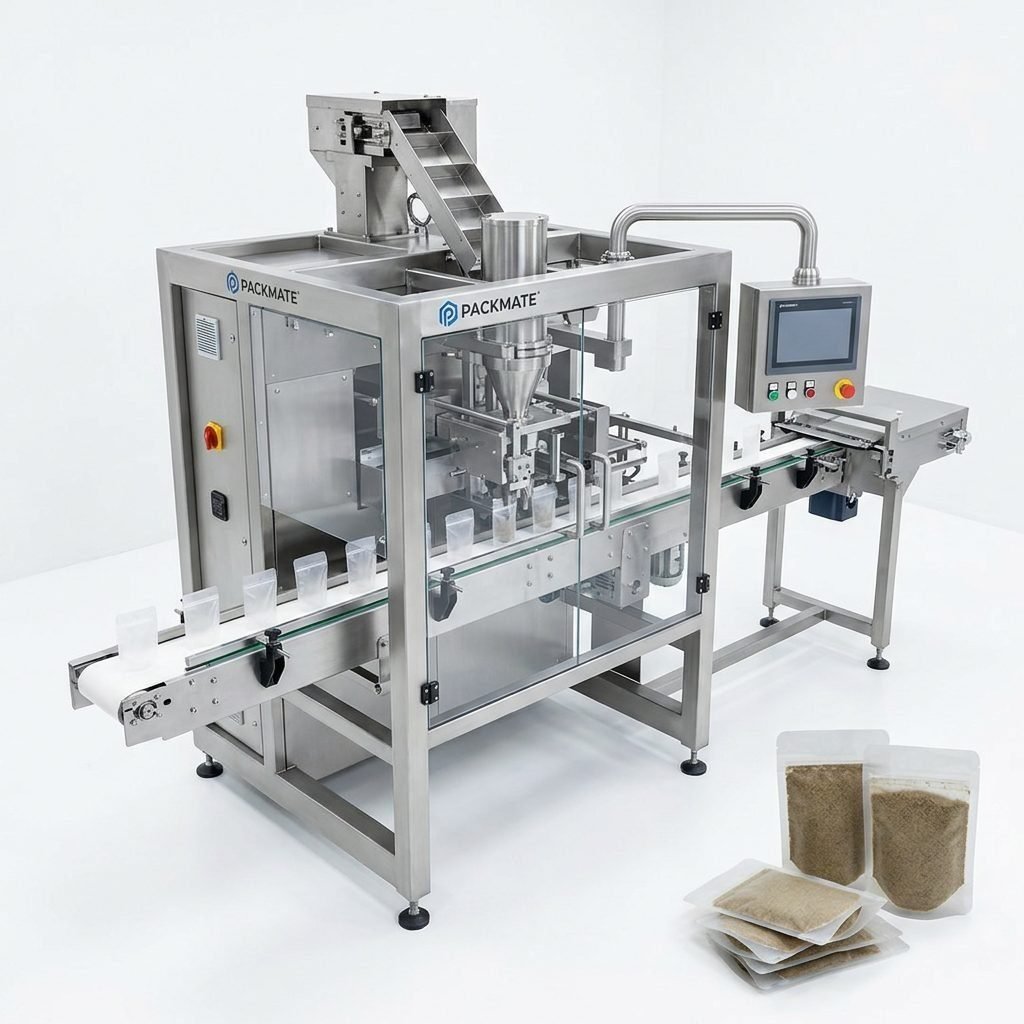
Choosing the right snus packaging machinery manufacturer for your factory in Kenya is a strategic decision that affects product quality, production efficiency, compliance, and long-term costs. This guide walks you through every step of the selection process — from assessing technical capability to verifying after-sales support — so you can make a confident, business-driven choice. Whether you’re starting a new nicotine pouch line or scaling an established factory, these practical criteria will help you find a partner that aligns with your operational goals.
Understand the Kenyan Market Context
Kenya’s manufacturing and distribution landscape has unique logistical, regulatory, and consumer-demand characteristics. Local import processes, port handling at Mombasa, and inland transport to Nairobi or manufacturing hubs will affect lead times and freight costs. Additionally, regulations around nicotine products and labelling can differ from other markets, so choose a manufacturer able to provide equipment and documentation that help you meet Kenyan and regional compliance requirements.
Why factory selection matters beyond price
Cost is important, but the lowest bid rarely delivers the best long-term value. A machine that breaks frequently, lacks spare parts, or requires complex maintenance will increase downtime and total cost of ownership. Prioritize suppliers who demonstrate reliability, local service capability, and a proven portfolio in snus and nicotine pouch lines.
Key Evaluation Criteria
1. Relevant Experience & Track Record
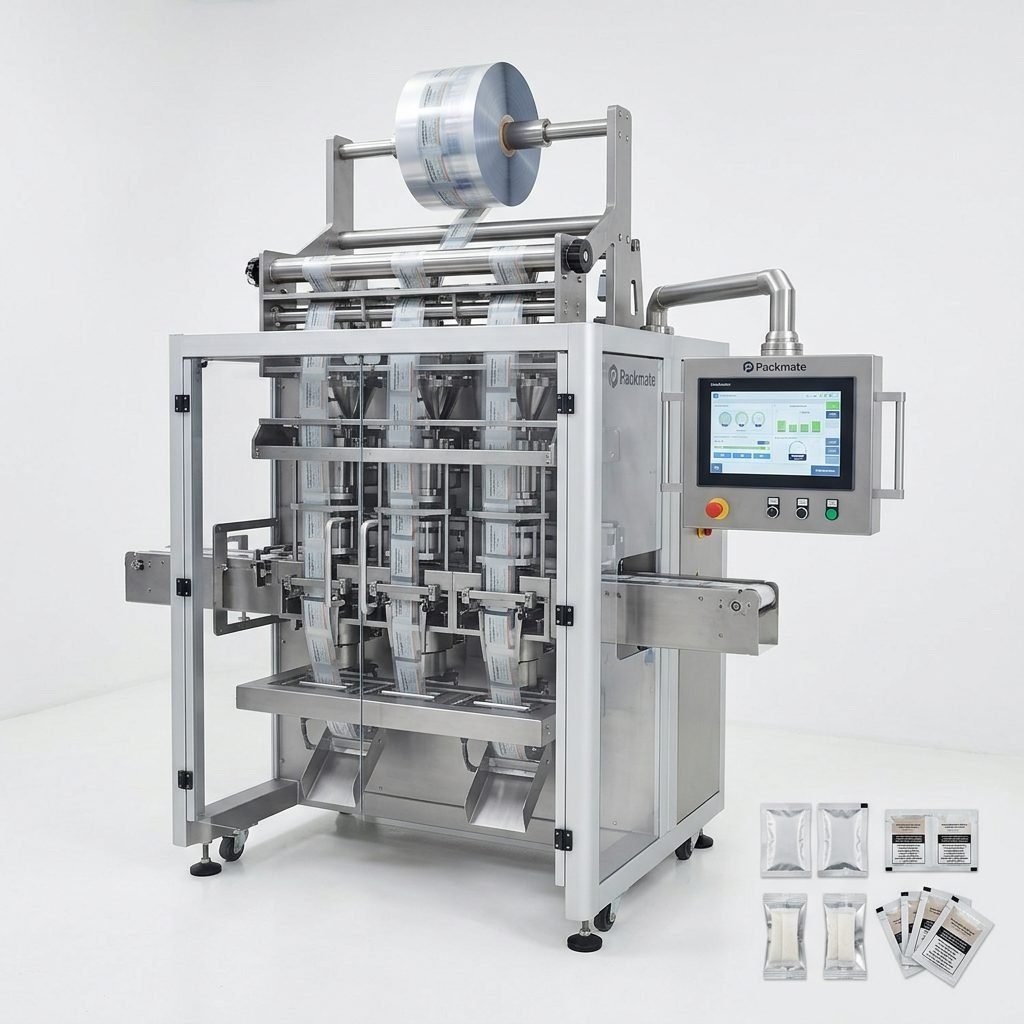
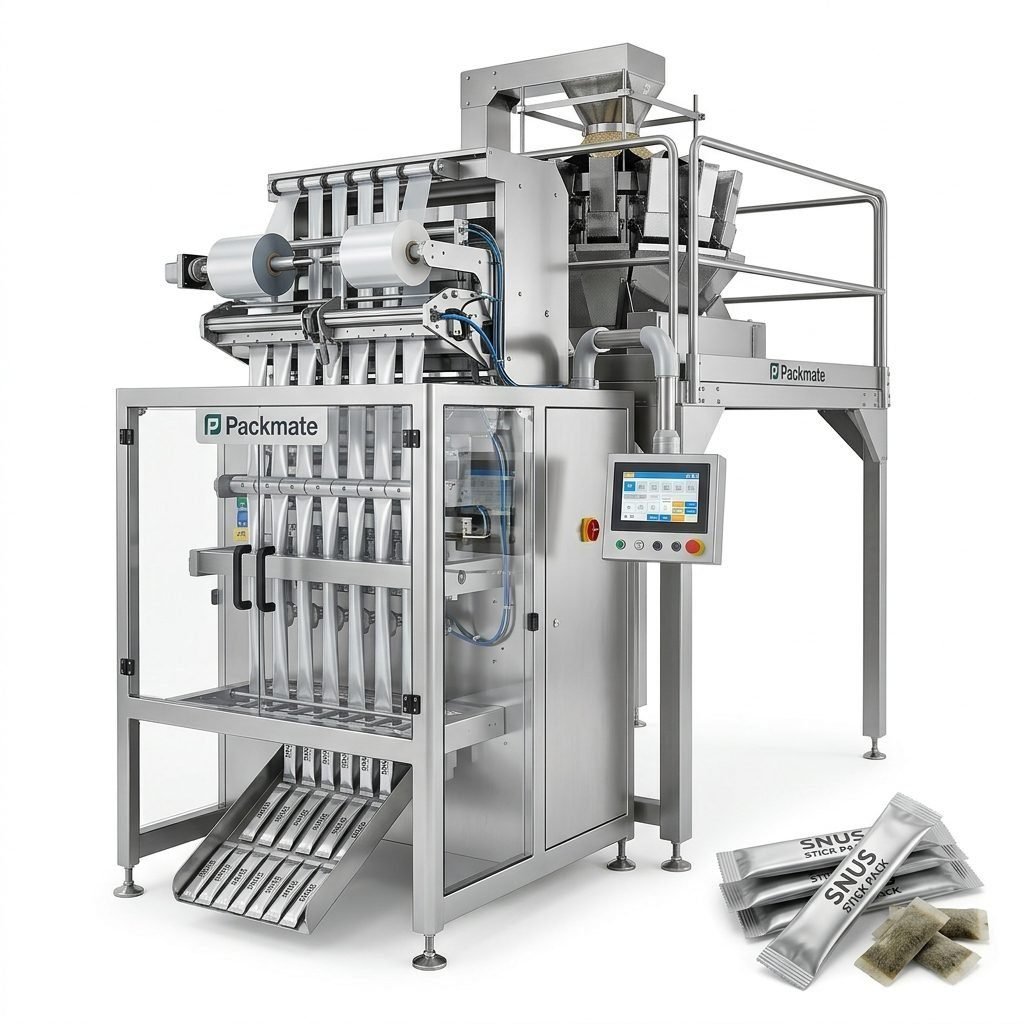
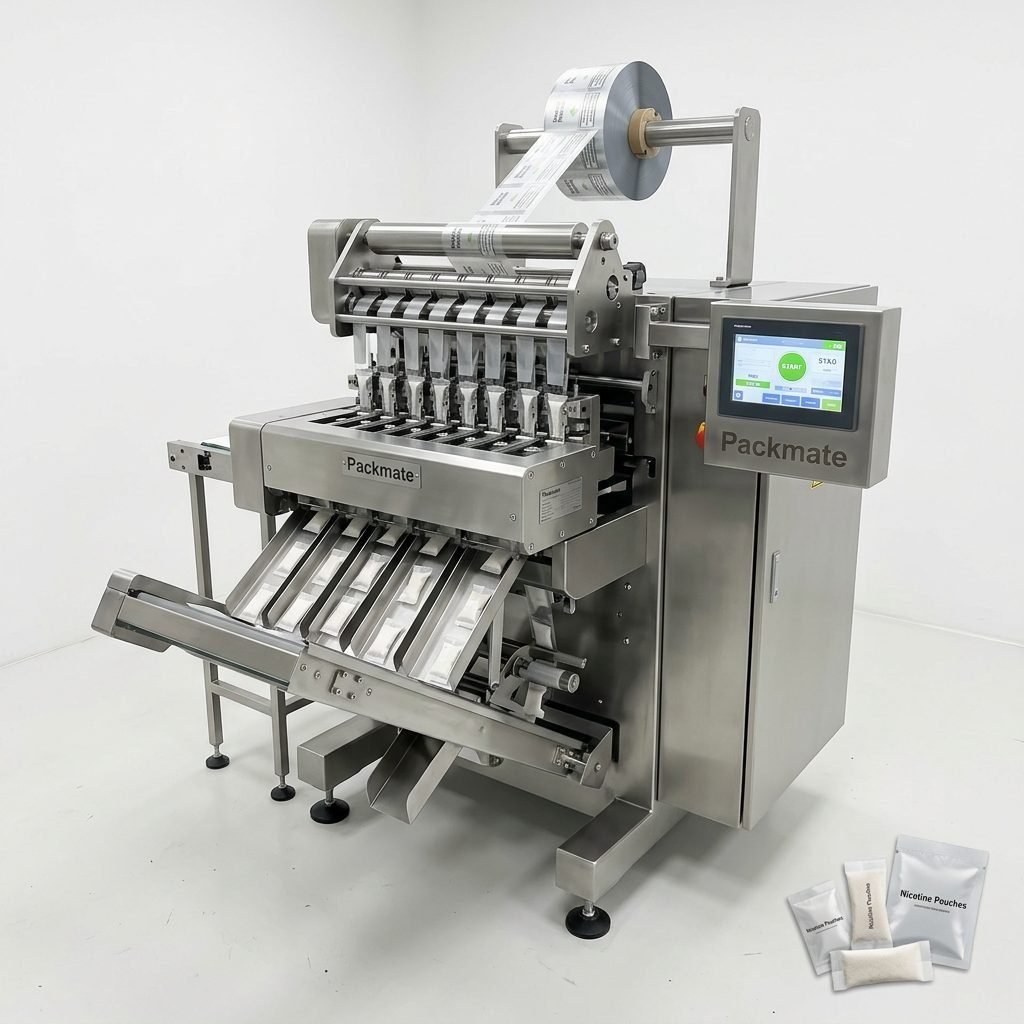
Look for manufacturers with extensive experience in snus, nicotine pouch, stick pack, and sachet systems. A company that has engineered high-precision multi-lane systems and has practical experience with small-dose sachets is better positioned to provide solutions tailored to your product format. For reference, explore manufacturers that present case studies and global deployments which demonstrate success in similar projects.
✓ Tip: Request specific case examples of nicotine pouch or snus lines. A credible supplier will share production metrics, machine uptime, and customer references.
2. Factory & Manufacturing Strength
Evaluate the supplier’s factory capabilities: CNC machining centers, precision assembly lines, and rigorous quality testing are essential. A modern 20,000㎡ facility with advanced assembly areas and inspection tools indicates they can deliver consistent, reproducible machinery built to last.
3. Certifications & Compliance
Equipment certified to CE and ISO standards reflects adherence to international safety and manufacturing benchmarks. Ensure the manufacturer can supply the necessary certification documents and calibration records for customs and local regulatory audits.
4. Range of Models & Customization
A broad product portfolio — including snus/nicotine packaging machines, stick pack, sachet machines, and multi-lane systems — enables tailored solutions. Ask whether the manufacturer supports custom tooling, dosing systems for powders vs. granules, and flexible lane configurations for future product expansion.
Operational and Technical Considerations
Production Capacity & Line Configuration
Clarify your target output (pouches per minute, lanes, shift hours). Choose machinery whose rated speed matches realistic net throughput after accounting for changeovers, quality checks, and maintenance. Multi-lane systems deliver high throughput but require precise synchronization and more complex maintenance.
Integration with Upstream & Downstream Equipment
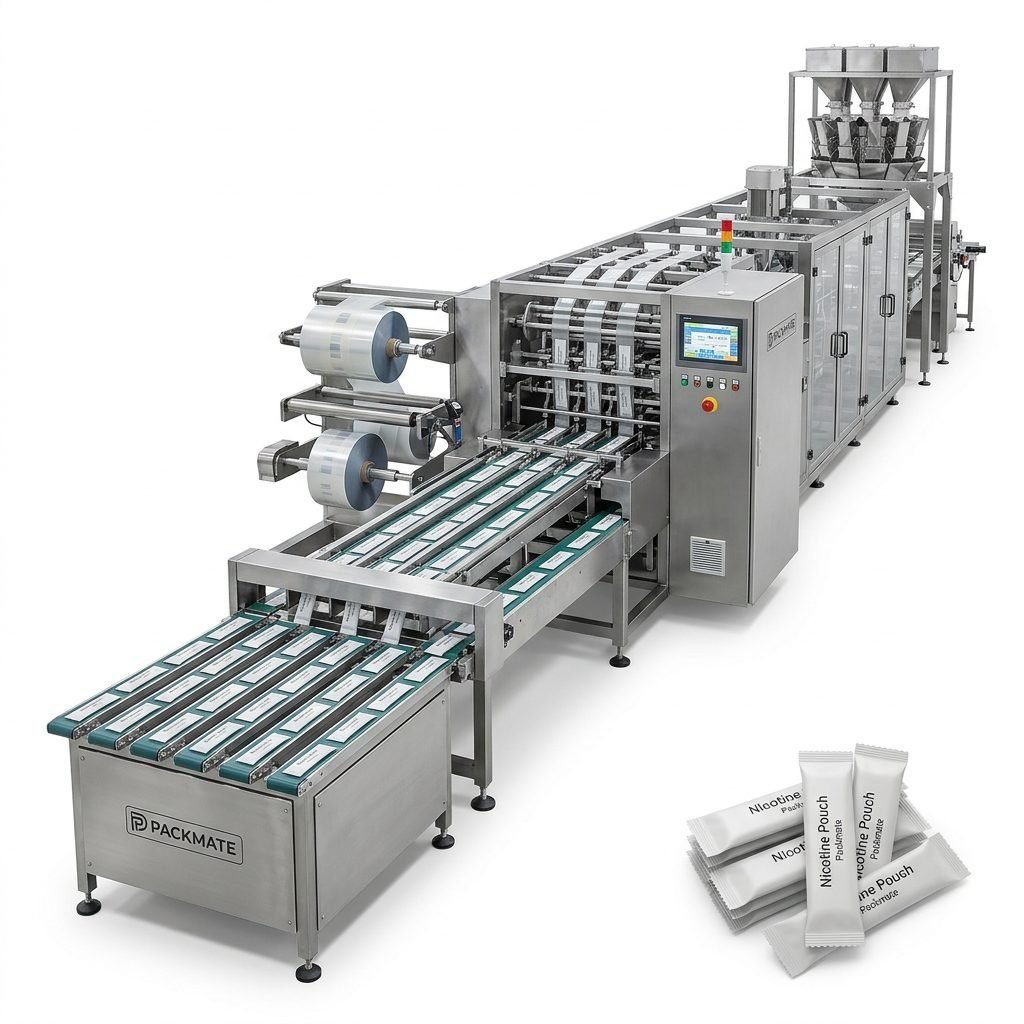
Think beyond a single machine. Does the vendor supply complete filling and packaging lines including weighing, metal detection, sealing, labelling, and case packing? Integrated solutions reduce integration risk and simplify single-vendor responsibility for line performance.
⚙️ Pro checklist: Confirm electrical standards, PLC compatibility, communication protocols, and spare-parts list for the full line — not just the pouch machine.
Quality, Testing & Factory Acceptance
Factory Acceptance Test (FAT)
A comprehensive FAT verifies machine performance with your product or a close analogue before shipping. Require measured throughput, packaging integrity, and a demonstration of changeover procedures. FAT reduces commissioning time and avoids on-site surprises.
Spare Parts & Consumables
Immediate access to spare parts is critical. Confirm lead times for wear parts, availability of consumables, and whether the supplier maintains a regional parts warehouse or authorized partners in Africa. Ask for a recommended spares list for the first 12 months of operation.
Service, Training & After-Sales Support
Evaluate the vendor’s support network: remote diagnostics, on-site commissioning, operator training, and preventive maintenance programs. In Kenya, having an authorized service partner or the ability to dispatch technicians quickly is a major advantage. Long-term service agreements and defined response times (SLA) reduce downtime risk.
Technical Documentation & Training
Request complete manuals, electrical diagrams, spare parts lists, and video-guided procedures. Confirm whether the supplier will provide multilingual training and documented SOPs for operators and maintenance staff.
Commercial Terms & Financial Considerations
Warranty & Payment Terms
Standard warranties should cover mechanical defects and performance for a defined period. Seek clarity on warranty scope, excluded items, and repair or replacement procedures. Favor suppliers who offer flexible payment terms, performance milestones, and escrow options for large turnkey projects.
Total Cost of Ownership (TCO)
Analyze TCO rather than just capital expense. Include installation, spare parts inventory, training, energy consumption, and anticipated maintenance. A slightly higher capital cost might be justified by lower operating expenses and higher uptime.
💡 Smart approach: Build a three-year total cost model comparing uptime, labor needs, and spare-part expenses for each vendor proposal.
Logistics, Installation & Commissioning
Verify the supplier’s responsibilities for shipping, customs clearance documentation, and on-site assembly. Clear terms for installation and commissioning — including acceptance criteria and performance guarantees — prevent disputes. Ensure the vendor provides calibration and validation support if required by local authorities.
Packaging for Export & Shipping Robustness
Heavy machinery must be crated and secured for long sea transit. Confirm packaging standards, shock protection, and whether the vendor performs a pre-shipment inspection. This reduces damage risk and simplifies insurance claims.
Selecting a Trusted Partner: Checklist
Use this checklist when comparing manufacturers:
● Proven snus & nicotine pouch experience and case studies (Snus & Nicotine Packaging Machines)
● Modern factory capabilities and QC systems (CNC, precision assembly)
● CE/ISO certificates and compliance documentation (Certificate)
● Local service strategy, spare parts availability, and training programs
● Clear FAT, on-site commissioning, and acceptance criteria
● Transparent TCO analysis and warranty terms
How to Validate a Manufacturer — Practical Steps
1. Ask for live demos or FAT videos
If an on-site visit isn’t feasible, request recent FAT recordings demonstrating your product or a close substitute at rated speeds. Videos should show machine changeover, fault recovery, and packaging quality checks.
2. Verify references and case studies
Contact existing customers and review published case studies to confirm real-world performance and after-sales reliability. Online portfolios and a robust case library indicate a mature supplier — view examples here: Case.
3. Request factory documentation and site photos
Facility photos, equipment lists, and quality control processes help validate the supplier’s manufacturing claims. For company background and mission, check their corporate overview: About Packmate.
Negotiation Tips & Best Practices
Negotiate with clarity on lead times, spare parts kits, training hours, and penalty clauses tied to acceptance milestones. Request detailed bills of materials and clarify who handles customs clearance and installation expenses. Consider phased payments linked to FAT completion, shipment, and successful commissioning.
When to Choose a Turnkey Supplier
If your factory requires a full production line — from dosing and filling to sealing and case packing — a turnkey supplier minimizes integration risks. Single-vendor responsibility simplifies troubleshooting and accelerates time-to-market. Evaluate their ability to provide end-to-end documentation and a single point of contact during delivery and after installation. For integrated filling and weighing options, review their product lines: Filling & Packaging Lines and Weighing & Packaging Systems.
📌 Final note: Selecting the best manufacturer is a balance of technical fit, proven service, and commercial clarity. Prioritize partners that share transparent documentation, live references, and a robust approach to FAT and commissioning.
Frequently Asked Questions
Q1: How long does it typically take from order to installation in Kenya?
A: Delivery and installation timelines vary by model complexity, customization, and shipping schedules. Typical lead times range from 12 to 20 weeks including FAT and shipping. Confirm exact schedules during contract negotiation.
Q2: What certifications should I request to ensure compliance?
A: At minimum, request CE and ISO certificates for manufacturing and quality control. If your product requires food-grade contact, ask for material certifications and hygienic design documents. The supplier should provide all necessary certificates for customs and regulatory inspection (Certificate).
Q3: Can I get spare parts shipped to Kenya quickly?
A: Reliable suppliers maintain spare parts programs and can offer air freight for critical components. Discuss lead times, recommended spare-parts kits, and whether a regional parts partner exists.
Q4: Do these manufacturers support multi-product lines and format changes?
A: Many modern snus and pouch machines support format changes and multi-lane operations. Verify changeover times and tools required. Ask for a demo of format change procedures during FAT.
Q5: How do I start discussions with a trusted supplier?
A: Prepare your product specifications, target output, and quality requirements. Share sample packaging and pouch sizes. Contact the vendor’s sales or technical team to request a tailored proposal and FAT schedule. For direct contact, use the supplier’s contact page: Contact Us.