Choosing the right snus packaging machine for your operation in South Sudan requires more than comparing specifications on paper. Local conditions such as climate, power reliability, import logistics, workforce skills, and cultural practices around tobacco use all shape which solution will deliver consistent output, regulatory compliance, and long-term value. This practical buyer’s guide walks you through the key considerations — from machine type and throughput to after-sales support and site preparation — so you can make a confident investment for your snus or nicotine pouch production line in South Sudan.
Understanding the South Sudan Market and Local Habits
South Sudan has a diverse population with traditional use of smokeless tobacco in some communities. While snus and modern nicotine pouches are not as widespread as in Scandinavia, demand can grow quickly in urban centers and border trade hubs. When selecting equipment, factor in:
⚠️ Power stability — Many regions experience intermittent power, so machines with power-ride-through features or easy integration with a generator are advantageous.
🌡️ Humidity and temperature — High humidity can affect pouch integrity and powder flow; choose machines and materials compatible with controlled packaging environments or consider desiccant options.
👷 Workforce skills — Availability of technicians and operators varies; prioritize machines with intuitive HMI, clear diagnostics, and local training support.
Step 1 — Define Your Production Needs
Before evaluating models, clearly define production targets and product formats. Ask yourself:
– What daily/weekly volume do you need to meet?
– Which pouch types will you produce: portioned snus, nicotine pouches, sachets, stick packs, or multi-lane small-dose pouches?
– Will you need multi-lane high-speed output or a single-lane flexible machine for varied SKUs?
Clear answers will narrow choices between high-speed automated lines and smaller semi-automatic systems more suitable for pilot production and regional markets.
Step 2 — Choose the Right Machine Type
Different packaging formats demand different technologies. Here are the most relevant options and when to choose them:
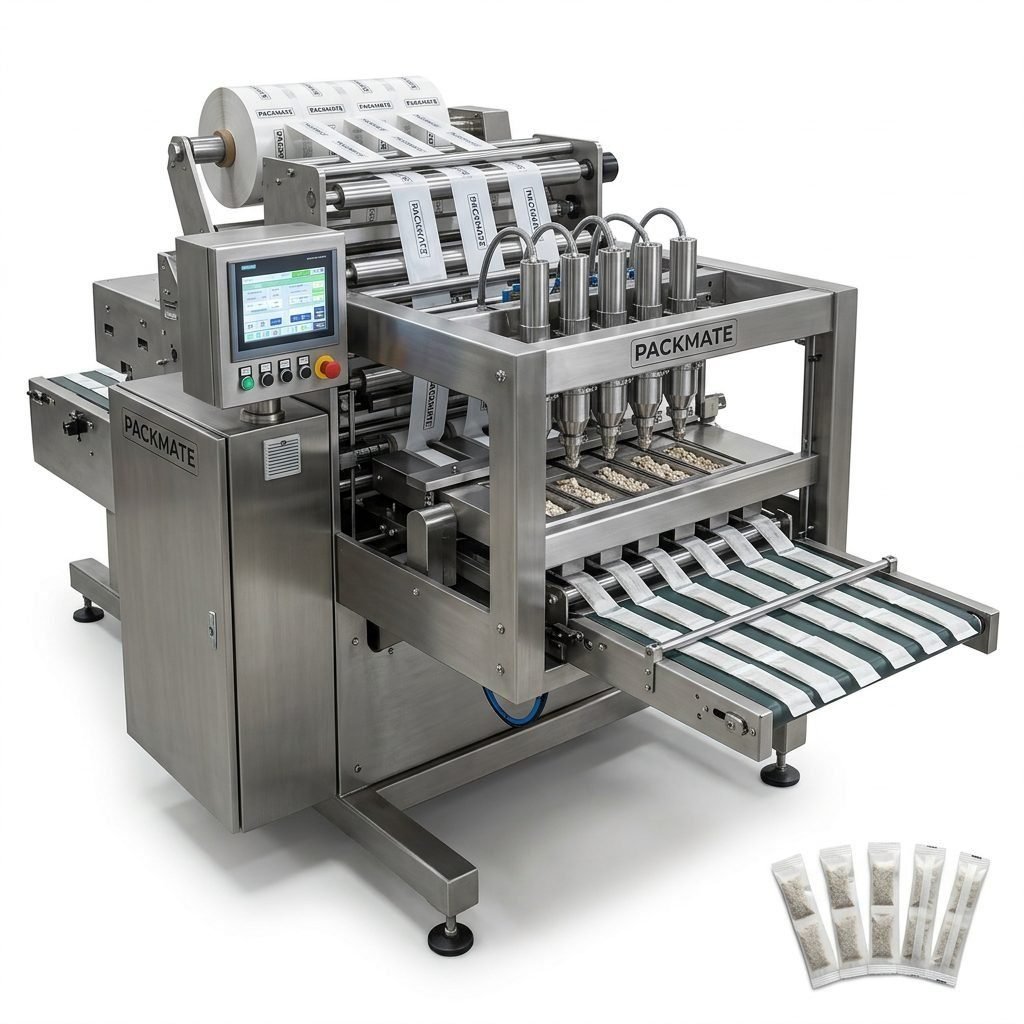
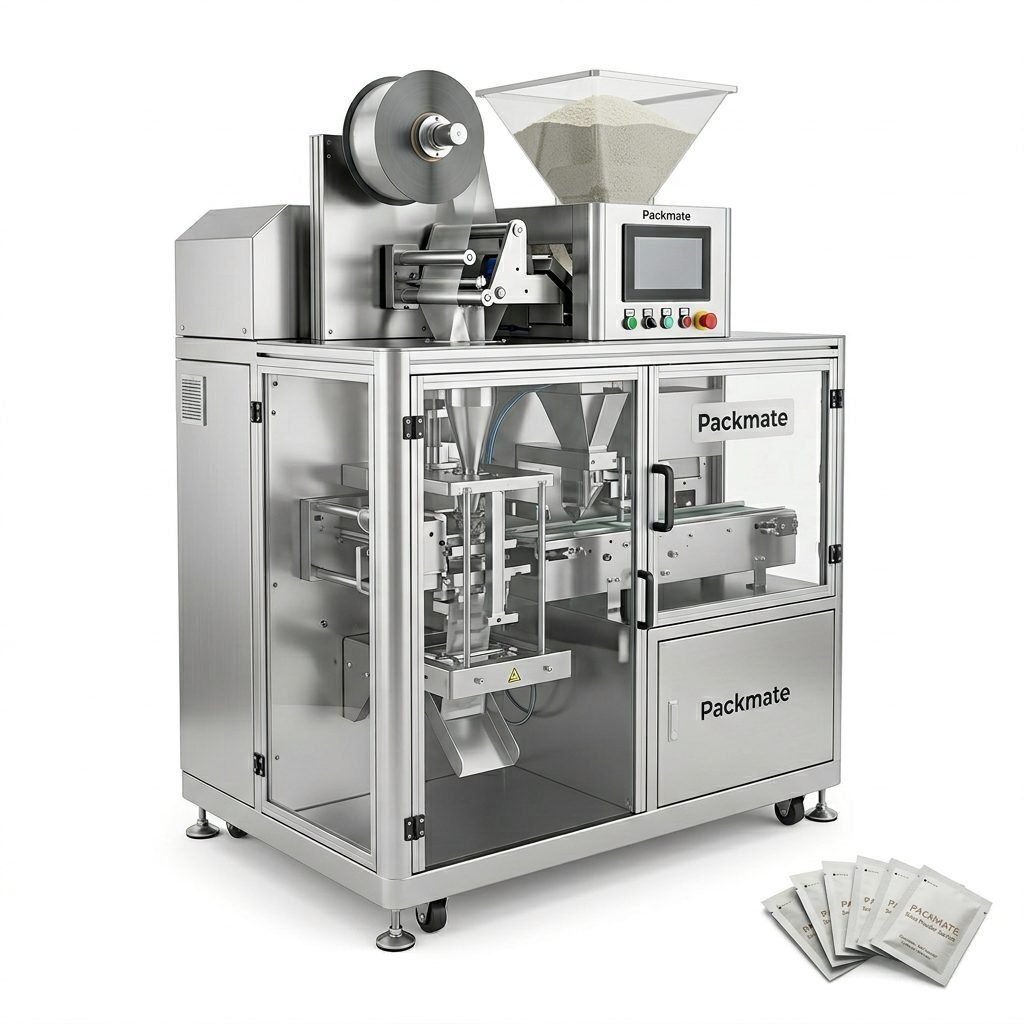
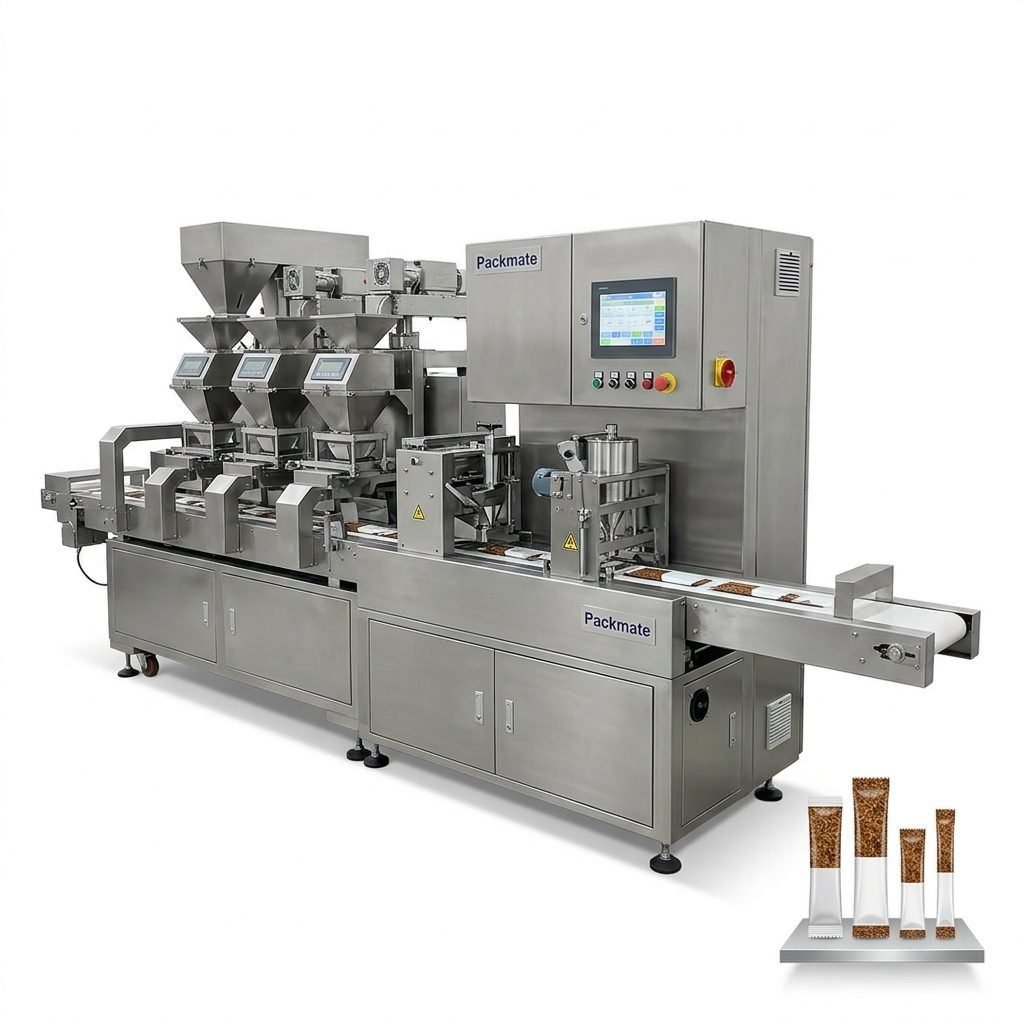
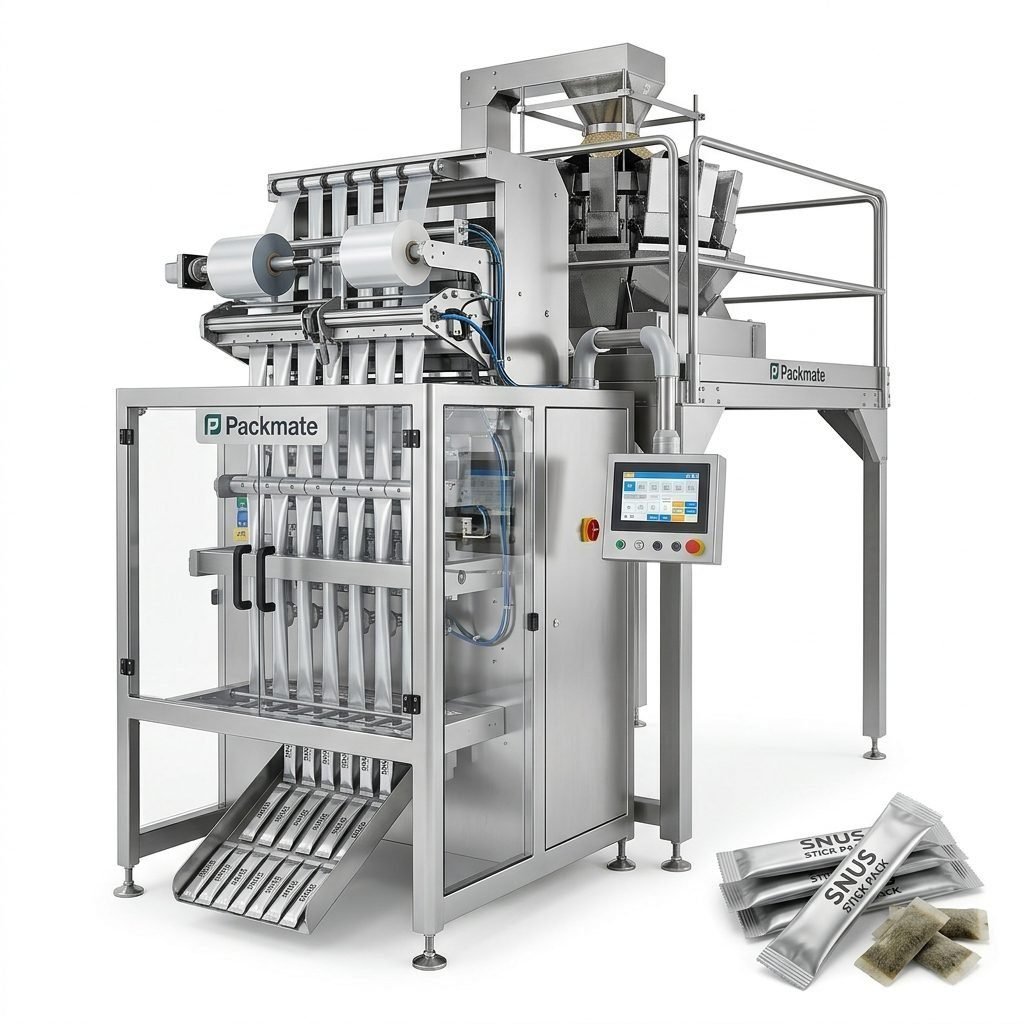
⚙️ Stick pack & sachet machines — Good for single-dose portion formats and flexible SKU changes. Choose these if you plan varied flavors and intermittent small batches. See examples of Sachet & Stick Pack Machines for solutions that balance flexibility and speed.
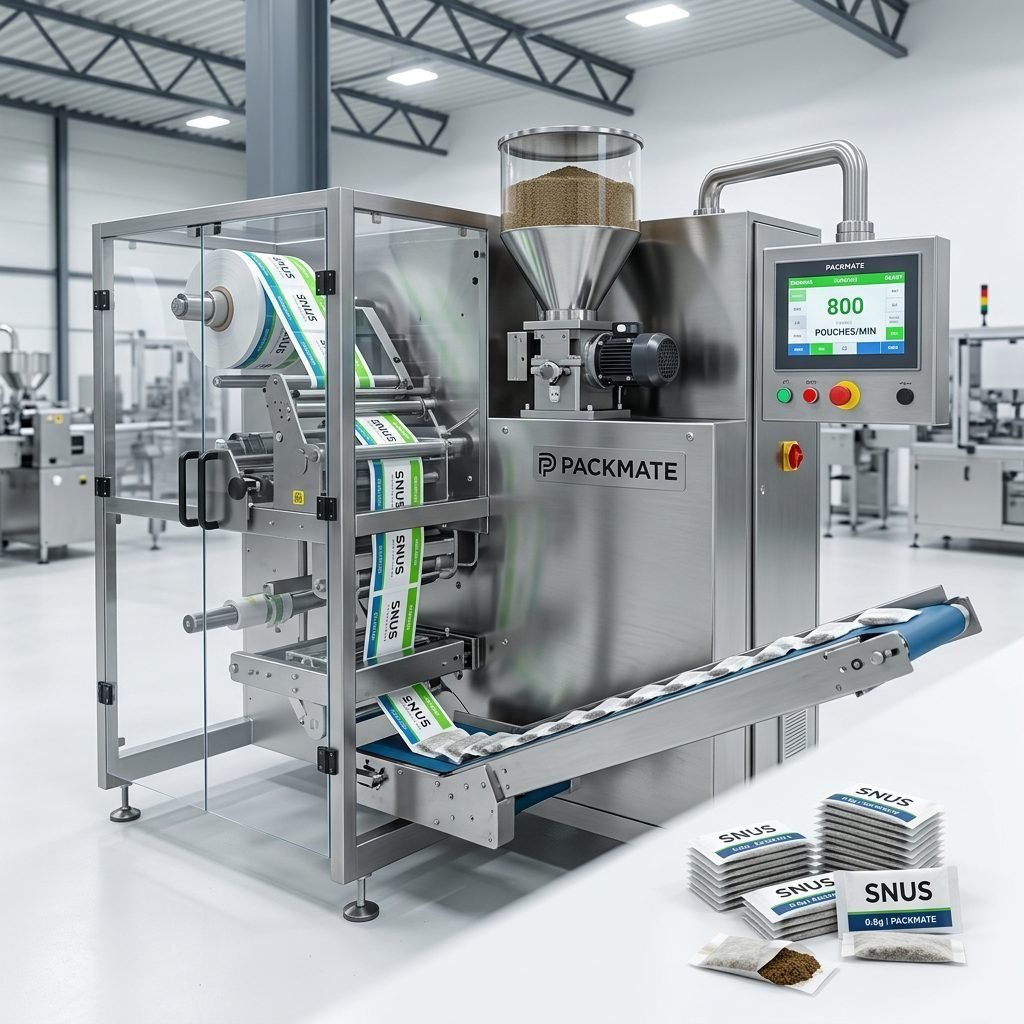
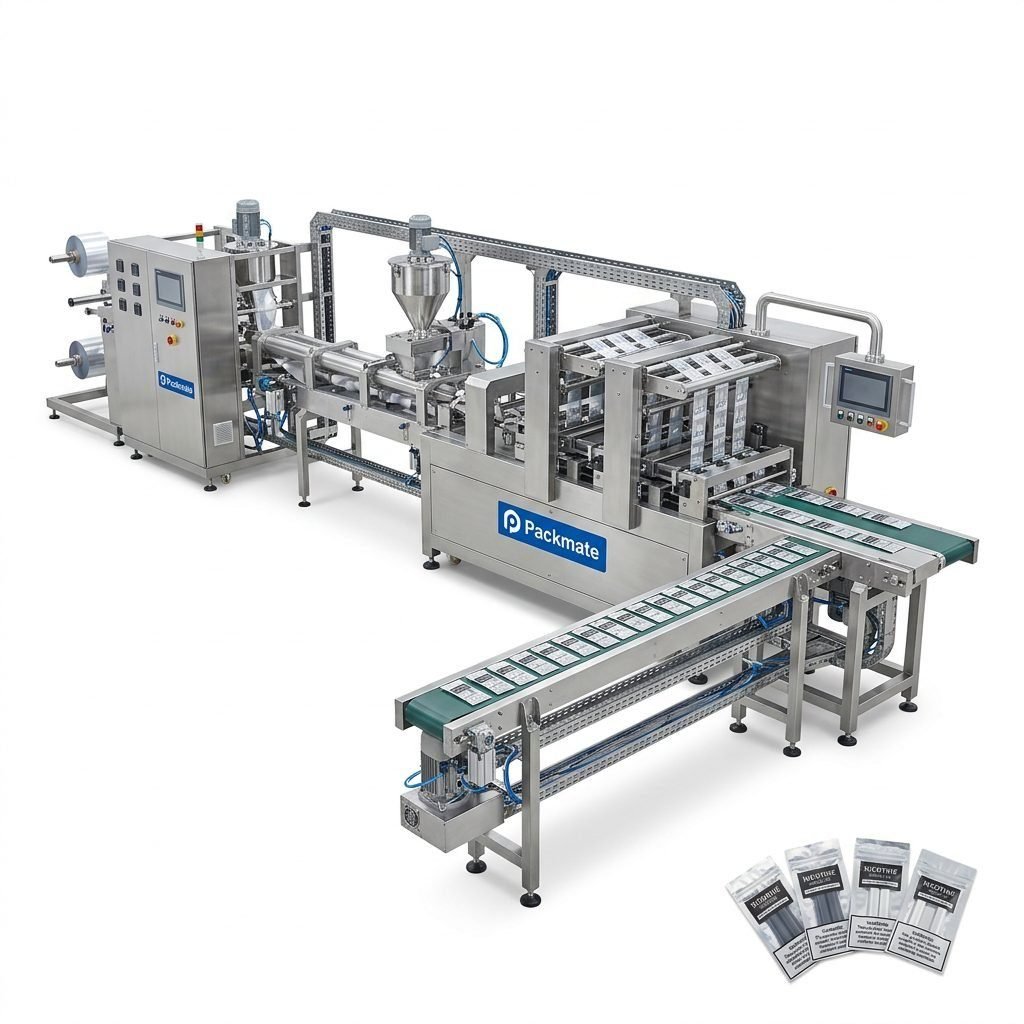
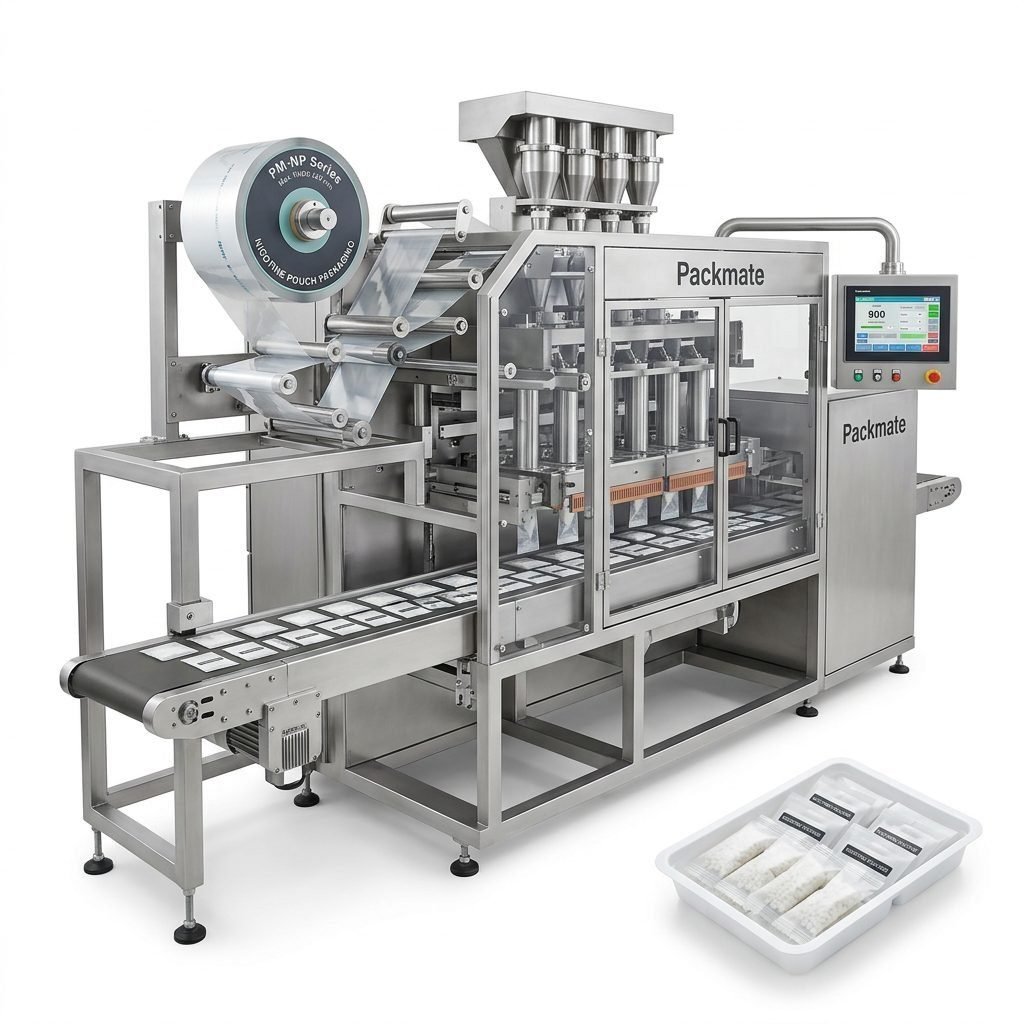
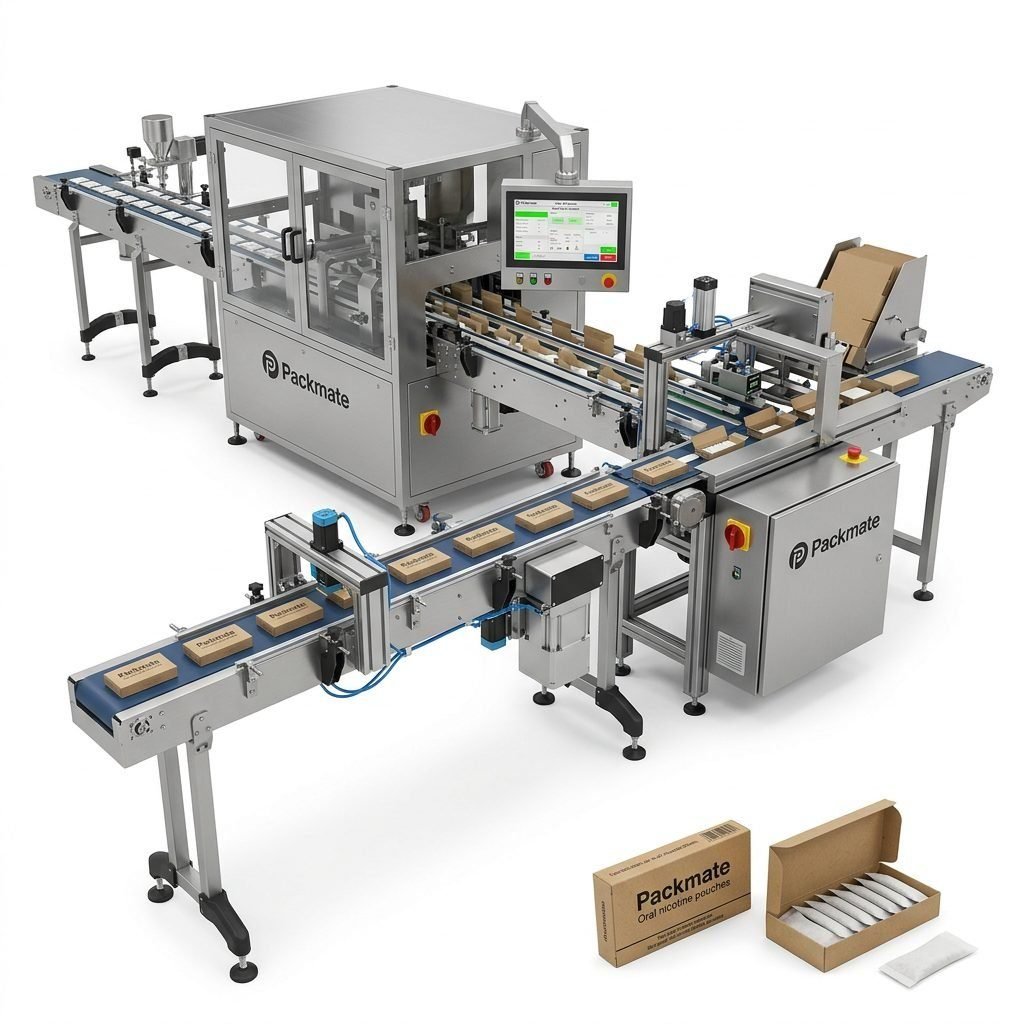
📦 Multi-lane snus/nicotine pouch machines — Designed for high throughput of small-dose pouches. Ideal when scaling up production for retail distribution or export. Explore Snus & Nicotine Packaging Machines to understand available multi-lane options.
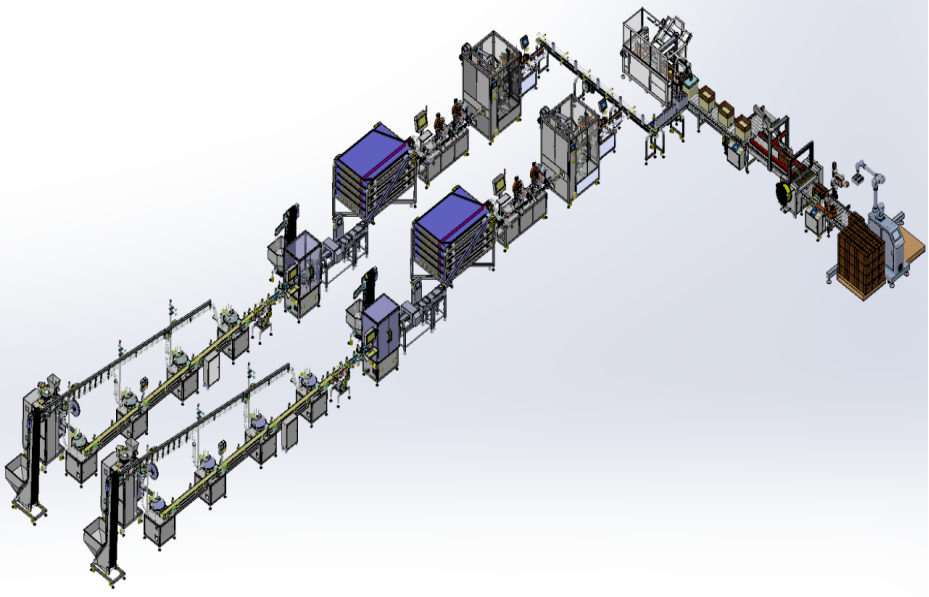
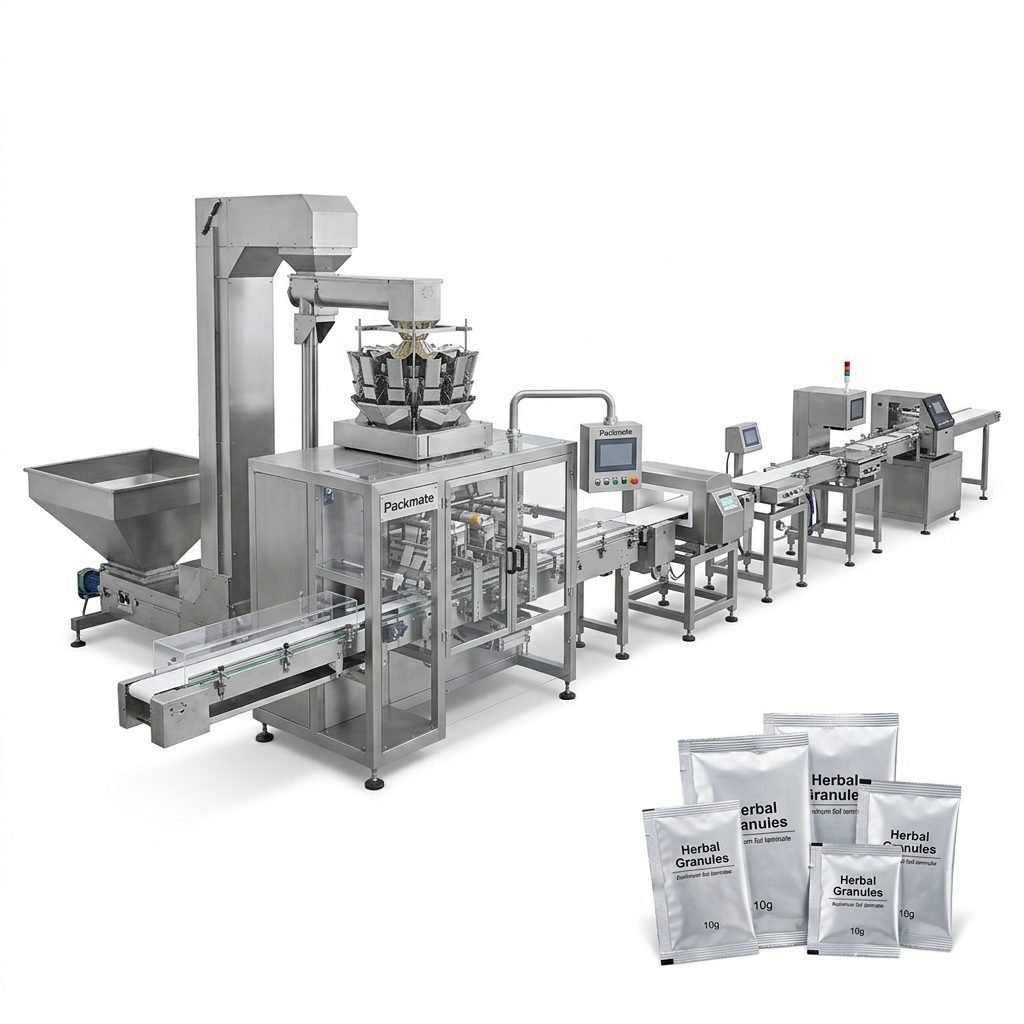
🧪 Integrated filling & weighing lines — If precise dosing is critical (small nicotine amounts), choose systems with automated weighing and dosing integration to ensure regulatory compliance and consistency. See Filling & Packaging Lines and Weighing & Packaging Systems for turnkey configurations.
Step 3 — Evaluate Technical Specifications
When comparing models, pay attention to core specifications that determine long-term performance:
– Throughput (pouches/min) under your actual product conditions rather than laboratory specs.
– Accuracy and repeatability of dosing for nicotine pouches — tolerance requirements may differ by market.
– Material compatibility: ability to work with different pouch films (heat-seal, laminated, biodegradable options).
– Ease of changeover for flavor or size changes — fast tool-less or quick-change systems reduce downtime.
Important: Request performance data with your actual product (moisture, particle size, pouch thickness) so the supplier can demonstrate realistic speeds and yield.
Step 4 — Quality, Certification, and Compliance
Choose manufacturers with proven quality systems and relevant certifications. For example, Packmate holds CE and ISO-level compliance, which helps when importing equipment and ensuring safety standards. Request:
– CE/ISO certificates and machine test reports.
– Material traceability and list of approved consumables.
– Local regulatory guidance for nicotine-containing products — while South Sudan’s regulatory framework is evolving, prepare for potential export to neighboring markets by ensuring labeling and dosing accuracy.
Step 5 — After-Sales Support, Spare Parts, and Training
After-sales support is one of the most important purchase criteria. Consider:
📞 Availability of remote diagnostics and spare parts shipping options to South Sudan. Machines with modular components and widely available spare parts reduce downtime. Packmate’s global service network and case studies demonstrate how remote support and scheduled maintenance keep lines running — review their Service and Case pages for examples.
👩🏫 On-site training for local technicians and operators. Ensure the supplier provides clear training materials, troubleshooting guides, and optionally, certified training programs to build local capability.
🔧 Recommended spare parts kit — belts, cutters, sensors, seals, and a basic electrical parts pack to cover the first 12 months of operation.
Step 6 — Site Preparation and Utilities
Prepare your facility to ensure smooth installation and reliable production:
– Power: Stabilized supply with surge protection; consider a dedicated generator or UPS for continuous production during outages.
– Floor and foundation: Level, vibration-free floors; some high-speed lines require anchoring.
– Environmental control: If humidity and dust are issues, plan for air conditioning or dehumidifiers in the packaging area to protect pouch seals and product quality.
– Compressed air and vacuum: Clean, dry compressed air with filters and oil-water separators for pneumatic systems and suction conveyors.
Step 7 — Total Cost of Ownership (TCO)
Base price is only part of the story. Calculate TCO including:
– Installation and commissioning costs.
– Local modifications required for power or environmental controls.
– Annual maintenance, spare parts consumption, and consumables (film, adhesives).
– Training and travel costs for supplier technicians.
A machine with a slightly higher upfront cost but lower downtime and better support often delivers a lower TCO in the long run.
Evaluating Suppliers — What to Ask
When engaging suppliers, request:
– Live demonstrations or videos using similar products.
– References in similar climates or developing market contexts. Packmate’s Case and Exhibition records can demonstrate real-world deployments across regions.
– Detailed lead times for machine delivery and spare parts restocking.
– Clear warranty terms and SLAs for response times on critical failures.
Customization and Scalability
Look for suppliers who offer modular options and can tailor solutions to local production profiles. Examples include:
– Multi-lane expansions that can be added without replacing the entire machine.
– Optional integrated weighing systems for strict dosing control.
– Compatibility with regional packaging materials to reduce import dependency on films and consumables.
Practical Purchase Checklist
Use this quick checklist when evaluating final offers:
1) Production capacity verified with your product.
2) Clear support & spare parts plan for South Sudan.
3) Warranty, commissioning, and training included.
4) Site requirements and utilities documented.
5) TCO calculated for at least three years.
Snus & Nicotine Packaging Machines,
Sachet & Stick Pack Machines, and
Filling & Packaging Lines.
Why Choose an Experienced Manufacturer
Manufacturers with deep experience in snus and nicotine pouch lines bring critical advantages: proven multi-lane designs, precise dosing solutions for low-dose products, and robust service networks. Packmate’s long history, factory capacity, and global cases reflect capabilities to deliver customized turnkey lines and post-sale support — review About Packmate and their Case studies for real-world examples.
Final Practical Tips for South Sudan Buyers
– Start with a pilot line to validate product formulations and packaging film choices under local conditions.
– Negotiate clear training and spare parts agreements up front. Ensure availability of a starter parts kit.
– Consider partnering with suppliers experienced in regional logistics to avoid customs delays and hidden fees. Consult the manufacturer’s Service and Contact Us pages to confirm logistics support.
Frequently Asked Questions
Q1: What machine type is best for a small startup in Juba?
A1: For startups, a single-lane sachet or stick pack machine provides flexibility and lower initial investment. These machines allow multiple SKUs and easier operator training while you validate market demand.
Q2: How do I handle frequent power outages?
A2: Choose machines with power-ride-through capabilities or plan a UPS/generator installation. Also ensure the control system supports safe stops and quick restarts to prevent product waste.
Q3: Are spare parts easy to source locally?
A3: Not always. Work with a manufacturer that ships spare parts internationally with clear lead times, and maintain a local spare parts kit. Confirm this in the service agreement.
Q4: Can machines be customized for local packaging materials?
A4: Yes. Reputable suppliers will test your film and pouch materials and adjust sealing temperatures, forming tools, and dosing systems accordingly.
Q5: Where can I see real-world examples and get detailed machine specs?
A5: Review manufacturer case studies, certifications, and product pages such as Case, Certificate, and product catalogs available on their site.