Choosing the right nicotine packaging machine manufacturer in the Dominican Republic means balancing technical performance, regulatory compliance, and local market insight. Whether you represent an established tobacco business, a rising nicotine pouch start-up, or a contract packaging provider, investing in the correct packaging partner will determine product freshness, line efficiency, and long-term profitability. This guide walks you through practical selection criteria, Dominican-specific considerations, machine types, supplier evaluation steps, and implementation tips to ensure you select the best-fit manufacturer for your operation.
Understand the Dominican Republic Market and Local Nuances
The Dominican Republic has a vibrant retail culture—street kiosks, supermarkets, duty-free shops, and local pharmacies are common sales channels. Spanish is the primary language for labeling and instructions, and durable packaging is essential because products often travel through humid, tropical climates, with high temperatures and moisture that can affect nicotine pouch integrity. When evaluating suppliers, prioritize machines that can handle airtight seals, moisture-resistant laminates, and variable pouch sizes for both retail and travel retail formats.
Key local considerations
• Regulatory environment: Confirm local tobacco and nicotine regulations, import duties, and labeling rules—especially requirements for health warnings and Spanish-language instructions. Non-compliance can lead to costly reworks or seized shipments.
• Climate resilience: Choose packaging machines capable of high precision sealing for humidity-prone environments. Tropical conditions demand robust barrier materials that retain freshness.
• Distribution realities: Smaller batch runs and multiple SKUs are common for local retailers—select flexible machines that allow quick format changes or modular expansion.
What Machine Types Should You Consider?
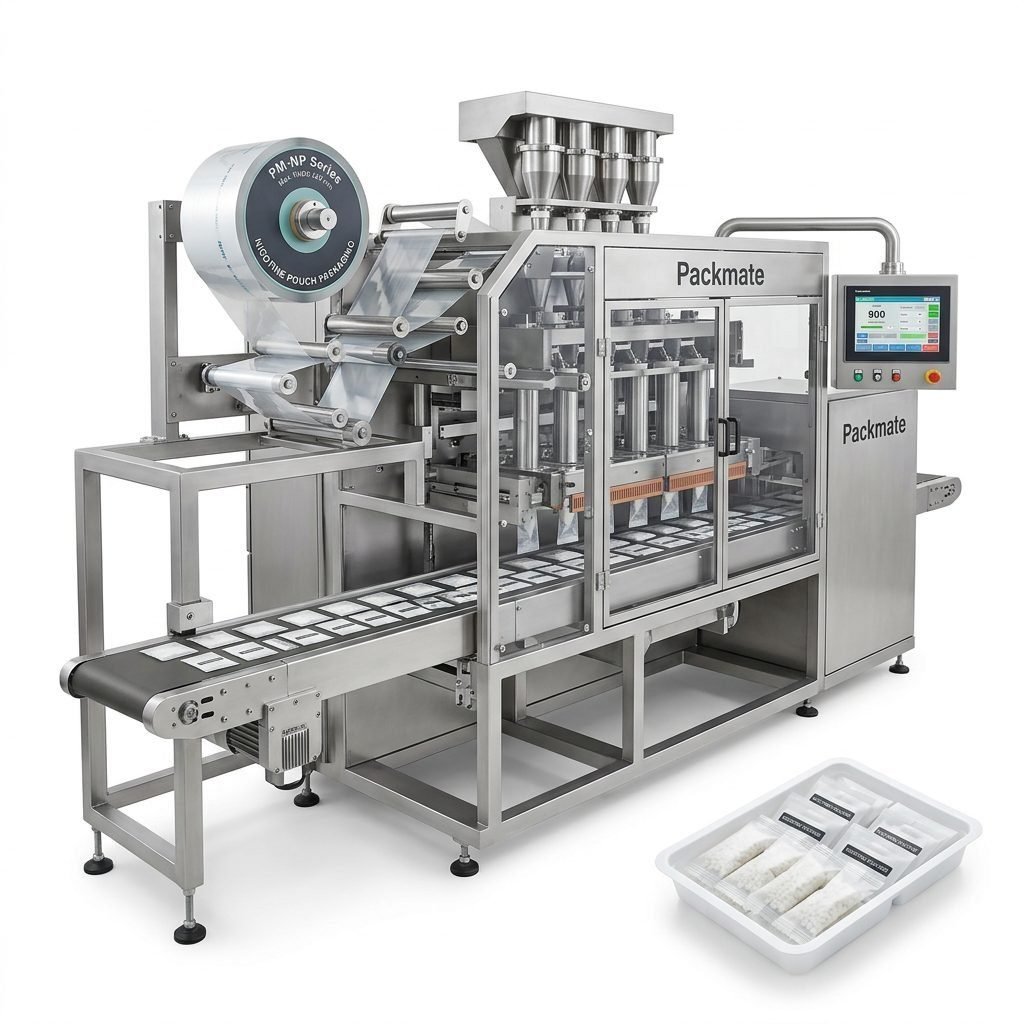
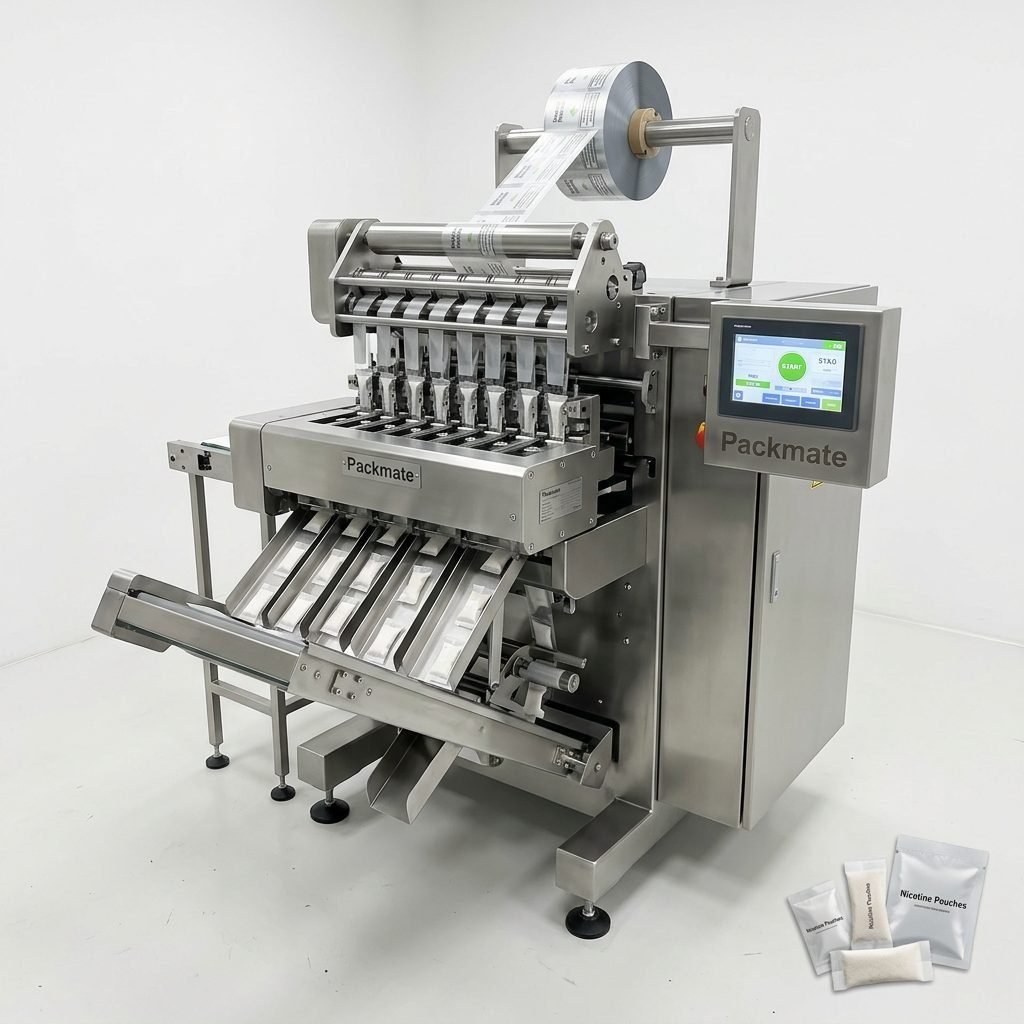
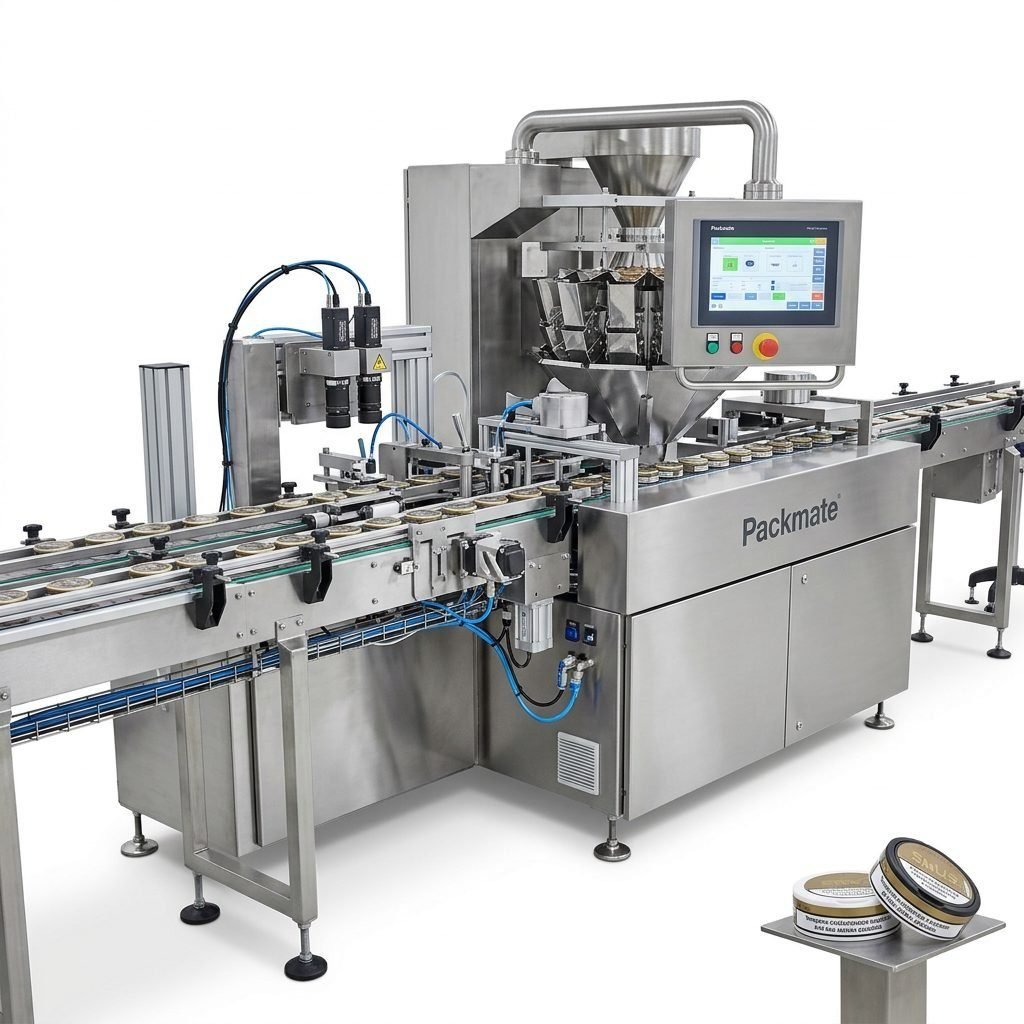
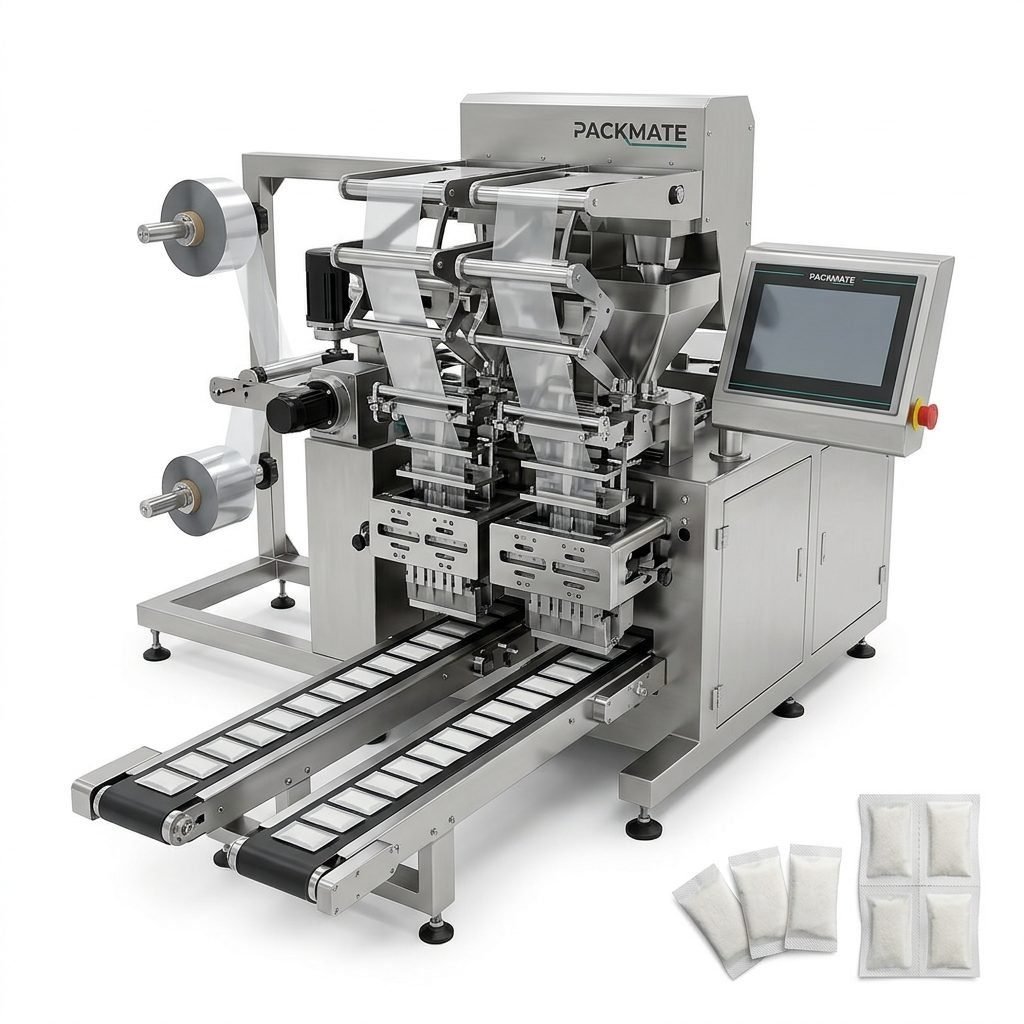
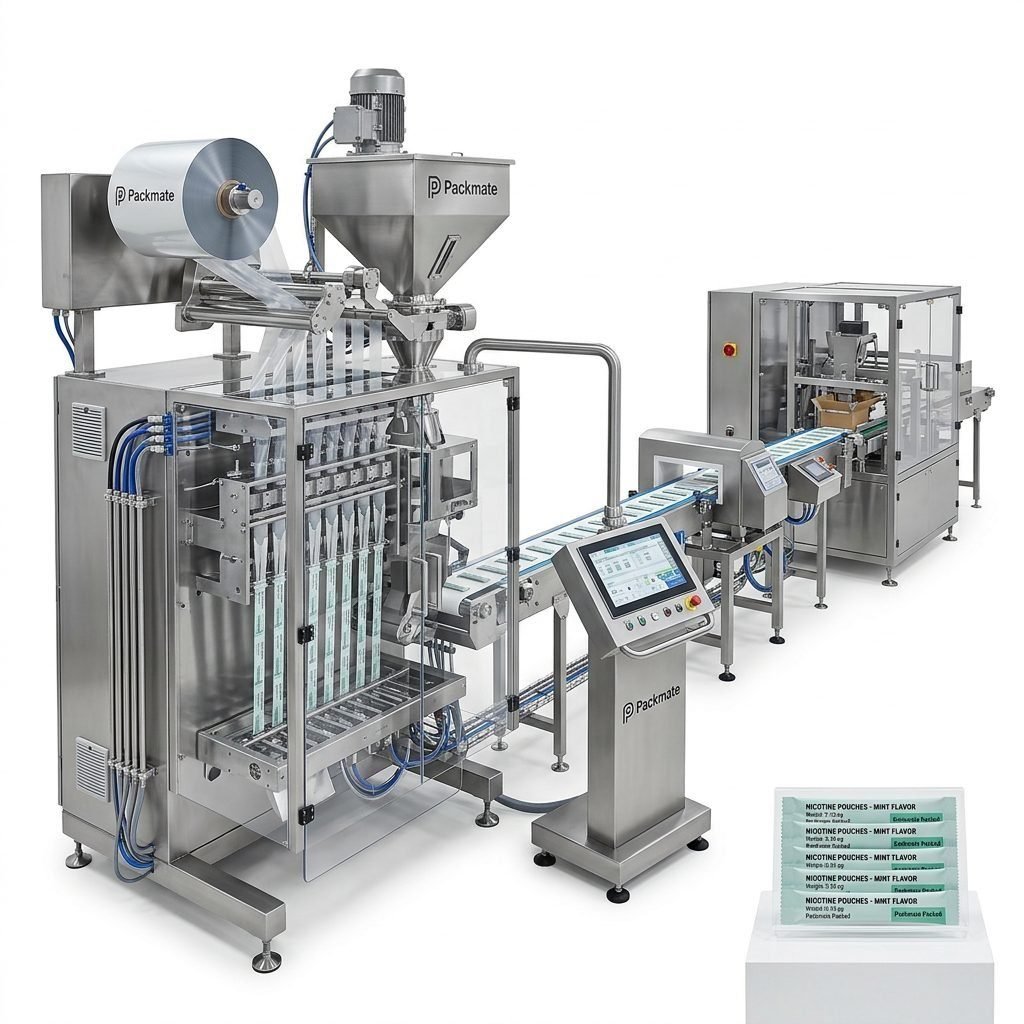
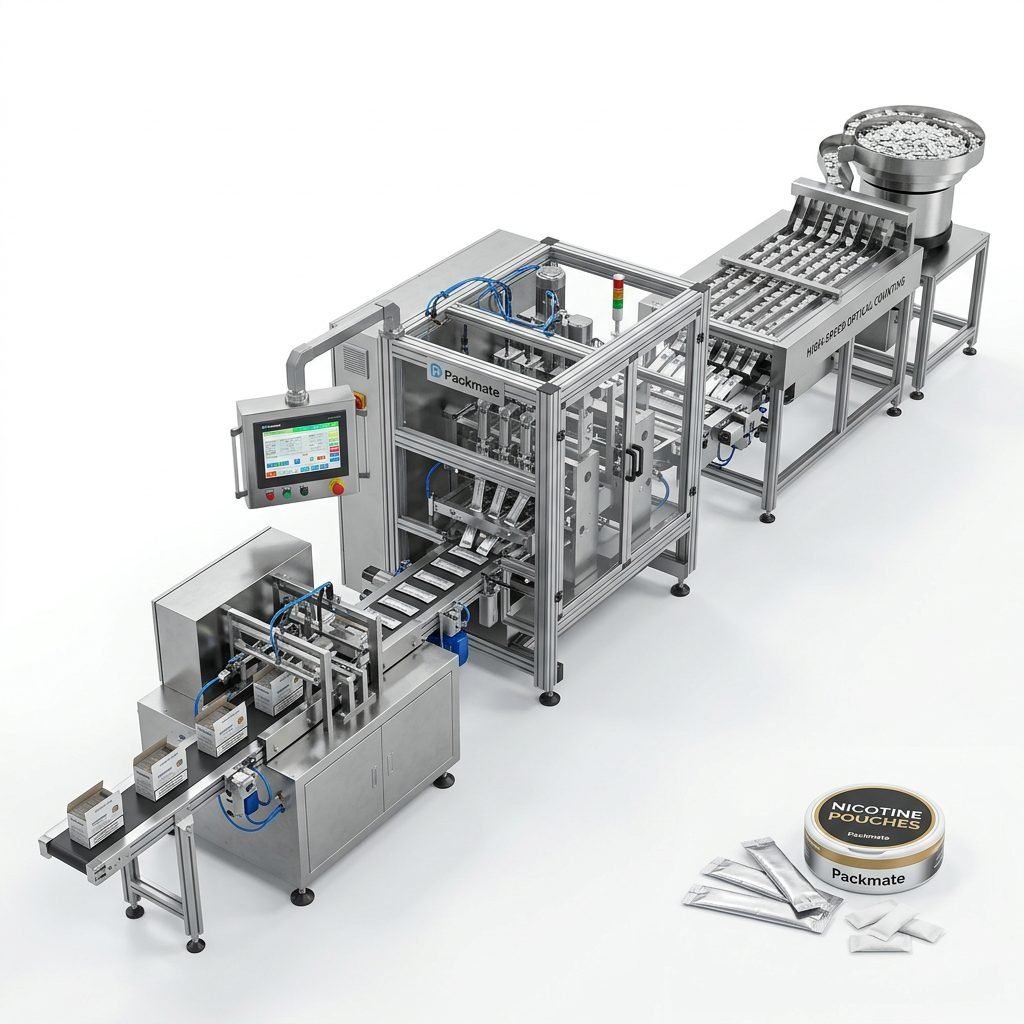
Nicotine pouch manufacturers in the DR commonly need a combination of high-precision filling and reliable pouch formation. The major machine categories include stick pack, sachet and pouch machines, and multi-lane snus packaging systems. Understanding each type helps match production targets and product design.
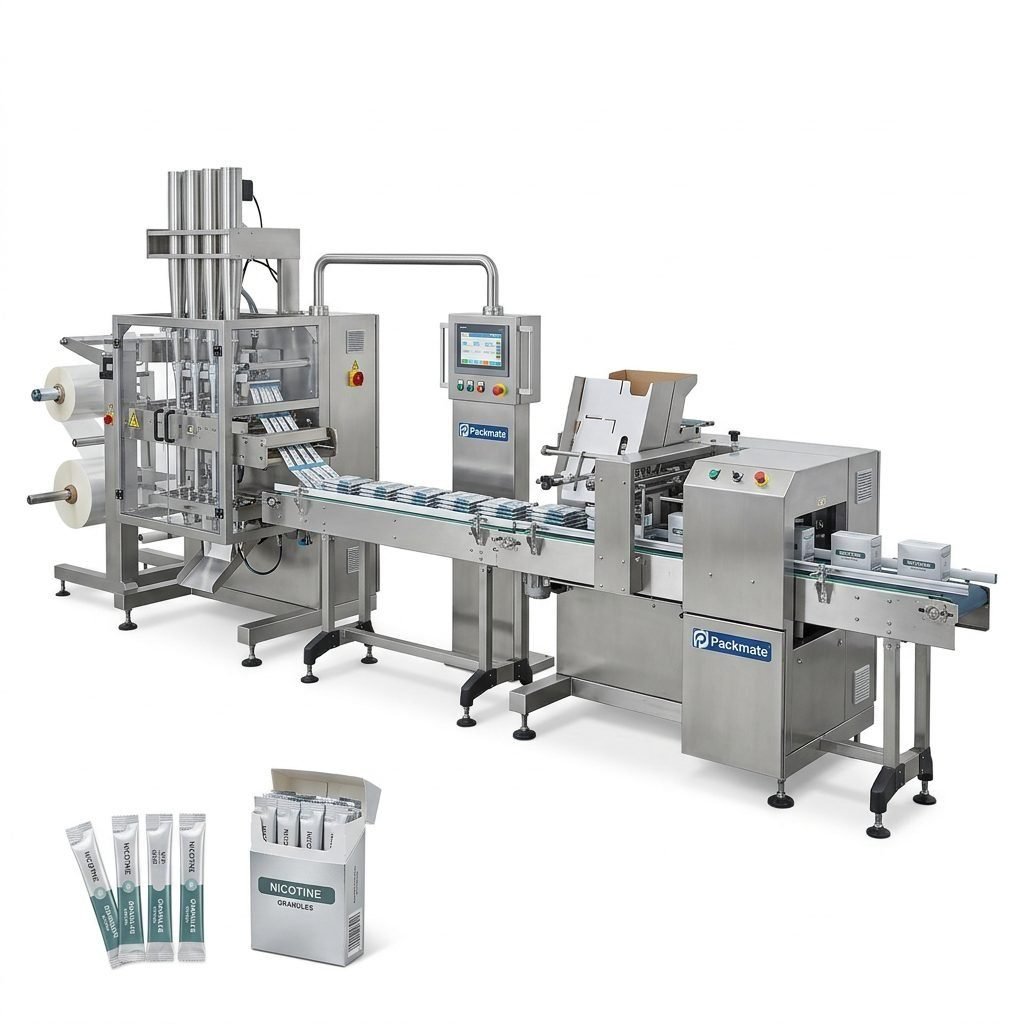
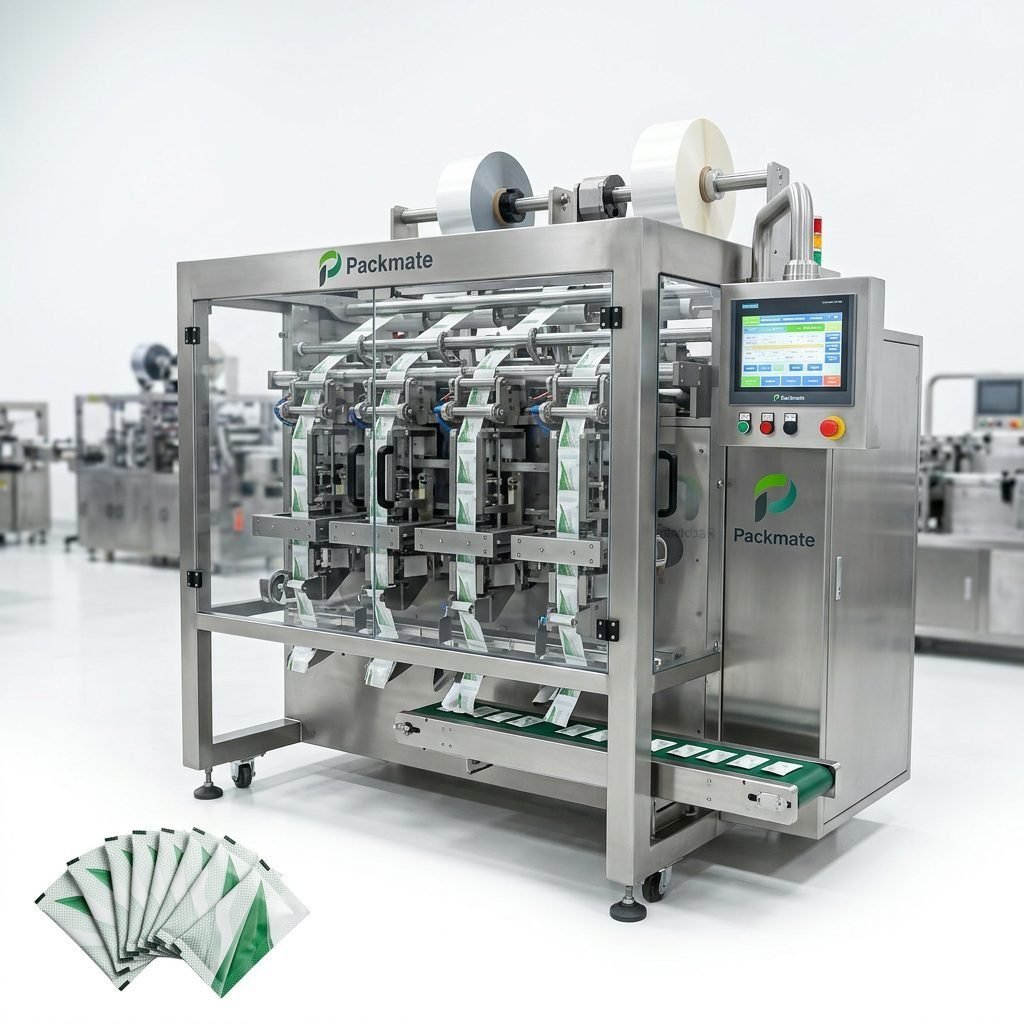
Stick pack machines
Ideal for single-dose sachets and compact retail offerings. Stick packers are excellent for portion-controlled nicotine pouches and can be paired with automatic feeding and heat-seal modules to ensure airtight packaging.
Sachet & pouch packaging machines
These machines offer higher flexibility in pouch shapes and can handle various film laminates suited to high-humidity markets. When pairing with advanced sealing technology, sachet machines maintain product integrity over long distribution routes.
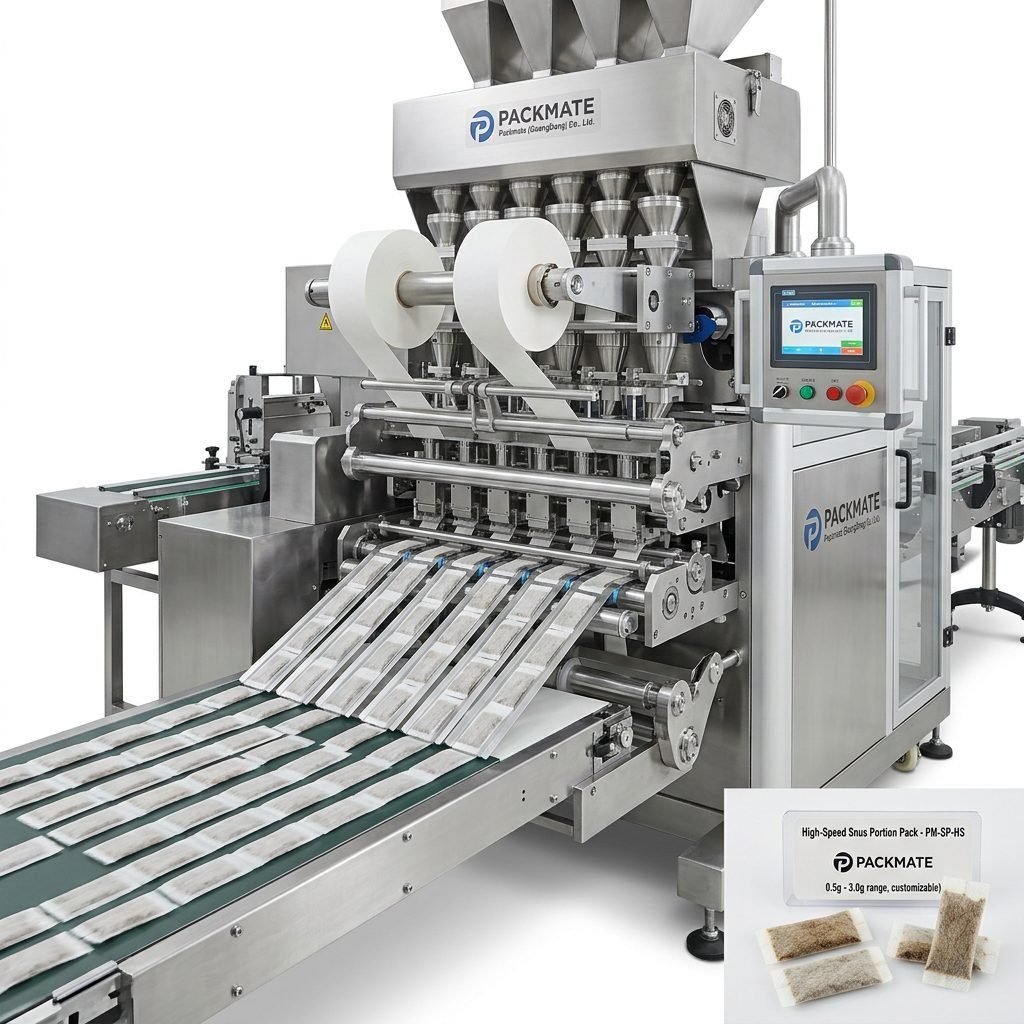
Multi-lane snus / nicotine pouch systems
For larger production volumes, multi-lane systems significantly increase throughput and lower per-unit costs. They are especially valuable for suppliers serving regional export markets or large Dominican distributors.
Tip: If your operation faces frequent SKU changes, prioritize modular machines with quick-change tooling and programmable recipe storage to reduce downtime.
Technical Specs and Performance Metrics to Evaluate
When comparing manufacturers and models, focus on measurable performance figures and build quality. These parameters affect lifecycle costs, reliability, and product quality.
• Throughput (packs/min or pouches/min): Match machine speed to your production plan, keeping in mind seasonal demand spikes or promotional runs.
• Filling accuracy: Look for robust weighing and dosing systems with low variance, because consistent nicotine dosages are critical for compliance and consumer trust.
• Sealing integrity: Inspect the sealing mechanism and temperature control—poor seals lead to moisture ingress and reduced shelf life.
• Material compatibility: Verify that the machine supports the laminate films you plan to use, including multi-layer barrier films designed for humid climates.
• Automation & control: Modern PLC and HMI systems simplify operation and recipe management. Remote diagnostics and Industry 4.0 readiness are valuable for faster troubleshooting.
Why Manufacturer Credentials Matter: Factory Strength and Certification
A manufacturer’s credentials give insight into product reliability and after-sales support. Consider manufacturers with a proven track record in pouch packaging and recognized certifications.
Packmate Snus Machine offers over 30 years of engineering experience, a 20,000㎡ factory, and more than 50 machine models. Their compliance with CE and ISO ensures machines meet international safety and quality expectations—attributes particularly important for export-oriented businesses.
Factory capabilities to check
• CNC machining and precision assembly lines: ensure critical parts are produced in-house and tolerances are maintained.
• Quality testing systems: validate sealing strength, weight accuracy, and electrical safety before shipment.
• Experience with nicotine/snUS products: Manufacturers with dedicated snus lines understand the nuances of portioning and pouch formation—seek suppliers who can demonstrate case studies and demo lines.
Evaluating Supplier Support and After-Sales Service
After-sales support is often the deciding factor between machines that perform long-term and those that become headaches. In the DR, local service partners or rapid remote support reduce downtime and prevent lost production days.
• Spare parts availability: Short lead times for critical parts reduce production loss. Confirm stocking strategy or local distributor networks.
• Training & commissioning: On-site commissioning and operator training in Spanish are highly advantageous for Dominican operations.
• Remote diagnostics: Prioritize vendors that provide remote troubleshooting, software updates, and clear service SLAs.
Pro tip: Ask for references from other customers in Caribbean or Latin American markets—similar climates and logistics offer the most relevant feedback.
Cost Considerations: Beyond the Purchase Price
While initial equipment cost is important, total cost of ownership (TCO) better reflects long-term impact. Consider lifecycle costs including installation, training, consumables, energy consumption, maintenance, and spare parts.
• Energy efficiency: Machines designed for lower energy consumption cut operational expenses in the Dominican Republic, where utilities may vary in cost.
• Consumables compatibility: Use standardized components to avoid custom parts with long lead times.
• Depreciation & financing options: Check manufacturer financing, leasing options, and warranty extension programs to smooth capital expenditure.
How to Run a Practical Supplier Evaluation
A structured evaluation reduces risk and uncovers the best-fit supplier quickly. Below is a practical checklist you can adapt to your procurement process.
1) Request detailed technical datasheets and performance metrics.
2) Ask for video demonstrations of the exact model running your product or a close analog (film, weight, and pouch type).
3) Verify factory certifications (CE, ISO) and ask for quality control records.
4) Inspect service responsiveness—how quickly can the vendor dispatch parts or provide remote support?
5) Request a reference list—contact existing customers in similar climates or regions.
Why Packmate Could Be a Strong Choice for Dominican Businesses
With decades of experience focused on snus and nicotine pouch packaging, Packmate provides a compelling combination of domain expertise, manufacturing scale, and global service capabilities. Their comprehensive product range—from snus & nicotine packaging machines to whole filling and packaging lines—means you can source integrated solutions from a single partner.
Explore Packmate product lines and capabilities: Snus & Nicotine Packaging Machines, About Packmate, and real-world implementations in their Case section.
Localized service and exhibition presence
Packmate’s participation in global exhibitions and a client-first approach suggest strong after-sales networks and demonstrations—request exhibition schedules or virtual demos to evaluate their machines in operation: Our Exhibition.
Quick checklist before signing: factory visit (or verified video tour), machine running your product, contracts in Spanish if needed, and clear warranty/service terms.
Installation, Commissioning, and Operator Training
Smooth installation and thorough operator training are essential for minimizing startup issues. Ask the manufacturer for Spanish-language manuals, in-person commissioning, and hands-on operator sessions focused on maintenance tasks, sealing checks, and sanitation.
• Commissioning plan: A clear timeline that includes test runs, acceptance criteria, and performance verification.
• Spare parts kit: Negotiate an initial spare parts package tailored to your production volume and local shipping times.
• Training: Ensure the vendor provides operator and technician training in Spanish or with a qualified translator.
Common Pitfalls and How to Avoid Them
• Overlooking local compliance: Verify labeling, health warning placement, and import documentation early.
• Ignoring environmental impact: Heat and humidity affect pouch shelf life—select barrier films and validate shelf-life through accelerated aging tests.
• Skipping end-to-end trials: Factory acceptance tests (FATs) with your specific product and film drastically reduce on-site surprises.
Next Steps: How to Proceed with a Procurement Plan
1) Compile product and packaging specifications (weights, film structure, pouch types, throughput targets).
2) Shortlist suppliers with relevant nicotine/portion packaging experience and request quotations with FOB/CIF options.
3) Arrange FATs, ask for Spanish documentation, and confirm service-level agreements (SLAs).
4) Plan installation, operator training, and a spare parts inventory to ensure quick ramp-up.
Useful Resources and Manufacturer Links
• Full product lines: Filling & Packaging Lines and Weighing & Packaging Systems.
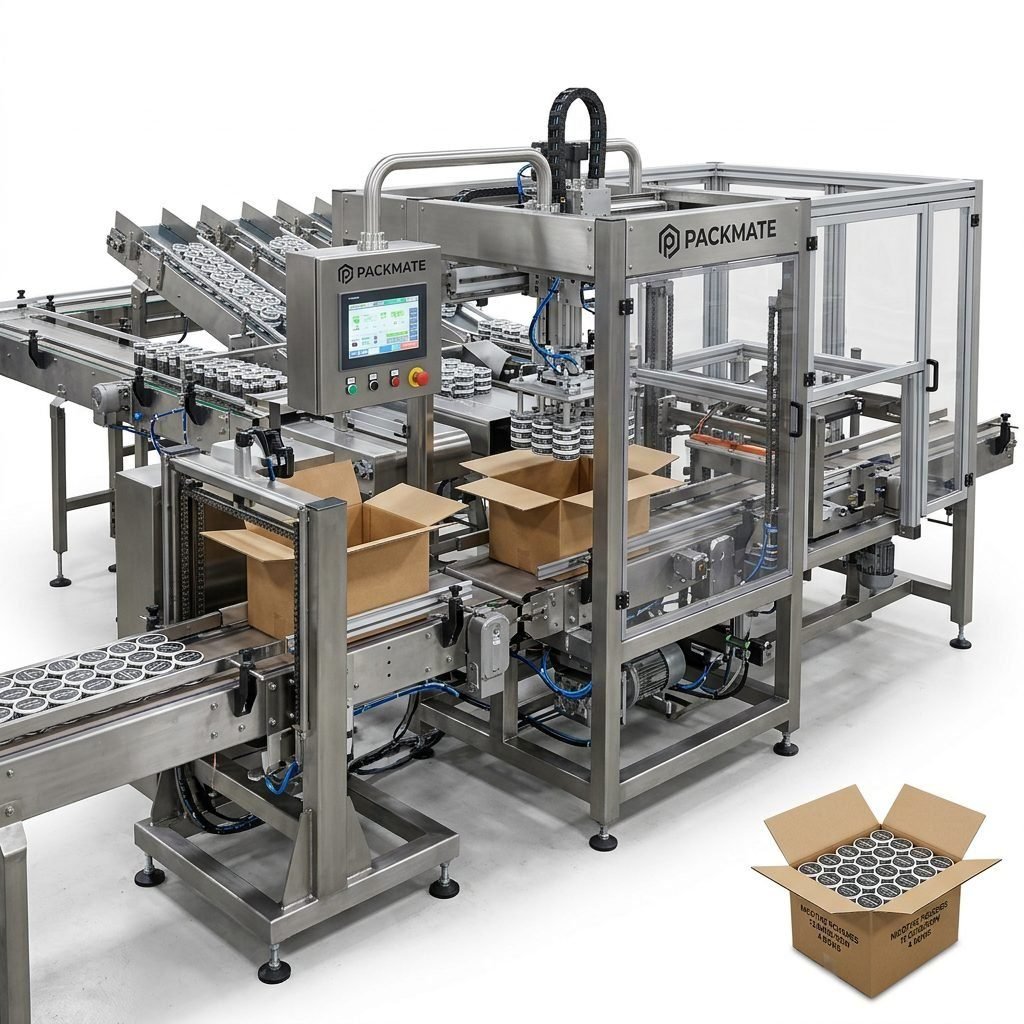
• Auxiliary equipment: Auxiliary Packaging Equipment that streamlines feeding, labeling, and case packing.
• Contact for quotes and support: Contact Us.
Conclusion
Selecting the best nicotine packaging machine manufacturer in the Dominican Republic is a strategic decision that impacts product quality, compliance, and operational efficiency. By prioritizing climate-ready sealing, proven technical performance, robust after-sales support, and local-language service, you reduce risk and accelerate time-to-market. Partnering with experienced vendors like Packmate — who specialize in snus and nicotine pouch packaging — can provide the engineering, factory capability, and international compliance needed to succeed in both the Dominican and export markets.
Frequently Asked Questions
Q1: What packaging features help preserve nicotine pouches in the Dominican climate?
A1: Use multi-layer barrier films with high moisture and oxygen resistance, ensure high-quality heat seals, and consider nitrogen flushing for longer shelf life.
Q2: How important is machine modularity for small-to-medium producers?
A2: Very important. Modular and multi-format machines allow quick SKU changes, lower downtime, and incremental investment as production scales.
Q3: Should I perform a Factory Acceptance Test (FAT) before shipment?
A3: Yes. A FAT with your actual film and product validates performance, prevents on-site surprises, and ensures acceptance criteria are met.
Q4: Are Spanish manuals and local-language training necessary?
A4: Strongly recommended. Spanish documentation and training reduce operator errors and speed up commissioning and maintenance routines.
Q5: Where can I see real-world machine implementations and request a quote?
A5: Review case studies and request quotes via the manufacturer’s case and contact pages: Case and Contact Us.