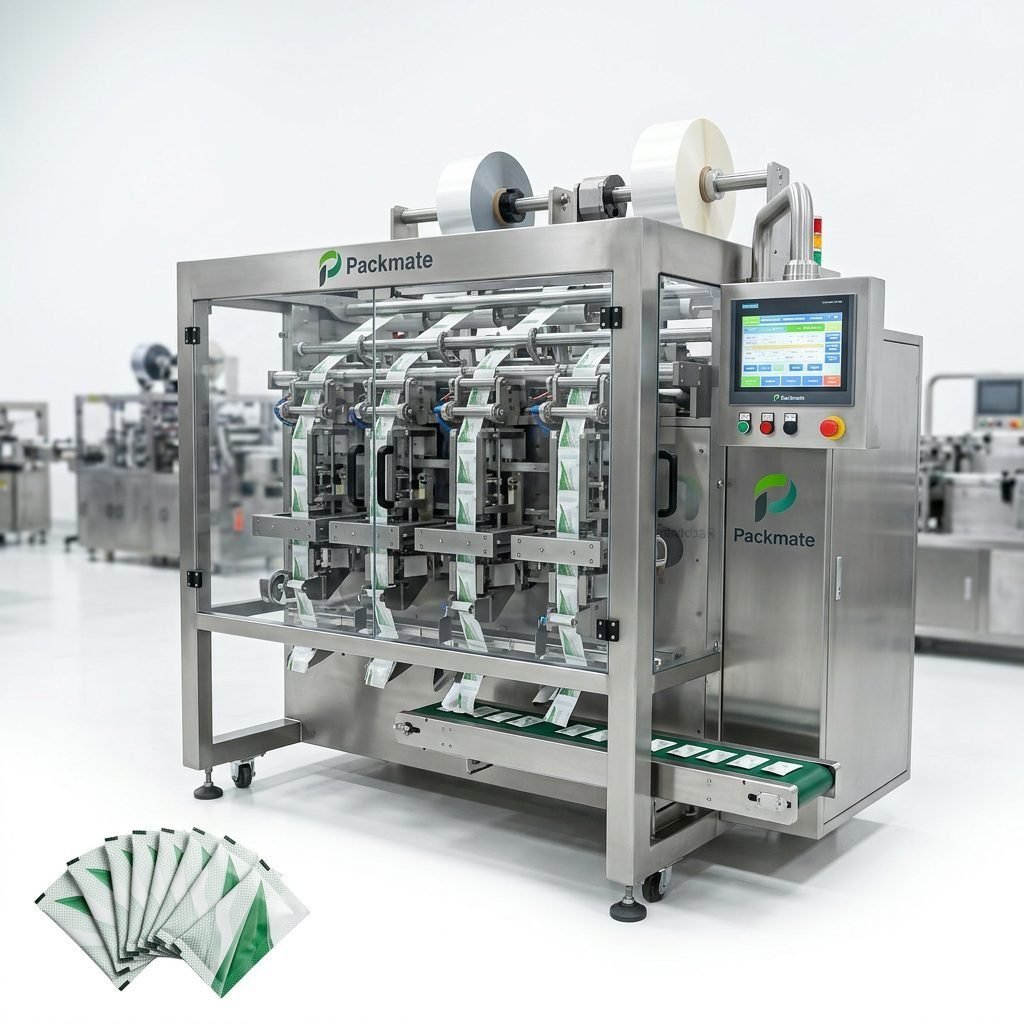
Malawi’s growing consumer market and changing regulations around nicotine pouches mean manufacturers and packagers need reliable, compliant packaging equipment. This guide walks you through practical steps to choose the right nicotine packaging machinery in Malawi — from understanding local customs and regulatory concerns to selecting the right machine type, evaluating suppliers, and planning installation and after-sales support.
🔍 Understand the Malawi Market and Local Preferences
Before investing in machinery, it’s essential to know who your customers are, how nicotine products are perceived, and how distribution works in Malawi. In Malawi, oral nicotine products may be relatively new to many consumers outside major cities like Lilongwe and Blantyre. Packaging that emphasizes discreteness, hygiene, and clear labeling in both English and Chichewa will resonate.
Consider local retail settings: small kiosks, pharmacies, and informal markets. Compact, easy-to-open pouches and small multi-packs can be more popular than large bulk formats. Also factor in climate: Malawi’s warm, humid periods mean packaging must protect product moisture and integrity.
📦 Choose the Right Machine Type
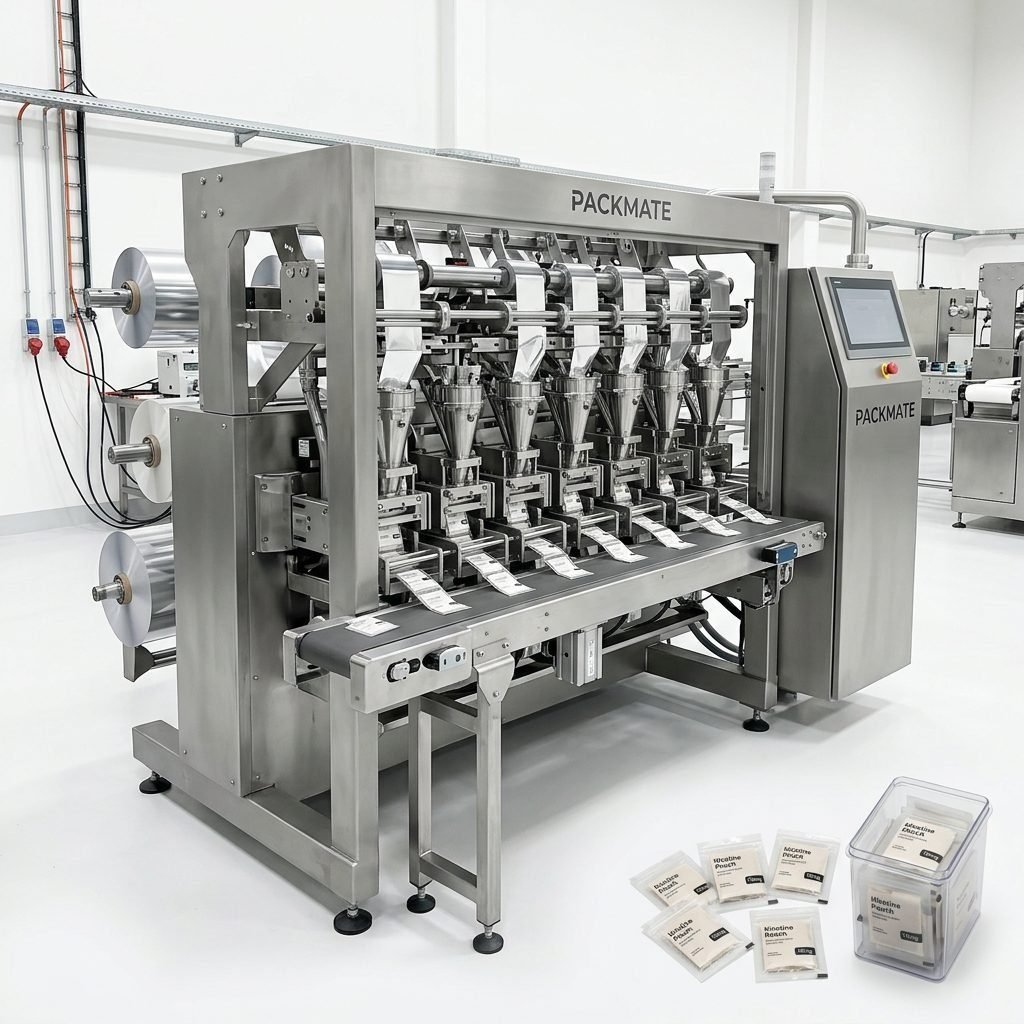
Nicotine pouch and snus packaging machines come in several main types. Match your production goals, product form, and budget to the right technology:
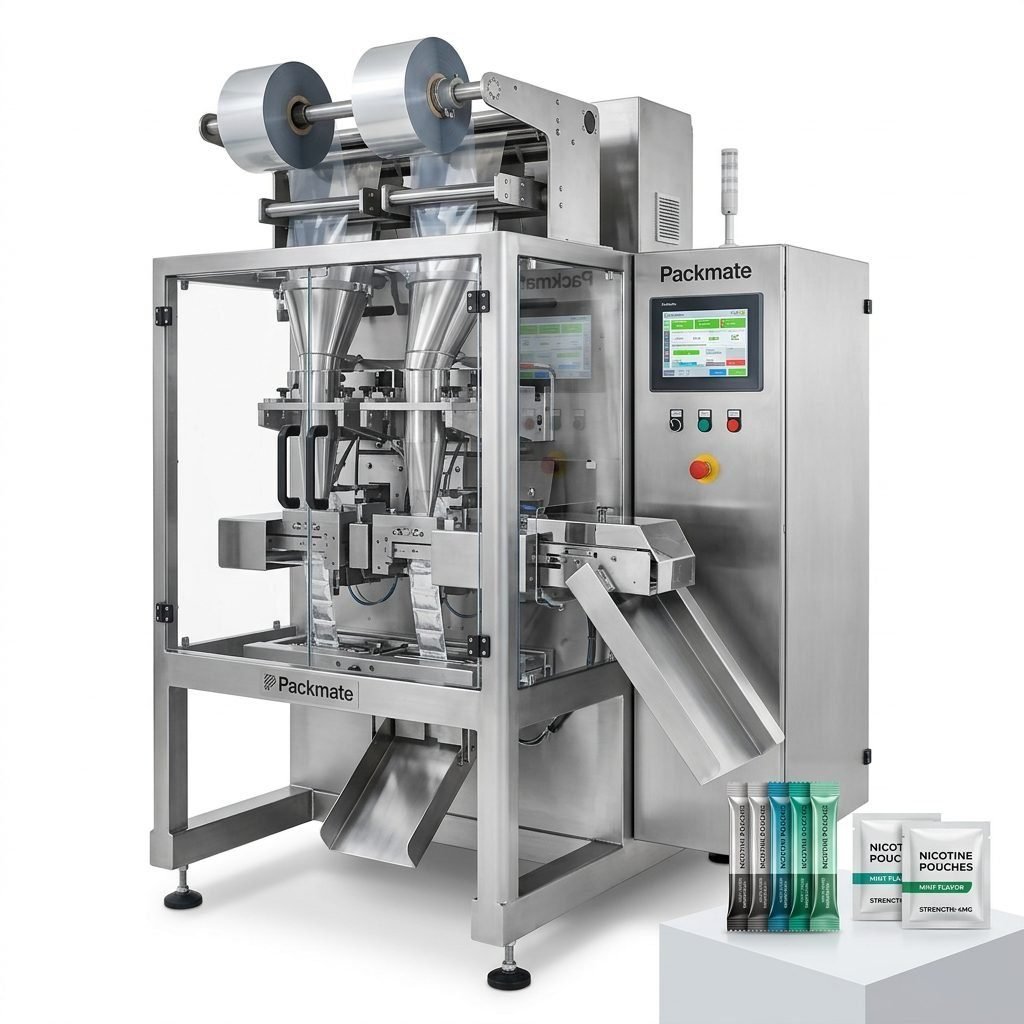
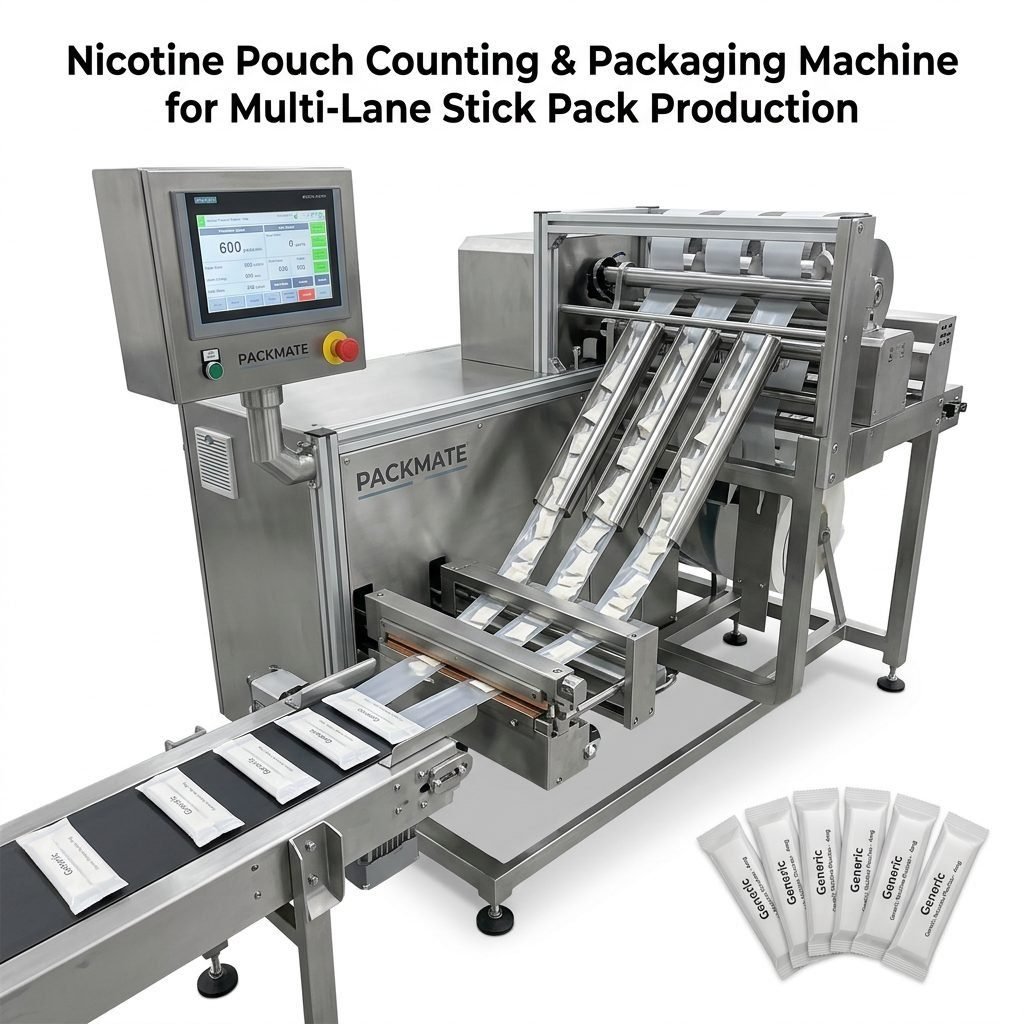
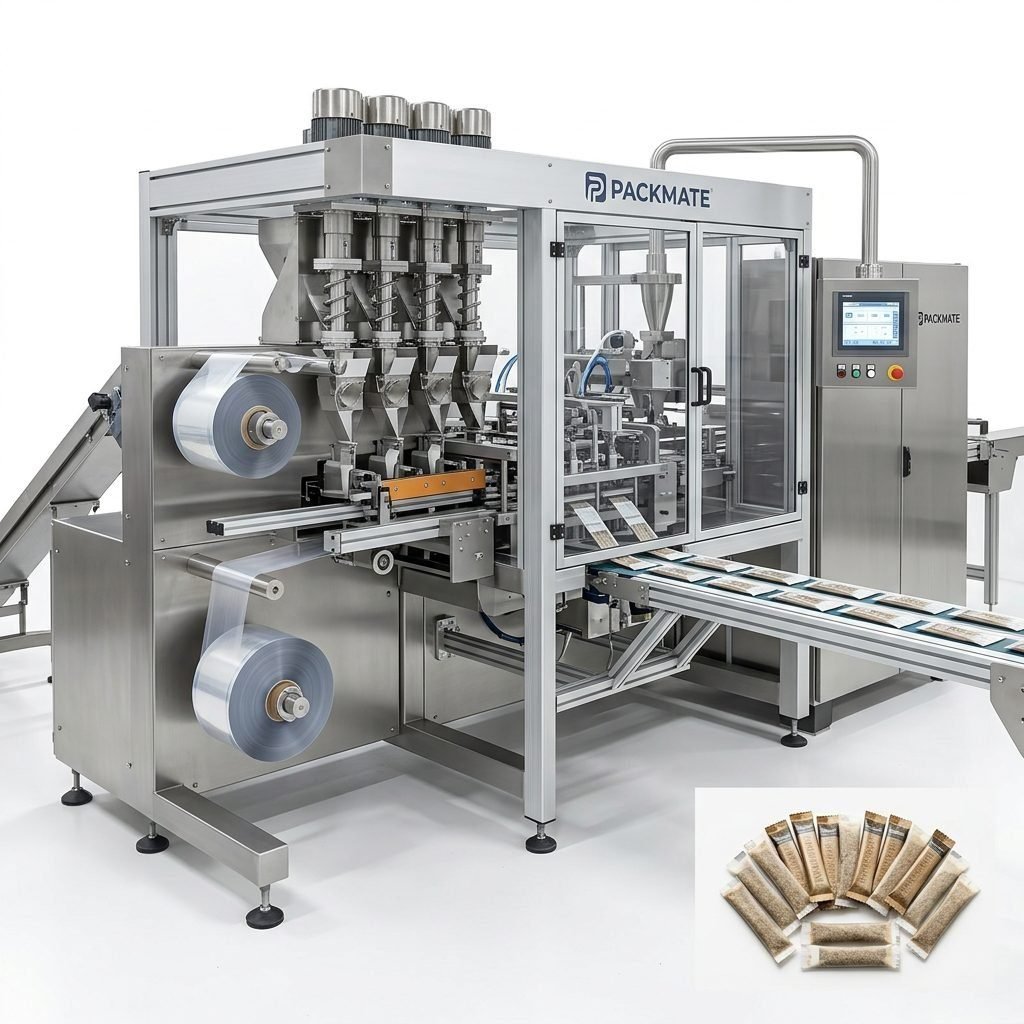
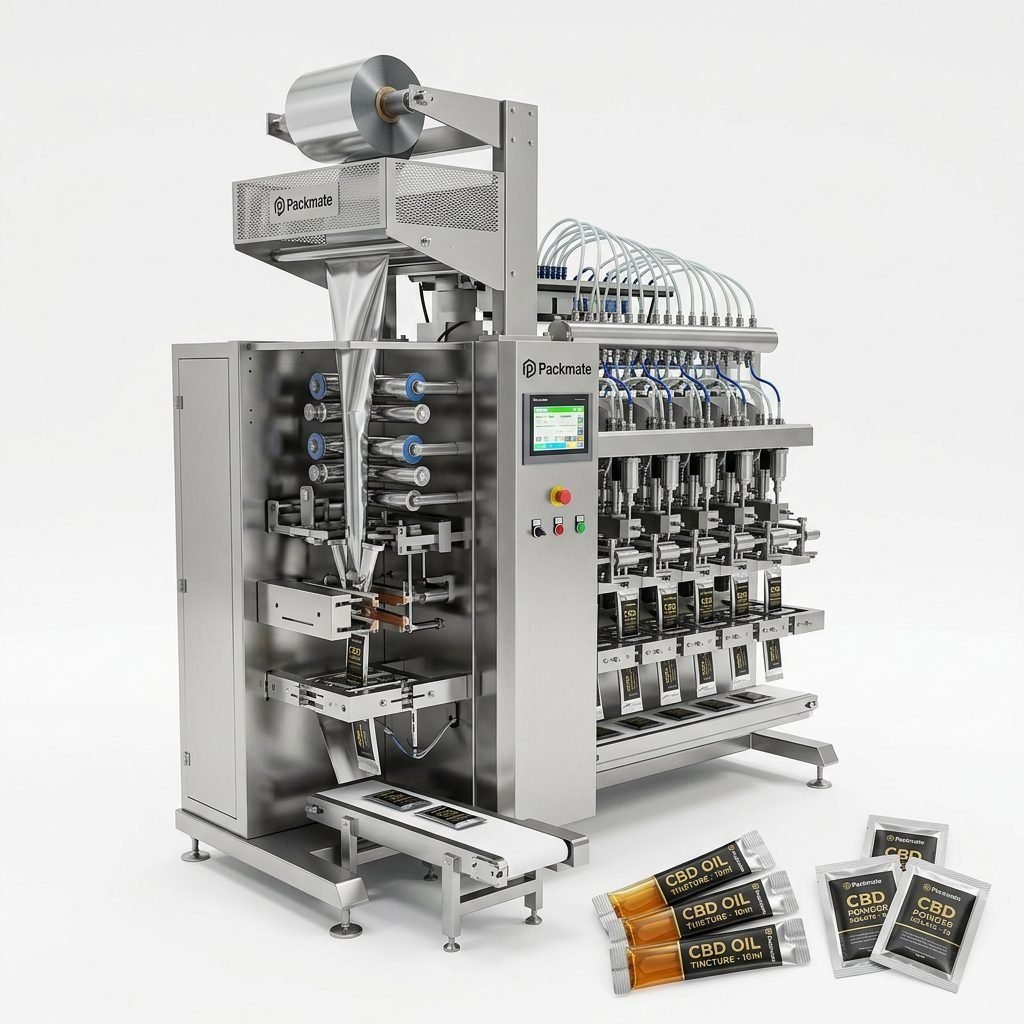
Sachet & Stick Pack Machines
Ideal for single-dose moisture-sensitive products. Stick packs provide neat single doses with easy-open seals — suitable if you target on-the-go consumers in urban Malawi. They work well for powders and finely milled nicotine formulations.
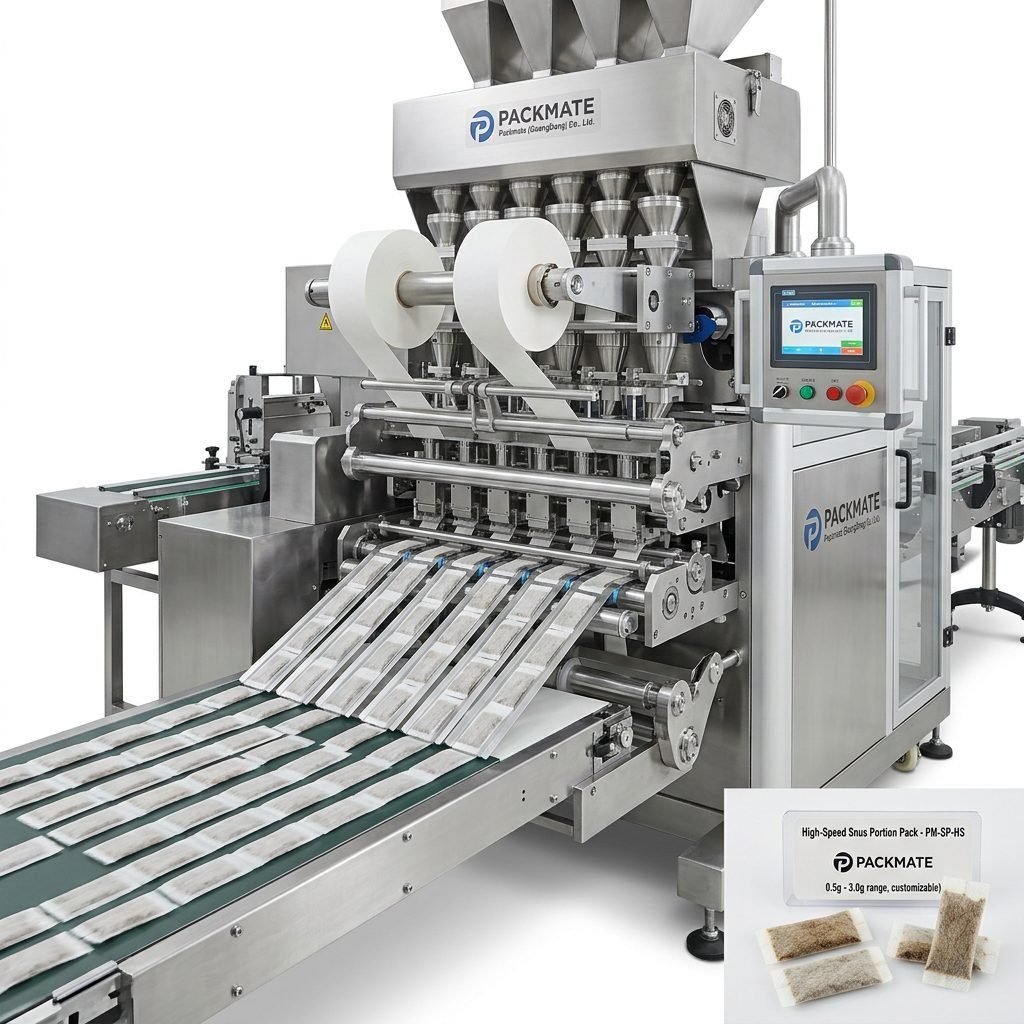
Snus & Nicotine Pouch Packaging Machines
Multi-lane pouch machines and dedicated snus equipment are optimized for small-dose pouches and higher speeds. If your product is a tobacco-free or tobacco-based nicotine pouch, these machines handle pouch forming, filling, and sealing with precision. See options at
Snus & Nicotine Packaging Machines.
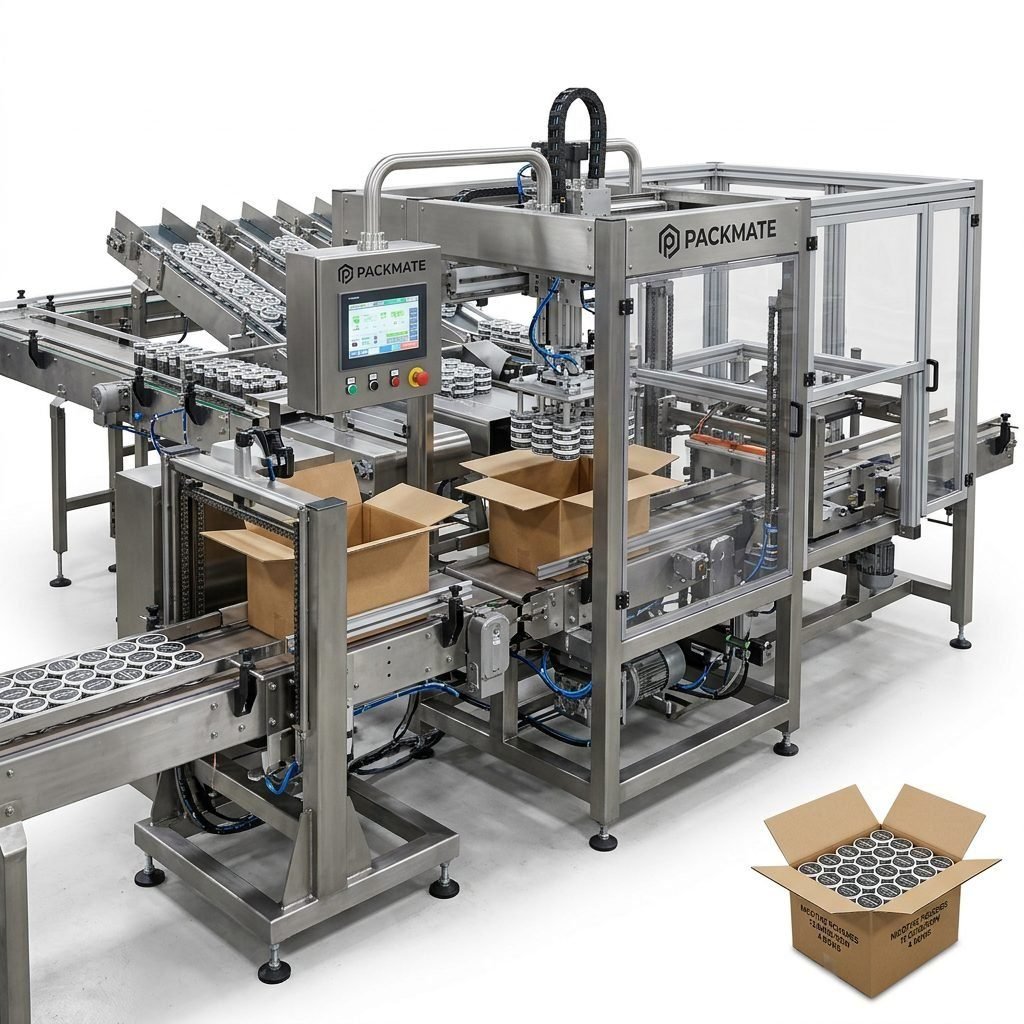
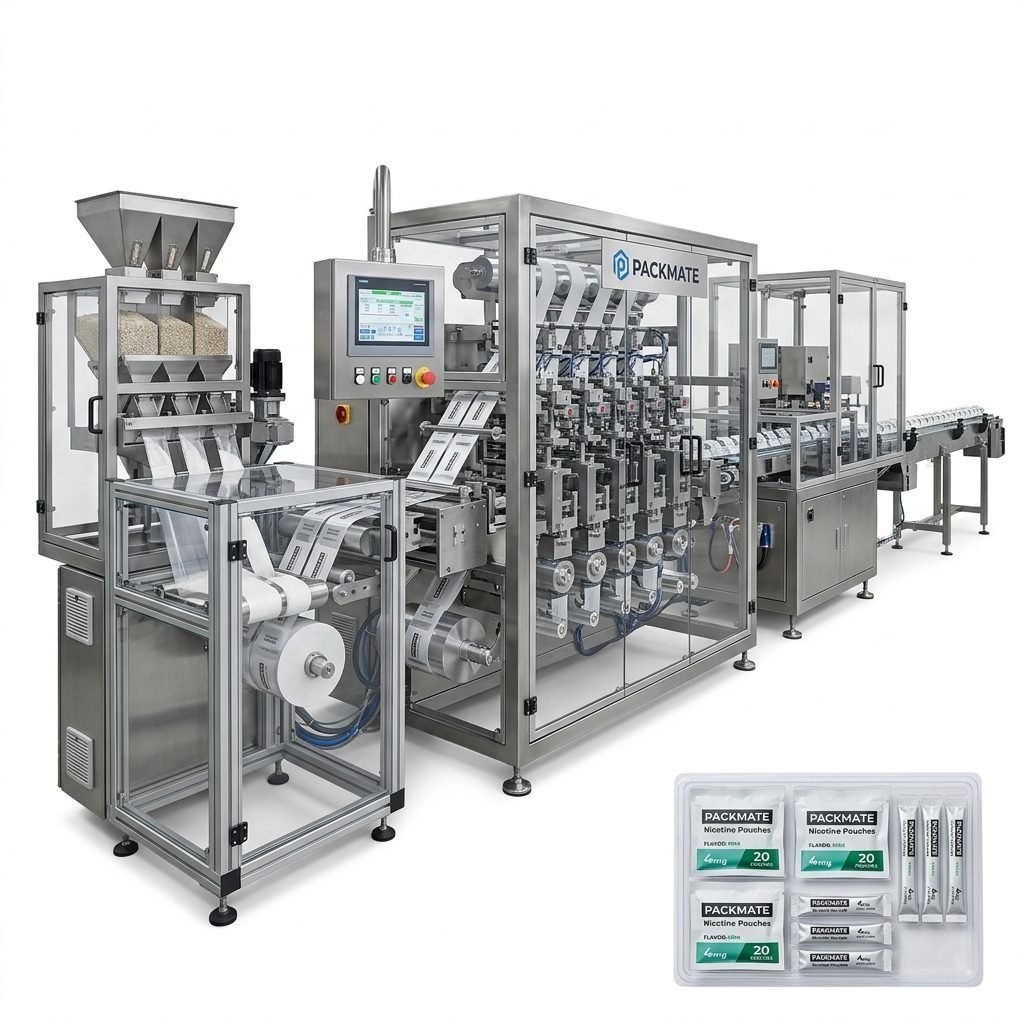
Bag & Pouch Packaging Lines
If you plan multipacks or outer packaging (e.g., retail-ready boxes, pouches), look at bag and pouch solutions that integrate with your primary packing machine. These lines can bundle single pouches into consumer packs fit for Malawi’s retail channels. Learn more:
Bag & Pouch Packaging Machines.
Key tip: For Malawi small and medium enterprises, a modular machine that can be upgraded from single-lane to multi-lane helps balance initial costs with future growth.
⚙️ Evaluate Capacity, Accuracy and Flexibility
Production capacity and dosing accuracy directly affect product cost and consumer trust. Consider these factors:
- Target output per shift and per day — align machine speed to realistic sales forecasts in Malawi.
- Dosing precision — nicotine levels need consistent dosing to meet safety and labeling requirements.
- Flexibility — ability to run different pouch sizes, formats, and materials reduces downtime when product SKUs change.
🧾 Regulatory Compliance & Food Safety
Malawi requires adherence to import, labeling and health regulations that may apply to nicotine products. Choose machines from reputable manufacturers with international certifications such as CE and ISO — these demonstrate basic compliance with safety and hygienic design. Packmate Snus Machine, for example, offers equipment with global-standard certifications; find company details at
About Packmate.
Important: Ensure the machine materials are food-grade, easy to clean, and that the manufacturer provides documentation for material safety and sanitation protocols.
🔧 After-Sales Service, Spare Parts and Local Support
In Malawi, availability of spare parts and responsive technical service is crucial. Ask suppliers about:
- Local agents or regional service teams who can dispatch technicians quickly.
- Standard spare parts lists and lead times for replacement parts shipping to Malawi.
- Remote diagnostic capabilities and training for your operators and maintenance staff.
For integrated lines, consider suppliers that offer comprehensive solutions including weighing, filling and auxiliary equipment — an example resource is
Weighing & Packaging Systems.
💸 Total Cost of Ownership (TCO) vs. Purchase Price
Look beyond the sticker price. TCO includes installation, training, spare parts, electricity consumption, maintenance, and potential downtime. In Malawi, energy reliability can vary — machines with lower power peaks or options for backup power handling will reduce unexpected costs.
Ask the supplier for a projected TCO over 3–5 years and for references from customers in similar climates or markets. Case studies can be found at
Case.
📐 Installation, Plant Layout and Utilities
Plan layout carefully to ensure smooth material flow, safety, and compliance with Malawi’s workplace practices. Consider:
- Floor strength, clearances, and local building codes.
- Power supply voltage/frequency compatibility and protection against surges.
- Ventilation and humidity control to protect product quality.
Note: Ask the supplier for installation drawings and a utilities checklist. Many manufacturers, such as those offering full production lines at
Filling & Packaging Lines, provide pre-shipment inspections and commissioning.
🤝 Supplier Selection and Trust Signals
Choosing a reliable manufacturer is essential. Evaluate potential suppliers on:
- Industry experience and documented projects — e.g., companies with decades of packaging machine R&D and a wide model range.
- Certifications and international compliance: CE, ISO, etc.
- Factory capabilities and quality control processes — evidence of CNC machining, precision assembly and testing.
- Customer testimonials and exhibition participation — attending trade shows suggests a committed global presence.
For a supplier with deep experience in snus and nicotine pouch machines, explore their product families and support services before you decide.
🚚 Logistics, Import and Local Duties
Freight, customs clearance, and local duties affect lead time and final cost. Work with logistics partners familiar with Malawi ports and land routes. Ensure the commercial invoice, packing list and machine documentation match Malawi’s import requirements to avoid delays.
📋 Factory Acceptance Testing (FAT) and Commissioning
Insist on FAT to verify performance, dosing accuracy, and changeover times before shipment. Once machines arrive in Malawi, supervised commissioning ensures the equipment meets expected output and operator training is effective. Suppliers offering remote support and on-site commissioning can shorten downtime and accelerate production start-up.
Checklist before purchase: FAT results, spare parts list, training schedule, warranty details, installation drawings, and local service arrangements.
📈 Scaling Up in Malawi: Practical Advice
When demand grows, your packaging line must scale without major disruption. Consider:
- Modular machines that allow additional lanes or modules for secondary packaging.
- Standardized components to simplify maintenance and keep spare part inventories small.
- Training local technicians to reduce reliance on international service visits.
📞 Where to Get Help & Next Steps
Start by shortlisting suppliers with product lines suited to nicotine pouch production and inquire about demo videos, FAT reports and local references. If you need turnkey solutions, explore full-line providers and their integration services — many list offerings under
Auxiliary Packaging Equipment and related pages.
Final considerations
Choose a partner who understands nicotine pouch production nuances, offers reliable documentation, and provides strong after-sales support that can be mobilized for Malawi. Verify compliance, request performance proof, and plan installation with local conditions in mind.
Frequently Asked Questions
Q1: How do I ensure the machine meets Malawi’s regulatory needs?
A1: Choose machines with CE/ISO certifications and request documentation from your supplier. Confirm labeling, ingredient declarations and import paperwork comply with Malawi authorities. Work with a local legal or regulatory advisor if needed.
Q2: What spare parts should I stock locally in Malawi?
A2: Keep critical wear parts (seals, belts, dosing components, sensors), common electrical spares (fuses, relays), and a small set of mechanical fasteners. Prioritize parts that take long lead times to ship internationally.
Q3: Can I start with a smaller machine and upgrade later?
A3: Yes — many manufacturers offer modular or multi-lane upgrade paths. Confirm upgradeability before purchase and ensure spare parts and control systems are compatible with future modules.
Q4: What local customs should I consider for marketing packaging in Malawi?
A4: Use bilingual labeling (English and Chichewa), emphasize hygiene and convenience, and design smaller retail-friendly pack sizes. Consider cultural preferences for colors and discreet formats for urban consumers.
Q5: Where can I view machine catalogs and contact suppliers?
A5: Visit supplier catalogs and contact pages for product specifications, catalog downloads, and direct inquiries. For example, you can check product catalogs and contact details at
Catalog and
Contact Us.