Entering the nicotine pouch or snus packaging business in Tajikistan requires more than just purchasing equipment — it requires choosing the right packaging machinery manufacturer that understands local market needs, regulatory considerations, maintenance realities, and cultural habits. This guide walks you step-by-step through how to choose the best nicotine packaging machinery manufacturer for your business in Tajikistan, offering practical evaluation criteria, negotiation tips, and operational insights to ensure your production line performs reliably and profitably.
🔍 Understand the Tajikistan Market & Cultural Context
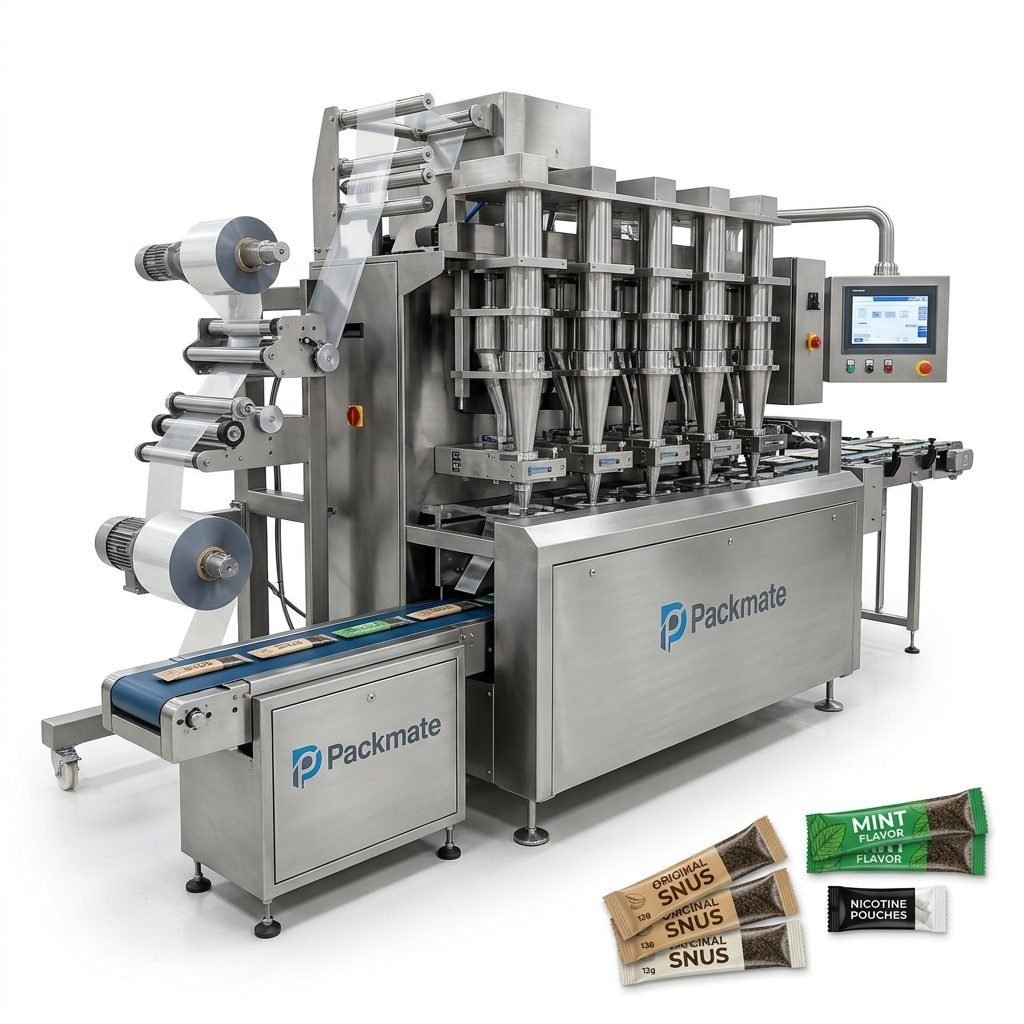
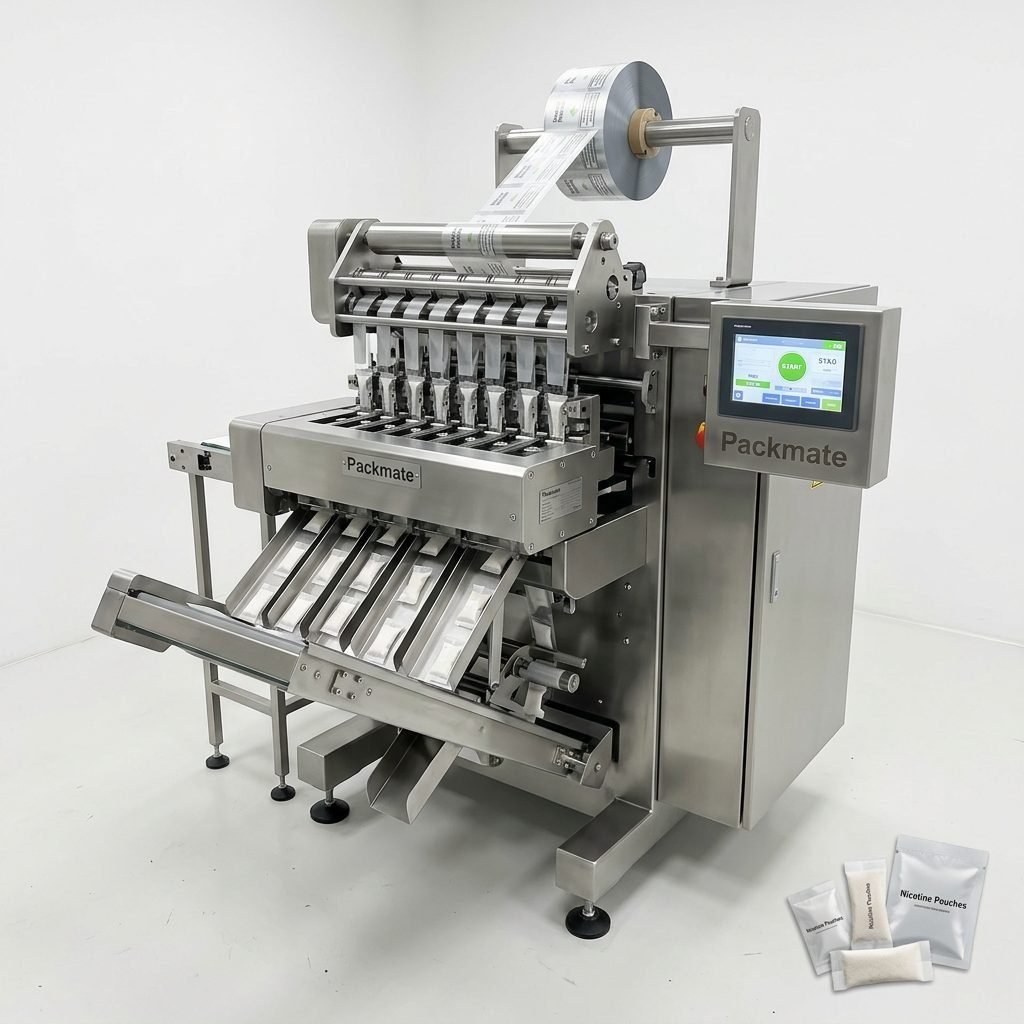
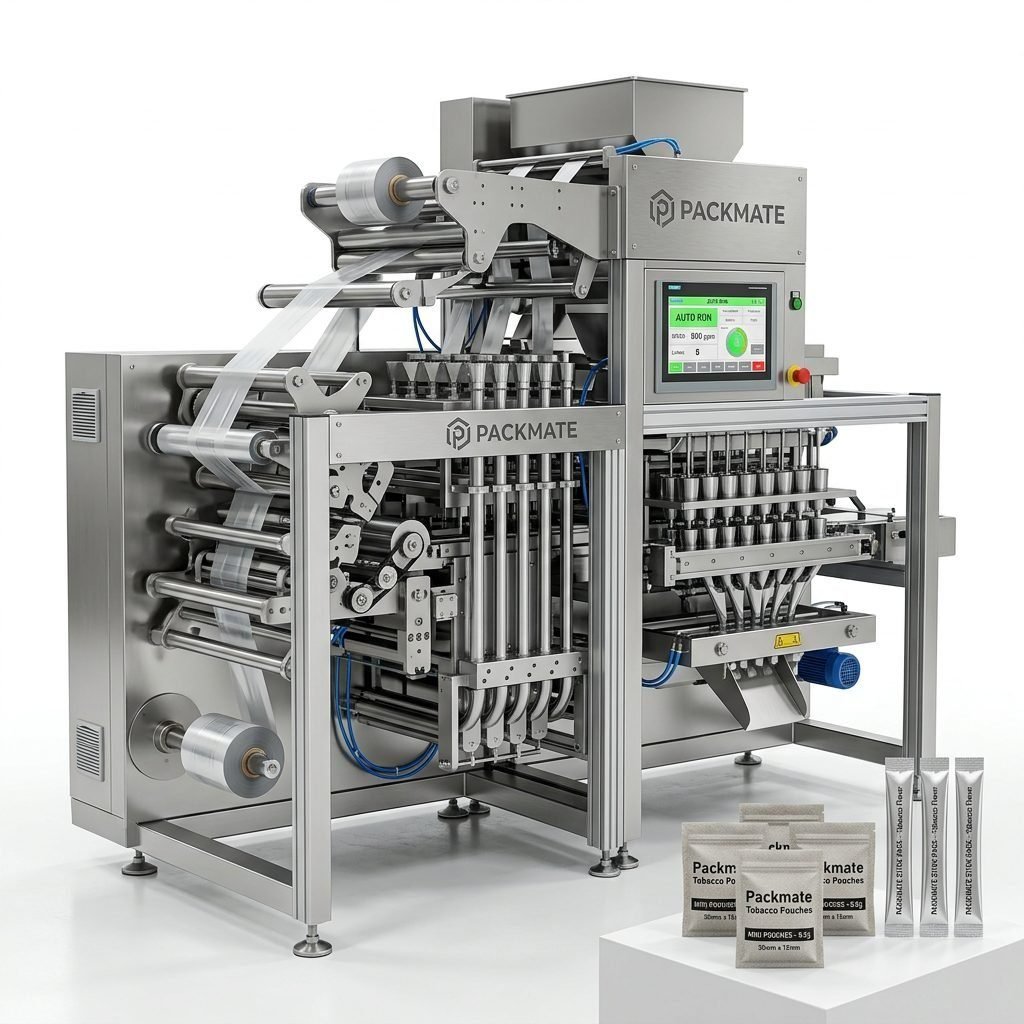
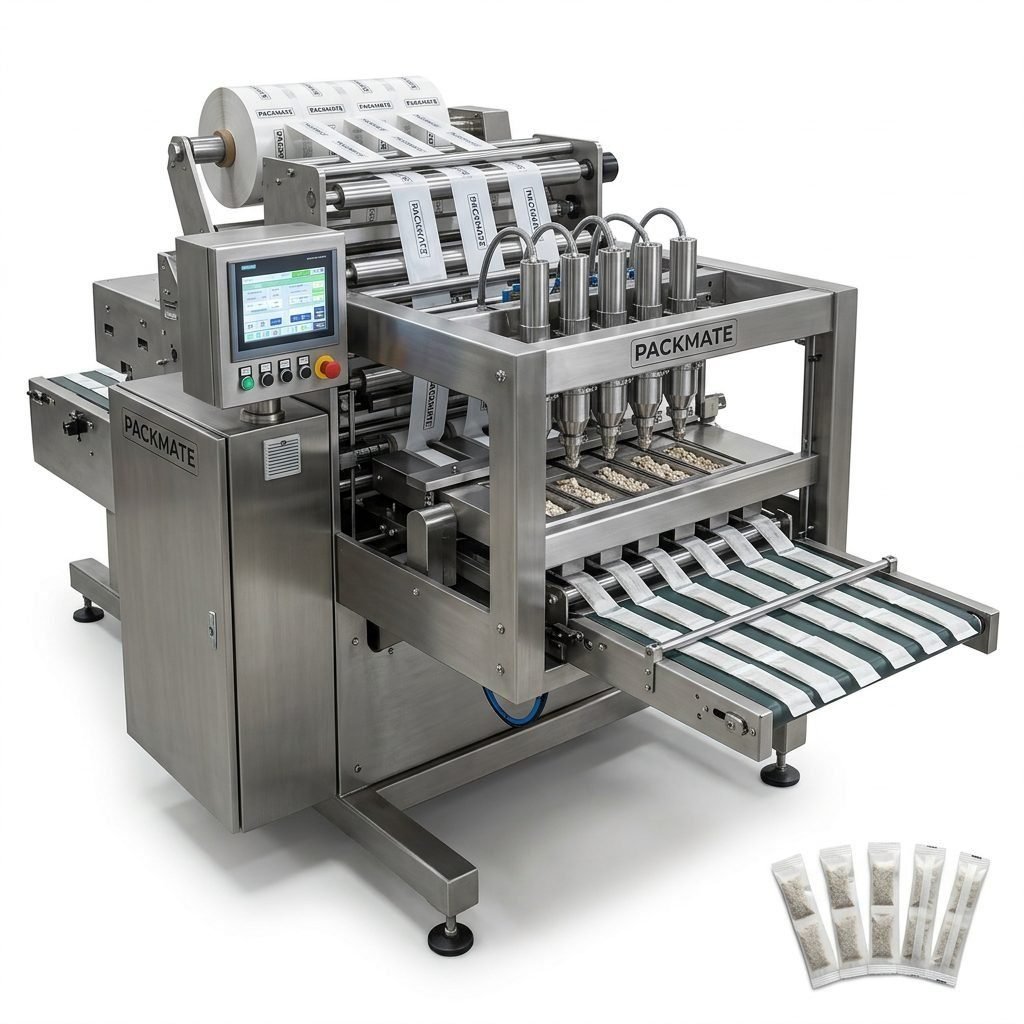
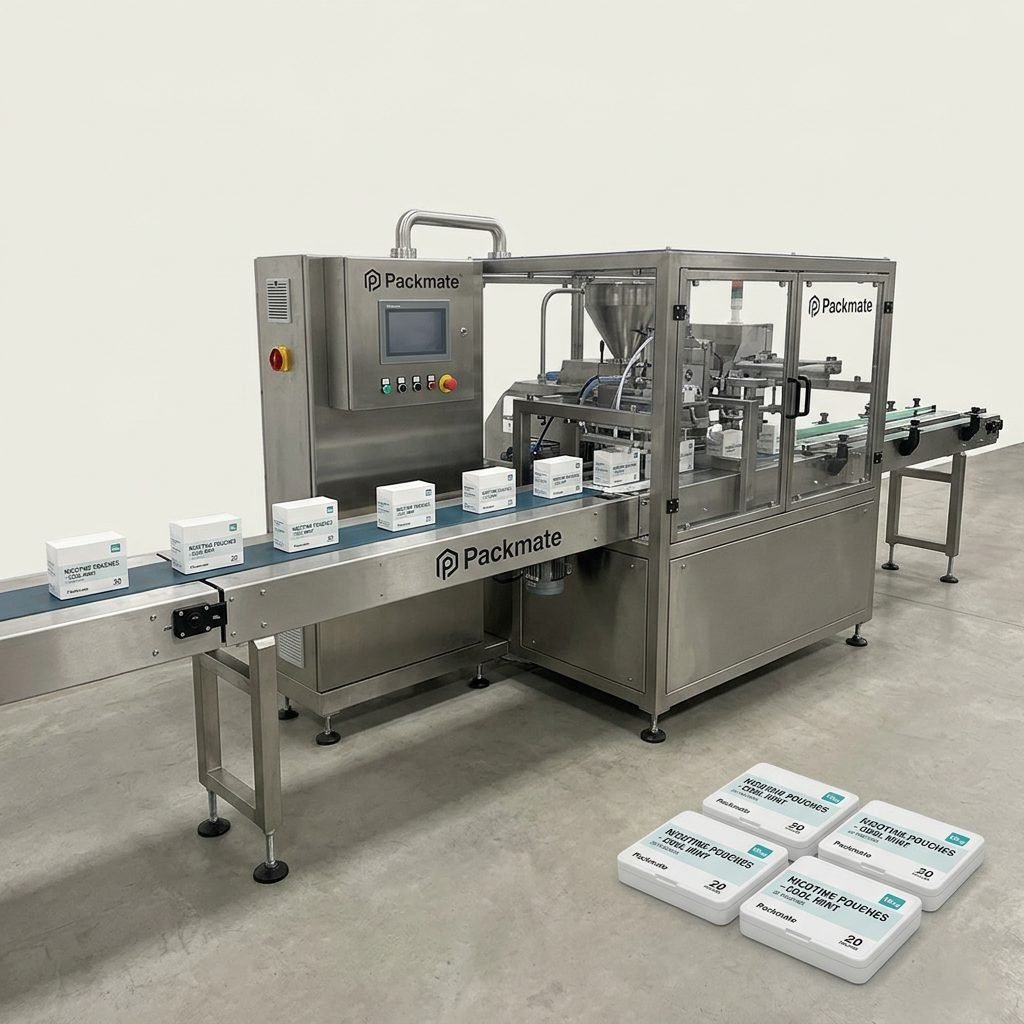
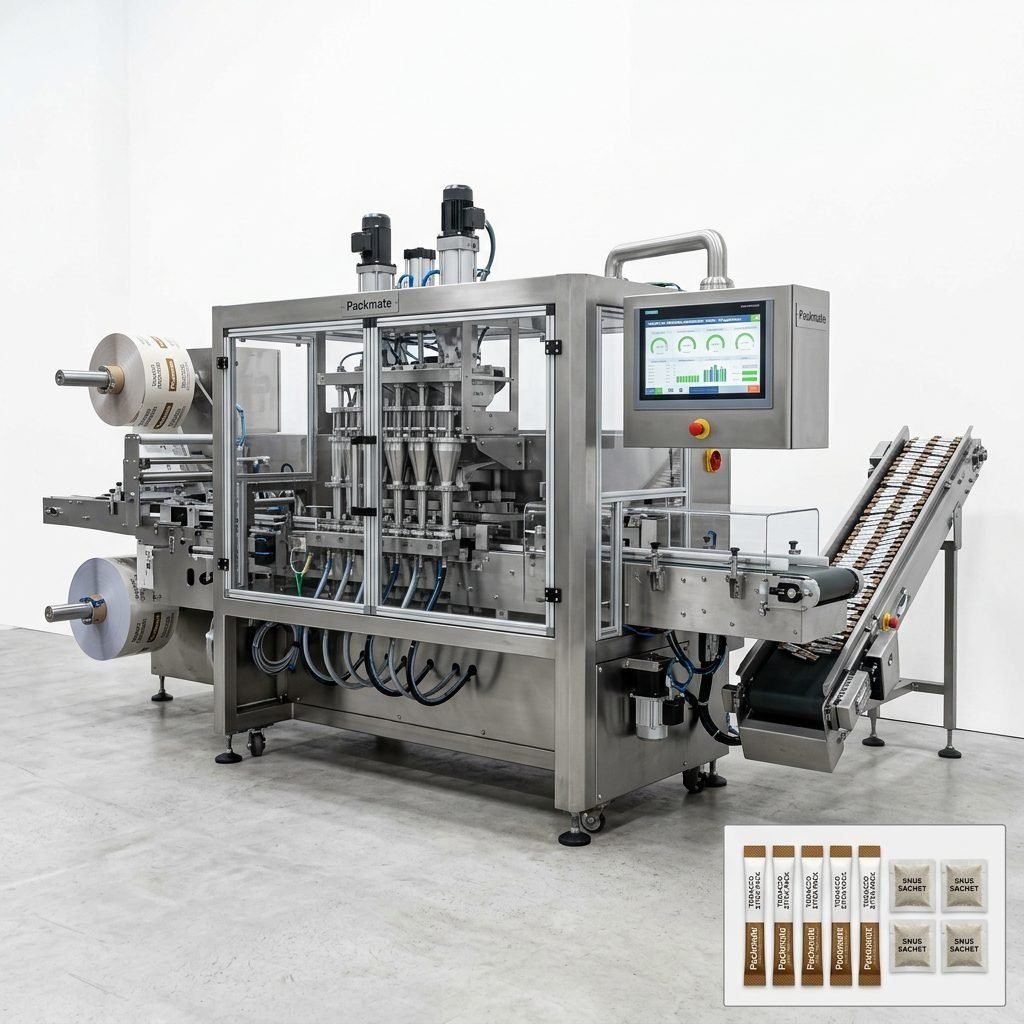
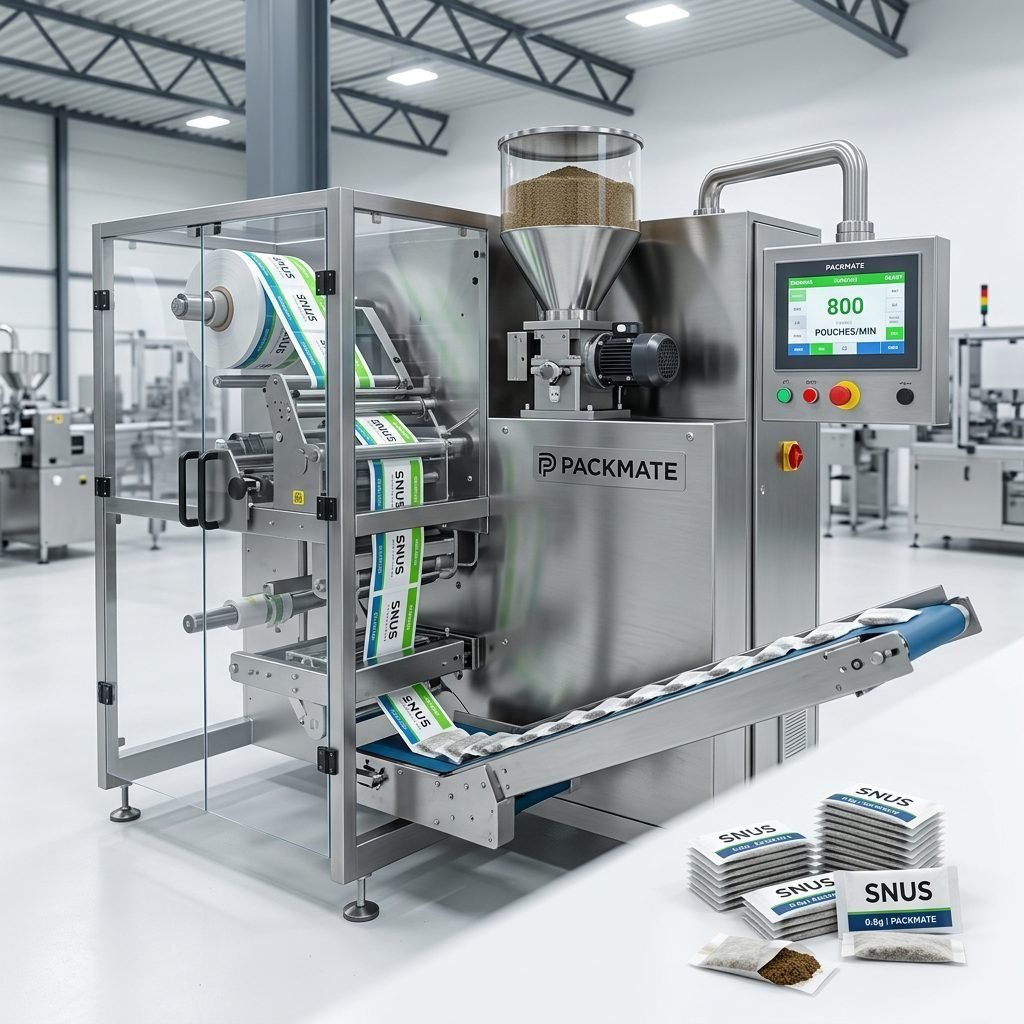
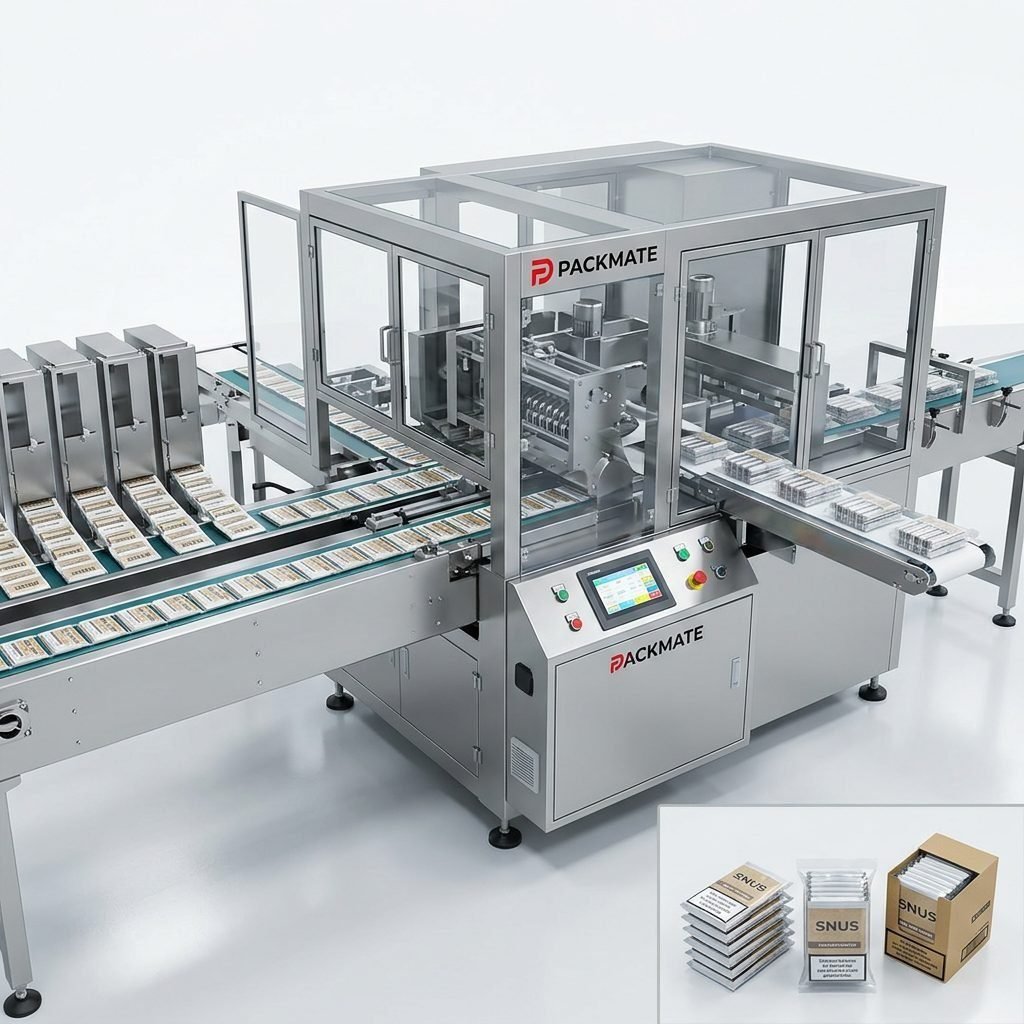
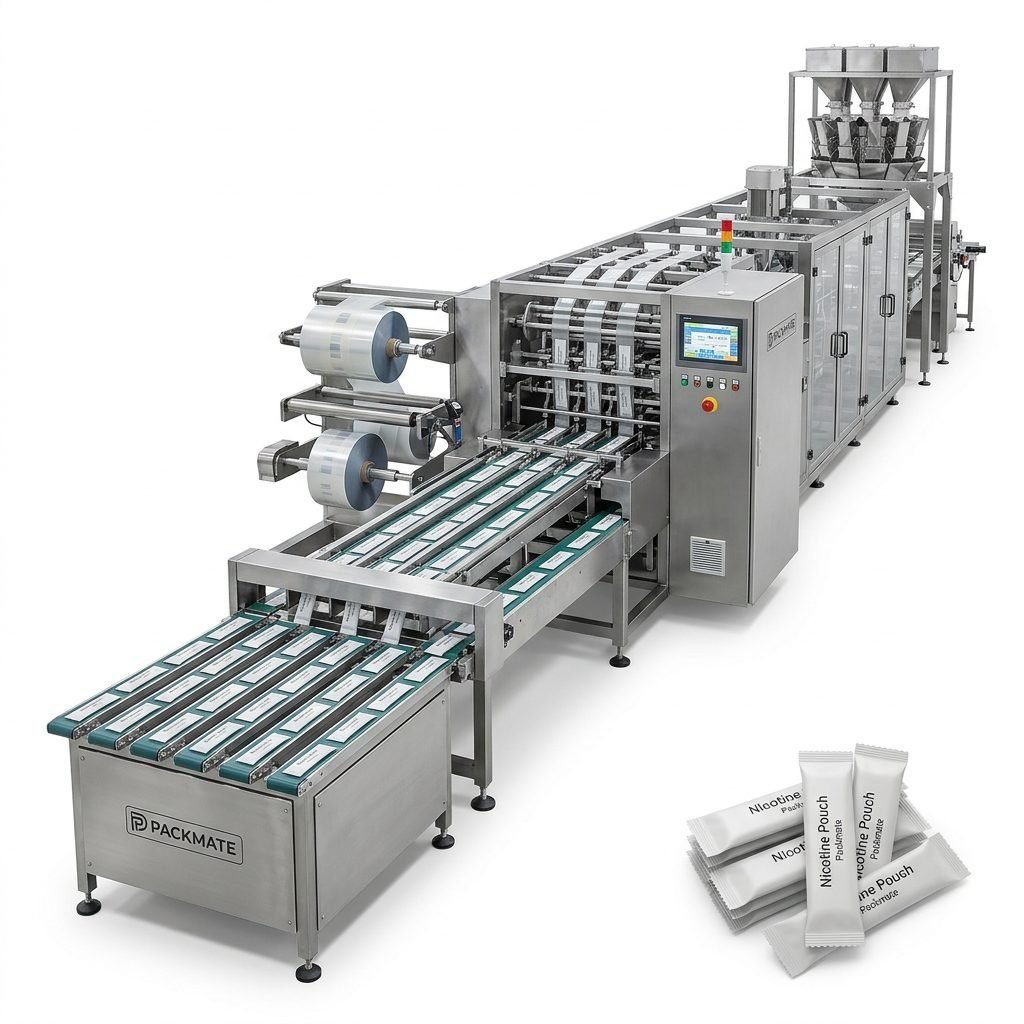
Tajikistan is a country with strong cultural traditions and a majority Muslim population. While nicotine pouch and snus consumption patterns differ from Western Europe or Scandinavia, demand can grow in urban centers and among specific consumer groups. When selecting a manufacturer, prioritize partners who can adapt packaging formats and labeling to local customs, language requirements (Tajik/Russian), and market preferences. A machine that can produce multiple pouch sizes and types — such as stick packs, sachets, and multi-lane snus pouches — will help you test the market efficiently.
✅ Local compliance and labeling
Ensure the manufacturer can advise on packaging materials and label print areas that meet Tajikistan’s import, health, and labeling rules. Manufacturers with international experience will be familiar with CE and ISO certifications and can help customize machine outputs for local language text, health warnings, and logistics markings.
Tip: Work with suppliers who provide documentation and templates for compliant labeling. This shortens time to market and minimizes regulatory risk in Tajikistan.
🏭 Evaluate Manufacturer Capabilities and Factory Strength
A reliable manufacturer should demonstrate strong engineering experience, factory capacity, and quality controls. Look for clear evidence of advanced CNC machining, precision assembly lines, and a disciplined quality testing system. These attributes correlate directly with machine stability, uptime, and long-term performance.
When reviewing potential suppliers, ask for:
• Production facility size and layout; • The range of machine models and customization options; • Certifications (CE, ISO); • Quality testing and acceptance procedures; • Spare parts supply and lead times.
Manufacturer snapshot: A factory area around 20,000㎡ with advanced CNC centers and 50+ machine models indicates serious production capacity and flexibility for customized snus & nicotine packaging solutions.
🔧 Key Technical Features to Compare
Focus on technical capabilities that matter most for nicotine pouch production:
• Multi-lane capability to boost throughput for small-dose pouches.
• Accurate dosing systems for powders and granules, including reliable weighing modules.
• Flexible pouch formats: stick pack, sachet, snus pouch widths and lengths.
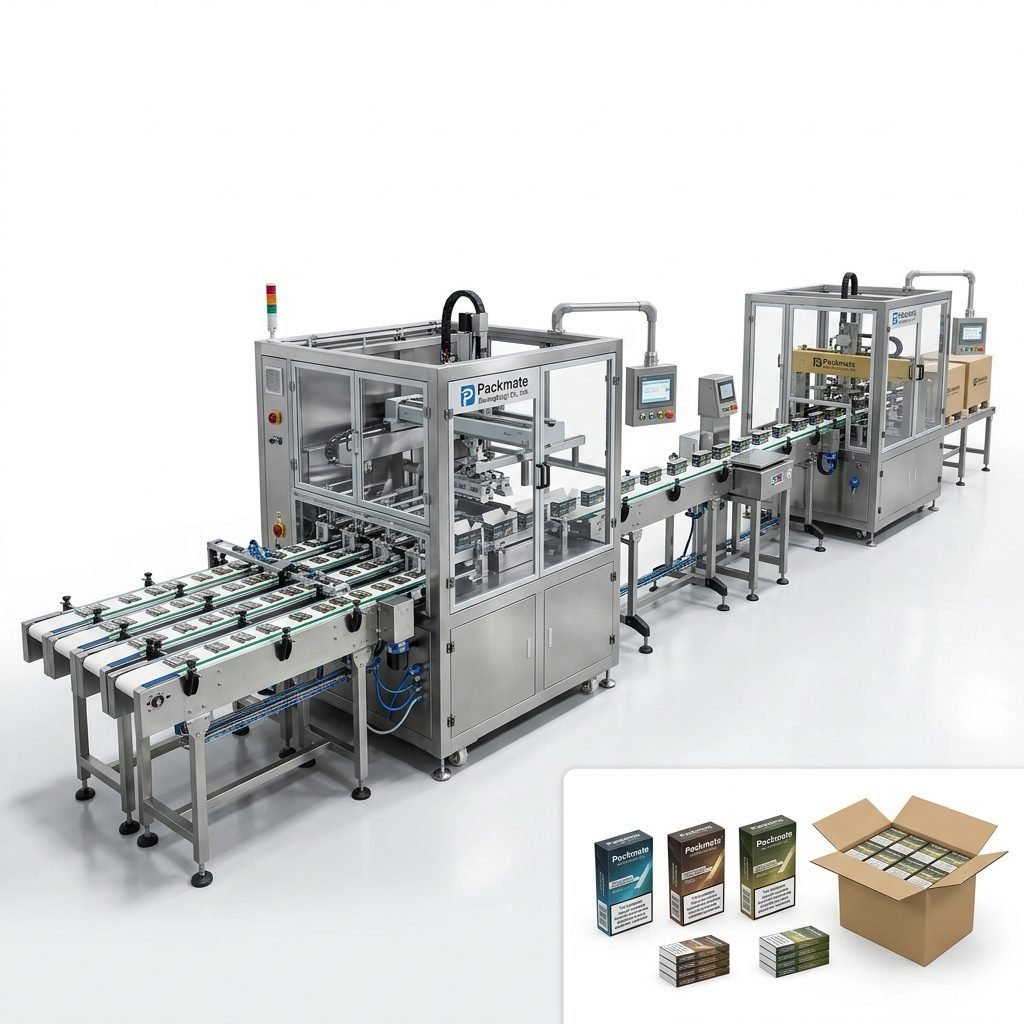
• Integration options: feeders, conveyors, checkweighers, and secondary packaging lines.
• PLC control systems with user-friendly HMI and multilingual support (English/Russian).
• Robust sealing technology for moisture-sensitive nicotine products.
• Easy-to-source spare parts and modular components for quick on-site repairs.
Pro checklist: Verify machine throughput (pouches per minute), accuracy of dosing systems, and whether the manufacturer offers full turnkey lines including filling & packaging lines and auxiliary equipment.
📄 Certifications, Testing & After-Sales Support
International certifications like CE and ISO signal compliance with global quality and safety standards. But post-installation service is equally critical, especially for Tajikistan where immediate local support may be limited.
Ask potential manufacturers about:
• Commissioning support and on-site installation timelines.
• Local or regional service partners, and language capabilities of technical teams.
• Remote diagnostics, training materials, and spare parts kits shipped with the machine.
• Warranty terms and preventive maintenance schedules.
• References from other customers in Central Asia, if available.
Important: A manufacturer that offers remote support, clear spare parts pricing, and training in Russian or Tajik will reduce downtime and increase the likelihood of smooth operations in Tajikistan.
💼 Commercial Terms, Delivery & Financing
Negotiating favorable commercial terms can save considerable cost and help you expand faster. Clarify lead times, payment schedules, import assistance, and logistics support. Ask whether the manufacturer can handle FOB, CIF, or DDP terms to Tajikistan, and what export documentation they provide.
Payment and delivery considerations:
• Typical lead times for customized snus packing lines and spare parts.
• Payment schedules — deposit, milestone payments, and final payment upon factory acceptance.
• Packing standards for international transport (wooden crates, shock protection).
• Training and commissioning inclusions, and whether travel costs are covered.
• Options for leasing, financing, or staged deployment if cash flow is constrained.
🤝 References, Case Studies & Field Visits
Ask for customer references and case studies relevant to nicotine pouch packaging. If possible, visit the manufacturer’s factory or attend an exhibition where they display running machines. Seeing a machine in operation helps validate claims about speed, accuracy, and build quality.
Manufacturers with global exhibition presence and documented case studies provide stronger proof of reliability and market acceptance. Review examples of turnkey solutions, multi-lane snus systems, and integrated filling & packaging lines.
Useful links to learn more about specific machine types and solutions:
Snus & Nicotine Packaging Machines,
Bag & Pouch Packaging Machines,
Filling & Packaging Lines,
About Packmate
🧩 Customization & Turnkey Solutions
Your product requirements — pouch shape, filler type (powder, granule, liquid), and output capacity — should determine whether you need a standard machine or a fully customized turnkey solution. Turnkey providers manage everything from weighing systems to secondary packing and cartonizing. This is particularly valuable if you want a single point of responsibility from one supplier.
Note: Factory-provided turnkey lines often include auxiliary packaging equipment and weighing & packaging systems to guarantee consistent dosing and efficient secondary packaging.
🛠️ Practical On-Site Considerations in Tajikistan
Real-world operations in Tajikistan introduce additional practical considerations:
• Power supply stability — ensure the machines have compatible voltage and surge protection.
• Skilled operators — arrange training in Russian or Tajik to speed onboarding.
• Spare parts inventory — keep a starter kit on-site for critical wear parts.
• Environmental control — nicotine pouches are moisture-sensitive; evaluate packaging room humidity control.
• Local transport — consider road and customs conditions for bulky equipment coming into Dushanbe or other Tajik cities.
🔑 Supplier selection checklist
Checklist items:
• Confirm CE/ISO certification and factory capability.
• Validate dosing accuracy and multi-lane throughput.
• Check spare parts lead times and local service arrangements.
• Request factory acceptance test (FAT) with video and documentation.
• Negotiate clear warranty, commissioning, and training terms.
📦 Logistics, Import & Aftercare
A dependable manufacturer will help coordinate export packing, customs documentation, and advise on the best delivery terms to Tajikistan. After machine arrival, prioritize commissioning with the manufacturer or certified technicians and schedule preventive maintenance contracts to keep production stable.
Consider a service agreement that includes:
• Remote troubleshooting and software updates.
• Annual preventive maintenance visits.
• Consumables and wear-part replenishment plans.
• Operator refresher training sessions.
📣 Final selection roadmap
Summarizing the selection process into actionable steps:
1) Define product formats, target capacity, and initial budgets.
2) Shortlist manufacturers with strong factory capacity and relevant snus experience.
3) Request detailed proposals, FAT videos, and local references.
4) Review commercial terms, warranty, and service level agreements.
5) Plan for installation, operator training, and spare parts stocking before shipment.
Quick recap: Prioritize technical fit, factory strength, certifications, and reliable after-sales support. Manufacturers that can deliver turnkey solutions and multilingual training will accelerate your success in Tajikistan.
📌 Useful resources & contacts
Learn more about specific machine categories and services that are commonly used for snus and nicotine pouch production:
• Snus & Nicotine Packaging Machines
• Bag & Pouch Packaging Machines
• Filling & Packaging Lines
• Contact Us for direct inquiries and tailored quotations.
🧾 Frequently Asked Questions
Q1: What machine certifications should I insist on?
Prioritize CE and ISO certifications to ensure safety and manufacturing quality. Also request detailed quality control documentation, FAT records, and references from customers using similar lines.
Q2: How important is local after-sales service for Tajikistan?
Very important. Look for suppliers who provide remote diagnostics, Russian-language support, and reasonable spare part shipping times. A local or regional service partner will greatly reduce downtime.
Q3: Can a manufacturer supply turnkey packaging lines?
Yes. Many experienced suppliers offer turnkey systems, integrating weighing, filling, packaging, and secondary packaging. Verify scope, timelines, responsibilities, and test procedures before signing.
Q4: How should I handle labeling and regulatory compliance?
Work with the manufacturer to design label areas and ensure artwork accommodates local language and health warnings. Engage a local regulatory consultant to confirm compliance with Tajikistan import and consumer protection rules.
Q5: What is the typical lead time for a customized snus packaging line?
Lead times vary based on customization, spare parts, and factory schedules. Typical ranges are from a few weeks for standard models to several months for fully customized multi-lane turnkey systems. Always confirm delivery timelines in writing and request a production schedule.