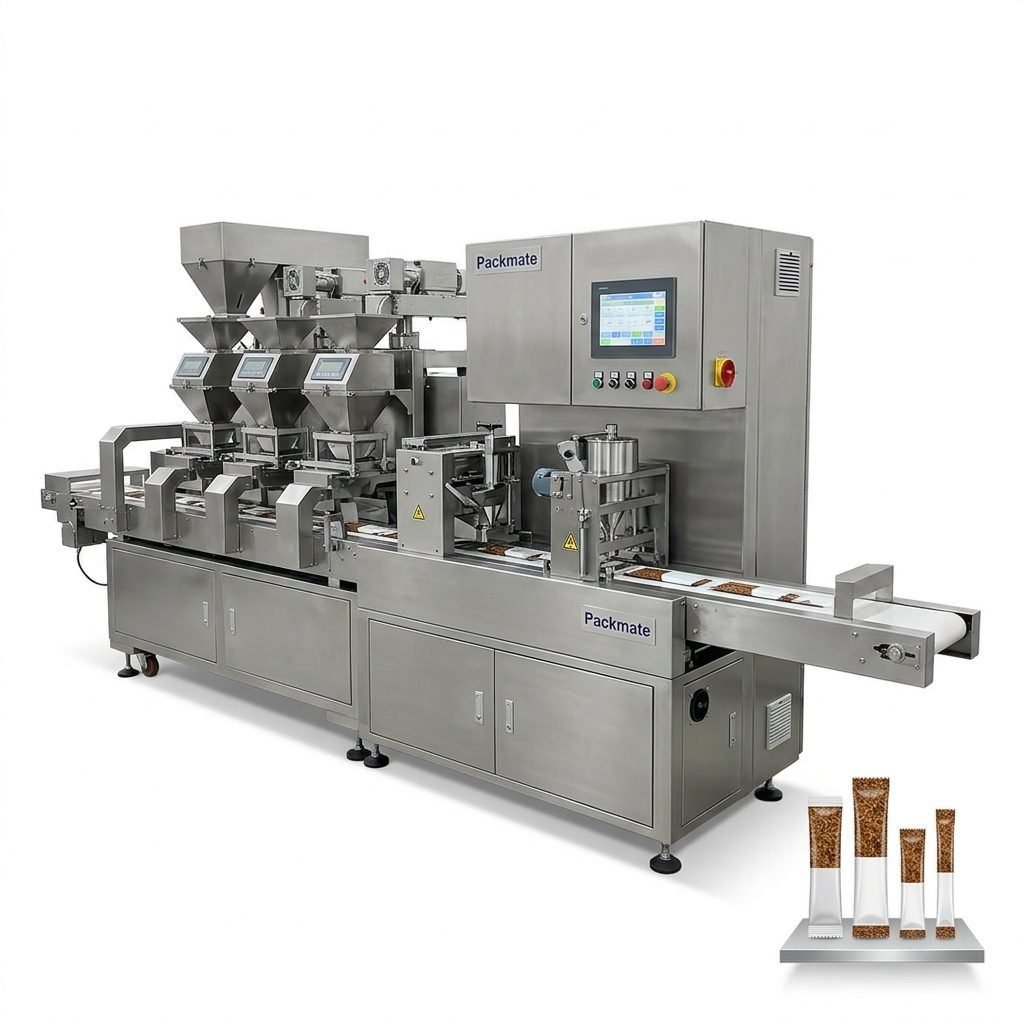
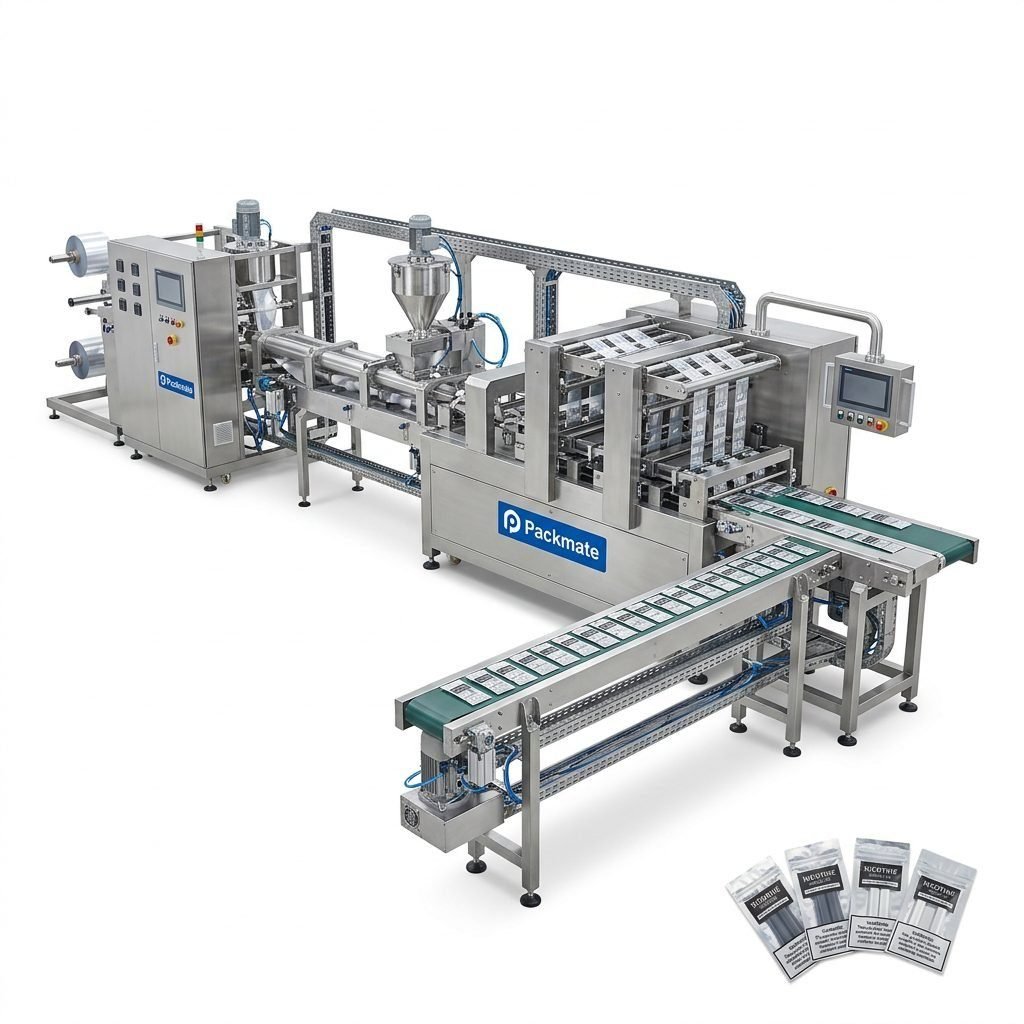
Choosing the right nicotine packaging machine manufacturer in Georgia can determine the efficiency, compliance, and scalability of your nicotine pouch or snus production. Whether you are launching a small-batch nicotine pouch brand in Atlanta or scaling multi-lane production for distribution across the southeastern United States, the decision involves technical, regulatory, and commercial considerations. This guide walks you through practical steps and evaluation criteria so you can select the best partner for your business needs.
Understand the Georgia Market and Local Business Culture 🔍
Georgia’s manufacturing and logistics environment benefits from major transport hubs (like Hartsfield-Jackson Atlanta International Airport and the Port of Savannah) and a growing entrepreneurial ecosystem. Local buyers value reliability, quick lead times, and clear after-sales support. When evaluating manufacturers, consider how well they handle shipping, spare parts availability, and local documentation—these practical aspects often influence day-to-day operations more than raw machine specs.
Key local considerations:
– Regional distribution channels and the seasonality of retail demand in the Southeast.
– Preference for turnkey solutions among businesses that want minimal setup time.
– The expectation of responsive technical support or onsite commissioning, especially for first-time packhouse operators.
⚠️ Tip: If you plan to sell across multiple U.S. states, verify that the equipment and filling processes can align with varying state labeling and ingredient disclosure requirements. Choose a manufacturer experienced with global standards who can support documentation and validation.
Evaluate Manufacturer Experience and Track Record 🏭
Experience matters in nicotine pouch packaging because tolerances, anti-contamination practices, and pouch handling are different from general food or pharmaceutical lines. Look for manufacturers with a documented history in snus and nicotine packaging, multi-lane systems, and cases of successful installations. A strong candidate should provide case studies, factory credentials, and references.
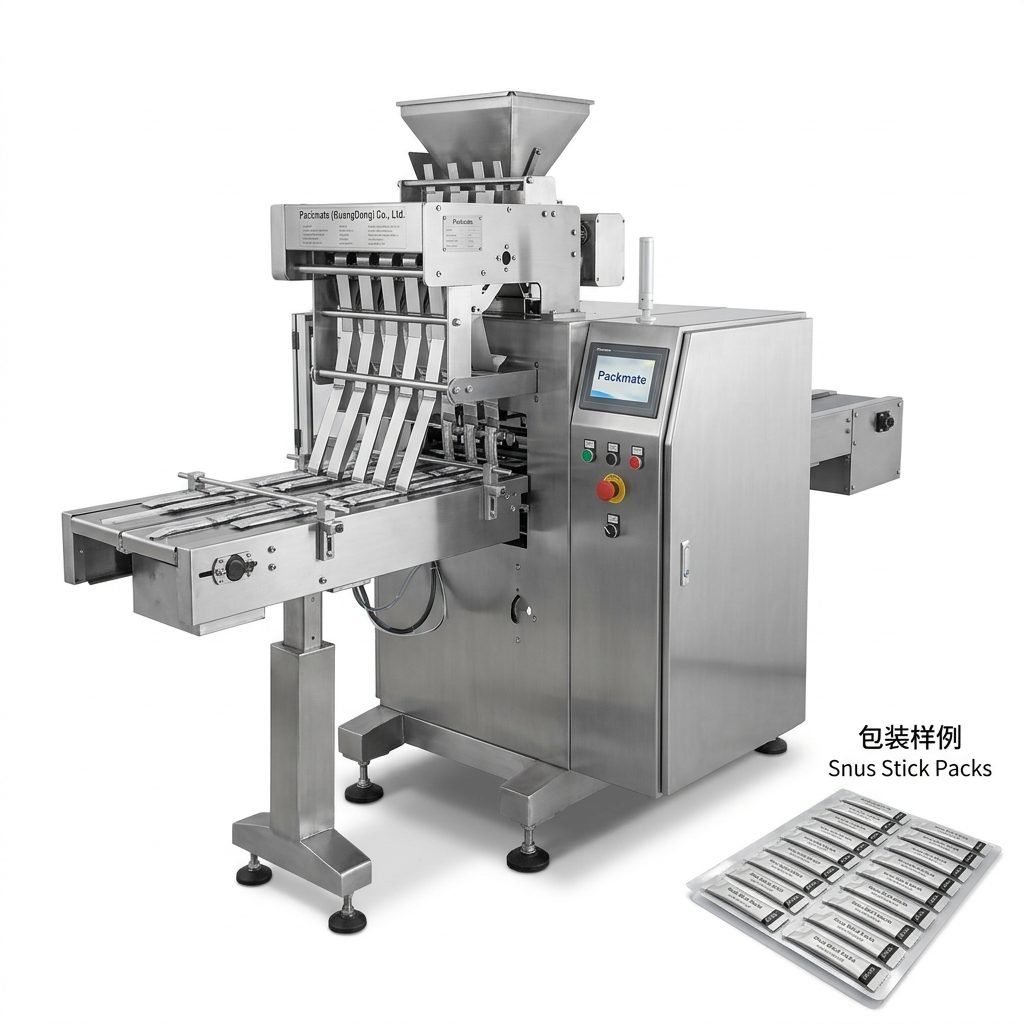
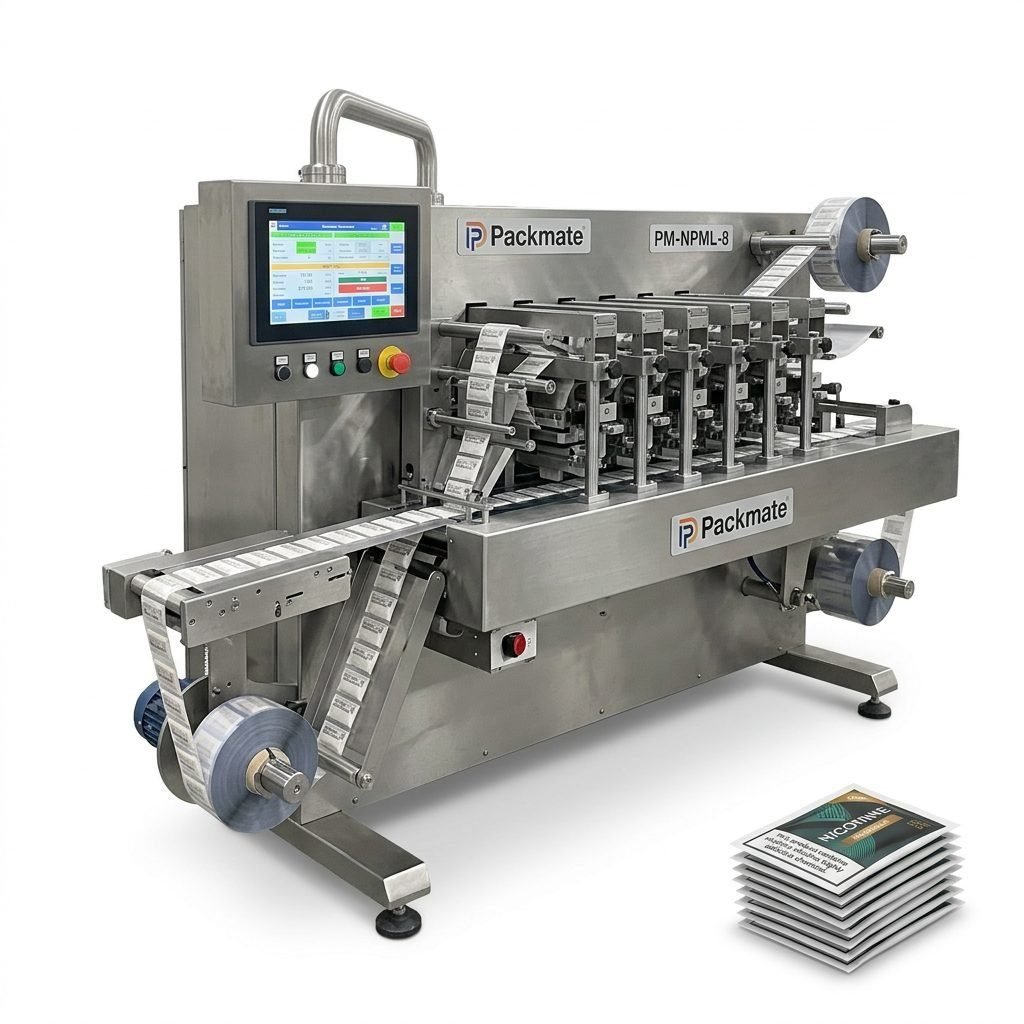
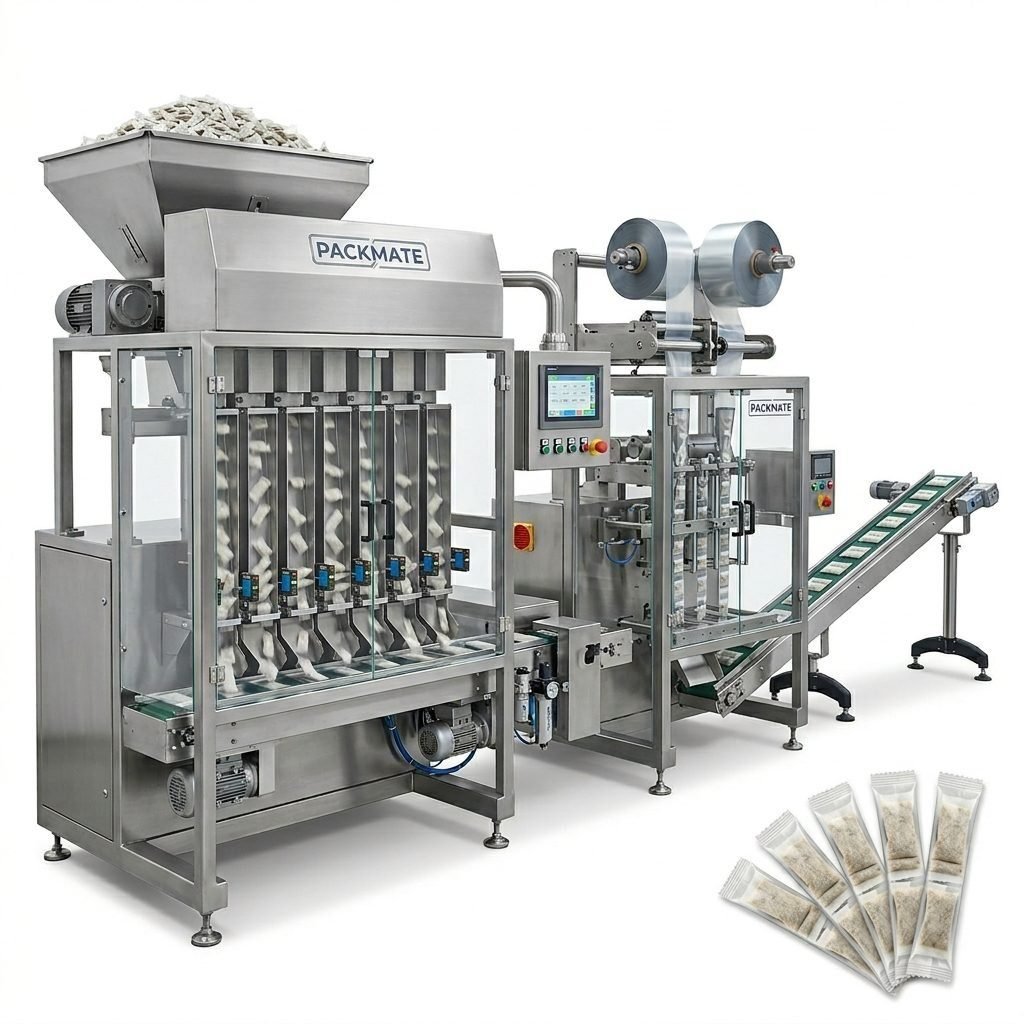
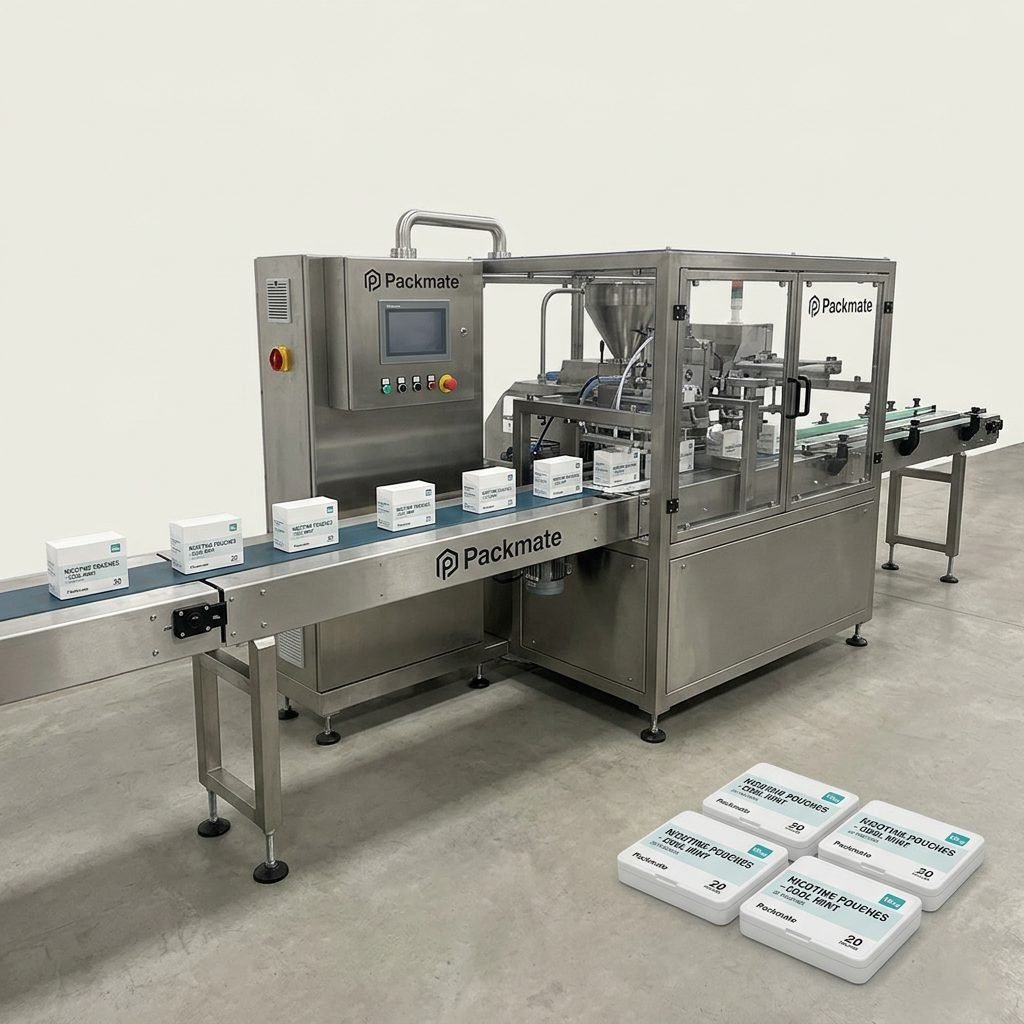
Packmate Snus Machine, for example, brings over three decades of engineering and specializes in snus/nicotine pouch lines. Their factory scale, certifications, and multi-model offerings can be useful evidence when comparing vendors. Learn more about their product range at Snus & Nicotine Packaging Machines.
What to request from a manufacturer:
– Portfolio of installed projects and performance metrics.
– On-site references or virtual machine demonstrations.
– Factory size, CNC and assembly capabilities, and quality control procedures.
Machine Types & Production Flexibility ⚙️
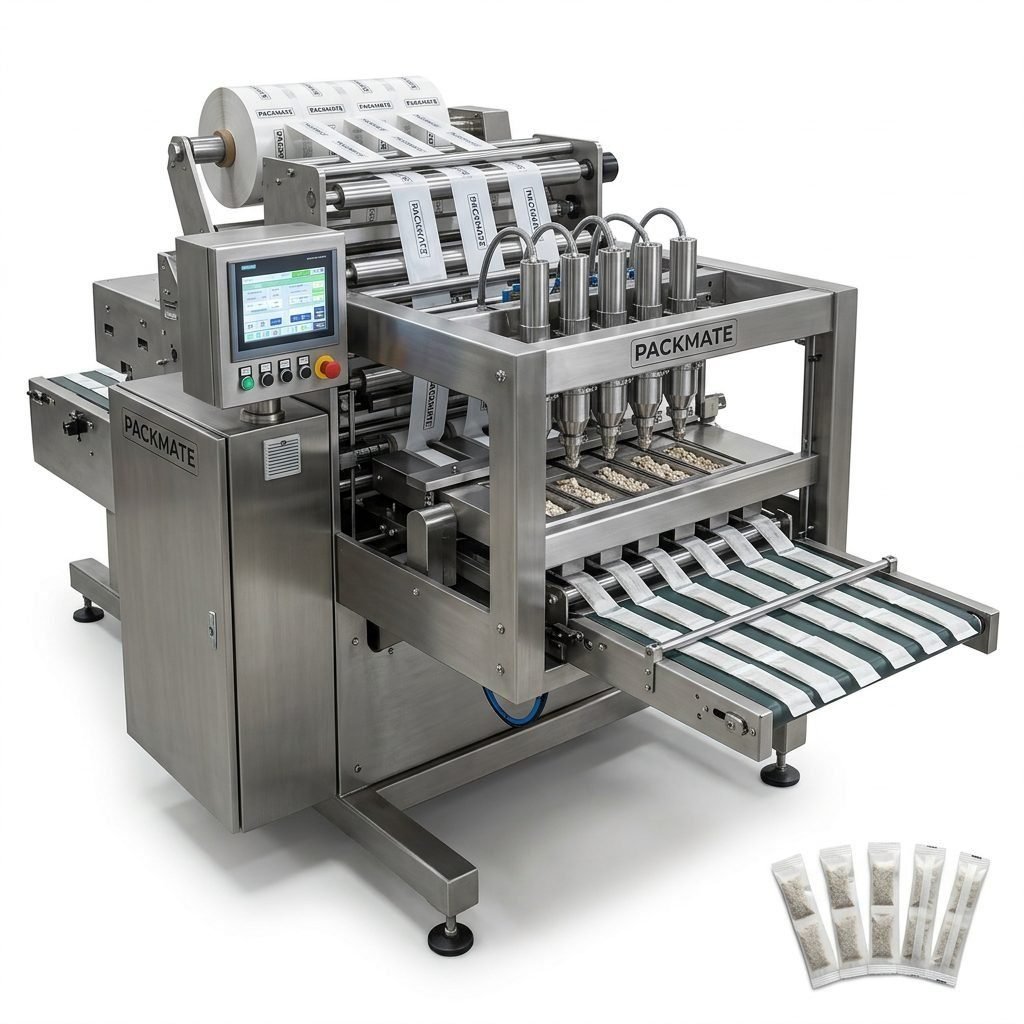
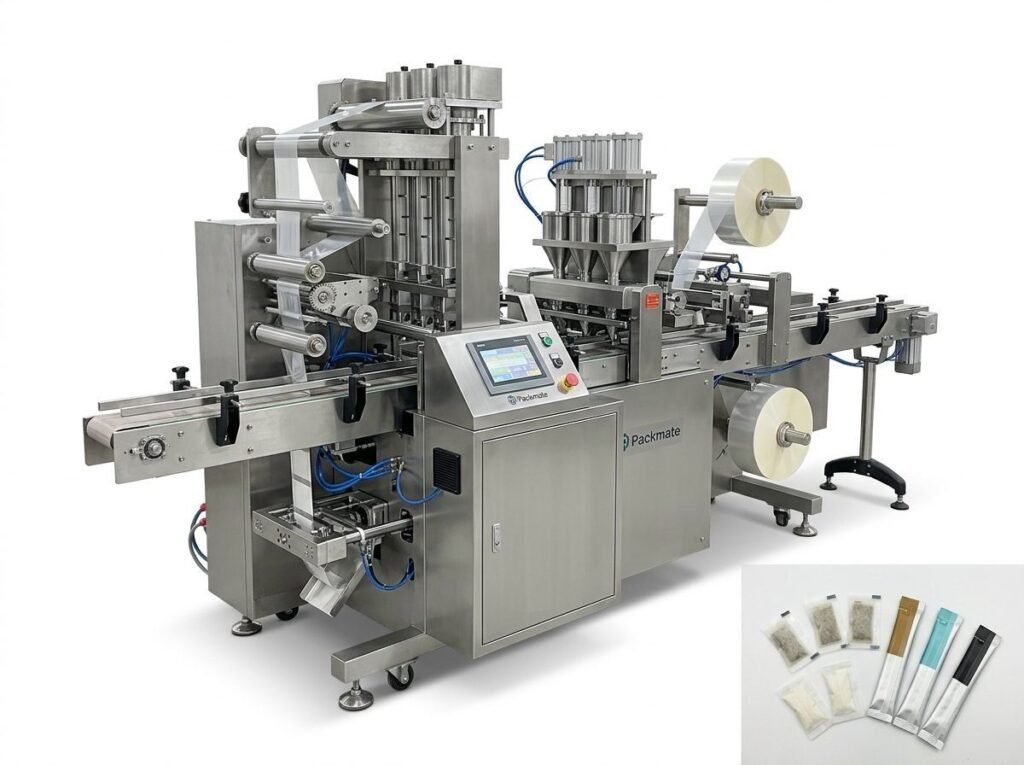
Your product format—stick packs, sachets, single or multi-lane pouches—determines the type of equipment required. Multi-lane systems are ideal when you need higher throughput with compact footprints, while stick pack or sachet machines often suit smaller formats or lower-volume SKUs.
Ensure the manufacturer can deliver machines that handle your target fill weights, pouch dimensions, and packaging materials (foil, paper laminate, heat-sealable films). A manufacturer with modular or customizable systems helps minimize downtime for format changeovers and supports future product innovation.
Explore related solutions like Sachet & Stick Pack Machines and Weighing & Packaging Systems when your product involves blended powders or precise dosing.
🔧 Must-have capability: quick-change tooling and PLC recipe control. These features reduce downtime and make it faster to switch SKUs while maintaining accuracy.
Quality, Compliance & Certifications ✅
Nicotine pouch packaging must meet strict hygiene and mechanical integrity standards. Prioritize manufacturers that hold recognized certifications (CE, ISO) and that can provide compliance documentation for both machinery and electrical/electronic components.
Ask for validation protocols, acceptance testing records, and maintenance documentation. Access to spare parts and clear troubleshooting guides are crucial for minimizing downtime in Georgia’s fast-moving retail market.
Inspection checklist:
– CE and ISO certificates.
– Factory acceptance test (FAT) reports with video evidence.
– Availability of user manuals, electrical diagrams, and PLC program backups.
After-Sales Service & Local Support 🤝
Reliable after-sales service is often the difference between a smooth ramp-up and production headaches. Confirm the manufacturer’s response times for spare parts, remote diagnostics capability, and options for commissioning or training in Georgia. Local partners or distributor networks in the U.S. can greatly speed up service.
Ask whether the manufacturer provides on-site installation and operator training. The availability of virtual commissioning or remote troubleshooting can reduce travel costs and accelerate problem resolution.
Service expectations to confirm:
– Spare parts lead times and local stocking plans.
– Remote service tools (VPN/remote HMI access).
– Training packages for operators and maintenance staff.
Cost vs. Total Cost of Ownership (TCO) 💲
Initial purchase price is important, but evaluate TCO—energy consumption, spare parts costs, expected uptime, and depreciation. Higher-quality machines may cost more upfront but provide lower maintenance costs and longer service life.
Request a detailed cost breakdown for consumables, recommended spare parts, and average annual maintenance. Ask for energy consumption data and an estimated ROI scenario based on your expected production volumes.
📦 Recommendation: Compare multiple total-cost scenarios including downtime costs. A slightly higher-capability machine that reduces changeover time can deliver better margins over 2–3 years.
Logistics, Lead Times & Factory Visits ✈️
Lead time and shipping logistics matter—especially if you operate seasonal promotions or fast product launches in Georgia. Confirm the manufacturer’s typical lead times for standard models and custom builds. Factory visits or virtual walk-throughs help validate manufacturing capacity and quality procedures.
Consider port proximity and freight options: the Port of Savannah offers high-volume container capacity for imports, while air freight from major manufacturing hubs shortens delivery times for urgent parts.
Customization, Integration & Turnkey Solutions 🔗
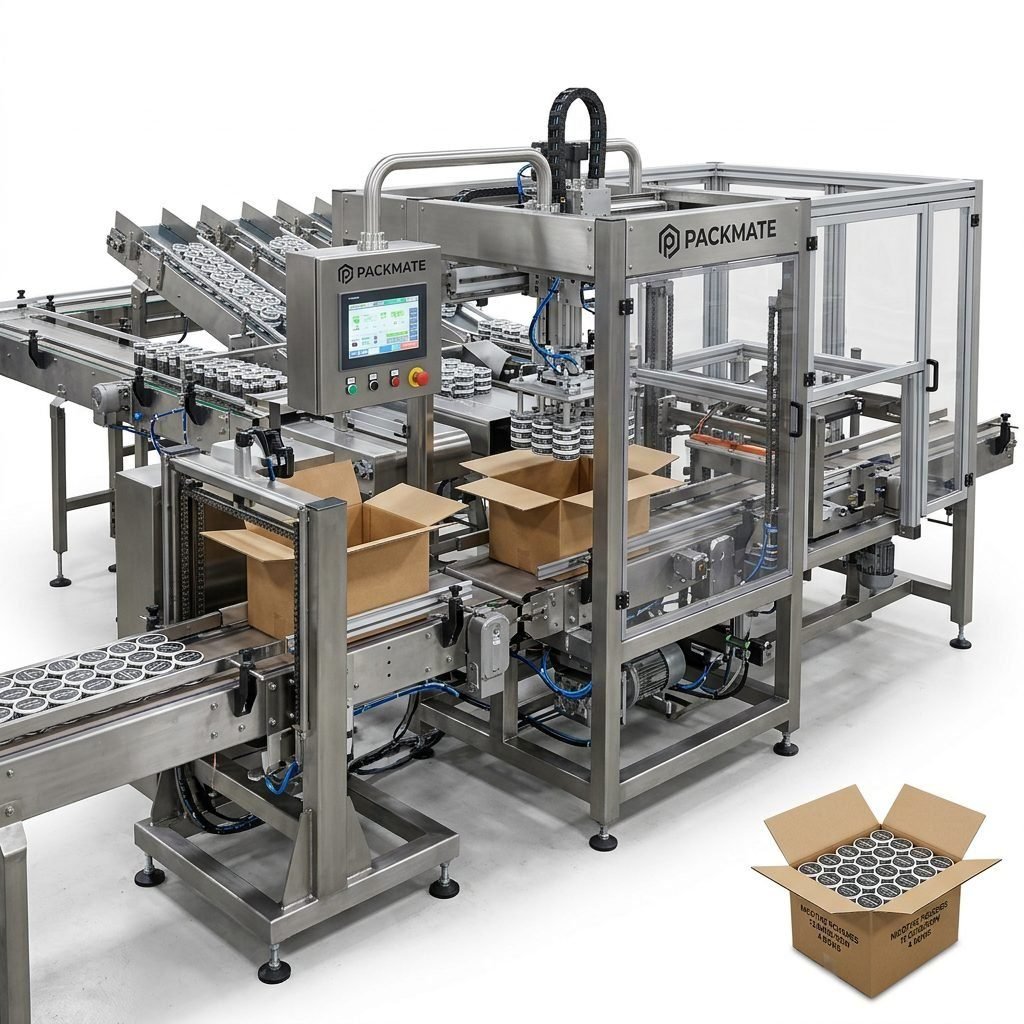
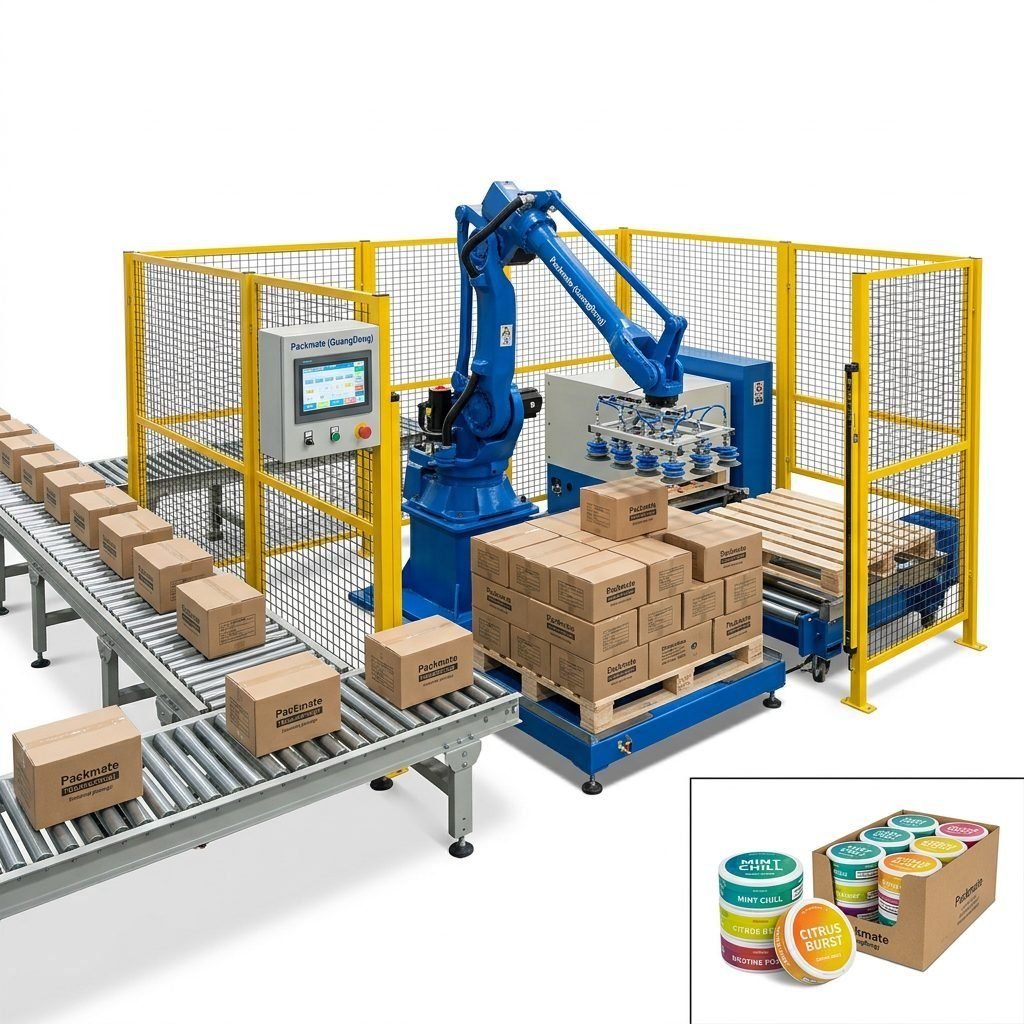
If you need a complete line—filling, multi-lane packaging, weighing, and cartoning—choose a manufacturer experienced in turnkey solutions. Integration with upstream dosing and downstream case packing reduces manual handling and improves hygiene.
Check if the vendor can supply complementary equipment such as weighing systems or auxiliary packaging equipment. Packmate’s broader range, including Filling & Packaging Lines and Auxiliary Packaging Equipment, is an example of how one supplier can streamline integration and warranty responsibilities.
Integration checklist:
– PLC compatibility and communication protocols (Ethernet/IP, Modbus).
– Layout planning and footprint guarantees.
– Turnkey project management and single-point responsibility.
Factory Reputation, Exhibitions & Verification 🧾
A reputable manufacturer will attend global exhibitions and be open about certifications and case studies. Meeting a supplier at an exhibition or observing a live demo can provide confidence about machine performance and engineering quality.
Find out whether the manufacturer has exhibited in major trade shows (many suppliers list their events). You can also review case examples on supplier websites to assess real-world performance: see the vendor’s case portfolio at Case.
🔎 Due diligence: Request demonstration videos, FAT reports, and customer testimonials. If possible, arrange a site visit or third-party audit before finalizing purchase.
Step-by-Step Decision Checklist ✅
1. Define required throughput, pouch formats, and packaging materials.
2. Shortlist manufacturers with snus/nicotine experience and CE/ISO certifications.
3. Request detailed quotes including TCO, spare parts lists, and lead times.
4. Review FAT videos, case studies, and references.
5. Confirm after-sales support, training packages, and logistics options specific to Georgia.
6. Negotiate a factory acceptance test (FAT) and clear warranty terms.
Vendor comparison template (quick):
– Experience in snus/nicotine machines: score 1–10.
– Certifications & compliance: score 1–10.
– Lead time & logistics fit for Georgia: score 1–10.
– After-sales & spare parts: score 1–10.
– Total cost of ownership estimate: score 1–10.
Working with Global Suppliers from Georgia 🌍
If you choose an overseas manufacturer, ensure they provide clear documentation and support for import processes. A supplier with a global presence and local partners reduces risks and shortens resolution times for parts and service.
For additional vendor information, company background, and support services, explore the manufacturer’s About and Contact pages: About Packmate and Contact Us.
Final considerations before purchase
– Always align machine capabilities to your SKU roadmap for the next 3–5 years rather than immediate needs only.
– Negotiate spare parts kits and training in the contract to avoid surprises.
– Consider financing options or lease-to-own models if cash flow is a constraint.
📣 Want to see examples? Manufacturers often publish catalogs and FAQ sections. Review these resources before shortlisting: Catalog • FAQs.
Conclusion
Selecting the best nicotine packaging machine manufacturer in Georgia requires a balance of technical capability, proven experience, and reliable after-sales support. Focus on vendors with specialized snus/nicotine expertise, documented case studies, and transparent TCO analyses. Confirm certifications, FAT procedures, and service commitments to ensure your production line delivers consistent quality and uptime. A well-chosen partner will become a long-term ally as your product range and market presence grow across Georgia and beyond.
🔗 Additional resources: For full equipment ranges and turnkey solutions, visit the manufacturer’s product pages on filling, packaging, and auxiliary systems.
Frequently Asked Questions:
Q1: How long is the typical lead time for a multi-lane nicotine pouch line?
A1: Lead times vary based on customization and factory schedules. Standard models may ship in a few months; custom turnkey lines typically require longer planning and assembly times. Always confirm in writing and request FAT scheduling.
Q2: What certifications should I expect for nicotine packaging machines?
A2: Look for CE and ISO standards for machinery and manufacturing processes. Ensure electrical and safety compliance for U.S. markets, and that the vendor can provide validation documentation and maintenance manuals.
Q3: Can overseas manufacturers provide local support in Georgia?
A3: Many experienced manufacturers offer spare parts distribution, authorized service partners, or remote diagnostics to support customers in the U.S. Verify whether the supplier has local representatives or a clear plan for expedited service.
Q4: What is the best way to verify a manufacturer’s claims?
A4: Request FAT videos, customer references, and factory visit options. Independent audits or third-party inspection reports are also effective. Prioritize suppliers willing to demonstrate performance under real production conditions.
Q5: Should I buy a single specialized machine or a turnkey integrated line?
A5: If you plan multiple SKUs or expect rapid growth, turnkey lines reduce integration risk and centralize support. For experimental or small-batch runs, a modular approach with a single machine may be more cost-effective. Assess long-term plans when deciding.