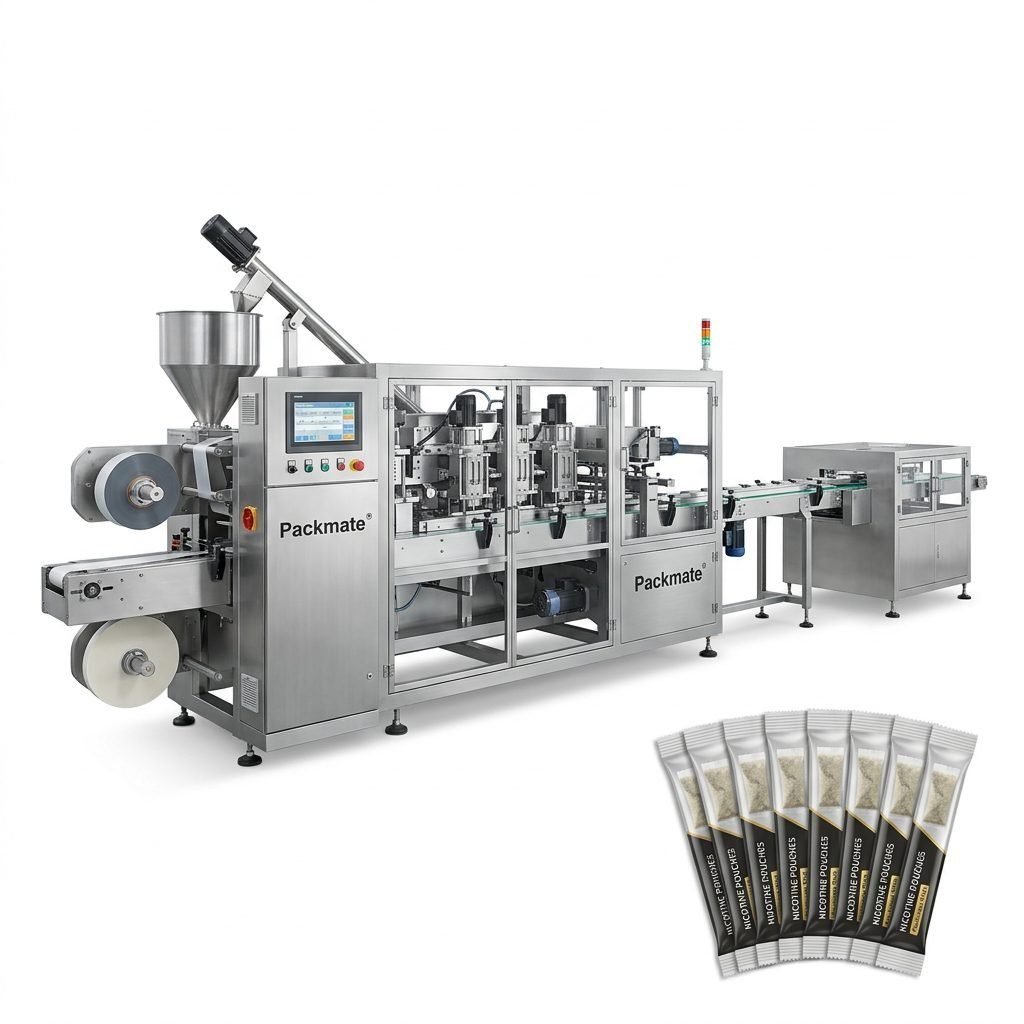
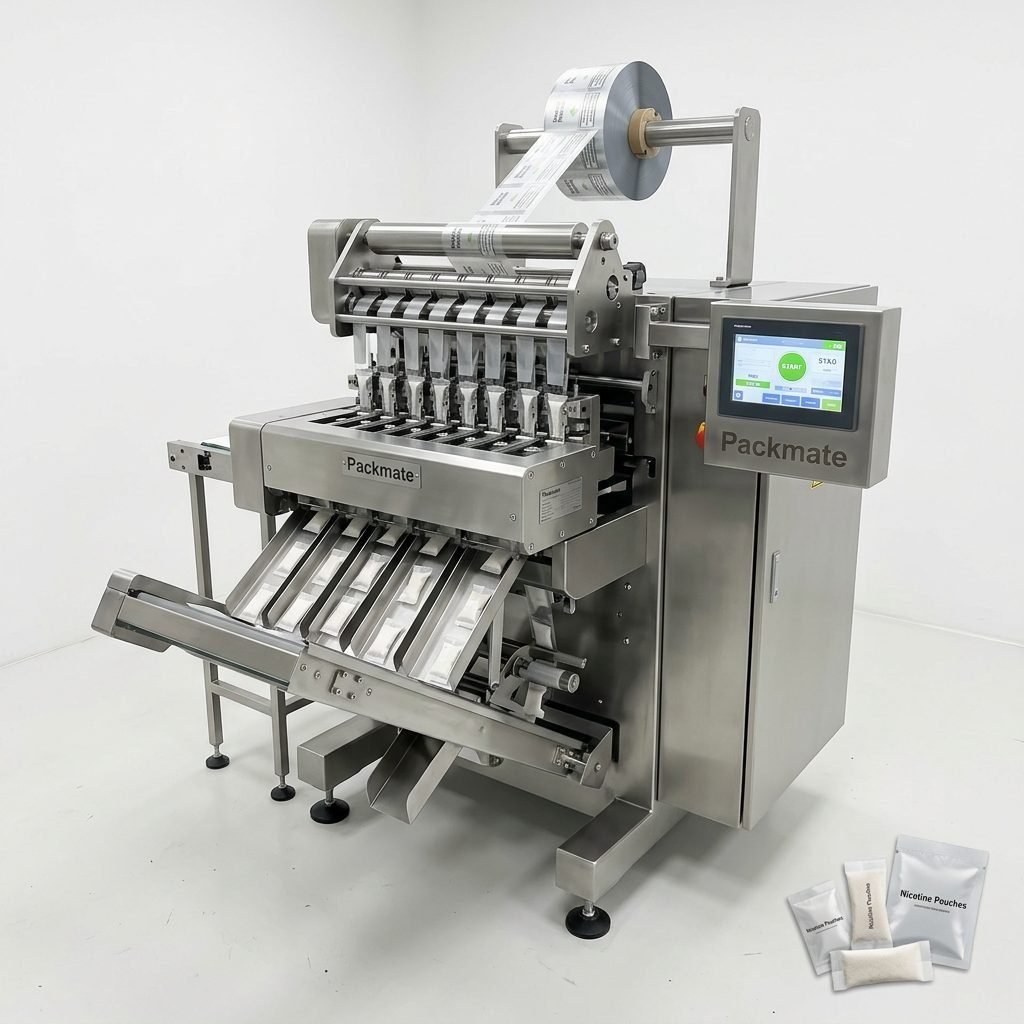
Choosing the right snus packaging machine in Bahrain requires balancing technical performance, local market preferences, and regulatory compliance. This guide helps local manufacturers evaluate machines for nicotine pouches and snus — from throughput and multi-lane systems to humidity control, Arabic labeling, and after-sales support. Whether you’re scaling a small production line or investing in a turnkey solution, read on for practical, Bahrain-specific advice and an actionable checklist to select the best equipment for your needs.
Understand Bahrain Market Needs and Cultural Considerations
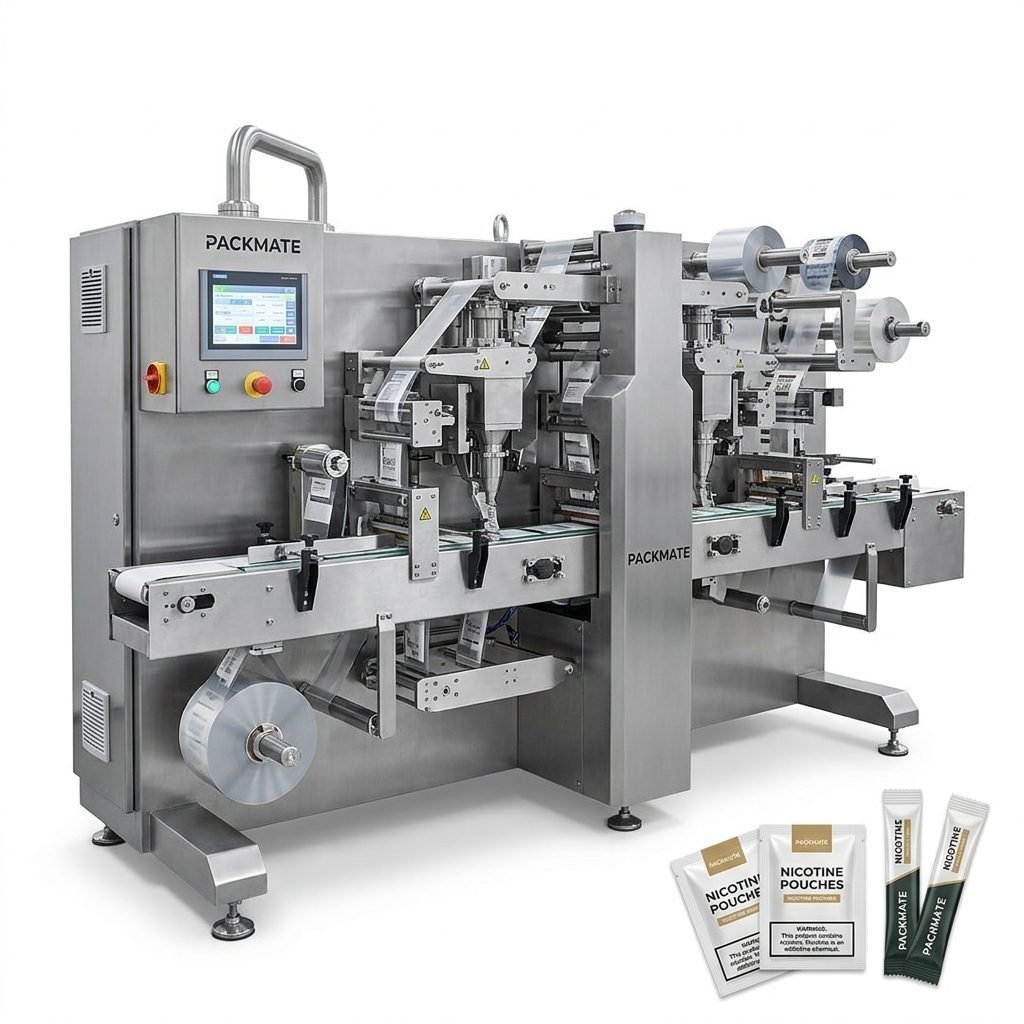
📌 Bahrain’s consumer base expects high-quality finishes and clear bilingual labeling (Arabic and English). Products sold in GCC retail channels often require compliance with regional labeling rules and clear ingredient disclosure. Manufacturers should ensure packaging machines can accommodate variable label formats, print batch codes and Arabic text, and integrate hot/thermal printers for traceability.
⚠️ Note: Local sensitivities mean that product presentation should be discreet and compliant with national marketing regulations. Check relevant health and import regulations before finalizing packaging designs.
Climate and Shelf-Life: Design for Heat and Humidity
Bahrain’s hot, humid climate affects product stability. Choose machines that support high-barrier films, nitrogen flushing, and precise sealing to protect nicotine pouches from moisture and oxygen. Packaging formats with added desiccant or vacuum options help extend shelf-life in Gulf conditions.
Key technical features to protect product quality: corrosion-resistant components, controlled sealing temperatures, modified atmosphere packaging (MAP), and accurate dosing systems to avoid moisture-related degradation.
Essential Machine Types for Snus and Nicotine Pouches
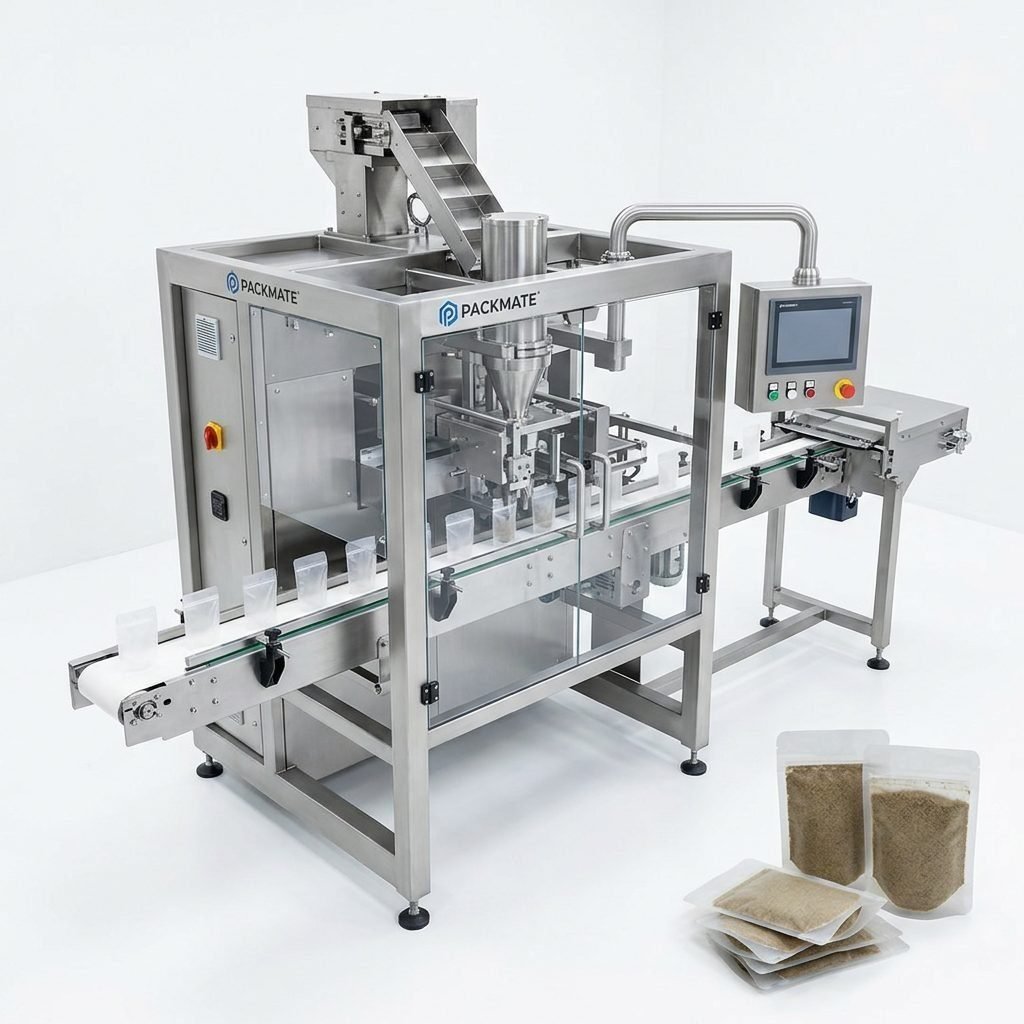
Different production goals require different machines. Below are the most common systems used by manufacturers in Bahrain and the wider GCC.
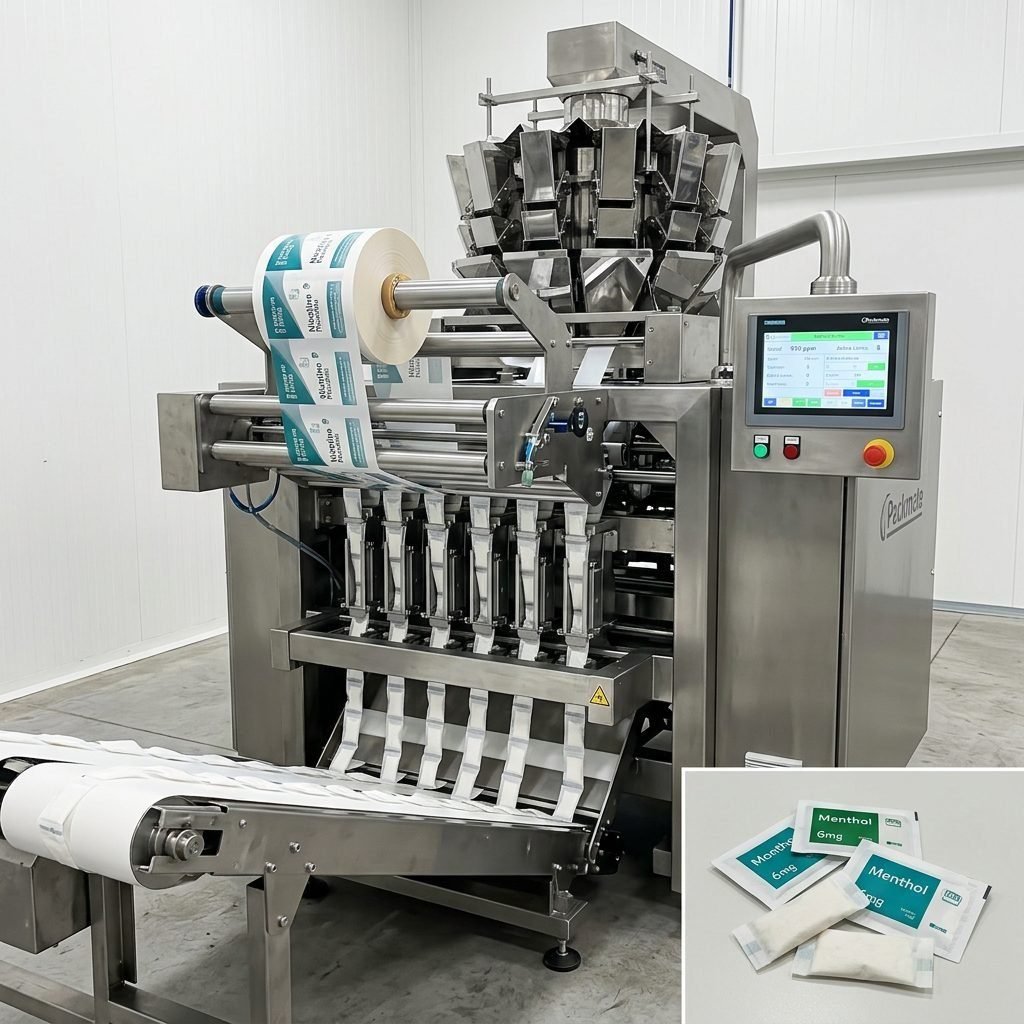
Stick Pack Machines
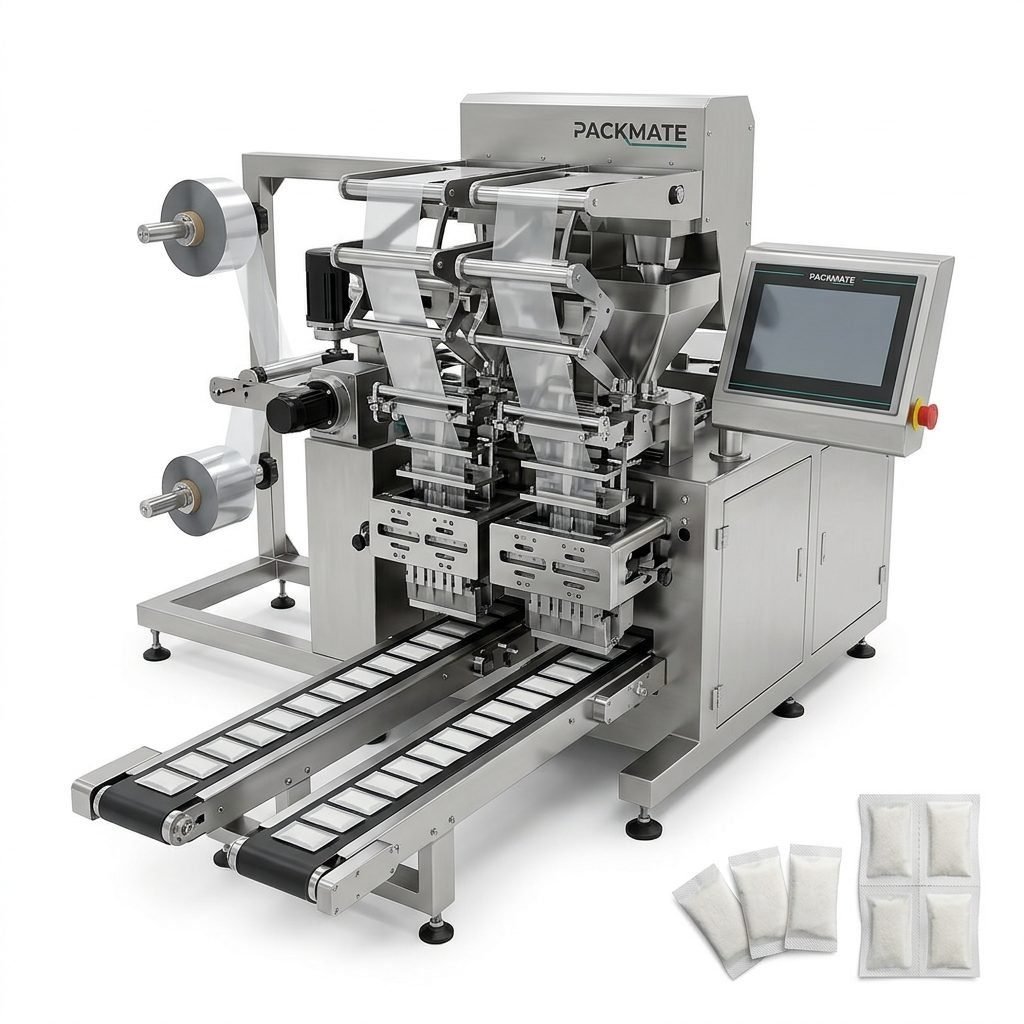
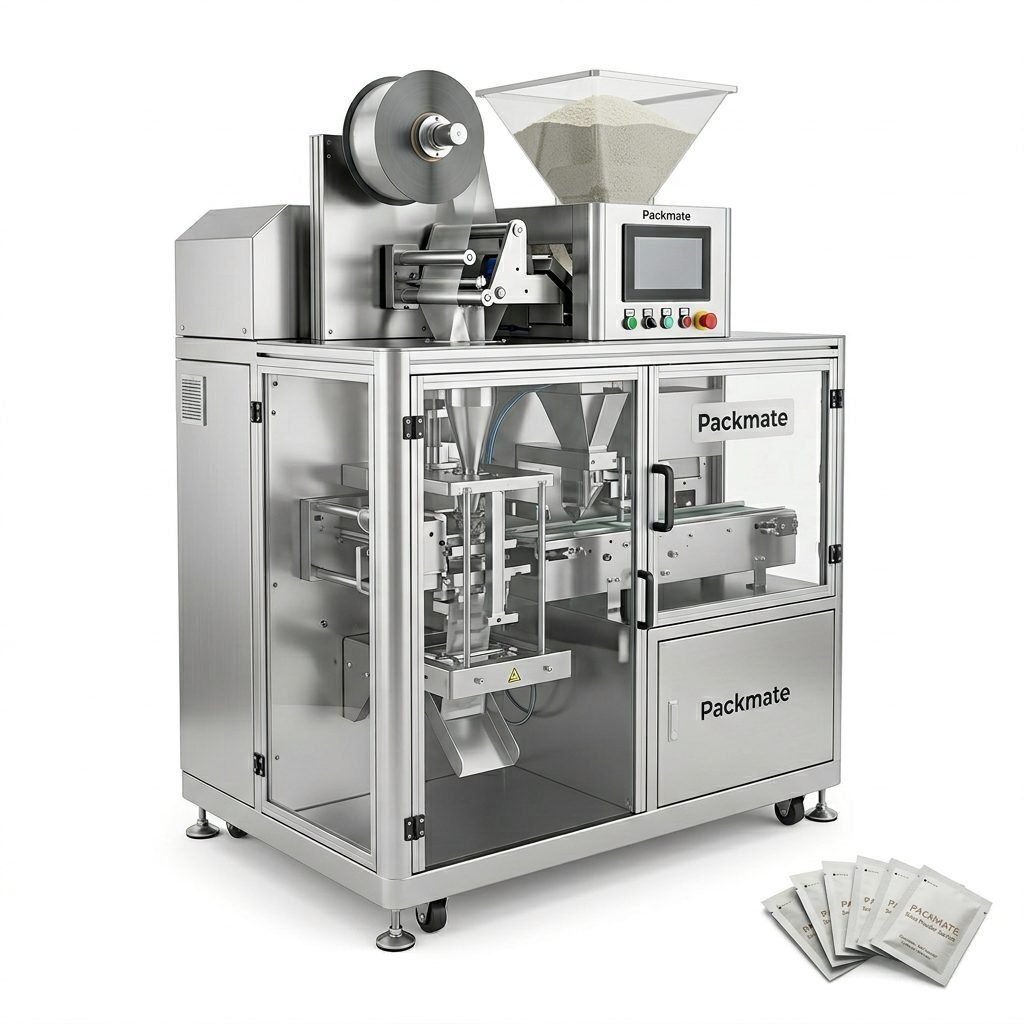
Stick packs are ideal for single-dose nicotine pouches and are favored for portability. Advantages include high speed and flexible dosing for powder and granule products. If your brand focuses on convenience, a stick pack line with multi-lane capability can significantly boost throughput.
Sachet and Pouch Machines
Sachet and pouch formats (including round-corner pouches and pillow sachets) allow premium branding and resealable options. Machines that handle custom pouch shapes and zipper attachments provide an upscale presentation suitable for modern GCC retail shelves. For machine options see the Sachet & Stick Pack Machines and Bag & Pouch Packaging Machines pages.
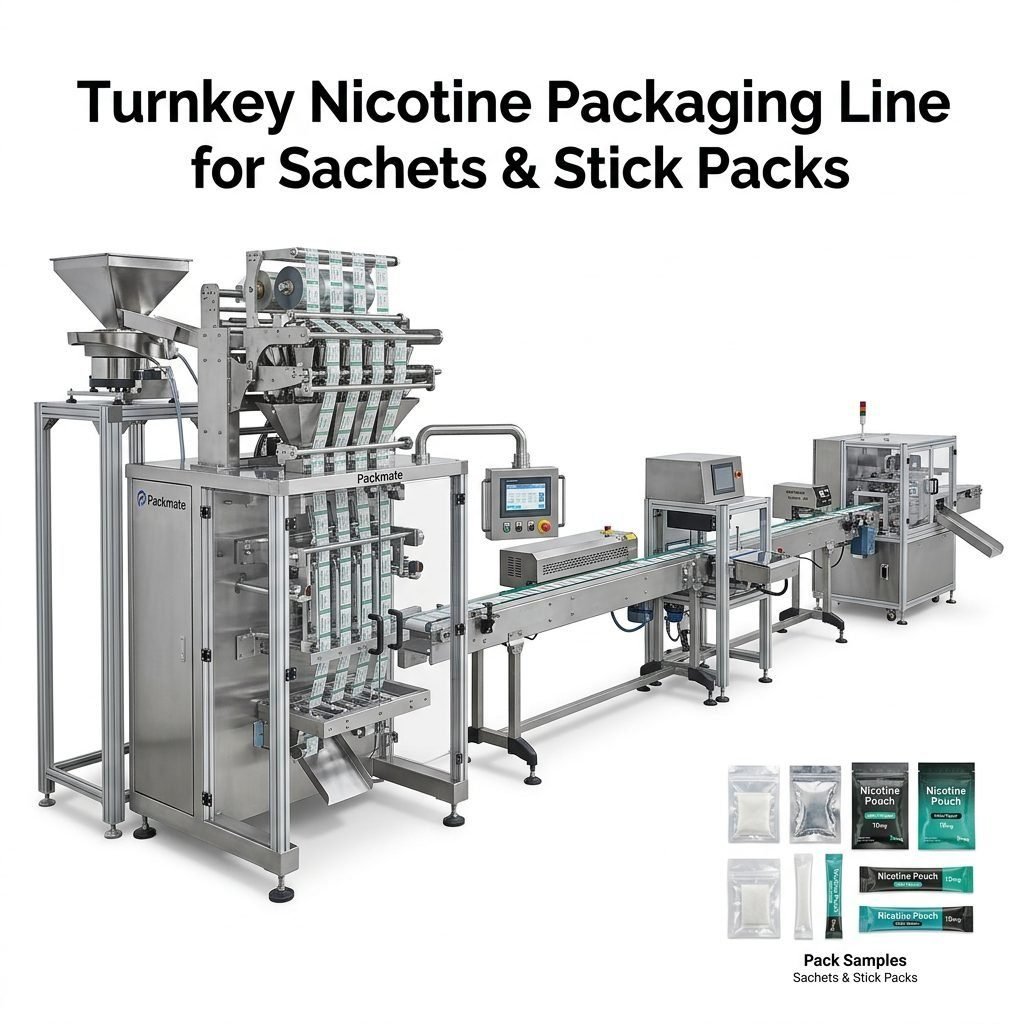
For integrated solutions combining pouch formation, filling, and sealing consider exploring Filling & Packaging Lines and Weighing & Packaging Systems for accurate portion control.
Performance Metrics to Evaluate
✅ Speed (packs per minute) – choose a machine whose top-end speed fits your target output while maintaining fill accuracy.
✅ Accuracy – dosing precision is critical for nicotine pouches; look for weighing/head combination systems with low deviation.
✅ Uptime & reliability – select equipment with local service support and easy-to-replace wear parts.
✅ Flexibility – the ability to switch formats, lanes, and bag sizes with minimal downtime matters for product variety.
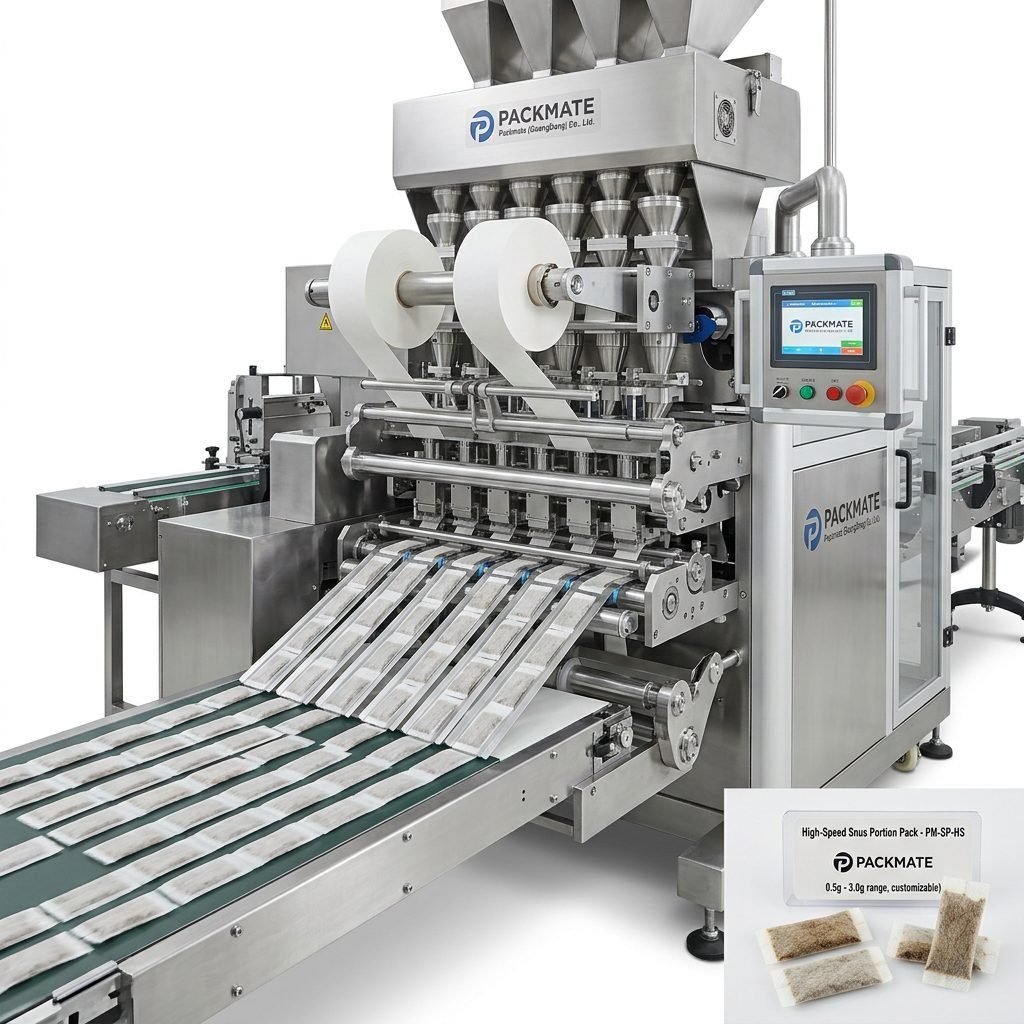
📈 ROI tip: Prioritize machines with modular designs and multi-lane capacity if you plan to scale. A multi-lane snus packaging machine can multiply output without proportionally increasing footprint and labor costs.
Technical Features That Matter
– PLC & HMI control for easy recipe management and bilingual displays (important for Arabic/English operation).
– Servo-driven motion for accurate filling and predictable sealing dynamics.
– Quick-change tooling for format swaps — reduces downtime between SKUs.
– Stainless steel (SUS304/316) contact parts to resist corrosion in humid environments.
– CIP-friendly designs where required by GMP-sensitive production lines.
Integration and Automation
Seamless integration with upstream weighers, feeders, and downstream bundling/packaging lines is essential. If you need a full line, look for suppliers that offer turnkey solutions and can provide layout design for your facility — Packmate’s turnkey experience can be a model here (see About Packmate).
Controls, Safety and Compliance
Machines should meet CE/ISO standards and include safety interlocks, emergency stop systems, and dust control where powders are handled. Verify certifications and test reports, and ensure labeling and traceability modules meet Gulf Cooperation Council (GCC) regulatory expectations.
🔎 Vendor verification checklist: Confirm factory capacity, precision assembly capabilities, and onsite testing protocols. Packmate’s 20,000㎡ facility and 30+ years of engineering are typical attributes to look for; review Case studies and Certificates before purchase.
Installation, Training and After-Sales Support in Bahrain
Local support and spare parts availability shorten downtime. Check whether the supplier provides:
– Onsite installation and commissioning in Bahrain;
– Operator and maintenance training in English and Arabic;
– Spare-part kits and preventive maintenance schedules;
– Remote diagnostics and fast response times.
Pro tip: Negotiate a service agreement covering the first 12 months and stock critical wear parts locally to avoid extended downtime during peak demand.
Space and Utilities Planning
Plan for electrical, compressed air, nitrogen (if MAP) and drainage. Machines with built-in energy-saving modes reduce operational costs in regions with high energy spend.
Budgeting and Total Cost of Ownership (TCO)
When comparing quotes, evaluate TCO rather than just purchase price. Include installation, shipping, local taxes, spare parts, operator training, and energy consumption. A slightly higher capital cost may be justified by greater efficiency, less scrap, and lower maintenance needs.
✅ Investment checklist: throughput target, format flexibility, cleanliness standards, spare parts lead times, local regulatory compliance, and supplier reputation.
Choosing the Right Supplier: Questions to Ask
1) Can you provide references from GCC customers and examples of installations in similar climates?
2) Do you offer turnkey lines that include weighers, fillers, and packaging modules? (See Weighing & Packaging Systems and Filling & Packaging Lines.)
3) What are your lead times for spare parts and consumables?
4) What training is provided and is it available in Arabic?
5) Are testing and FAT (Factory Acceptance Tests) included before shipping?
Why factory capability matters
A manufacturer with advanced CNC machining centers and precision assembly lines — like a 20,000㎡ facility — is more likely to deliver reliable machines with consistent tolerances. Confirm production capacity and quality control practices when evaluating suppliers.
Practical Selection Flow: A Step-by-Step Checklist
1. Define production targets (daily/weekly volumes).
2. Select format(s): stick pack, pouch, sachet, or multi-lane pouches.
3. Evaluate climate-control features: high-barrier films, MAP, nitrogen flushing.
4. Confirm dosing accuracy and multi-lane capabilities.
5. Assess supplier certifications, local support, spare parts availability.
6. Request FAT and sample runs with your product.
7. Plan installation, utilities and staff training in Arabic/English.
📦 Sample run requirement: Before final purchase, insist on a sample-run video or demonstration using your product type to verify fill accuracy, seal integrity, and final appearance.
Case Example: Scaling a Bahrain-Based Brand
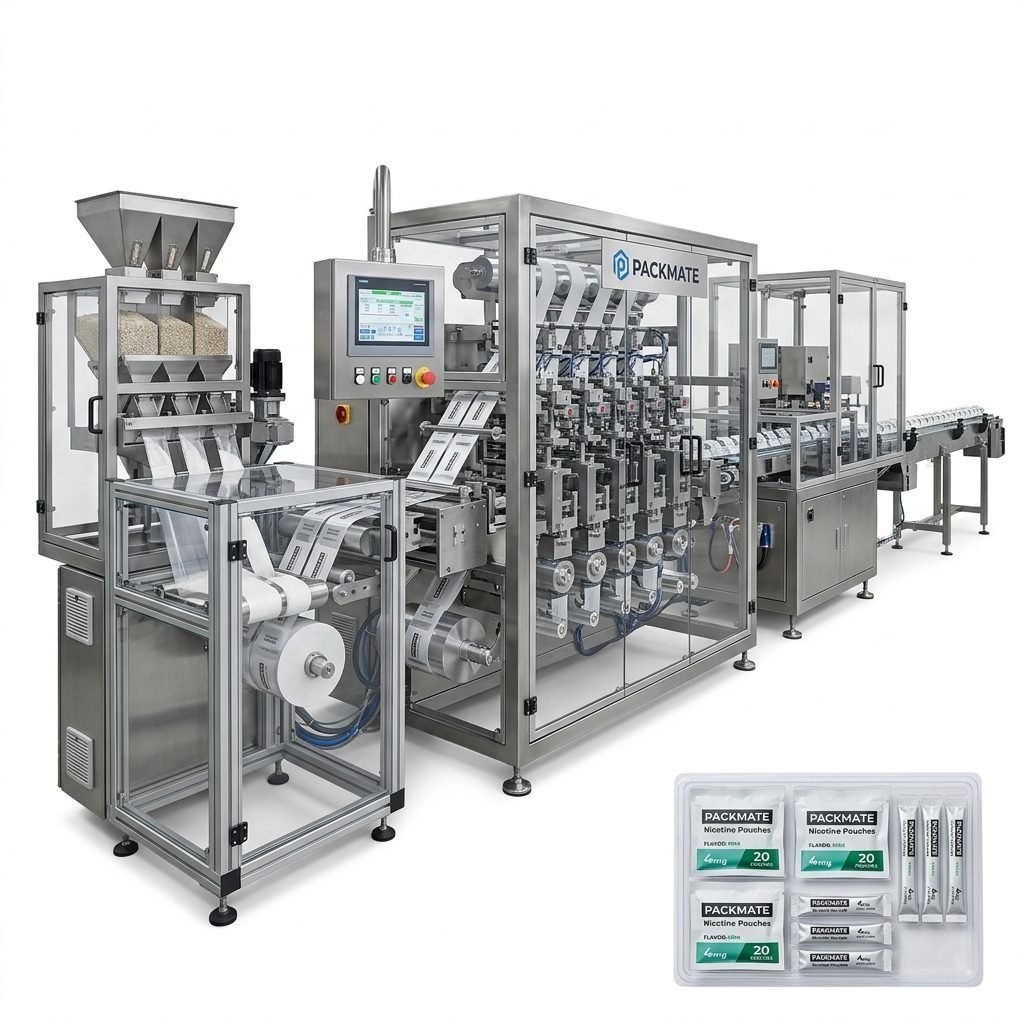
A small manufacturer in Manama started with a single-lane stick pack machine for trial products. After establishing demand, they upgraded to a 4-lane snus pouch line with nitrogen flushing and integrated labeling to supply GCC retail chains. The upgrade reduced cost-per-unit and enabled bilingual printing to meet regional regulations.
If you want real-world case studies and machine specs, review our Case and Product pages for examples of turnkey snus and nicotine pouch lines.
Final Recommendation
For Bahrain manufacturers, prioritize machines that combine multi-lane throughput, climate-protection features, bilingual printing capability, and reliable local support. A balanced investment in quality machinery and service agreements will ensure stable production and regulatory compliance in Gulf markets.
For detailed product options consider reviewing Snus & Nicotine Packaging Machines, Sachet & Stick Pack Machines, and Bag & Pouch Packaging Machines to match format needs. For supplier background and certifications, check About Packmate and Certificate pages.
Where to Start
Start by defining your core SKUs and target monthly volume. Request machine quotes including FAT, sample runs, and a support package for Bahrain. Prioritize suppliers with proven GCC experience and strong after-sales commitments.
Need help?
If you want a turnkey evaluation, contact vendors who offer integrated lines and ask for a full layout proposal and estimated TCO. Use Contact Us links on supplier sites to request localized quotes and Arabic-language support options.
Common Questions
Q1: How do I ensure Arabic labeling is printed correctly on each package?
A1: Choose machines with multi-language HMI and high-resolution printers that support right-to-left scripts. Verify with test prints using your exact label artwork.
Q2: What machine features protect nicotine pouches from Bahrain’s heat and humidity?
A2: Use high-barrier films, nitrogen flushing (MAP), precise sealing temperature control, and robust sealing jaws. Also store finished product in climate-controlled warehousing.
Q3: Are multi-lane machines worth the investment for small manufacturers?
A3: Multi-lane systems offer higher throughput without proportionally larger footprints and are often cost-effective once demand reaches consistent volumes. Consider modular upgrades if uncertain.
Q4: How important is local after-sales support in Bahrain?
A4: Extremely important — fast access to spare parts and bilingual technical assistance minimizes downtime. Confirm supplier commitments for local support or rapid shipping.
Q5: Where can I view certified references and machine demos?
A5: Request FAT videos and case studies from suppliers. Review exhibition and case pages for live demos and customer references.