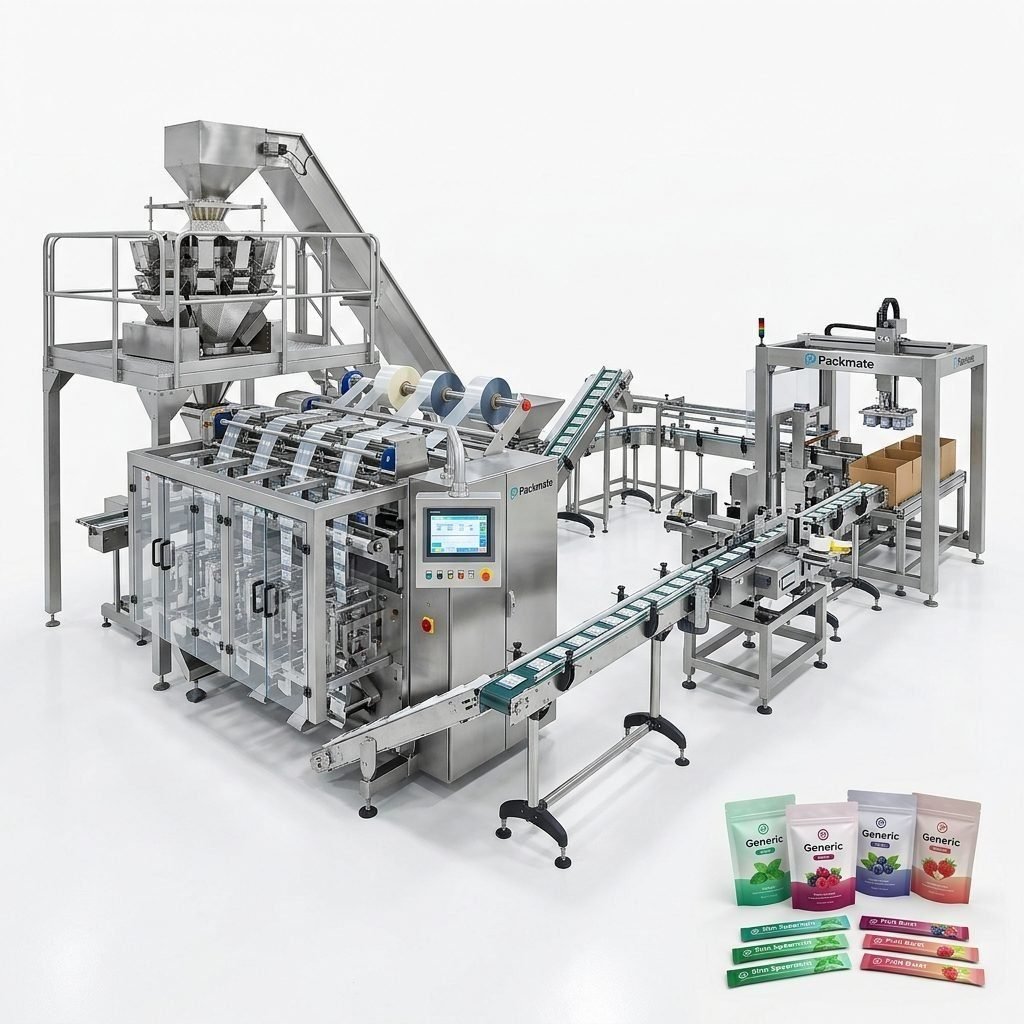
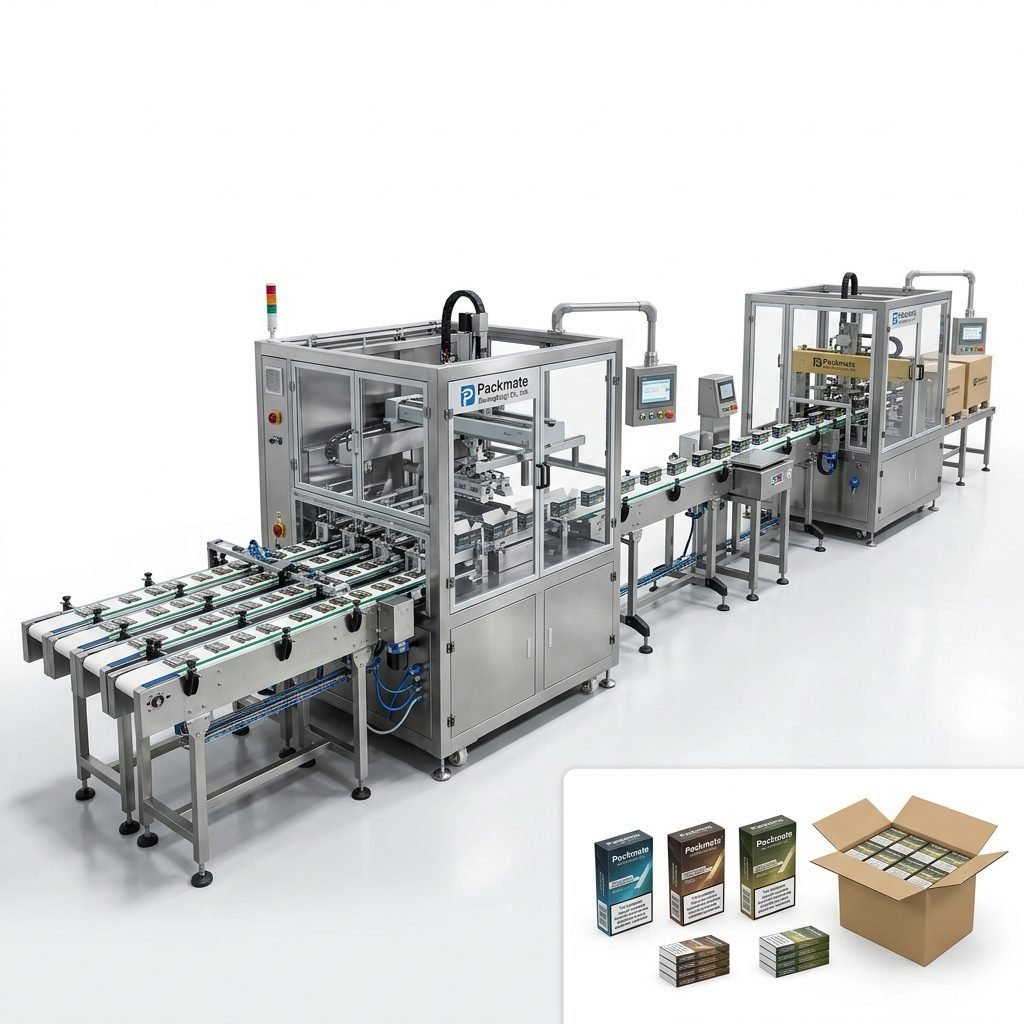
Entering the snus and nicotine pouch market in Lebanon means more than selecting a machine — it requires a partner who understands local preferences, regulatory realities, and the practicalities of small-batch to large-scale production. This guide will walk you step-by-step through how to choose the best snus packaging machinery manufacturer in Lebanon for your business, covering technical features, customization, after-sales support, cost considerations, and cultural nuances that influence packaging choices in the Lebanese market.
Understand the Lebanese Market and Consumer Habits
Lebanon’s consumer base values elegant presentation, compact formats for portability, and adherence to health and import regulations. Many buyers prefer discreet, travel-friendly pouch formats that fit pockets or small bags. Additionally, packaged products often need to display Arabic labeling alongside English and French; choosing a manufacturer who can customize labeling and sealing processes for multilingual packaging is a major advantage.
Cultural and regulatory considerations
In Lebanon, as in many Middle Eastern markets, clarity in ingredient listing and compliance with local health regulations matters. Work with a manufacturer who is familiar with CE/ISO standards and can support documentation for customs and regulatory review. If you intend to export from Lebanon, ensure the equipment can produce consistent labeling formats that meet both domestic and export market rules.
Key Technical Features to Look For
🔧 Consistency and precision: Machines must deliver uniform pouch weight, accurate dosing for nicotine pouches, and consistent sealing quality to preserve shelf life.
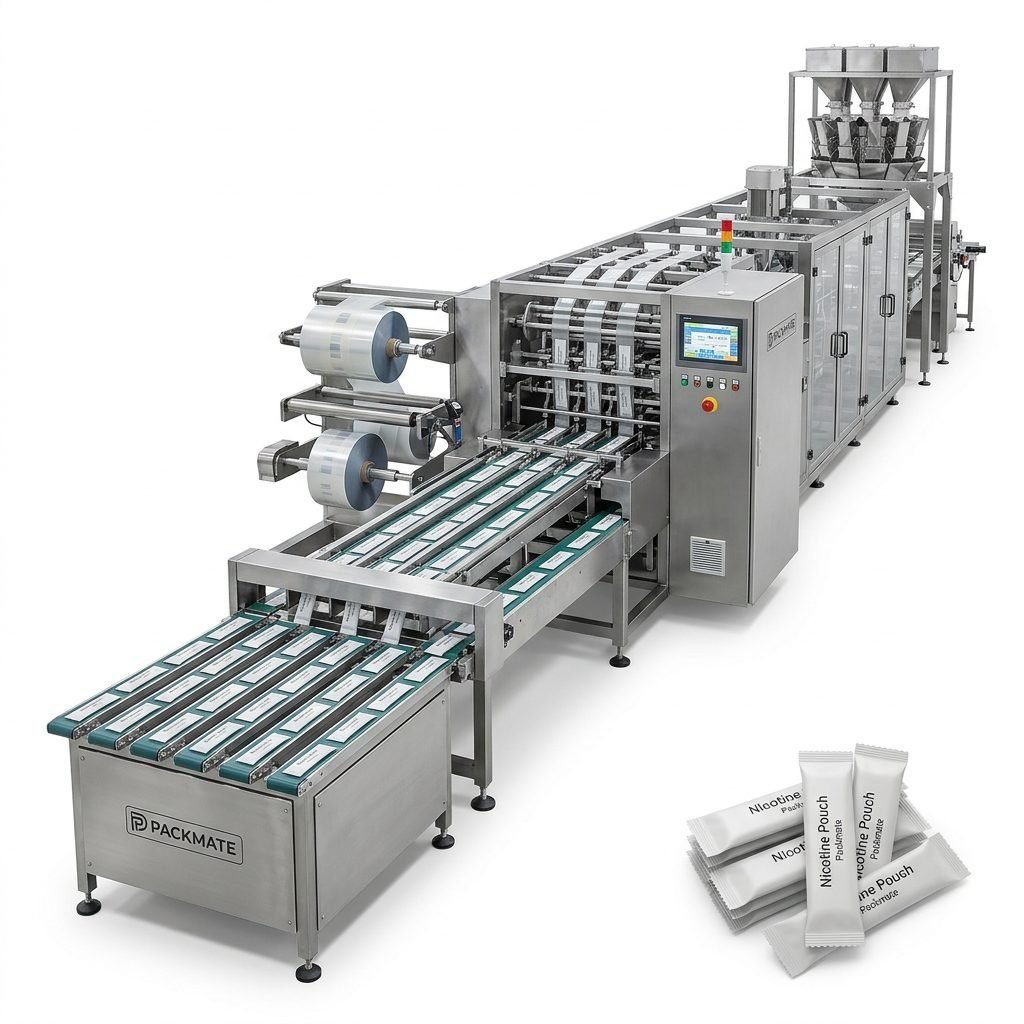
Look for machines with high-precision weighing and filling modules, especially if you are producing low-dose nicotine pouches where gram-level accuracy matters. Multi-lane systems can dramatically boost throughput for high-volume brands, while single-lane or modular machines suit craft or boutique producers.
Adaptability: pouch types and materials
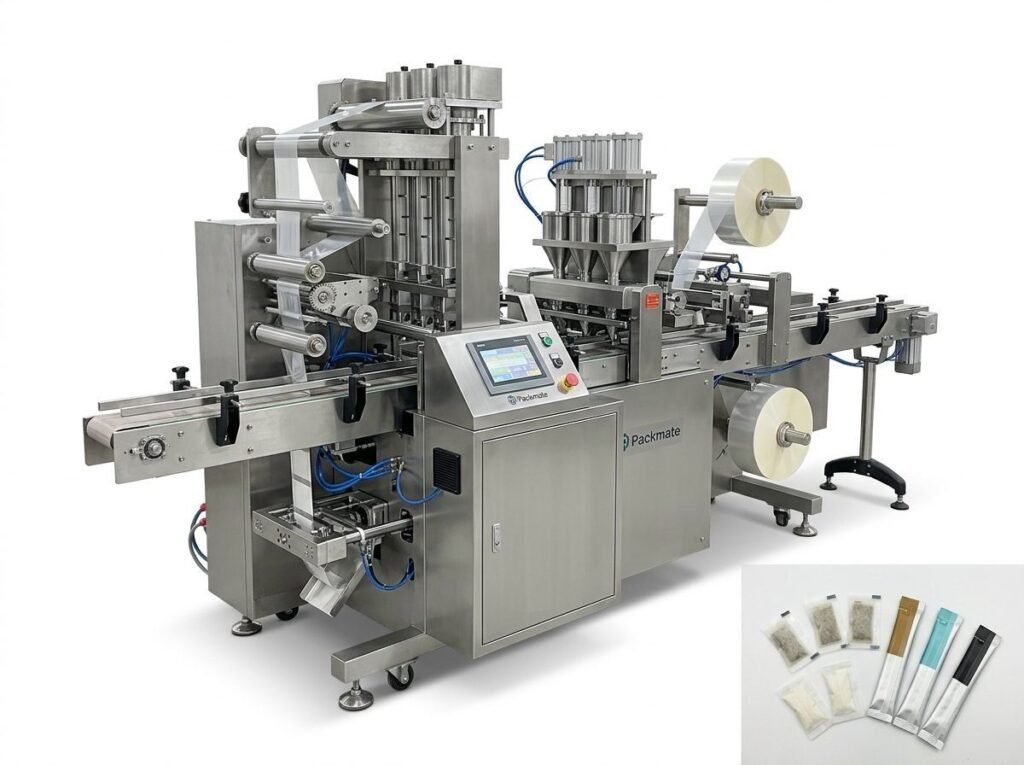
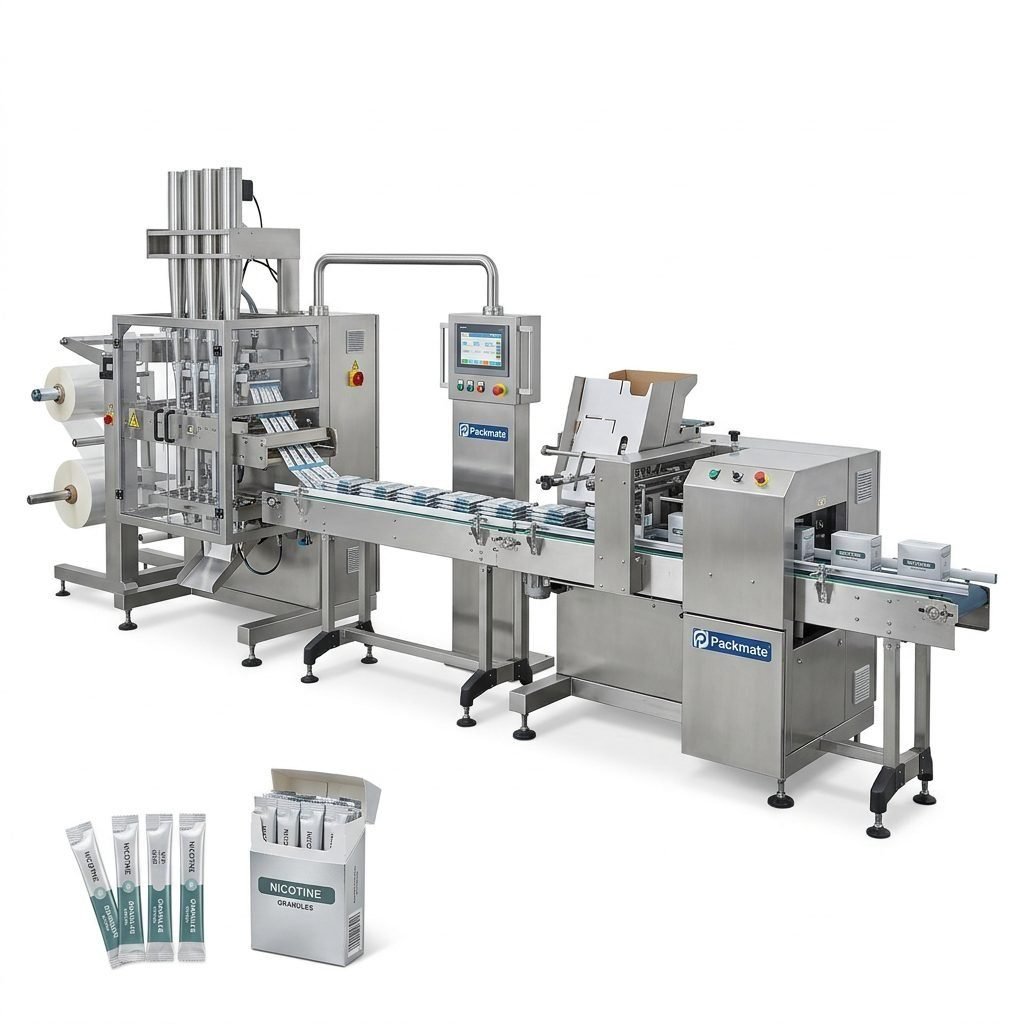
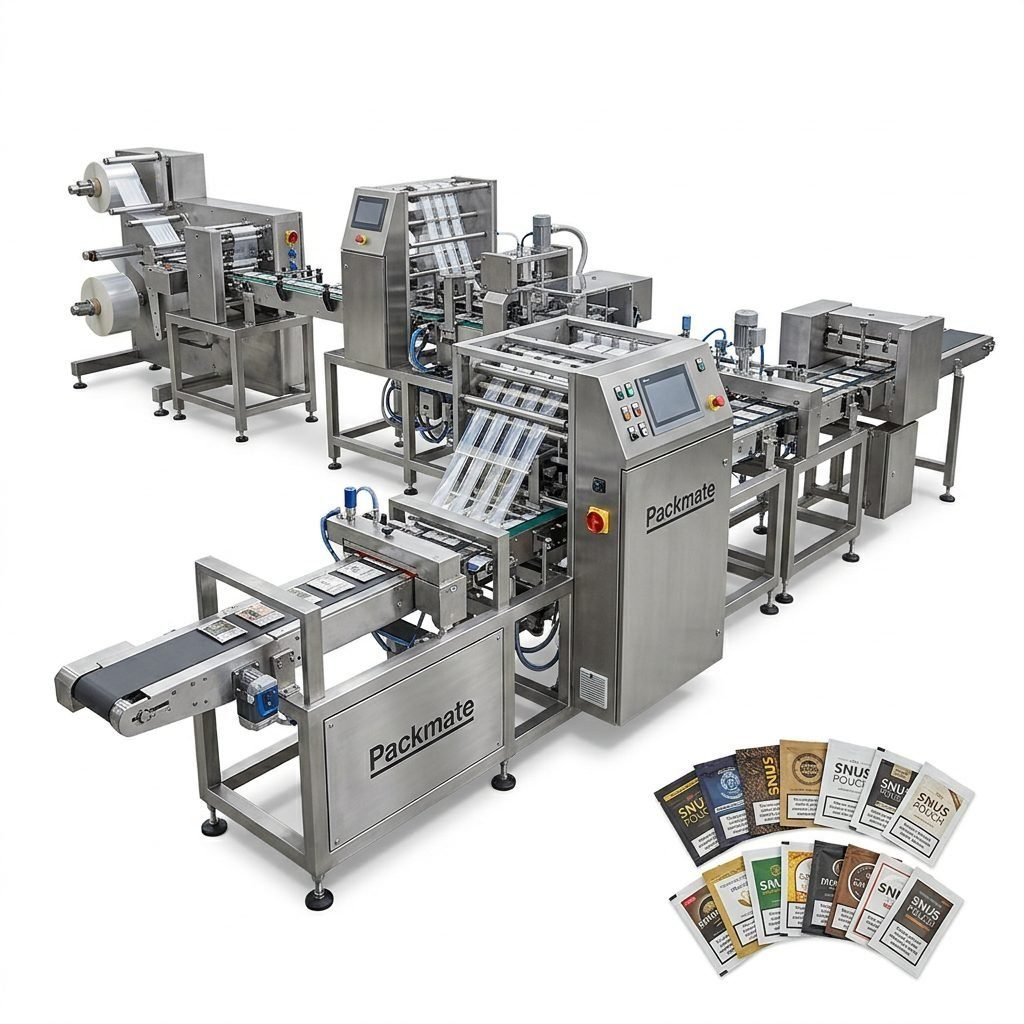
Ensure the manufacturer offers equipment adaptable to stick pack, sachet, and pouch shapes commonly used in snus packaging. Compatibility with various film materials (paper-laminates, PE, PET, biodegradable films) matters for both appearance and regulatory compliance. If you plan to test new materials, choose a supplier that permits easy changeover and film trial runs.
Manufacturer Credentials and Experience
A manufacturer’s track record is the strongest indicator of reliability. Look for over a decade of focused experience in snus or nicotine pouch equipment, proven multi-lane systems, and a robust factory setup. Companies with advanced CNC machining centers and precision assembly lines are better positioned to supply machines with stable long-term performance.
📜 Certifications & standards: Prefer suppliers with CE and ISO compliance. These certifications make it easier to clear customs and demonstrate machine safety and quality.
Consider suppliers who provide transparent factory tours (virtual or in-person), detailed machine specs, and case studies from customers in Europe, Asia, or the Middle East. You might want to review their exhibition history and customer testimonials to gauge real-world performance.
Customization, Turnkey Solutions and Local Support
Packaging aesthetics and regulatory labeling in Lebanon may require local language variants and specific artwork sizes. Choose a manufacturer that offers customization of printing, cutting dies, and sealing options. Turnkey suppliers who can deliver full production lines — including weighing systems, filling units, and auxiliary equipment — reduce integration risk and accelerate time-to-market.
Local support or regional service partners ensure fast response times for maintenance and spare parts. If direct local presence is limited, verify the manufacturer’s spare parts inventory, shipping policies, and remote diagnostic capabilities.
After-sales service & training
A strong after-sales program includes installation assistance, operator training, preventive maintenance schedules, and rapid access to consumables. If your operator base is newer to automated packaging, training packages and on-site commissioning become especially valuable.
Cost, ROI and Total Cost of Ownership
The initial equipment price is only one component of cost. Account for installation, tooling, spare parts, consumables, energy consumption, and expected downtime. Multi-lane systems can reduce per-unit costs at scale but require higher capital investment. For small Lebanese brands or importers, consider leasing or phased investment strategies to manage cash flow.
📈 Prioritize machines with low waste and high uptime — these contribute most to long-term ROI.
Request sample production data, energy consumption figures, and average changeover times. These metrics will help you estimate production runs per shift and determine the break-even timeframe.
Factory Visit, Testing and Quality Assurance
Whenever possible, visit the manufacturer’s facility or request a virtual tour. Inspect CNC capabilities, assembly lines, and QC stations. Ask for live machine trials producing your intended pouch types and request sample packs for inspection. A reputable manufacturer should offer FAT (Factory Acceptance Test) documentation before shipment.
What to verify during tests
Confirm weight accuracy, seal integrity under stress, printing clarity for multilingual text, and consistent feeding of materials. If you plan to use heat-sealed or cold-sealed films, testing with your exact film supplier will avoid surprises later.
Recommended Machine Types for Different Business Scales
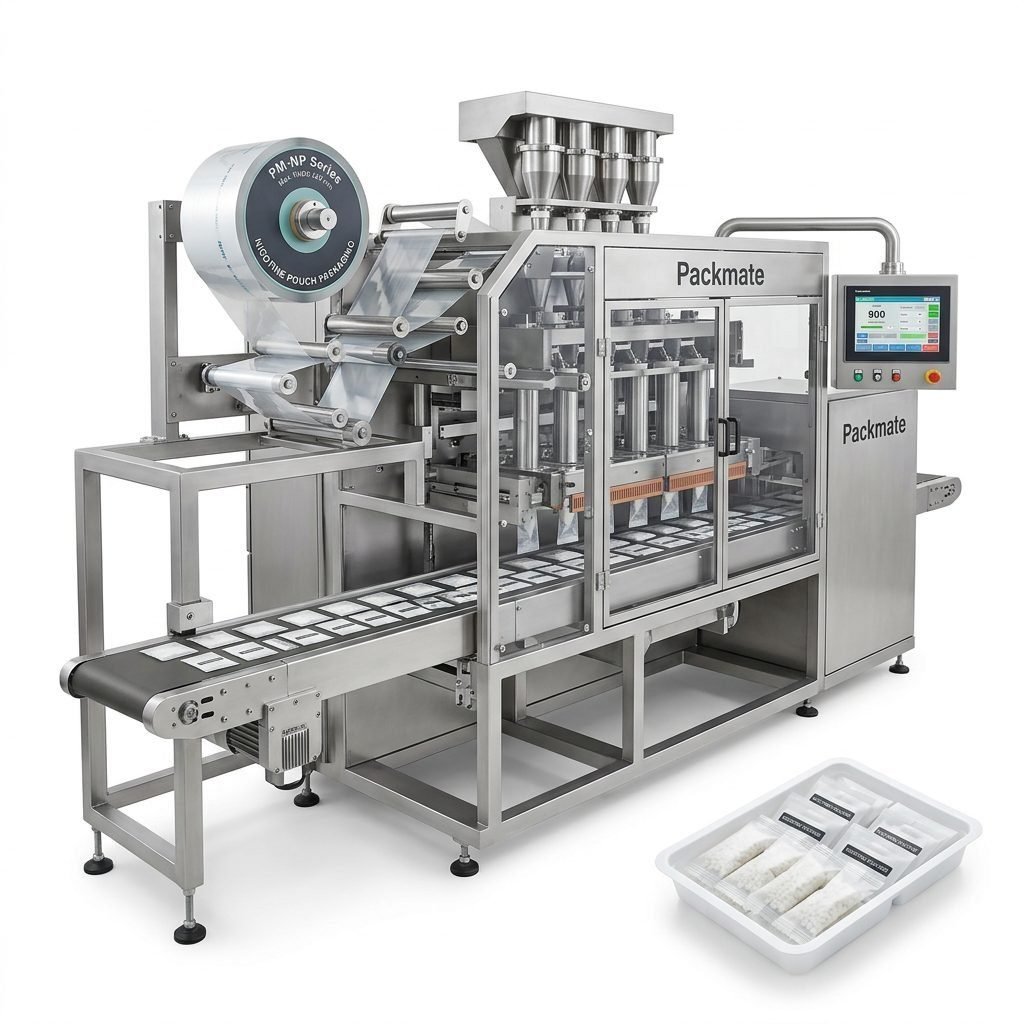
For boutique or pilot operations, choose modular single-lane machines with flexible changeovers. For scaling brands targeting retail chains across Lebanon and the region, multi-lane high-speed systems offer throughput efficiency. If your product line includes different pouch shapes, prioritize systems with quick tool-change features.
Links to learn more
Explore product categories and technical specs from experienced suppliers to match your needs:
Snus & Nicotine Packaging Machines •
Bag & Pouch Packaging Machines •
Case Studies •
Contact Us
Logistics, Installation and Local Compliance
Coordinate shipment timing with customs brokers familiar with Lebanon’s import procedures. Machines with modular packaging simplify loading and reduce customs complications. Confirm electrical and air supply requirements and plan for professional local installation. The manufacturer should provide wiring diagrams, spare parts lists, and clear commissioning steps.
Spare parts and consumables
Ask about recommended spare parts inventory for the first 12 months, lead times for critical components, and whether regional partners stock replacements. Quick access to consumables like cutting dies, sealing jaws, and film rollers reduces downtime.
⚠️ Regulatory paperwork: Ensure the supplier can assist with CE/ISO certificates and provide documentation required by Lebanese customs and health regulators.
Choosing a Trusted Manufacturer: Checklist
Use this quick checklist when evaluating potential manufacturers:
✅ Proven experience with snus/nicotine pouch lines and case studies in similar markets.
✅ CE and ISO certifications and thorough QA processes.
✅ Ability to customize printing, sealing, and multilingual labeling.
✅ Robust after-sales service, spare parts availability, and training.
✅ Clear documentation for customs and regulatory compliance.
Why Packmate Snus Machine is a Candidate to Consider
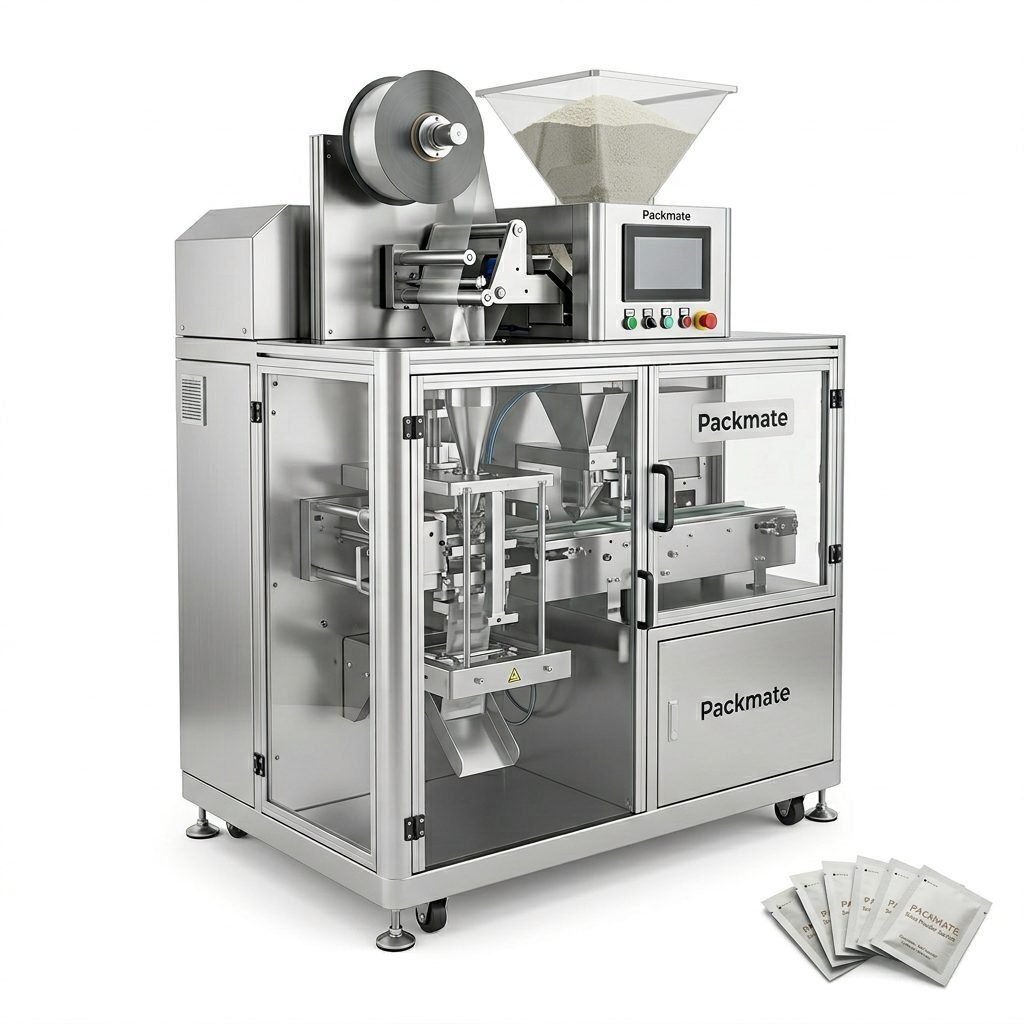
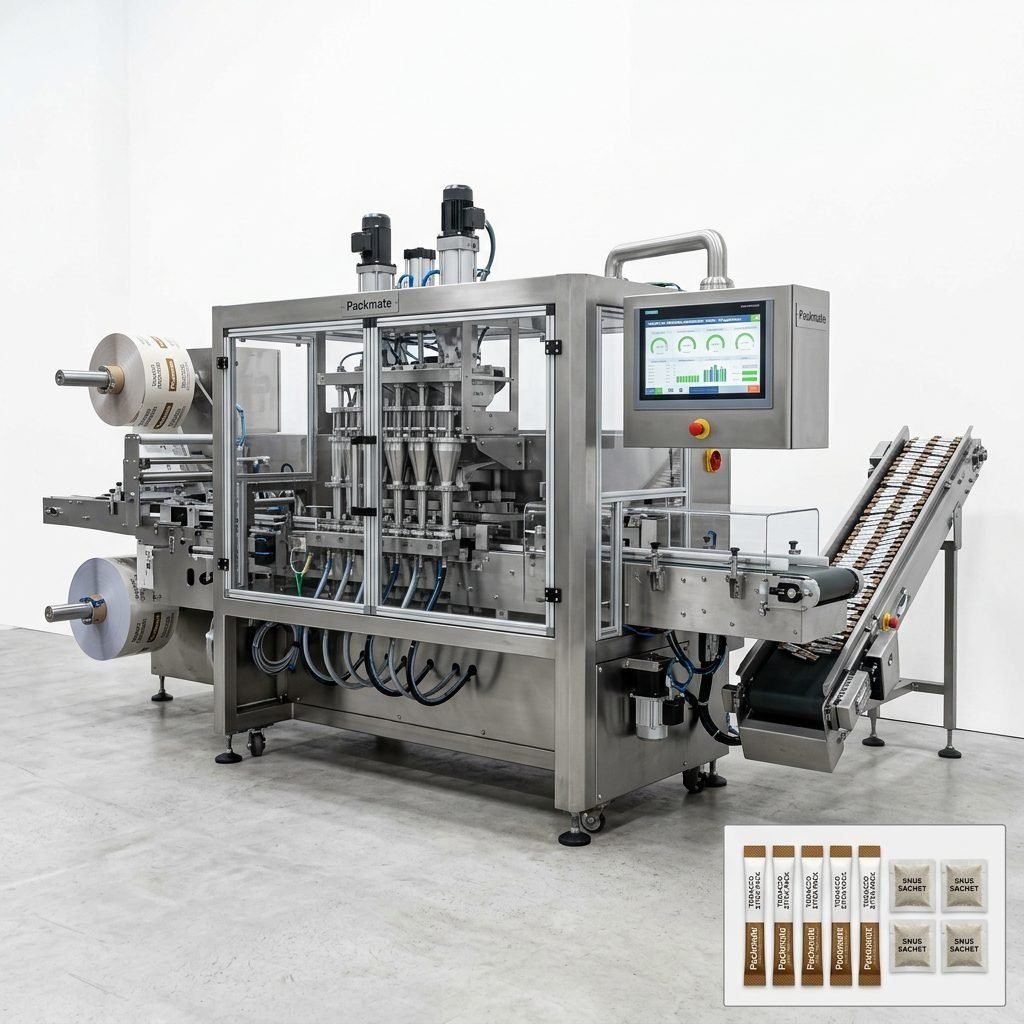
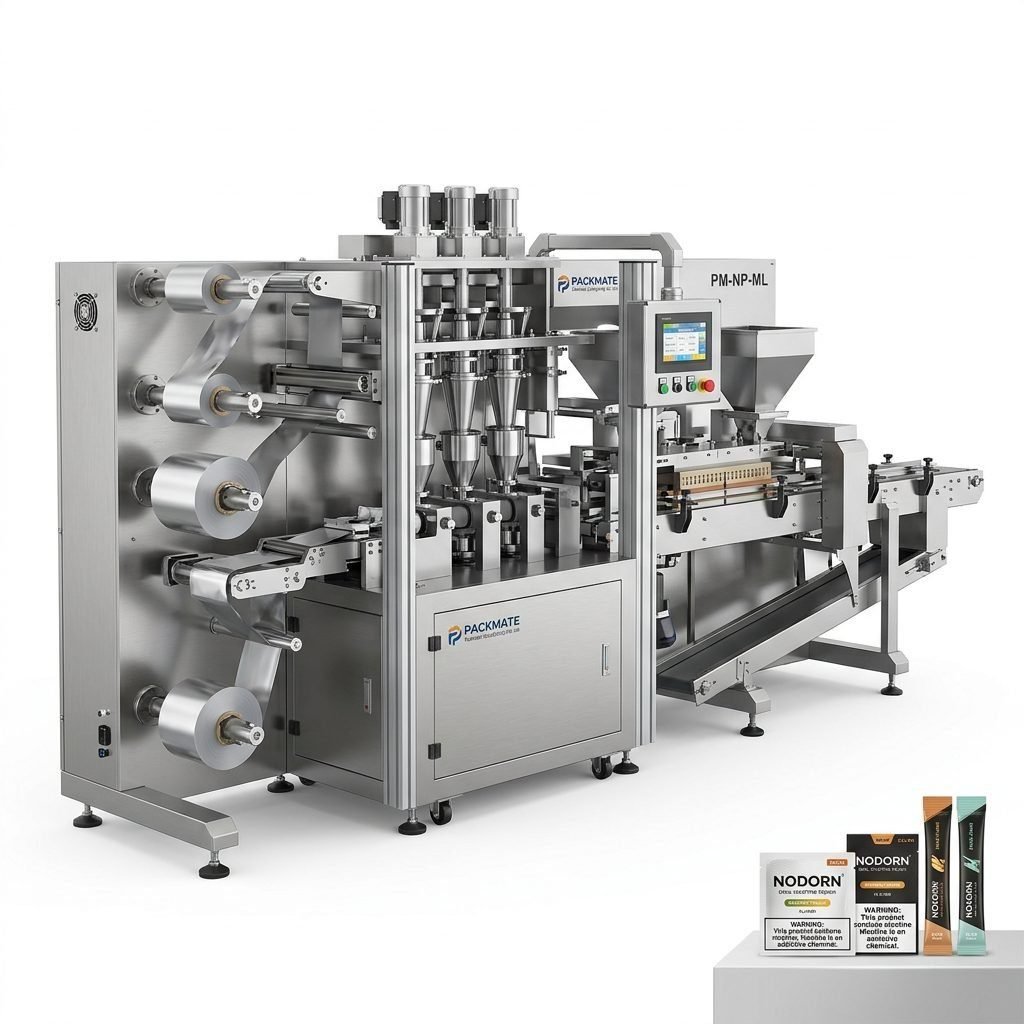
With over 30 years of engineering experience and a facility spanning 20,000㎡, Packmate Snus Machine offers a broad portfolio of snus and pouch packaging solutions. Their capabilities include multi-lane systems, stick pack and sachet machines, and full turnkey lines for nicotine pouches — all backed by advanced CNC machining, precision assembly, and international certifications.
If you want to review specific machine options, explore detailed product lines and technical data. Checking their product pages can help you shortlist models that match throughput, pouch types, and budget:
Sachet & Stick Pack Machines •
Weighing & Packaging Systems
How to move forward
Start with a short list of 2–3 vendors, request quotations with detailed scopes, and ask for sample packs produced on the proposed equipment. Arrange factory acceptance tests and negotiate a clear delivery, installation, and training timeline. Prioritize partners who communicate clearly and offer long-term service commitments.
📦 Remember: The right machine is an investment into product consistency, brand reputation, and production efficiency. Selecting a manufacturer who aligns with your growth plans in Lebanon and the region will pay dividends.
Final Recommendations
Evaluate suppliers not only on price but on evidence of long-term reliability, local market understanding, and technical support capability. Ask for references, verify sample outputs, and confirm spare parts logistics. For many businesses entering or expanding in Lebanon, choosing a partner with turnkey capabilities and clear regulatory documentation will reduce launch time and operational risk.
Next steps
Shortlist vendors, request detailed proposals, schedule machine trials with your specific materials and artwork, and confirm post-sale service terms. With the right preparation, your snus packaging line can deliver consistent, compliant, and attractive products to Lebanese consumers.
Common Questions
Q1: How long does it take from ordering a snus packaging line to production-ready status?
A1: Typical lead times depend on customization and factory schedules; expect 8–16 weeks for standard machines, longer for fully customized turnkey lines. Include shipping, installation, and commissioning in your timeline.
Q2: What certifications should I ask for when importing into Lebanon?
A2: Request CE and ISO certificates, detailed machine manuals, and material safety documentation. Also confirm the manufacturer’s ability to provide any documentation your customs broker requires.
Q3: Can machines be configured for Arabic labeling and artwork?
A3: Yes — most experienced suppliers can customize printing stations, knife dies, and film registration to accommodate Arabic, English, and French text and right-to-left printing requirements.
Q4: How can I ensure fast access to spare parts in Lebanon?
A4: Negotiate an initial spare parts kit with your purchase, confirm lead times for critical components, and consider stocking wear parts locally with a regional logistics partner.
Q5: Where can I view case studies or request machine demos?
A5: Review case pages and exhibition histories on supplier websites and request FAT videos or on-site demos. Suppliers like the one referenced here publish case studies and exhibition details to showcase real-world performance.