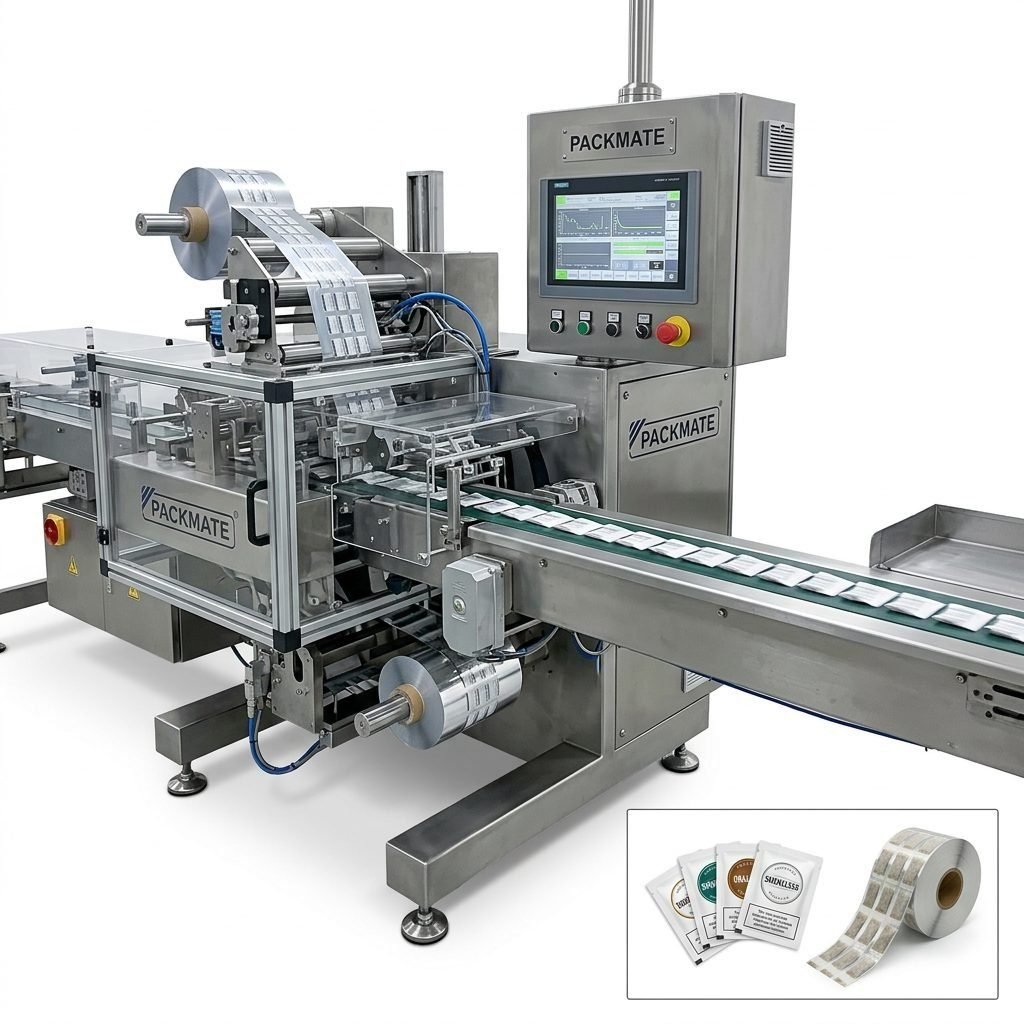
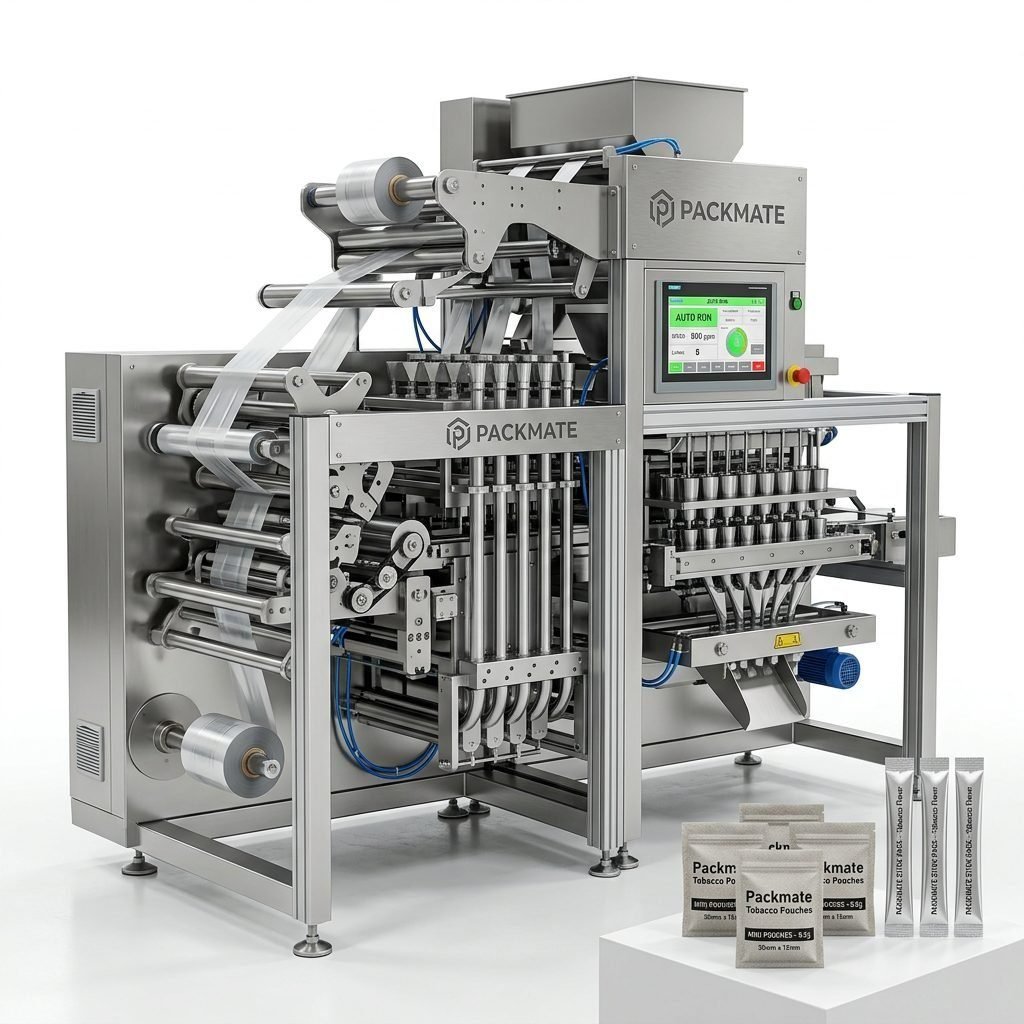
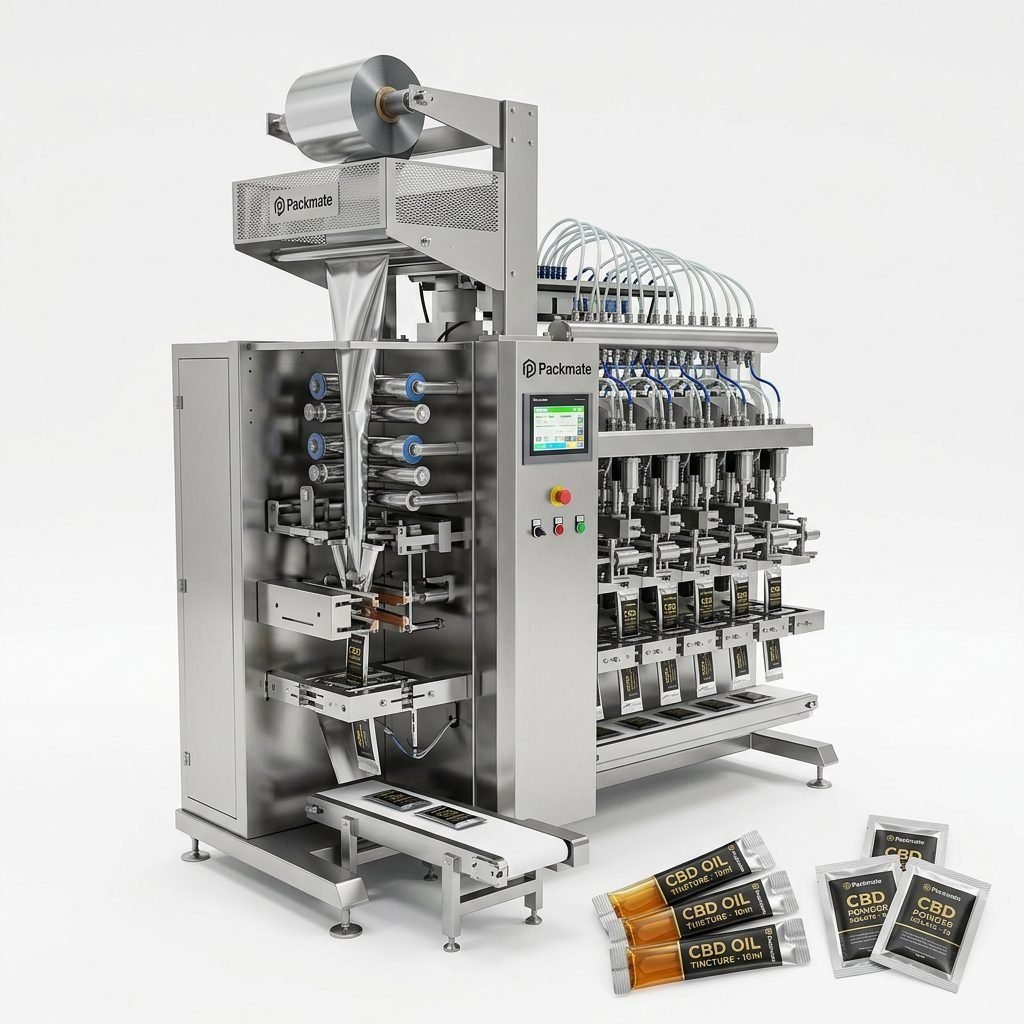
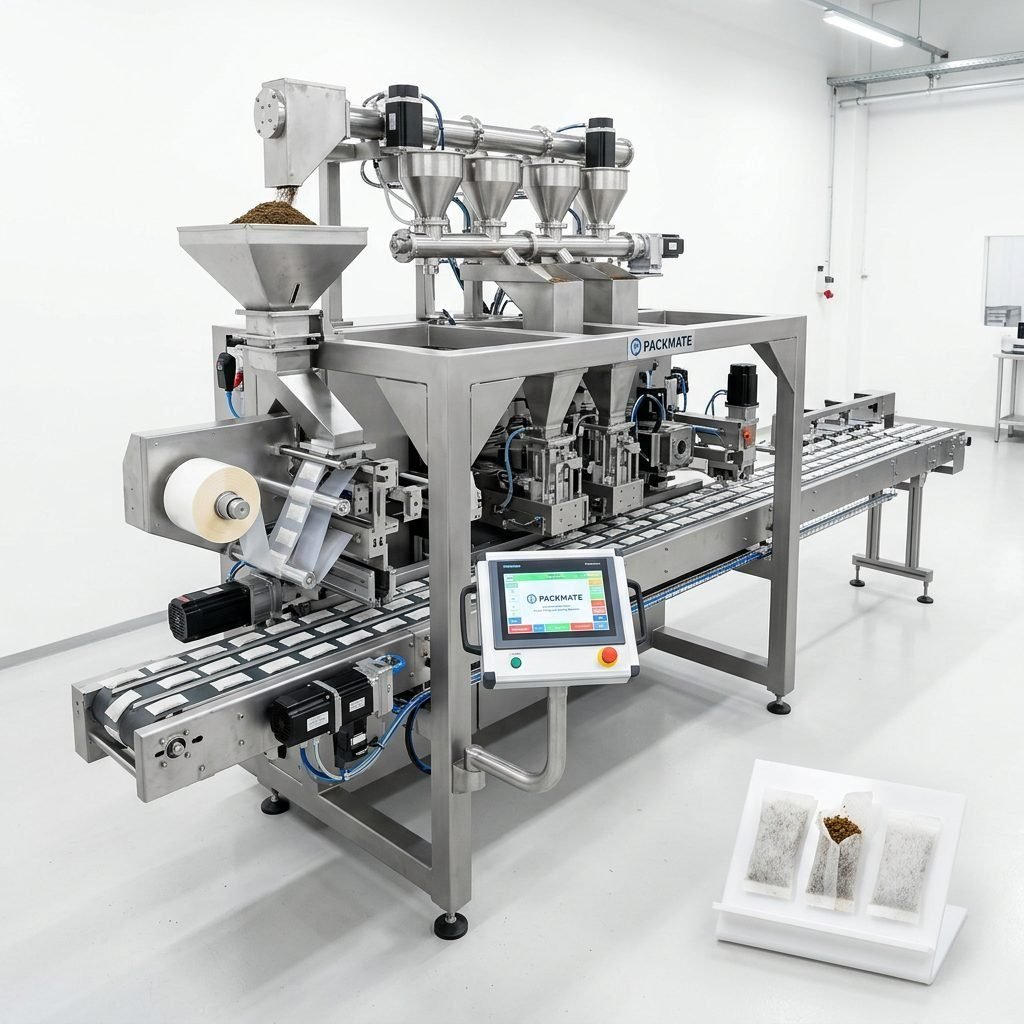
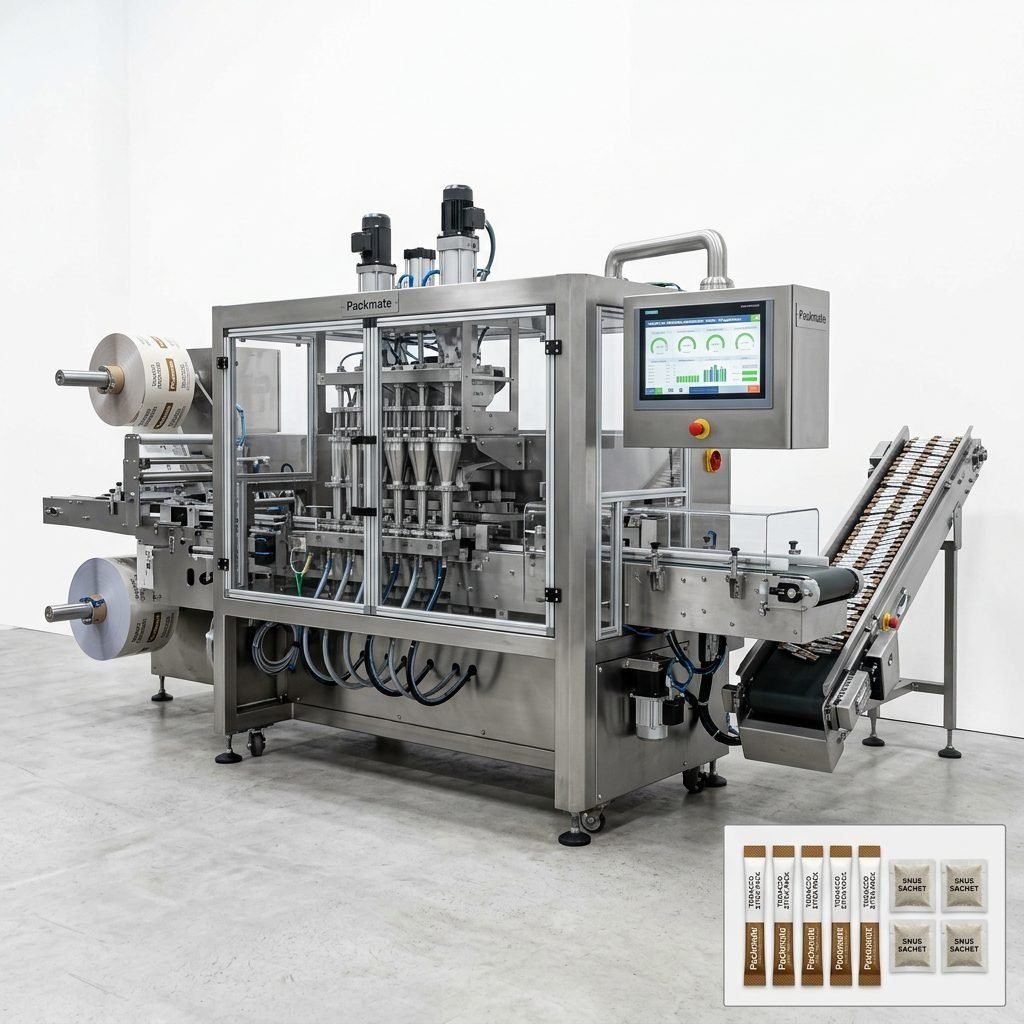
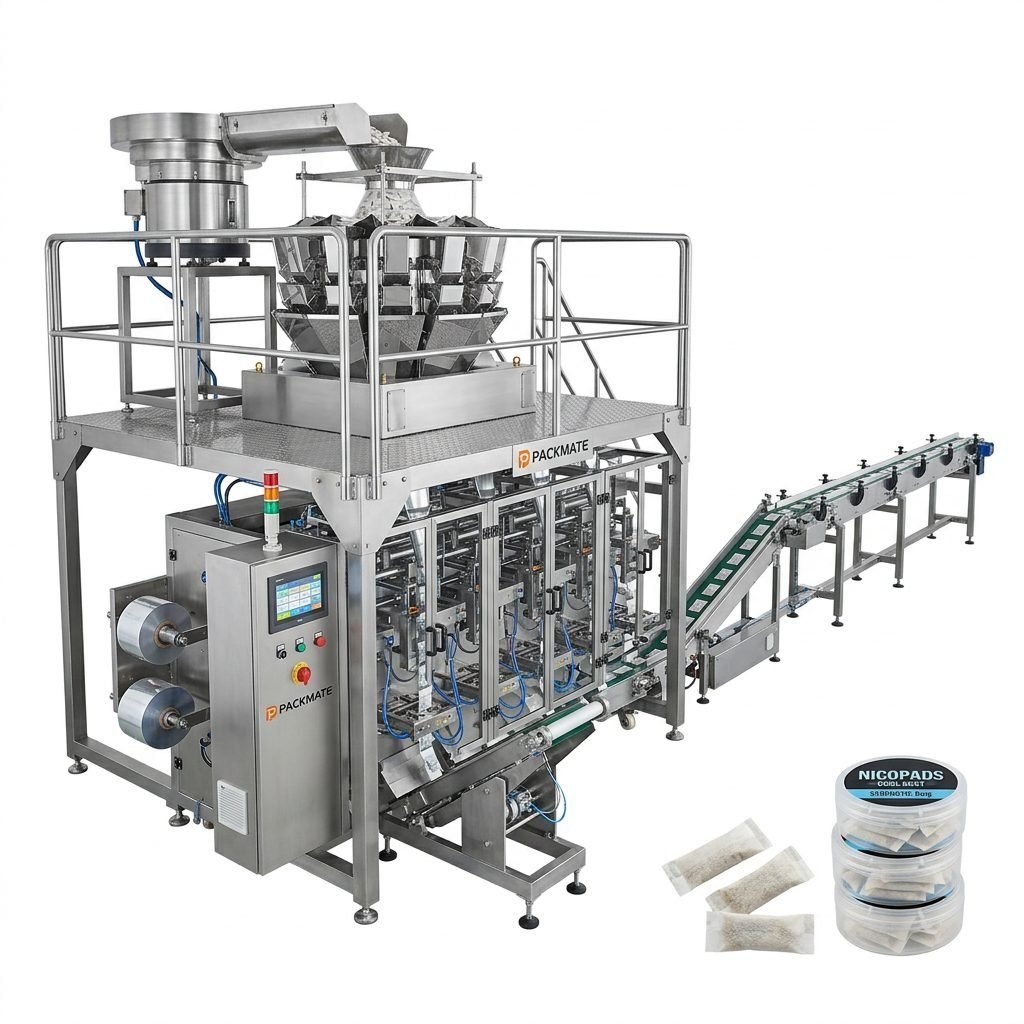
Choosing the right snus packaging machinery manufacturer for your business in Lithuania requires more than a price comparison. You must balance regulatory compliance, machine performance, after-sales service, and cultural expectations in a market that is both EU-regulated and influenced by local consumer habits. This guide walks you through the practical steps and decision points to find a reliable partner who can deliver consistent, compliant, and cost-effective snus / nicotine pouch packaging solutions.
Understand Lithuania’s regulatory and cultural context
Lithuania is a member of the European Union, and nicotineproducts are subject to strict rules and evolving local policies. While traditional snus (tobacco-containing oral snuff) faces limitations across the EU, tobacco-free nicotine pouches and related products have seen growing consumer interest in Lithuania and the Baltic region. Local consumers value product safety, hygienic packaging, and consistent portioning, and retailers demand traceable production that meets EU standards.
Key practical implications for choosing a manufacturer:
ensure CE and ISO compliance, prioritize machines that support tamper-evident and child-resistant packaging options when required, and select equipment that enables precise dosing and low contamination risk for ready-to-sell products.
Step 1 — Define your product and production goals
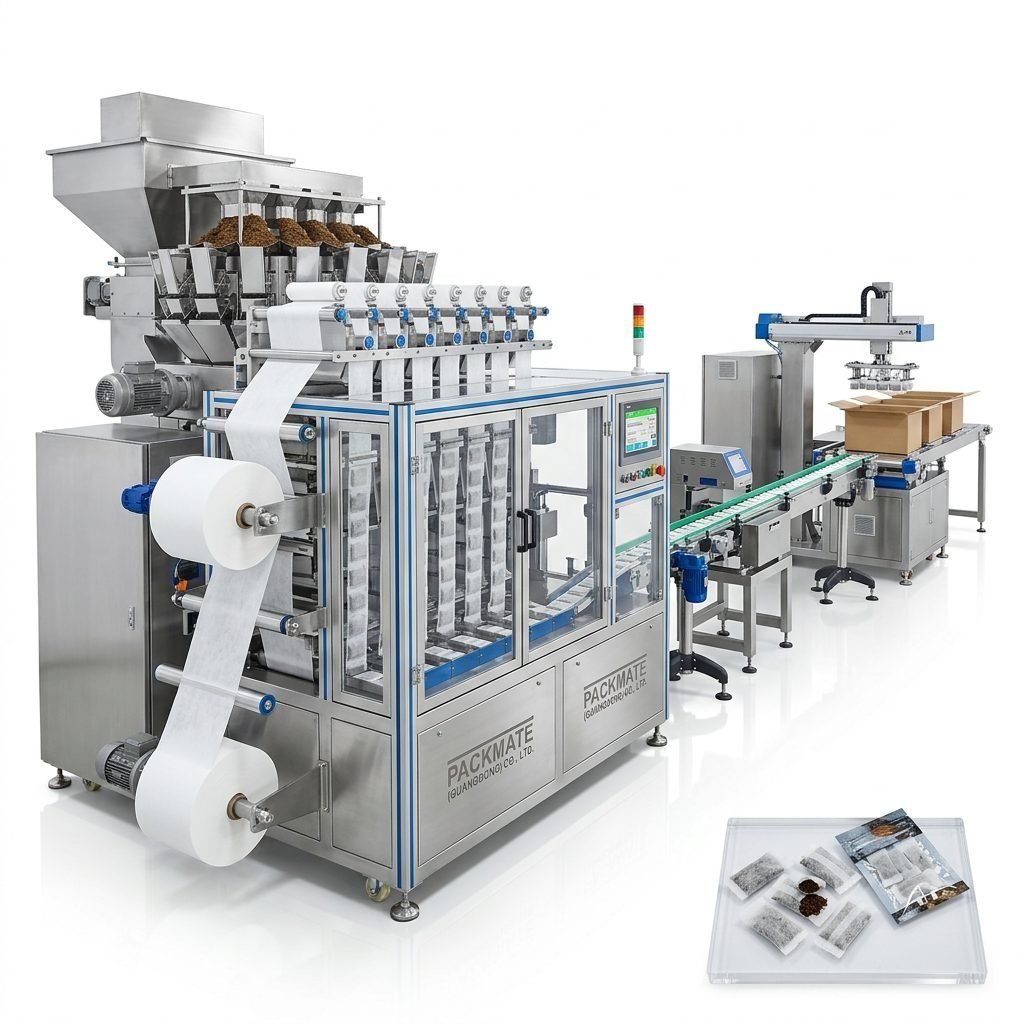
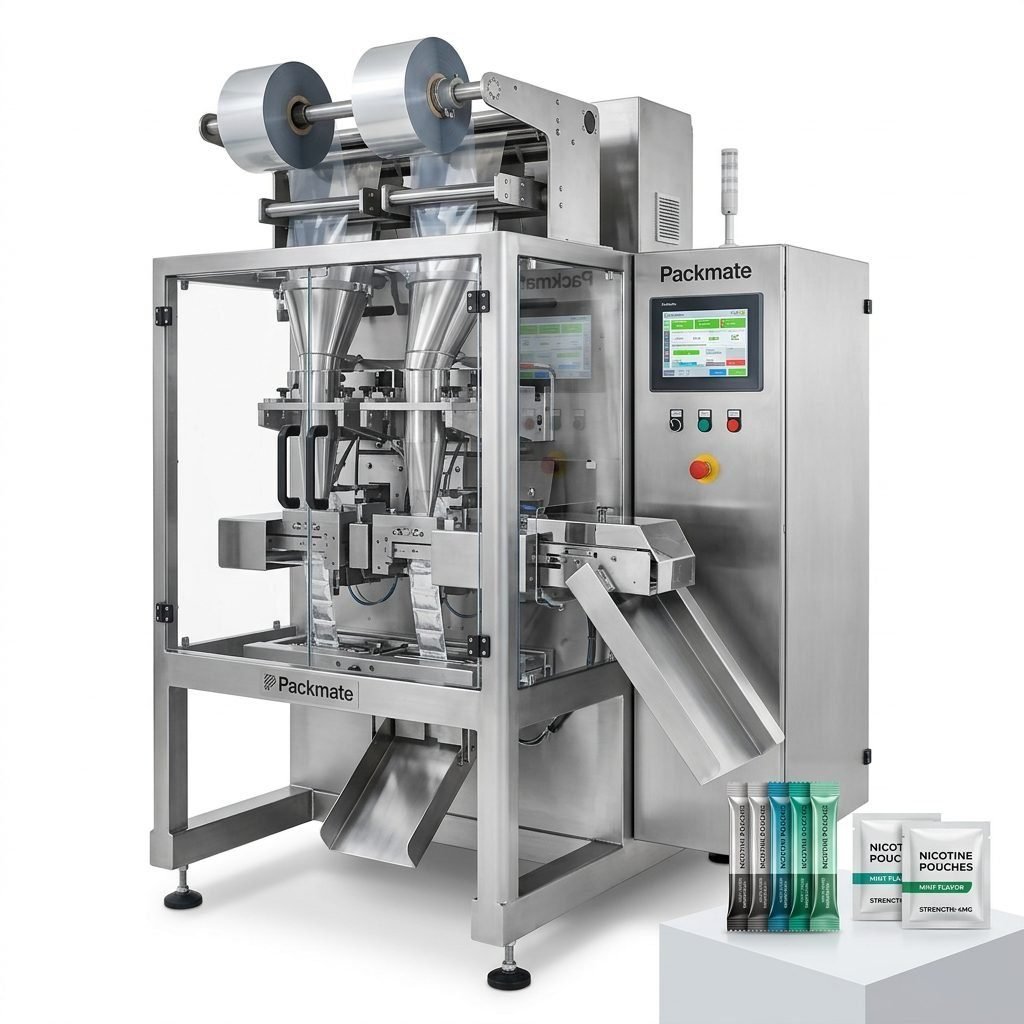
Before contacting suppliers, clarify what you will pack (tobacco-based snus vs tobacco-free nicotine pouches), expected daily output, pouch formats (stick packs, sachets, multi-lane pouches), and any post-packaging processes (cartoning, case packing, secondary sealing). Manufacturers will propose machines differently for low-volume artisan lines versus high-speed multi-lane industrial production.
Practical example: If you plan to serve Lithuanian retailers with multiple SKU sizes, a flexible multi-lane machine that can rapidly switch lane counts and pouch lengths will minimize downtime and inventory costs.
What performance metrics to set
Set realistic KPIs for your line:
target output (pouches/min), acceptable scrap rate, uptime targets, and maintenance intervals. Ask suppliers to provide performance proofs or case studies from similar clients.
Step 2 — Evaluate machine technology and flexibility
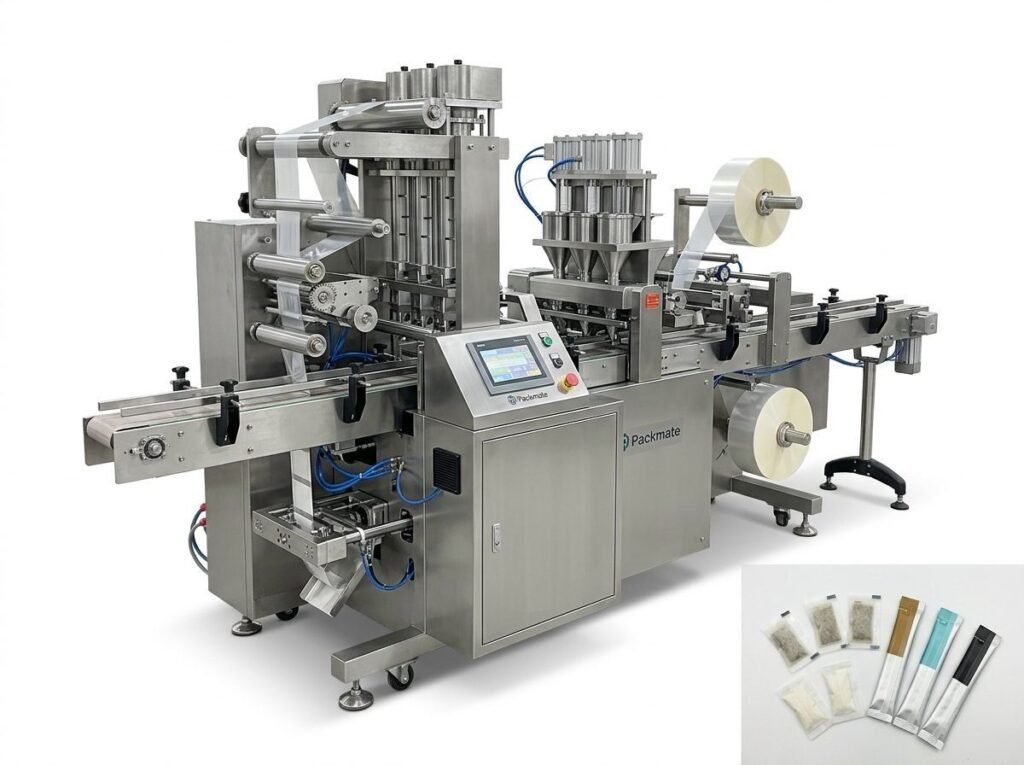
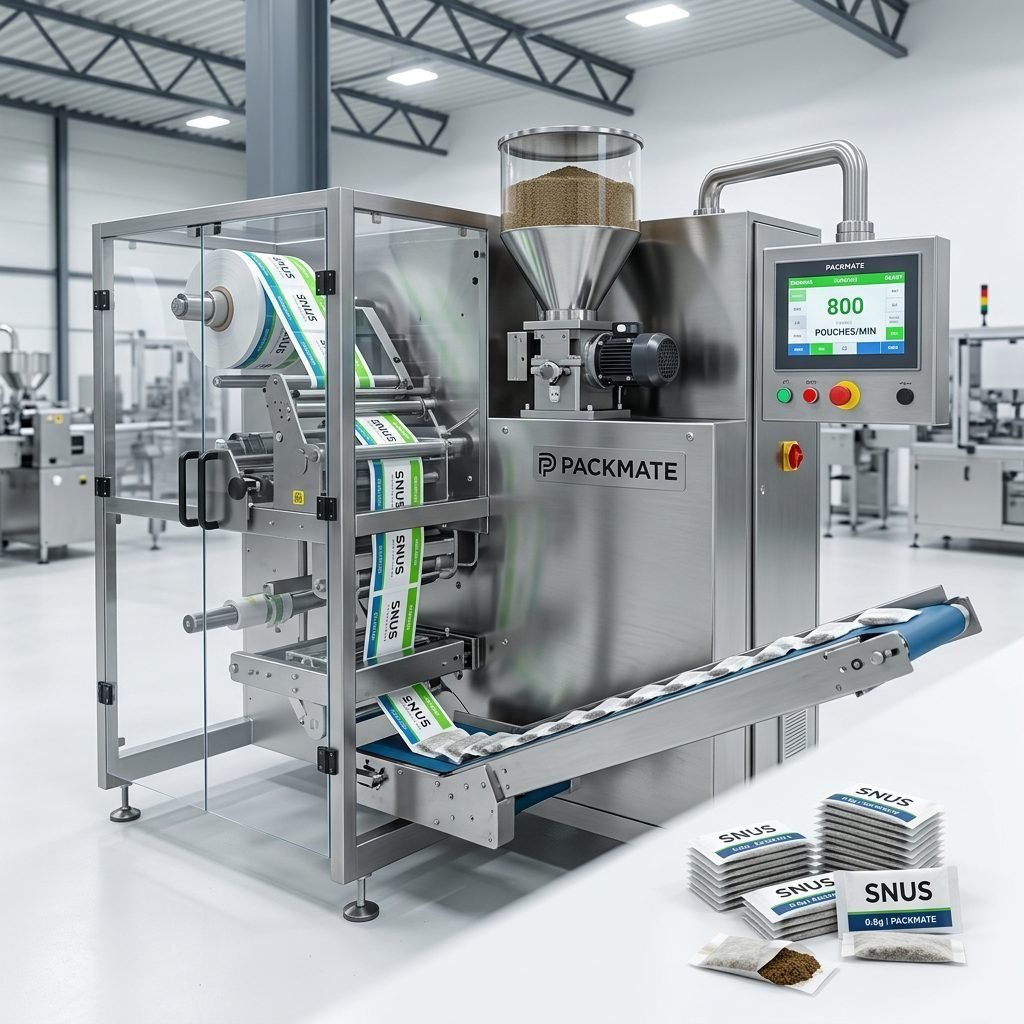
Look for machines specifically designed for snus and nicotine pouches. Machines must handle delicate pouches, offer precise dosing systems (for powder or granular fill), and provide gentle handling to preserve product integrity. Multi-lane systems are popular when scaling production, while smaller businesses may prefer high-quality single-lane sachet or stick pack systems.
📌 Tip: Visit supplier demonstration videos or request a live demo. Seeing a machine run your exact product configuration is the most reliable way to assess compatibility.
Ask these technical questions
• What filling systems are supported (augur, vibrating, volumetric, weight-based)?
• How is cross-contamination prevented (material contact design, CIP options)?
• Can the machine integrate with existing weighing and packaging lines?
• What is the control system (PLC/HMI) and language support for Lithuanian or English?
Step 3 — Prioritize compliance, safety, and certifications
EU markets require equipment that meets international safety and quality standards. Confirm CE marking and ISO-aligned manufacturing processes. Ask for documentation showing compliance with electrical safety, machinery directives, and hygienic design for food-contact parts — especially important for oral products.
✅ High-value proof points to request from manufacturers:
CE certificate, ISO documentation, material traceability, and any third-party inspection reports. Suppliers who publish their certificates and factory capabilities provide greater transparency and reliability.
Step 4 — Assess manufacturing capacity and customization
A strong manufacturer should offer a range of proven models and customization options. Assess whether they have adequate factory size, machining capabilities, and assembly systems to support bespoke requests and future scaling. Look for companies with a track record of turnkey projects and full-line integration.
📌 Example: Manufacturers with a 20,000㎡ facility and advanced CNC centers typically offer faster lead times and higher component quality for critical machine parts.
Step 5 — Verify installation, training, and after-sales support
Installation and commissioning are crucial. Confirm that the manufacturer offers on-site or remote commissioning, operator training, and clear maintenance schedules. For Lithuanian clients, ask if local language support or regional technicians are available, or whether responsive remote support is guaranteed in English.
Strong after-sales offerings include spare parts packages, preventive maintenance contracts, and readily available documentation (parts lists, electrical schematics). Suppliers who travel to exhibitions or have local partners can often provide faster service.
Service and warranty expectations
• Minimum one-year warranty with clear terms for wear parts.
• Spare parts delivery timelines (important for remote Baltic locations).
• Training materials and multilingual manuals.
Step 6 — Review references and case studies
Ask for references and relevant case studies. Manufacturers who work across Europe or have implemented turnkey lines for nicotine pouch producers provide practical evidence of capability. Reviewing documented cases lets you inspect real-world uptime, yield, and support responsiveness.
For deeper research, look at product pages and examples such as Snus & Nicotine Packaging Machines and project showcases like the manufacturer’s Case library to compare configurations.
Step 7 — Compare total cost of ownership, not just price
When weighing proposals, calculate total cost of ownership (TCO): purchase price, freight, import duties, installation, training, spare parts, energy consumption, and expected lifetime. A cheaper machine with higher downtime and poor support can cost significantly more over three to five years.
Use scorecards to rank suppliers on performance, compliance, lead times, and service. Give extra weight to demonstrated EU compliance and proven multi-lane solutions if scaling is part of your plan.
🔍 Quick buyer checklist: machine speed & format range, hygienic design, control & language support, CE/ISO certificates, spare parts lead time, training & commissioning, references in EU or Baltic markets.
Step 8 — Logistics: shipping, installation and customs for Lithuania
Plan shipping and customs early. Choose a supplier experienced with EU shipments and familiar with Lithuanian import procedures. Understand whether they provide DDP (Delivered Duty Paid) options, or if you must handle customs clearance locally. This reduces surprises and accelerates commissioning.
If you need vendor support after delivery, confirm regional technician availability or reliable remote diagnostics as part of the service package. For direct inquiries, use official contact channels like the supplier’s Contact Us page.
Local considerations and workplace culture in Lithuania
Lithuanian manufacturing culture values punctuality, clear contracts, and transparent communication. When negotiating terms, be explicit about delivery windows, payment milestones, and performance guarantees. Respect for formal agreements is strong; make sure technical specifications and acceptance criteria are documented in the contract.
Consumer habits: many Lithuanian buyers prefer ready-to-sell packaging that emphasizes quality and clear safety markings. Investing in modern packaging aesthetics and reliable sealing will improve shelf acceptance and retailer relationships.
How Packmate-like capabilities help Lithuanian buyers
Suppliers with three decades of engineering experience, advanced CNC machining, and a wide portfolio of packaging machines can deliver tailored solutions for nicotine pouch lines. Look for manufacturers who provide multi-lane systems, hygienic design, and documented EU certifications. If you want to review product lines and services, check the manufacturer’s product categories such as Sachet & Stick Pack Machines and Service offerings.
Final selection tips
• Visit the supplier’s production facility if possible or request a detailed virtual tour.
• Insist on trial runs with your product or close analogs.
• Secure clear acceptance testing criteria and spare parts list at contract signing.
• Negotiate staged payments tied to milestones like FAT (Factory Acceptance Test), shipment, and successful commissioning.
✅ Bottom line: Choose a manufacturer who demonstrates regulatory compliance, proven snus/nicotine packaging experience, reliable after-sales support, and the ability to adapt machines to Lithuanian market needs.
Next steps
Start by shortlisting 3–5 suppliers, request detailed proposals, compare total cost of ownership, and schedule demonstrations. For further product details and technical specifications, explore the manufacturer’s product pages such as Weighing & Packaging Systems and About Packmate.
Common Questions
Q1: How important are CE and ISO certificates when buying a snus packaging machine for Lithuania?
A1: Extremely important. They demonstrate compliance with EU safety standards and help with customs and regulatory inspections.
Q2: Should I buy a multi-lane machine immediately or start with a single-lane system?
A2: It depends on your growth plan. Multi-lane systems offer higher throughput and scalability but have higher upfront costs. Evaluate projected demand and budget.
Q3: What after-sales support is essential for Lithuanian buyers?
A3: Fast spare parts delivery, remote diagnostics, clear maintenance schedules, and operator training are essential to minimize downtime.
Q4: Can manufacturers help with regulatory documentation for nicotine pouches in Lithuania?
A4: Many experienced suppliers provide documentation and certificates that support regulatory compliance, but you should confirm local legal requirements with Lithuanian authorities.
Q5: Where can I get more detailed product and service information?
A5: Visit the supplier’s official pages for product catalogs, case studies, and contact details to arrange consultations and demonstrations.